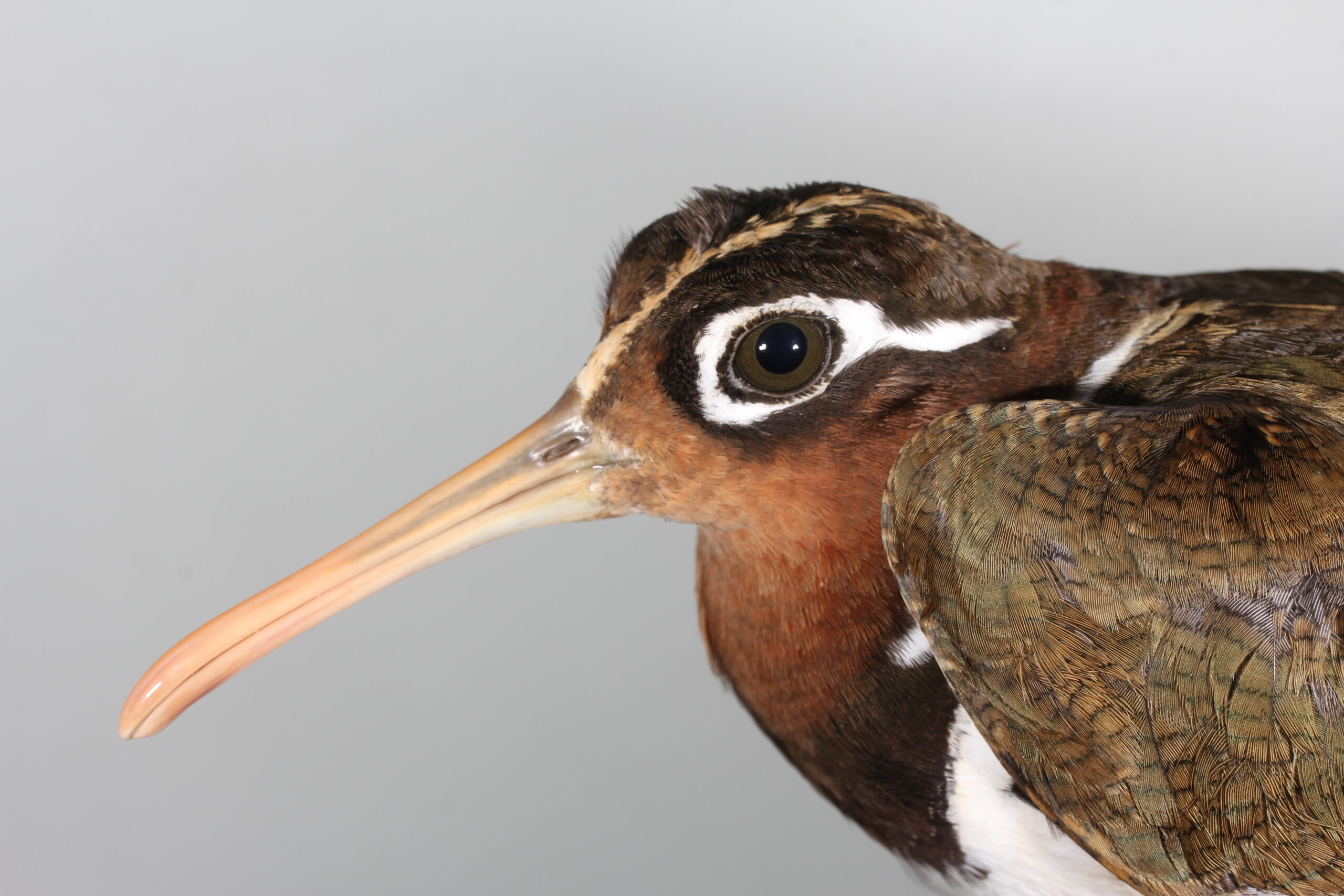



We continued with our downward trend in number of birds today, but it ended up being a nice day with still 5 different species of buntings. This was nice for us to have a good chance to study the Buntings, and the differences in the sexes and ages.
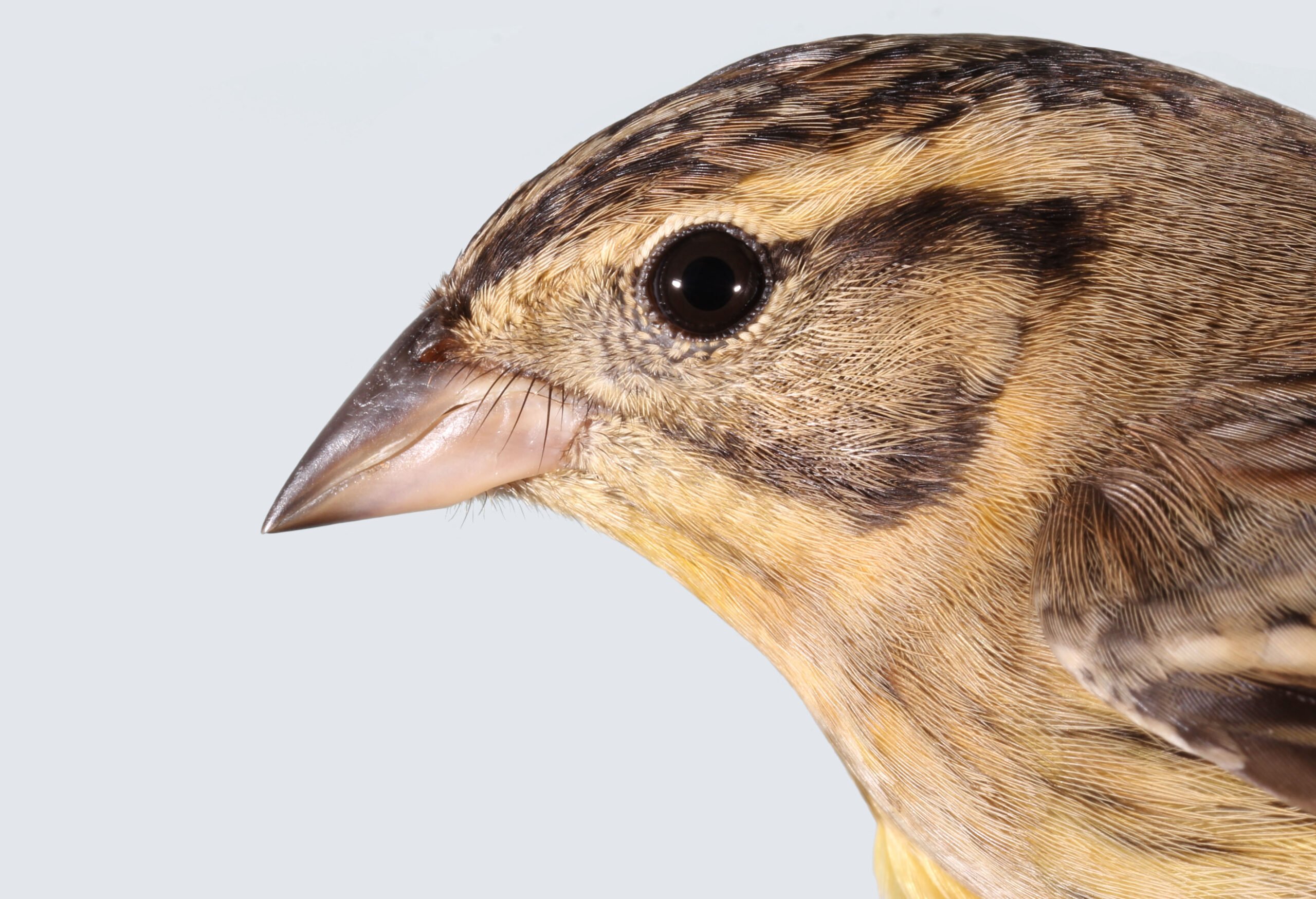
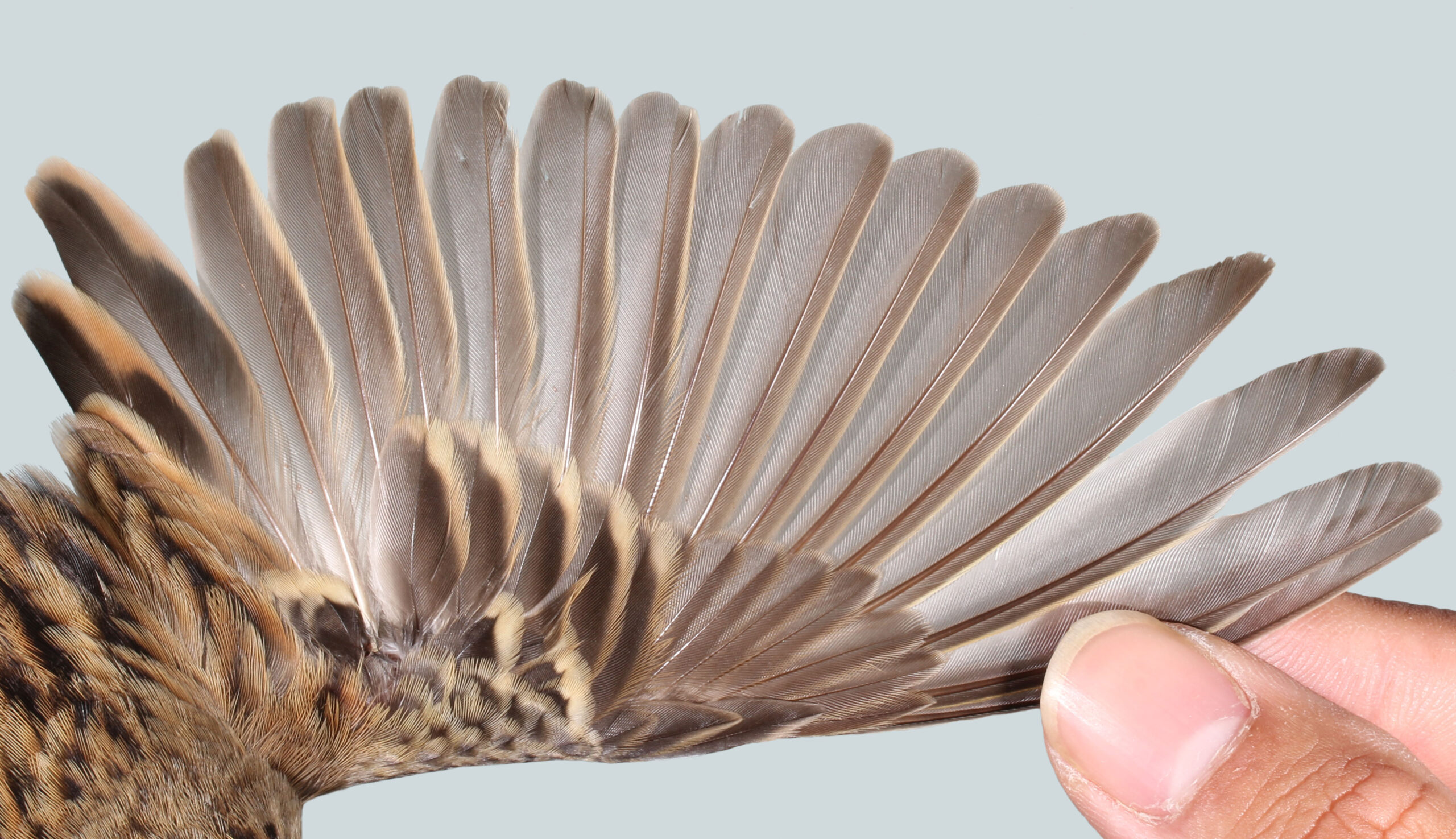
Up first we had a nice, 1st calendar year, female Yellow-breasted Bunting. This species can be sexually differentiated by the level of chestnut in the crown and wing (that is lacking in females, but can also be very restricted in young males), and the amount of white in the wing coverts (again, present in males, but not in young females).
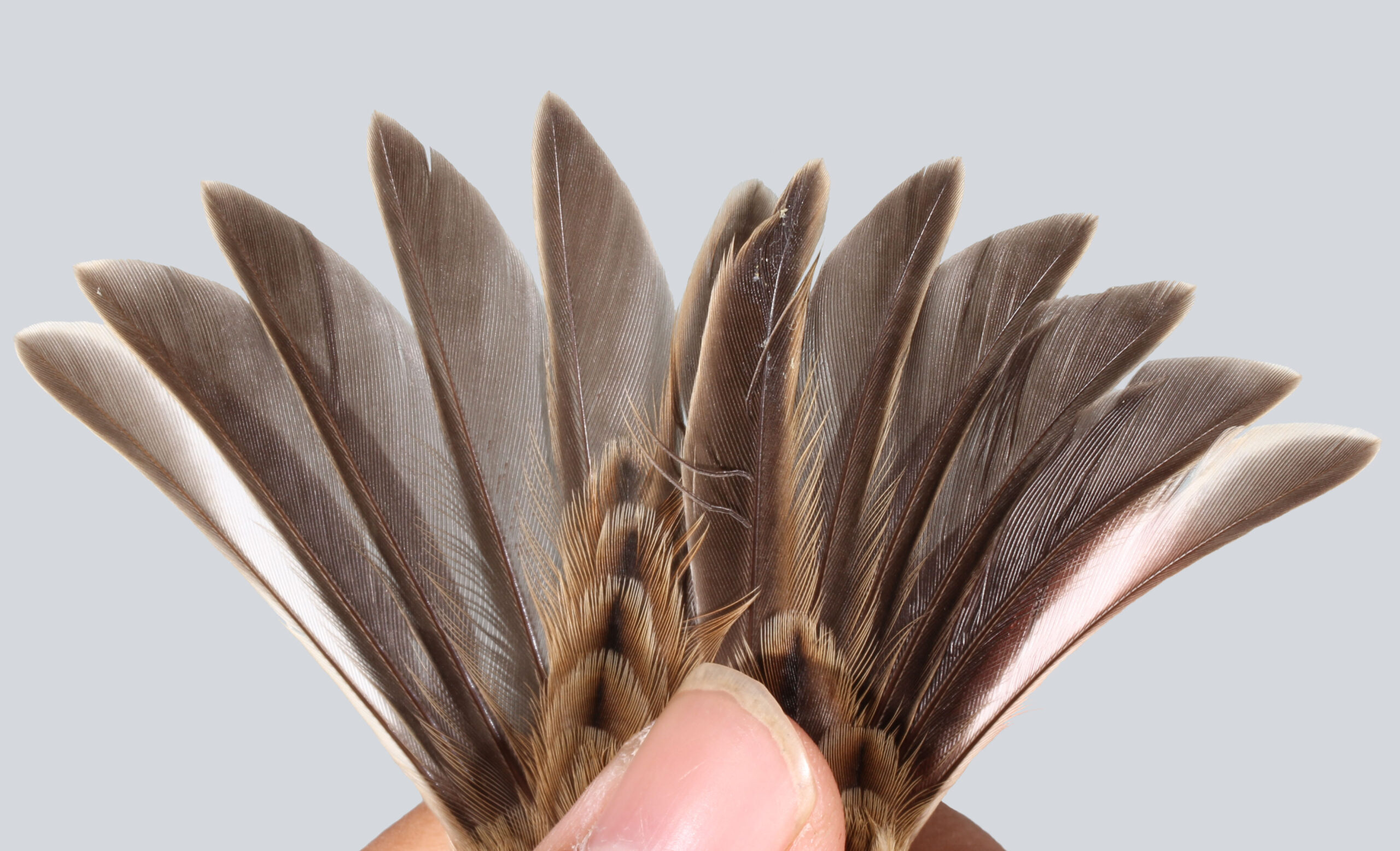
However, before we sex the bird, we must age it first. Like most Bunting species, Yellow-breasted Buntings moult all of their Lesser Coverts, Median Coverts and Greater Coverts. This means the moult limits to be found are between the moulted, postjuvenile LCs, MCs and GCs, and the juvenile primary coverts and flight feathers, as well as potential moult limits in the tail (as seen in the individuals both above and below). Therefore, we can determine that the individual above is a 1st calendar female.
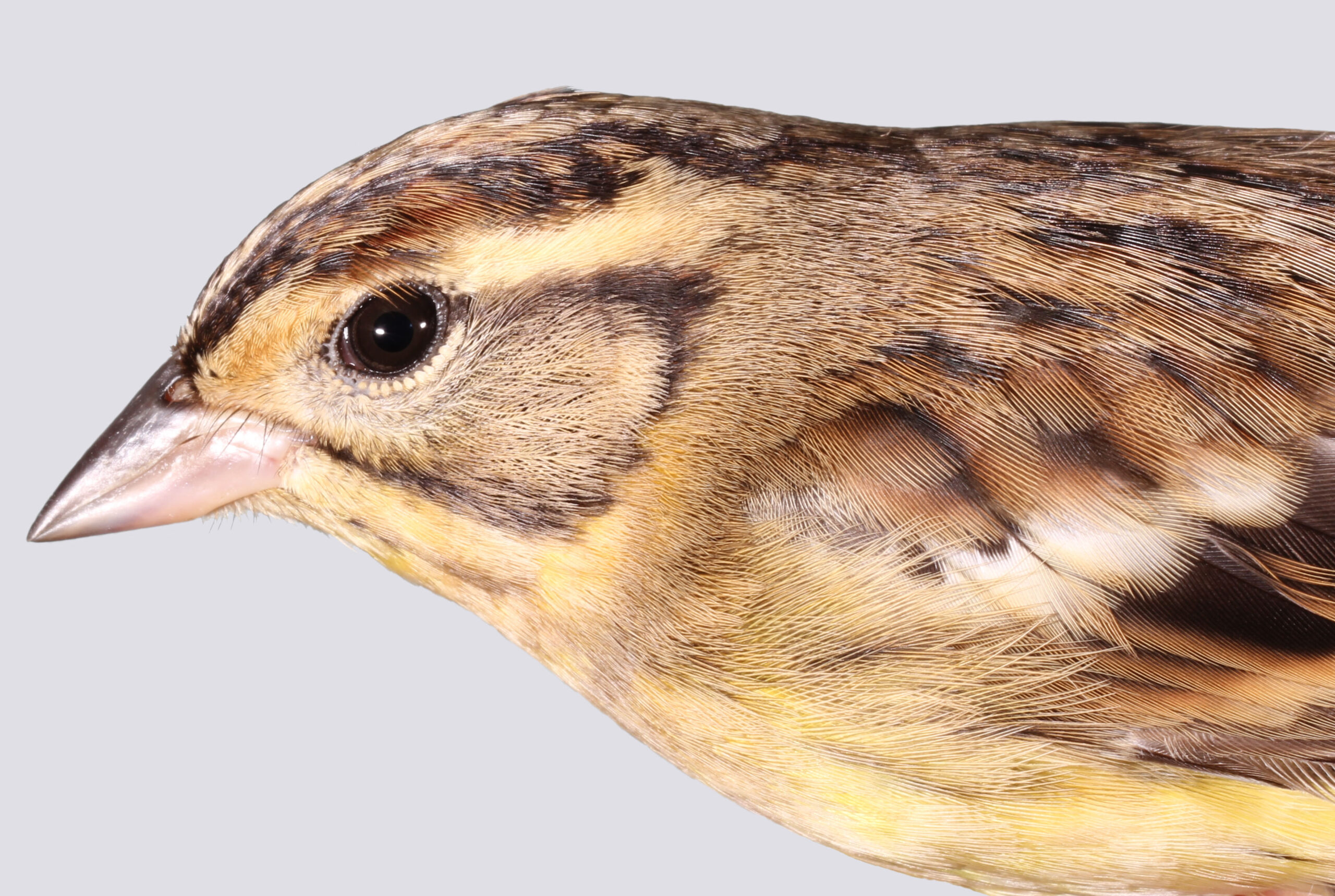
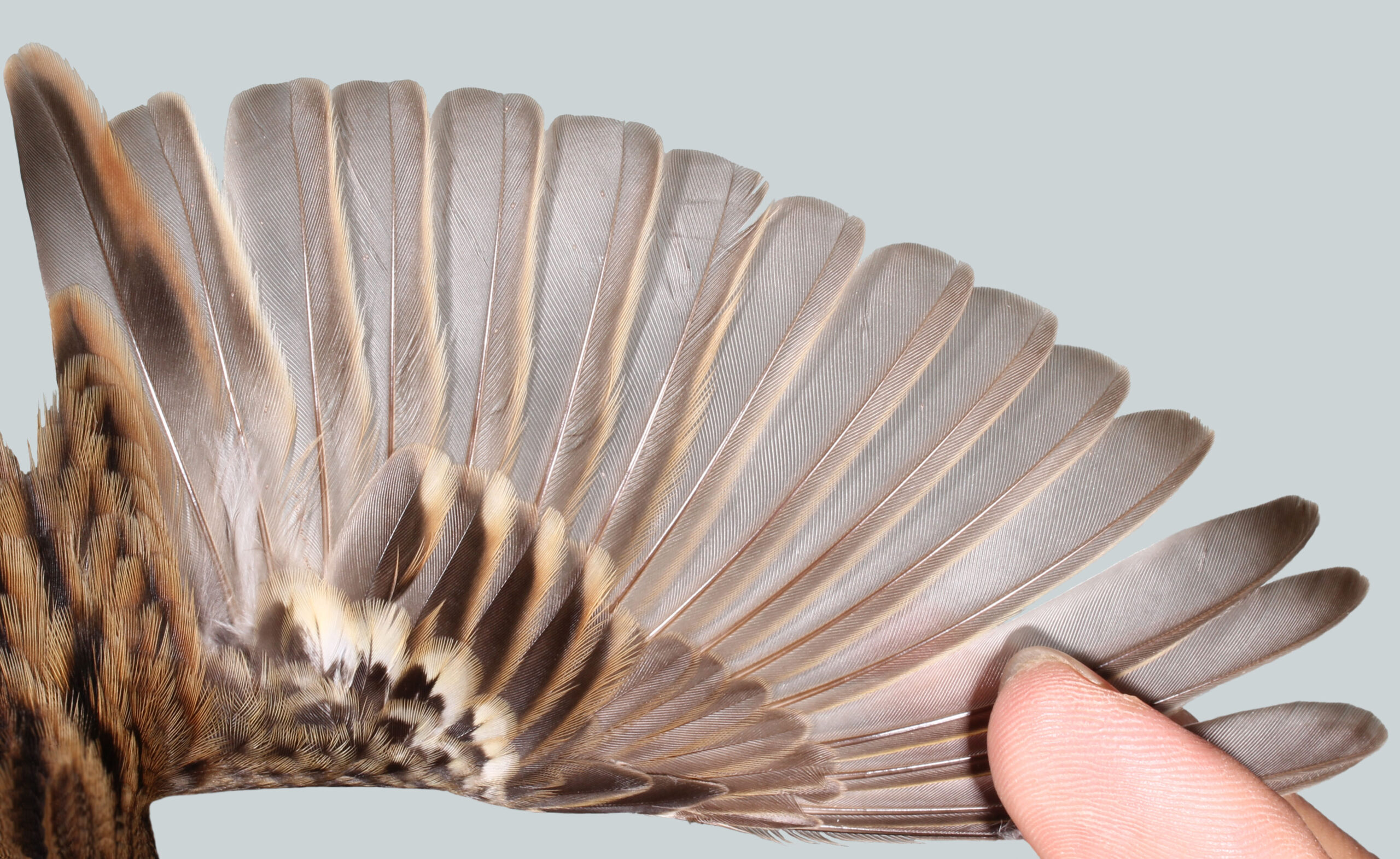
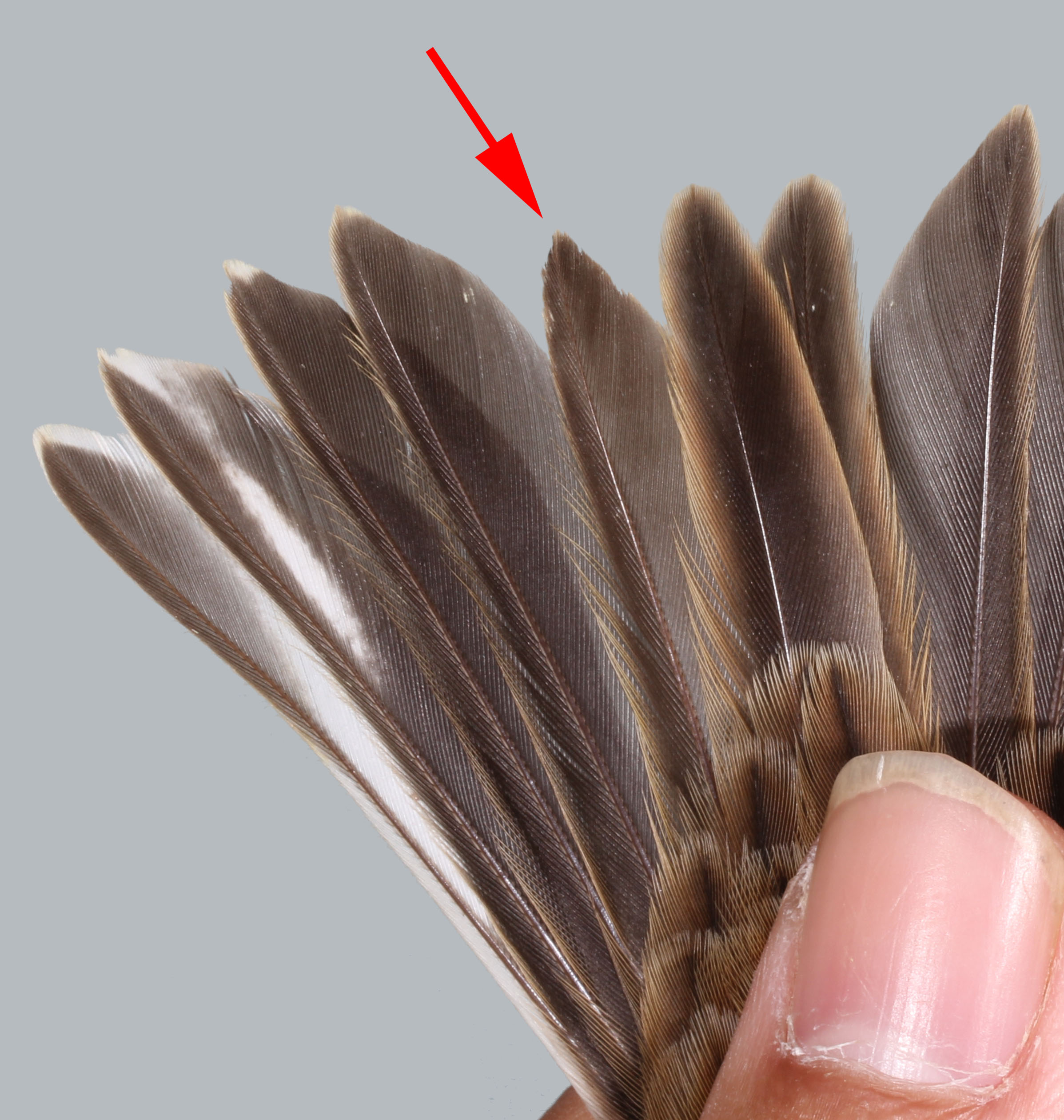
Next up we had a very similar Yellow-breasted Bunting. From the criterea mentioned above, we could determine that this too was a young bird. However, there is one other special thing about Yellow-breasted Buntings. They have an exceptionally extensive moult, and therefore it is common from young Yellow-breasted Buntings to moult 2-4 of their primaries. This is a difficult moult limit to be identified, but can be seen in both individuals above.
However, this individual shows a minute amount of chestnut in the crown feathers (just above the supercilium), and a little white to the tips of the Median and Lesser Coverts (compared to the young female). Therefore, we can determine that this is a young male Yellow-breasted Bunting.
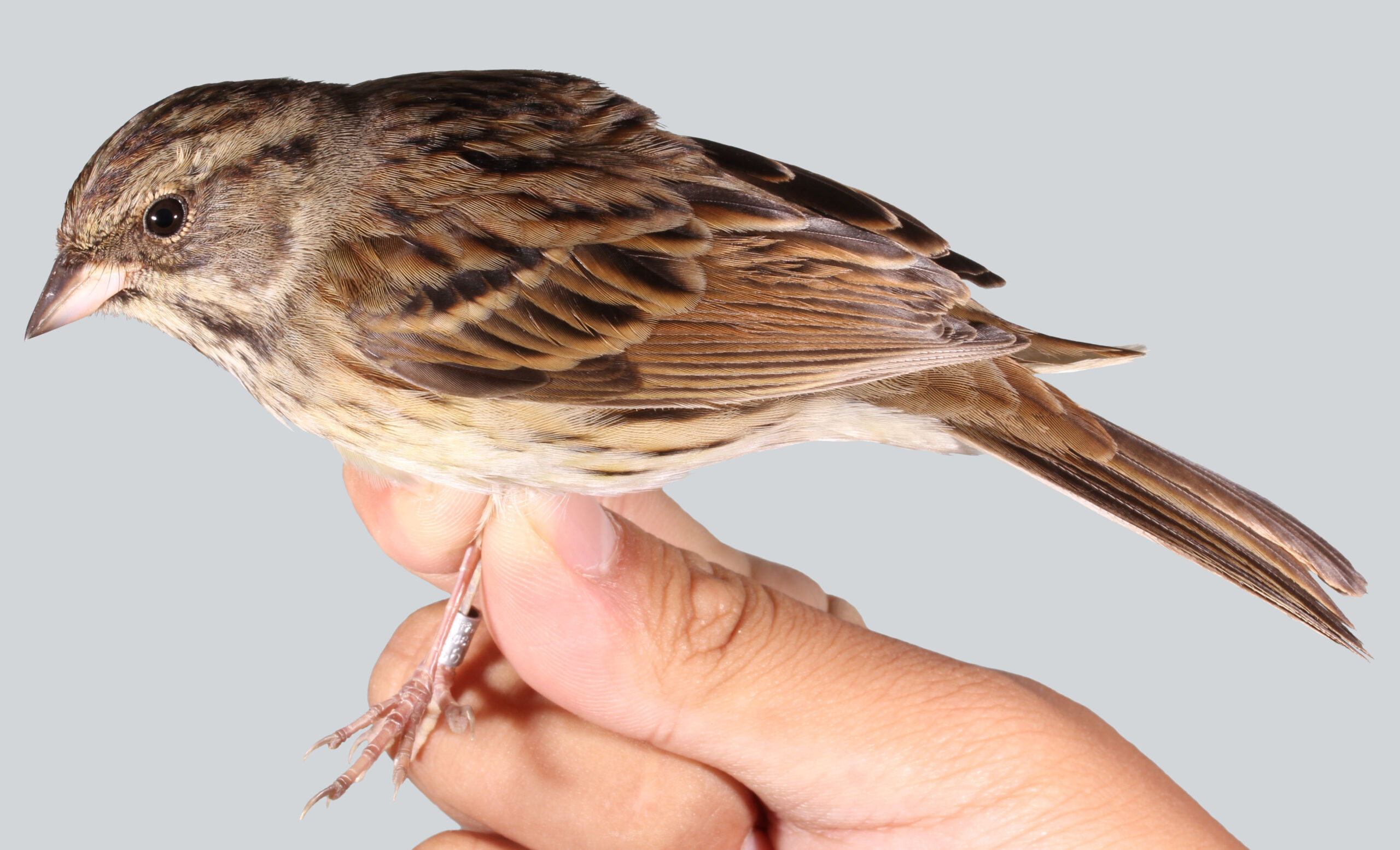
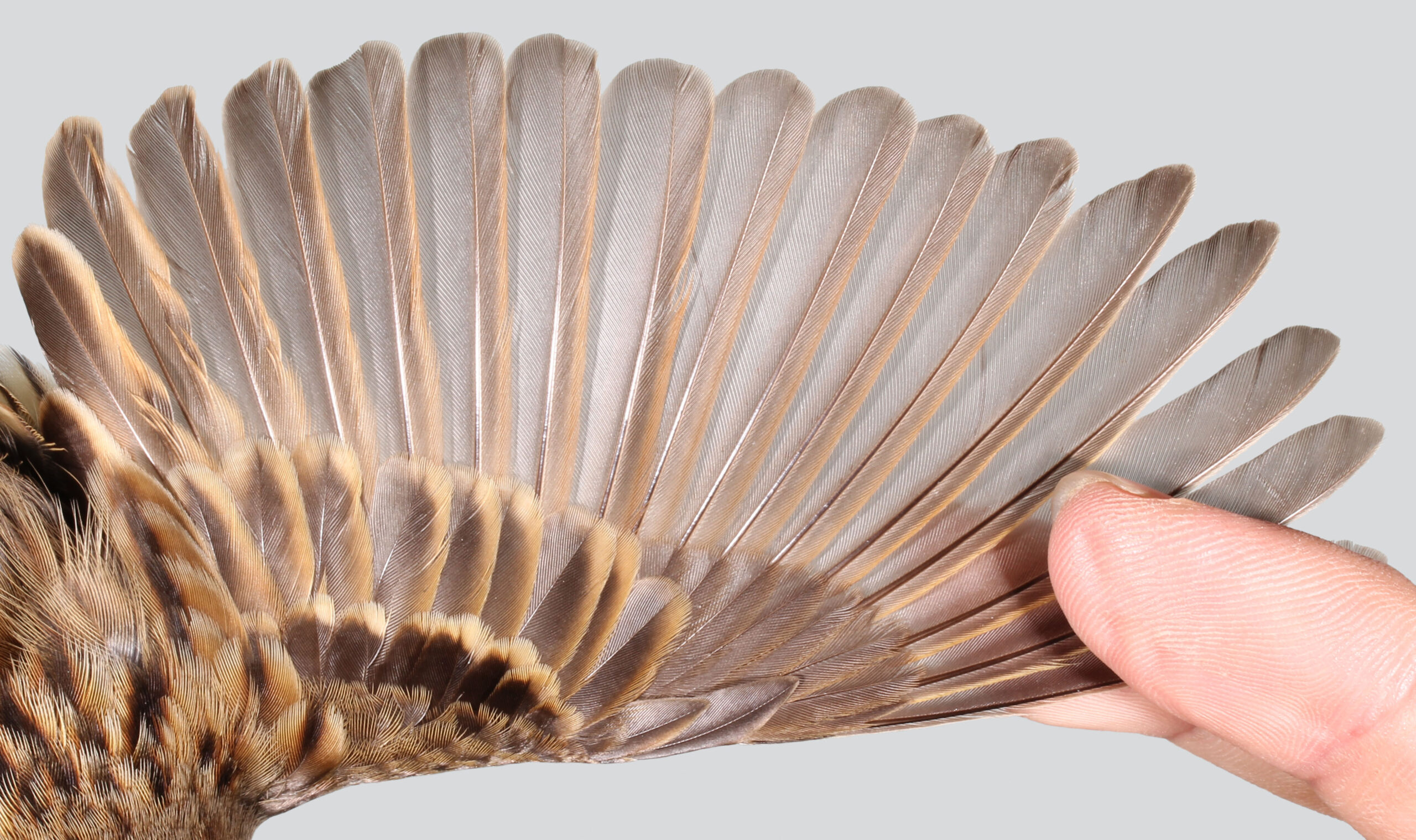
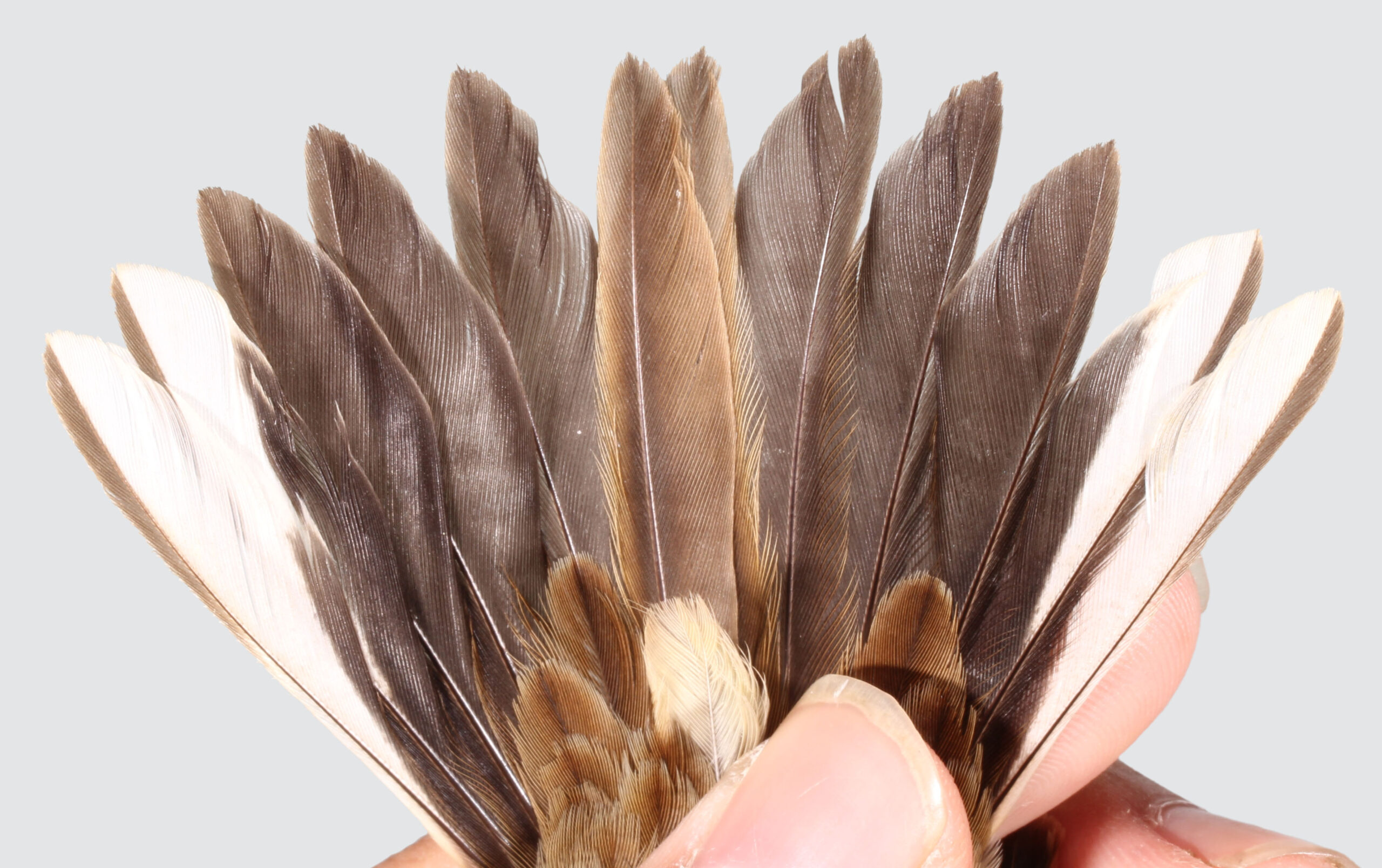
Next up is one of our overwintering species. Although some Black-faced Buntings will continue south for the winter, other individuals will choose to stay in Hong Kong for the entire season. This species is one of just two Bunting species that choose to do just this- the other being the Little Bunting.
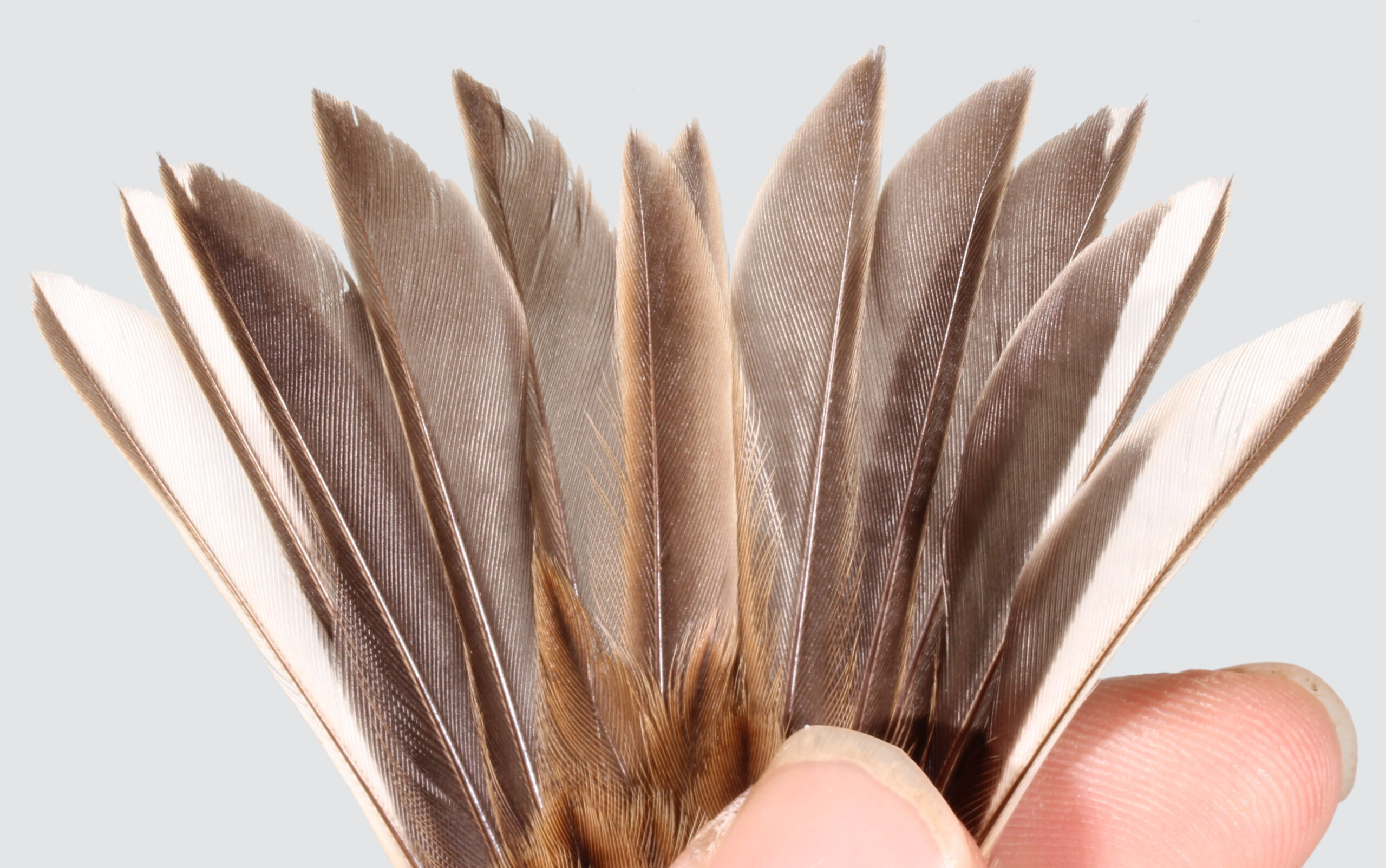
Juvenile Black-faced Buntings in summer, just like the other Buntings, will usually moult all of their Lesser Coverts, Median Coverts and Greater Coverts, and totally some tertials or tail feathers. Adults undertake a Summer Complete moult. Therefore, once again, the easiest way for us to age them is to look for moult limits, either between the GCs and PCs, or within the tail/tertials.
In the individual above, we can see one such moult limit in the wing. Here, the GCs are fresh, dark and glossy (postjuvenile) in comparison to the more brown, worn and narrow PCs (juvenile). After ageing, we can begin determining the sex of the bird. Again, this must be done after ageing, mainly not to mix up young males from adult females, which can display some typically male traits as they become older. However, since we know this is a young bird, the deep, slate-grey in the face, and dark brown tones suggest that this is a young male.
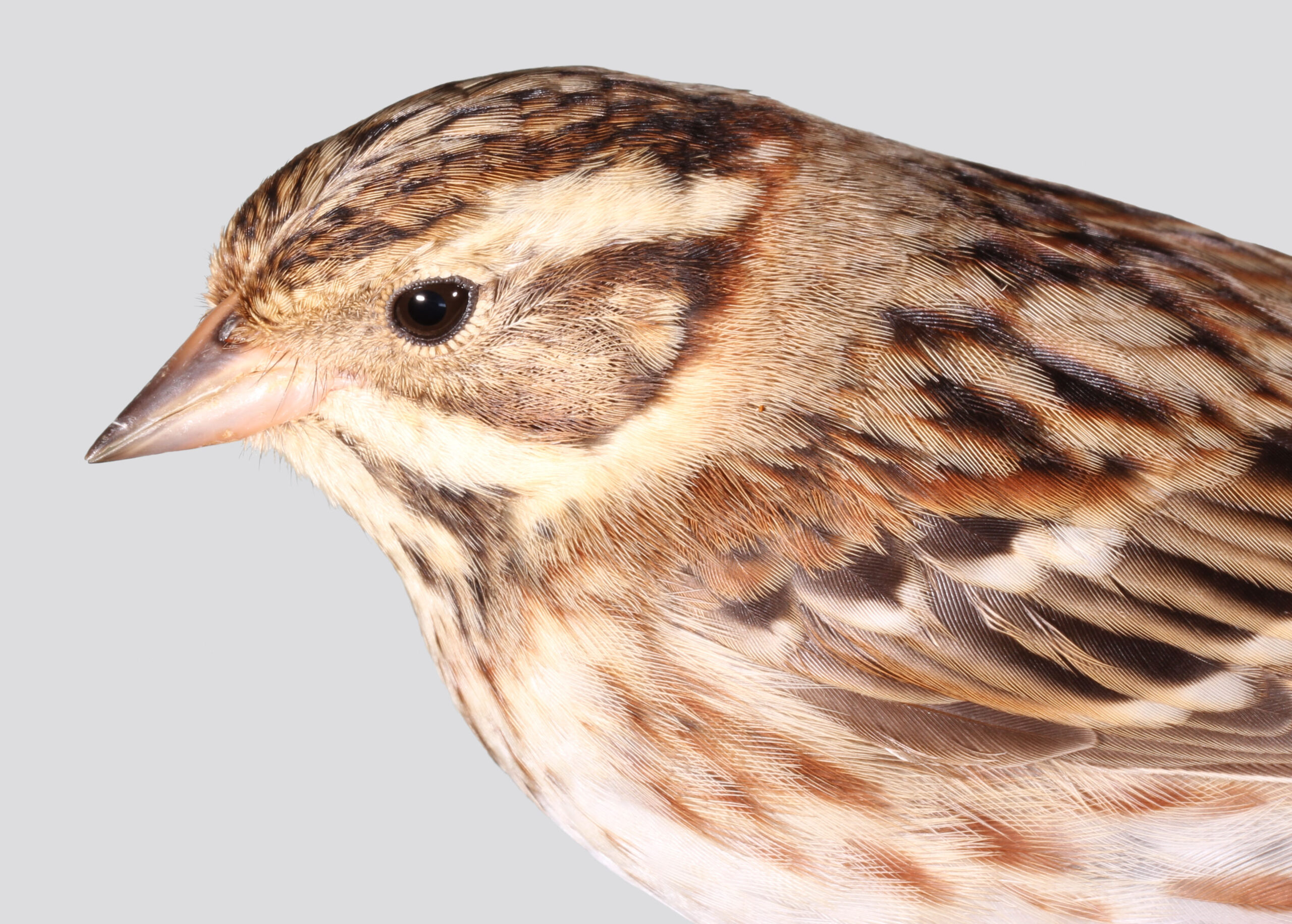
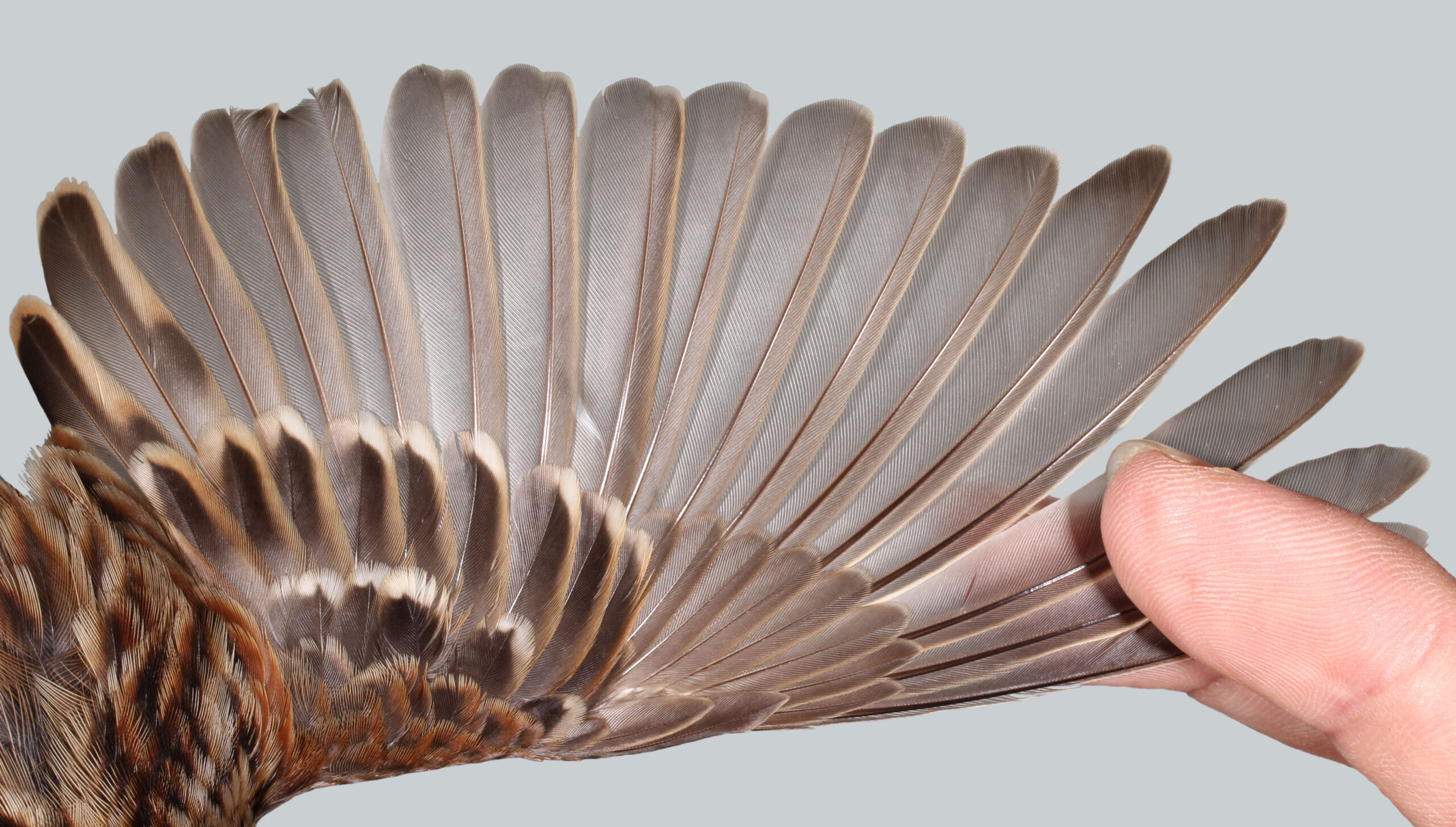
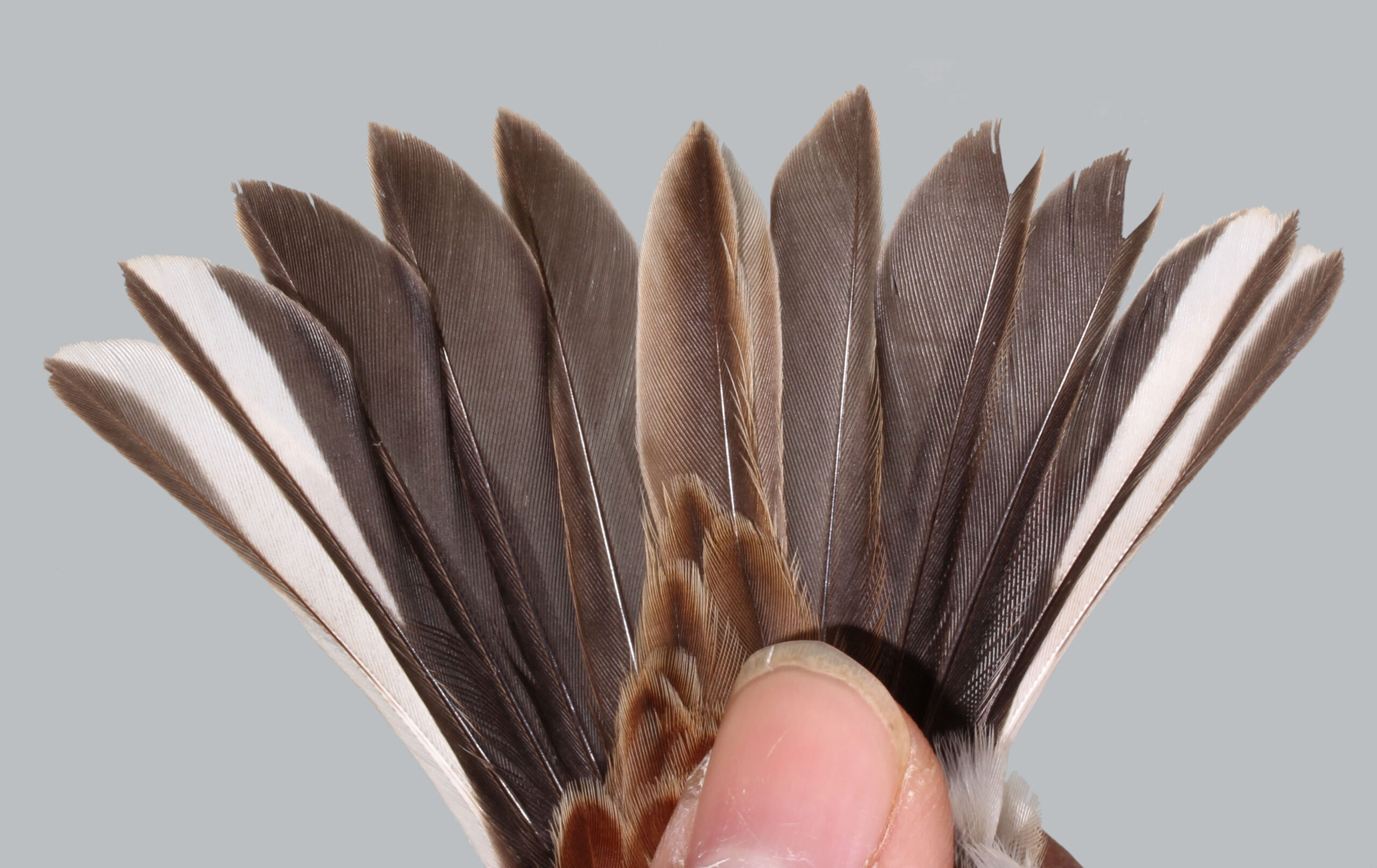
One of our more uncommon captures, Rustic Buntings are less likely to be found this far south, preferring the colder climates of northern China and Siberia. Hence, it is always a delight to have them come visit us! They are aged in the same way as most other Buntings- moult limits either between the GCs and PCs, or within the tail/tertials. This individual above has an entirely juvenile tail, and this moult contrast within the wing coverts. Therefore, we can conclude it is a 1st calendar year bird.
In this species, we are looking for the amount of deep-red/chestnut hue in the head and wing coverts- the male characteristics. This is just about visible here around the nape, coverts and back the bird. Thus, this bird is a young male Rustic Bunting.
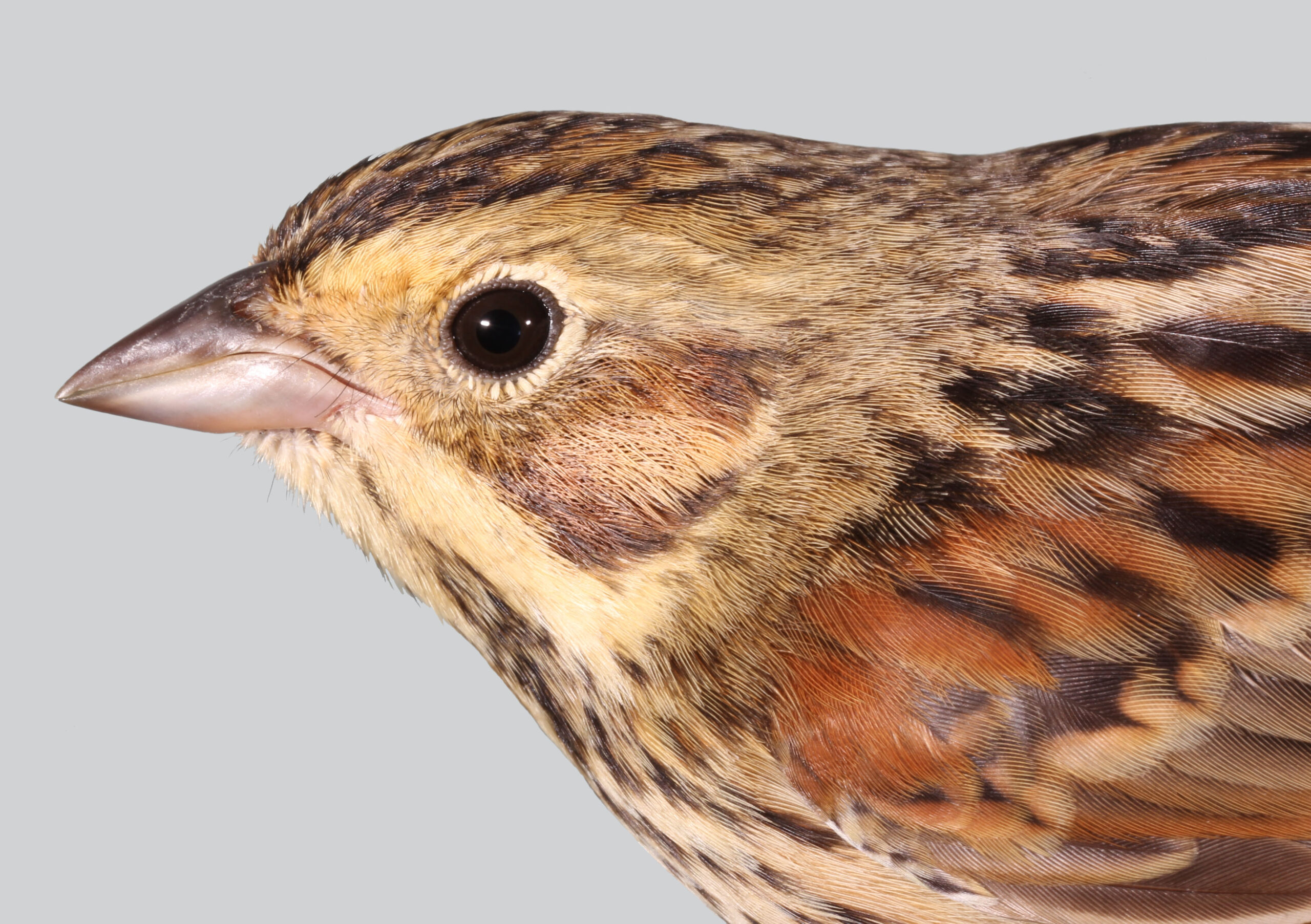
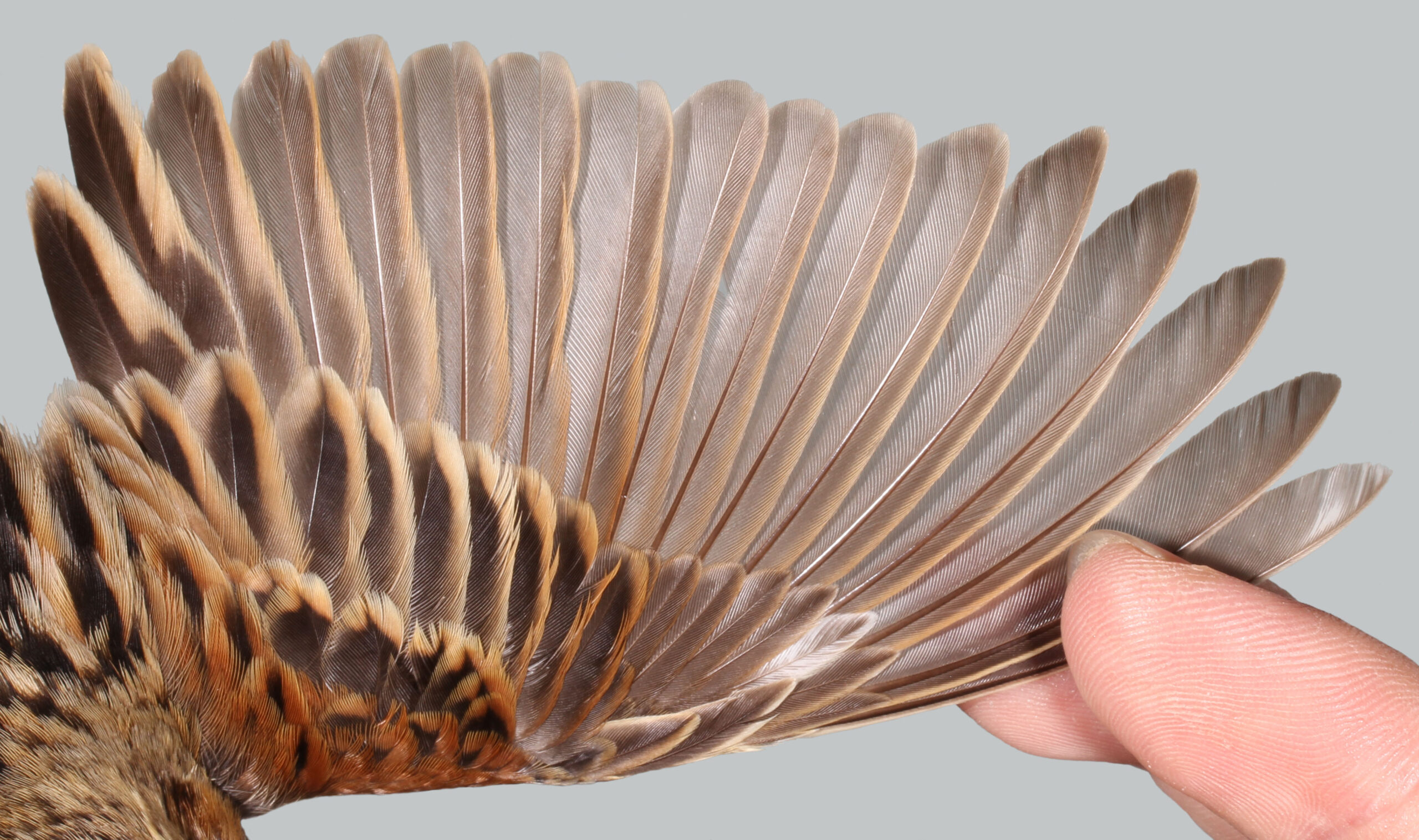
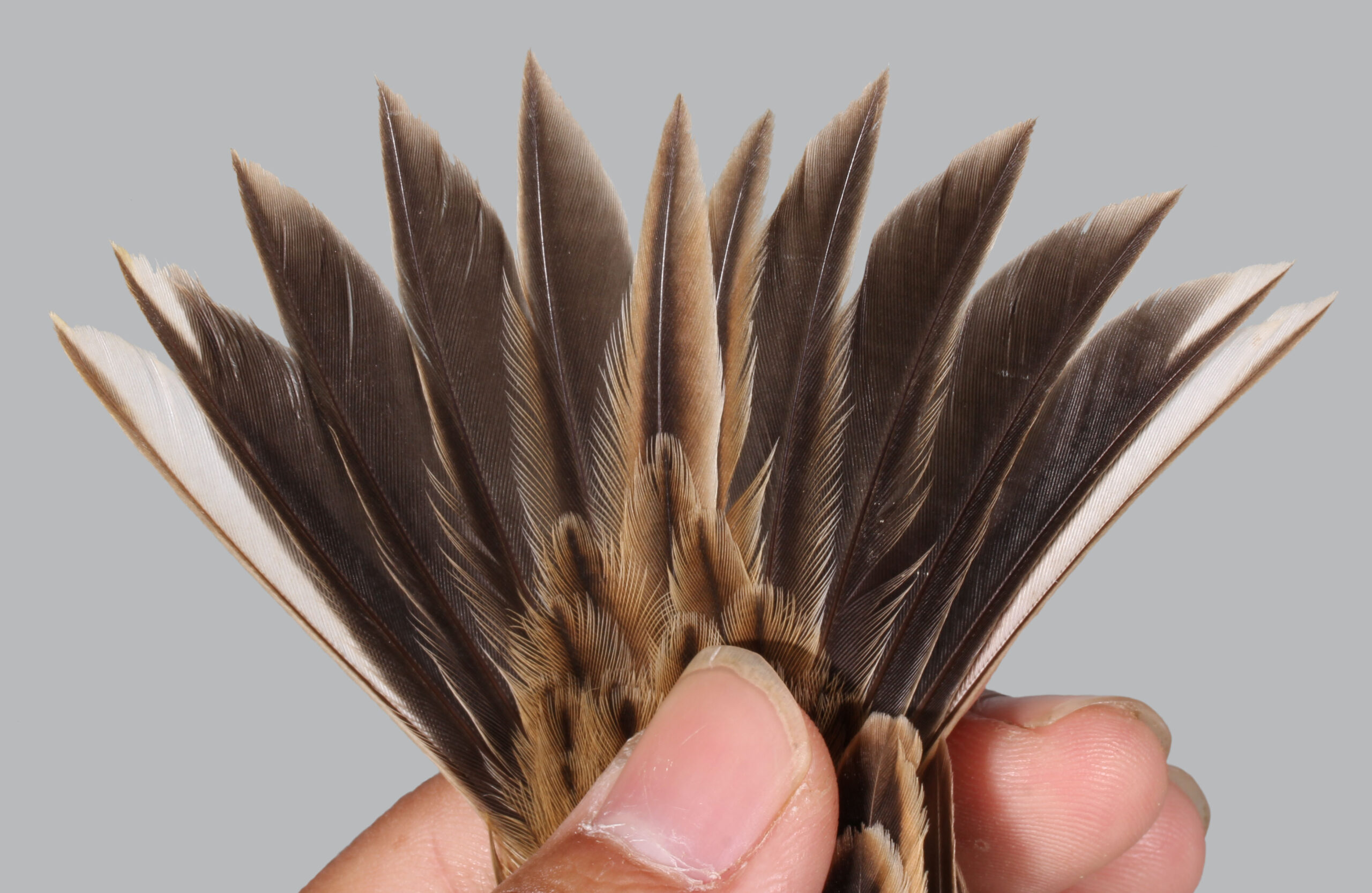
Our 4th species to discuss is the beautiful Chestnut-eared Bunting! Chestnut-eared Buntings are aged in just the same way as the others, as can be seen in the 1st calendar year individual above, but can be a little trickier to sex. The individual above is a probably female, due to the lack of deep chestnut hue to the cheek (“ear”), the lack of grey in the crown, and the lack or little amount of chestnut on the breast (not visible in the photos).
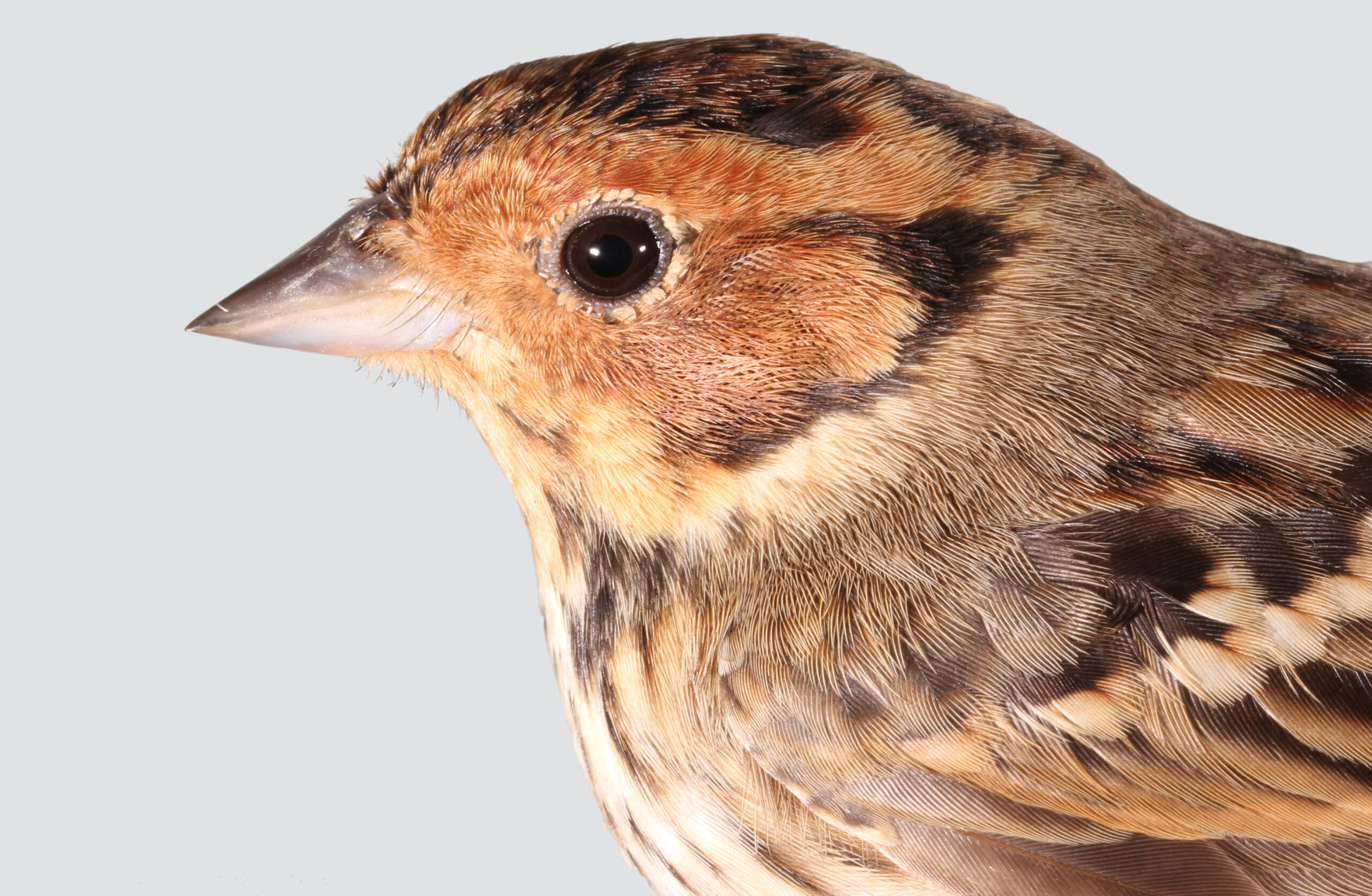
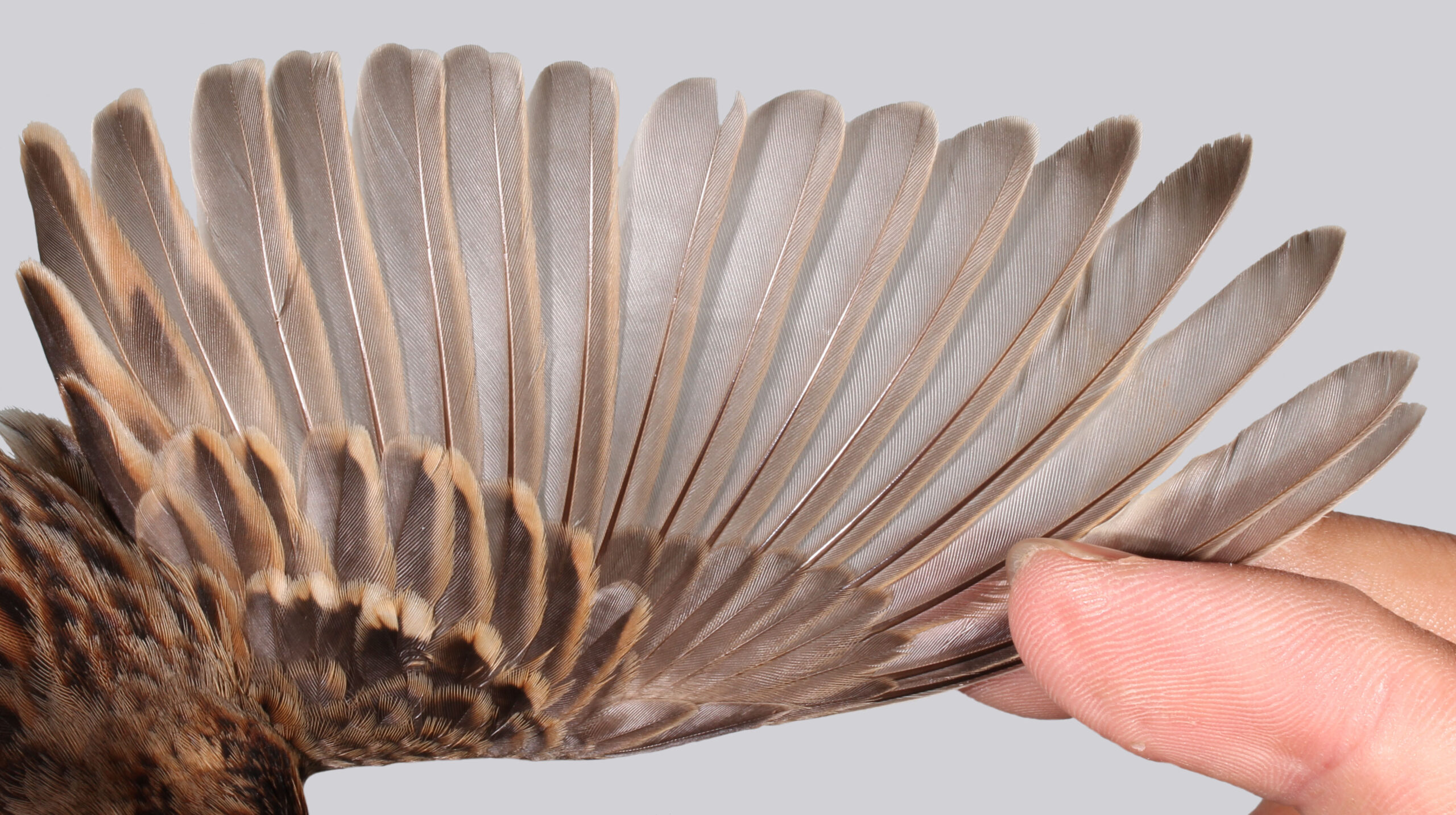
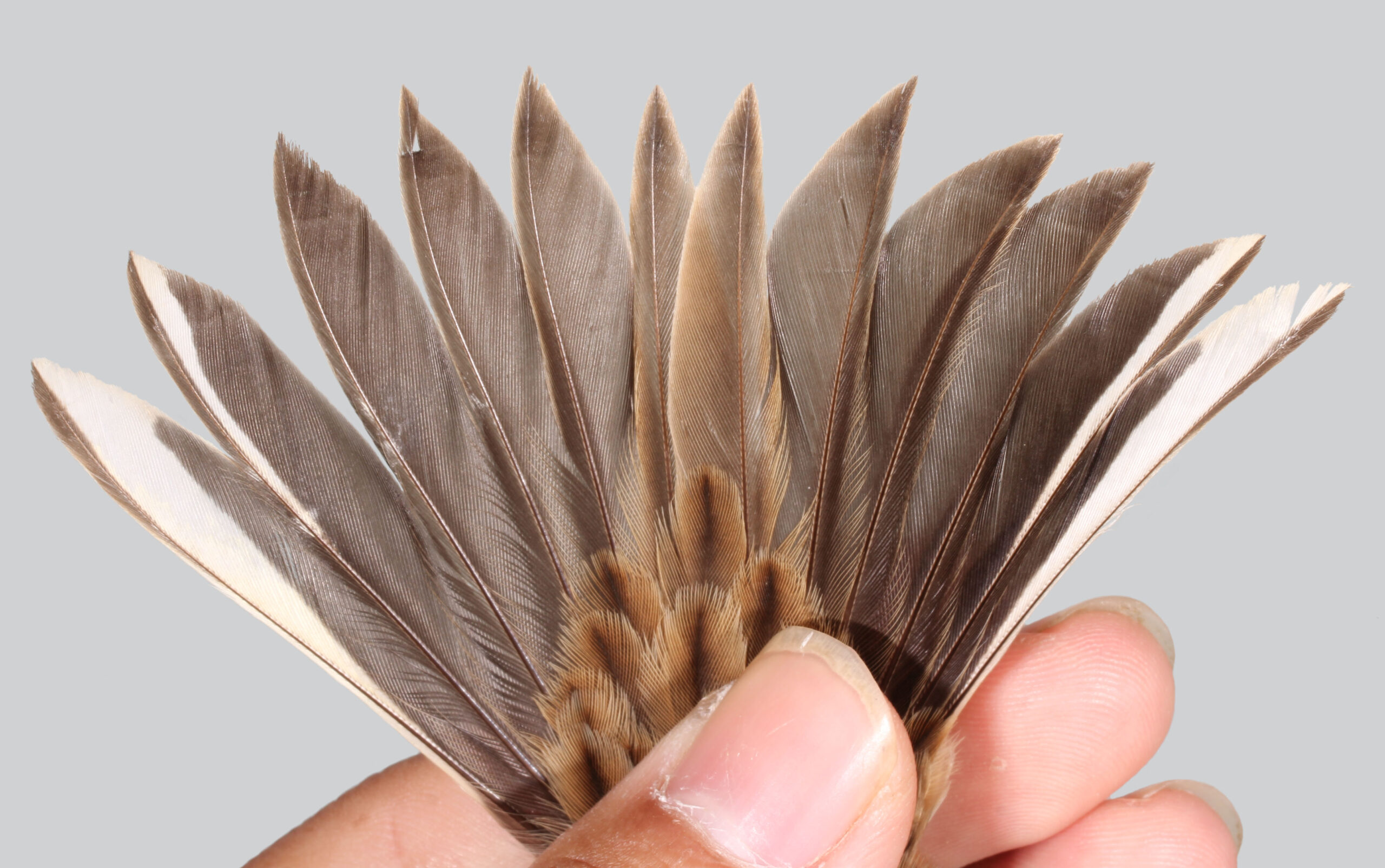
Our final species is one of our most abundant and, as aforementioned, one of our overwintering species- the Little Bunting! Although they have the same ageing criteria as the other species, the sexing of this species is a little more controversial.
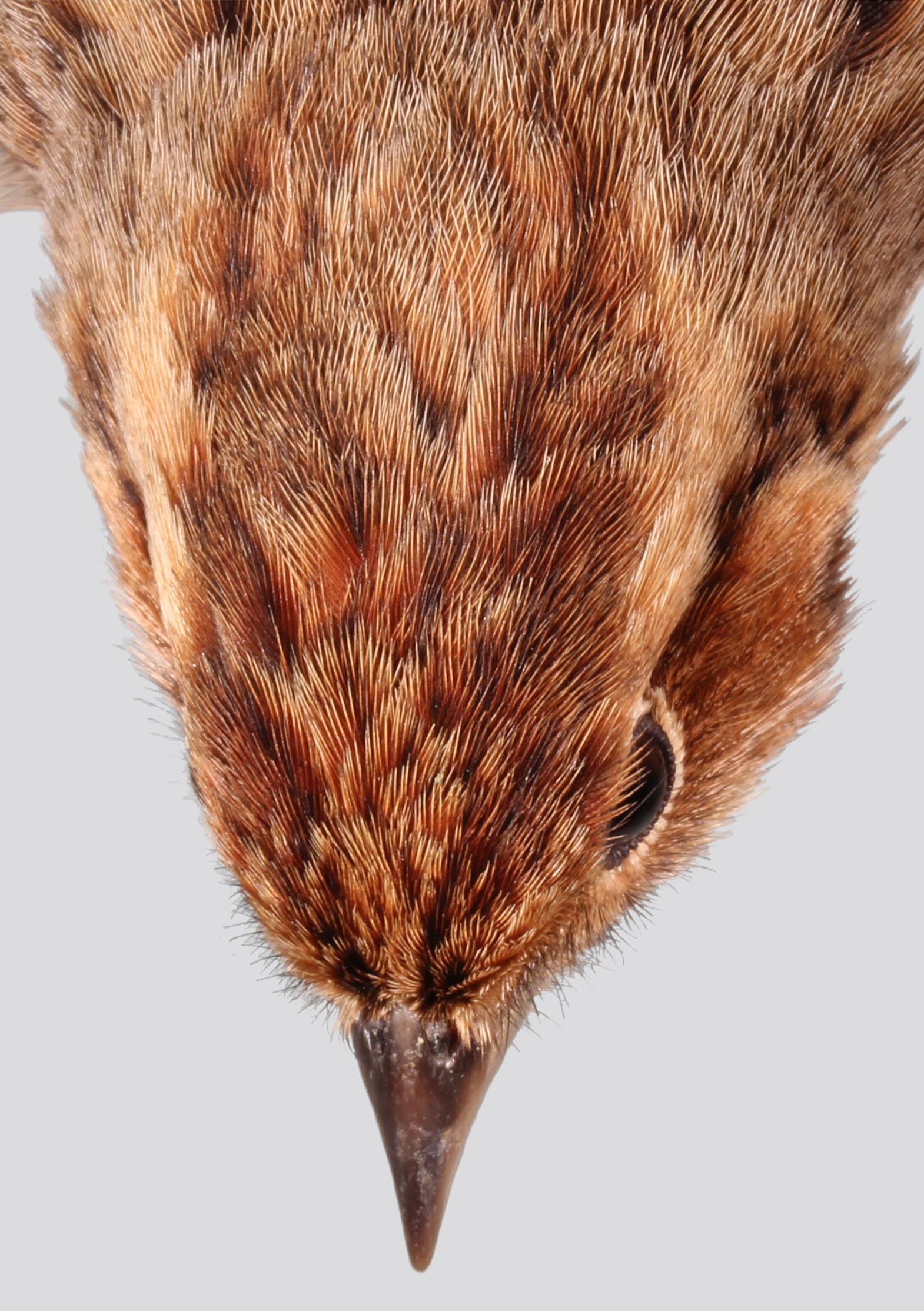
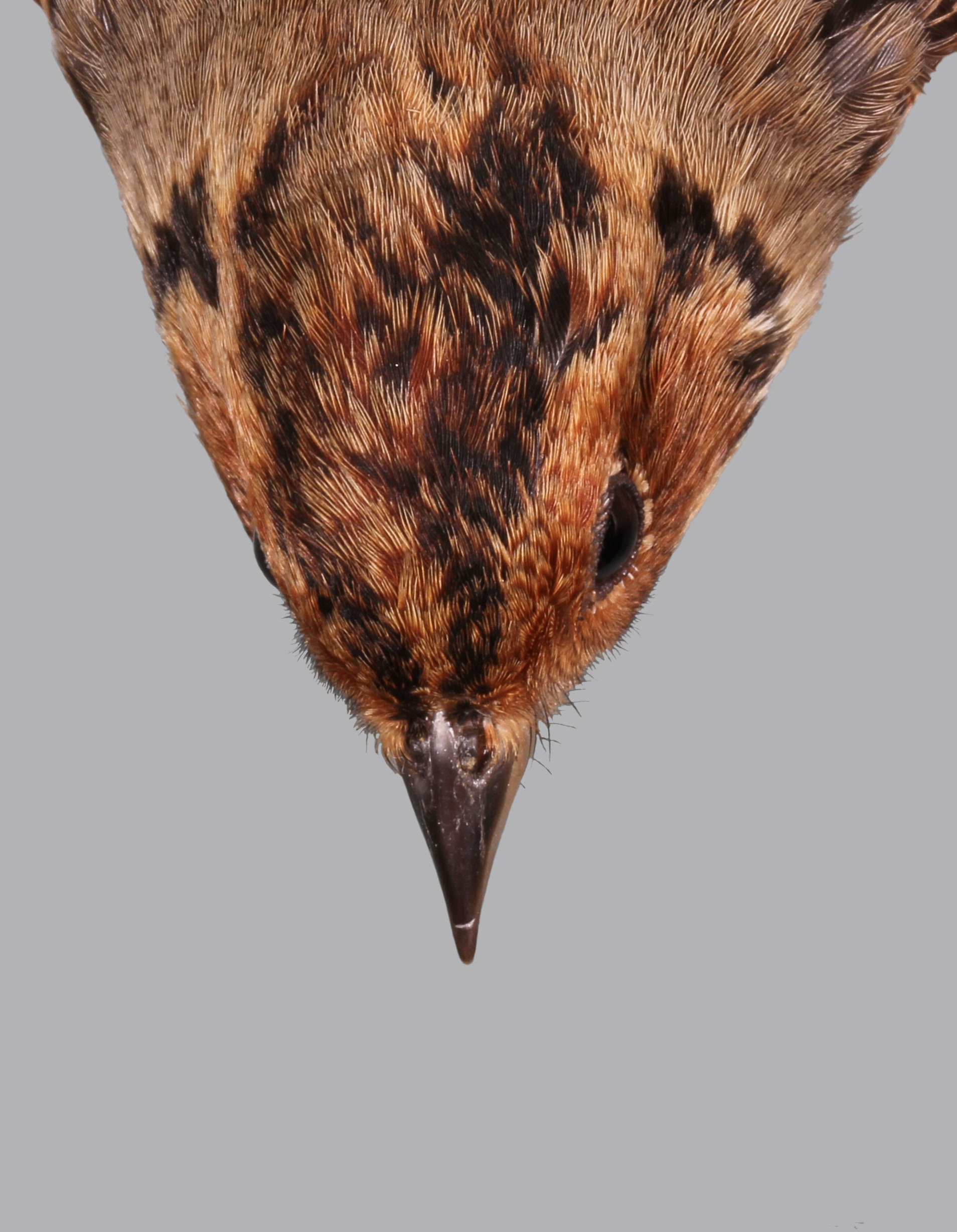
Although the reliability of sexing every single individual during Autumn has come under question, it seems that there are some individuals with very clear female or male attributes. This includes the colouration and level of black in the face and crown. For example, both individuals shown here are 1st calendar year birds. Note how in the individual above, there is clear black markings both in the crown and in the face, creating a contrasting pattern, suggesting this is a male. By contrast, the bird below shows a more, dark brown tone to the face and crown, suggesting a female.
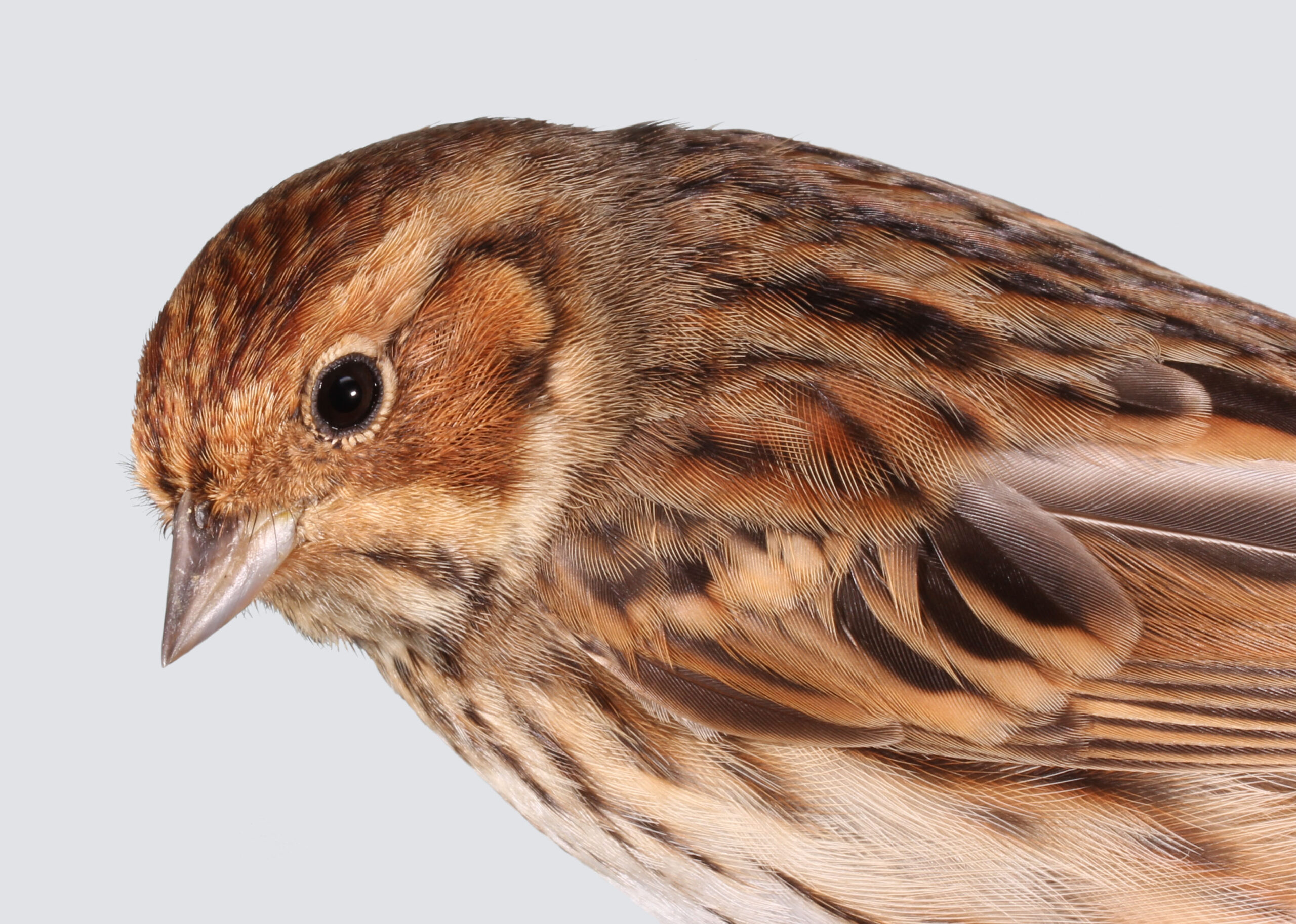
Note the same pattern seen clearer in the crown below, with the very warm brown tones of the female to the left, and the dark brown to black of the male on the right. However, it should be noted that these two individuals show the extreme of this sexual dimorphism, and that there is variation within species that could mean it is better to leave some birds unsexed.
Daily Totals
| Species | Original | Recapture |
| Black-faced Bunting | 1 | 0 |
| Chestnut-eared Bunting | 3 | 0 |
| Chinese Penduline Tit | 8 | 0 |
| Dusky Warbler | 1 | 0 |
| Eurasian Tree Sparrow | 1 | 0 |
| Little Bunting | 14 | 3 |
| Oriental Turtle Dove | 1 | 0 |
| Rustic Bunting | 1 | 0 |
| Spotted Dove | 1 | 0 |
| Yellow-breasted Bunting | 9 | 0 |
| Zitting Cisticola | 1 | 0 |
*Please note that all wild birds, their nests, and eggs are highly protected (under Wild Animals Protection Ordinate, Cap. 170) in Hong Kong. It is an offence to wilfully disturb, take, remove, or injure wild birds or their nests/eggs. The actions described here were undertaken by trained professionals holding the necessary licenses and permits issued by the AFCD.*