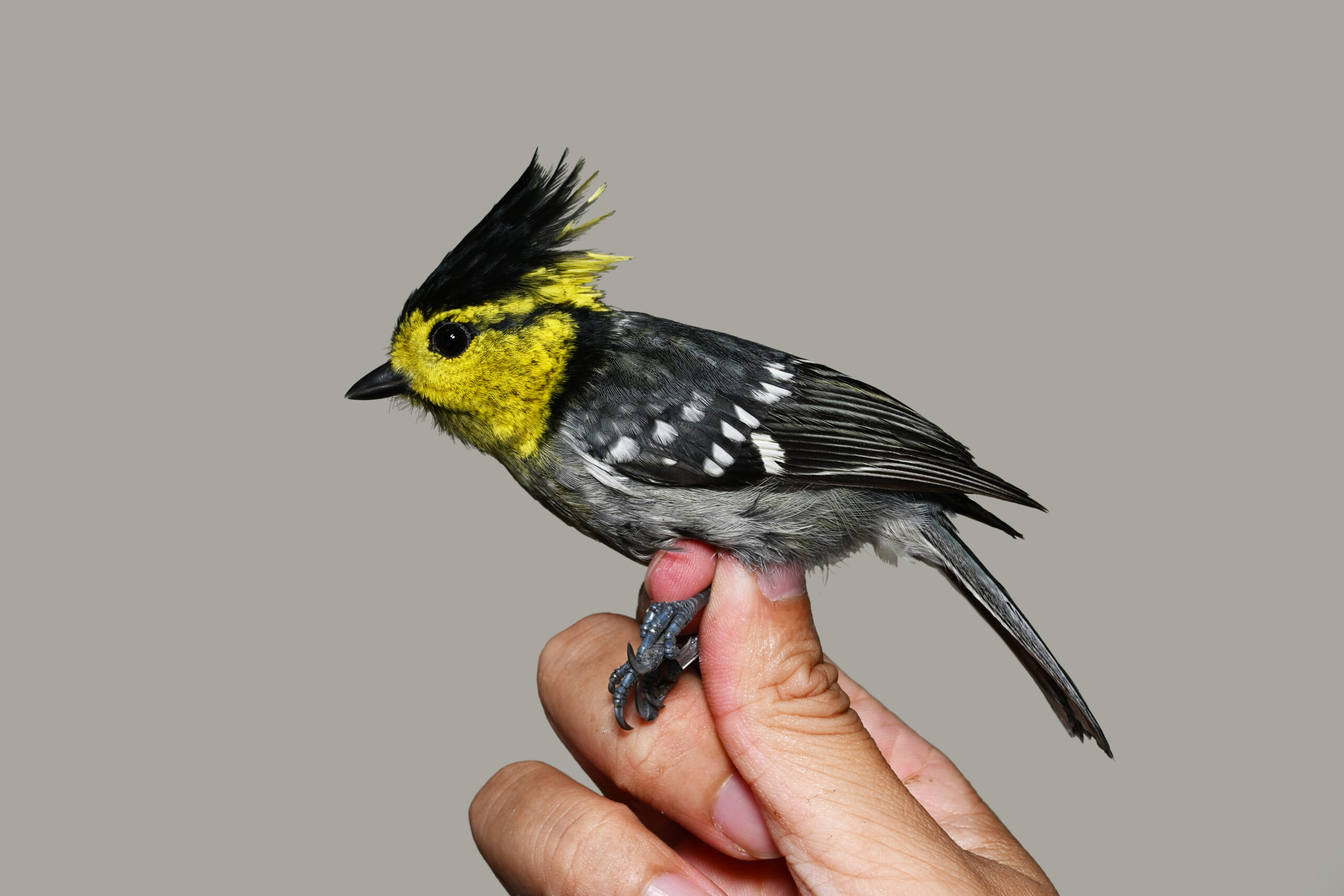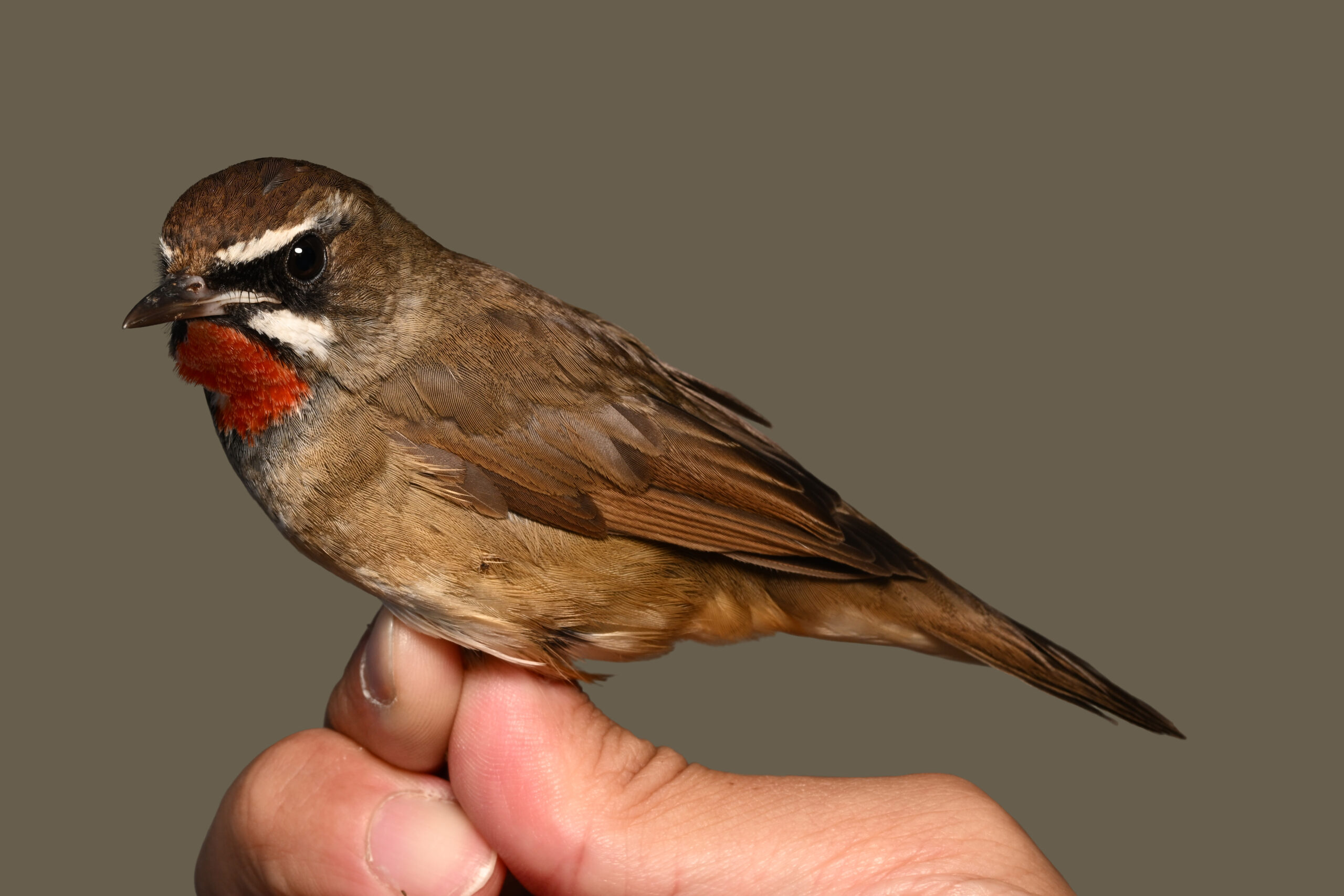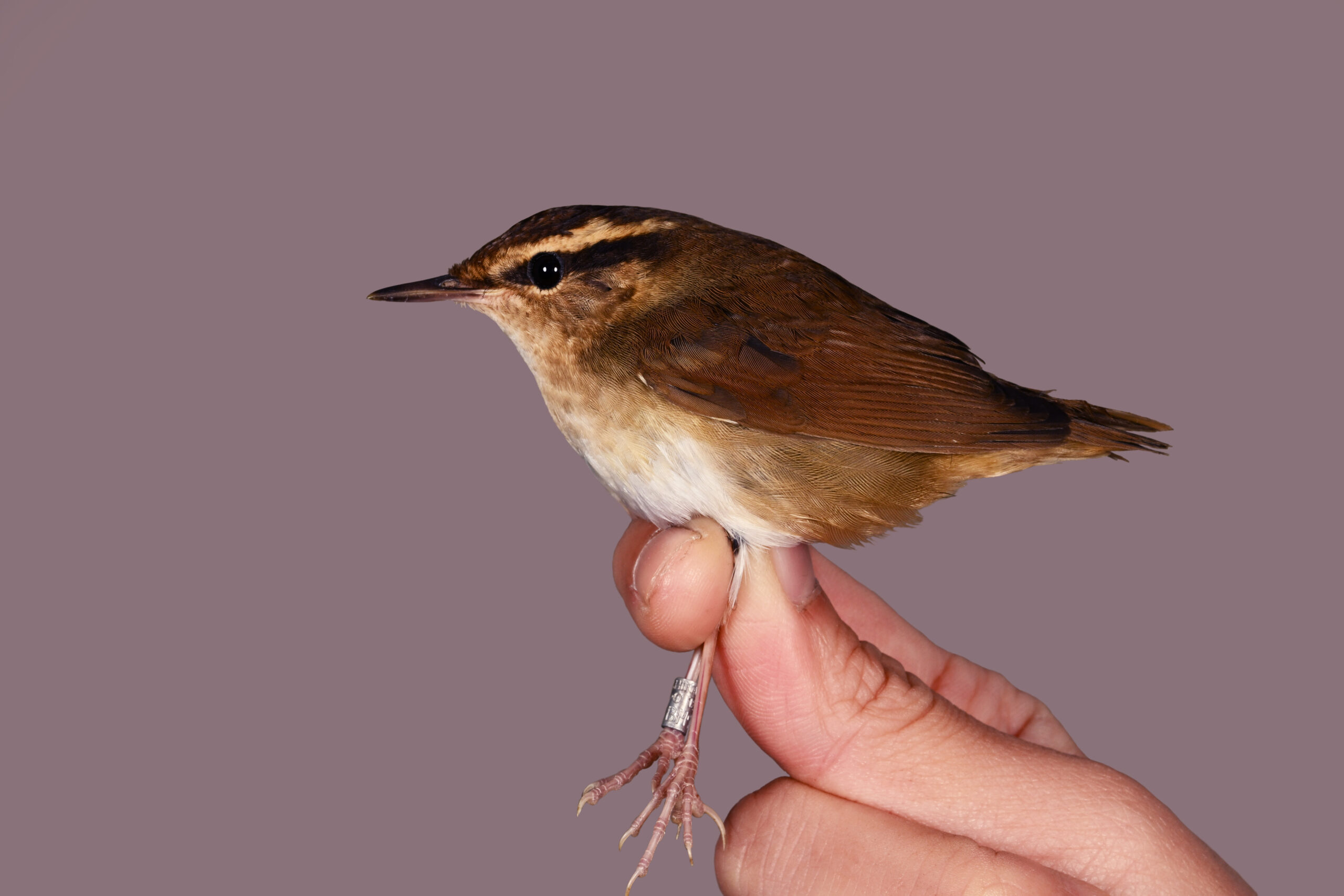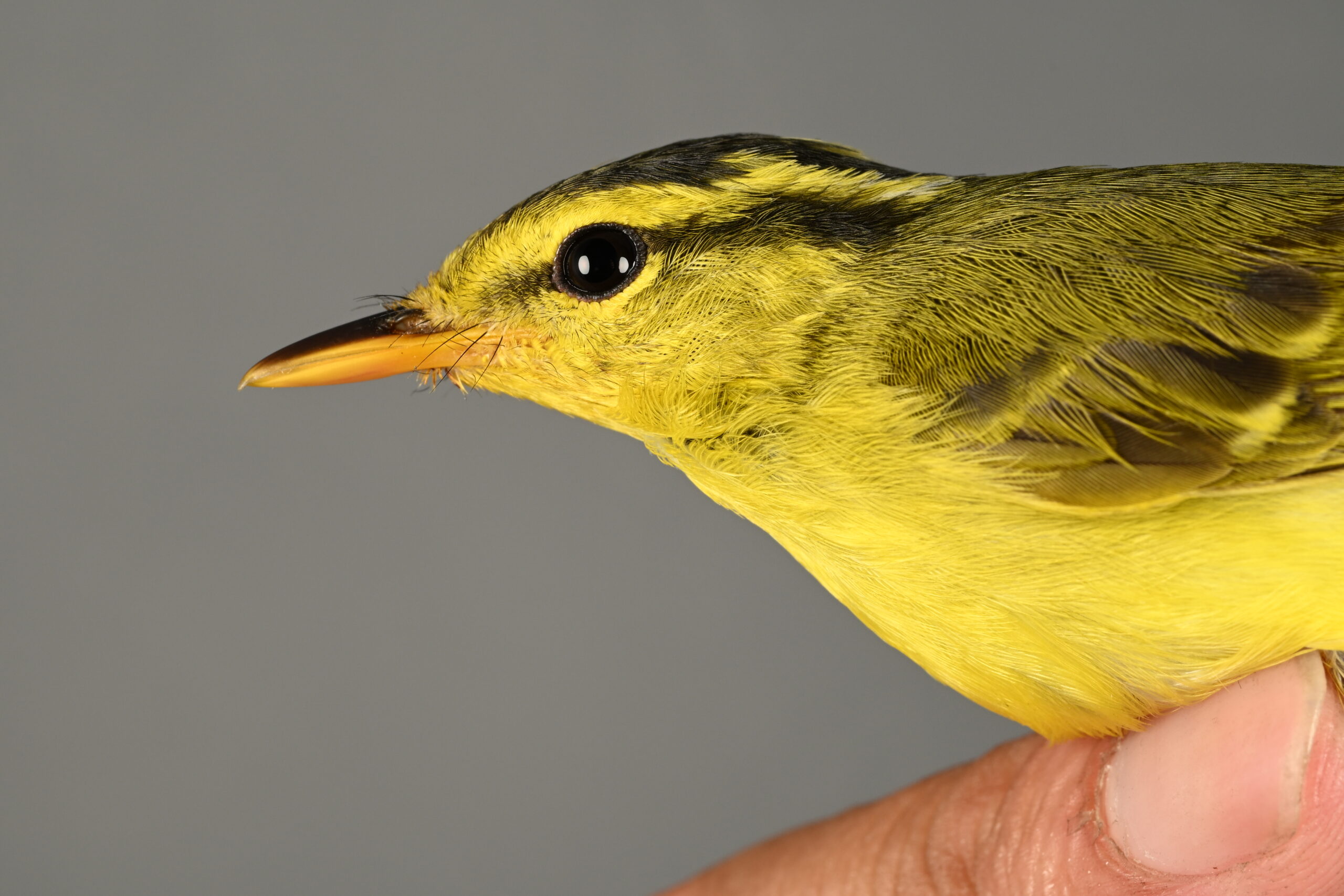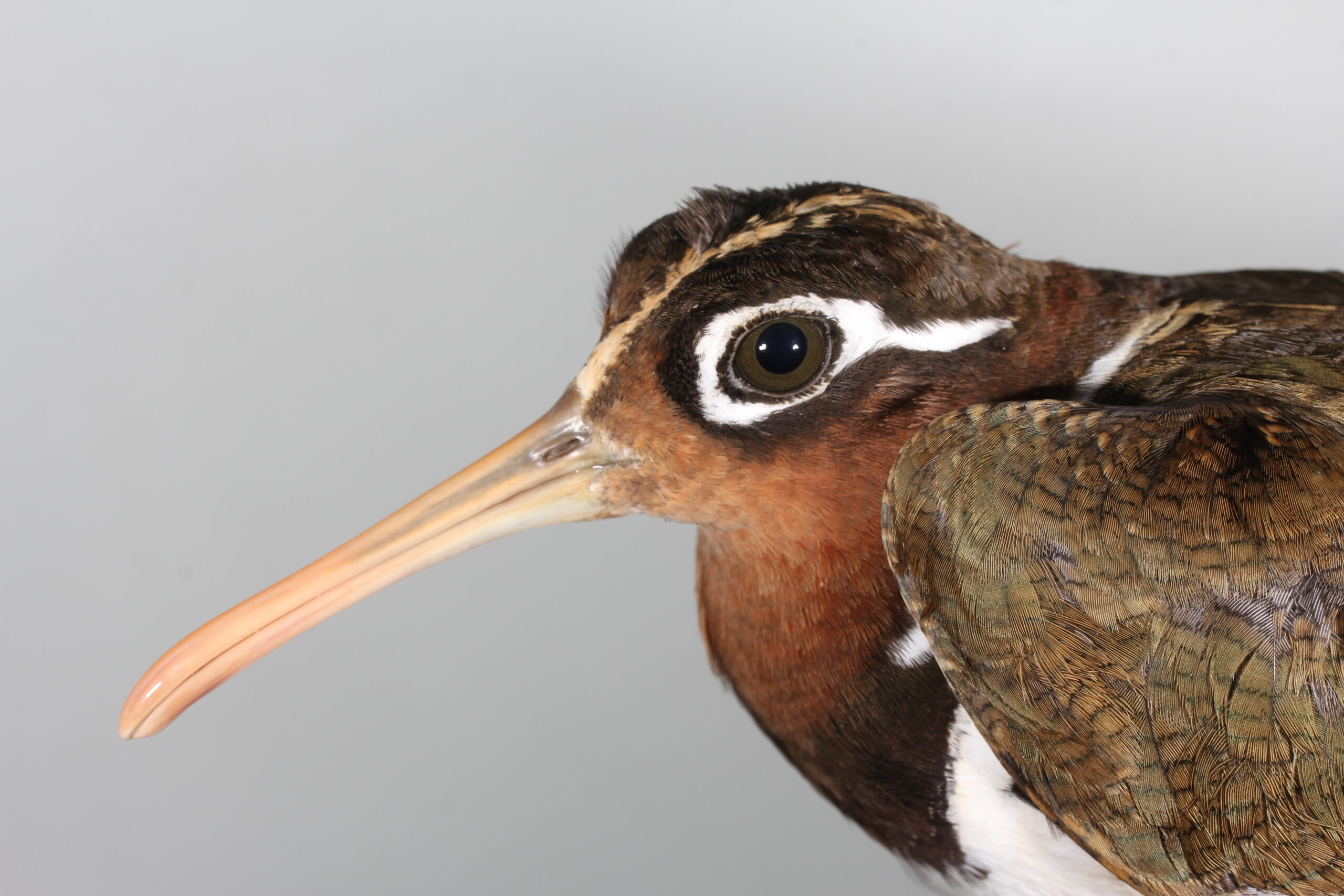



Back in the wetlands for another calm winter morning!
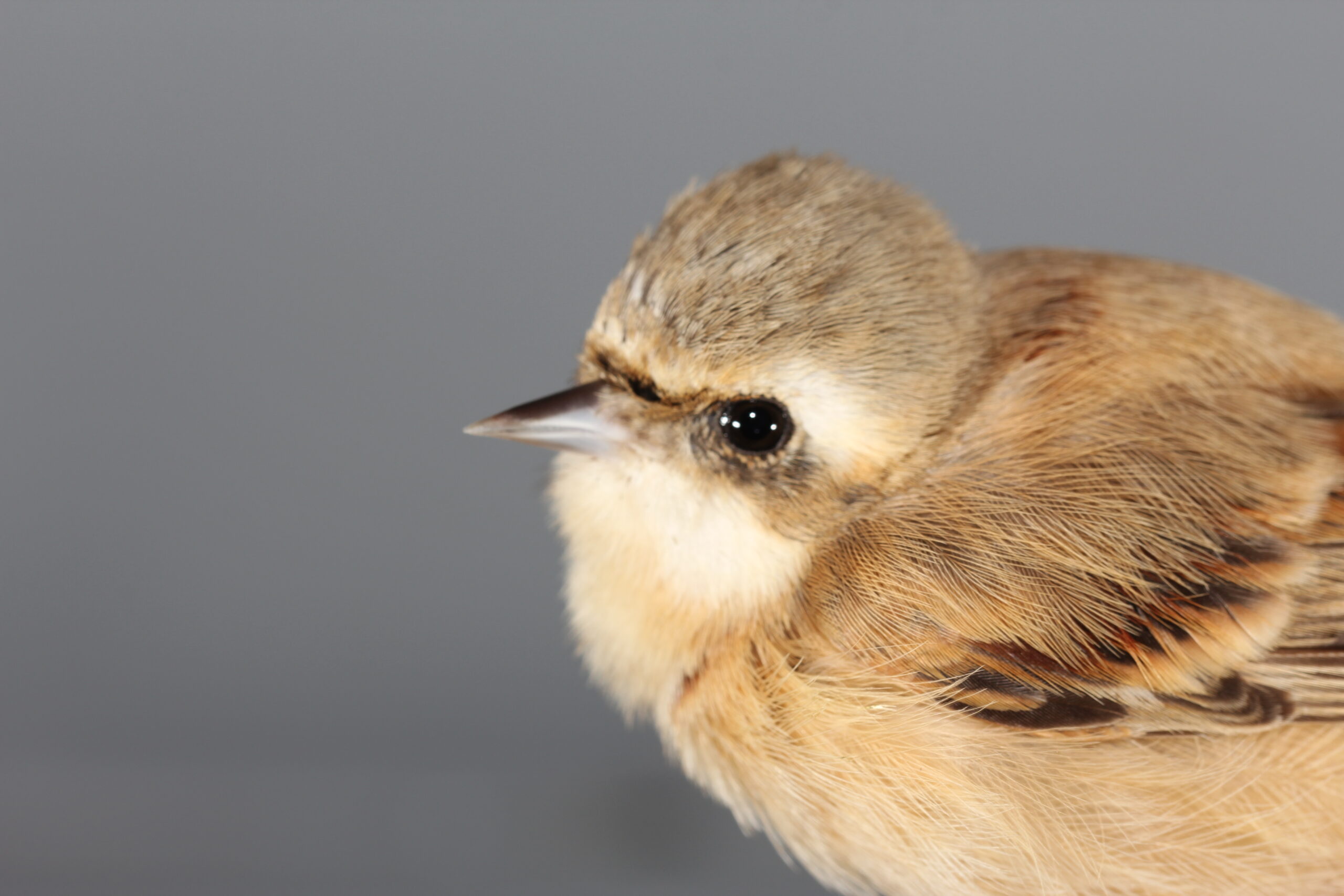
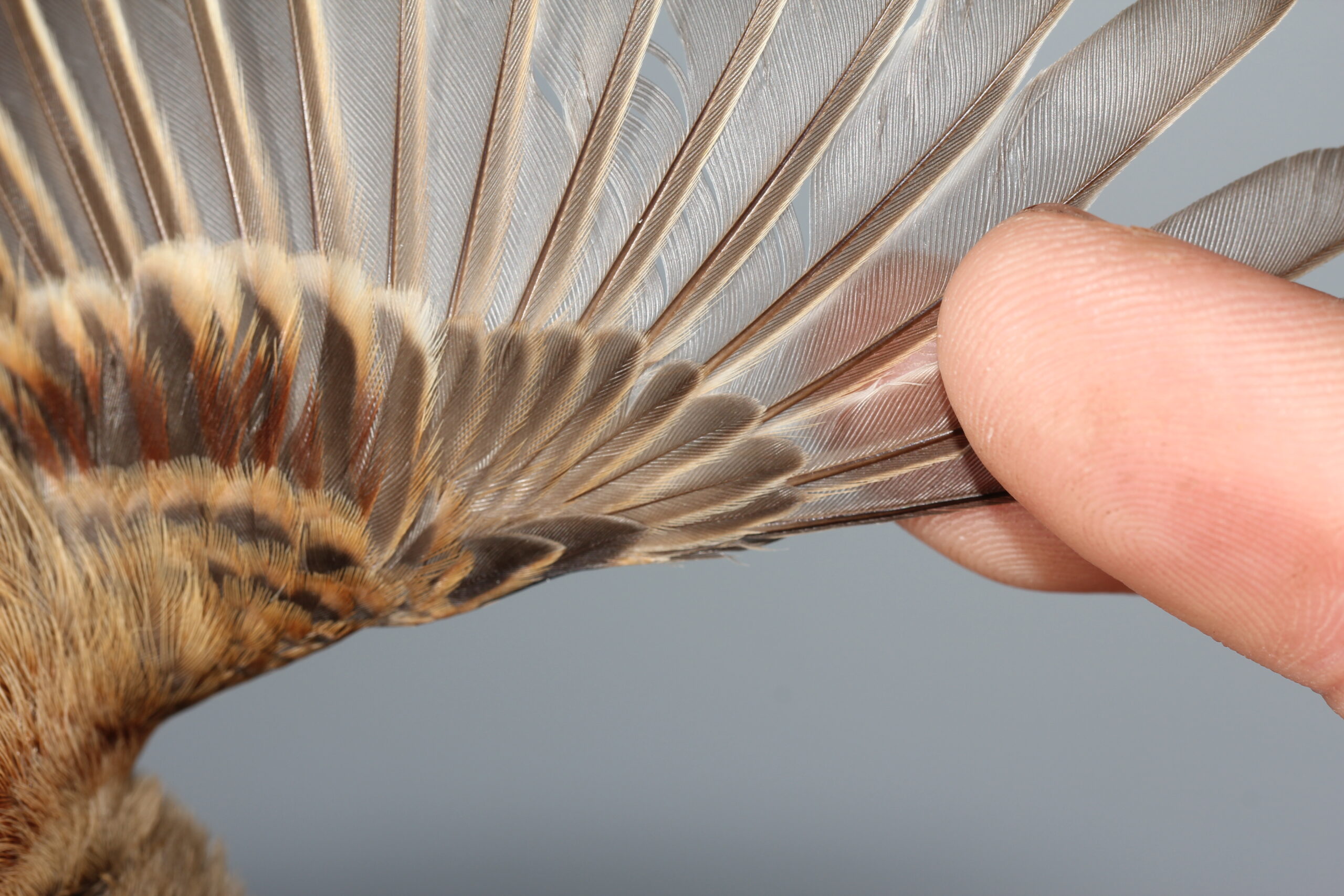
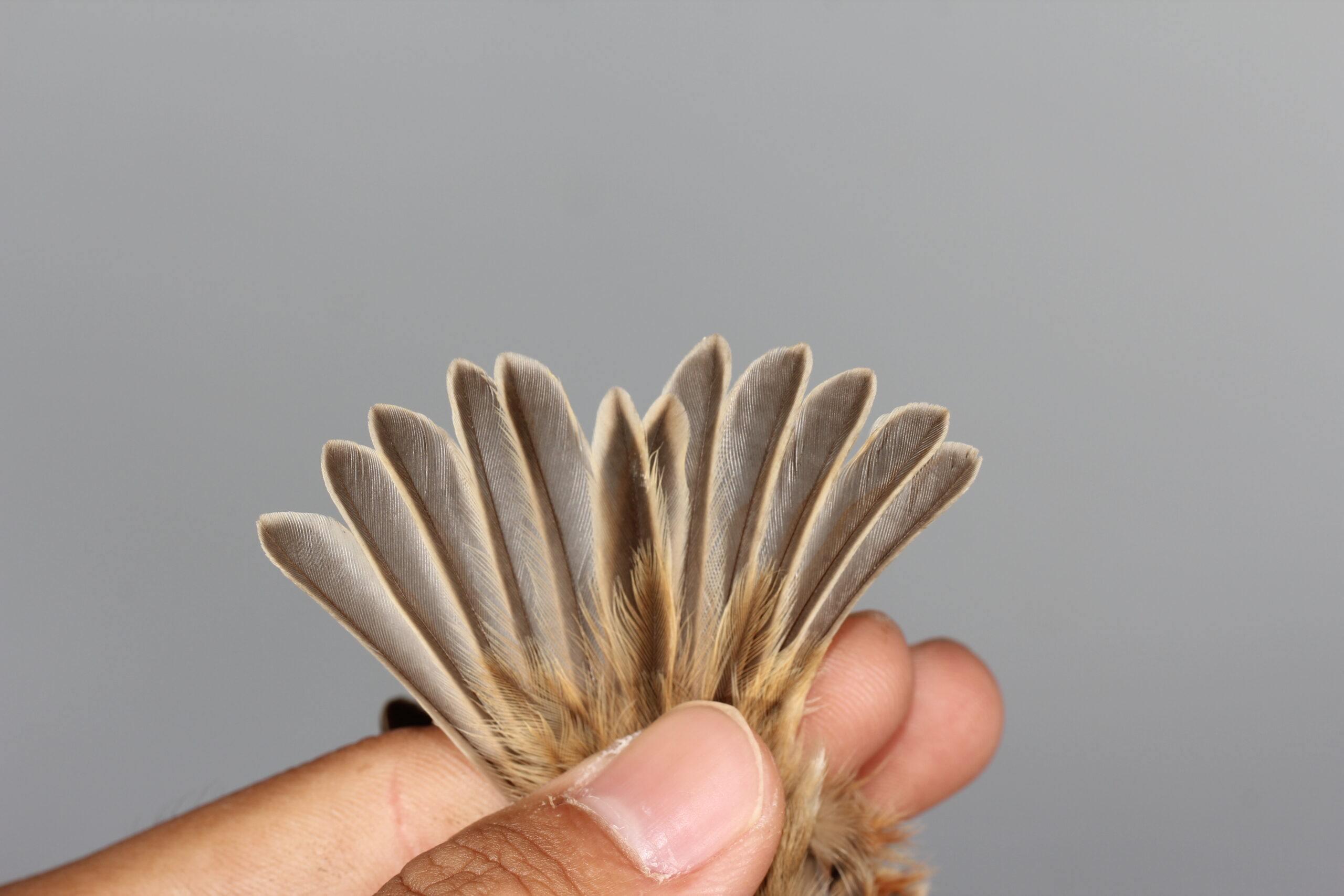
First for the day was one of our cutest little residents- a Chinese Penduline Tit! This was a young bird, showing a moult limit in the GCs. Like most Tit species, Chinese Penduline Tits moult Adults Summer Complete, juveniles summer partial. Therefore, this must be a juvenile. From the grey in the crown, and black in the mask, we can determine that this is a 1st calendar year male!
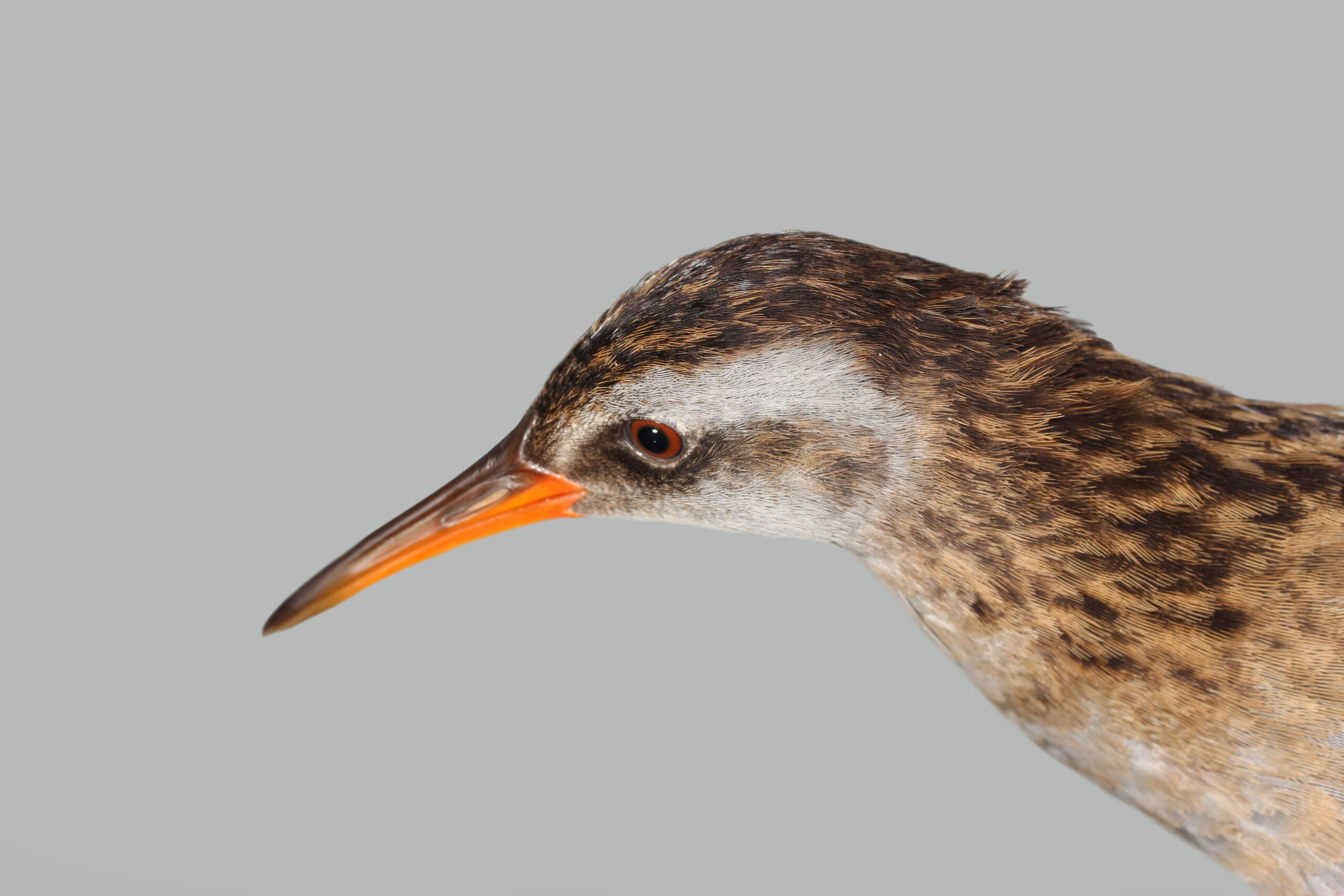
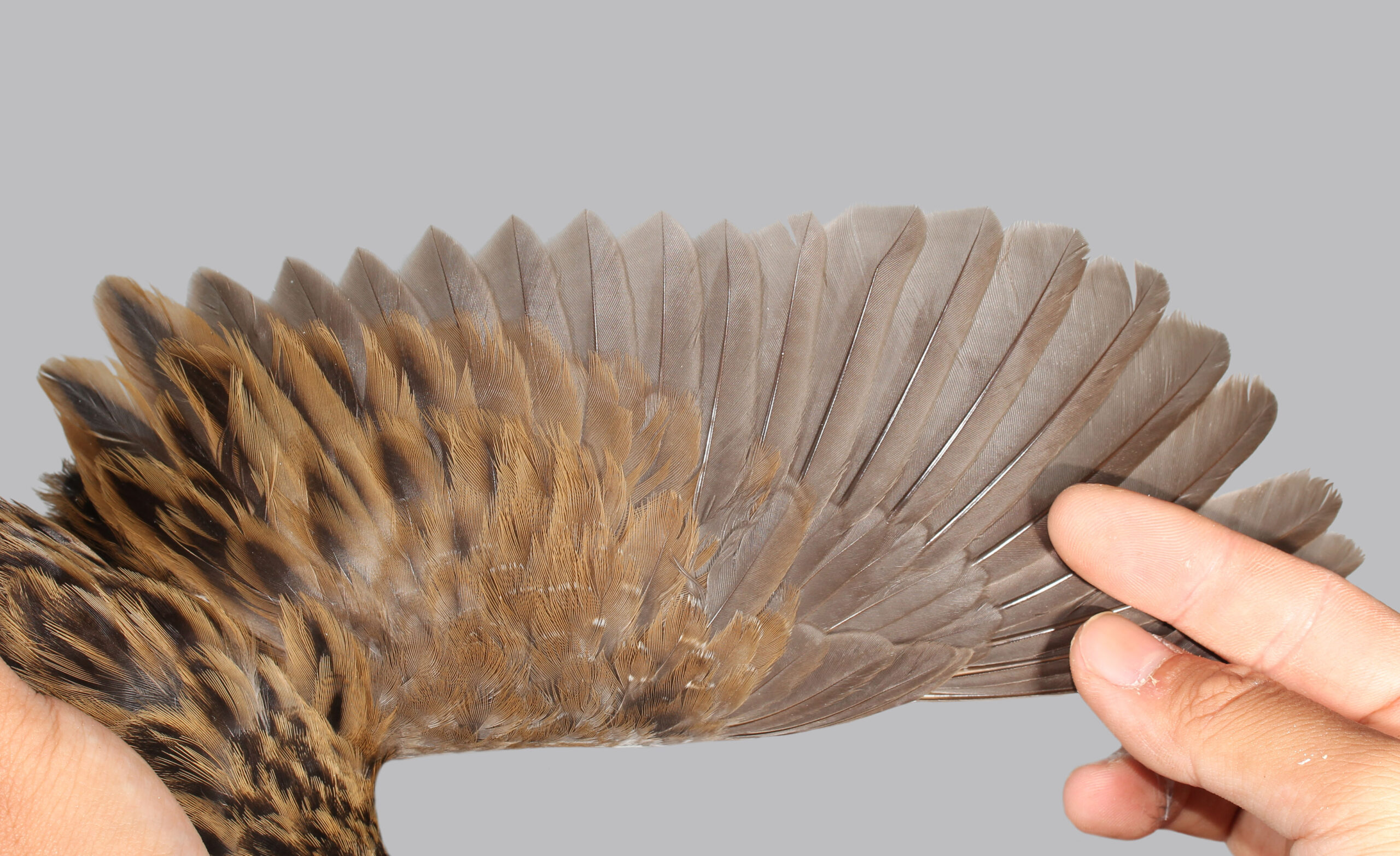
Next up was a gorgeous Adult Water Rail! It is not so often we catch this species, but now we have had two in the last two weeks!
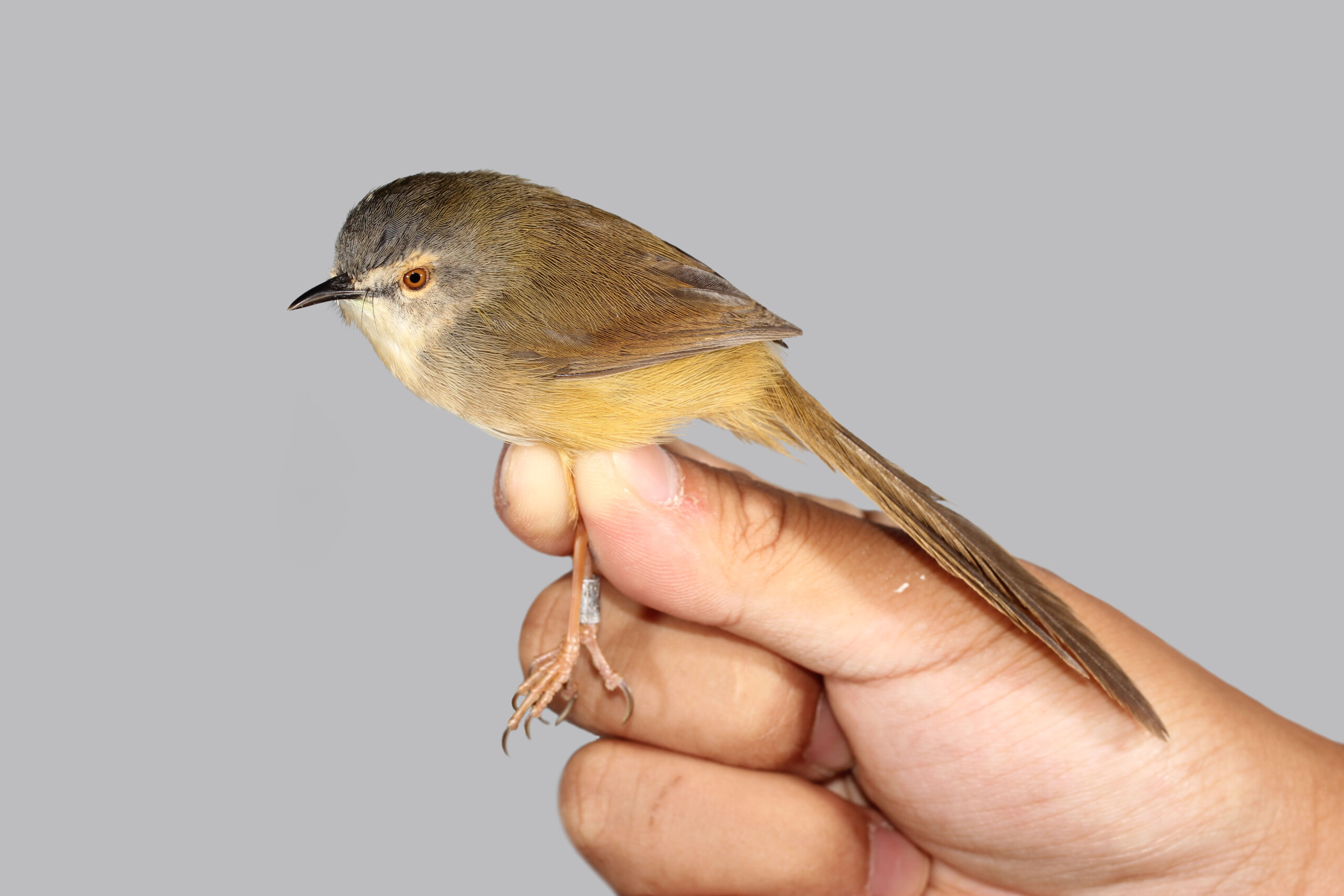
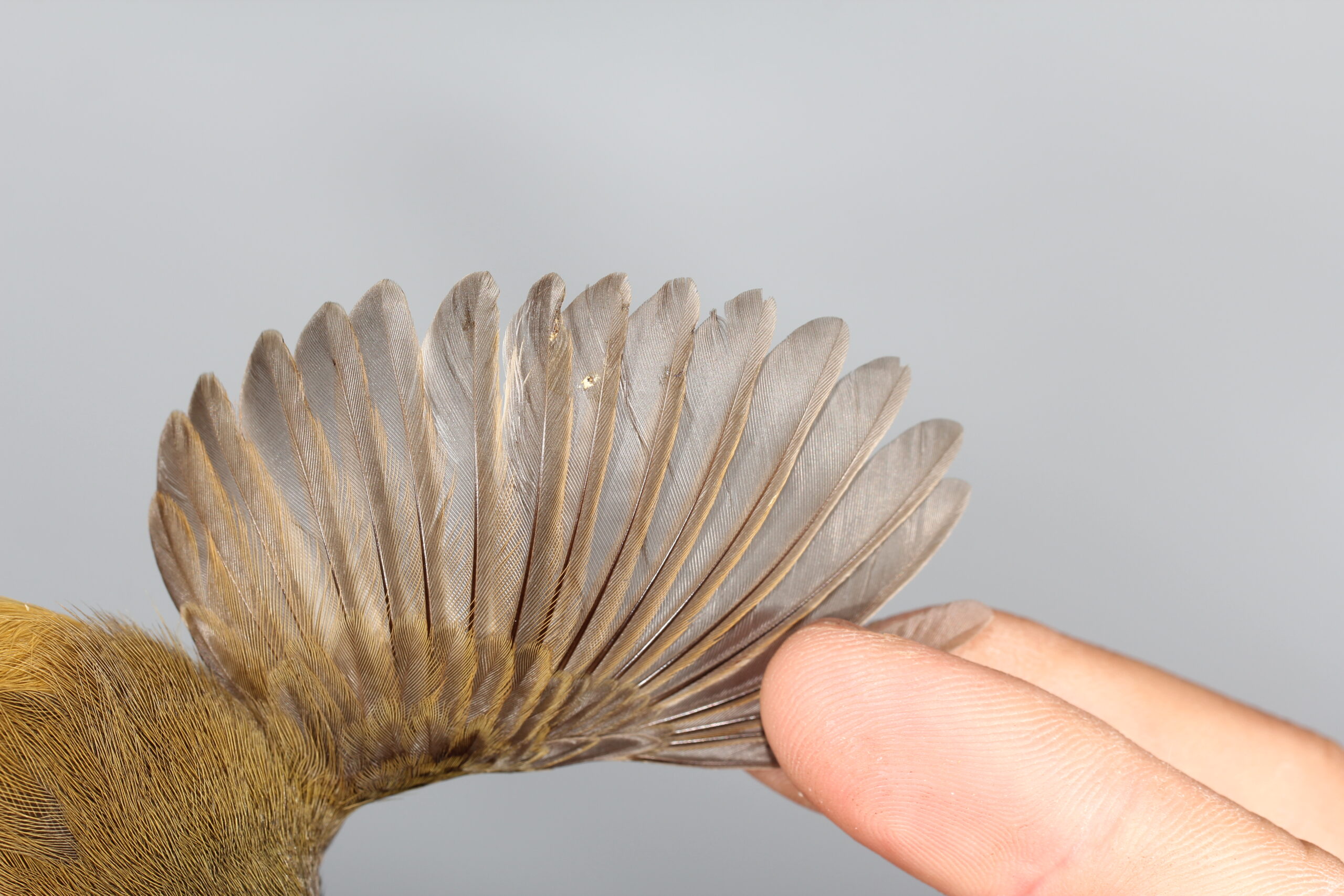
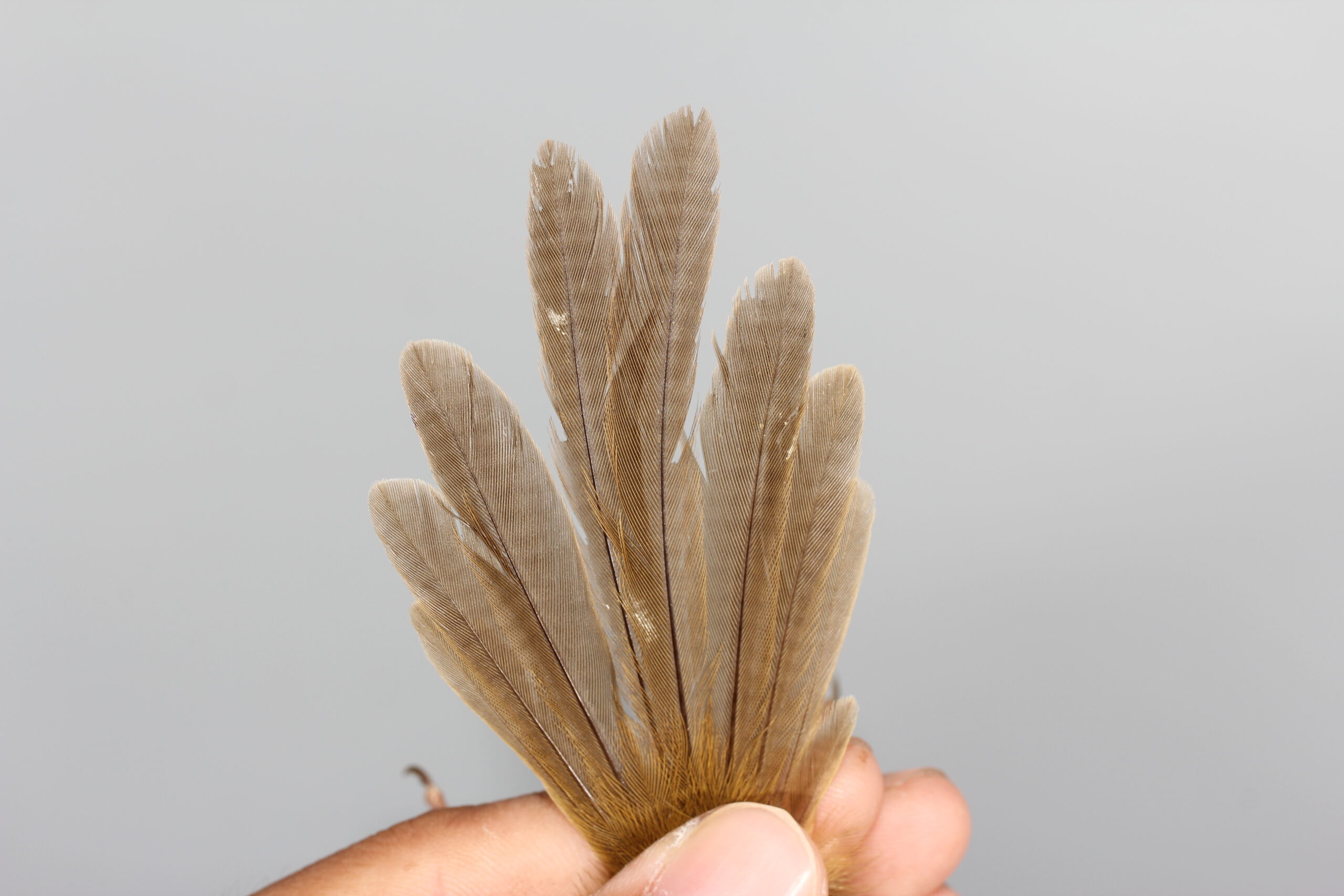
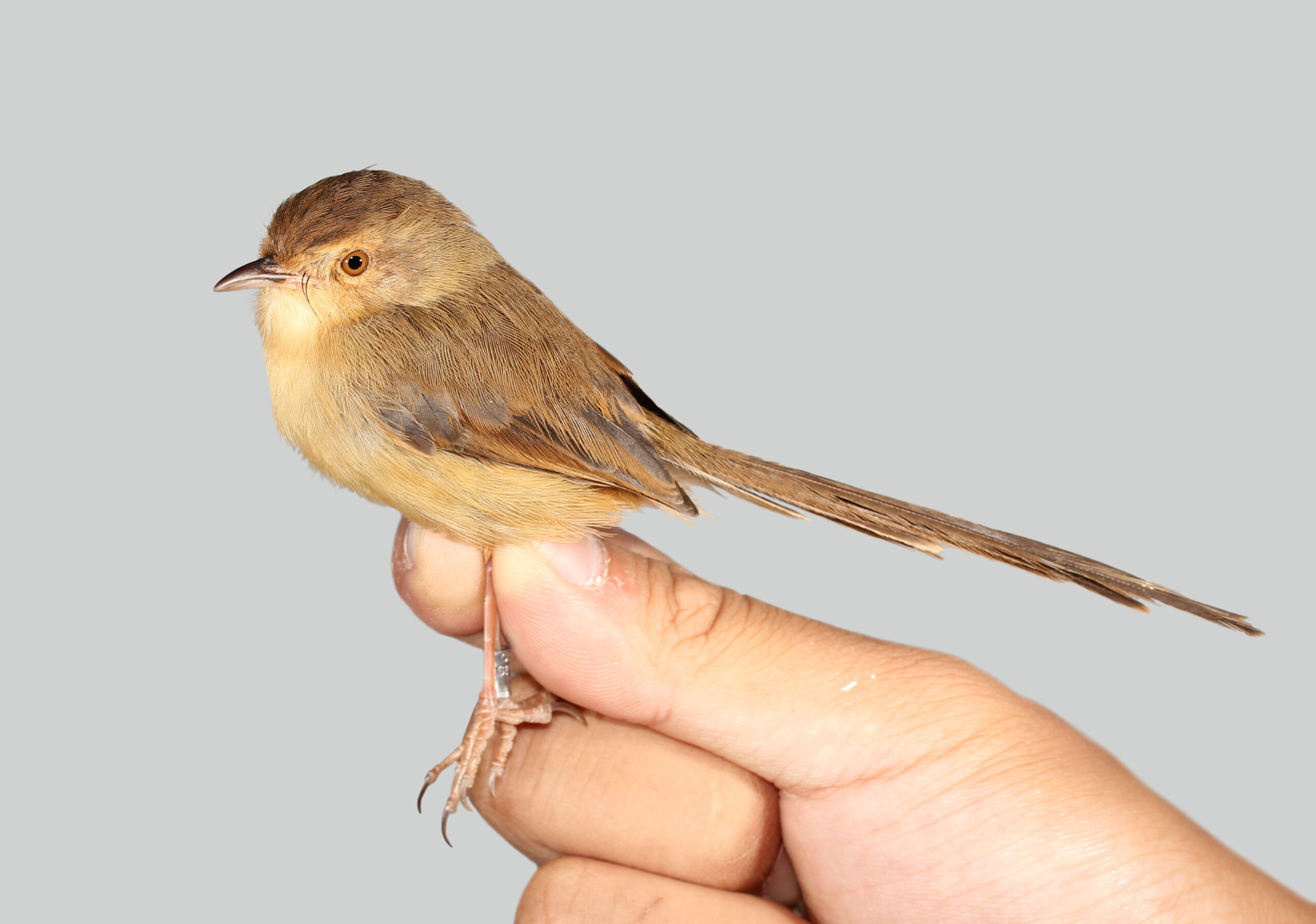
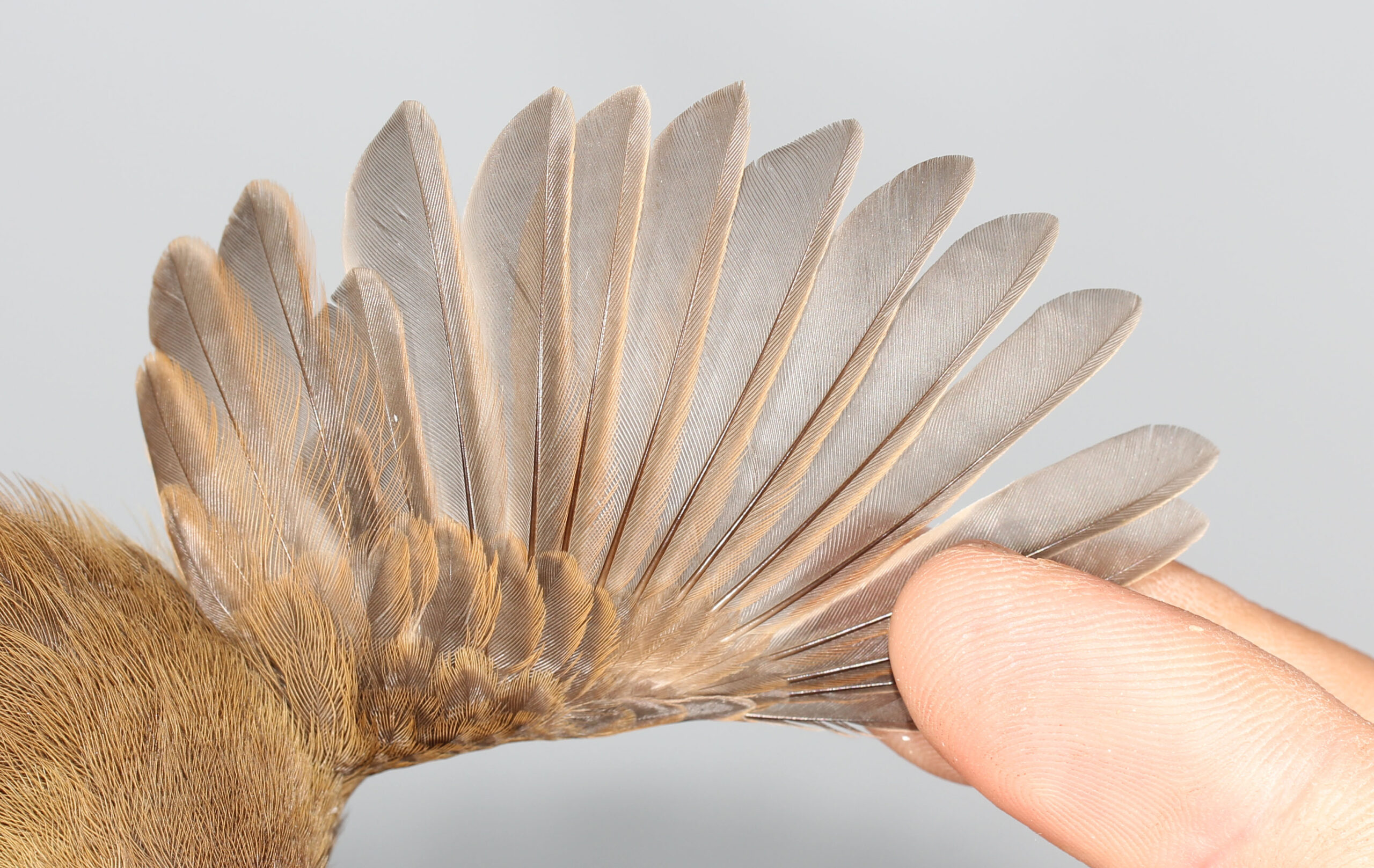
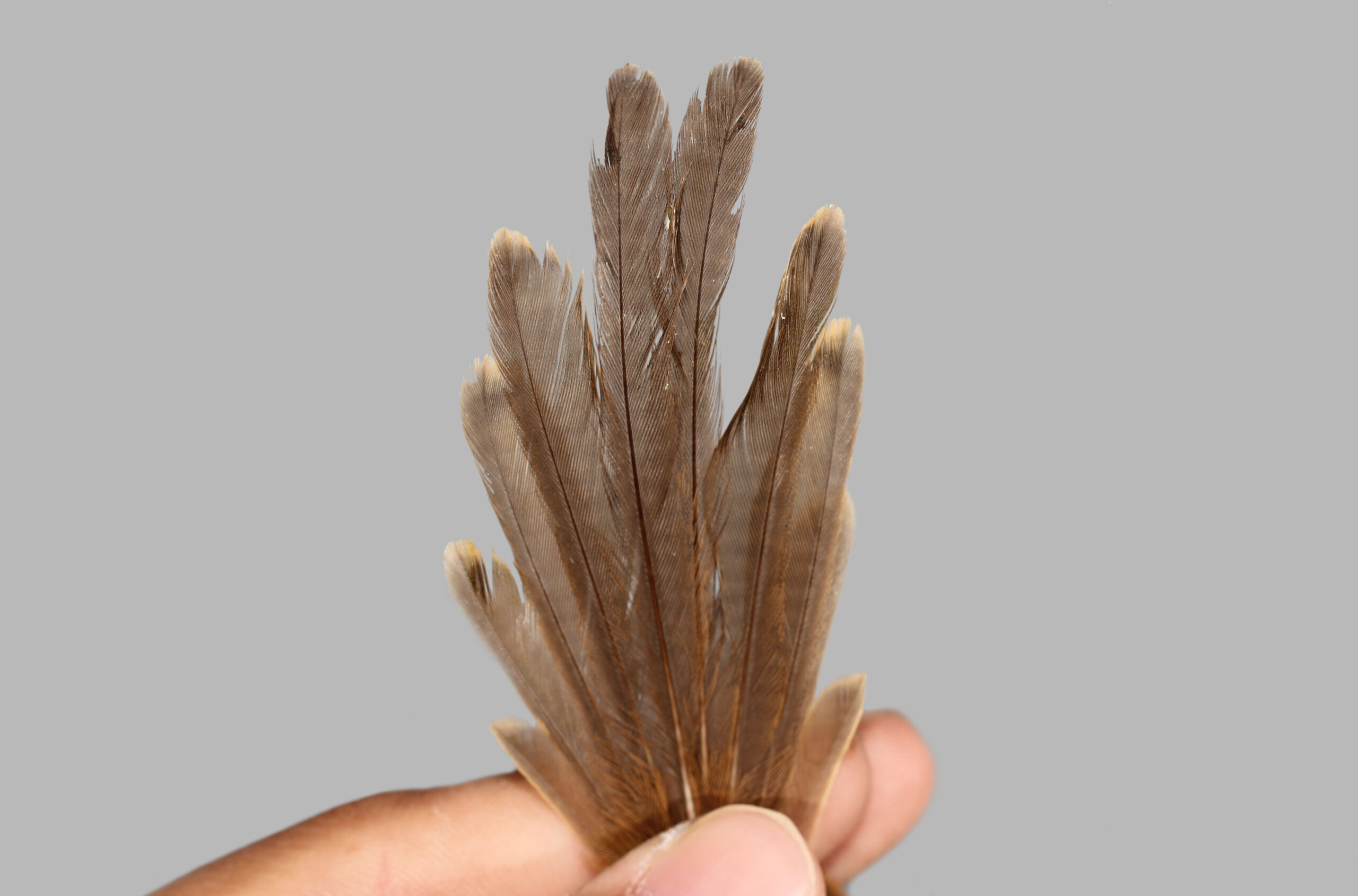
Finally, we ended with our two common Prinia species, Yellow-bellied (upper) and Common (lower). These two species can be difficult to species when Yellow-bellied lack their characteristic grey crown and yellow belly. However, they can be always separated by the entirely black bill of the Yellow-bellied, vs the paler bill, and notably thicker bill seen in Plain Prinias.
Little is known about the moulting strategies of these species, and both have very long breeding season; both factors which make ageing these guys pretty tricky! It is thought that both adults and juveniles moult completely (most likely at the end of the breeding/fledging season), and thus, are identical in appearance by Autumn. Therefore, both of these birds were aged at 1st calendar years or older.
Daily Totals
| Species | Original | Recapture |
| Black-browed Reed Warbler | 1 | 1 |
| Black-faced Bunting | 1 | 0 |
| Chinese Penduline Tit | 1 | 0 |
| Common Kingfisher | 1 | 0 |
| Common Tailorbird | 1 | 0 |
| Dusky Warbler | 3 | 6 |
| Eastern Water Rail | 1 | 0 |
| Plain Prinia | 1 | 0 |
| Siberian Rubythroat | 1 | 0 |
| Spotted Dove | 1 | 0 |
| Yellow-bellied Prinia | 0 | 1 |
| Yellow-browed Warbler | 3 | 0 |
| Zitting Cisticola | 2 | 0 |
| Grand Total | 17 | 8 |
*Please note that all wild birds, their nests, and eggs are highly protected (under Wild Animals Protection Ordinate, Cap. 170) in Hong Kong. It is an offence to wilfully disturb, take, remove, or injure wild birds or their nests/eggs. The actions described here were undertaken by trained professionals holding the necessary licenses and permits issued by the AFCD.*