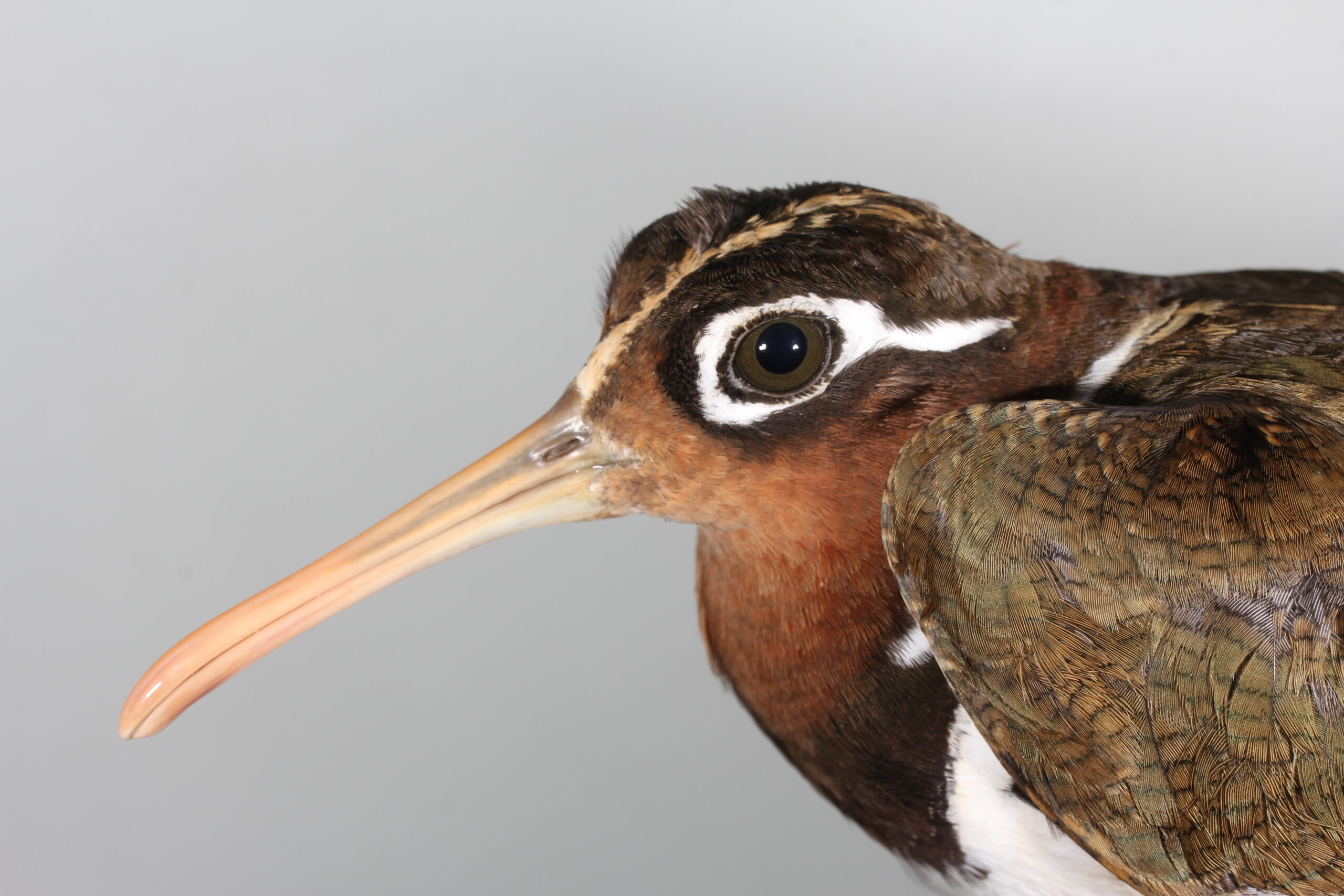



We’re back in the Paddyfields today for the Spring season! It’s been a busier day than most of our other sites, with some beautiful birds!
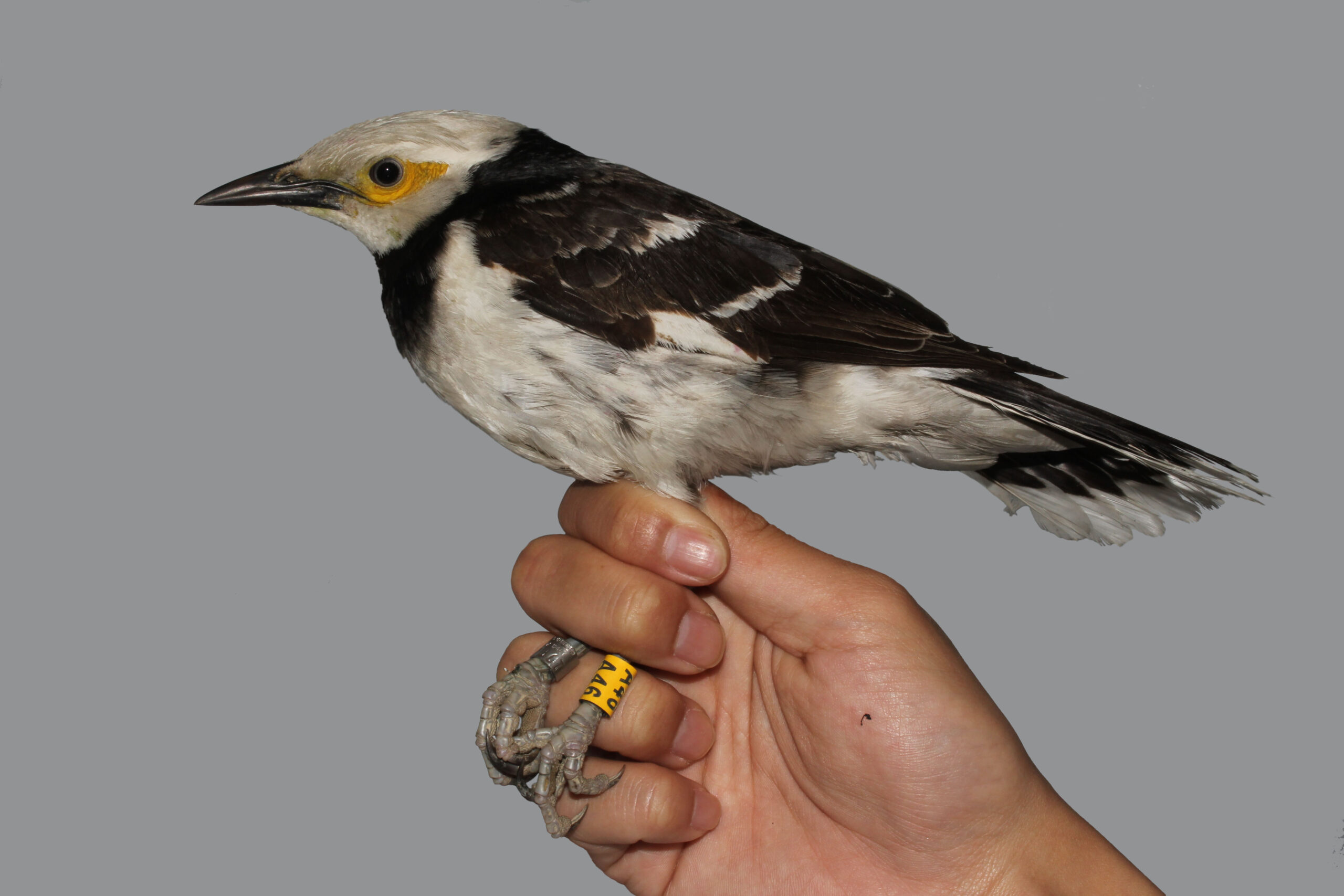
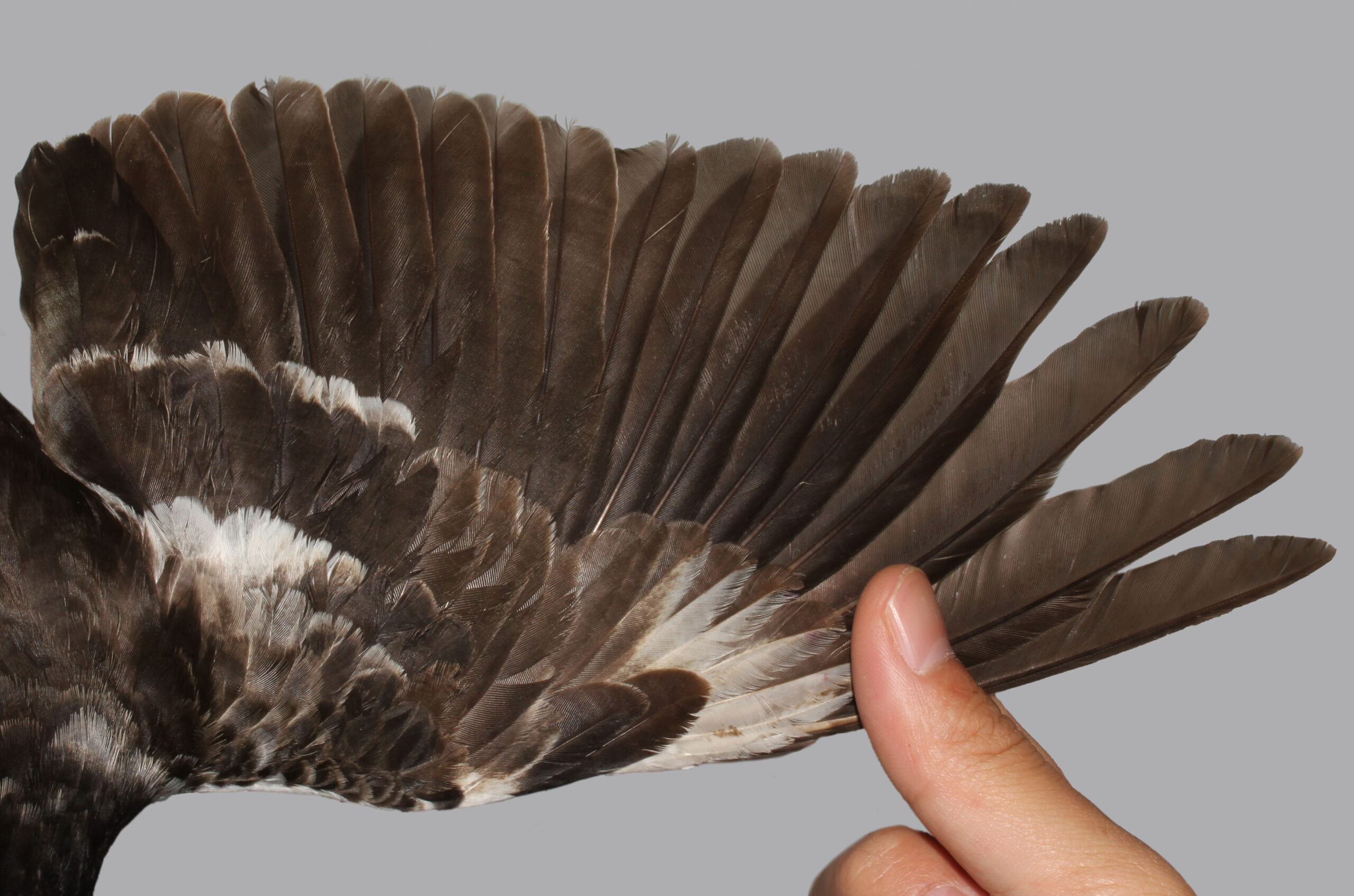
Starting off the morning was one our gorgeous species that breeds in the area- a Black-collared Starling! This was an interesting bird, showing moult limits in the wing. The outermost 4 Greater Coverts and Primary Coverts appear to be to be juvenile, while most of the Lesser Coverts, Median Coverts, inner Greater Coverts and Tertials are moulted. Thus we can conclude that this is a 2nd calendar year bird!
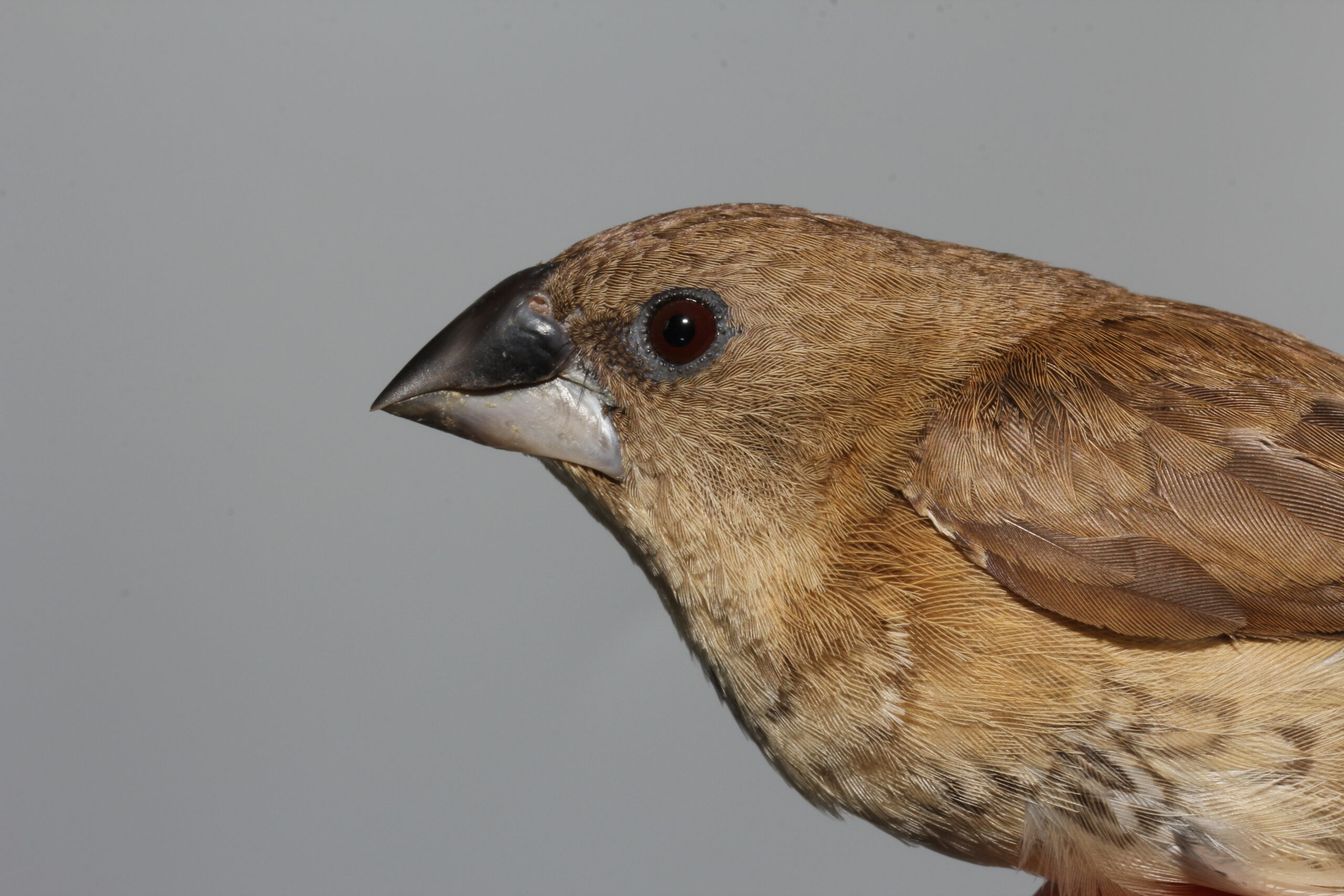
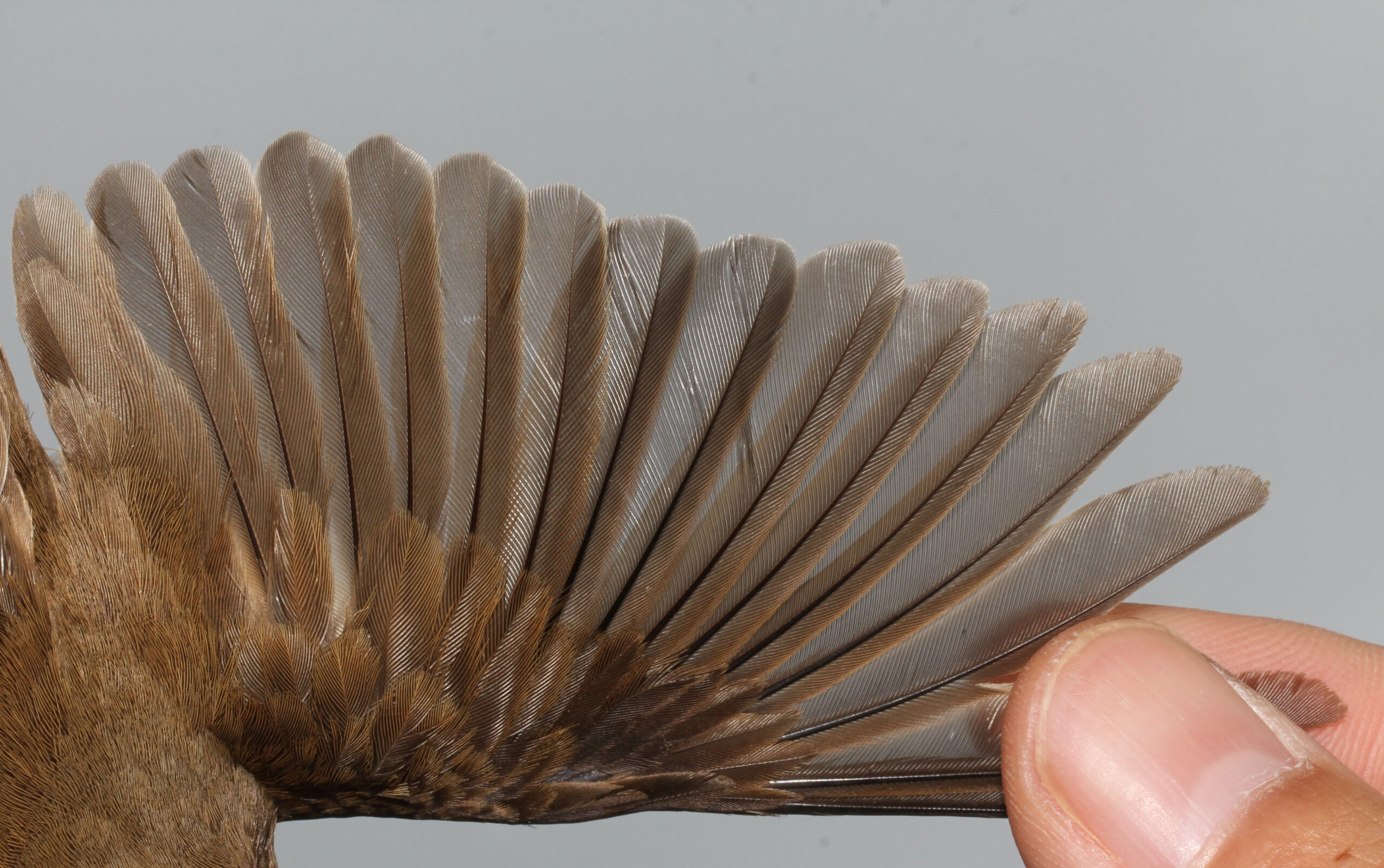
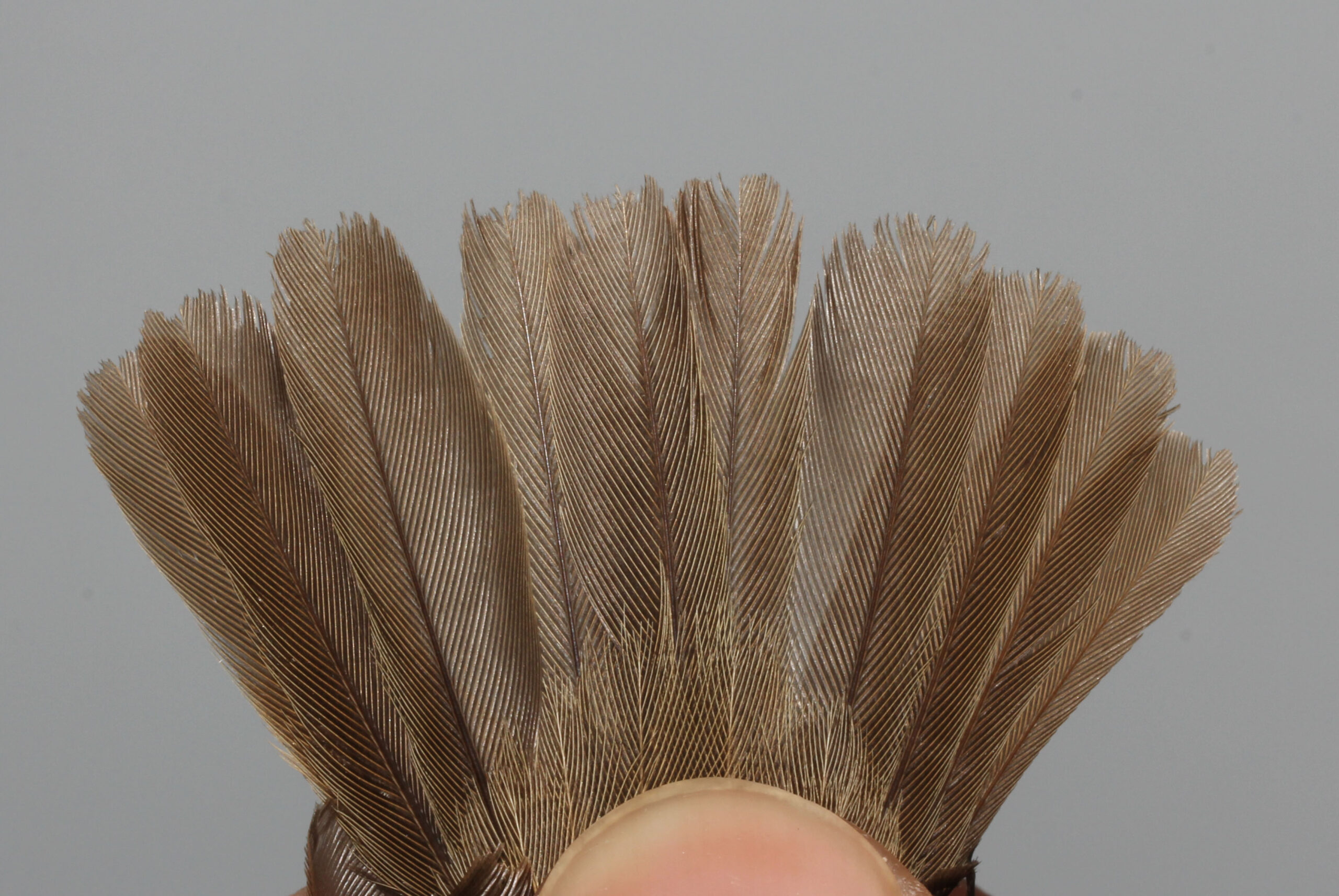
Next up was our most abundant species (pretty normal for the paddyfields), a Scaly-breasted Munia! This bird showed a mostly nice non-breeding plumage, suggesting this is a 2nd calendar year bird.
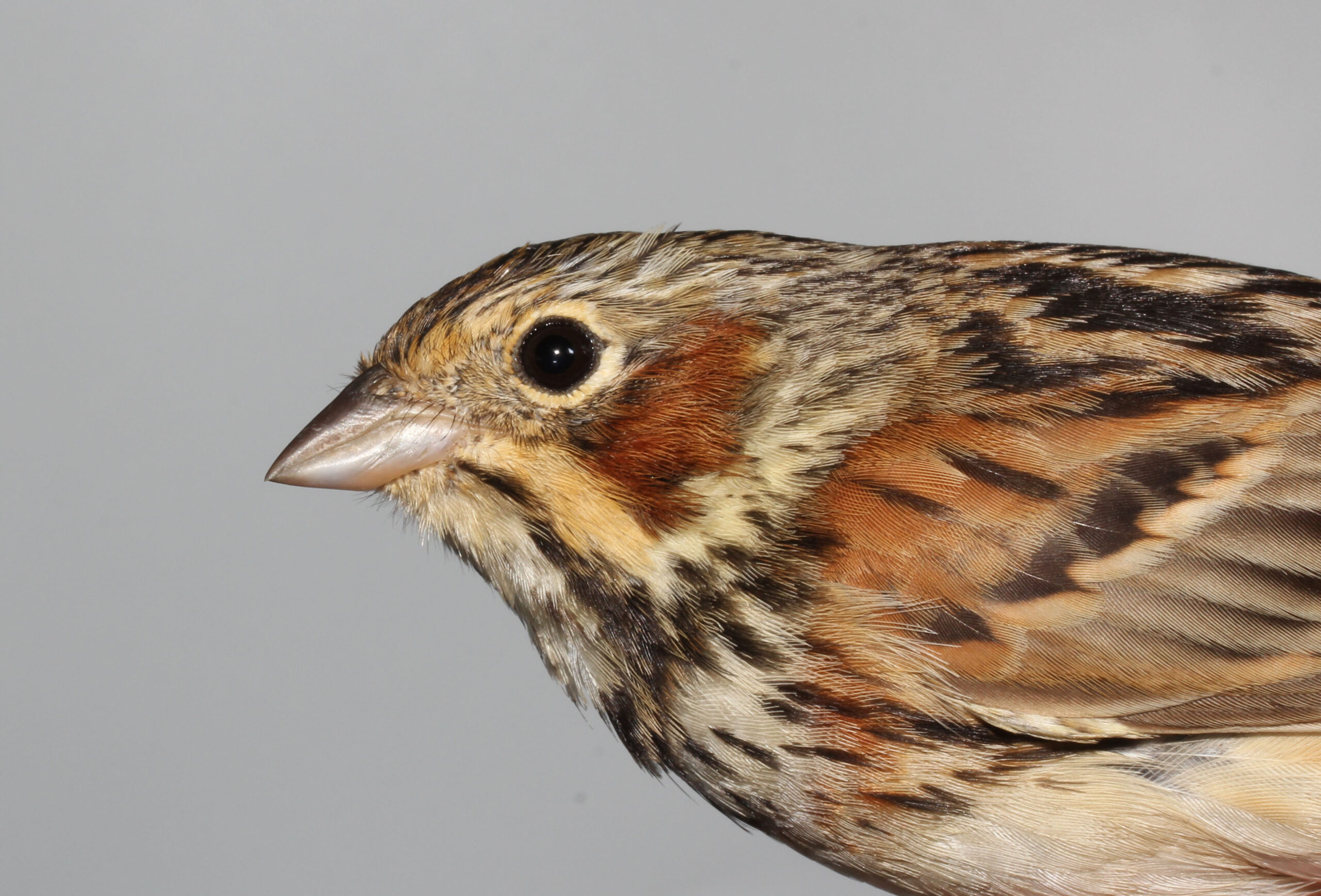
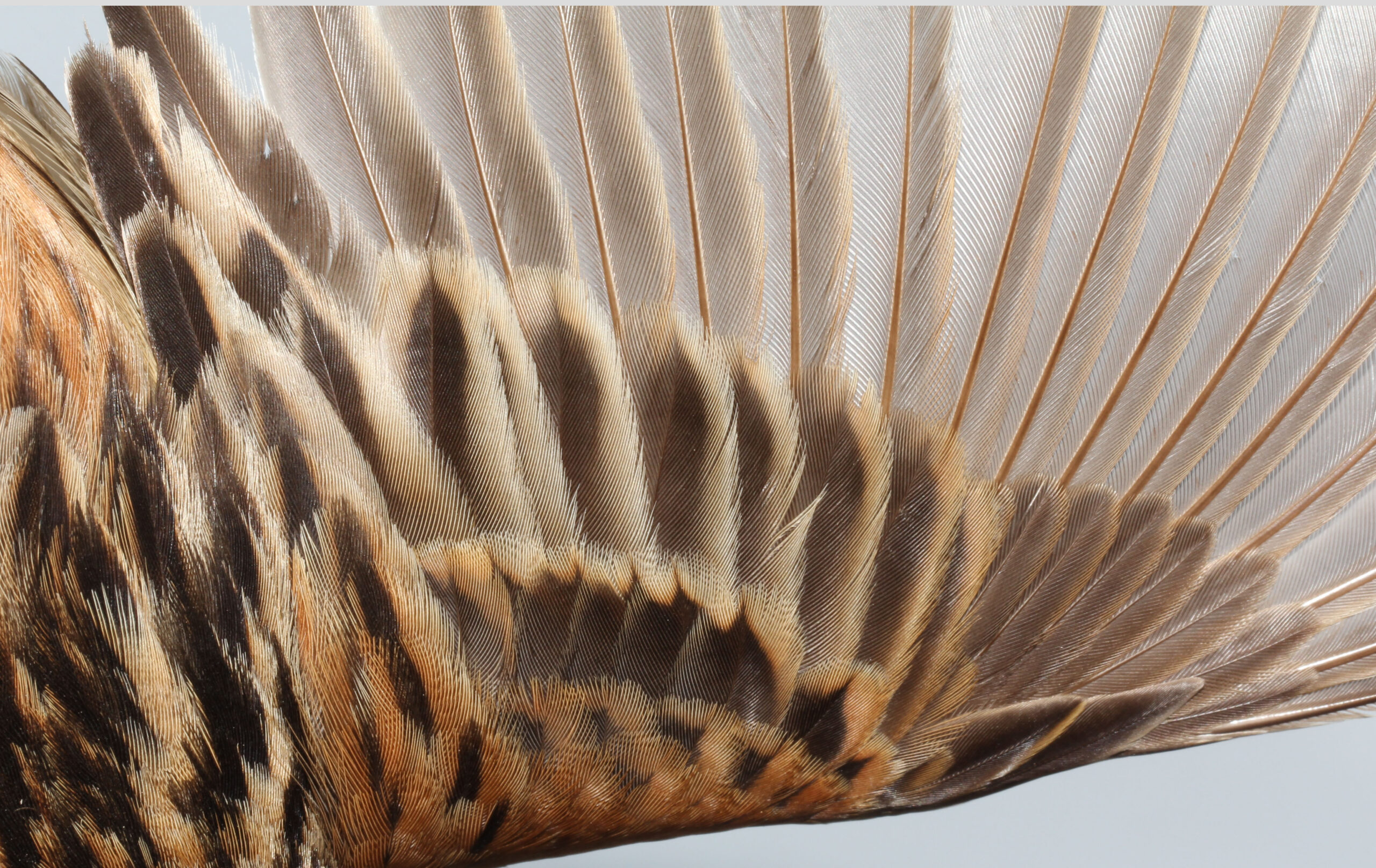
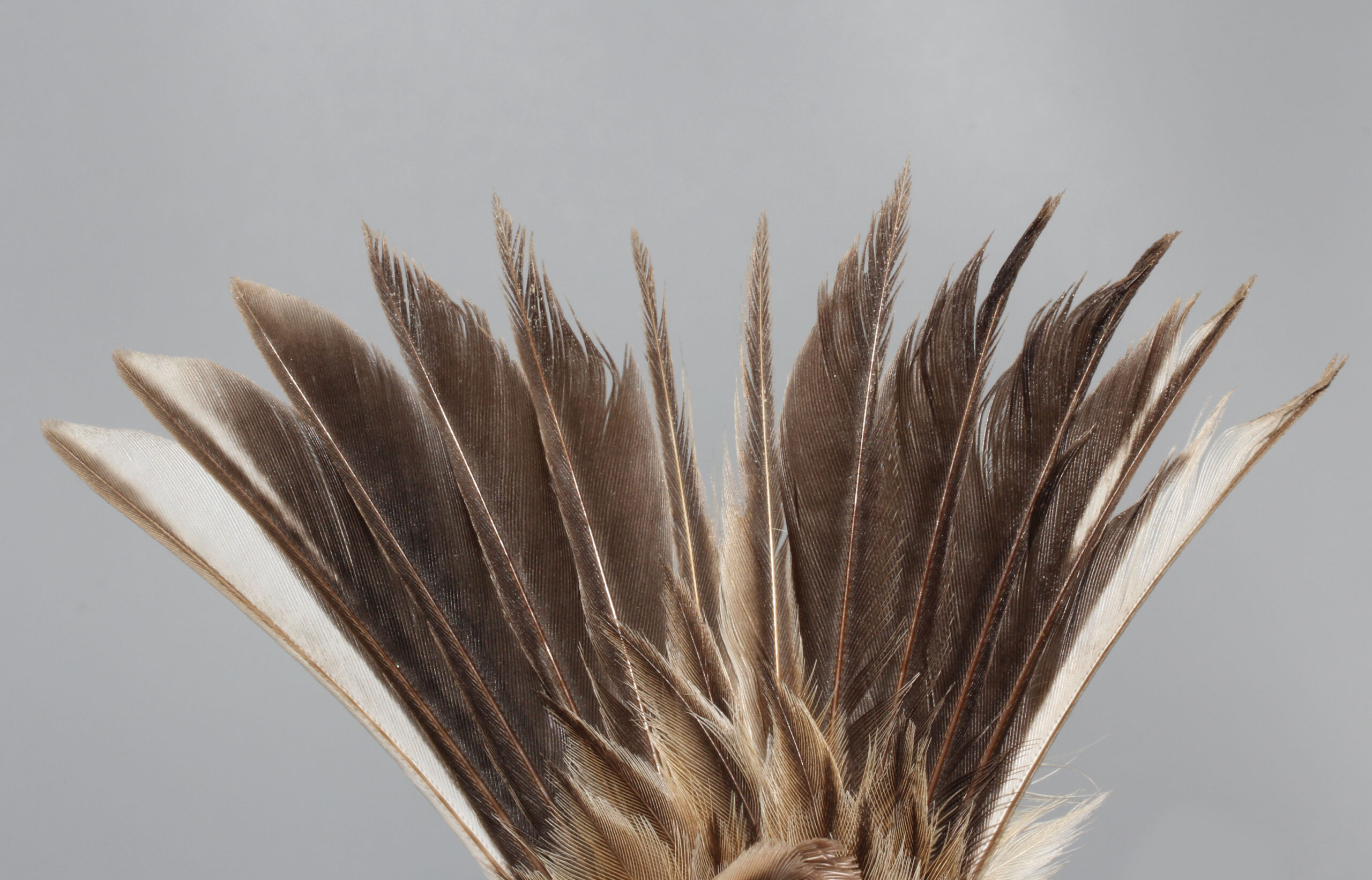
Less common in Spring is our beautiful Buntings, but this gorgeous 2nd calendar year male Chestnut-eared Bunting was a nice surprise! Ageing first, based on the juvenile tail and incomplete skull development, we can determine this is a male from the extent of deep chestnut in ear coverts, and grey and black in the crown. A beautiful boy!
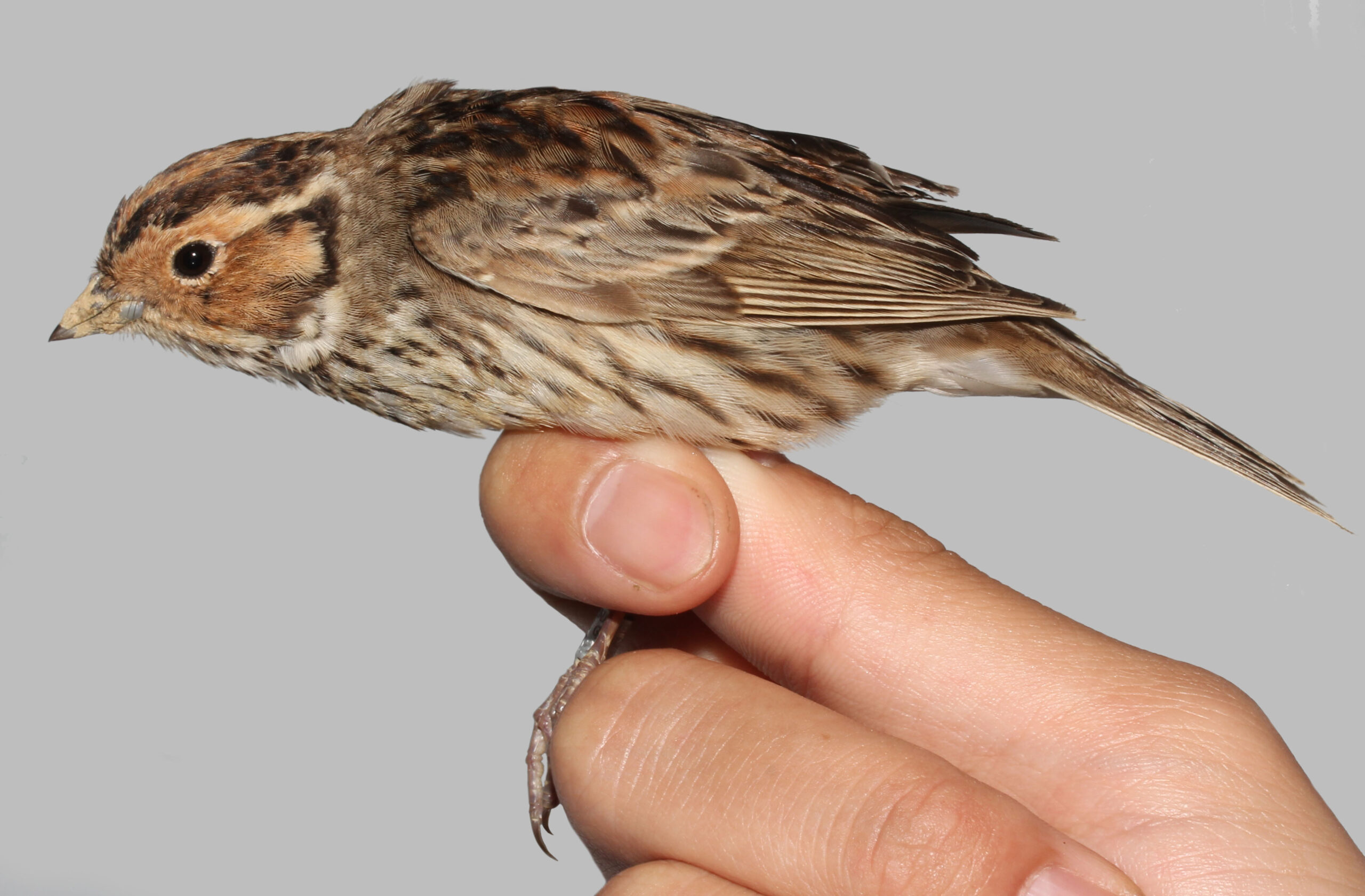
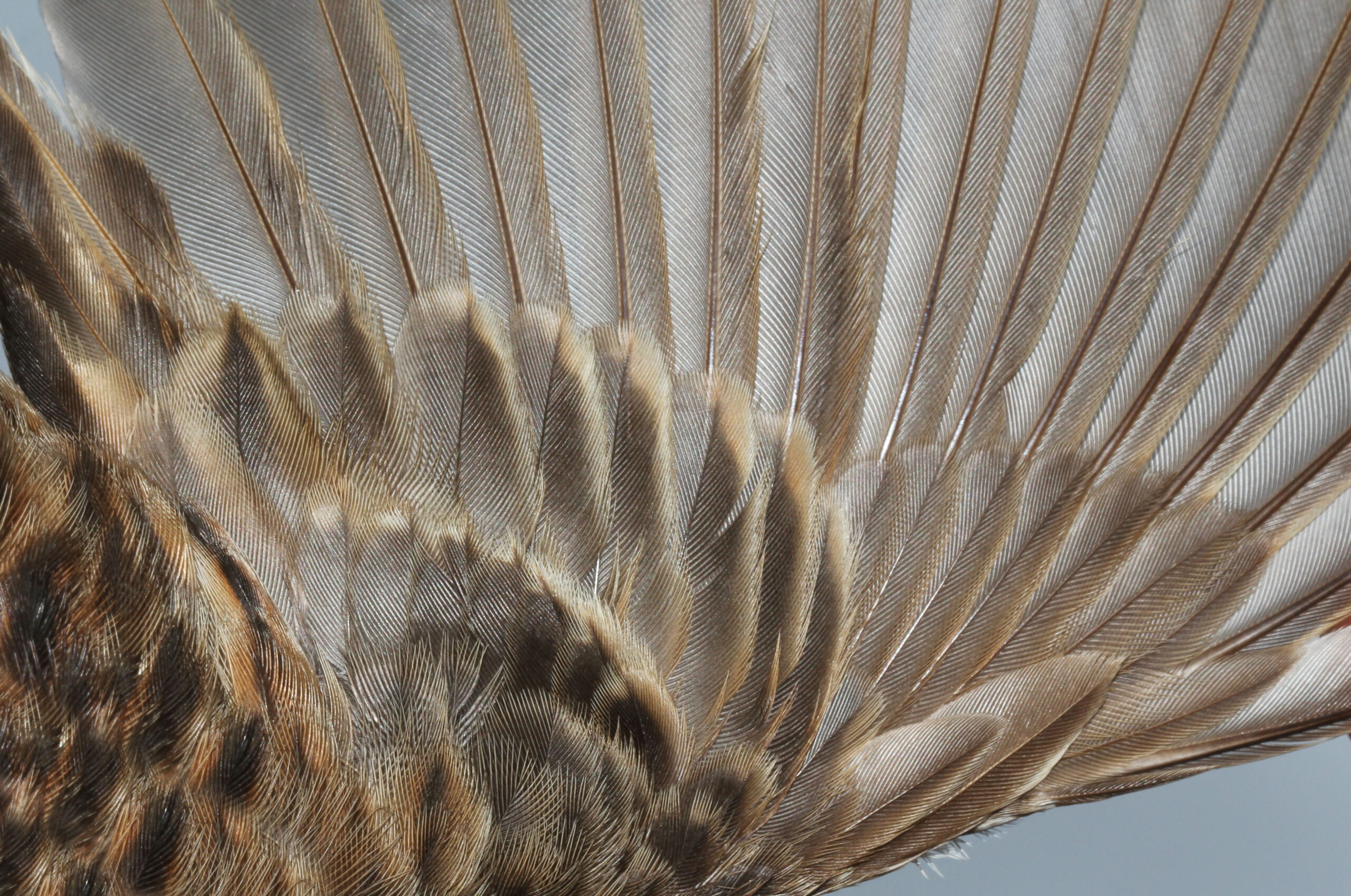
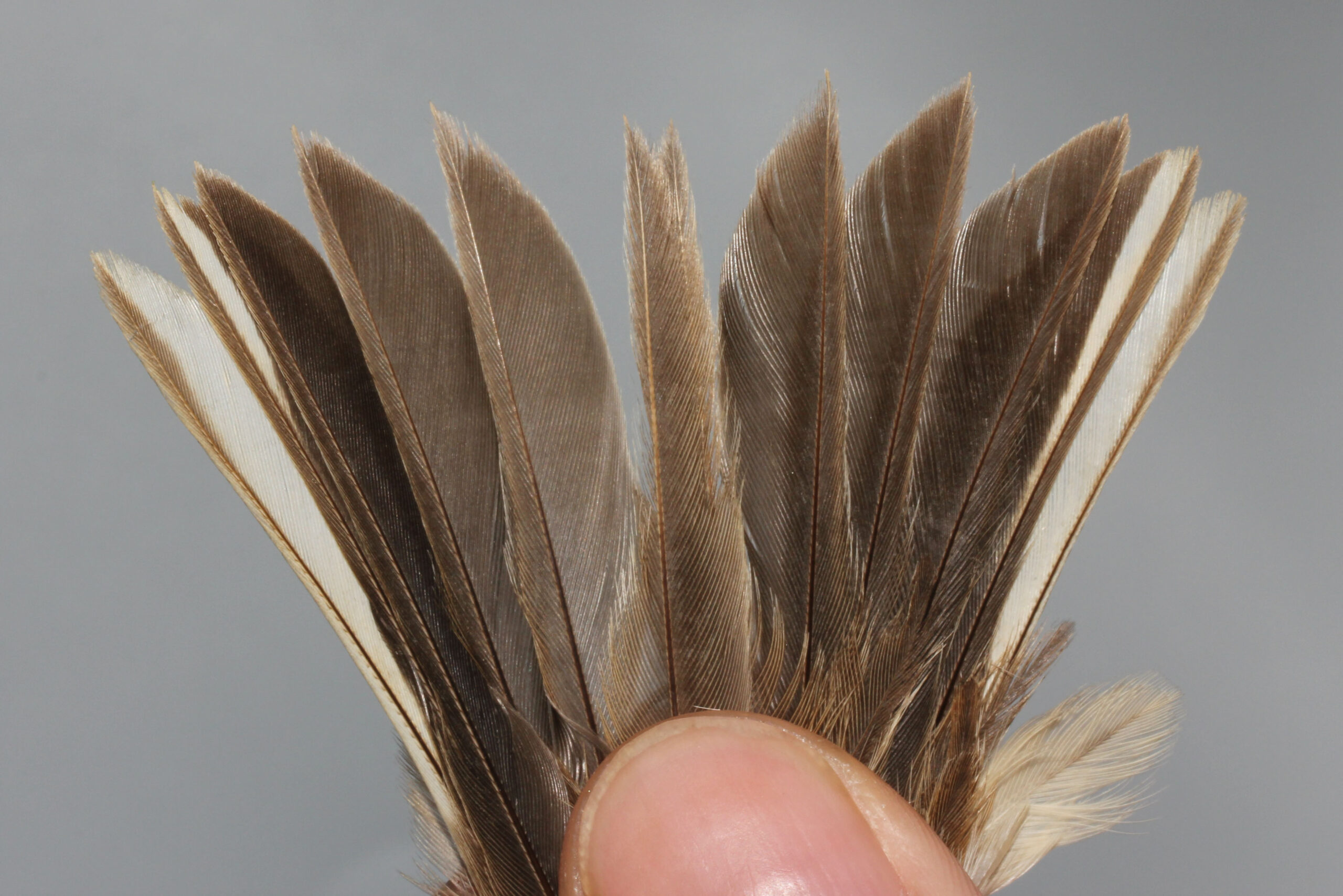
Based on the same ageing criteria as the Chestnut-eared Bunting, our next bird was determined to be a lovely 2nd calendar Little Bunting! To sex these guys, we look at the extent of black in the crown and ear coverts. Now, in Spring, this should be quite prominent in male Little Buntings, however, in our individual we can see these areas are more brown than black. Therefore, this must be a 2nd calendar year female!
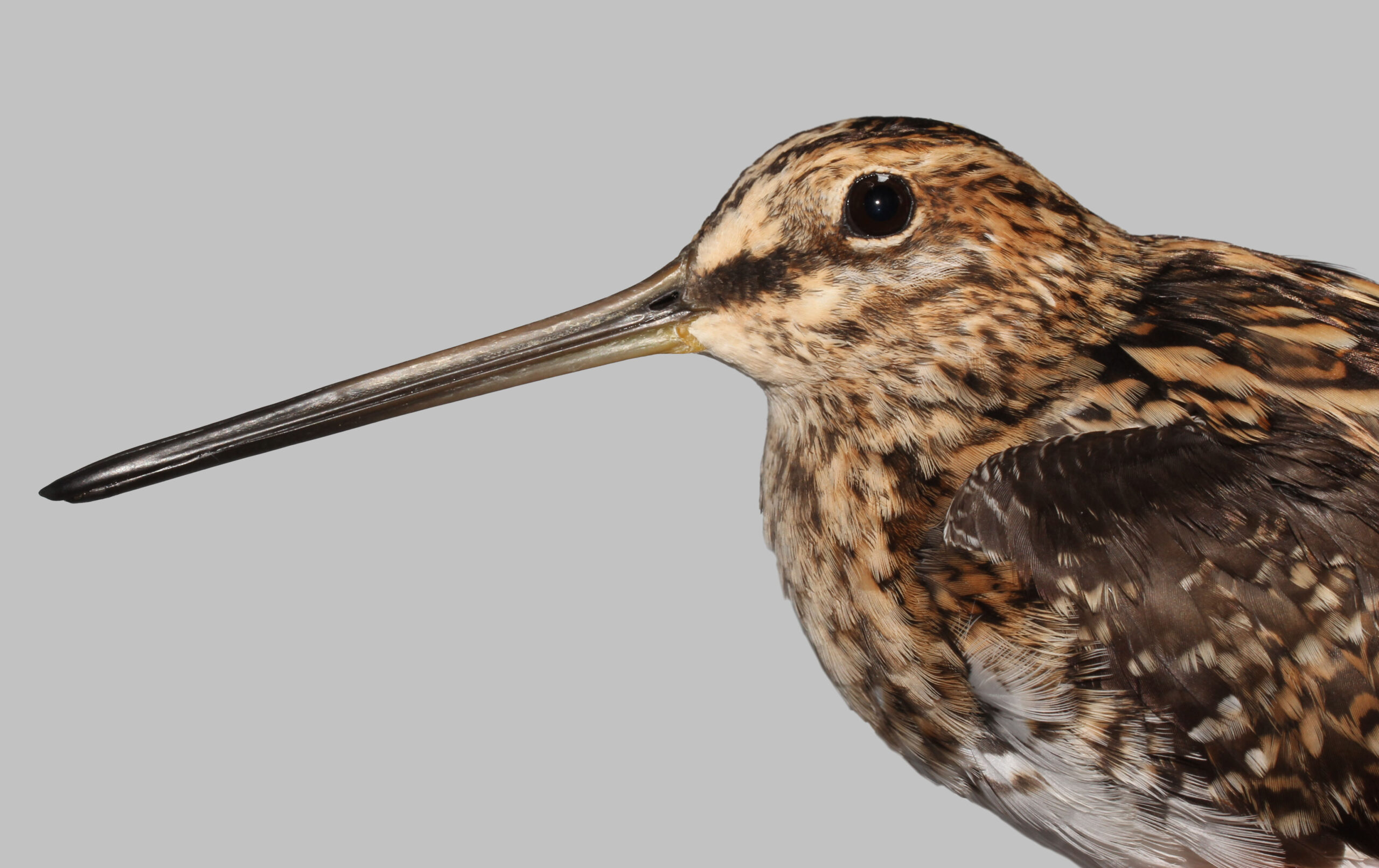
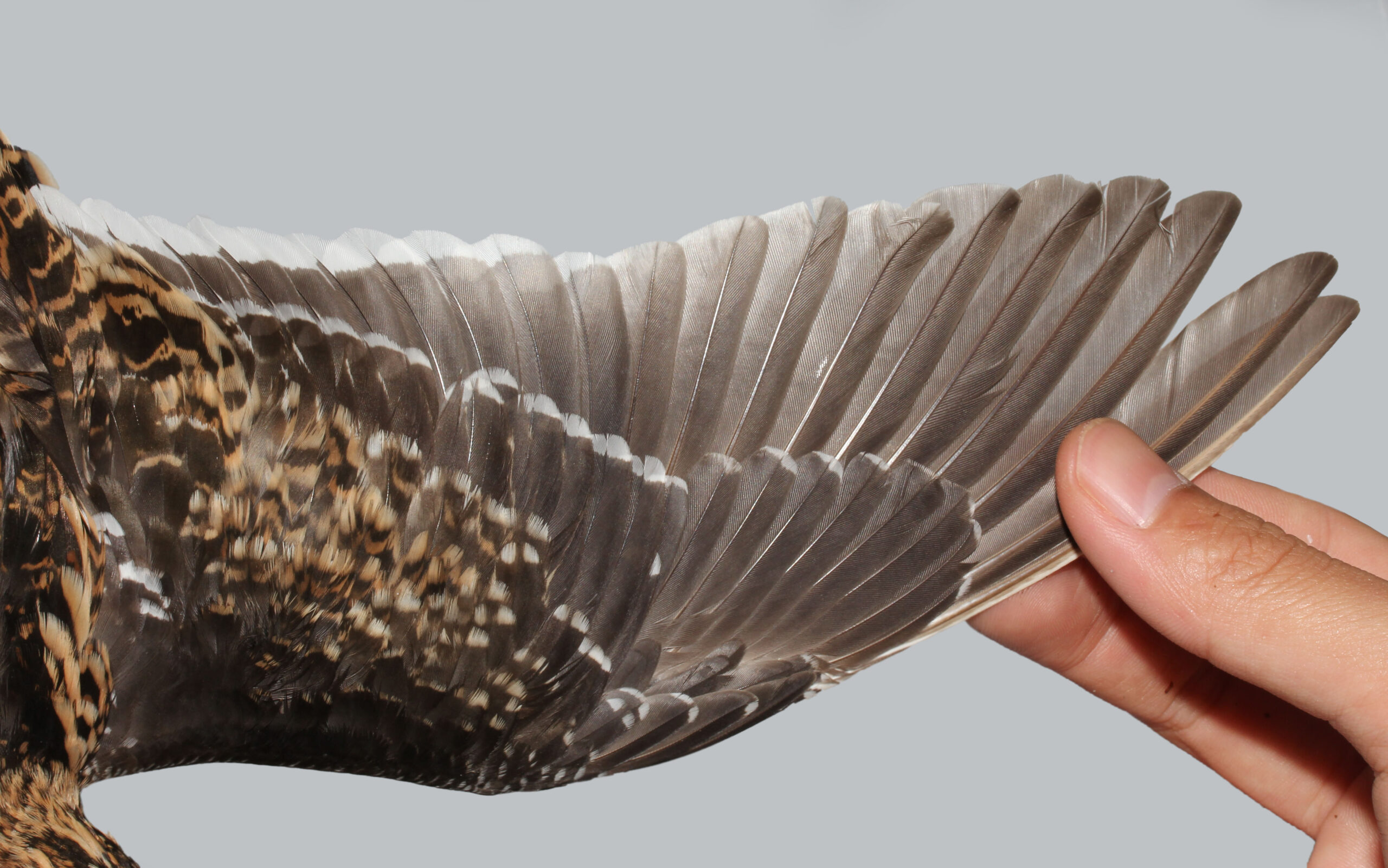
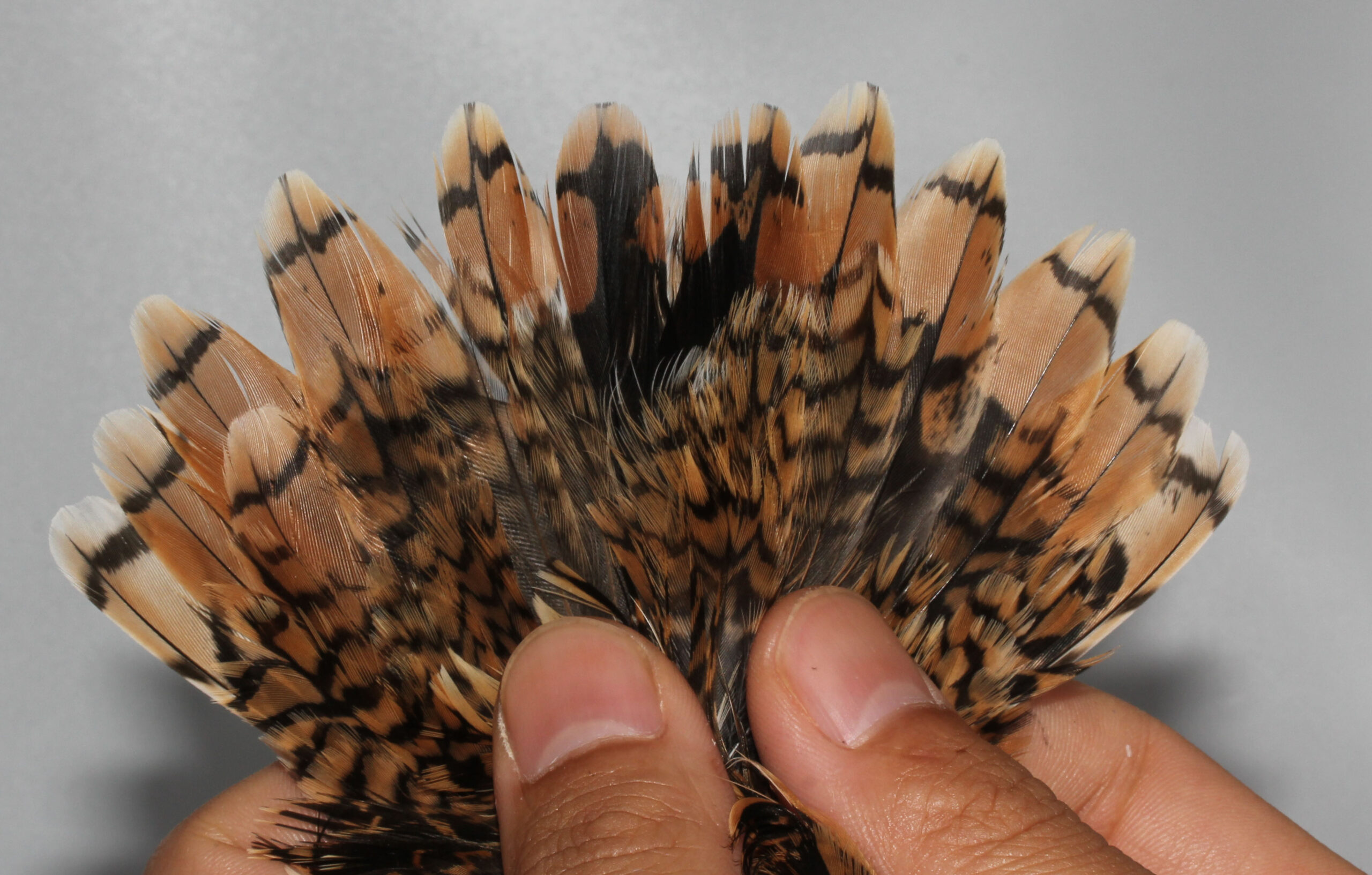
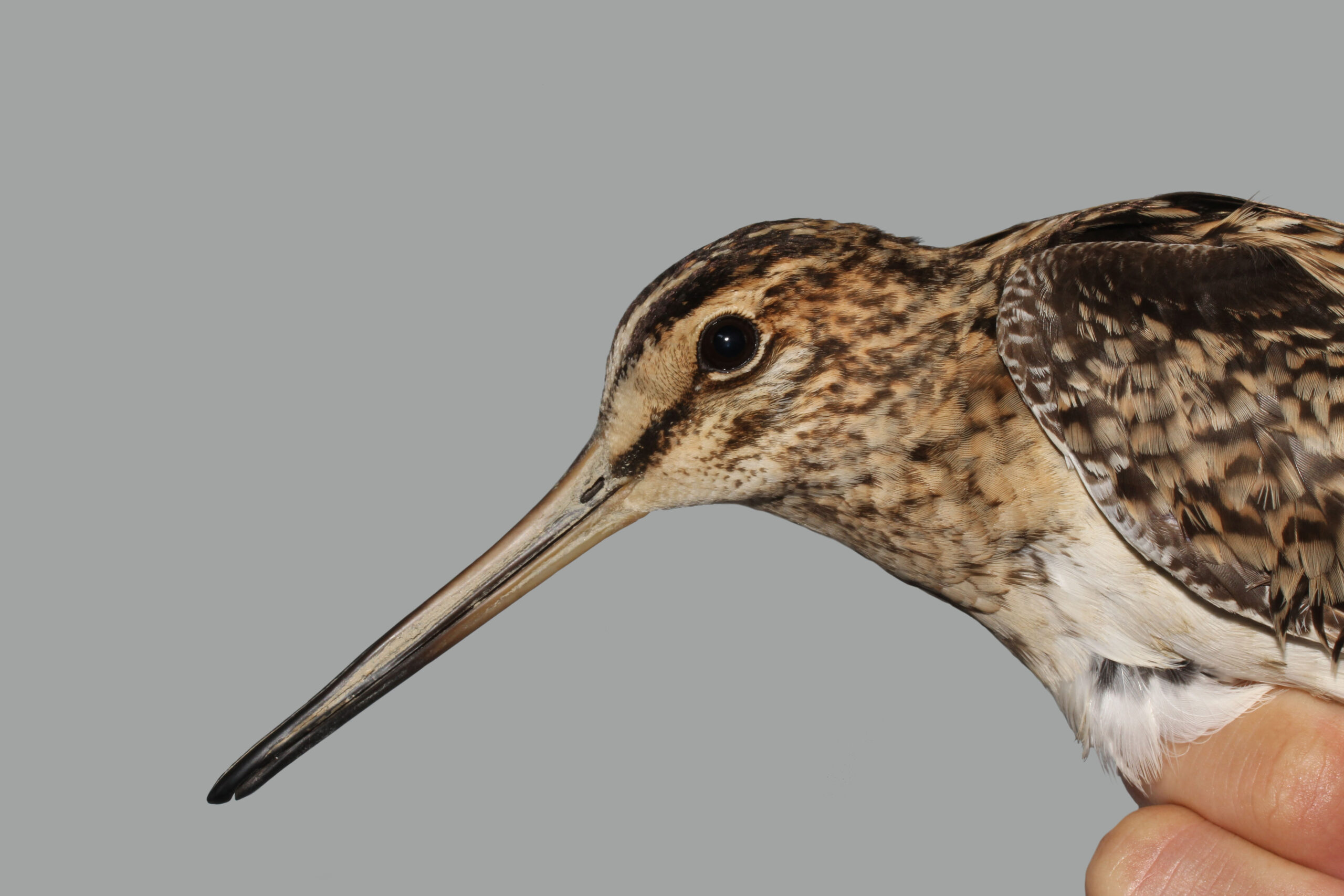
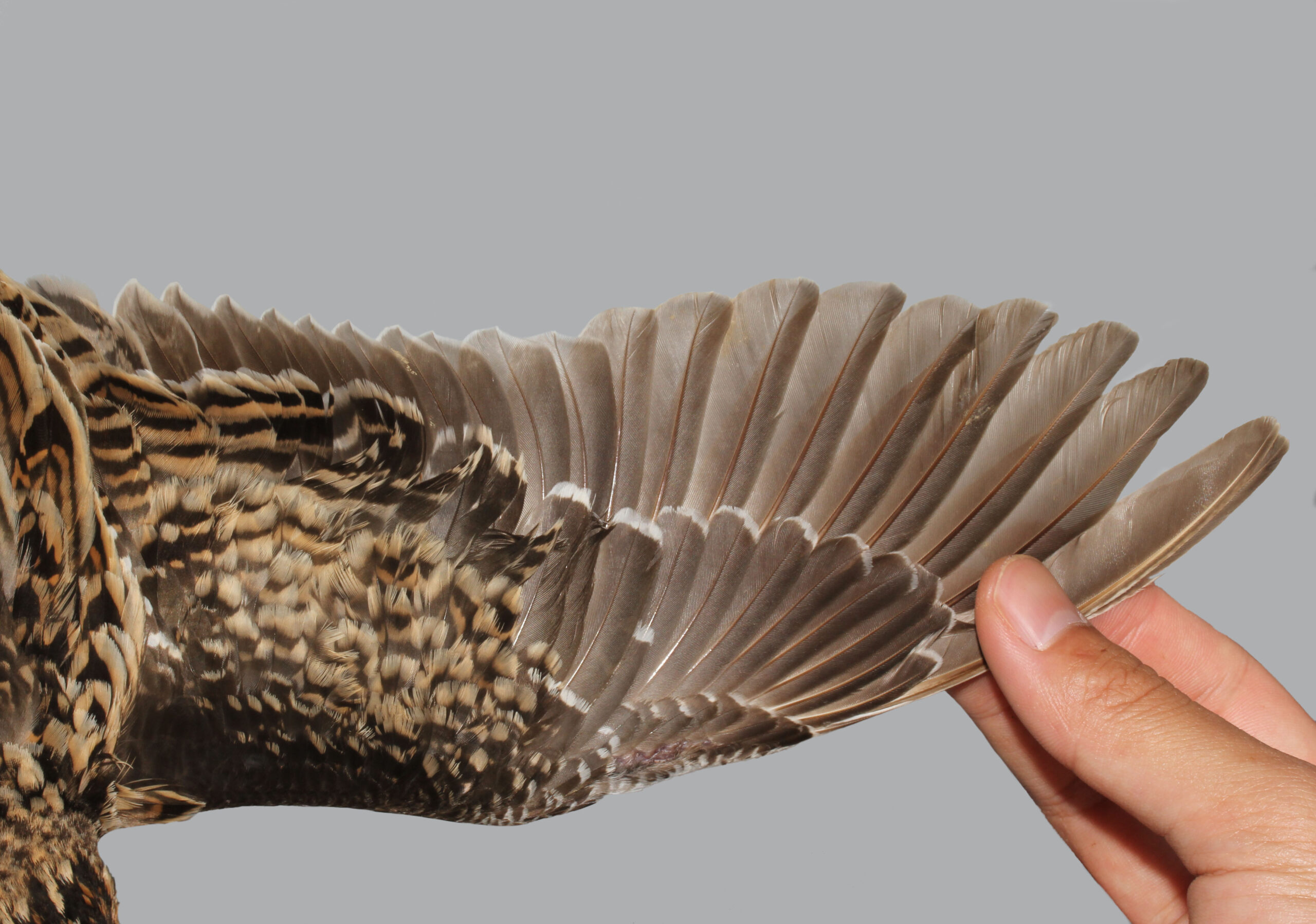
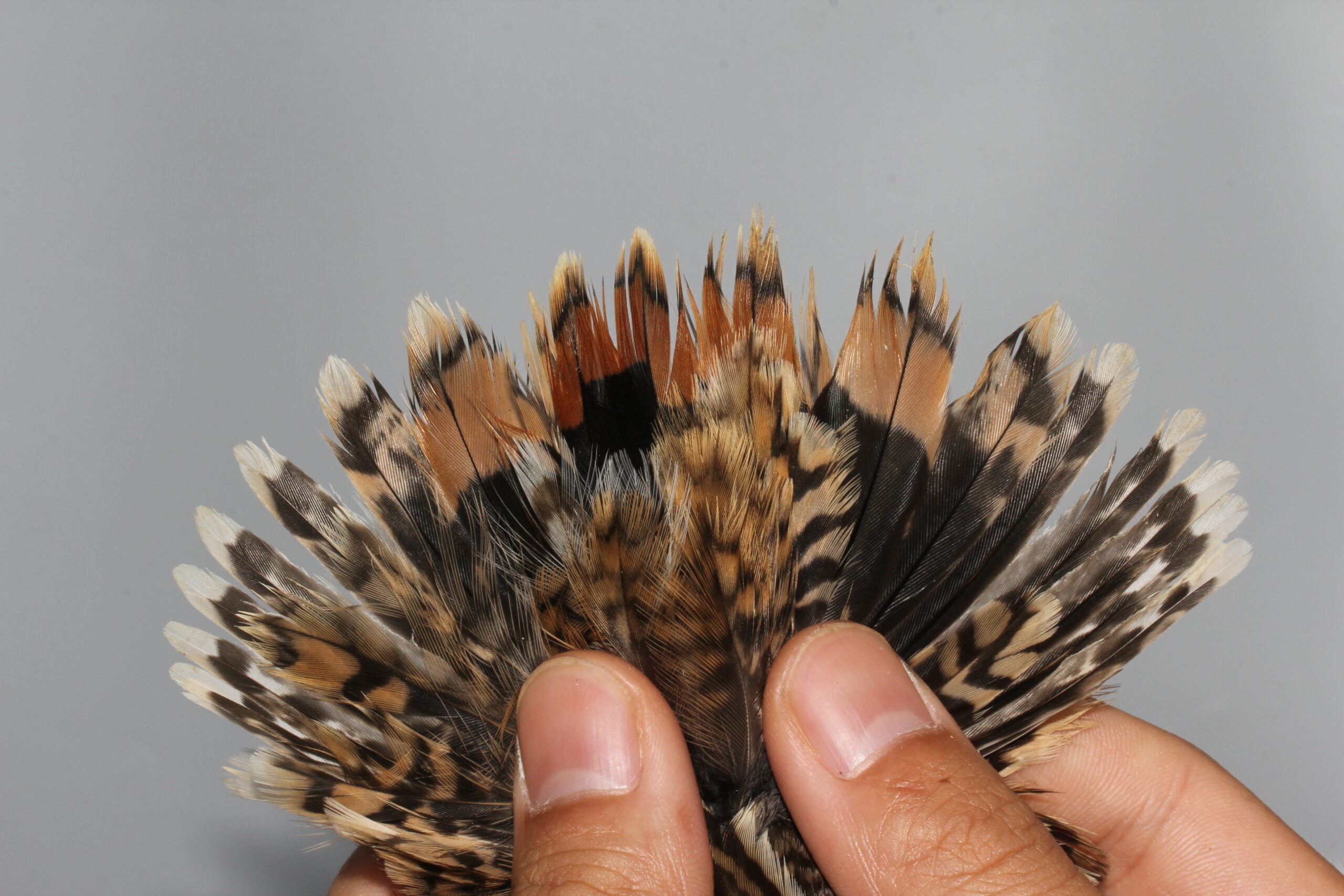
A Spring day in the Paddyfields is never complete without a couple of Snipes here and there, and today did not disappoint with two species of Snipe today; Common and Swinhoe’s! Both are notoriously difficult to age in Spring, with waders having complex moult strategies. Differentiating these species can also be a little tricky in the field, being mainly based on the level of white on the fringes of the secondaries, darkness of the underwing and, of course, the call. However, in hand this is much easier to inspect, along with the main difference- the tail. In the Common Snipe (upper) we can see that the bird has 12 tail feathers, all equal in broadness. However, in the Swinhoe’s Snipe (lower), we can count 18 tail feathers, with the outermost ones being very pale and narrow, growing in broadness as we reach the central pair of tail feathers.
Daily Totals
| Species | Original | Recapture |
| Black-collared Starling | 1 | 0 |
| Chestnut-eared Bunting | 1 | 0 |
| Common Snipe | 2 | 0 |
| Dusky Warbler | 0 | 1 |
| Little Bunting | 1 | 0 |
| Plain Prinia | 0 | 2 |
| Scaly-breasted Munia | 13 | 0 |
| Swinhoe’s Snipe | 1 | 0 |
| White-breasted Waterhen | 1 | 0 |
| Wood Sandpiper | 1 | 0 |
| Grand Total | 21 | 3 |
*Please note that all wild birds, their nests, and eggs are highly protected (under Wild Animals Protection Ordinate, Cap. 170) in Hong Kong. It is an offence to wilfully disturb, take, remove, or injure wild birds or their nests/eggs. The actions described here were undertaken by trained professionals holding the necessary licenses and permits issued by the AFCD.*