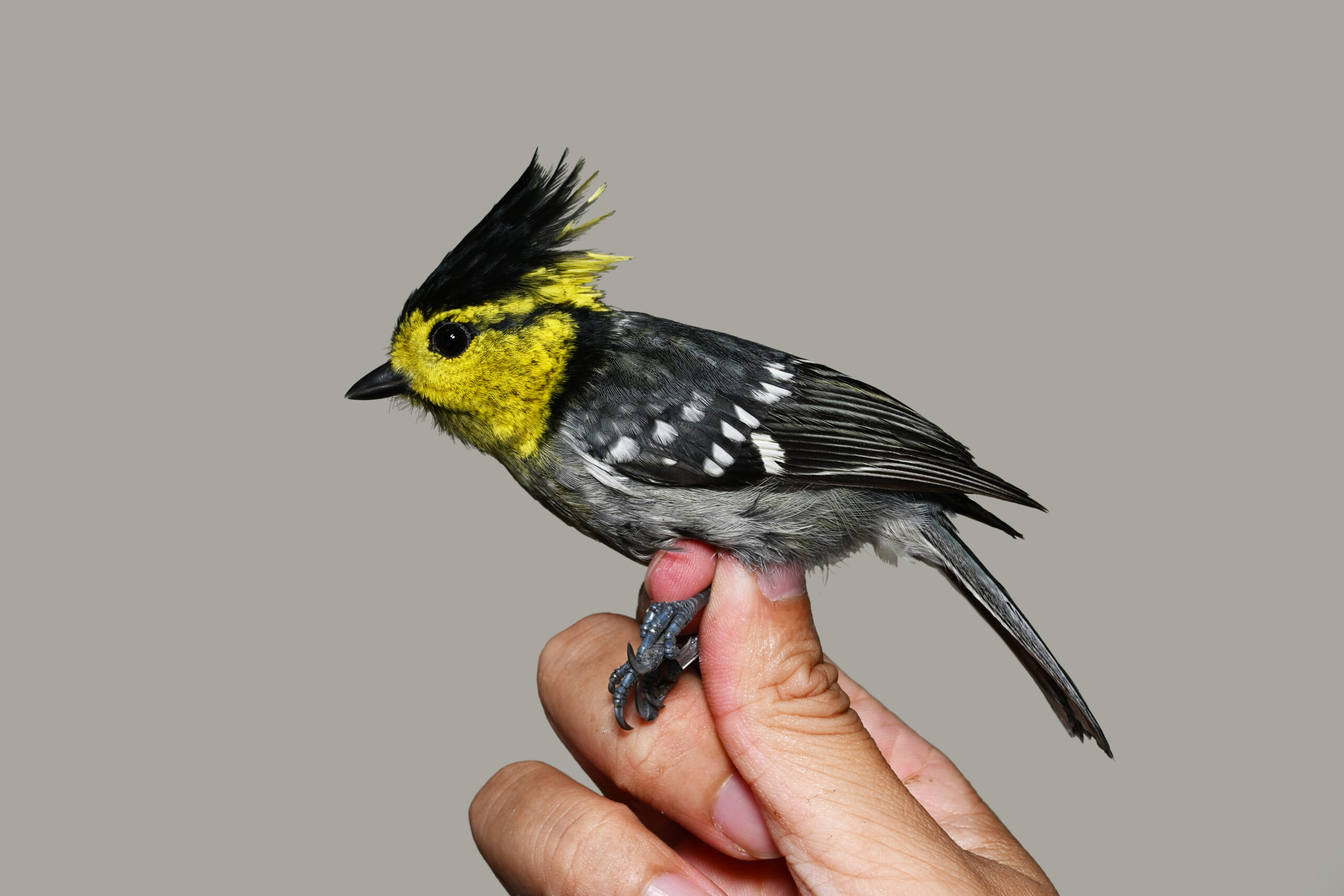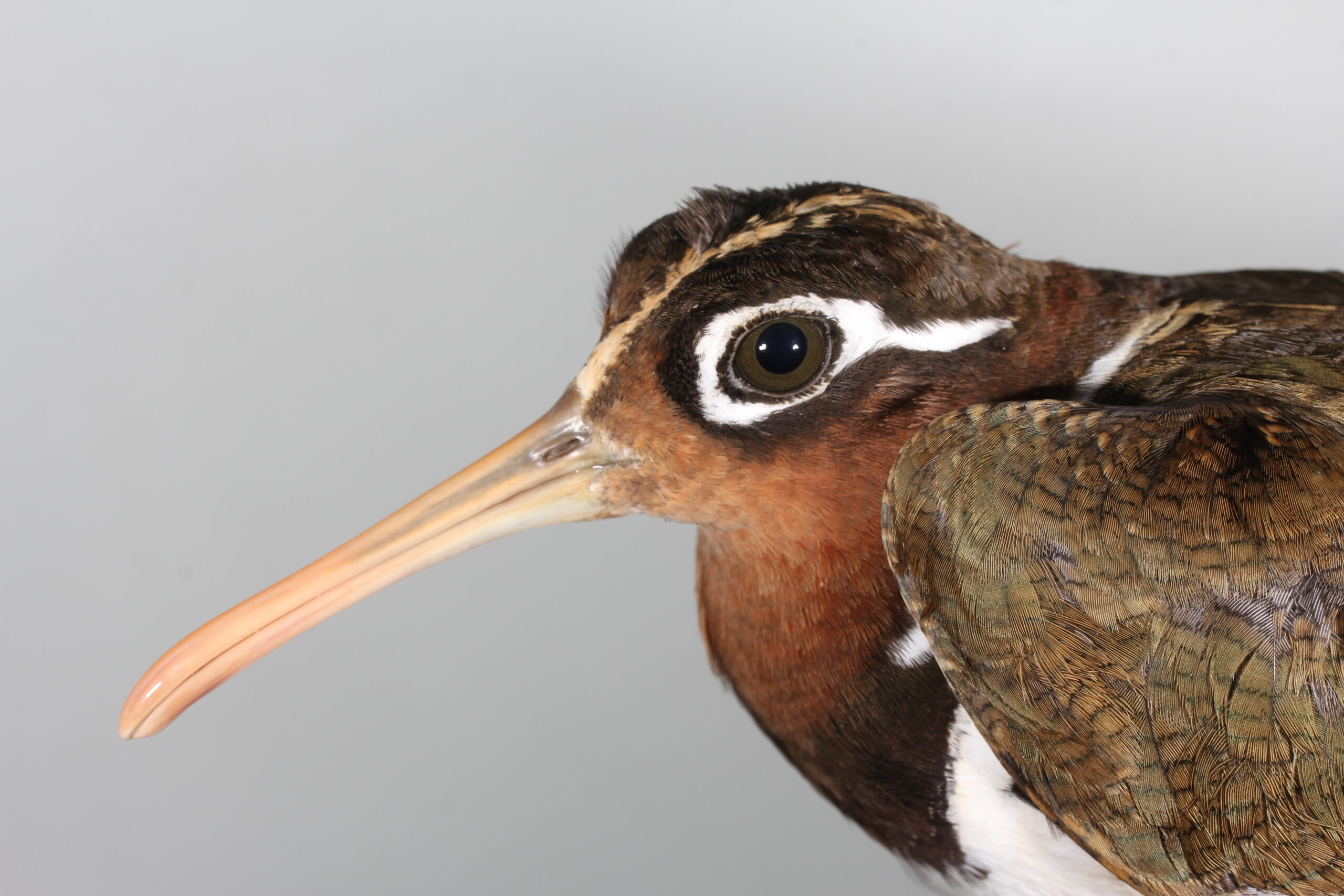



September has begun, and, though the weather doesn’t feel like it, this means we are officially in ‘Autumn’. For us ringers, this means we are back to ageing young birds (juveniles) as 1st calendar year birds, and adults as 2nd calendar year or older. As a reminder, this is due to the fact that most passerine species undergo a Summer Complete moult in their 2nd year. Meaning that 2nd calendar year and 3rd calendar year birds usually become indistinguishable after this moult (as a rule of thumb).
September also means that our island ringing project has begun again! And, as usual, we are here to share our highlights from the month!
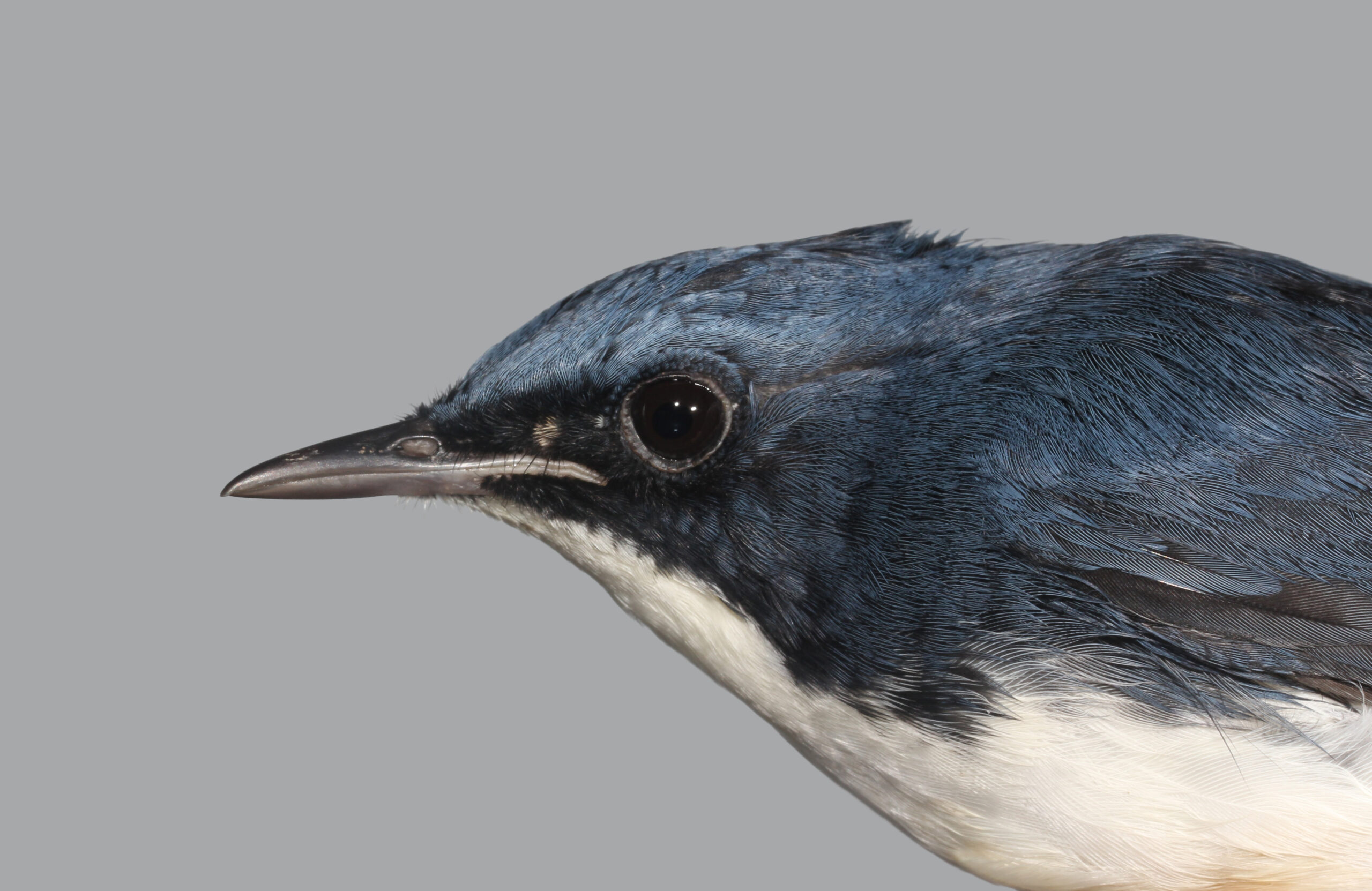
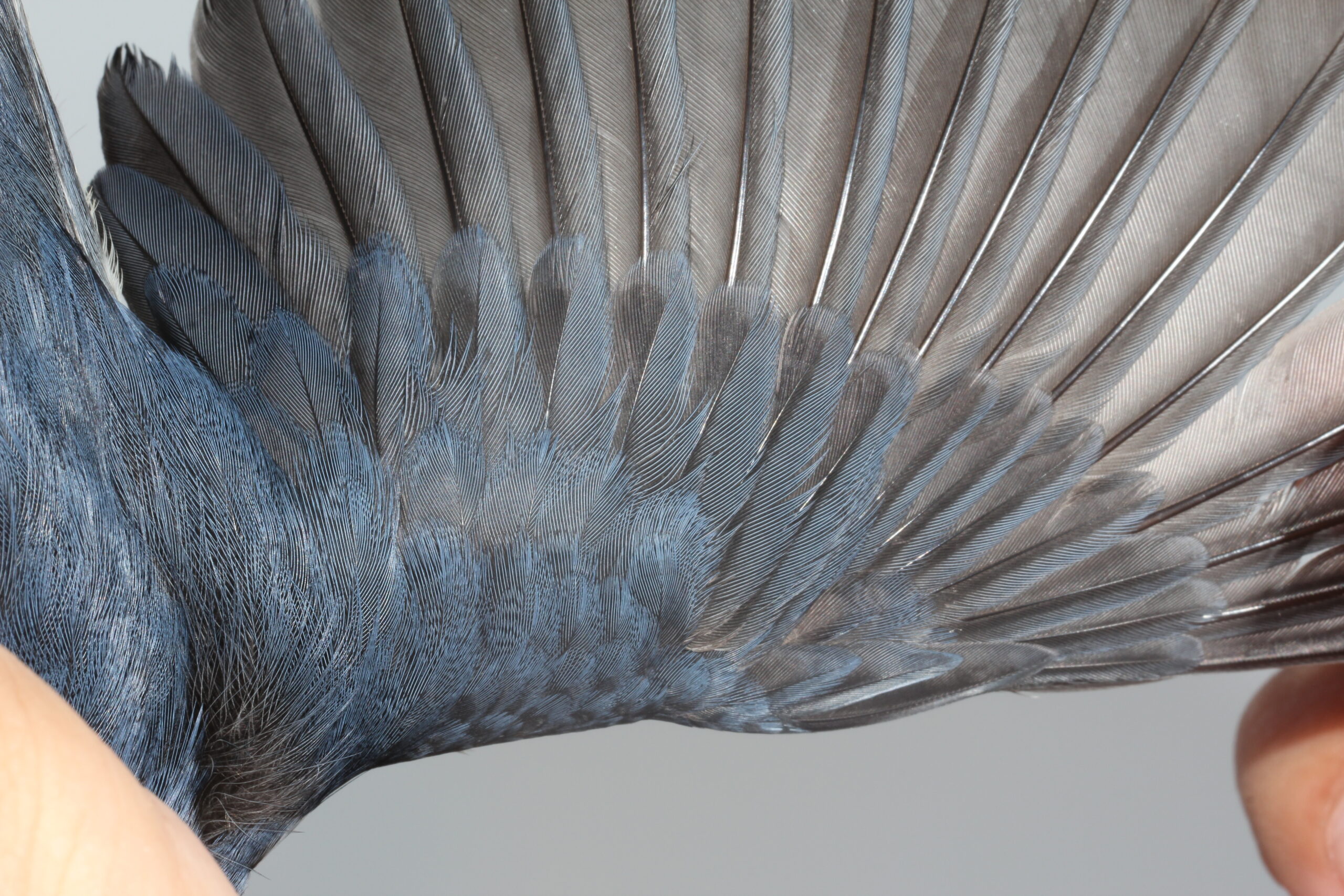
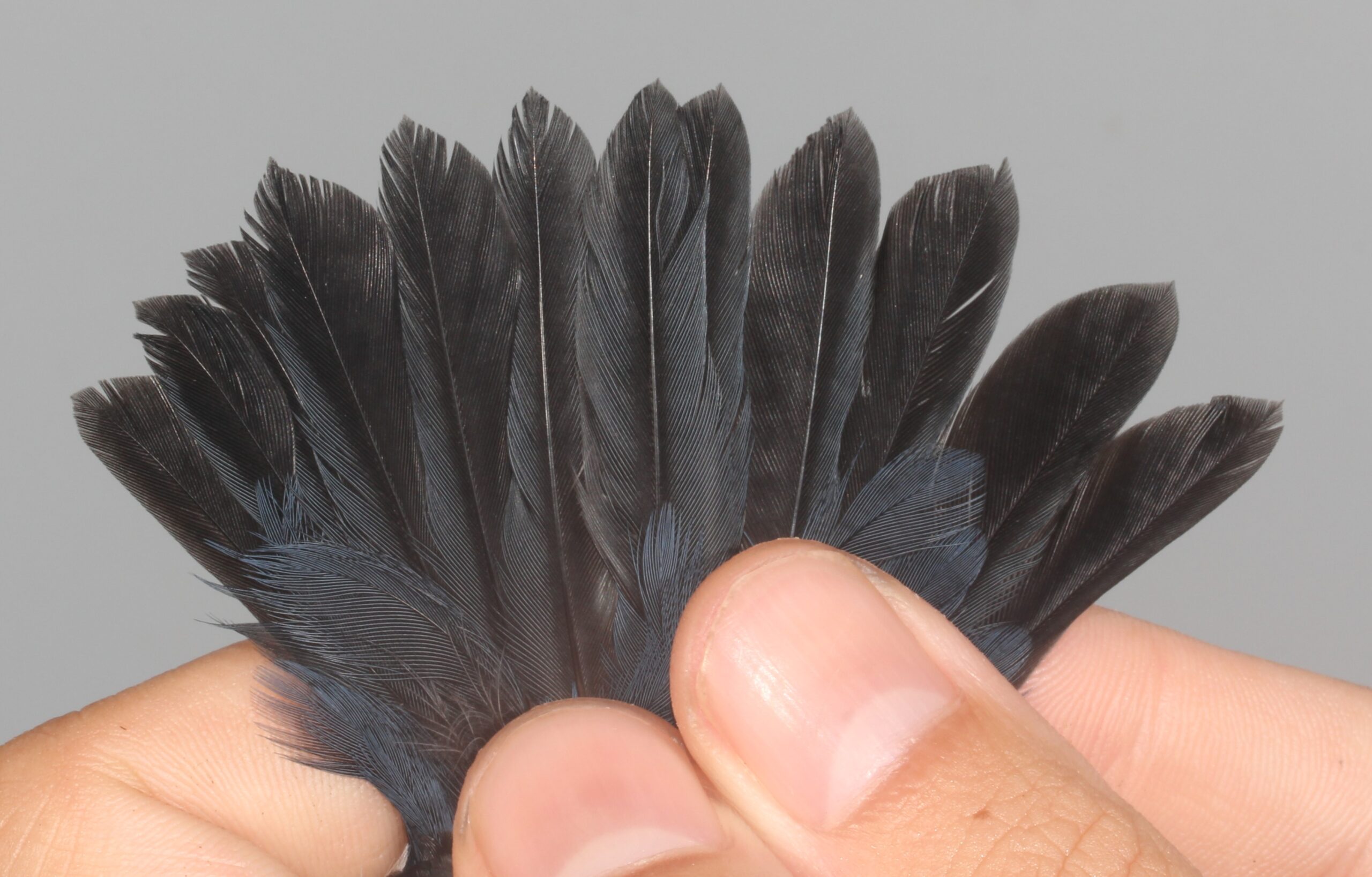
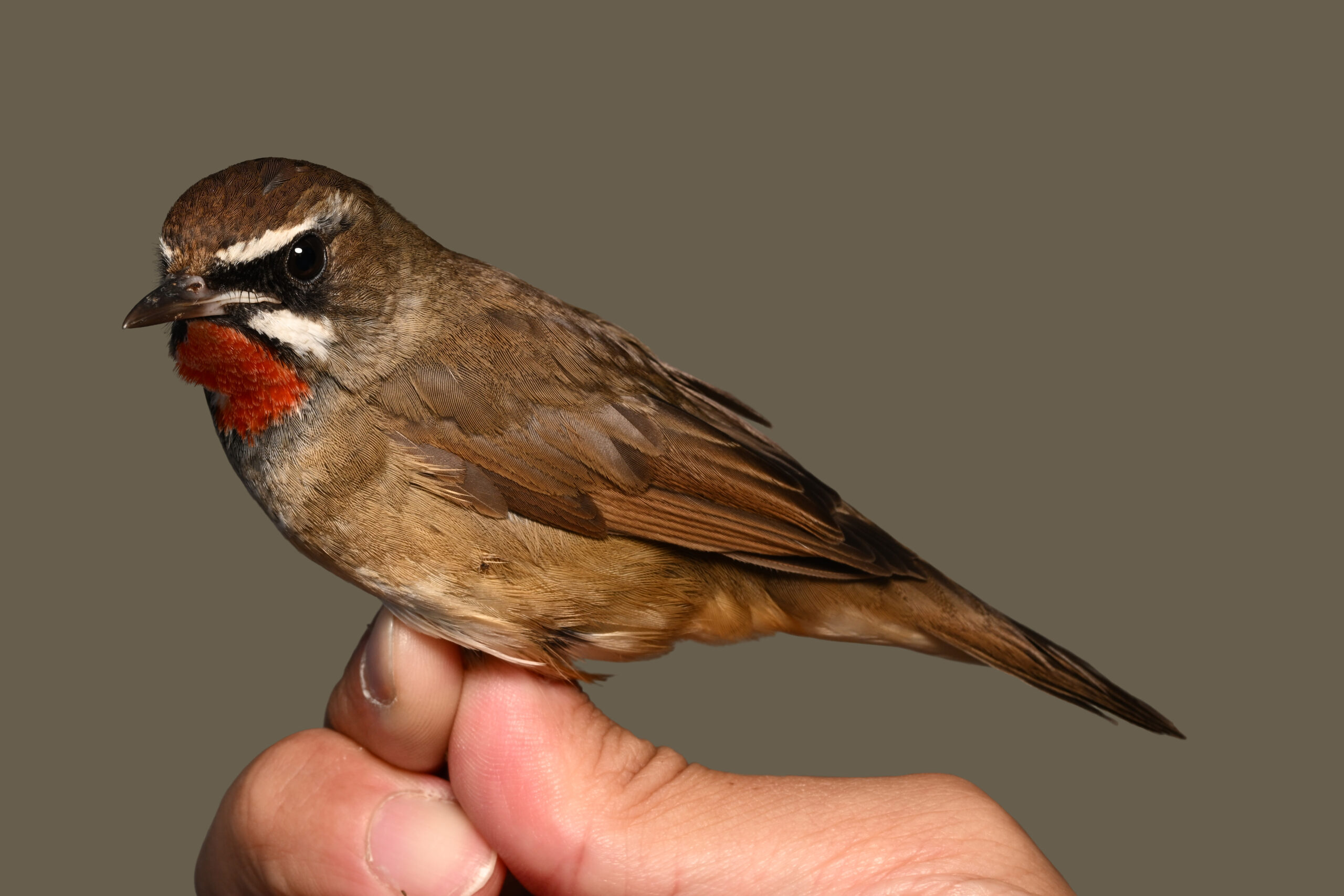
First to mention was this absolutely gorgeous adult male Siberian Blue Robin! Though Blue Robins are not super uncommon for us to catch, catching an adult male is a rare privilege. As with other Robins, this species undergoes a Summer Complete moult in adults, and summer partial in juveniles. Therefore, we would expect to see moult limits in the wings of young birds. As seen above, this individual shows an entirely uniform wing and tail with the gorgeous dark blue hue of a male! Therefore, we can tell this is a 2nd calendar year or older male!
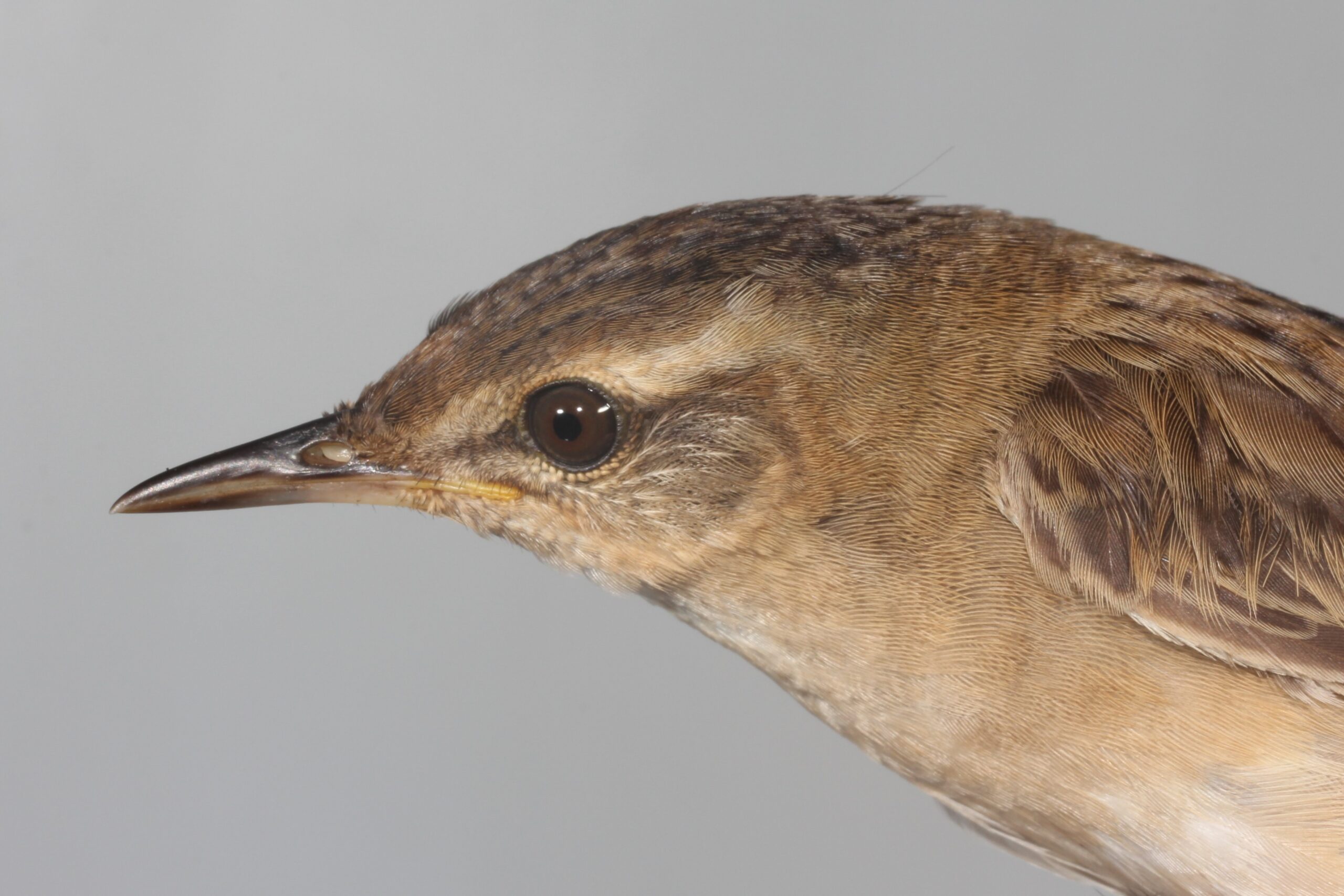
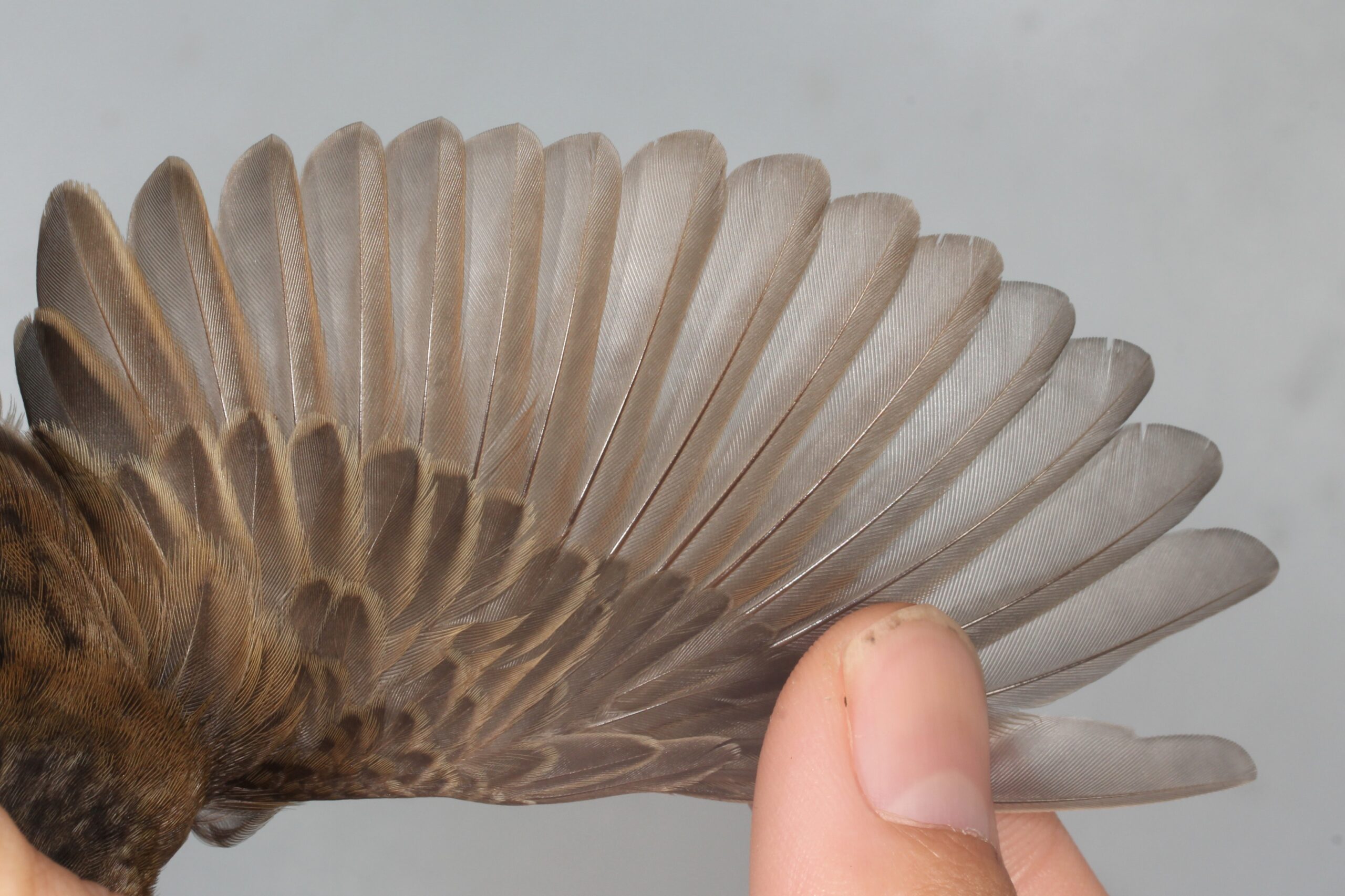
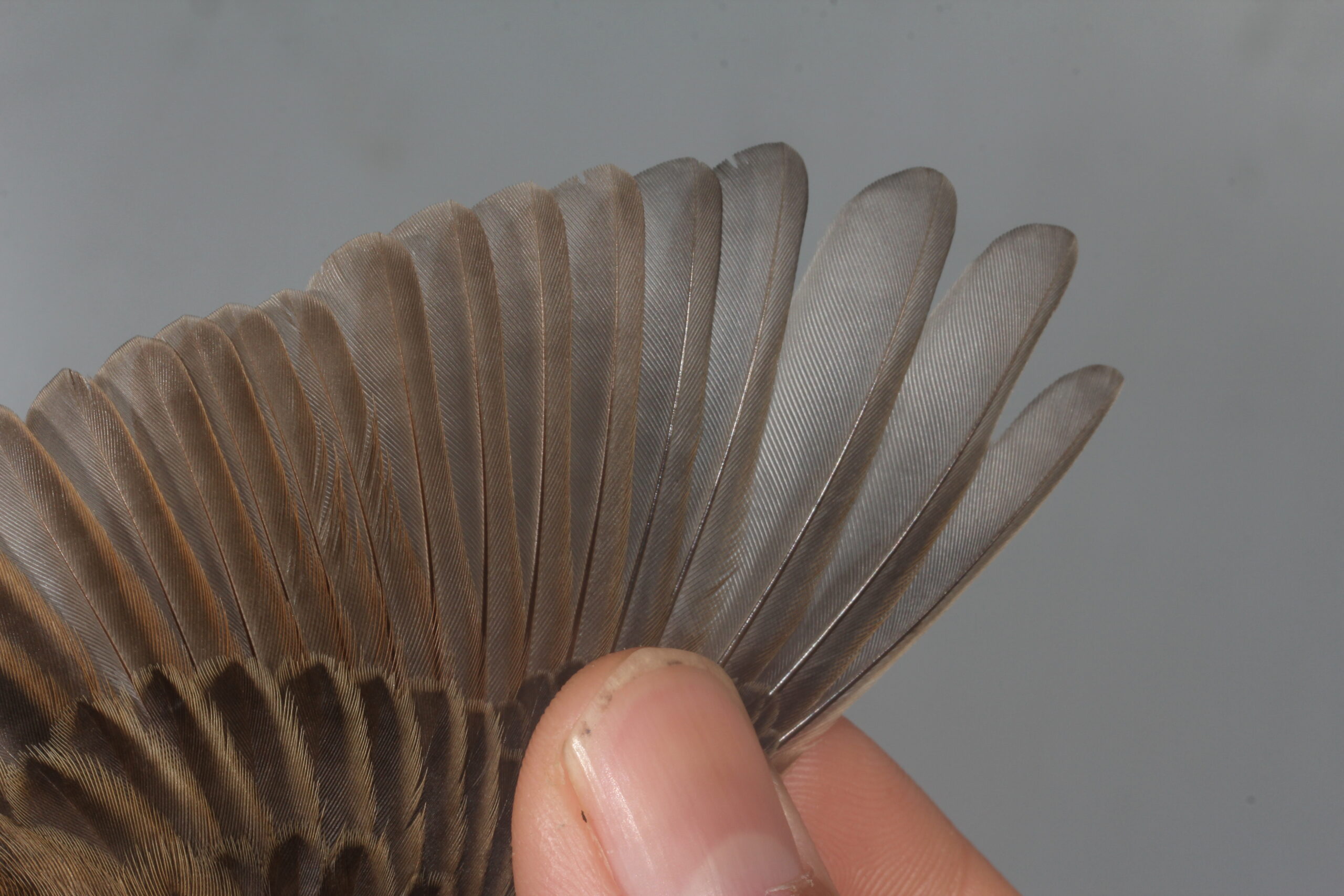
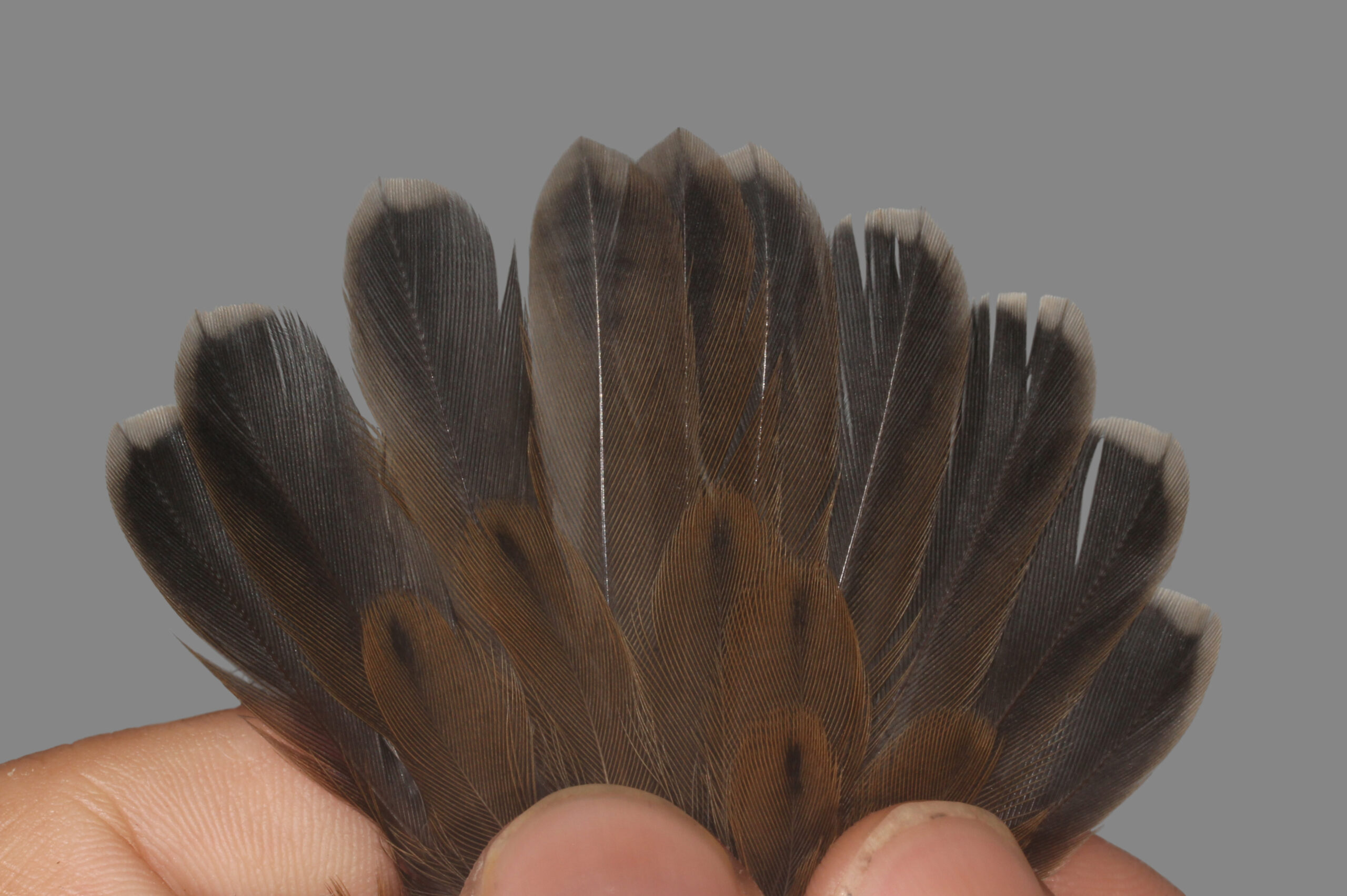
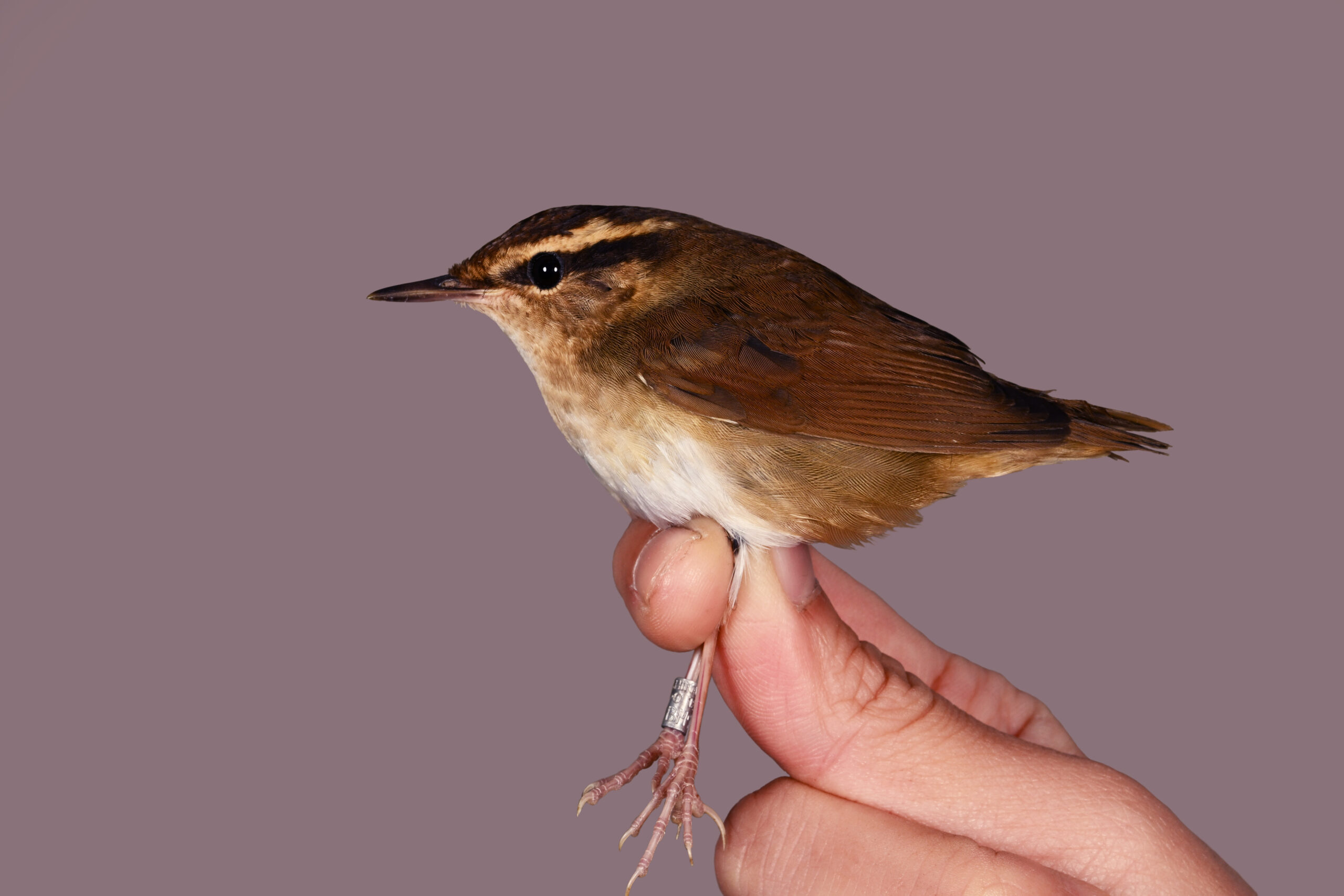
Though the start of September started off quite quietly, as the month wore on, more migrants began to arrive, including this beautiful Pallas’ Grasshopper Warbler! Now, unlike the Robins, the moult of Grasshopper Warblers is generally a little strange. Though adults carry out a Summer ‘Complete’ moult, this moult is usually what we call a ‘suspended’ moult. This means that though the moult begins normally, these adults usually do not moult all of their flight feathers, at least until they reach their wintering grounds. This is abnormal as MOST species will carry out and finish (or almost finish) their Summer moults while still on their breeding grounds (i.e. before migrating).
Furthermore, the juveniles of this species carry out a very restricted summer partial moult- meaning this probably just includes a couple of head/body feathers.
So, what does this mean for ageing? Well, this typically means that we are looking for moult limits as usual, but that if we DO see a moult limit, this is more an likely an adult bird that has suspended its Summer Complete moult. Meanwhile, if we do not see a moult limit, it is most likely a juvenile with a uniformally juvenile plumage.
Using our individual above, we can see the outermost 5 visible primaries are more dark and fresh than the other primaries, which are bleached, brown and worn: moulted vs unmoulted. Therefore, we can conclude this is an adult, 2nd calendar year or older, bird.
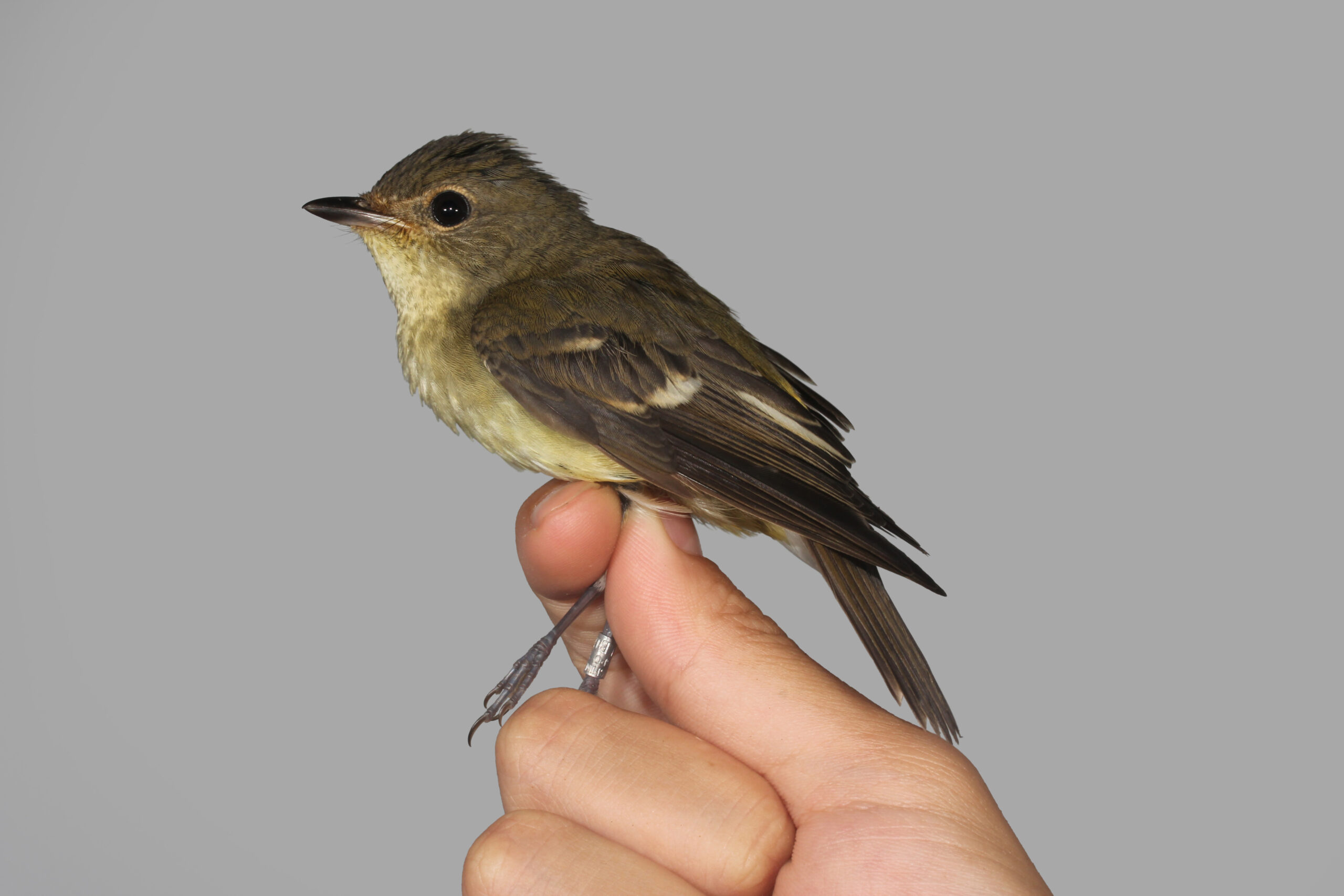
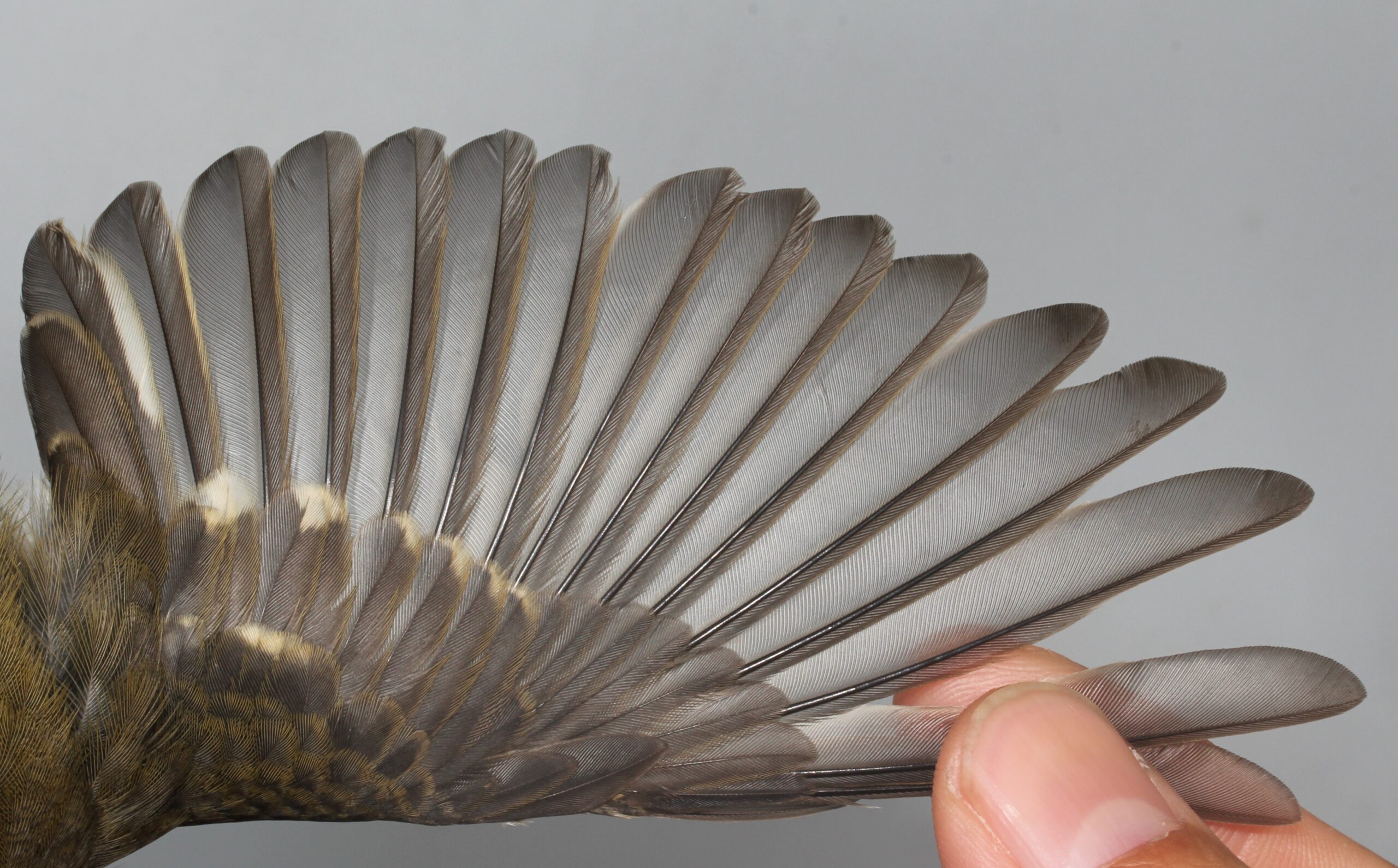
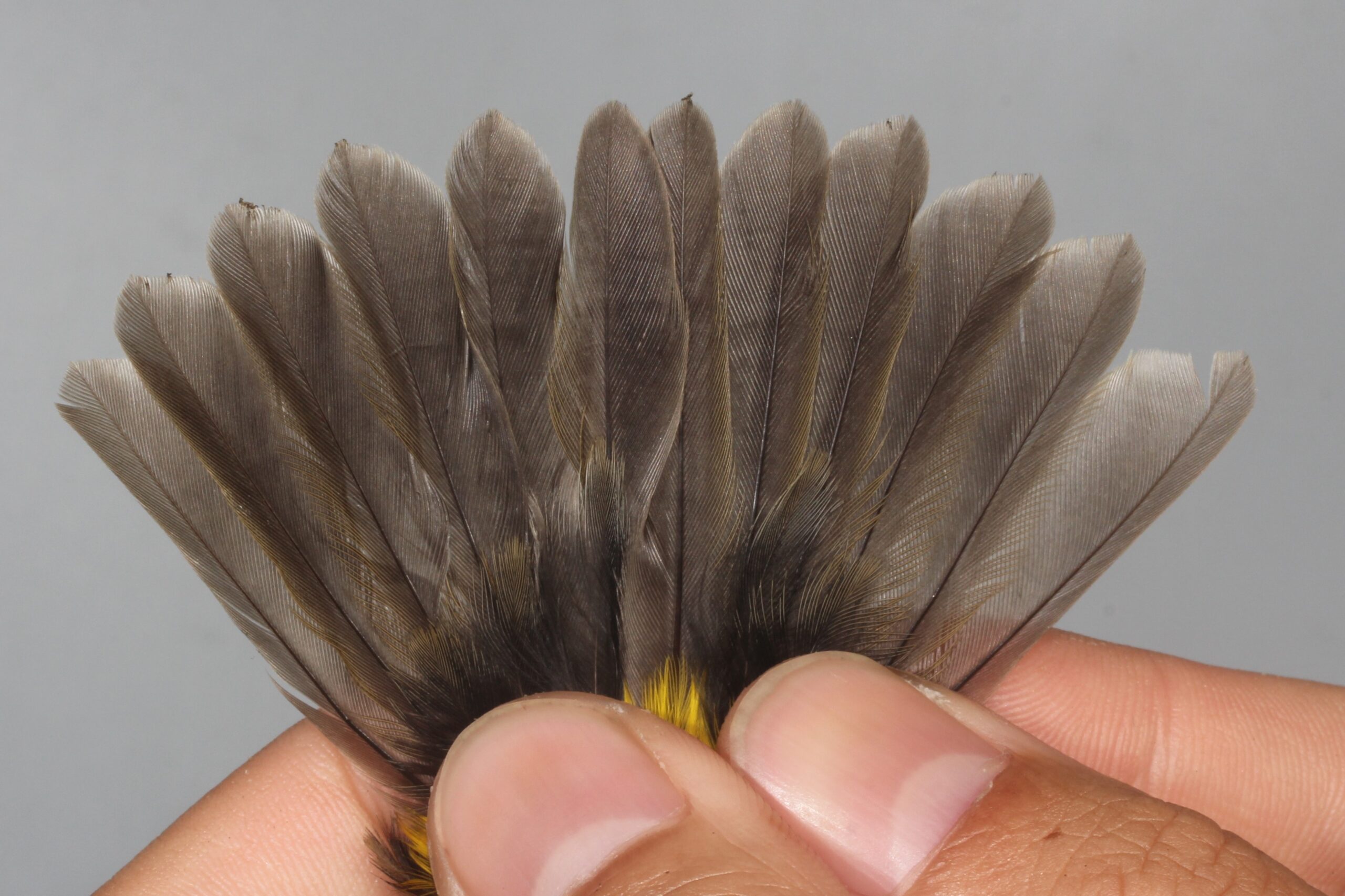
Next up is a gorgeous Yellow-rumped Flycatcher, another of our migrants. These guys moult basically the same as all other flycatcher species, with a Summer Complete, summer partial moult strategy (and another winter partial for both adults and juveniles, but we don’t have to worry about this right now, in autumn). Our individual above shows the typical moult limit of Flycatchers (which is admittedly hard to spot), with the 2 inner GCs being darker, glossier and denser. These are are post-juvenile feathers, while the rest of the wing is juvenile. Therefore this must be a 1st calendar year bird. As mentioned, both adults and juveniles will carry out a winter complete moult, and this is where young males will moult in their black and yellow plumage. Thus, for now, we cannot sex the young birds, and must leave it as a 1st calendar year bird.
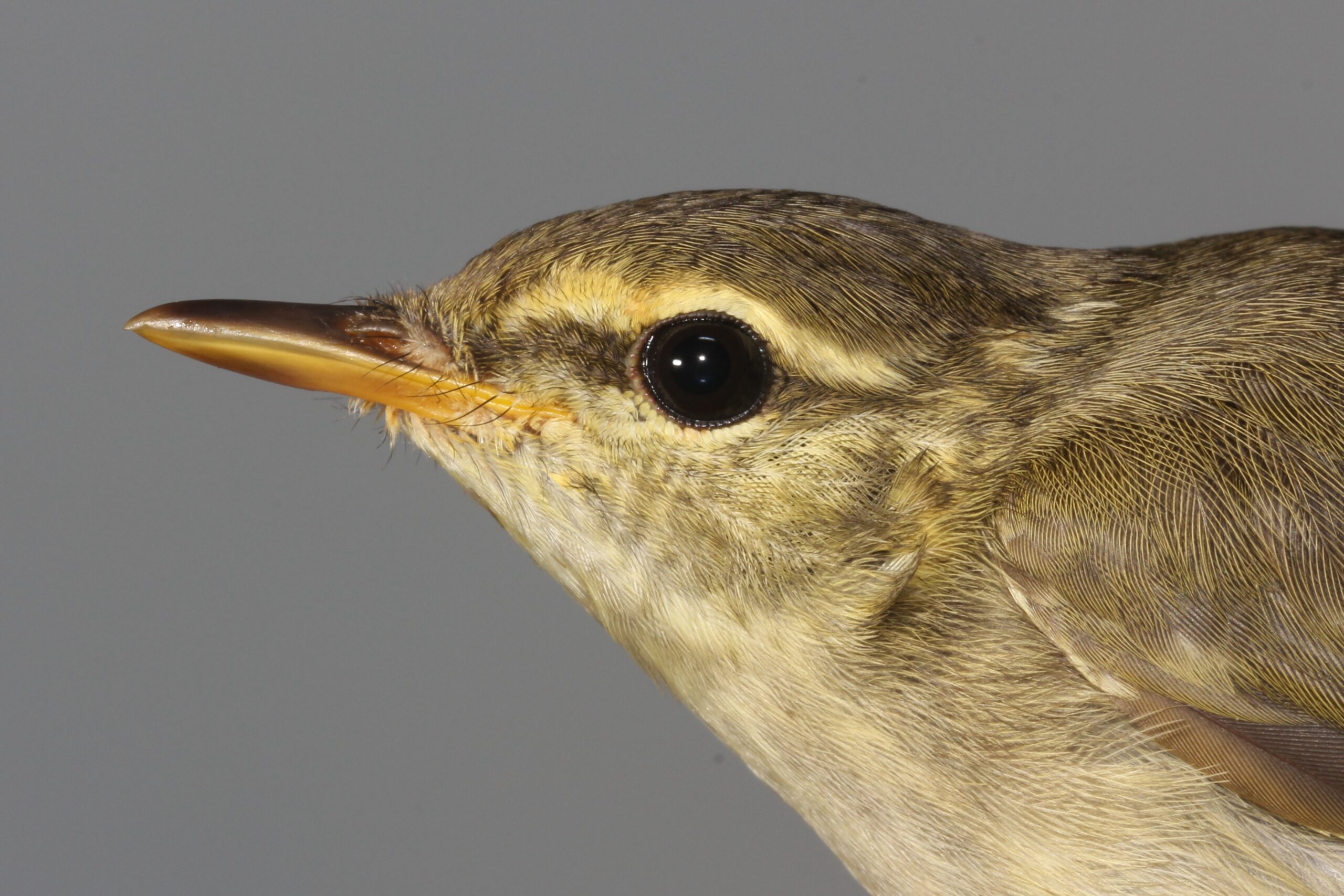
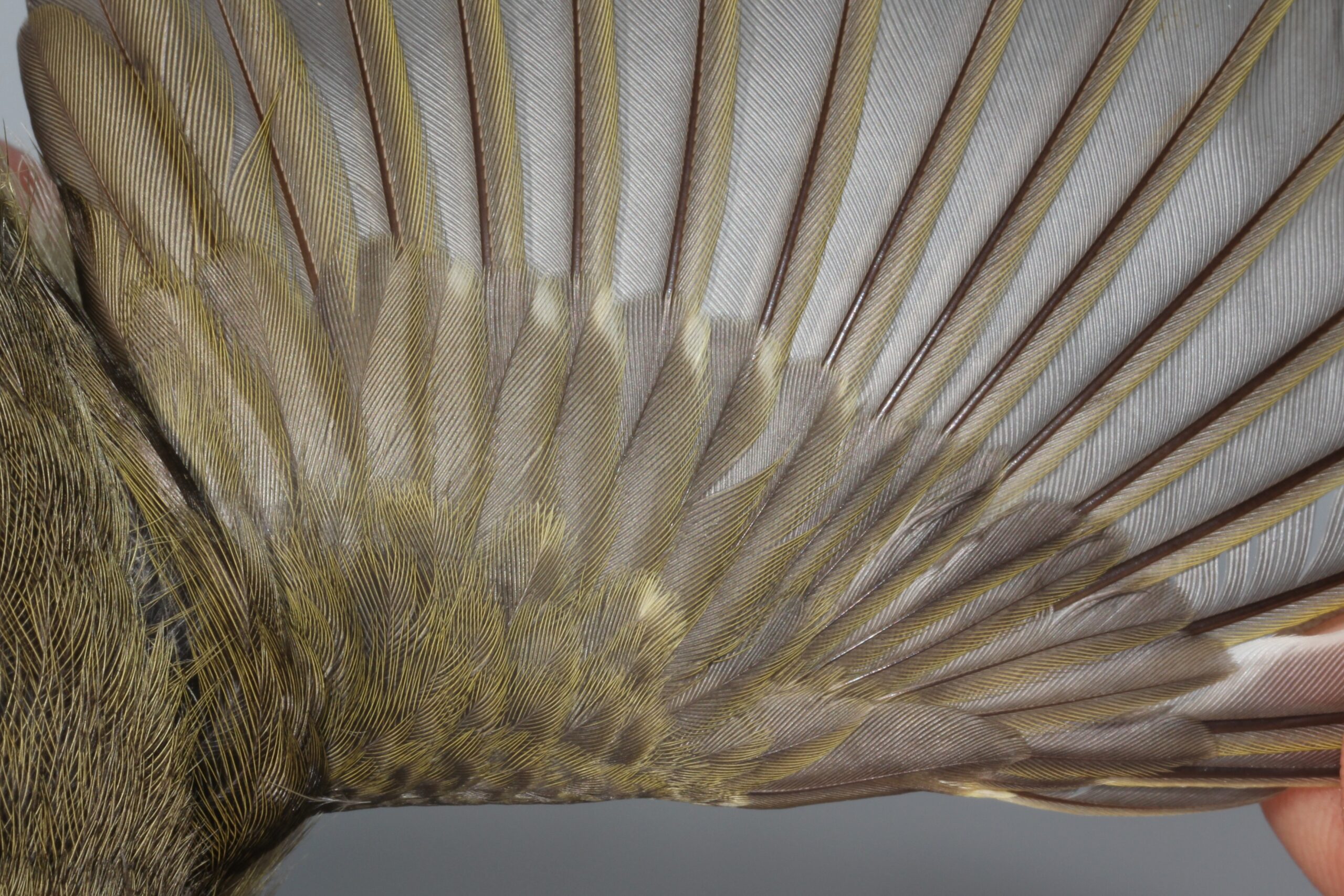
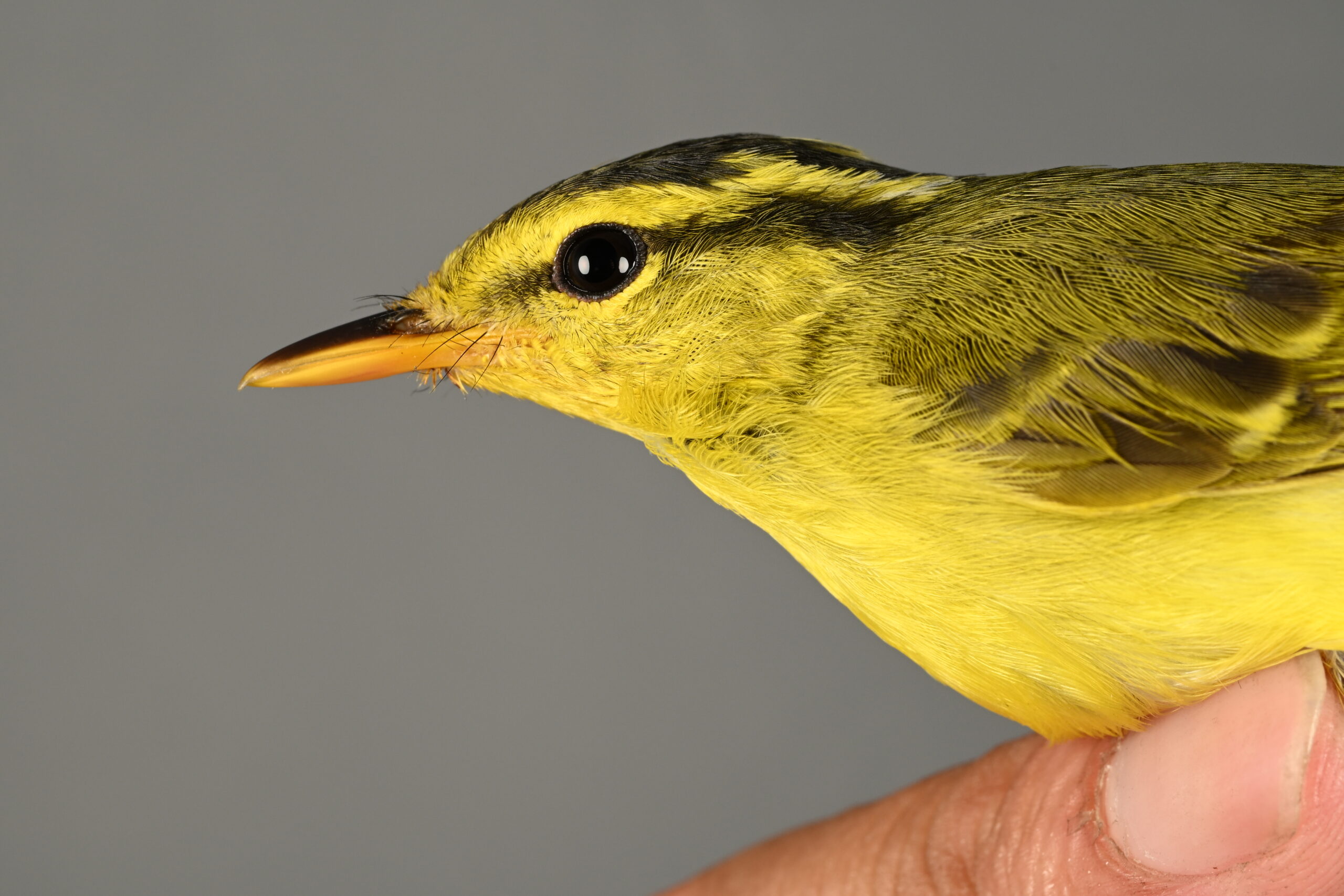
Finally, we caught our first Phylloscopus warbler of the season! This beautiful Arctic Warbler! The Phylloscopus family is famous for being hard to differentiate based on plumage solely, and the Arctic is very similar to another, less common migrant of ours- the Two-barred Warbler. However, we can look at the length of the outermost primary, P1 (usually a lot shorter than other primaries) to be certain of our ID. Two-barred Warblers have a significantly longer P1 than our Arctics, which is almost the same length as the Primary coverts (as can be seen in the individual above).
Regarding ageing, a lot of Phylloscopus have a very restricted summer partial moults in both adults AND juveniles. This means there is most likely not moult limits in wings, and we have to assess the quality of the feathers to determine if they are of adult or juvenile quality- no easy feat. However, by assessing this, as well as tail feathers and undertail coverts, we can determine this bird is a 1st calendar year bird!
Daily Totals
| Species | Original | Recapture |
| Arctic Warbler | 2 | 0 |
| Common Emerald Dove | 3 | 0 |
| Common Tailorbird | 3 | 0 |
| Dusky Warbler | 1 | 0 |
| Oriental Magpie Robin | 3 | 0 |
| Oriental Reed Warbler | 1 | 0 |
| Pale-legged Leaf Warbler | 2 | 0 |
| Pallas’s Grasshopper Warbler | 1 | 0 |
| Siberian Blue Robin | 1 | 0 |
| Stejneger’s Stonechat | 1 | 0 |
| Yellow-bellied Prinia | 1 | 0 |
| Yellow-rumped Flycatcher | 1 | 0 |
| Grand Total | 20 | 0 |
*Please note that all wild birds, their nests, and eggs are highly protected (under Wild Animals Protection Ordinate, Cap. 170) in Hong Kong. It is an offence to wilfully disturb, take, remove, or injure wild birds or their nests/eggs. The actions described here were undertaken by trained professionals holding the necessary licenses and permits issued by the AFCD.*