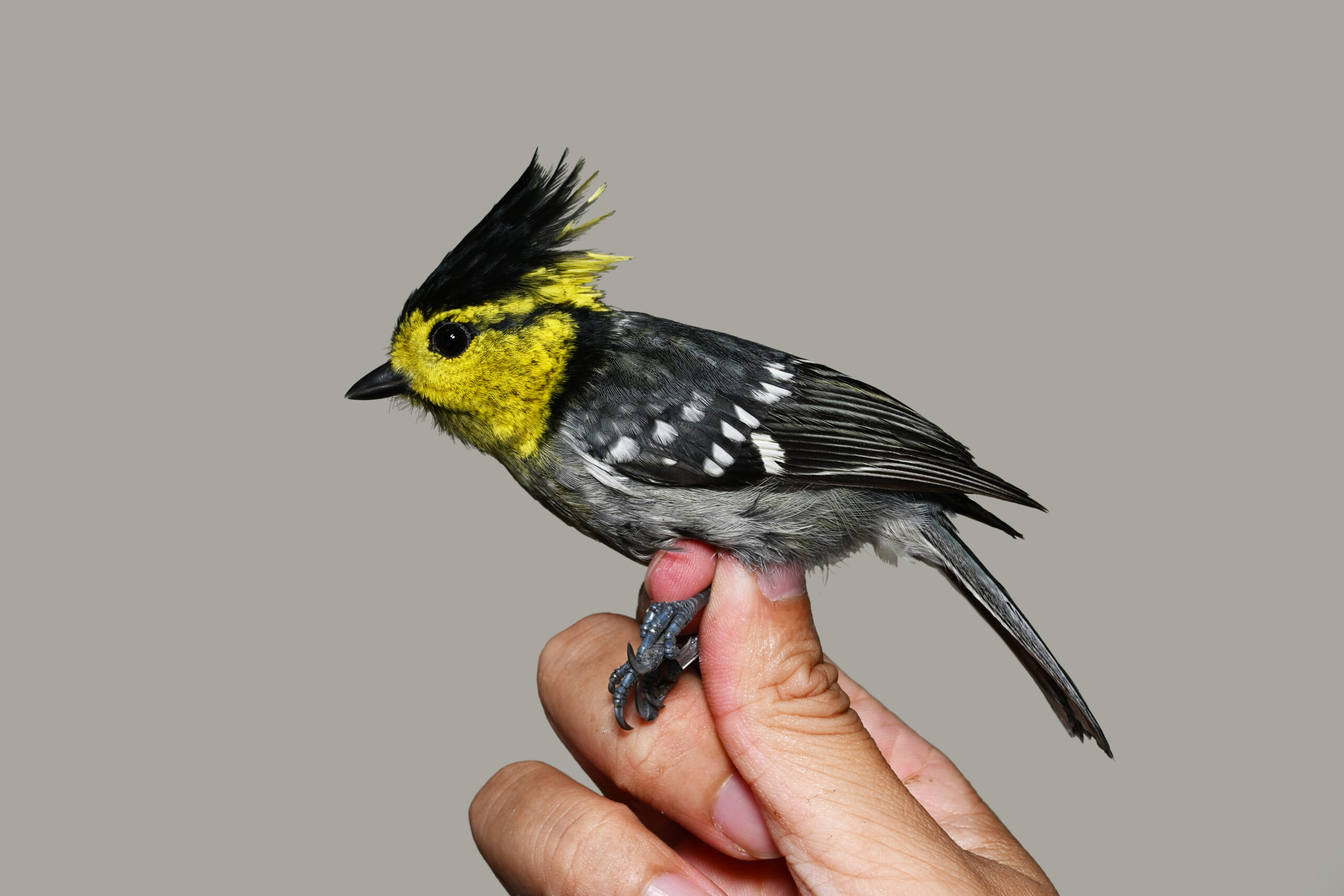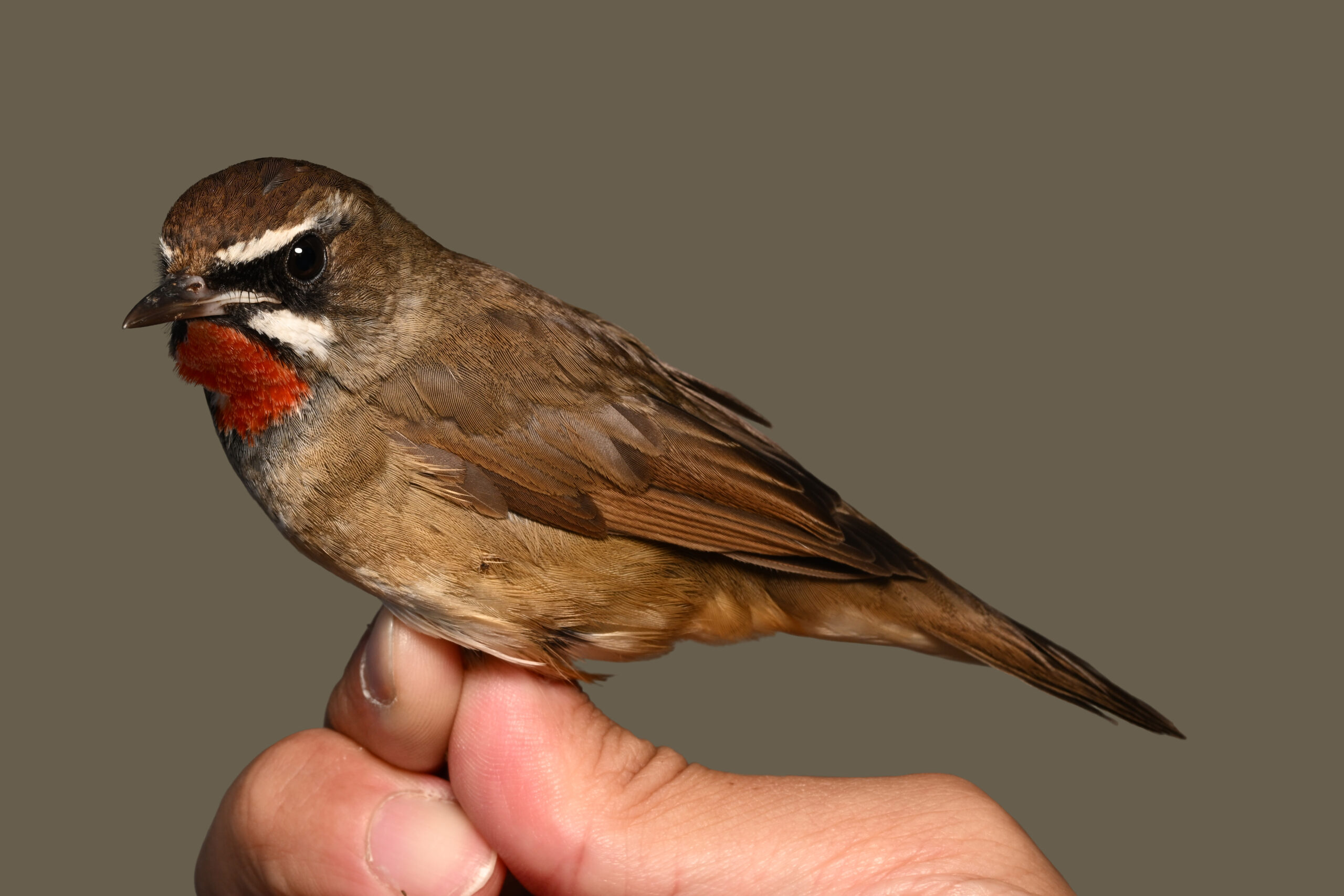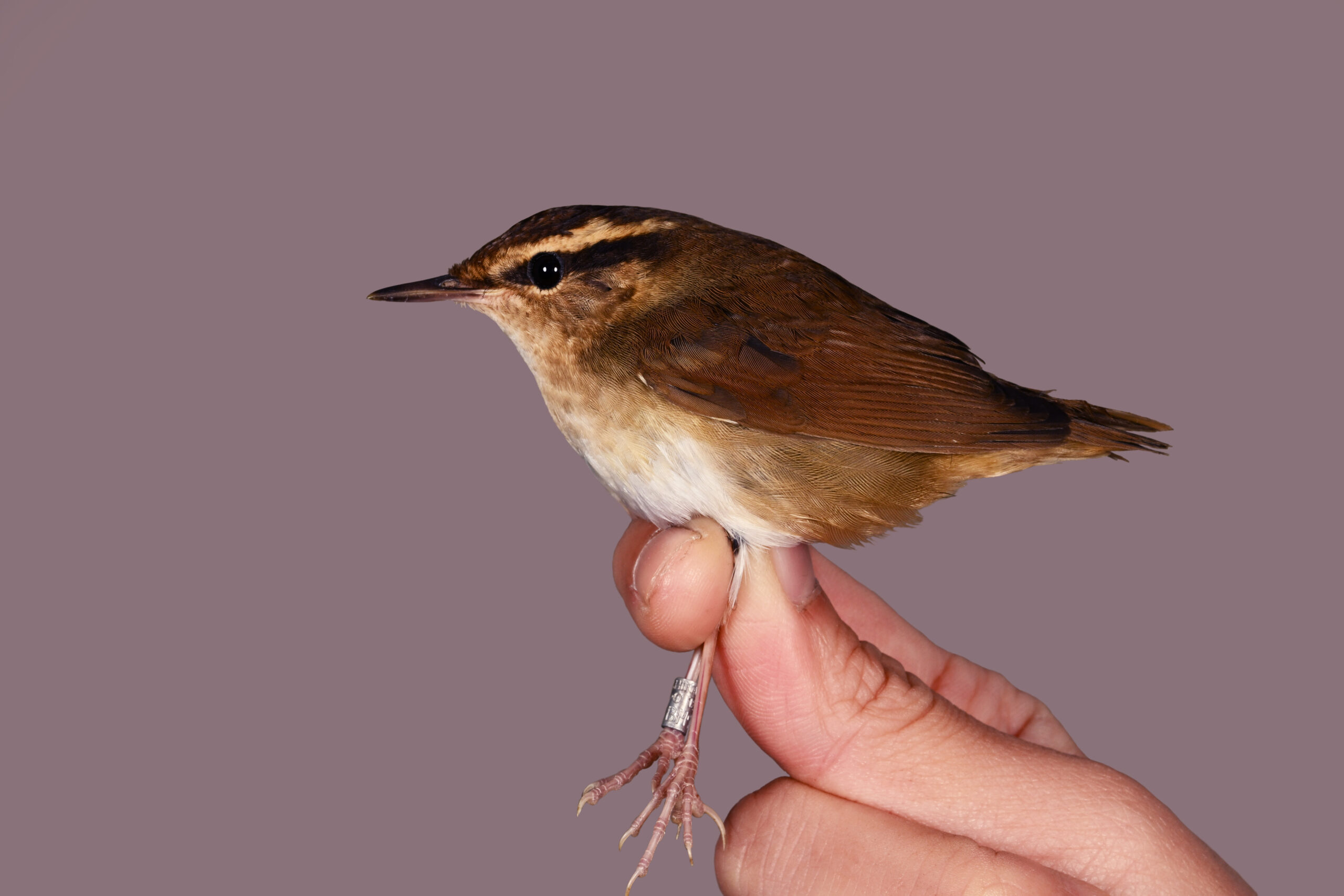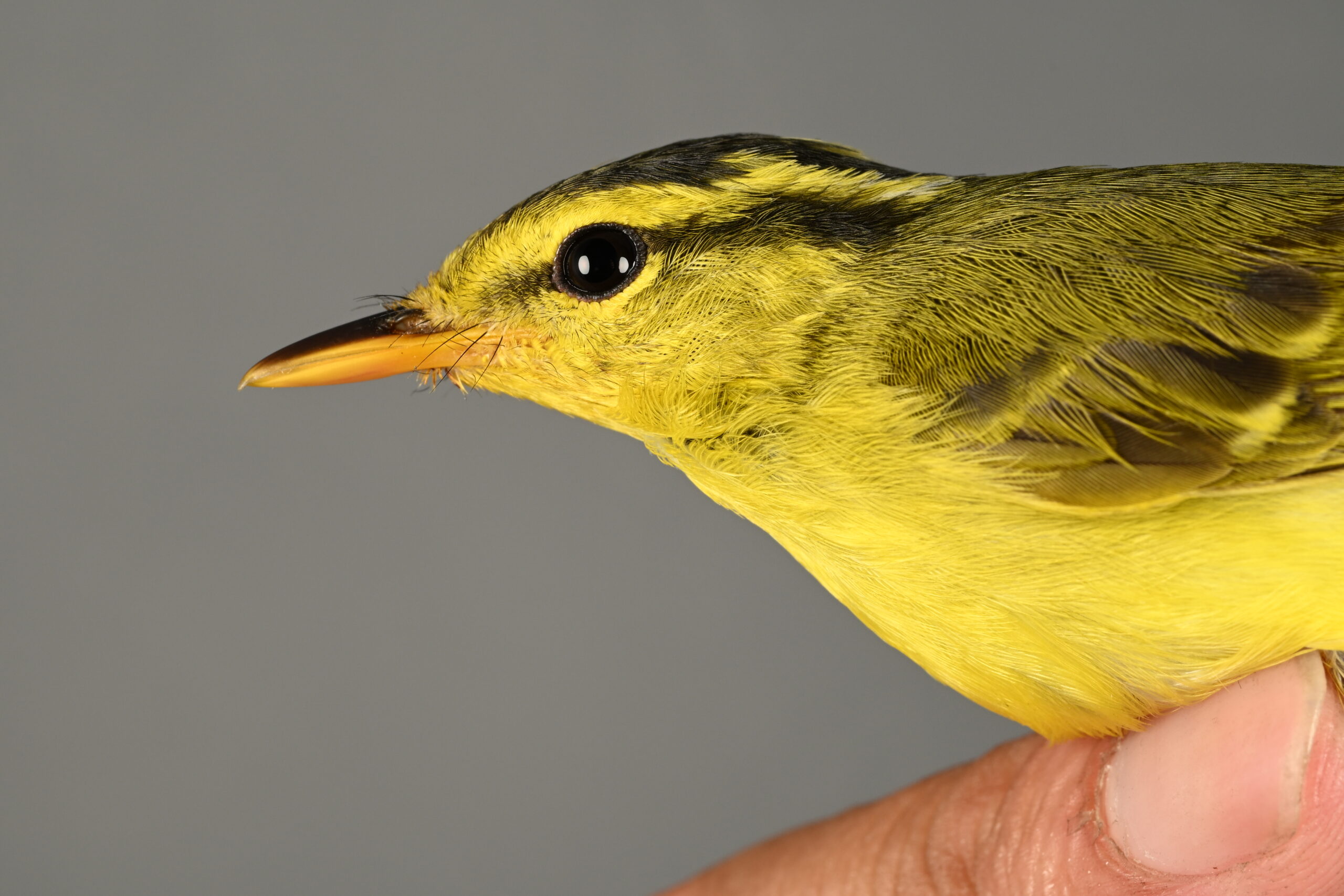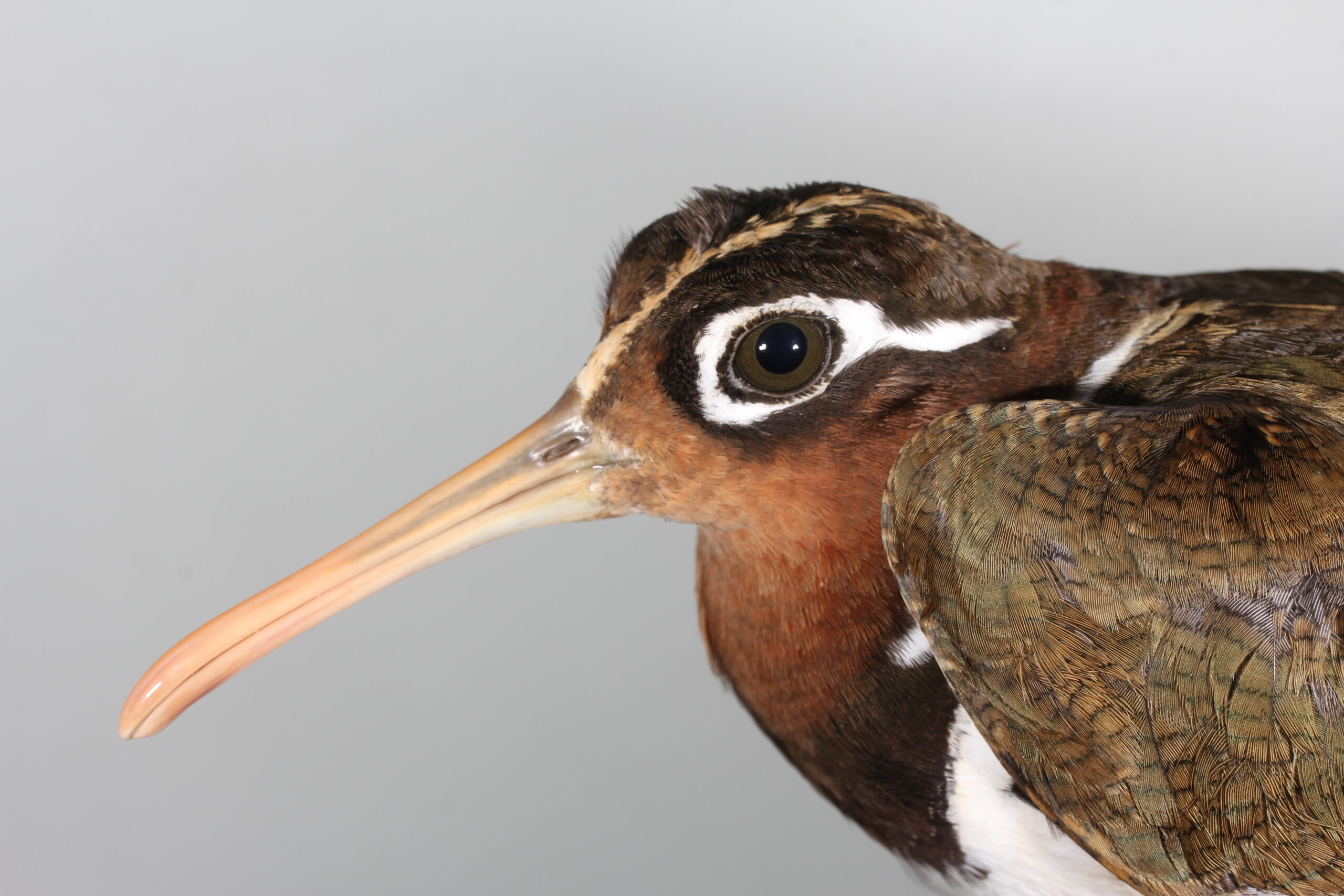



Another month past, and another warm month as that, but finally it feels like winter may be on the way…
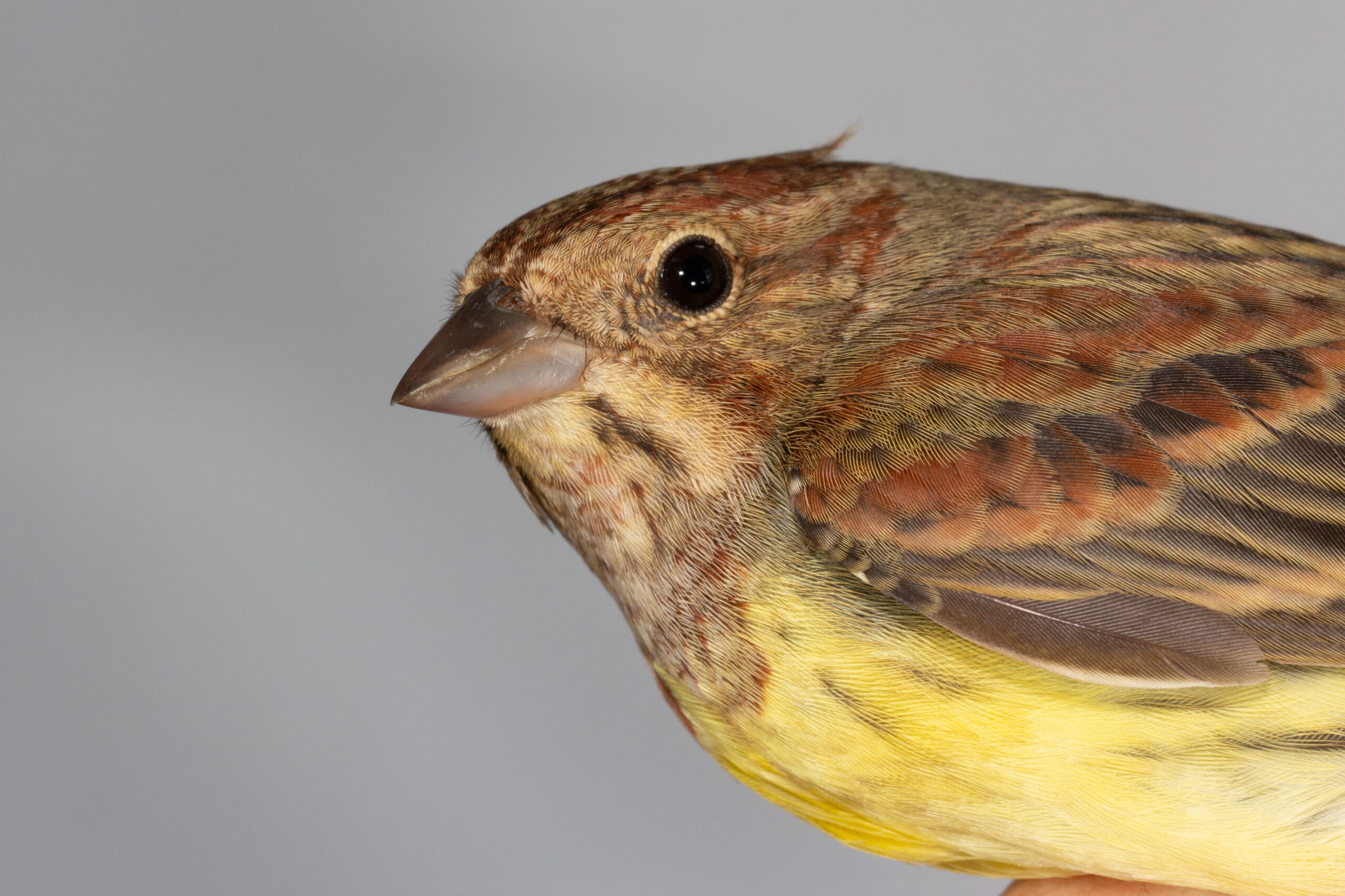
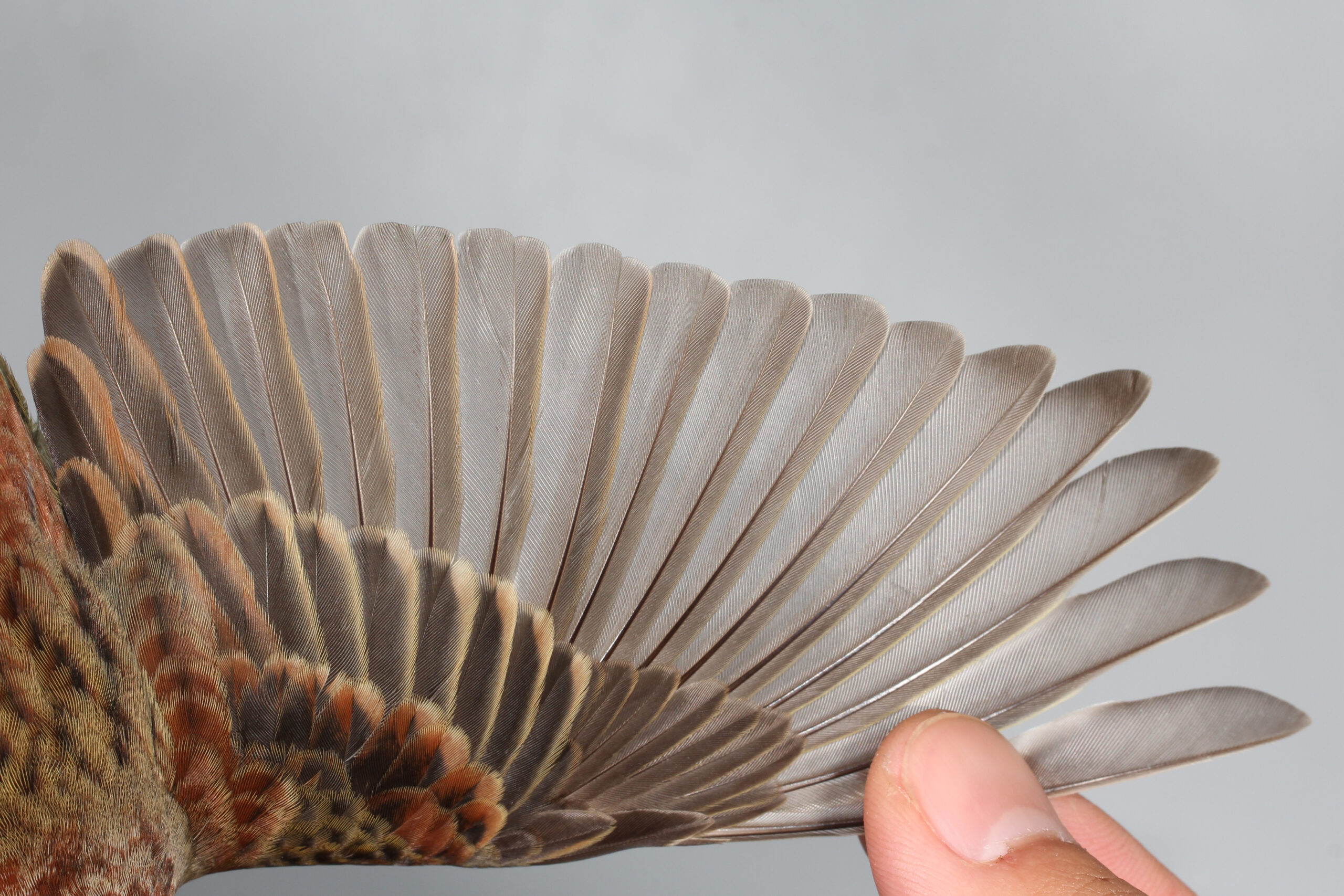
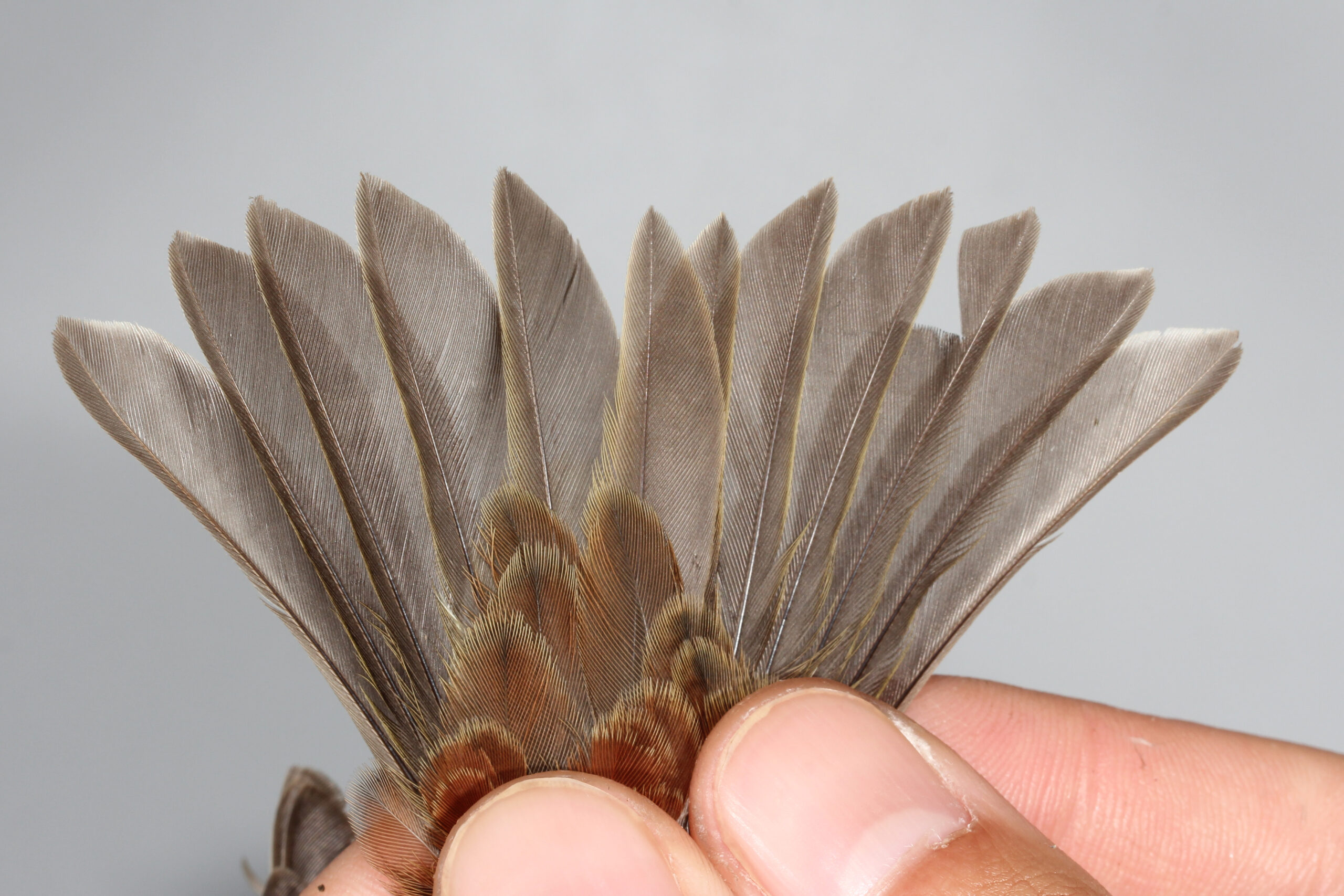
This month brought some less common captures, such as Chestnut Bunting! After an autumn in the paddyfields, I assume we all know about Bunting moult now- meaning that we are looking for moult limits, typically between the moulted GCs and juvenile PCs. This is clear in the individual above, with dense GCs and much looser, worn PCs. We can back up our thoughts with a look at the tail, which is pointed and loose: uniformly juvenile. Thus, we can say this is a 1st calendar year bird, and the level of Chestnut throughout the plumage tells us that this is a young male!
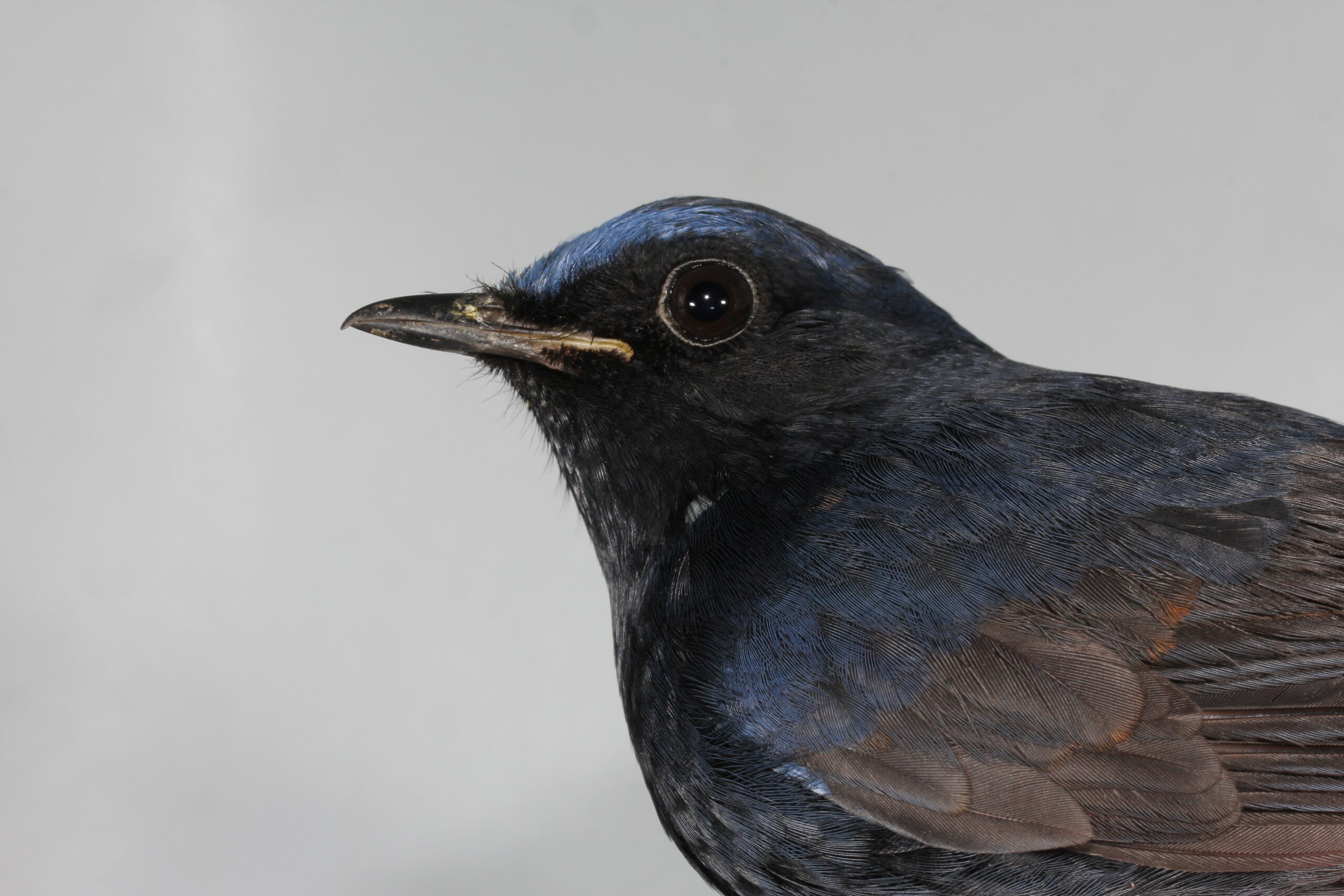
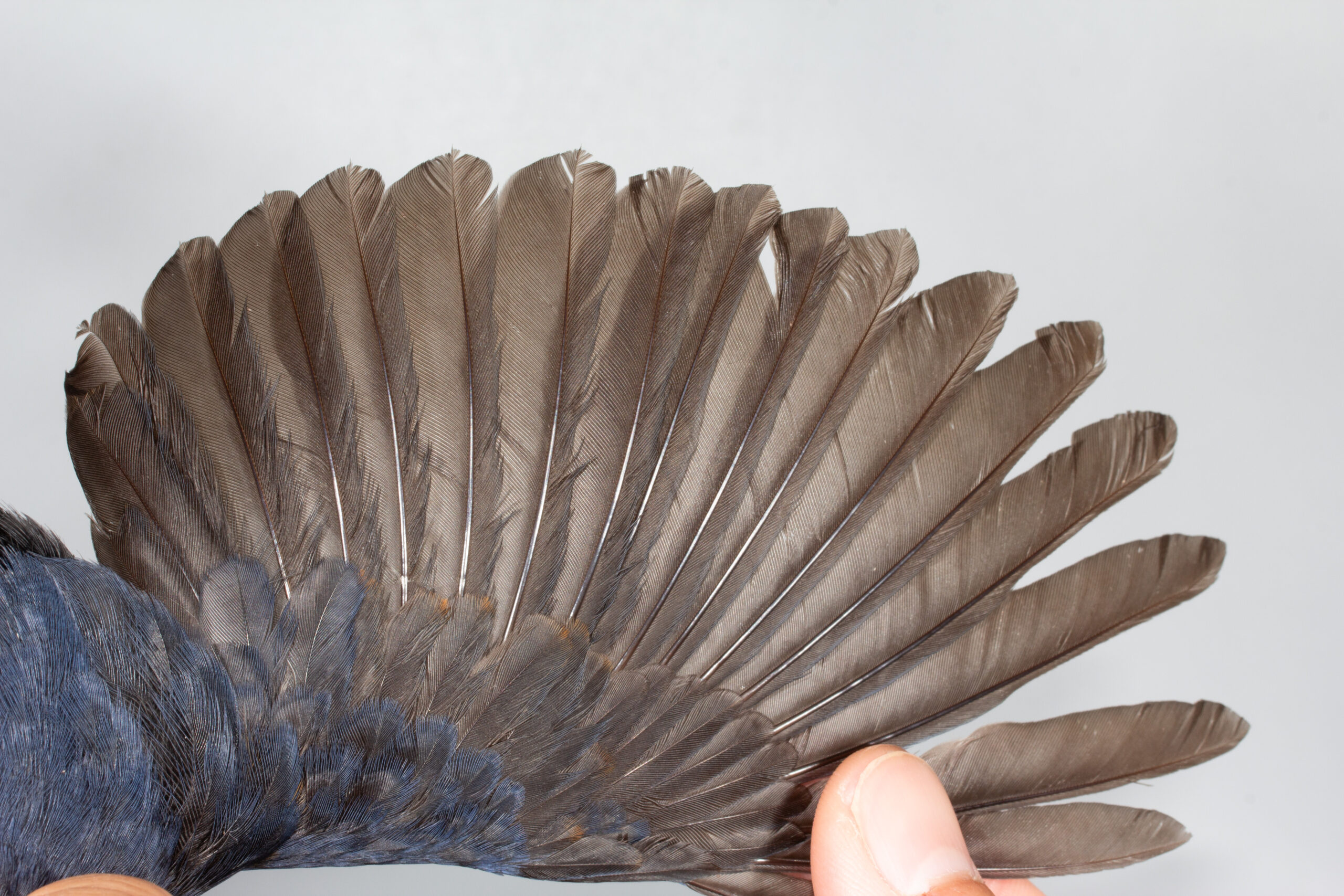
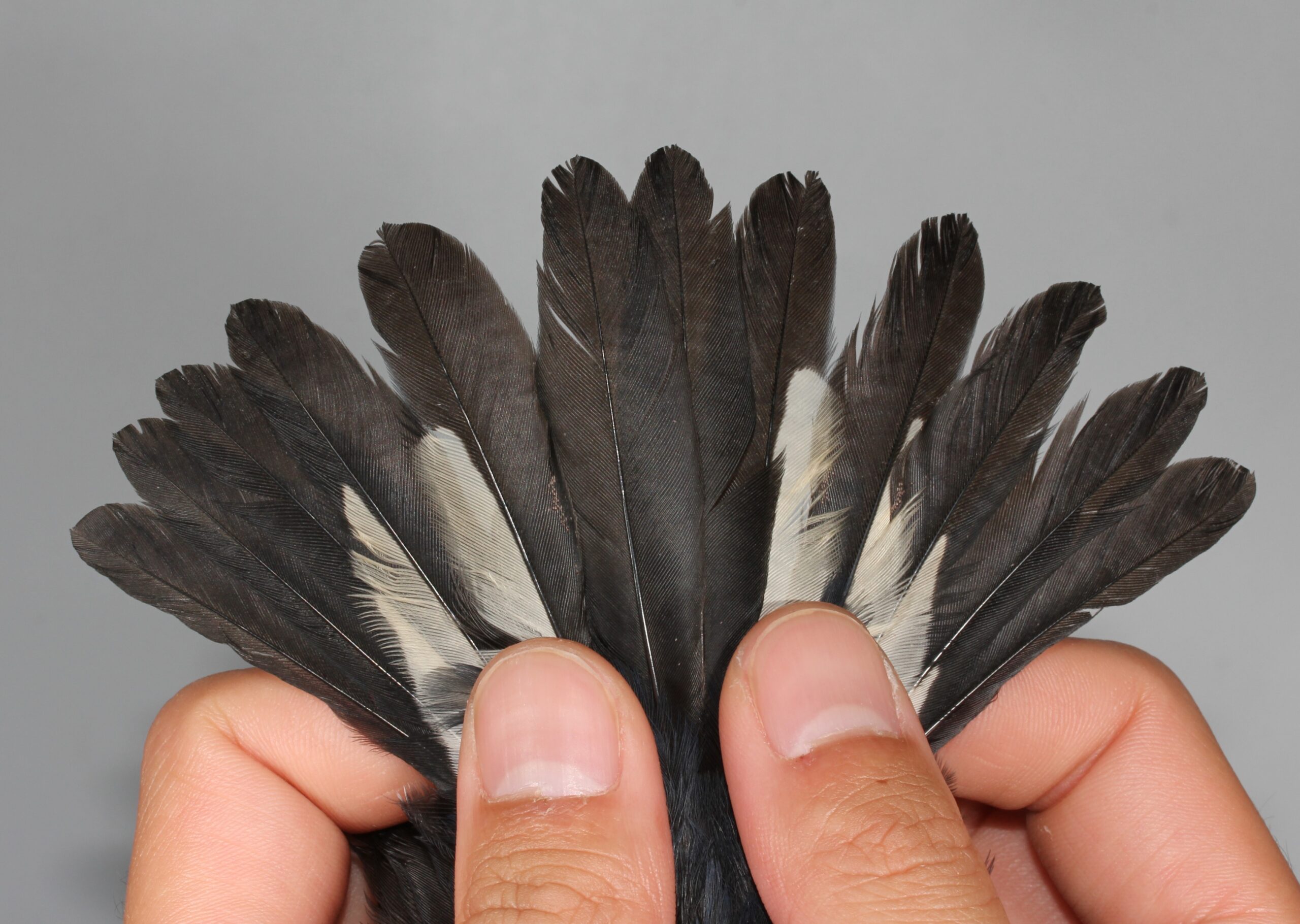
Next up was another uncommon capture for the HKBWS team, in the form of a gorgeous White-tailed Robin! This is just the 5th capture for the team, and a 1st for our ringing site! We age these guys just like other Robins, with a Summer Complete (adults), summer partial (juveniles) moult. In these beautiful dark blue males, the moult limit is easy to spot, with 6 brown and worn outer GCs, and the rest post juvenile. Hence, this must be a 1st calendar year male!
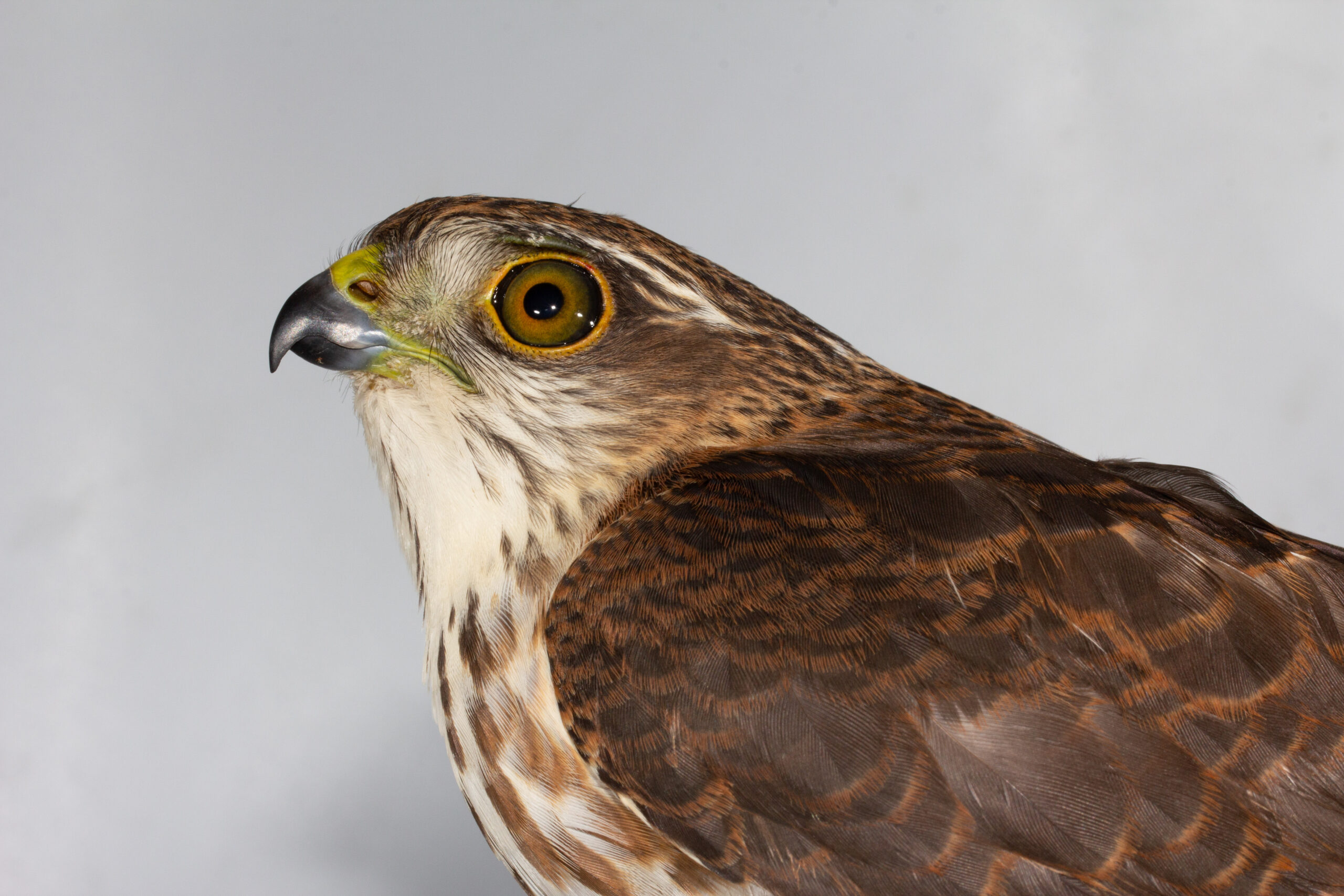
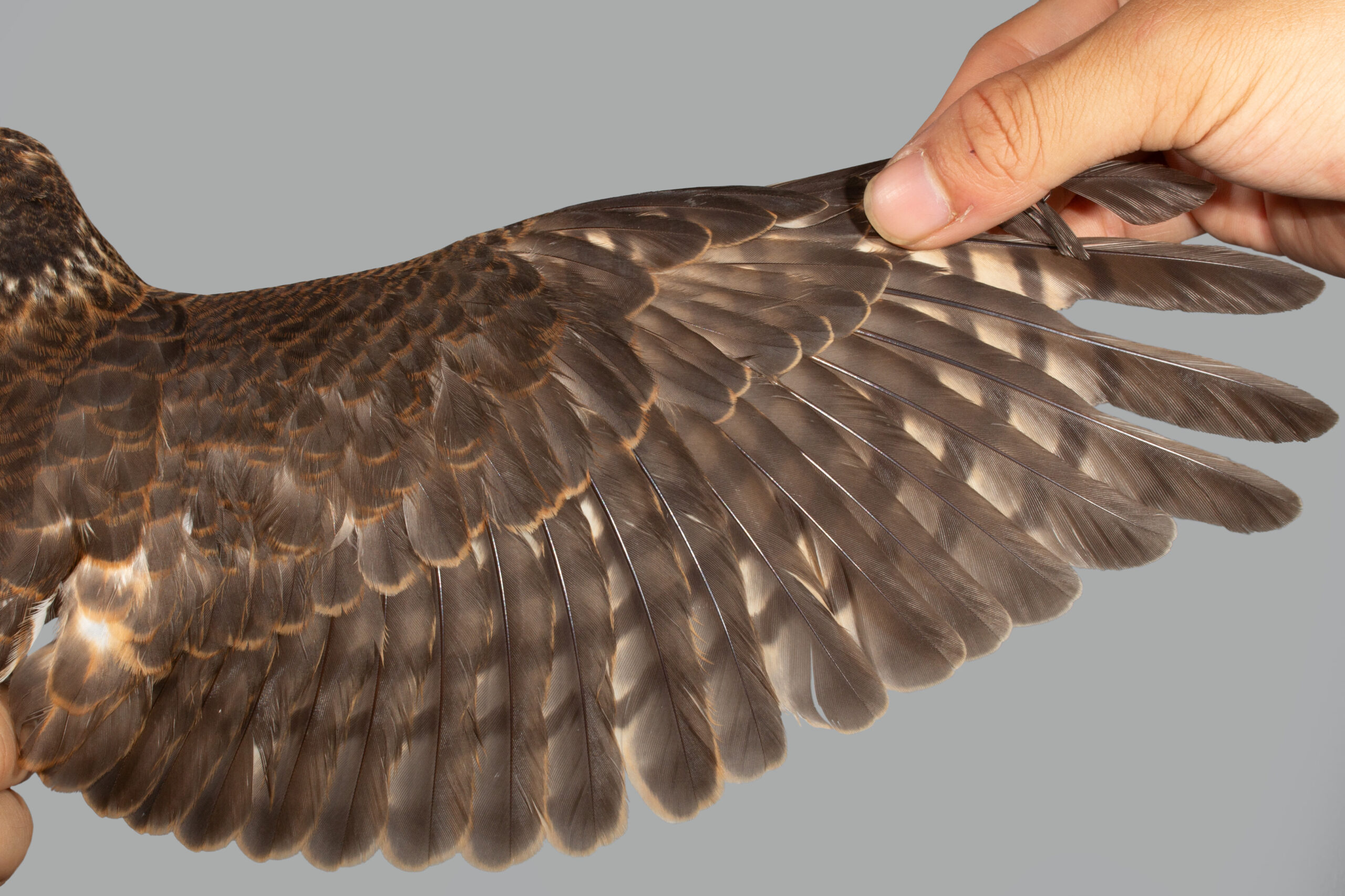
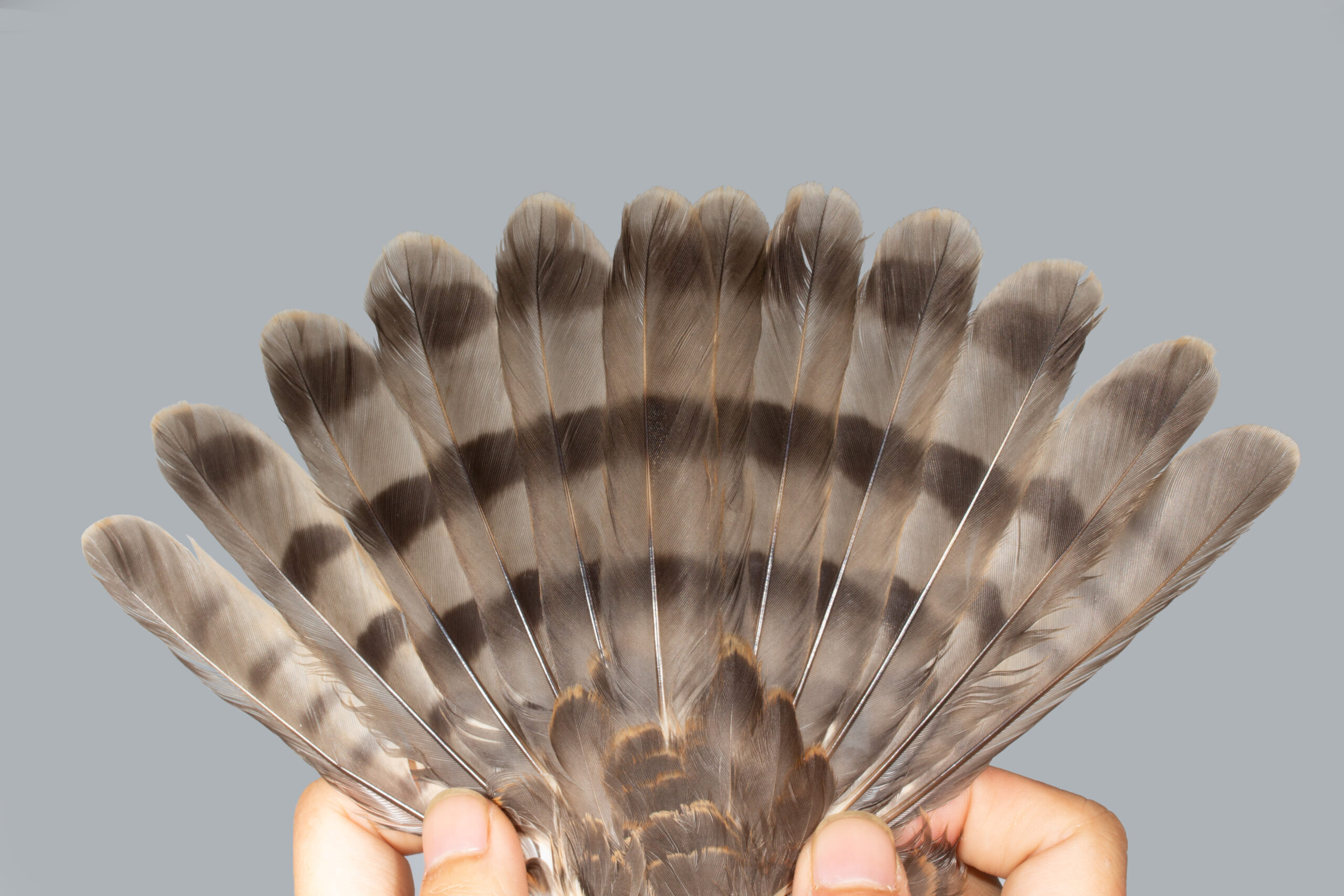
Raptors, being bigger than passerines, are not a common catch for us, but this month we were lucky enough to have this beautiful Japanese Sparrowhawk end up in the net! Though raptors can moult in a complicated manner, this individual had not yet begun his moult and showed an all-juvenile plumage. Note the buffy tips to all the wing coverts, which are diagnostic for a juvenile! Japanese Sparrowhawks, like most other raptor species, show a large difference in size between the sexes. Males are significantly smaller than females, so, from this, we can tell this bird was a 1st calendar year male!
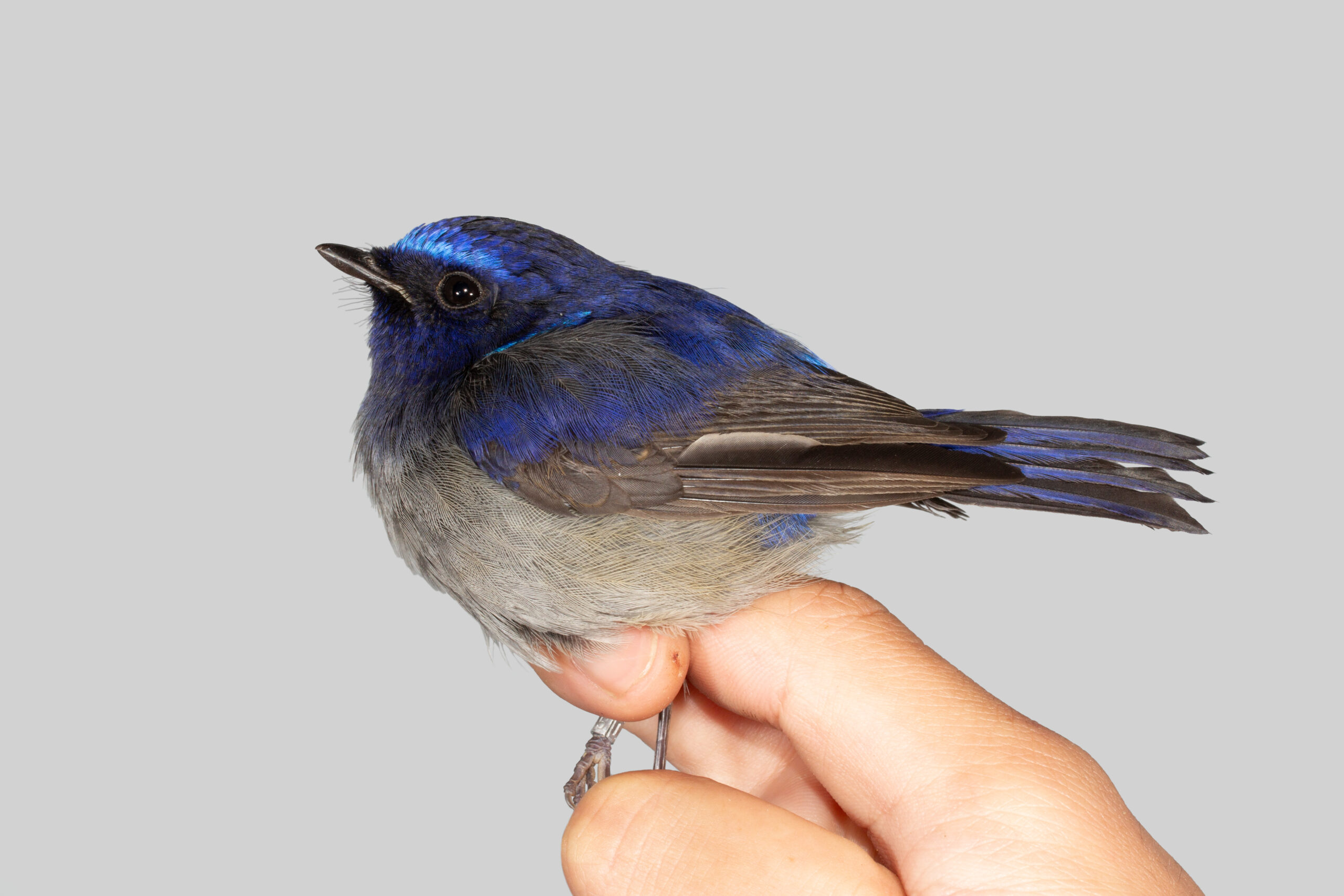
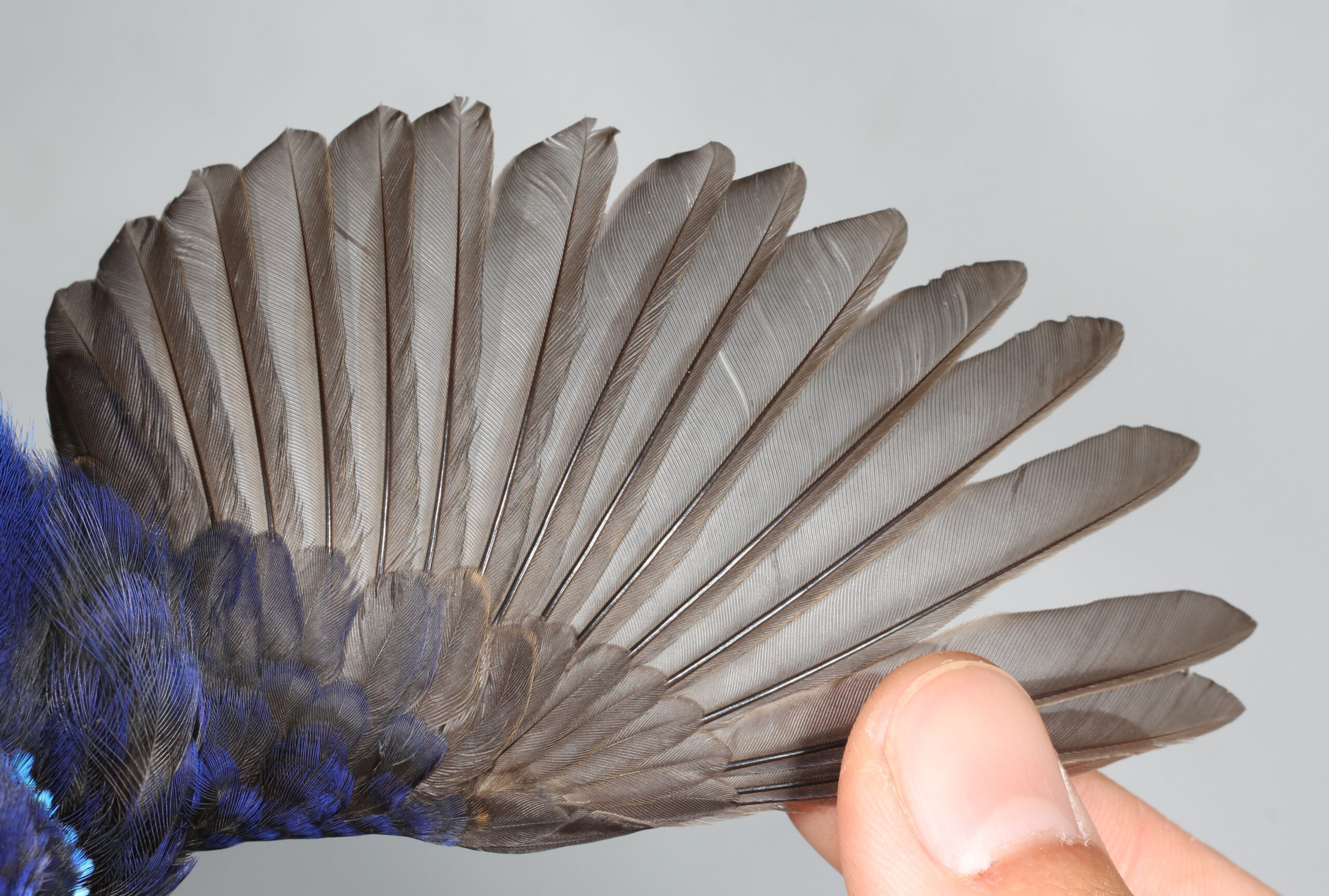
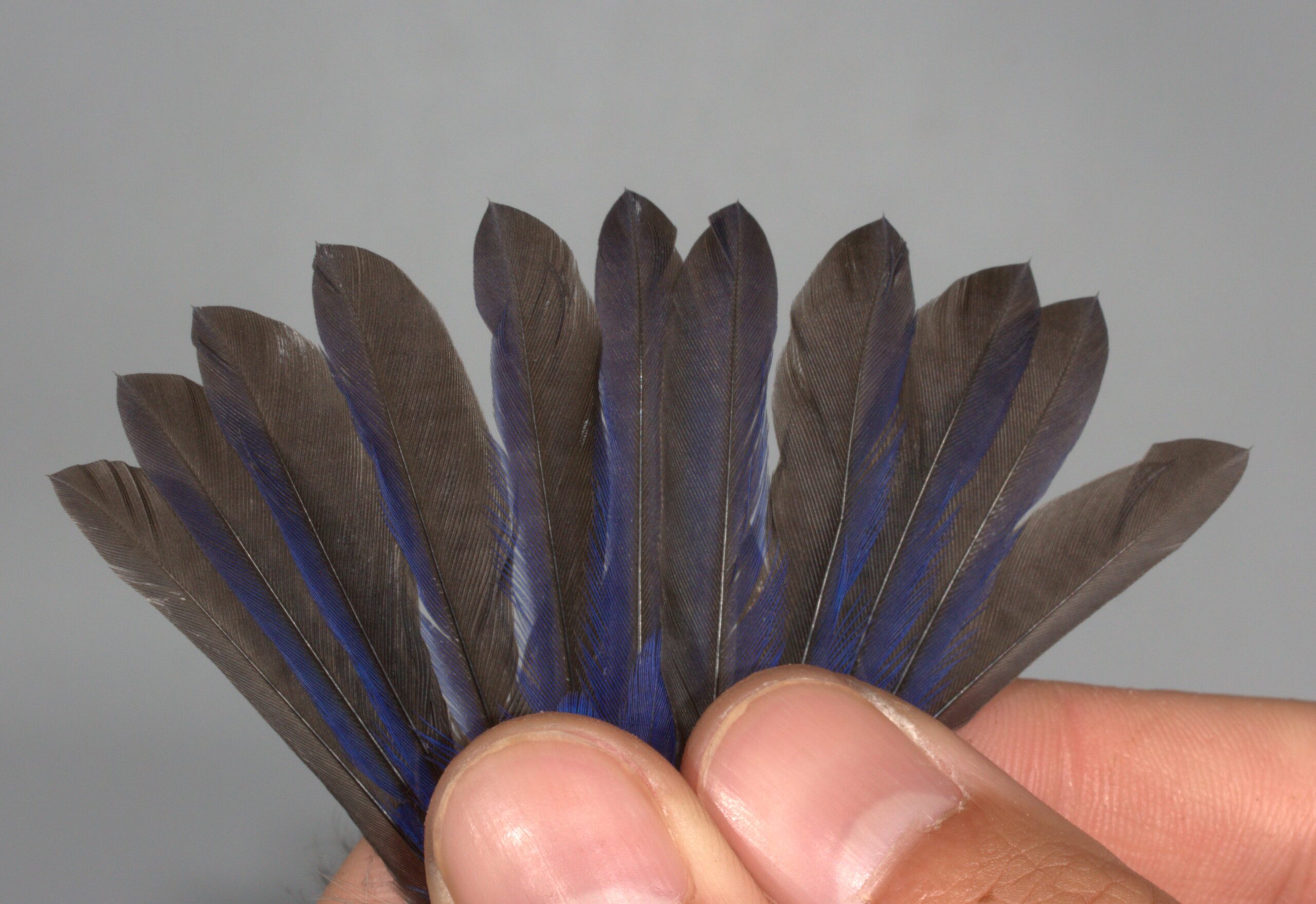
We ended the month with a species never caught by the HKBWS team before- the adorable Little Niltava! This small passerine is actually a flycatcher, and a rare autumn migrant to Hong Kong. Given that they are flycatchers, it would logical that they follow the typical flycatcher moult strategy of Summer Complete (adults) and summer partial (juveniles). With this information, it is easy to spot the moult limit in the wing, with the 2 outermost GCs being brown and worn (as well as the PCs) compared to the blue, glossy moulted inner GCs. Therefore, we can conclude this is a 1st calendar year male!
Daily Totals
| Species | Original | Recapture |
| Asian Stubtail | 1 | 0 |
| Black-browed Reed Warbler | 1 | 0 |
| Brown-flanked Bush Warbler | 1 | 0 |
| Chestnut Bulbul | 2 | 0 |
| Chestnut Bunting | 1 | 0 |
| Chinese Bulbul | 1 | 0 |
| Japanese Tit | 1 | 0 |
| Common Tailorbird | 1 | 0 |
| Daurian Redstart | 1 | 0 |
| Dusky Warbler | 1 | 1 |
| Grey-backed Thrush | 7 | 0 |
| Japanese Sparrowhawk | 1 | 0 |
| Japanese Thrush | 8 | 0 |
| Manchurian Bush Warbler | 4 | 0 |
| Oriental Magpie Robin | 0 | 1 |
| Pale-legged Leaf Warbler | 2 | 0 |
| Red-flanked Bluetail | 2 | 0 |
| Red-whiskered Bulbul | 1 | 0 |
| Rufous-tailed Robin | 7 | 0 |
| Siberian Rubythroat | 1 | 0 |
| Small Niltava | 1 | 0 |
| White-tailed Robin | 1 | 0 |
| Yellow-bellied Prinia | 0 | 1 |
| Grand Total | 46 | 3 |
*Please note that all wild birds, their nests, and eggs are highly protected (under Wild Animals Protection Ordinate, Cap. 170) in Hong Kong. It is an offence to wilfully disturb, take, remove, or injure wild birds or their nests/eggs. The actions described here were undertaken by trained professionals holding the necessary licenses and permits issued by the AFCD.*