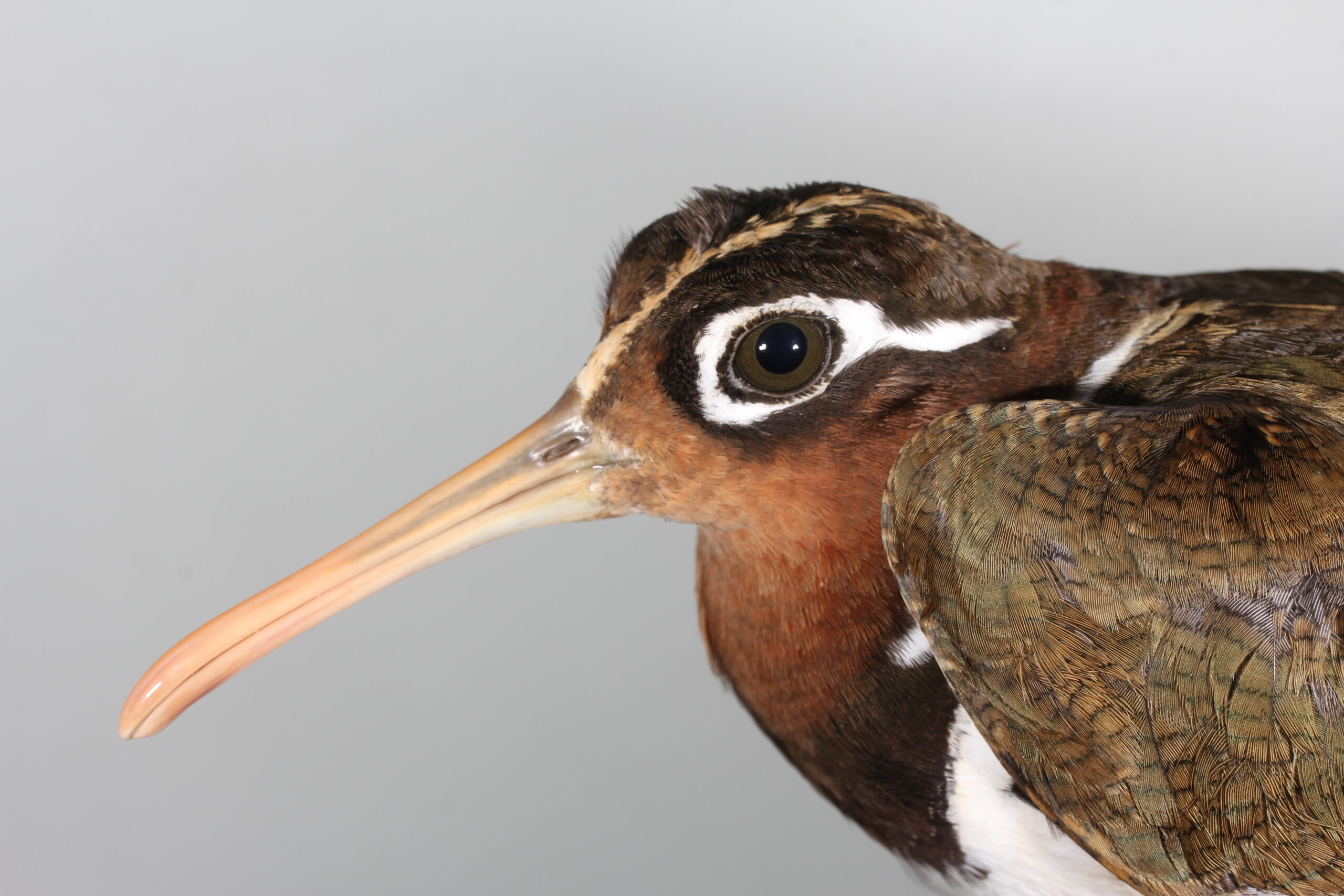



The weather dawned cooler this morning and with it, thank god, came some relief from the bloodletting to mosquitos that we’ve been dealing with all summer!
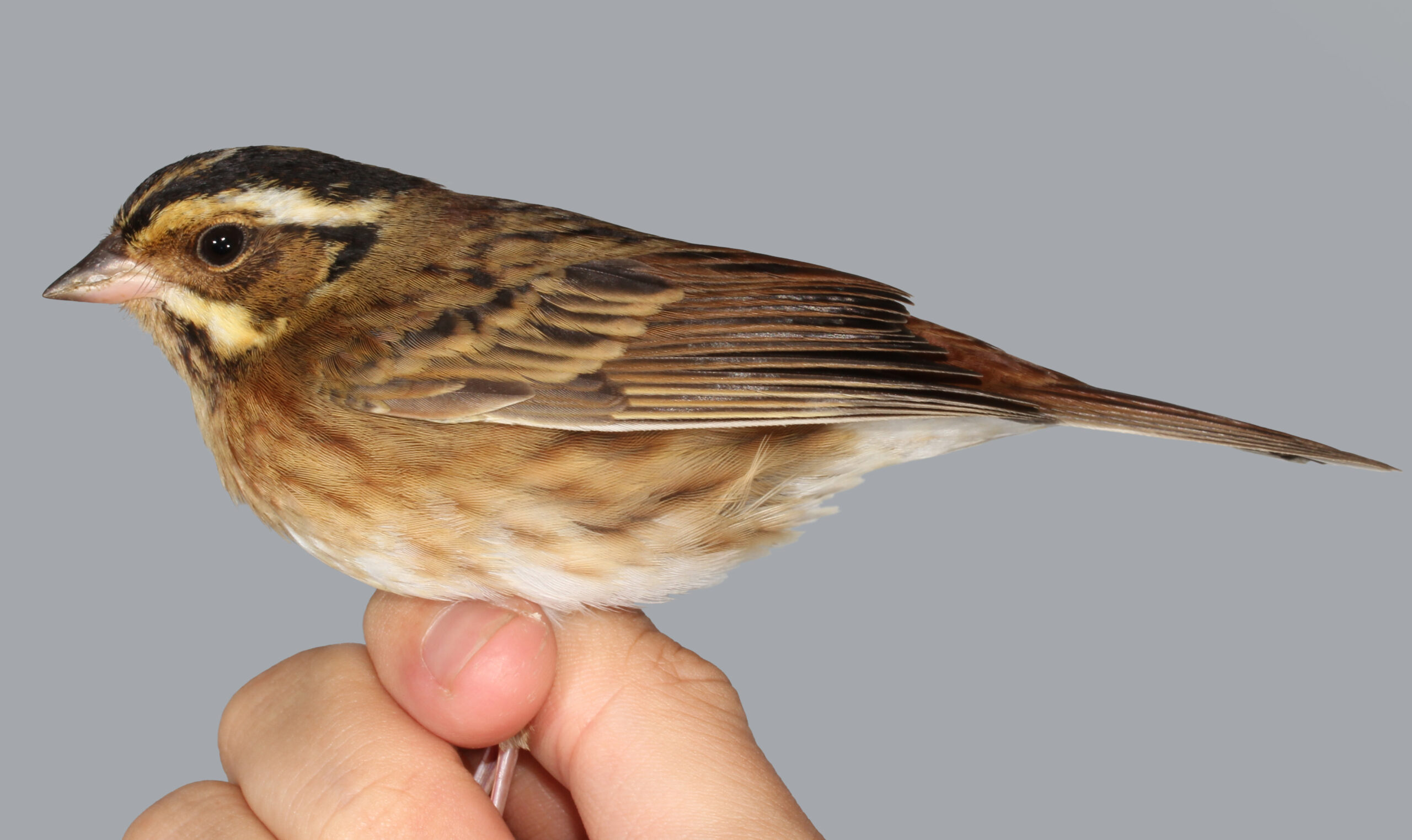
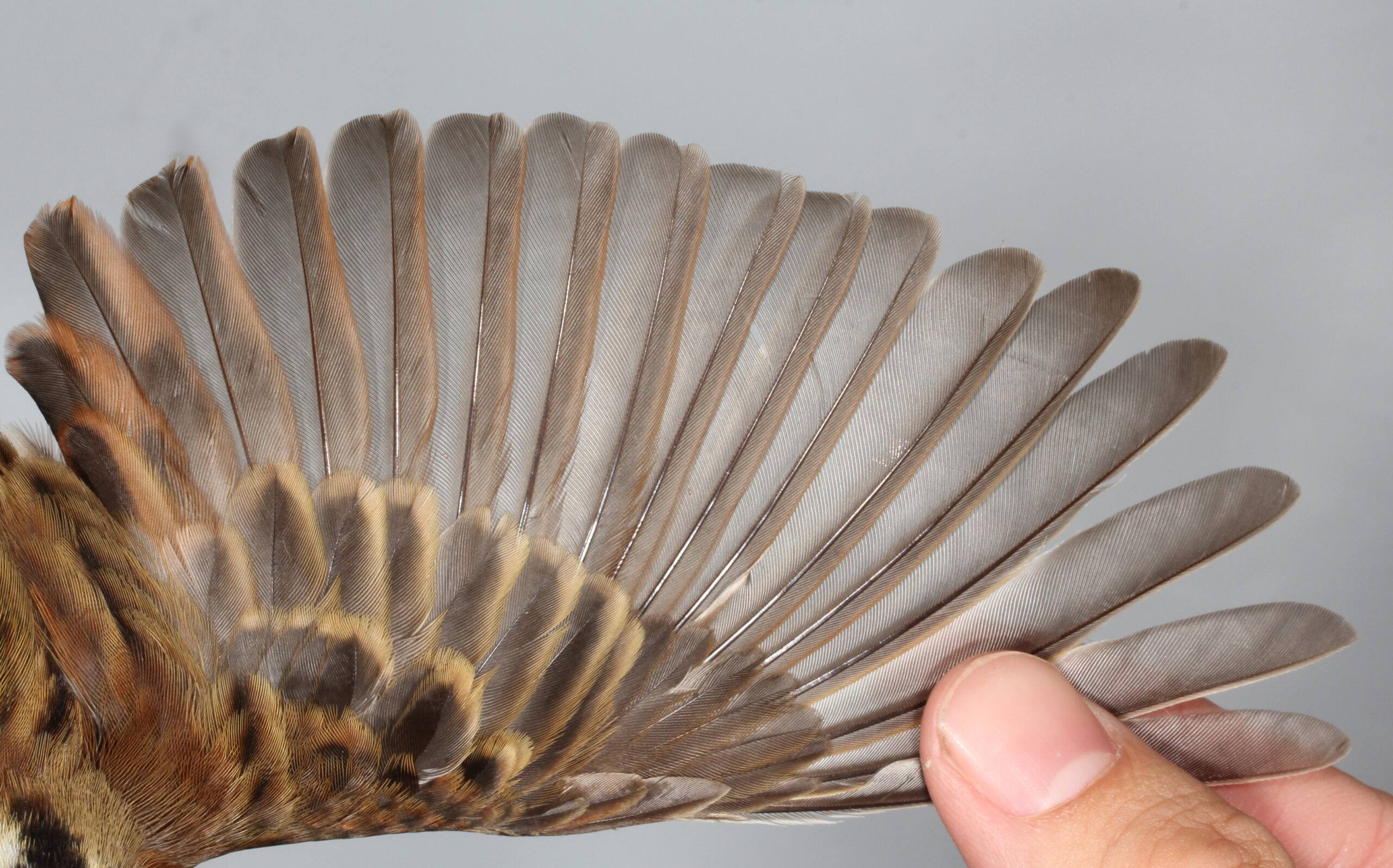
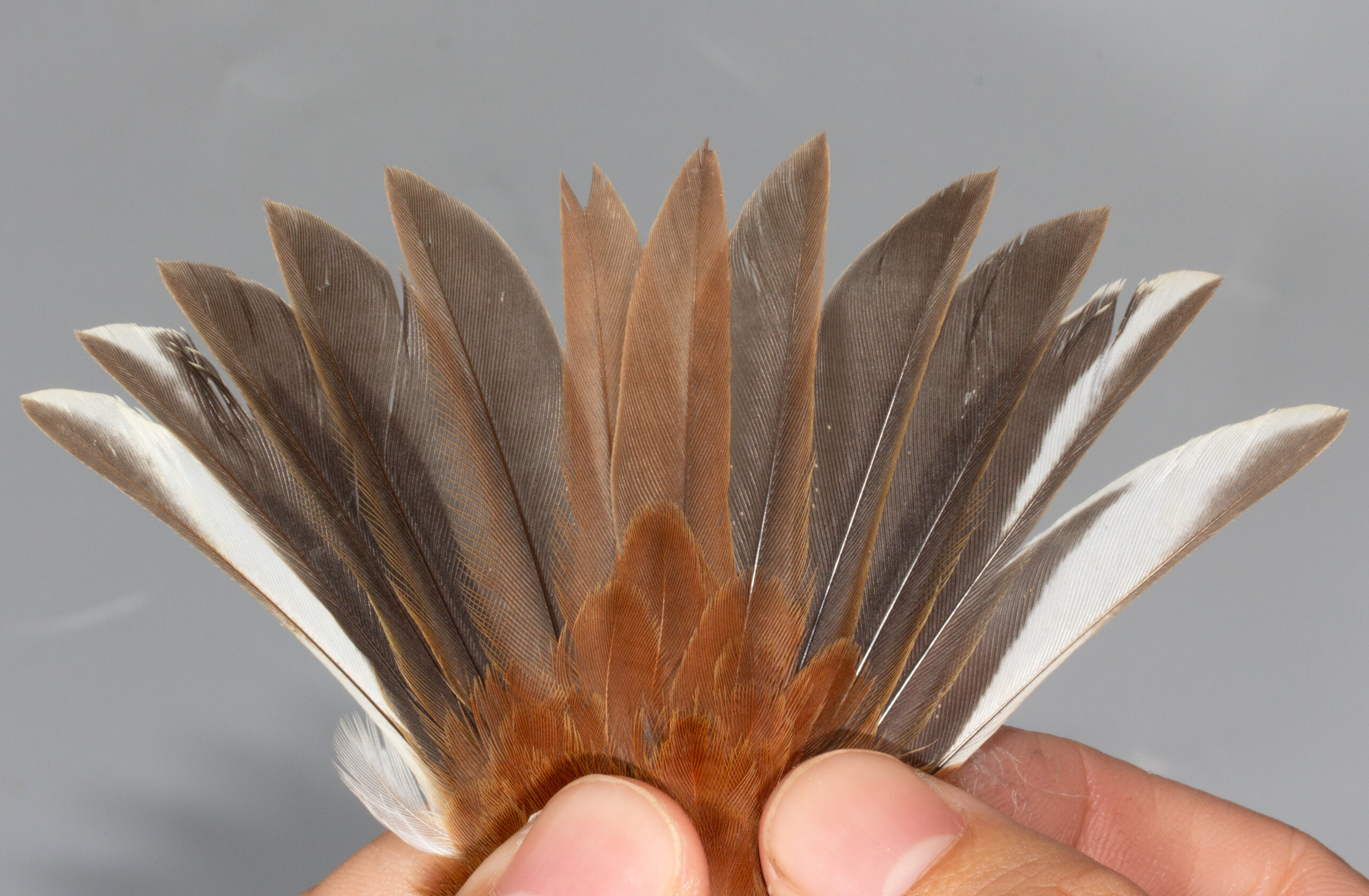
And the birds only came to make our day better, with this beautiful Tristram’s Bunting! Tristram’s are not super common for us to catch, with just one or two individuals being caught each year. This bird turned out to be a 1st calendar year, with a clear moult limit between the moulted GCs and unmoulted PCs, and a very pointy, juvenile tail. Though rather intermediate, this bird showed a strong black lateral crown stripe, and somewhat white supercilium. Therefore, this is most likely a 1st calendar year male!
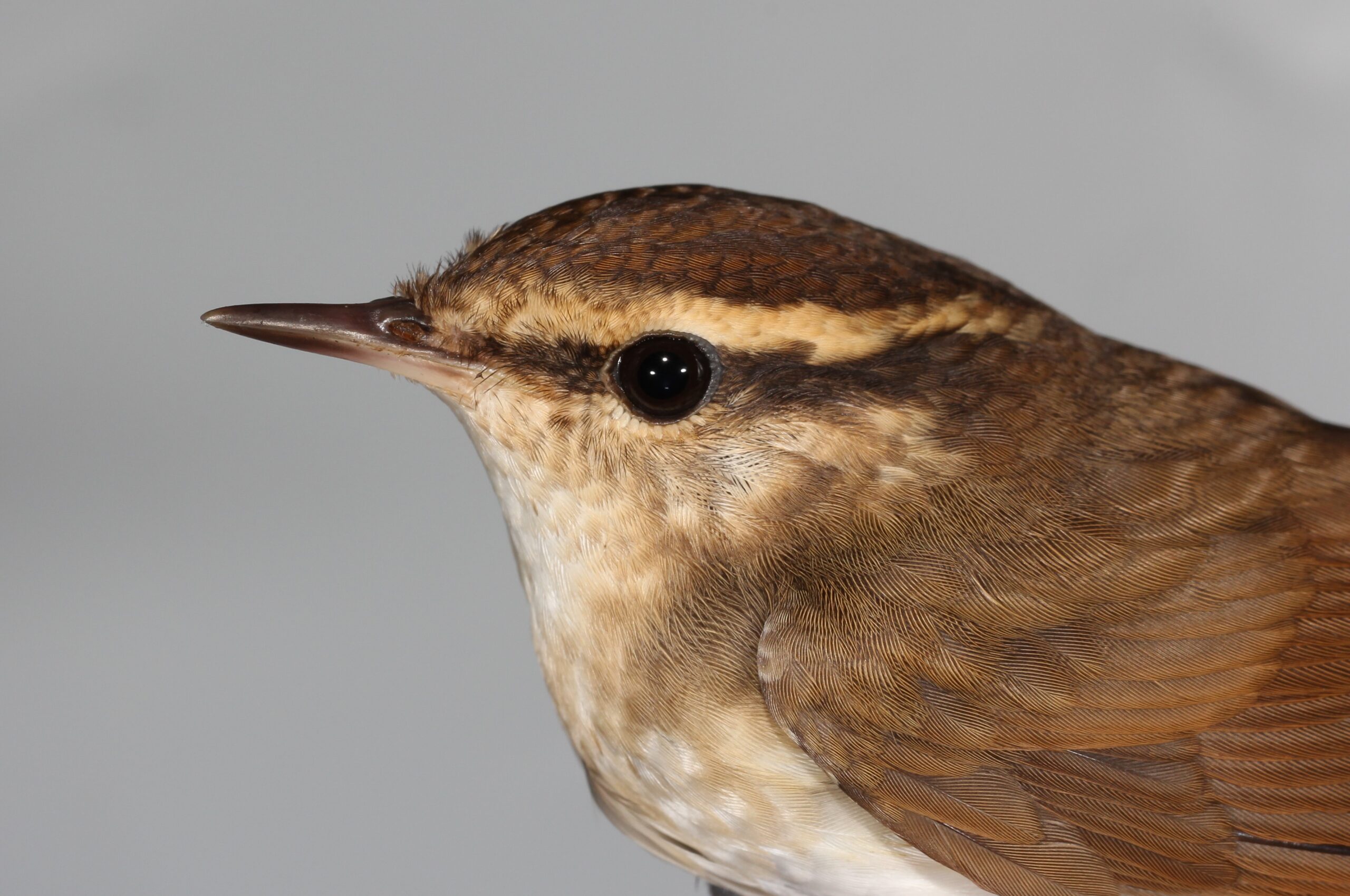
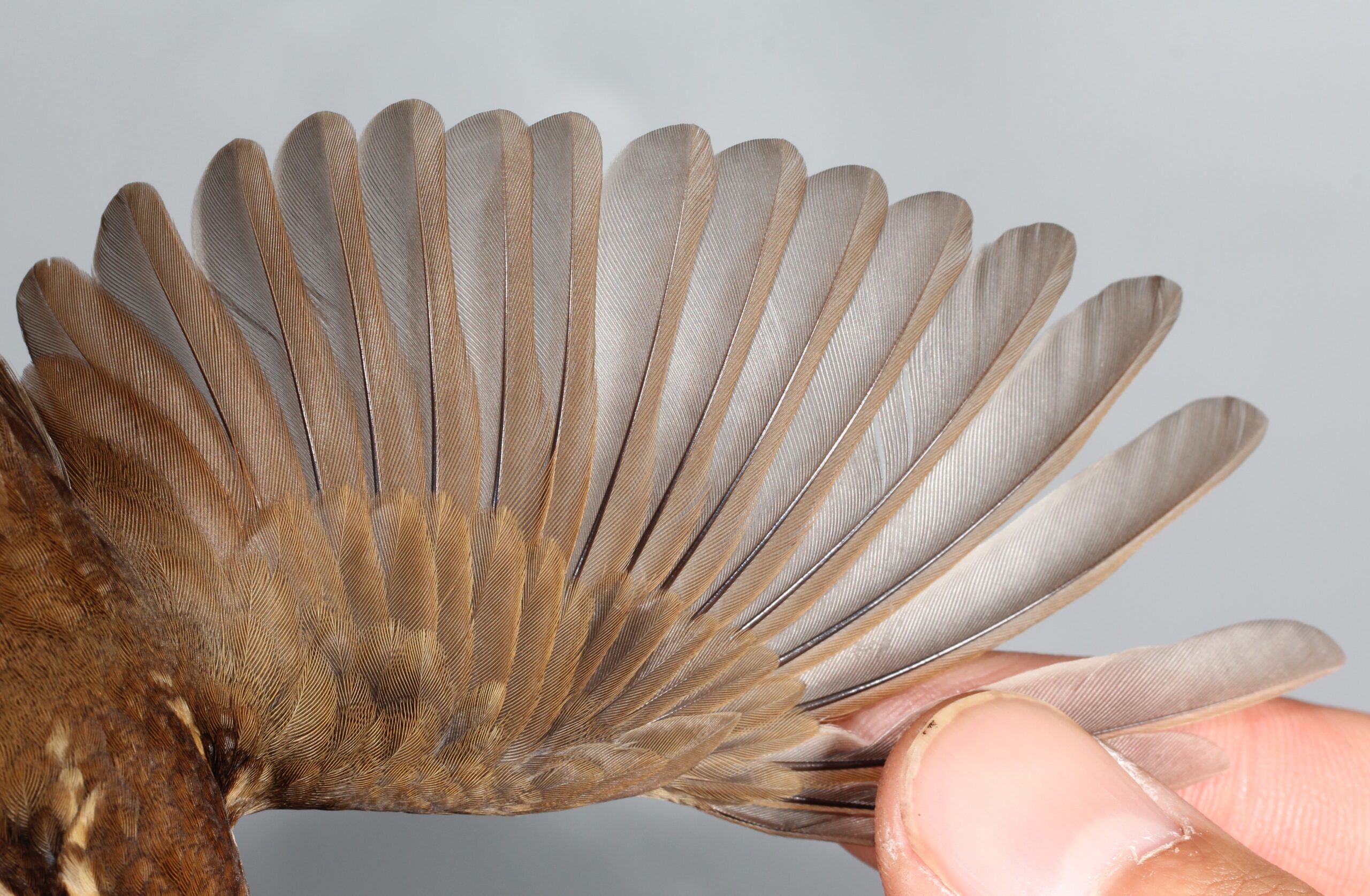
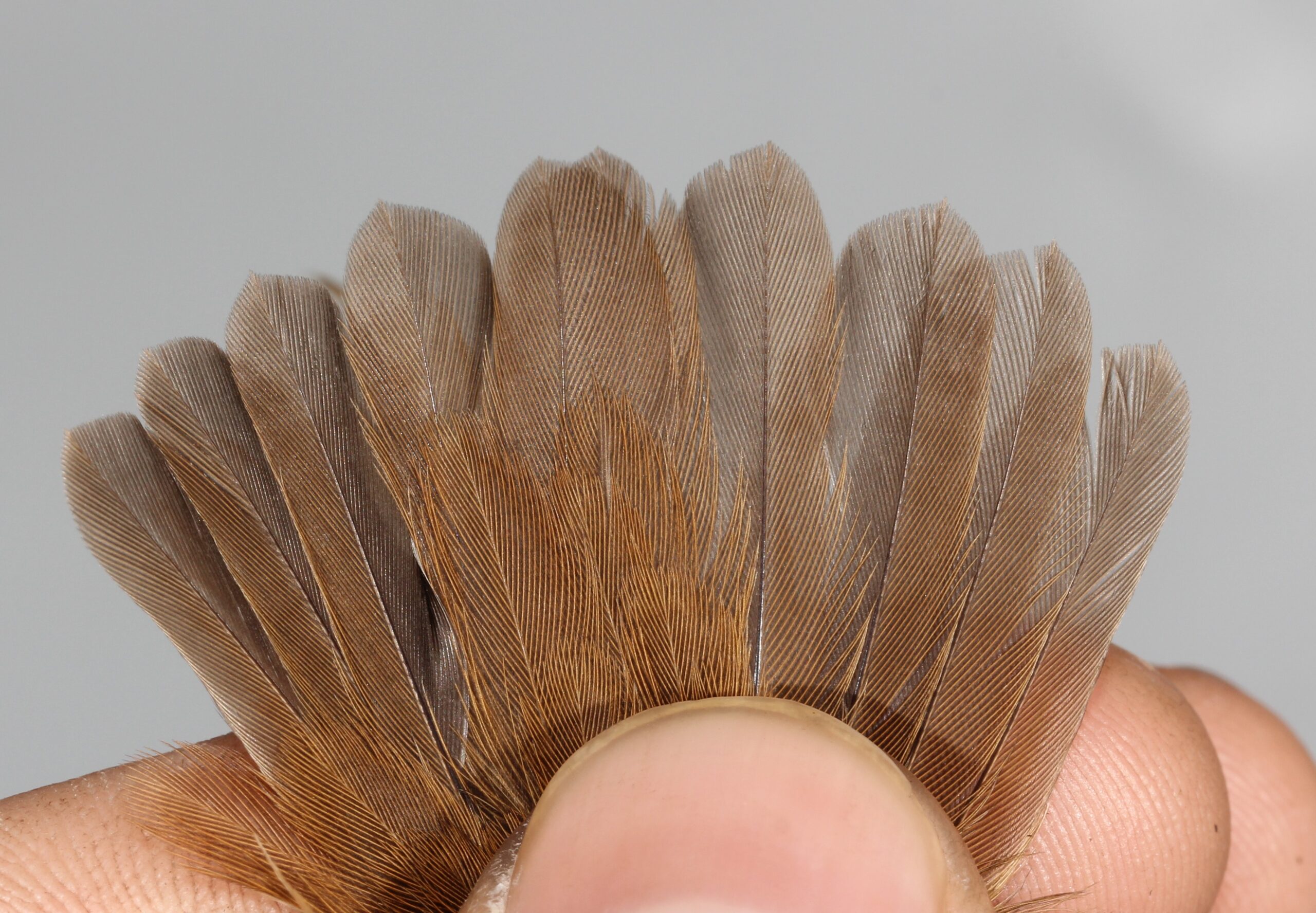
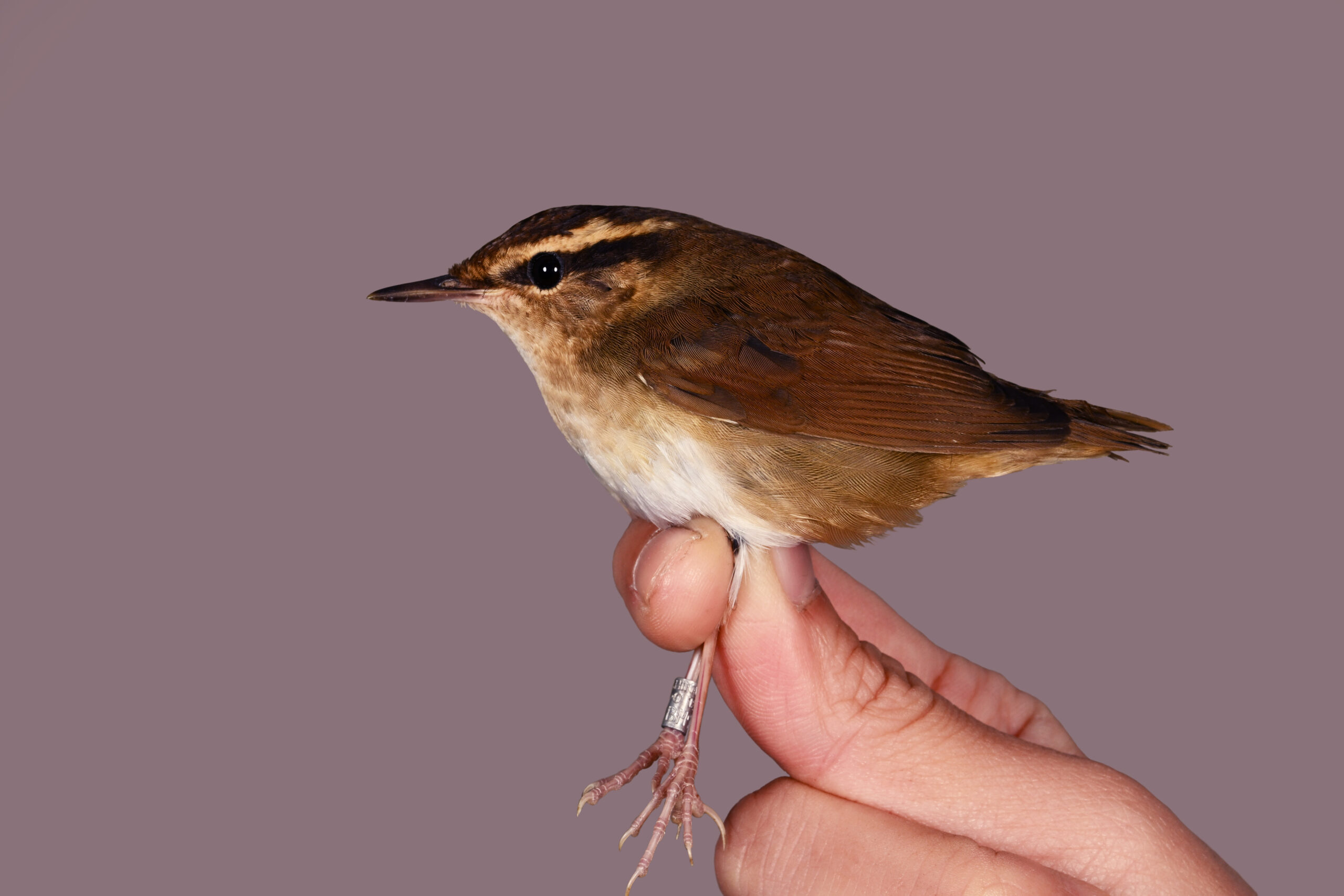
Next up was one of our more secretive species, a bird you are far more likely to hear than see: the Asian Stubtail! These guys like to skulk amongst the undergrowth of the forest, and so are pretty hard to spot, but do end up being caught every now and then. It is thought that this species carries out a Summer Complete mould in both adults and juveniles, meaning that, even by autumn, we cannot age them. Thus, we can only call this bird a 1st calendar year or older.
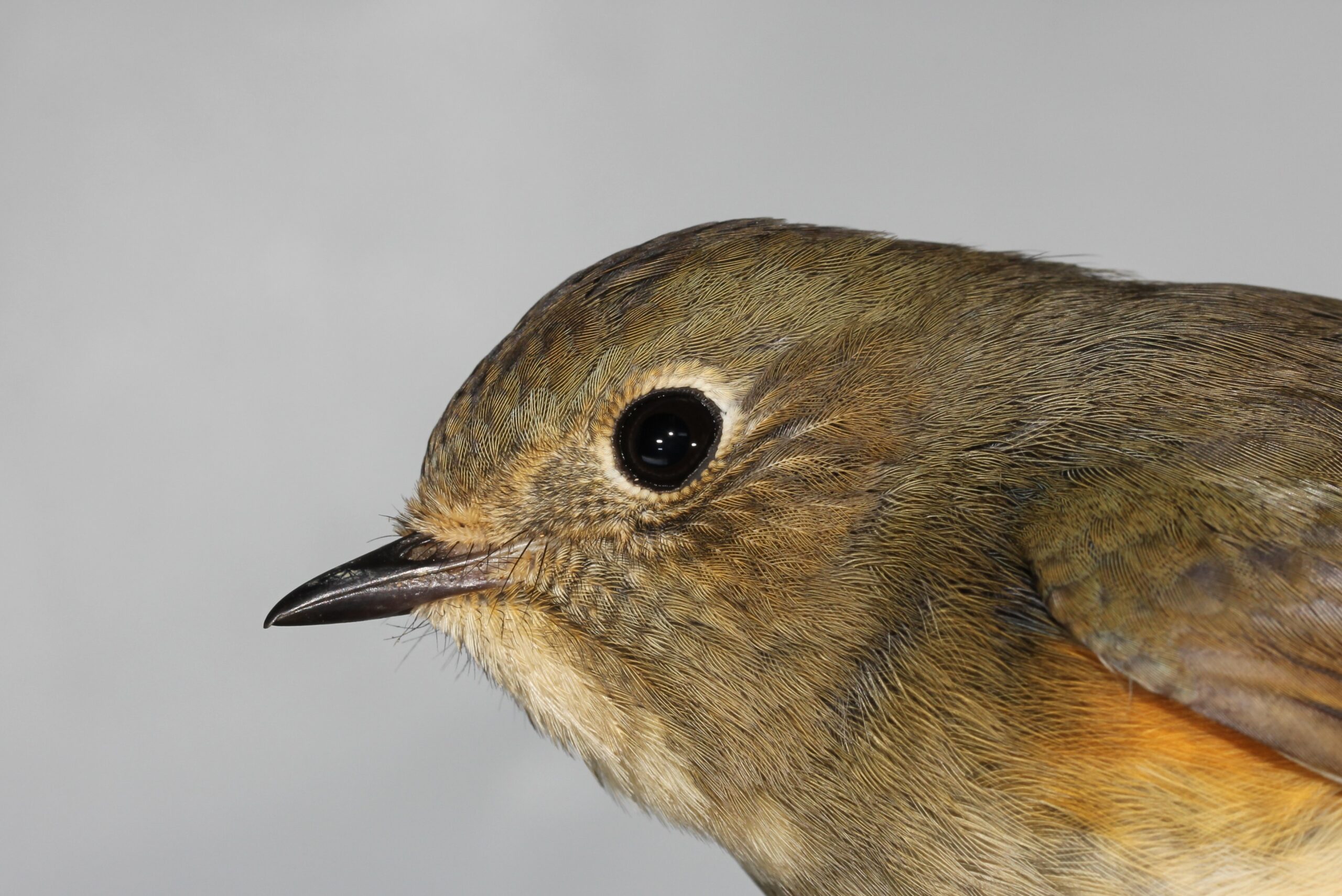
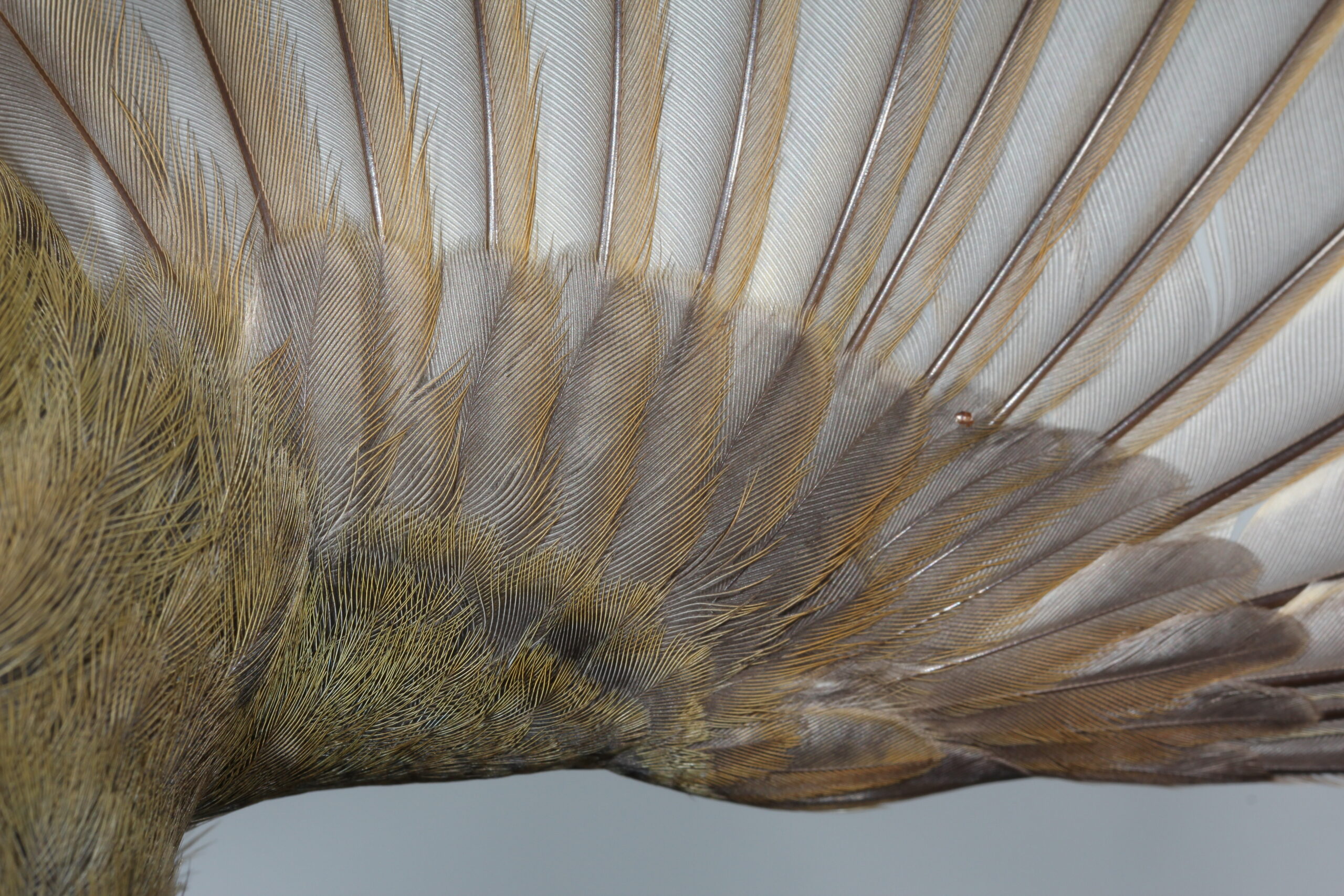
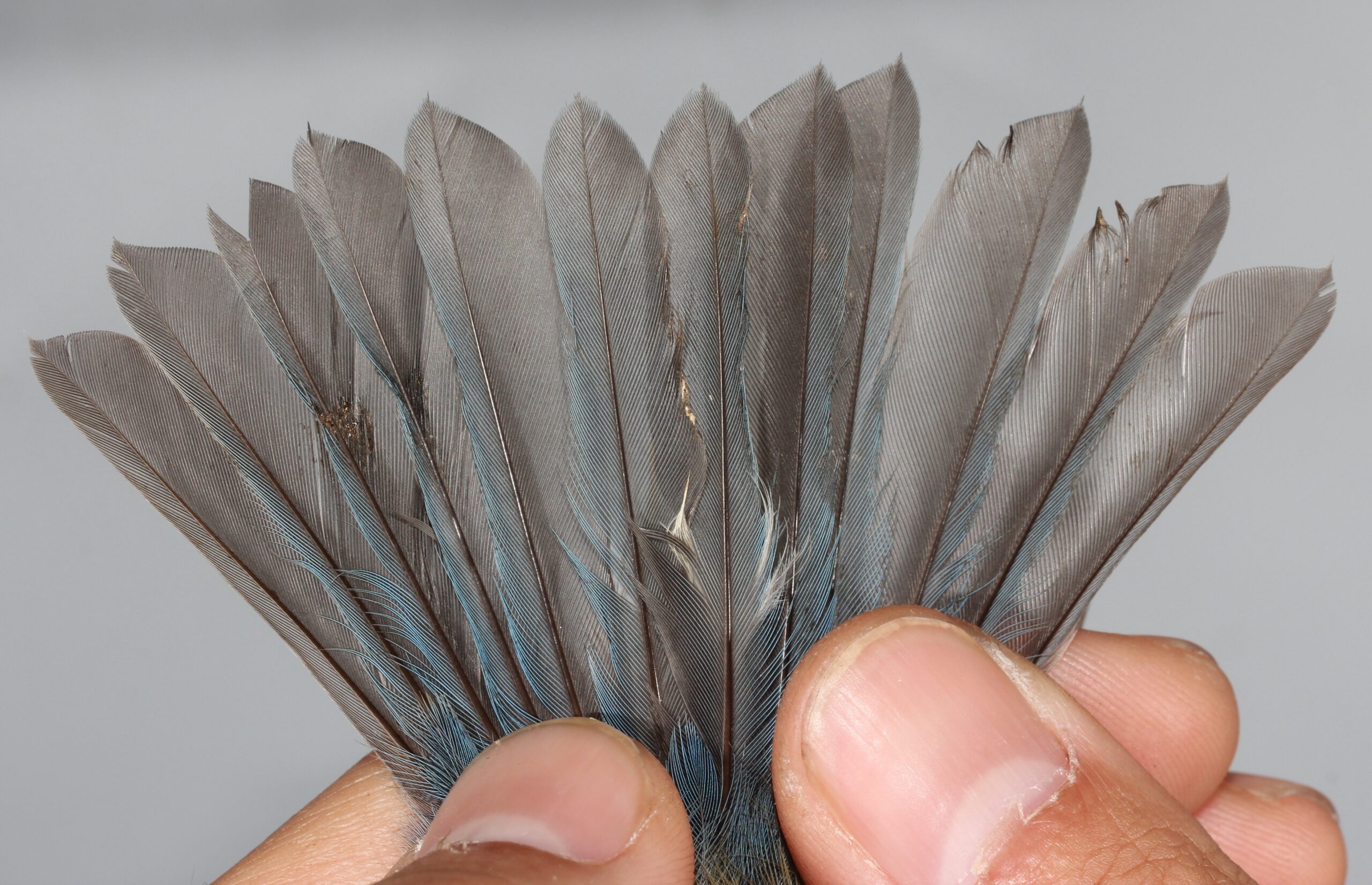
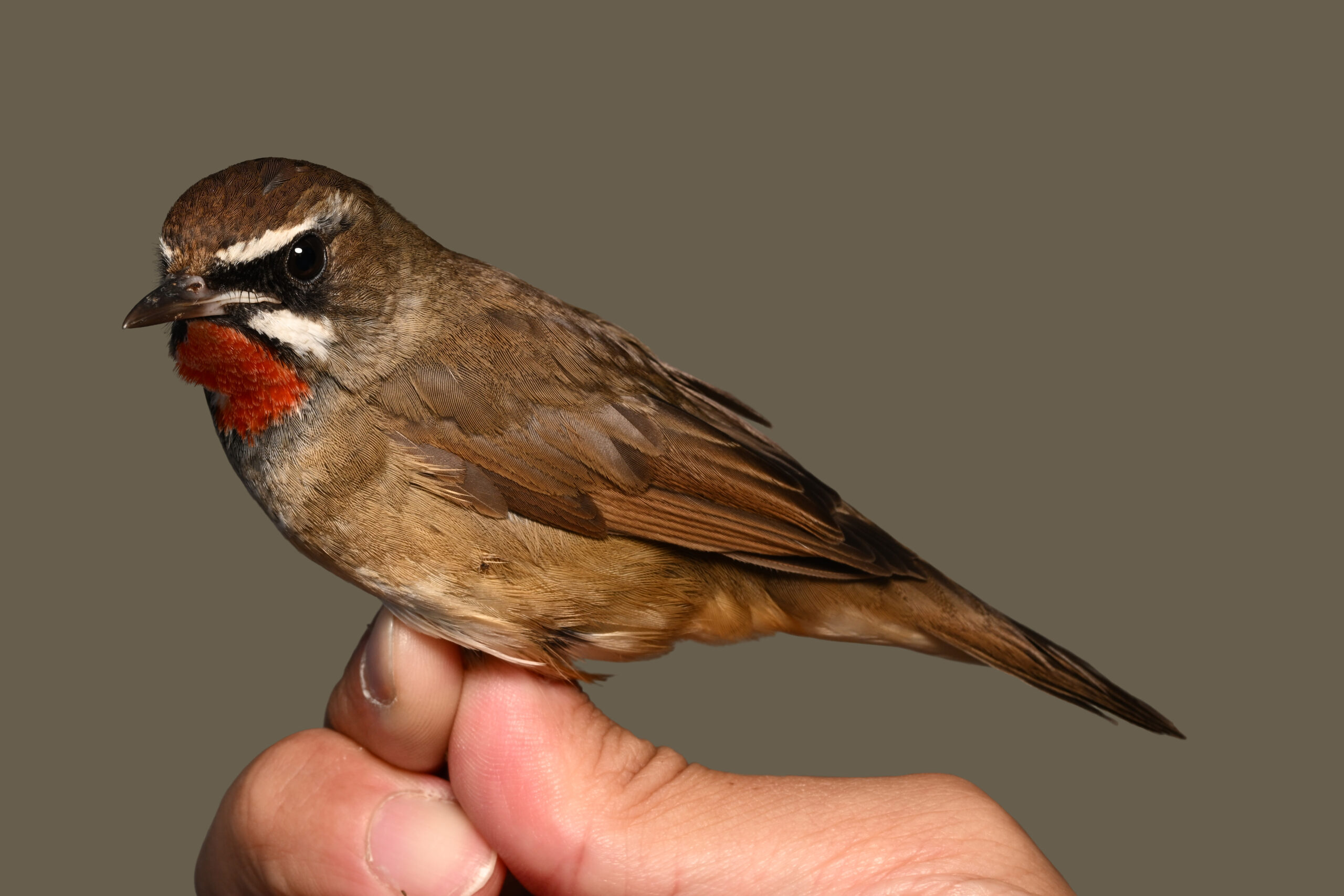
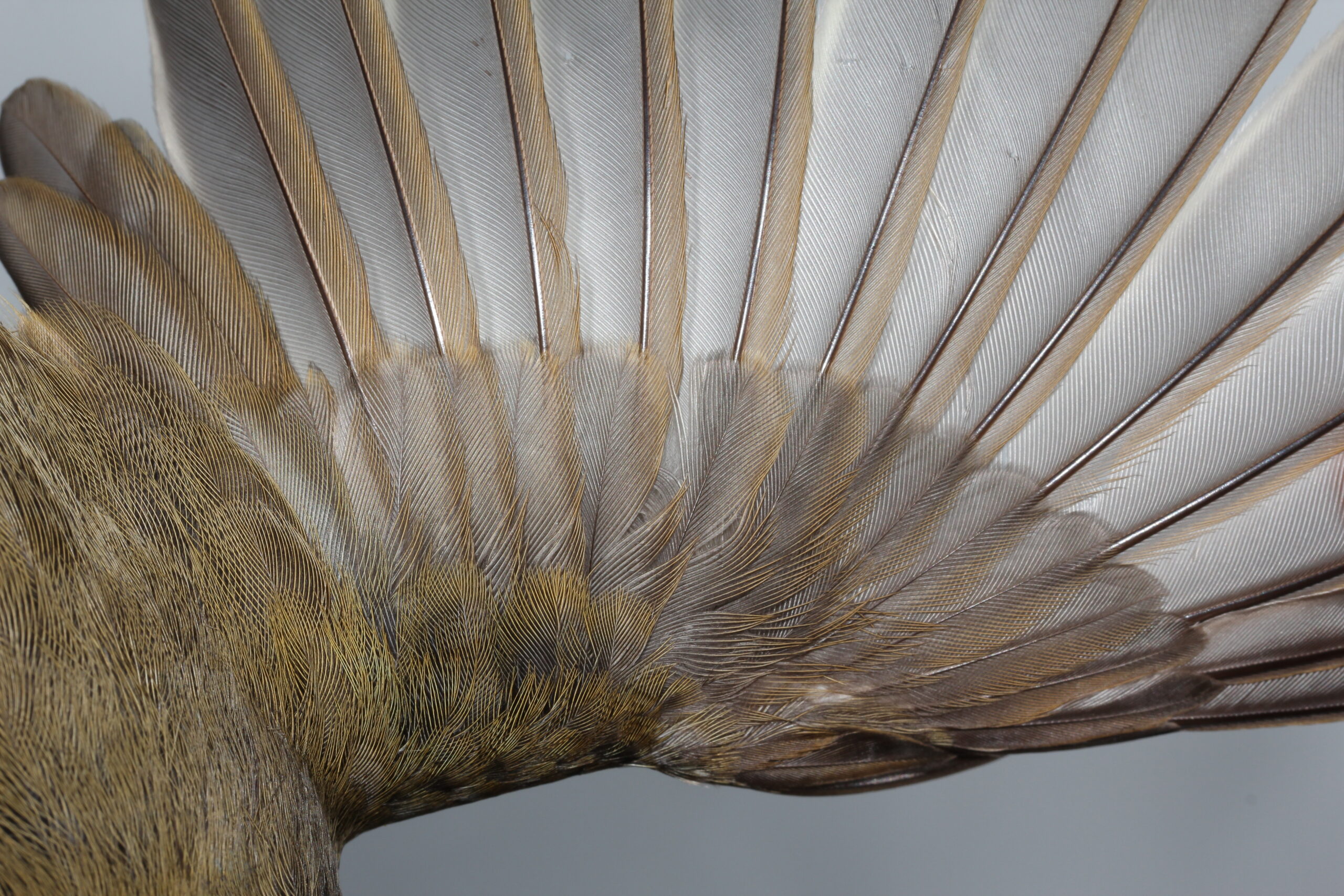
Today we also got to see a great comparison of sexing of one of my personal favourite species: the Red-flanked Bluetail. Though these two young birds may not be showing off the entire beauty of this species (have you seen the adult males?!), they were still very lovely birds to see up close.
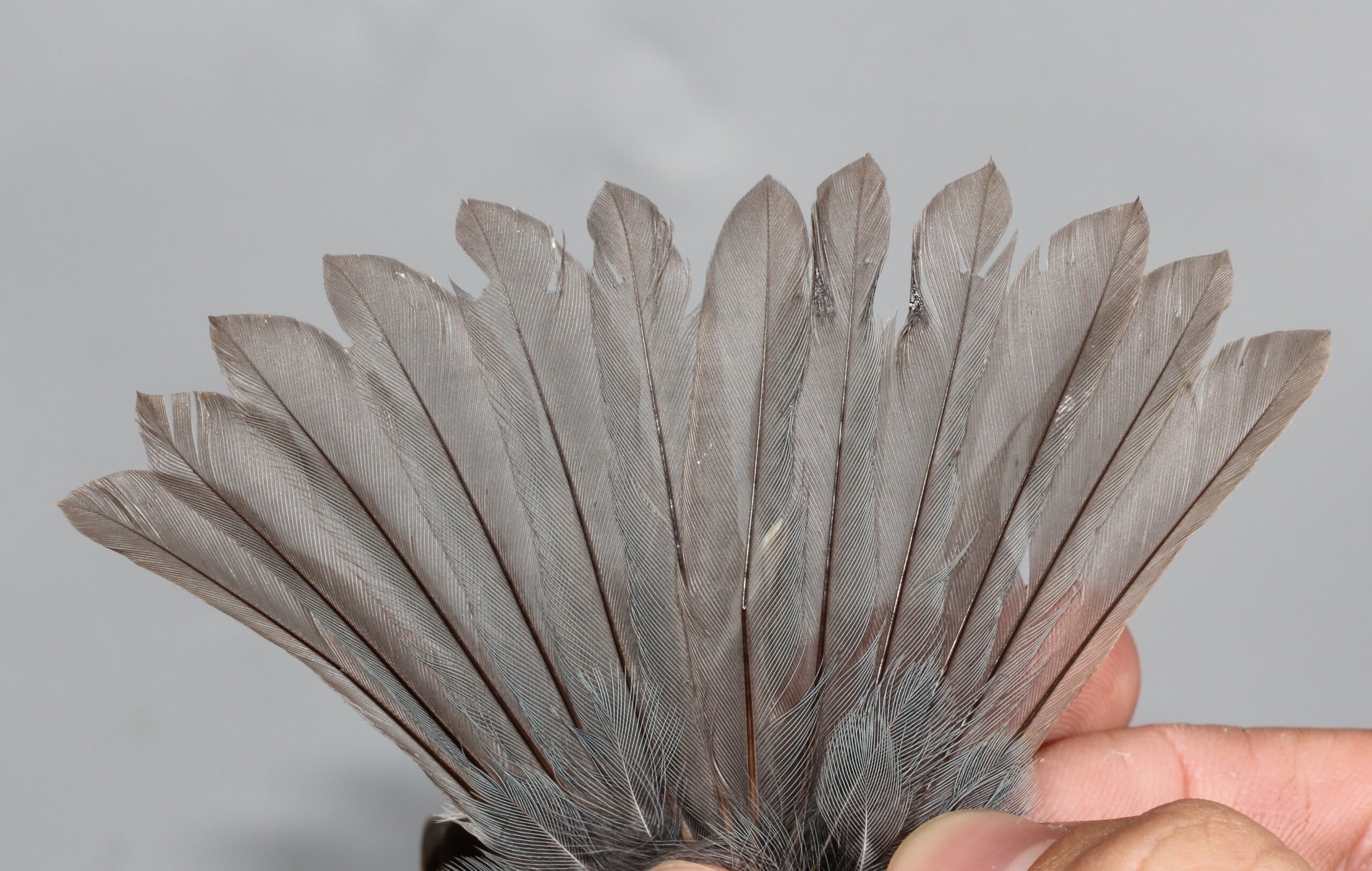
These guys also have the whole Summer Complete for adults’, summer partial for juveniles’ moult, although these moult limits can be a little tricky to spot. In our 1st individual (above), we can just about see the difference between the outermost 7 GCs and the inner 3 (GC8 is only just visible). The outer GCs shown a more dull-brown hue and loose structure. And exactly the same pattern is seen in the individual below, revealing both birds to be 1st calendar years!
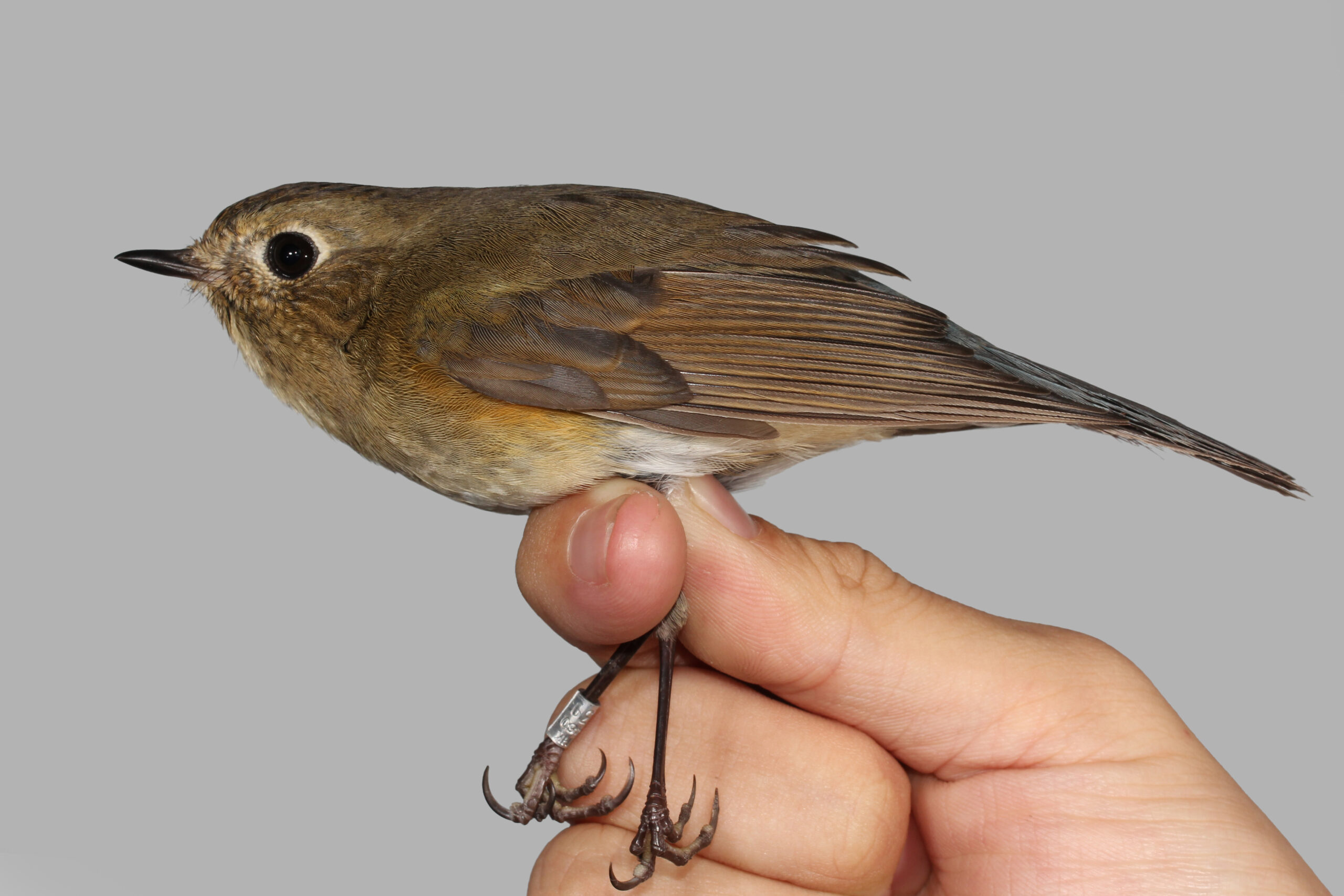
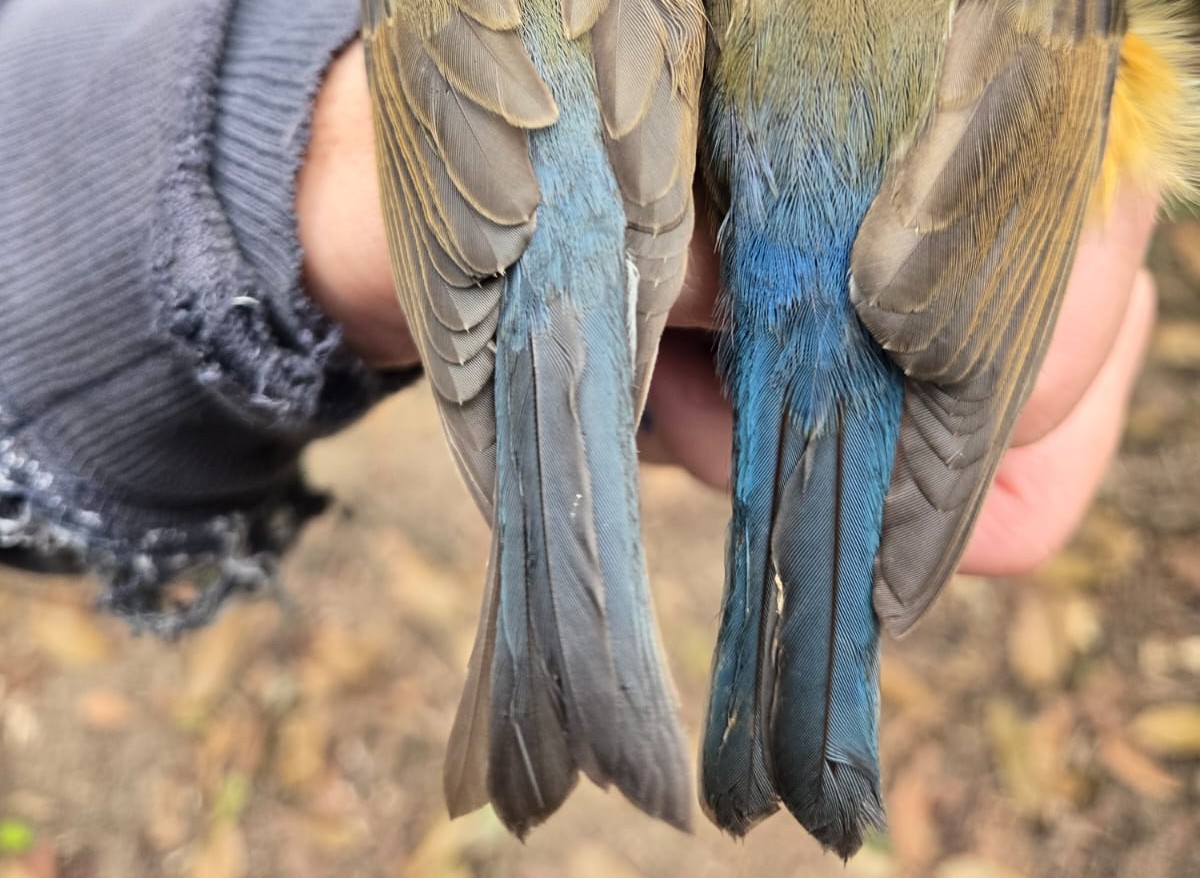
Ageing young Red-flanked Bluetails can be difficult due to it being difficult to determine how much blue is ‘blue enough’ to be a male? But these two made our lives a little easier by providing great comparisons! See in the photo below how much more saturated the blue is in the tail of the male (right) versus the female (left)!
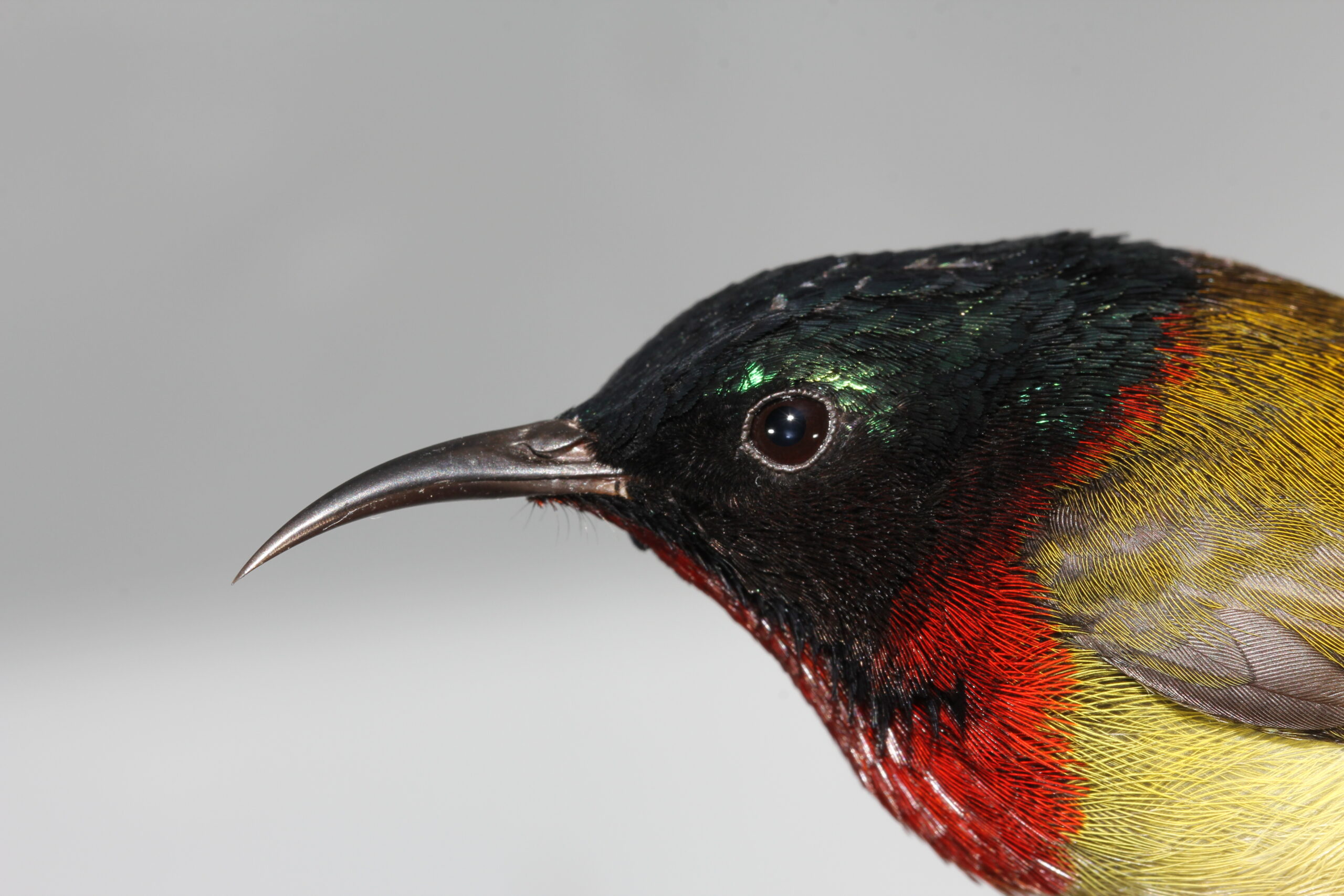
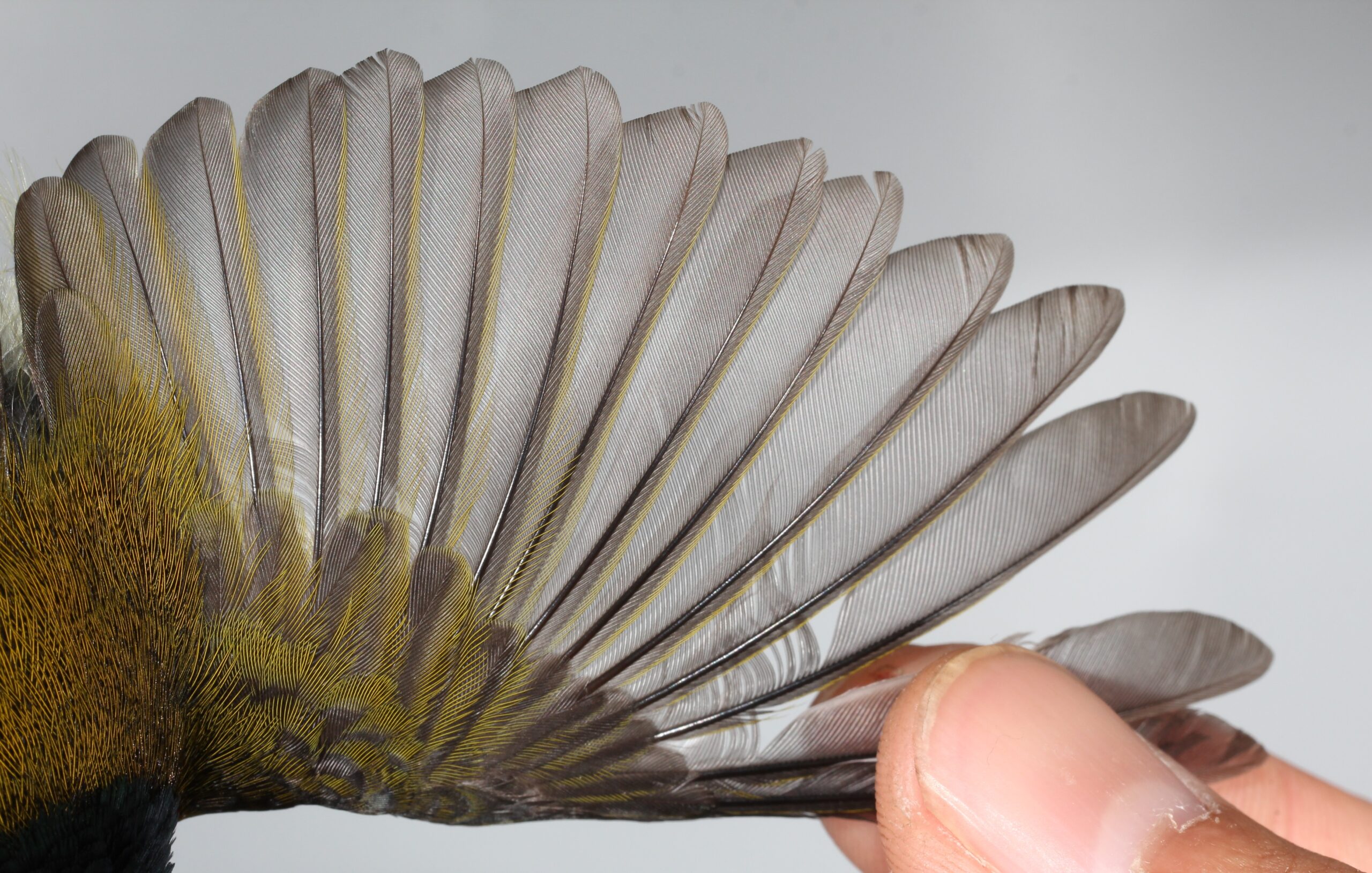
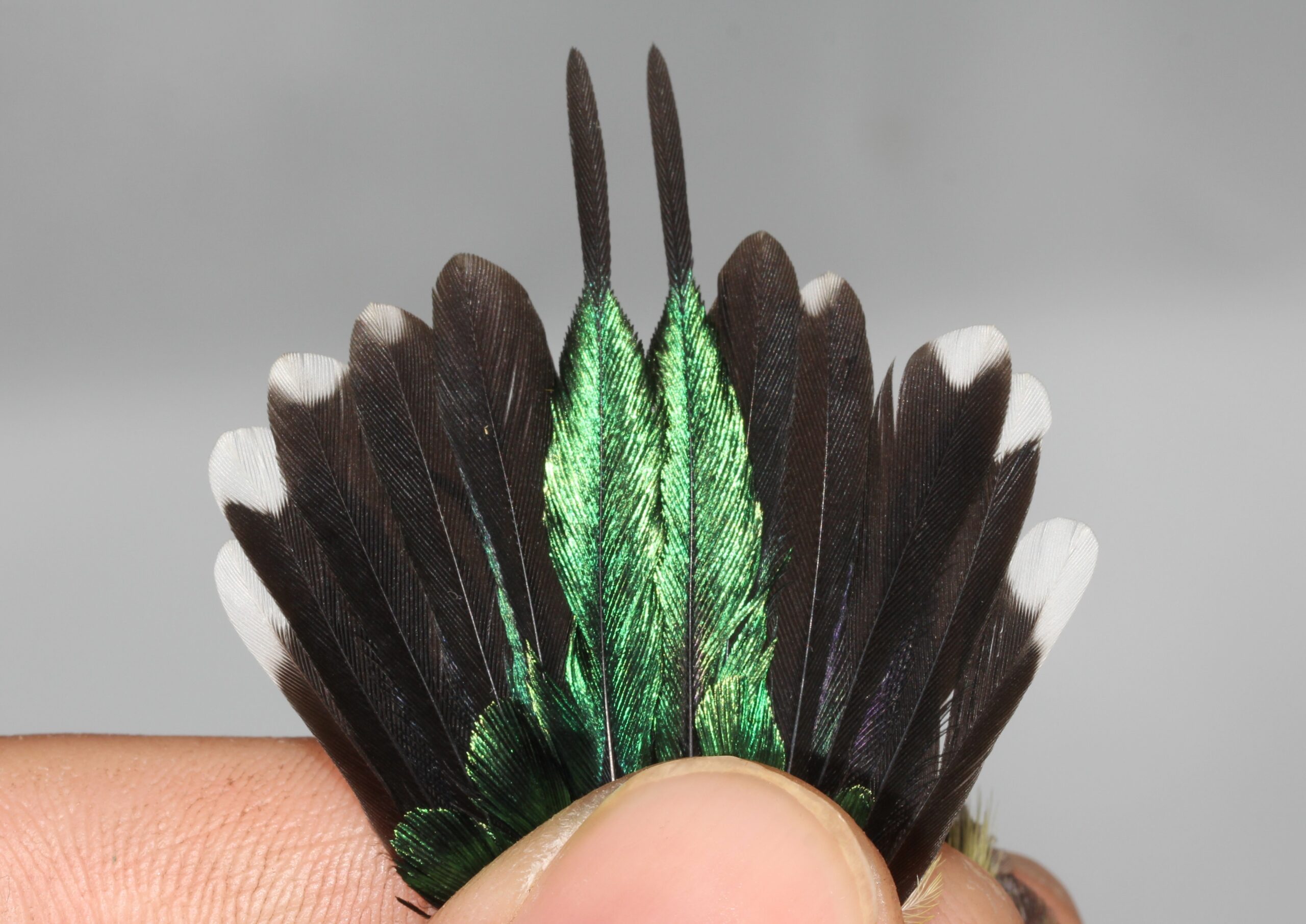
As the day progressed, we ended up with one of our smallest and most colourful residents: a Fork-tailed Sunbird! These little gems, like a lot of our resident species, most likely carry out Summer Complete moults in adults and juveniles, so we can only conclude that this is a 1st calendar year or older male!
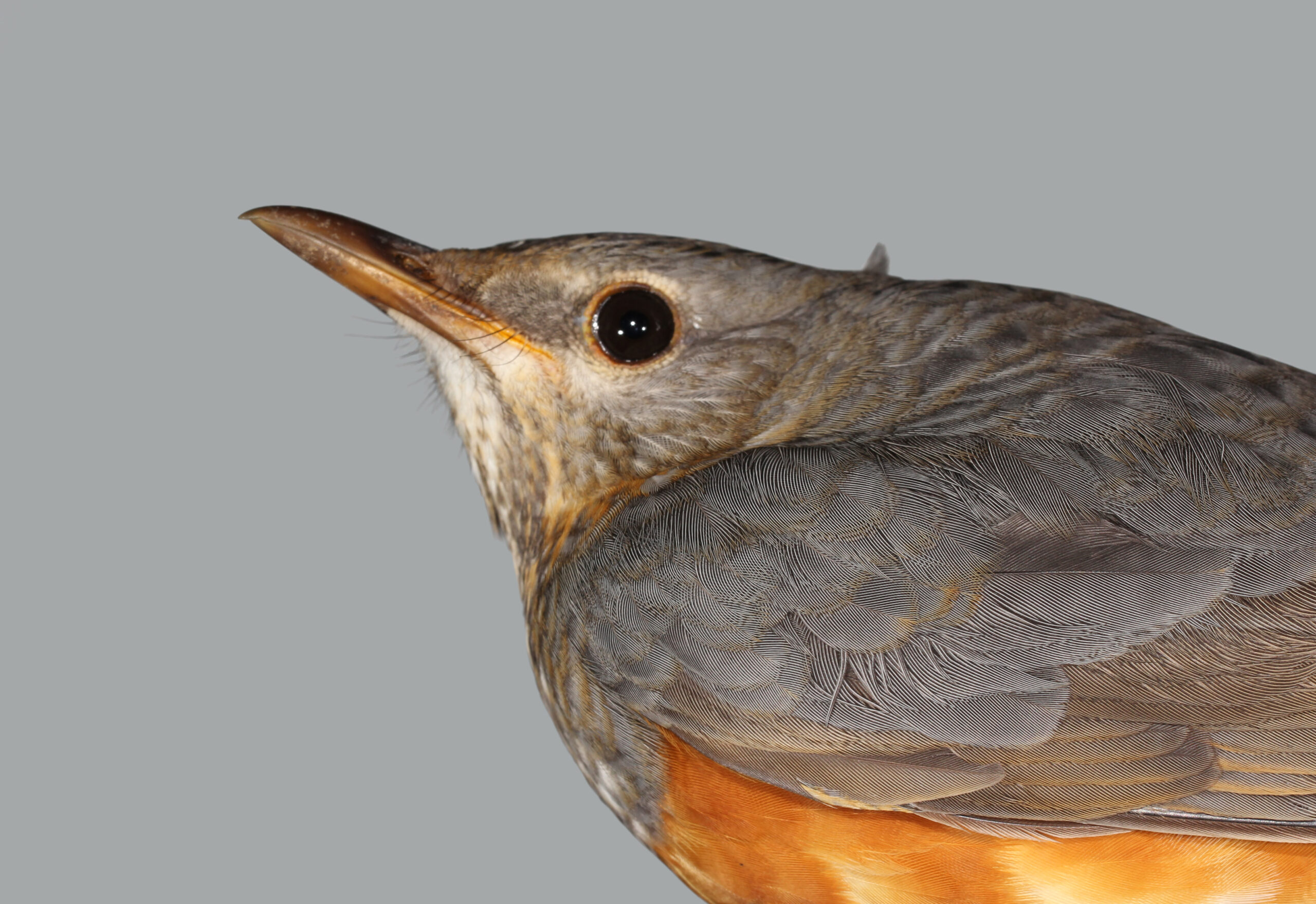
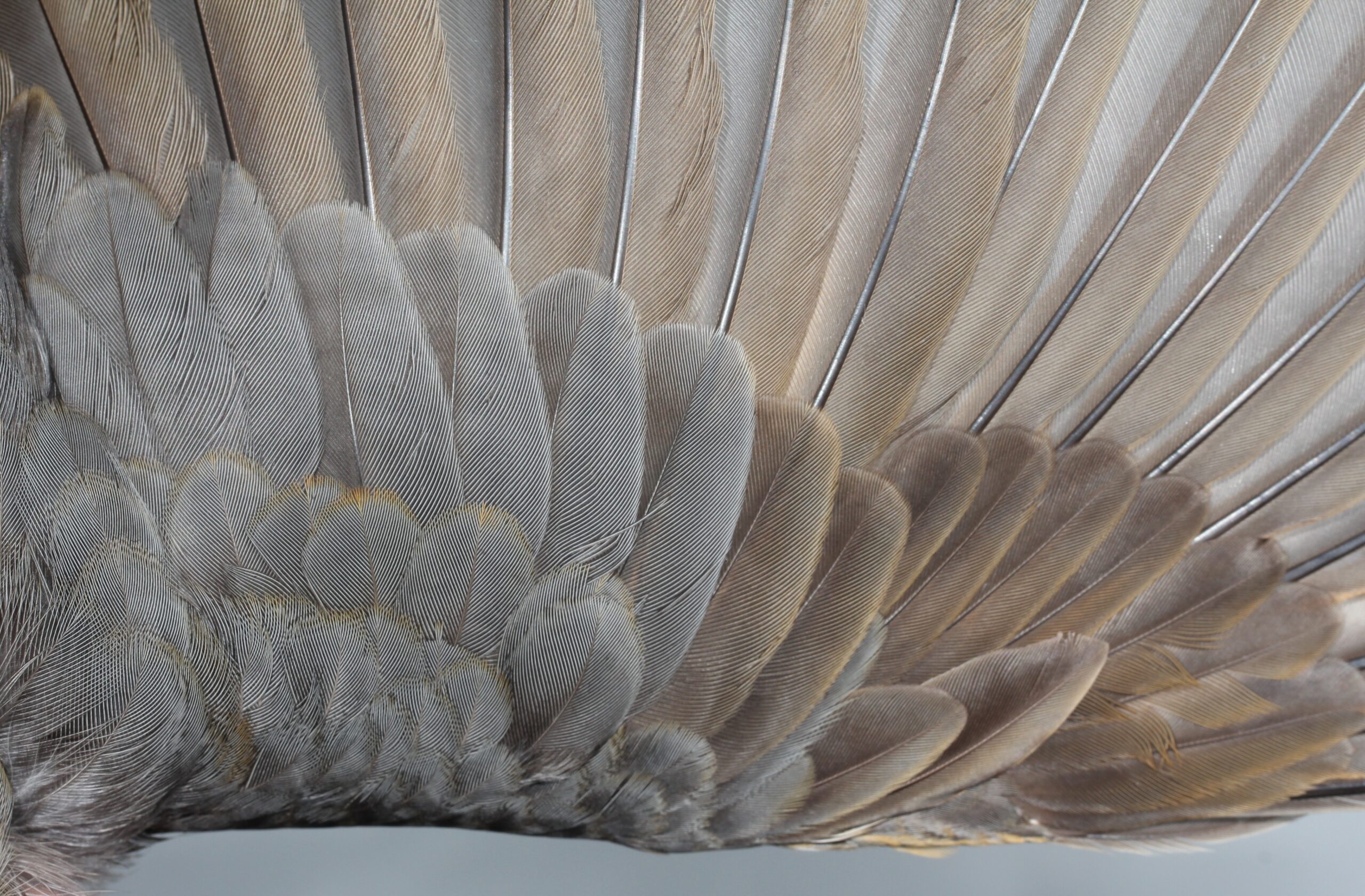
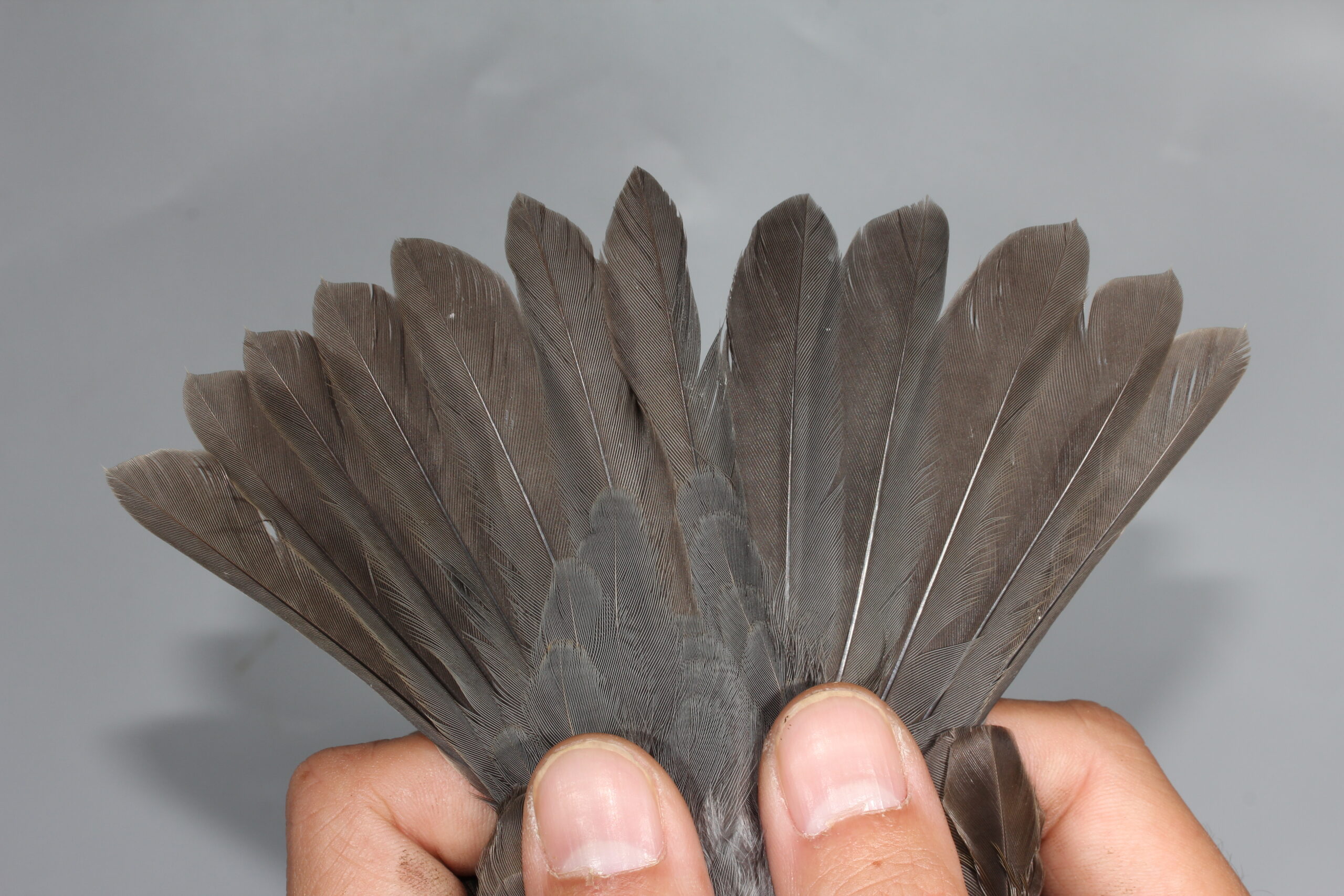
We ended the day with one of our louder winter visitors, a Grey-backed Thrush! These guys carry out the same moult strategy as other thrushes (which we all know by now, right?), so we are simply looking for moult limits to determine if it is juvenile. And this guy exhibited that in his GCs, with the outer 2 being obviously browner and more worn than the inner GCs (i.e. matching the juvenile PCs). I have already given it away, but this is a rather obvious male, with a steel-grey tone to all the moulted feathers. In summary, this is a 1st calendar year male!
And that’s a wrap on all our ringing for the year! We wish everyone a Merry Christmas and a Happy New Year, and see you then, when we will be putting on our ‘spring’ ageing caps! Until then!
Daily Totals
| Species | Original | Recapture |
| Asian Stubtail | 0 | 1 |
| Chestnut Bulbul | 7 | 0 |
| Fork-tailed Sunbird | 2 | 1 |
| Grey-backed Thrush | 2 | 0 |
| Huet’s Fulvetta | 6 | 7 |
| Olive-backed Pipit | 1 | 0 |
| Japanese Thrush | 1 | 0 |
| Red-billed Leiothrix | 6 | 1 |
| Red-flanked Bluetail | 3 | 3 |
| Rufous-capped Babbler | 9 | 0 |
| Streak-breasted Scimitar Babbler | 0 | 1 |
| Tristram’s Bunting | 1 | 0 |
| Grand Total | 38 | 14 |
*Please note that all wild birds, their nests, and eggs are highly protected (under Wild Animals Protection Ordinate, Cap. 170) in Hong Kong. It is an offence to wilfully disturb, take, remove, or injure wild birds or their nests/eggs. The actions described here were undertaken by trained professionals holding the necessary licenses and permits issued by the AFCD.*