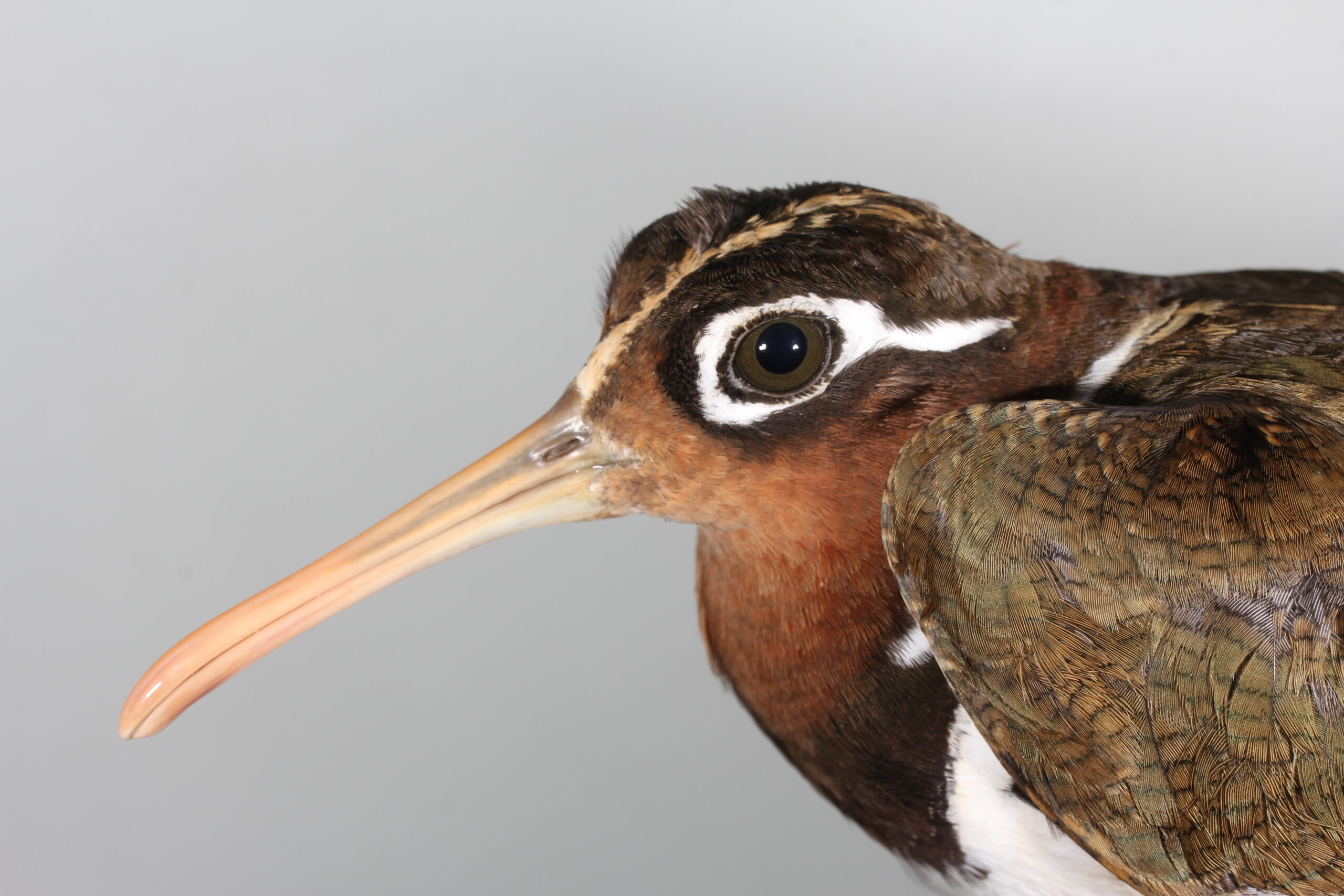



This spring is proving dry and cold, and with it came very few birds unfortunately. That being said, we still ended up with some beautiful captures!
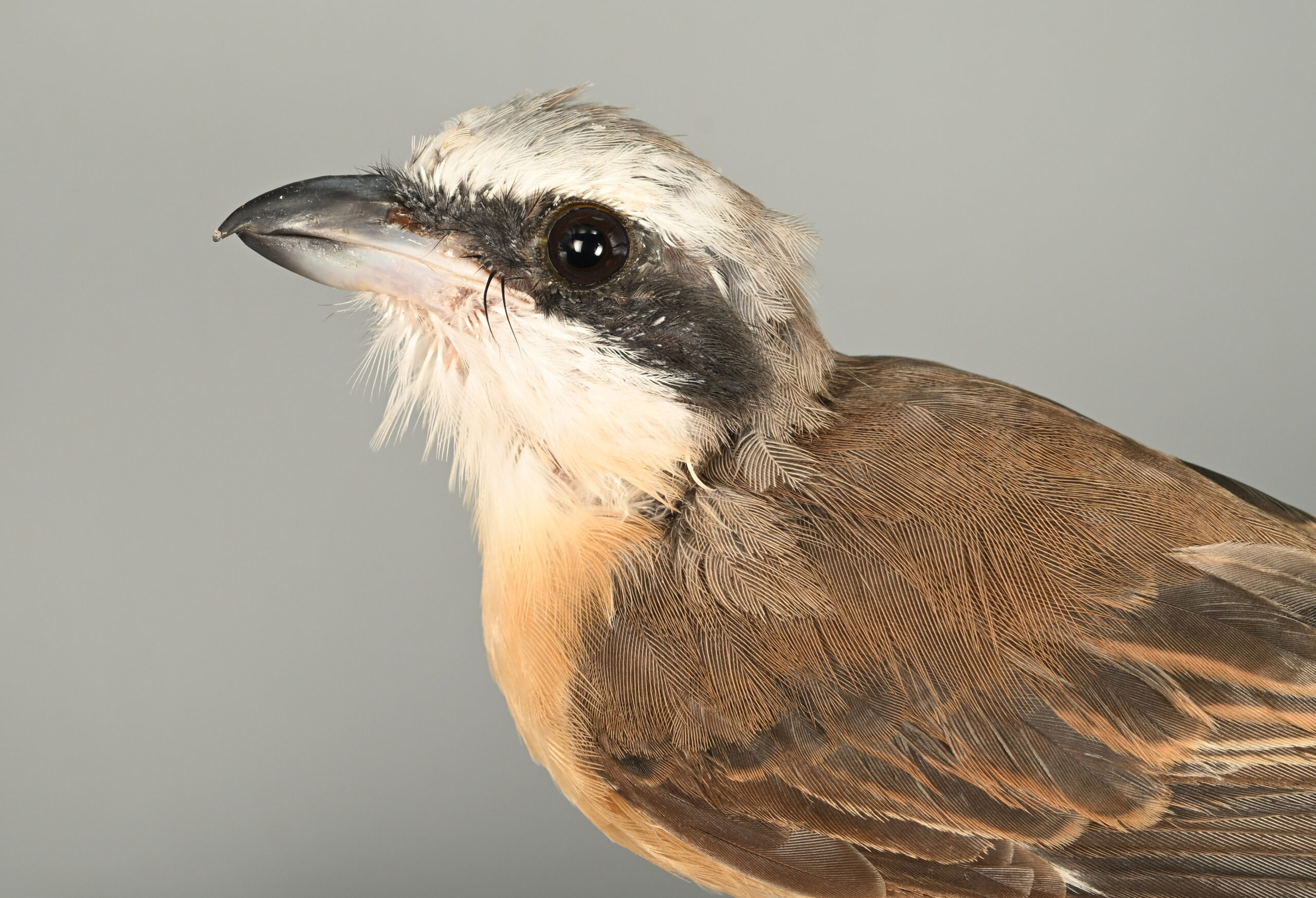
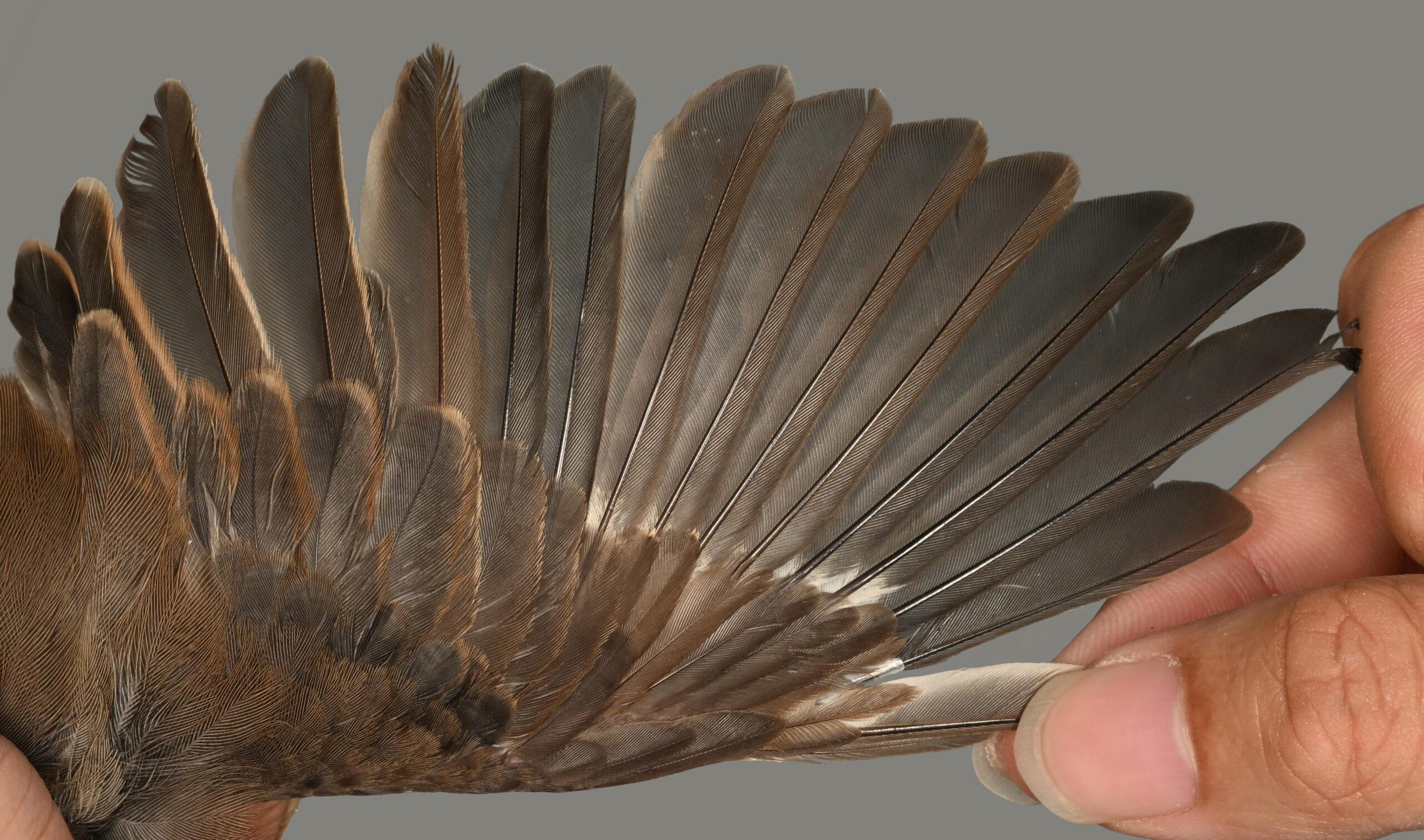
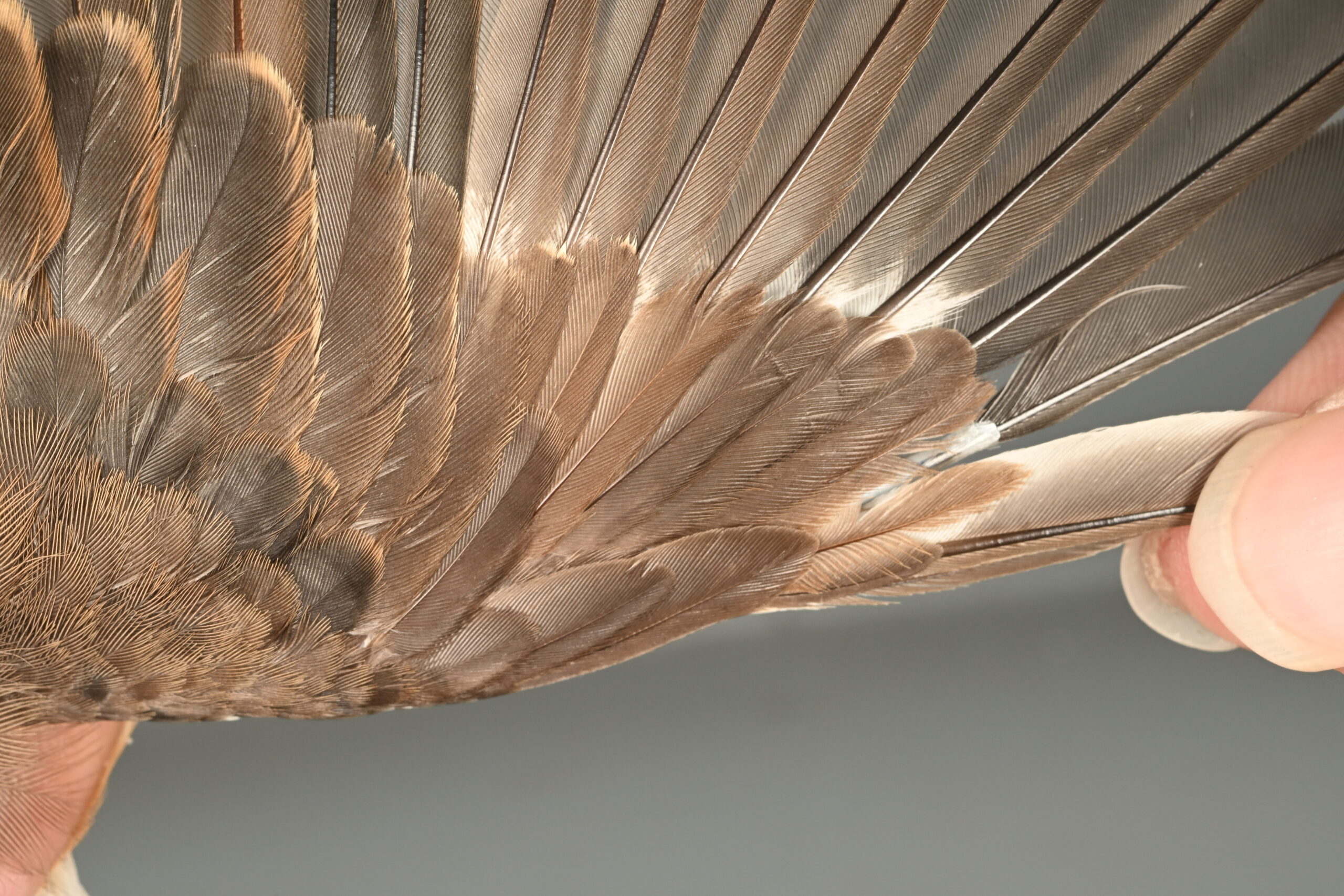
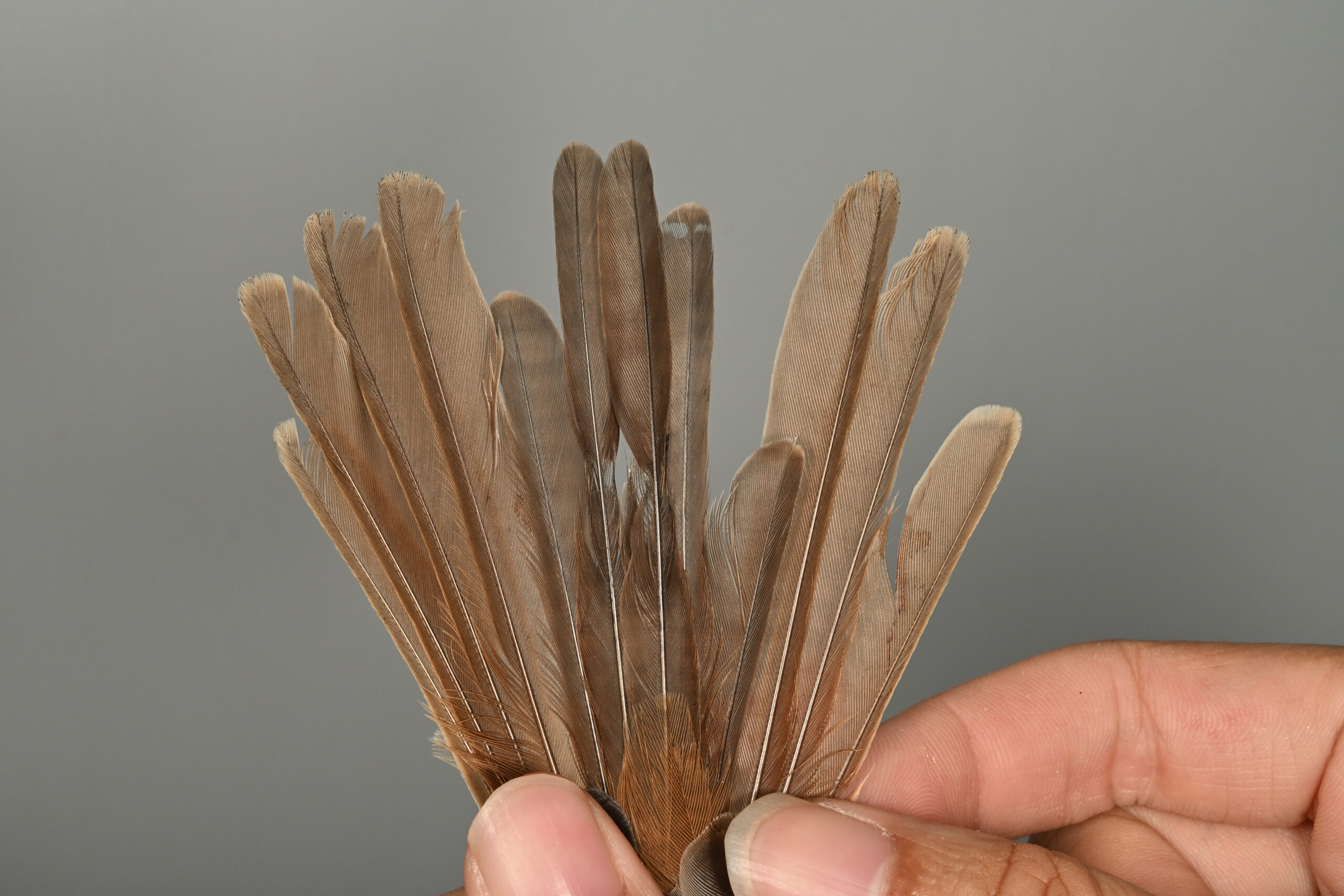
First up was this beautiful Brown Shrike…although granted, being in active moult he was looking a little worse for wear! As previously mentioned, Shrikes can be a little complicated, especially now in spring.
Adults have a Summer Complete moult, that is frequently suspended, and juveniles carry out quite a restricted summer partial moult, usually just including some body feathers.
During the winter, both adults and juveniles carry out a winter partial moult, including body feathers and some, but a highly variable amount of wing feathers.
Essentially, now, in spring, both adults and juveniles will most likely exhibit moult limits. Therefore, our job is to look at the old feathers, and discern whether these are adult or juvenile feathers. Thankfully, young Shrike feathers are quite conspicuous, having pale tips and a ‘scaly’ appearance.
In our bird above, we can just about make out those pale tips to the inner PCs and outer GCs. Note these are extremely worn, making them less obvious than they would have been in autumn. Either way, thanks to this, we can definitively age this bird as a 2nd calendar year bird! Furthermore, the dark mask and unstreaked breast allows us to tell that this is a young male!
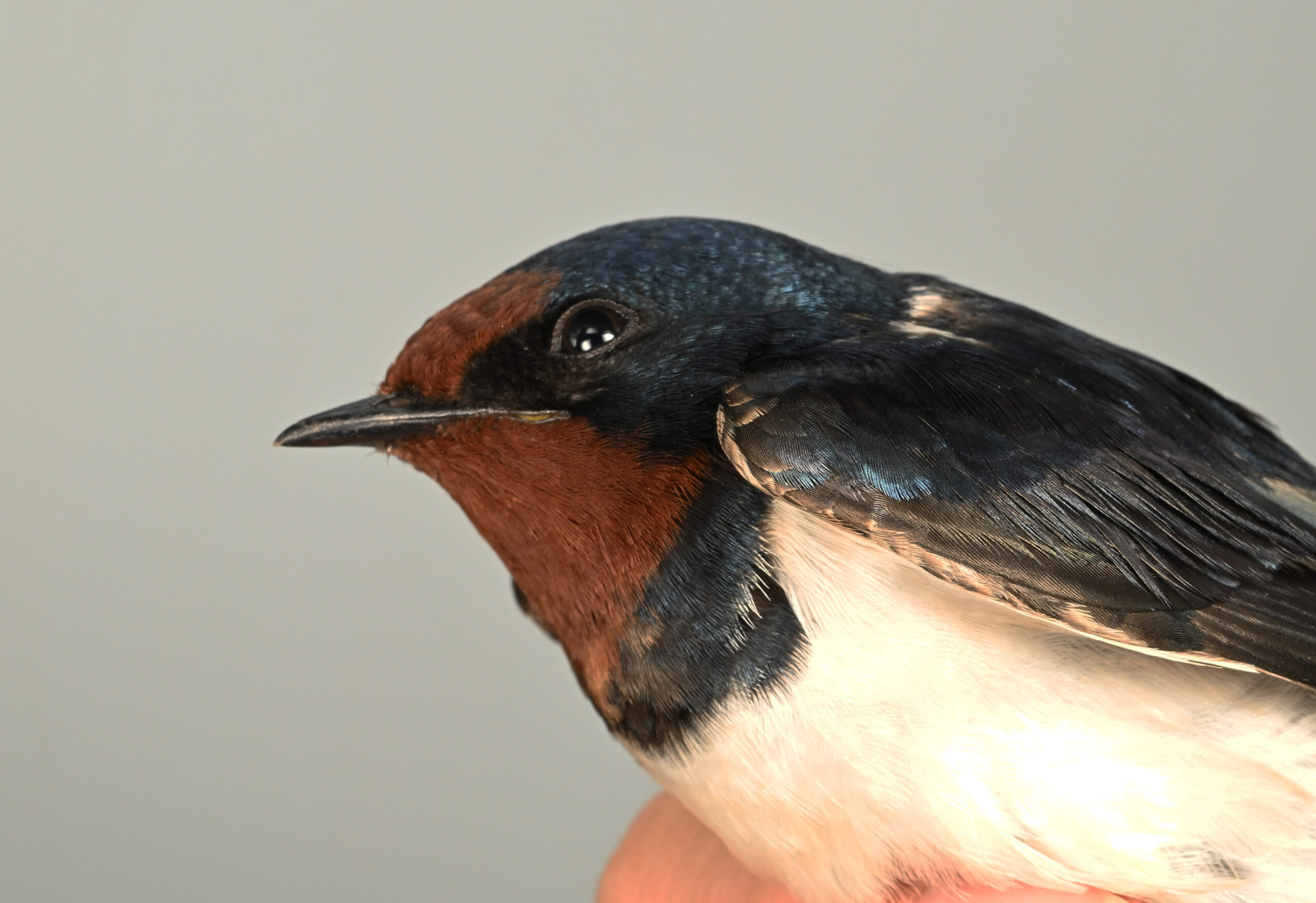
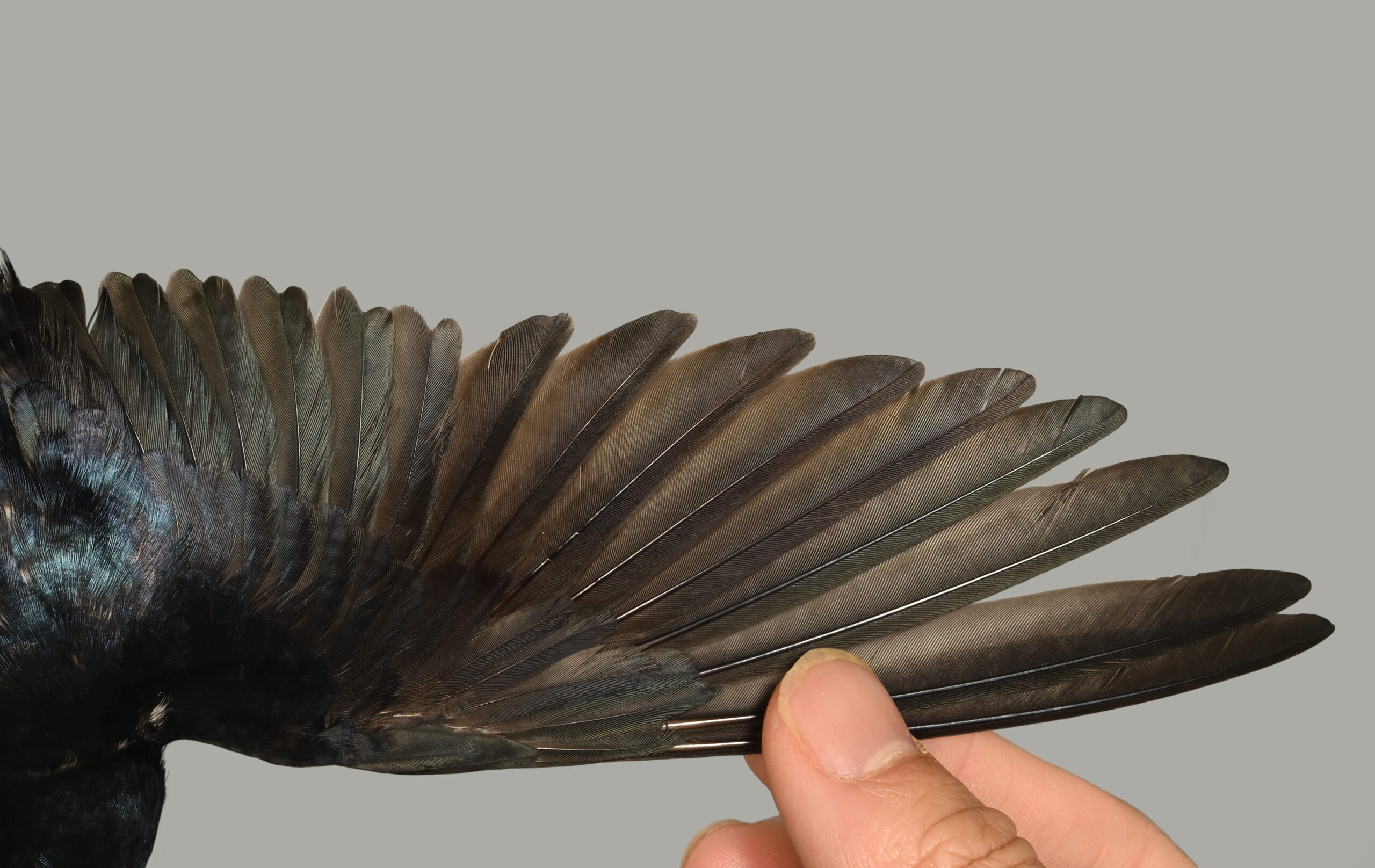
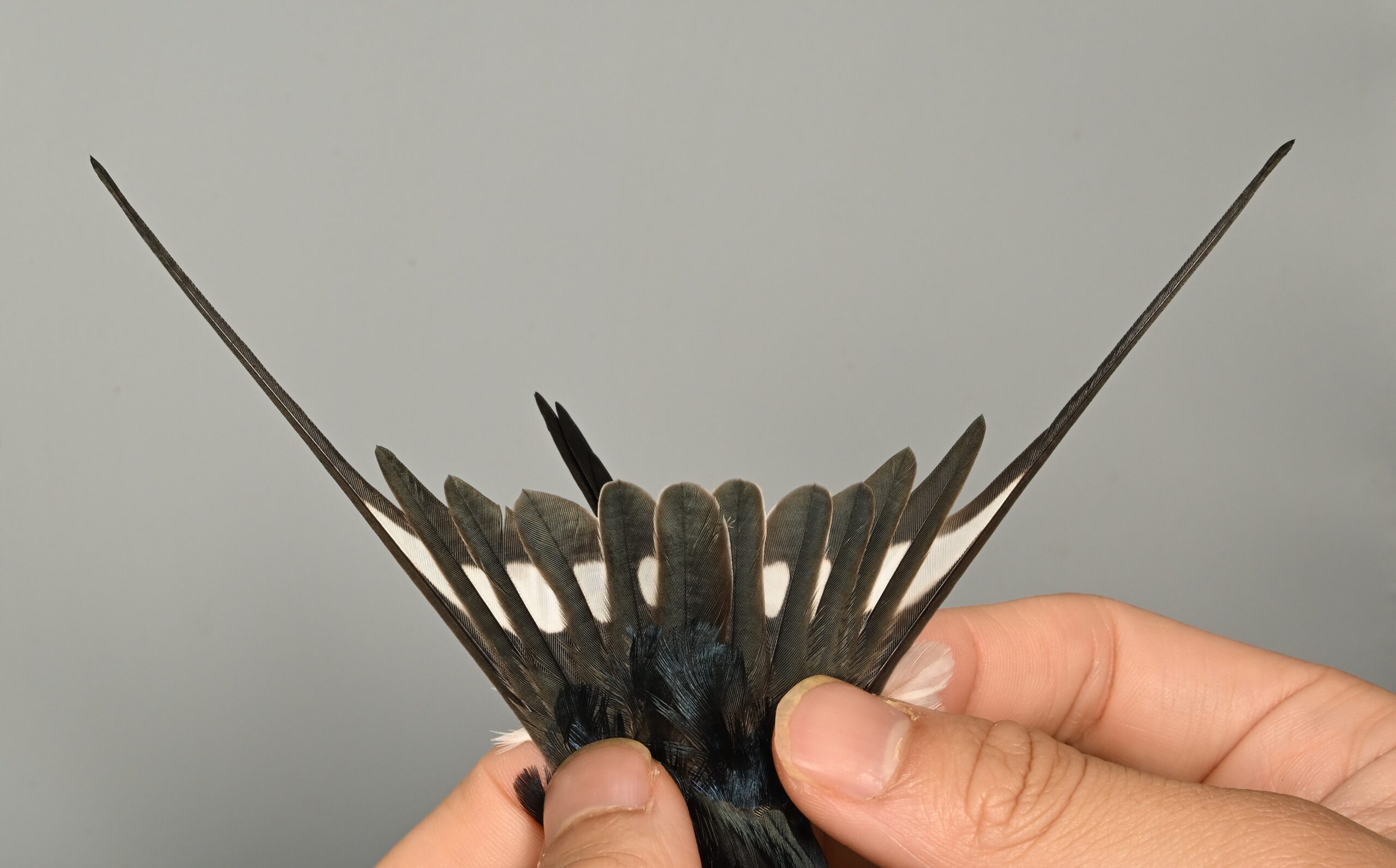
Towards the end of the month, we conducted a guided tour for the locals of the village, to show our work and share the importance of it to the villagers. During the tour, we were lucky enough to catch another less common capture- a beautiful Barn Swallow! Though these birds are not uncommon, it IS uncommon for them to fly low enough to end up being caught!
Ageing of this species in spring is not possible, as both adults and juveniles carry out a Winter Complete moult, making them indistinguishable by Spring. So, we must age this bird as a 2nd calendar year or older! However, it is possible to sex Barn Swallows based off of the length of their ‘streamers’ (the elongated outermost tail feathers). Our bird is most likely a male, based off of this, and the strong deep red coloration of the face and throat! Another wonderful month!

Daily Totals
| Species | Original | Recapture |
| Barn Swallow | 2 | 0 |
| Black-collared Starling | 1 | 0 |
| Brown Shrike | 1 | 0 |
| Chinese Bulbul | 2 | 0 |
| Common Emerald Dove | 1 | 0 |
| Common Tailorbird | 1 | 1 |
| Red-whiskered Bulbul | 1 | 0 |
| Grand Total | 8 | 1 |
*Please note that all wild birds, their nests, and eggs are highly protected (under Wild Animals Protection Ordinate, Cap. 170) in Hong Kong. It is an offence to wilfully disturb, take, remove, or injure wild birds or their nests/eggs. The actions described here were undertaken by trained professionals holding the necessary licenses and permits issued by the AFCD.*