


Another beautiful sunrise rose through the trees on a warm and calm day. Not a breath of wind protected us from the muggy heat that enshrouded the forest. However, there was hardly time to think of the weather as we had a surprise of our busiest day of the season so far!

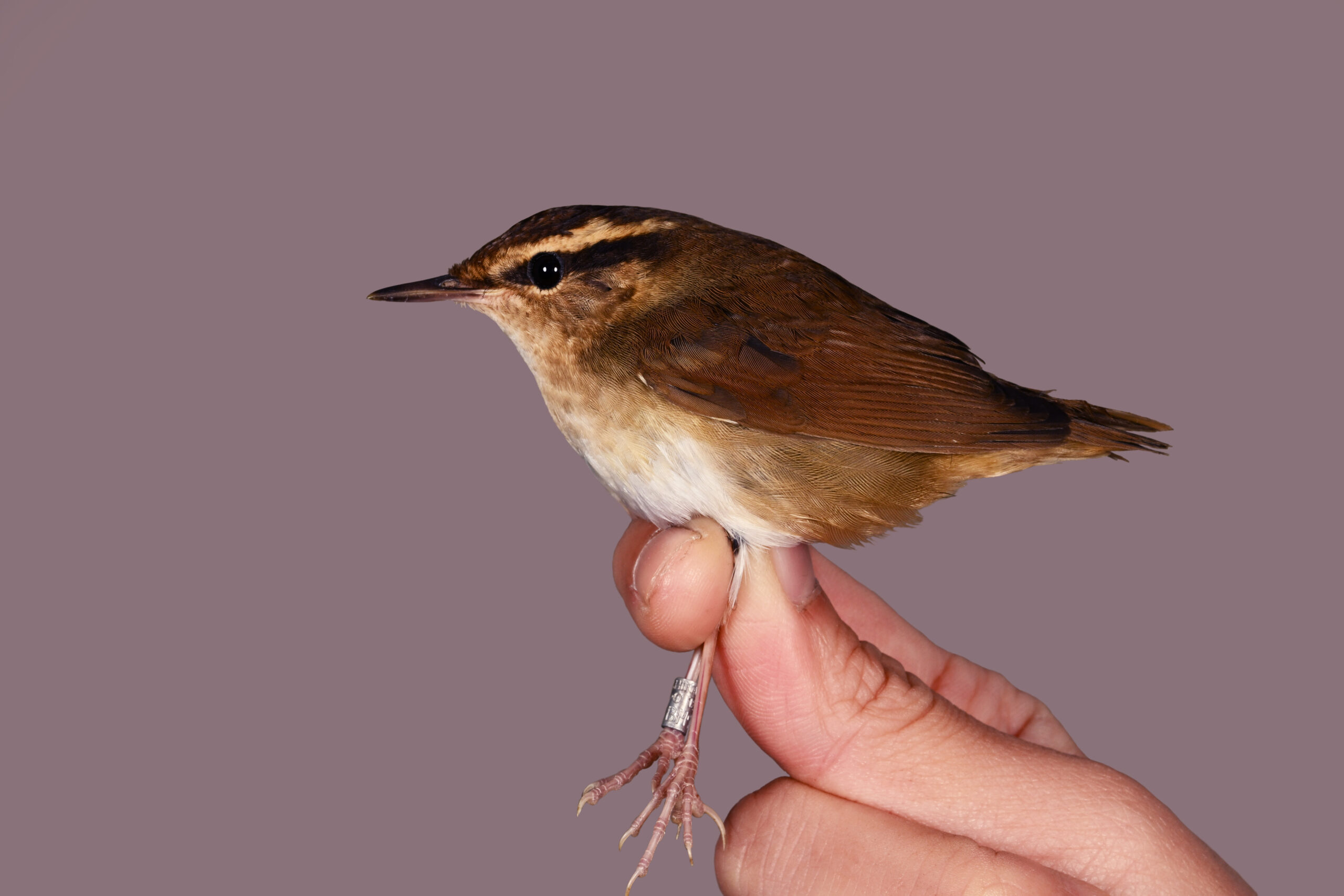
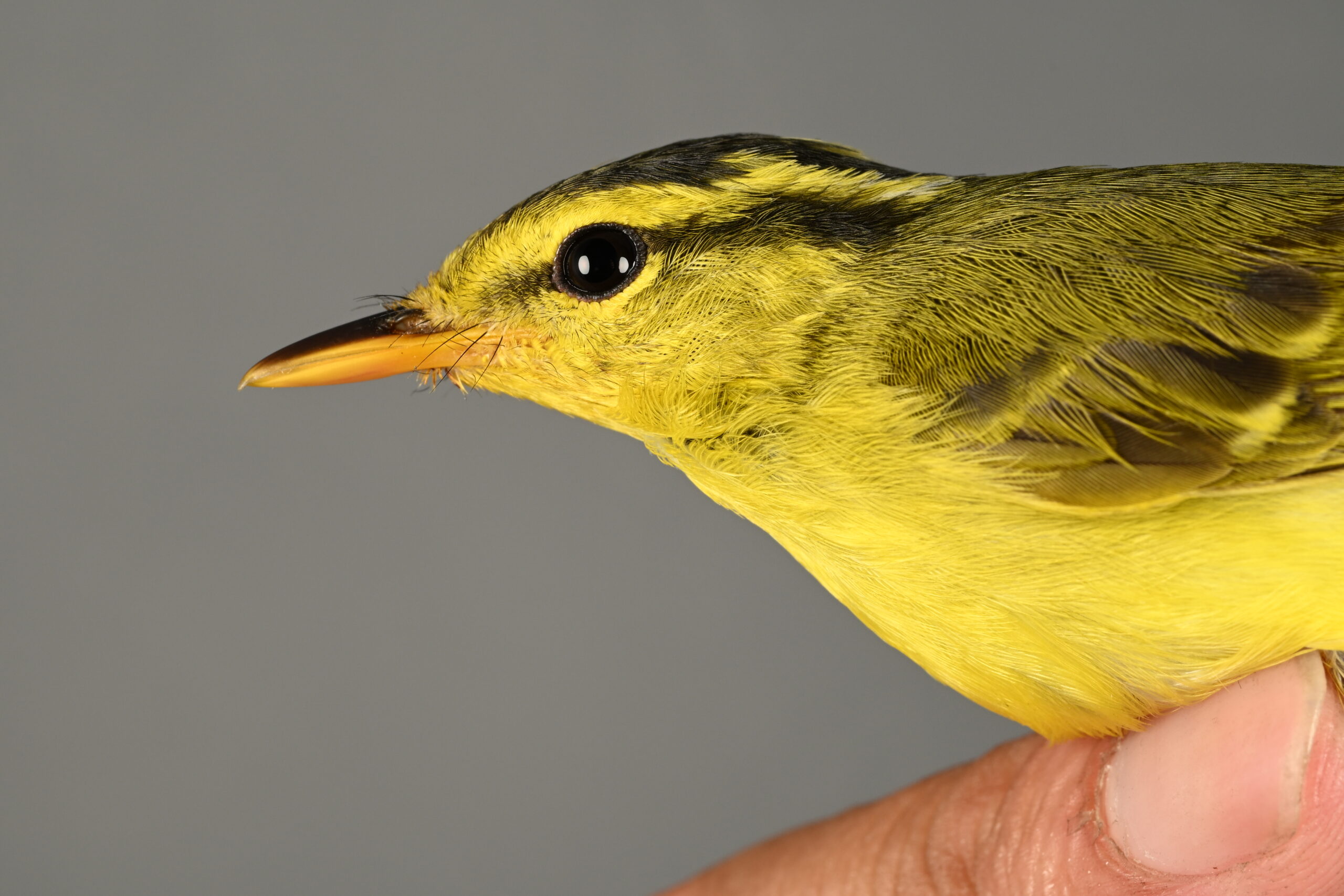
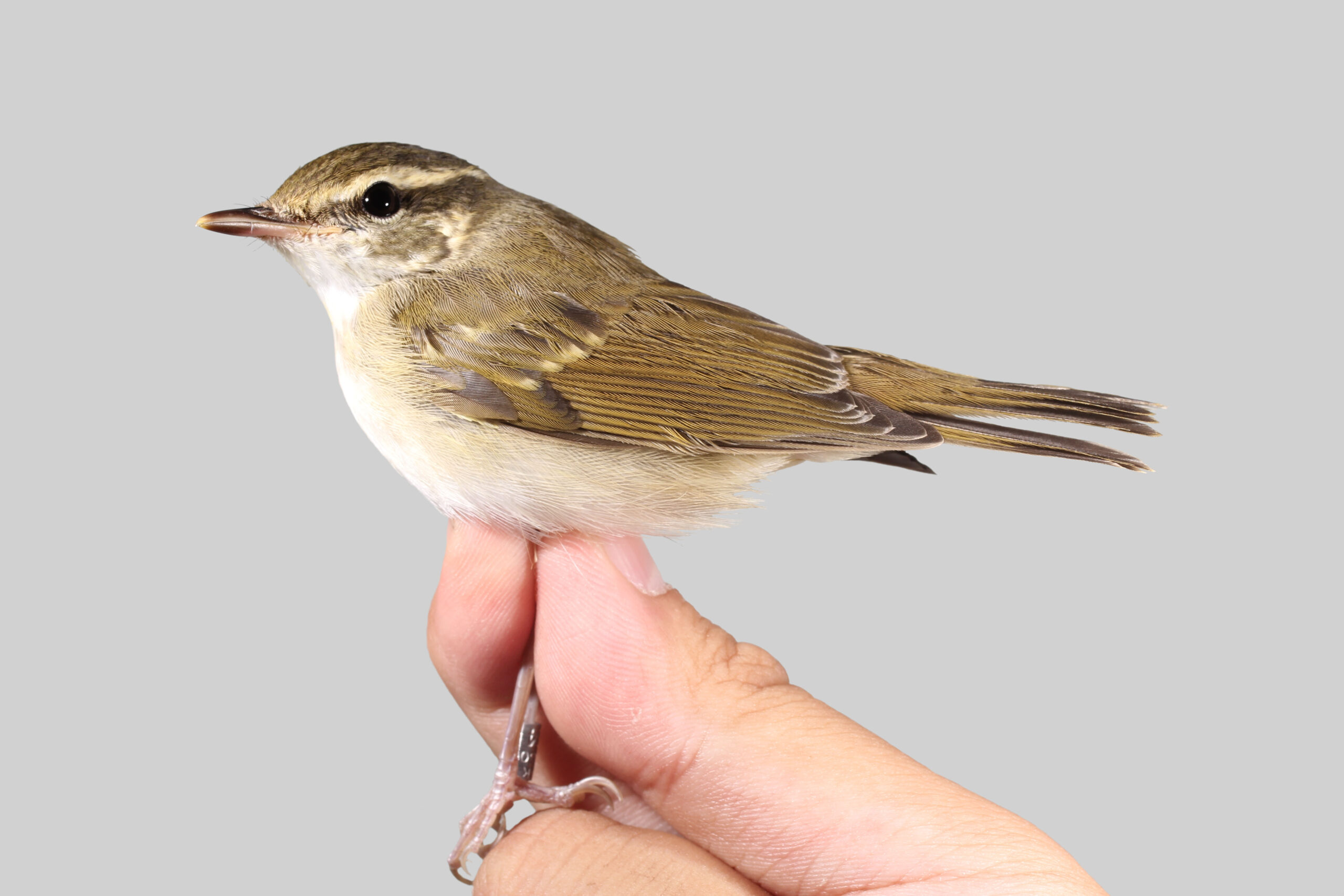
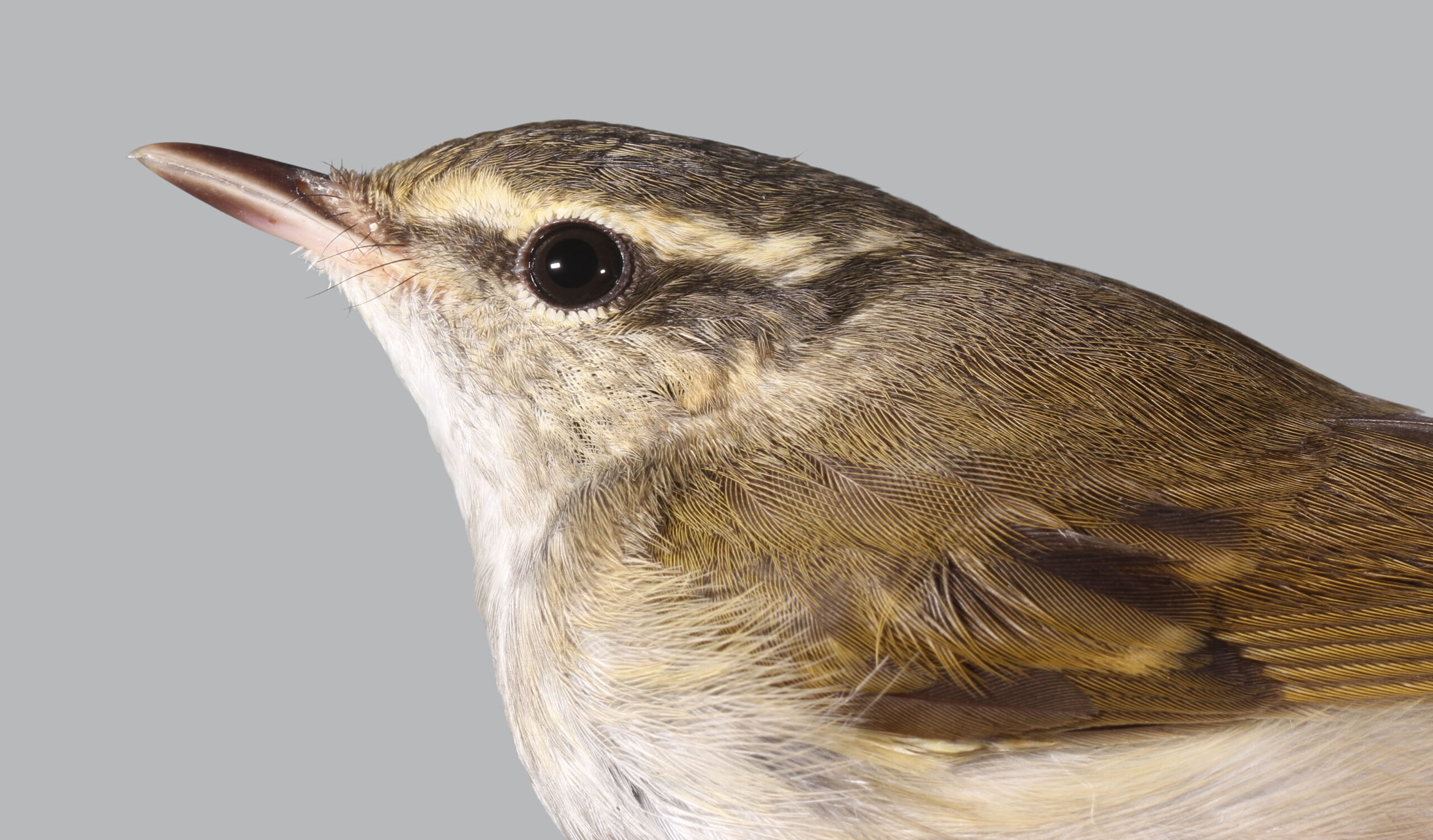
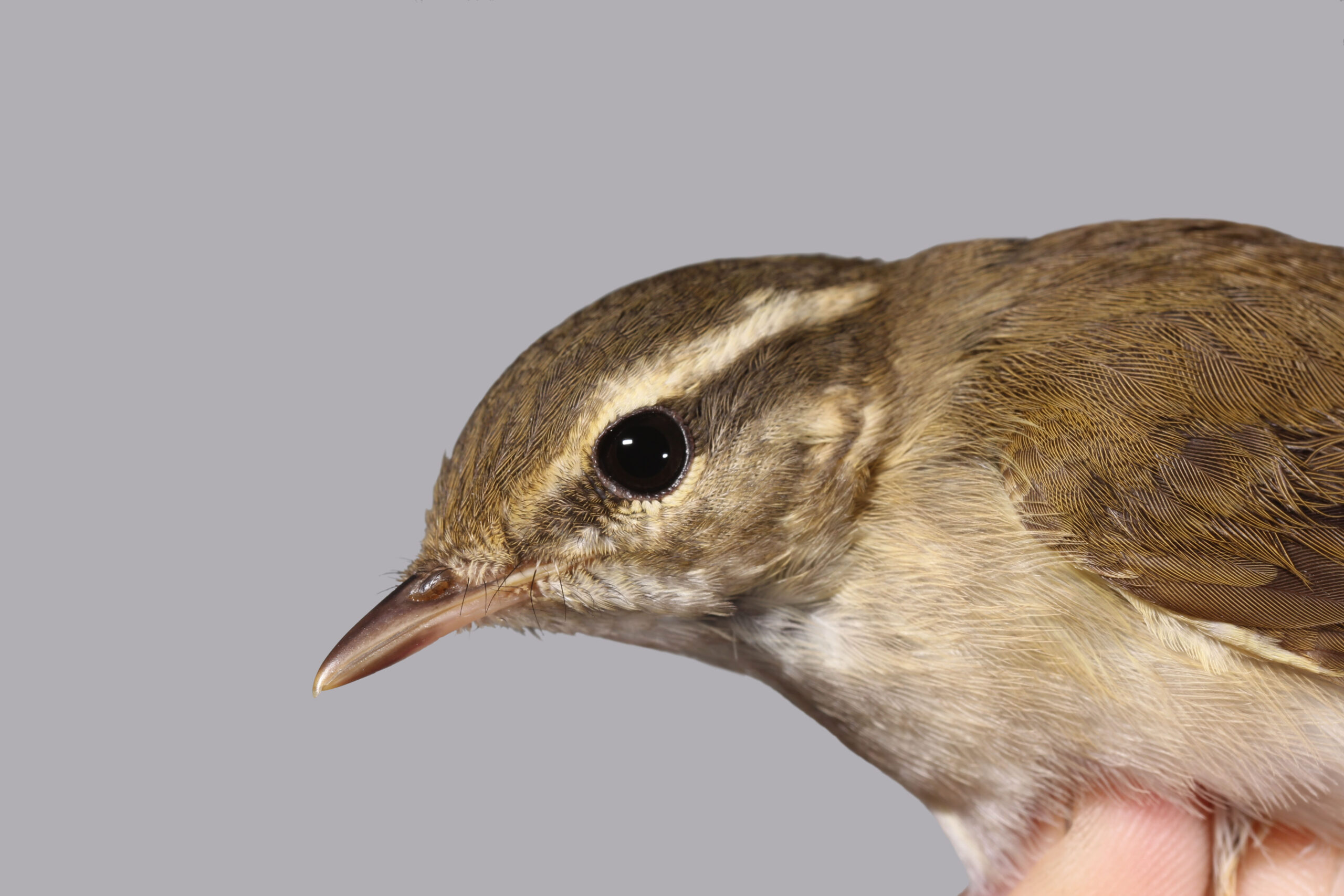
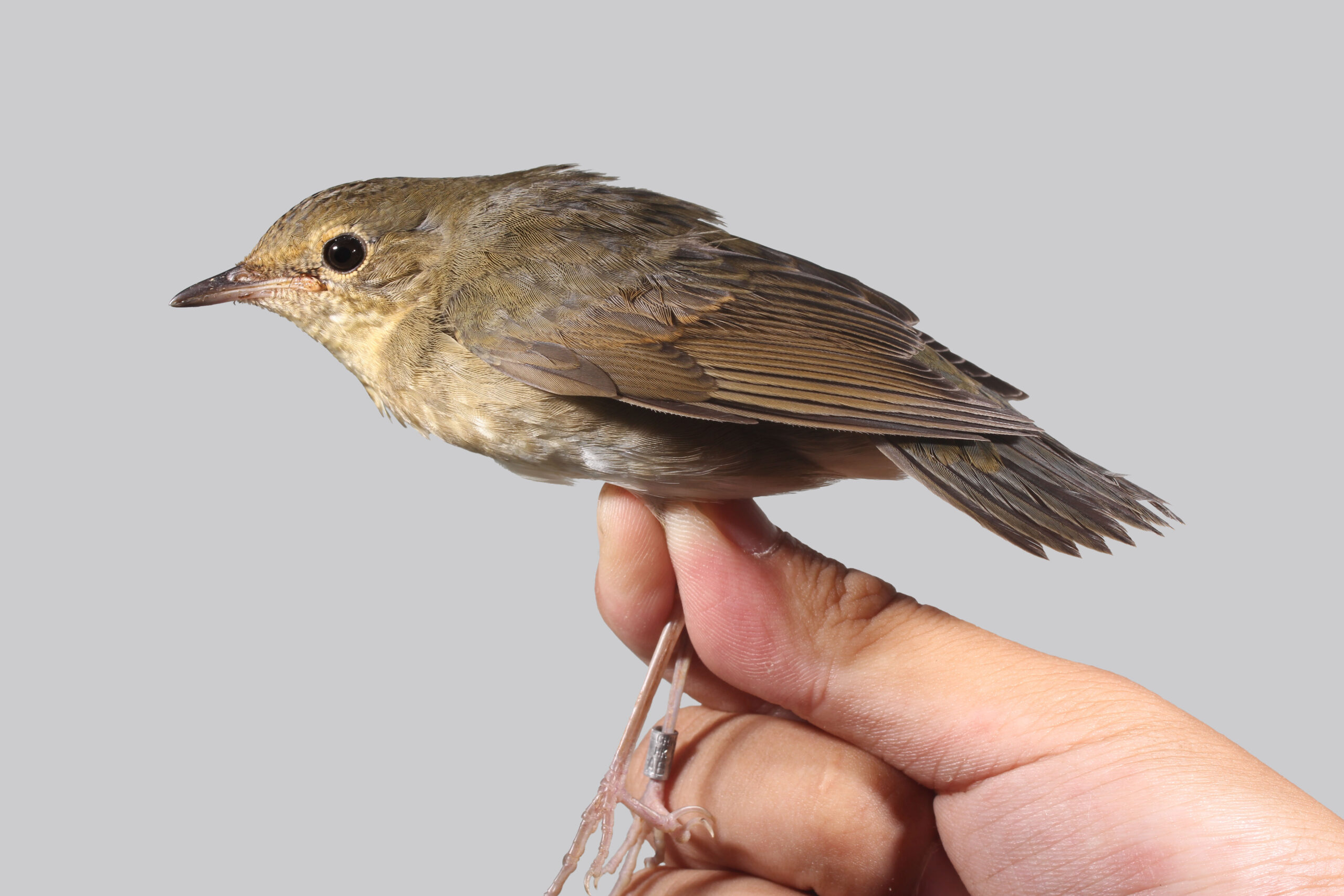
Before long, it became clear that the bulk of our day was going to be the little beauties seen below: Pale-legged Leaf Warblers. These little migrants are usually quite hard to spot, but can be heard by their cricket-like calls- distingishing them from the almost identical Sakhalin Leaf Warbler.
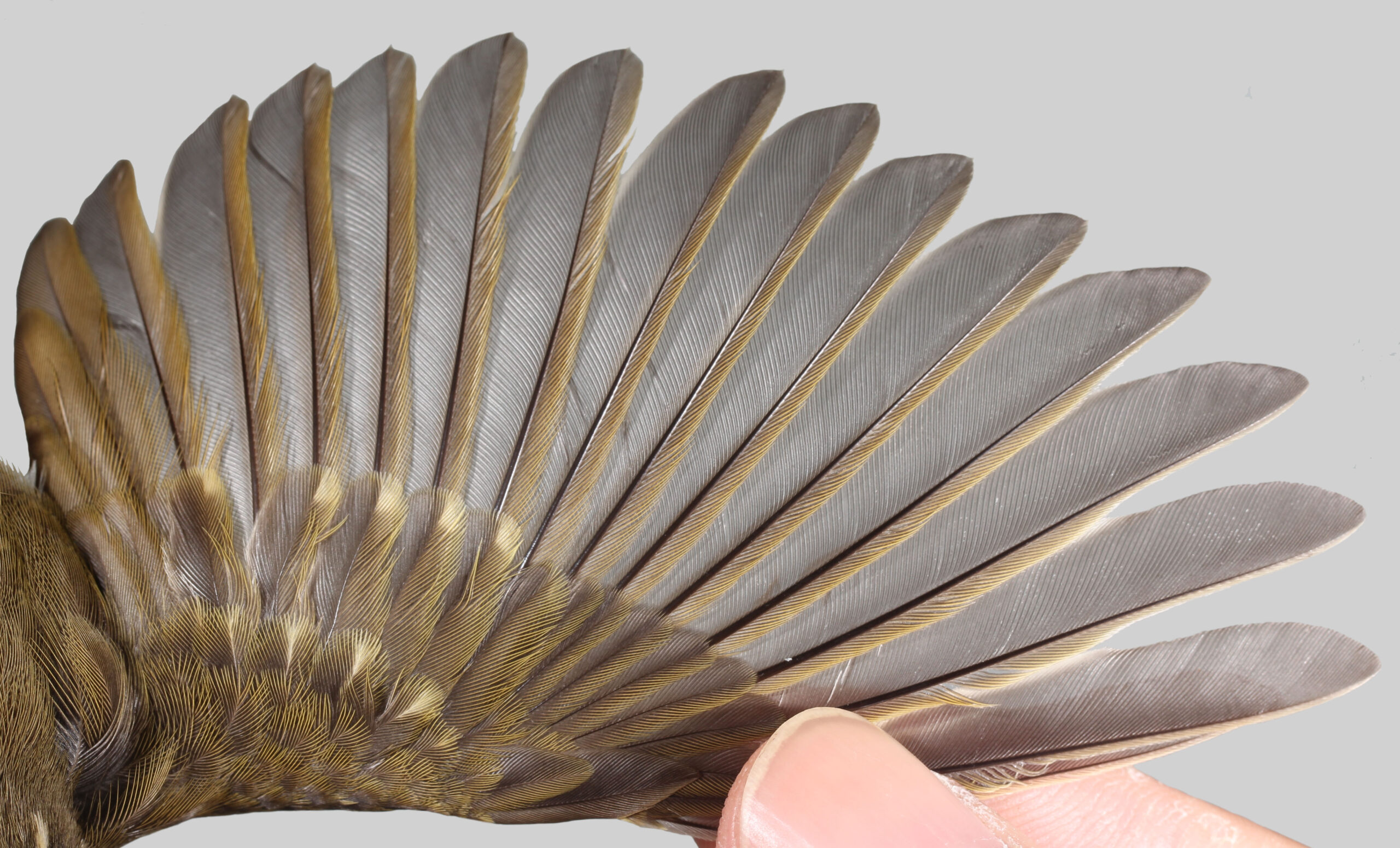
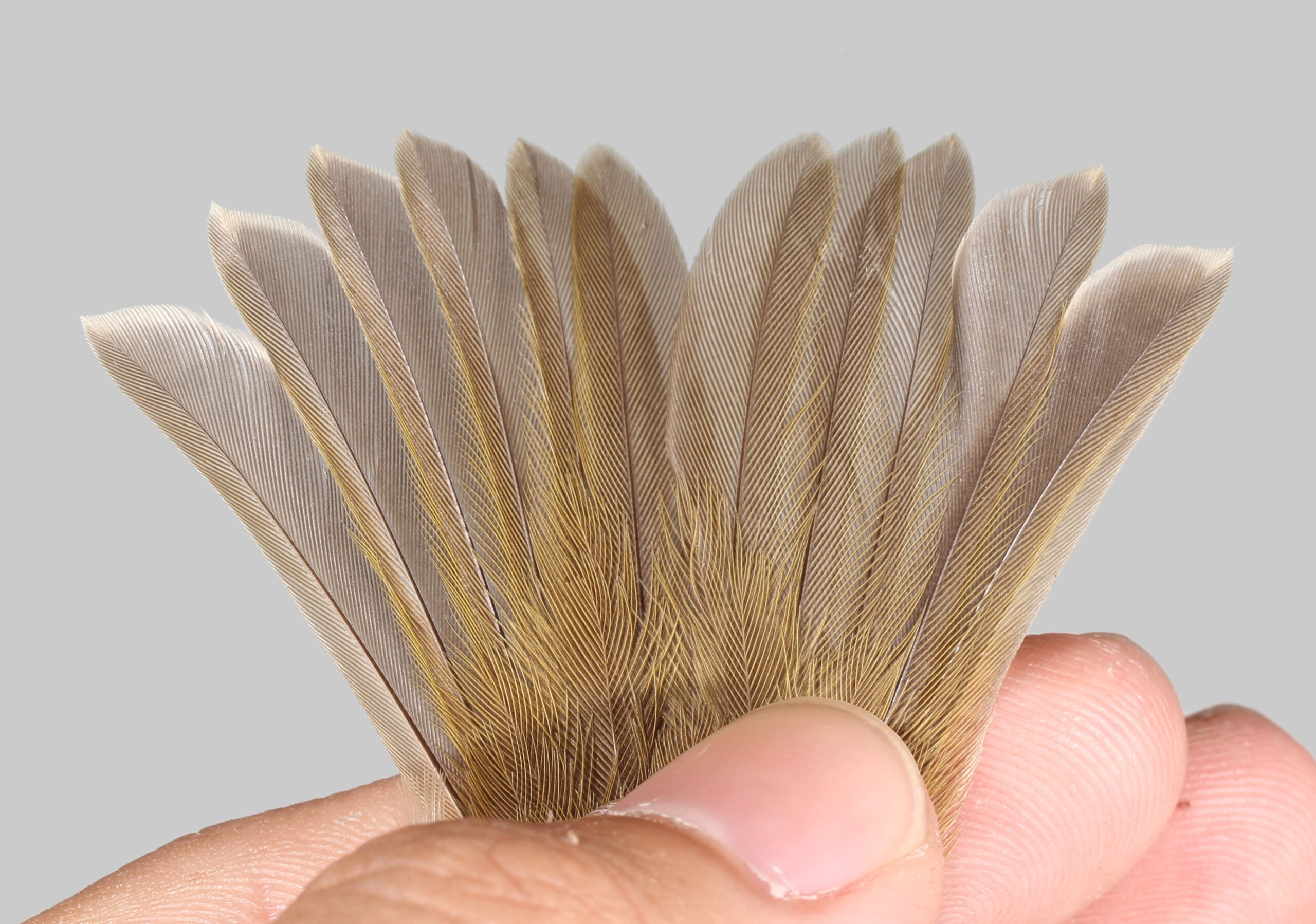
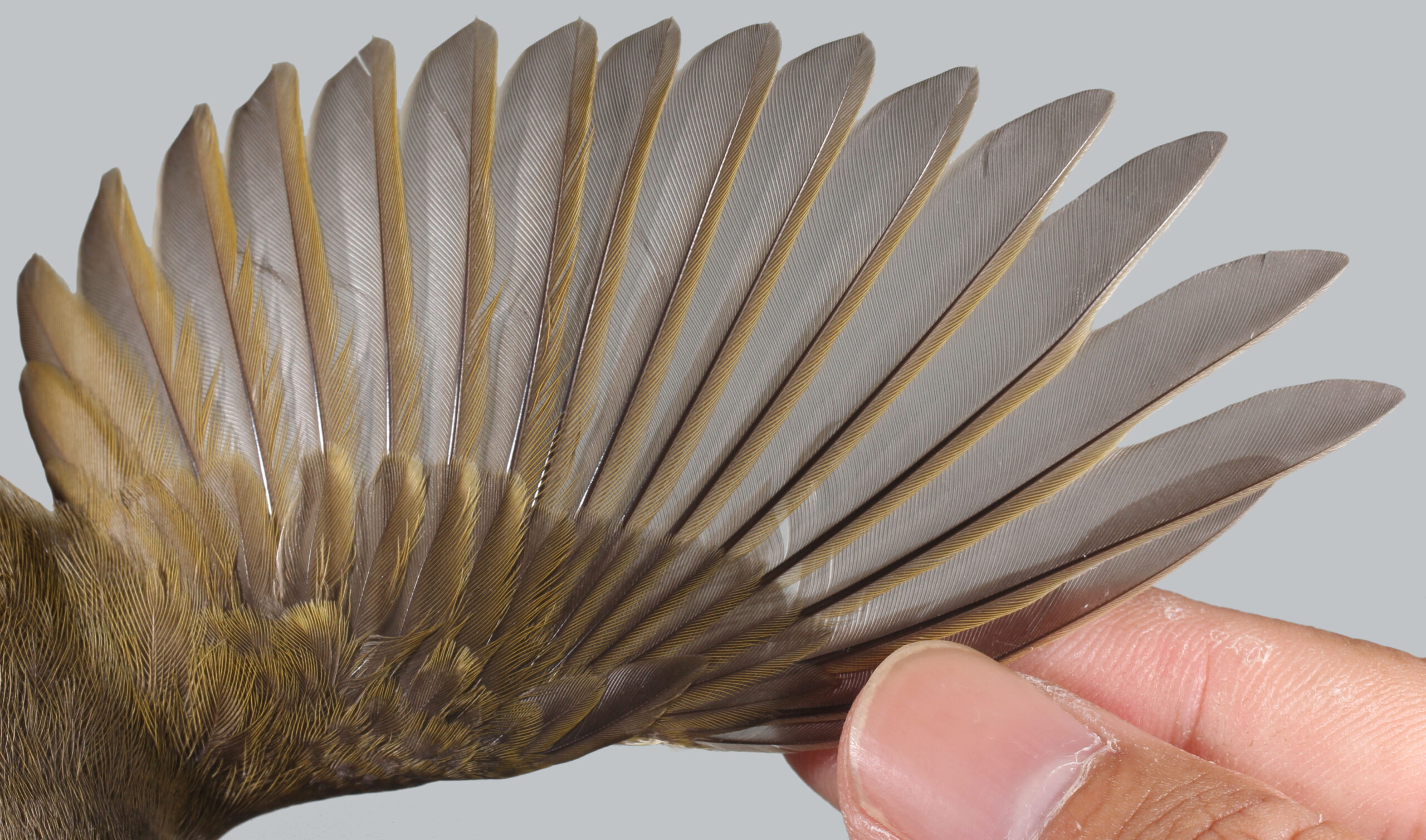
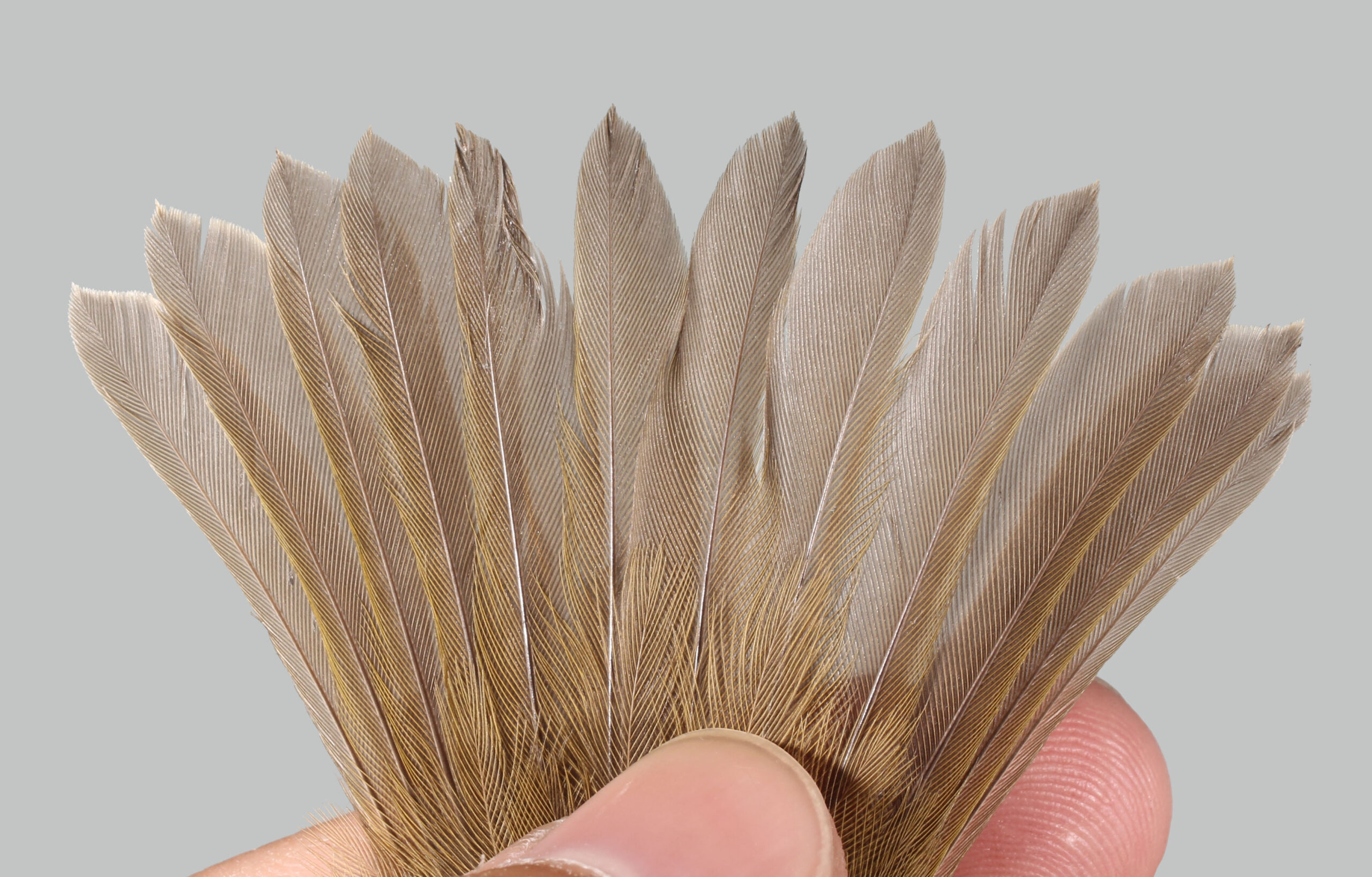
This species is notouriously hard to age, with the adults undertaking a Summer Complete moult and the juveniles a summer partial. It is thought most juveniles retain juvenile wing and tail feathers. However, the juveniles of this species seem to maintain a good quality to their feathers, making them hard to distinguish from adult feathers. One characteristic that we can use with this species is the undertail coverts, which are noticably more downy and “loosey” structured than adults. We also used skull development (pneumatisation), with some caution as the date that juveniles fully develop their skull is unknown. Below are three examples of 1st calendar year birds.
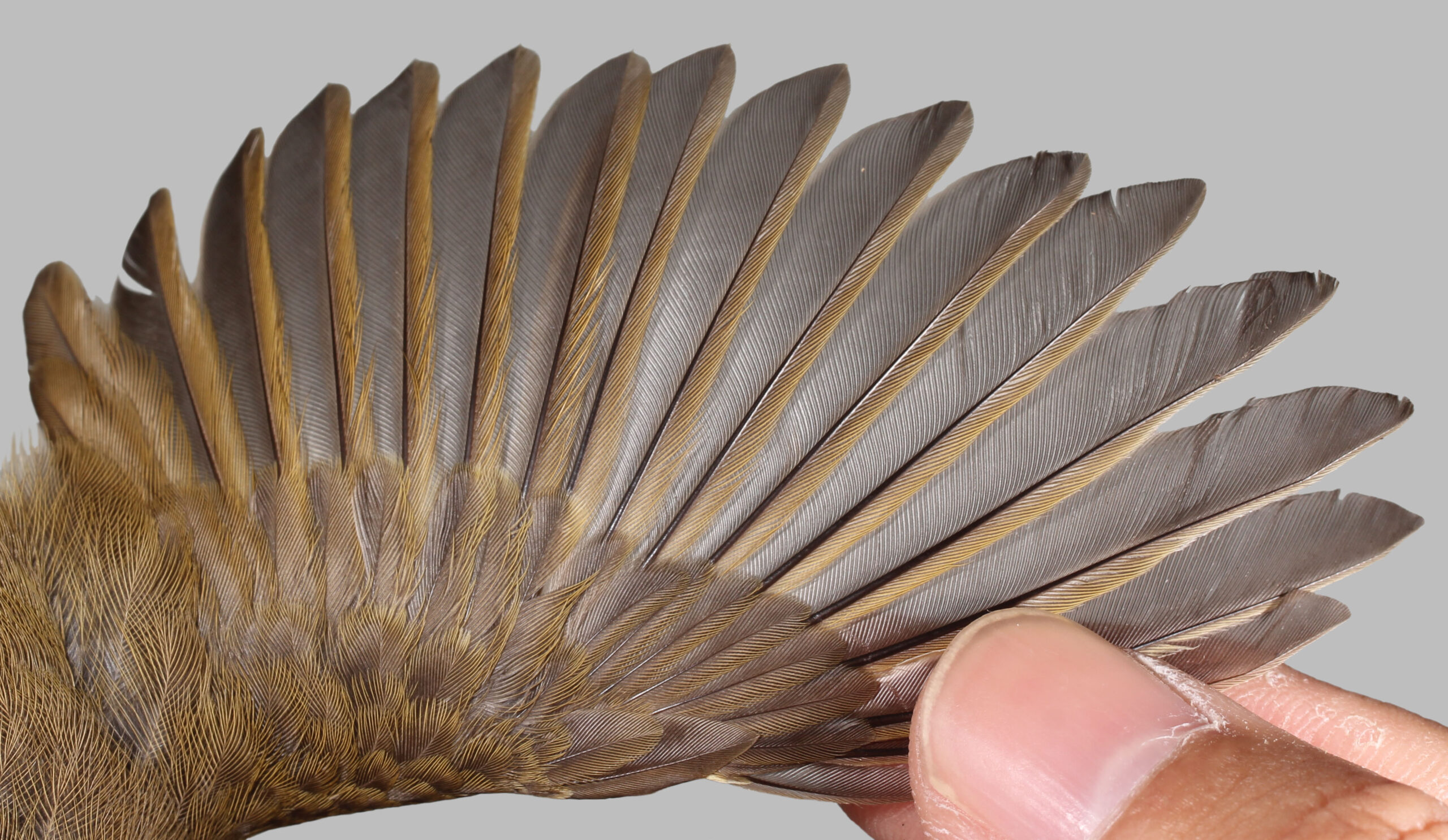
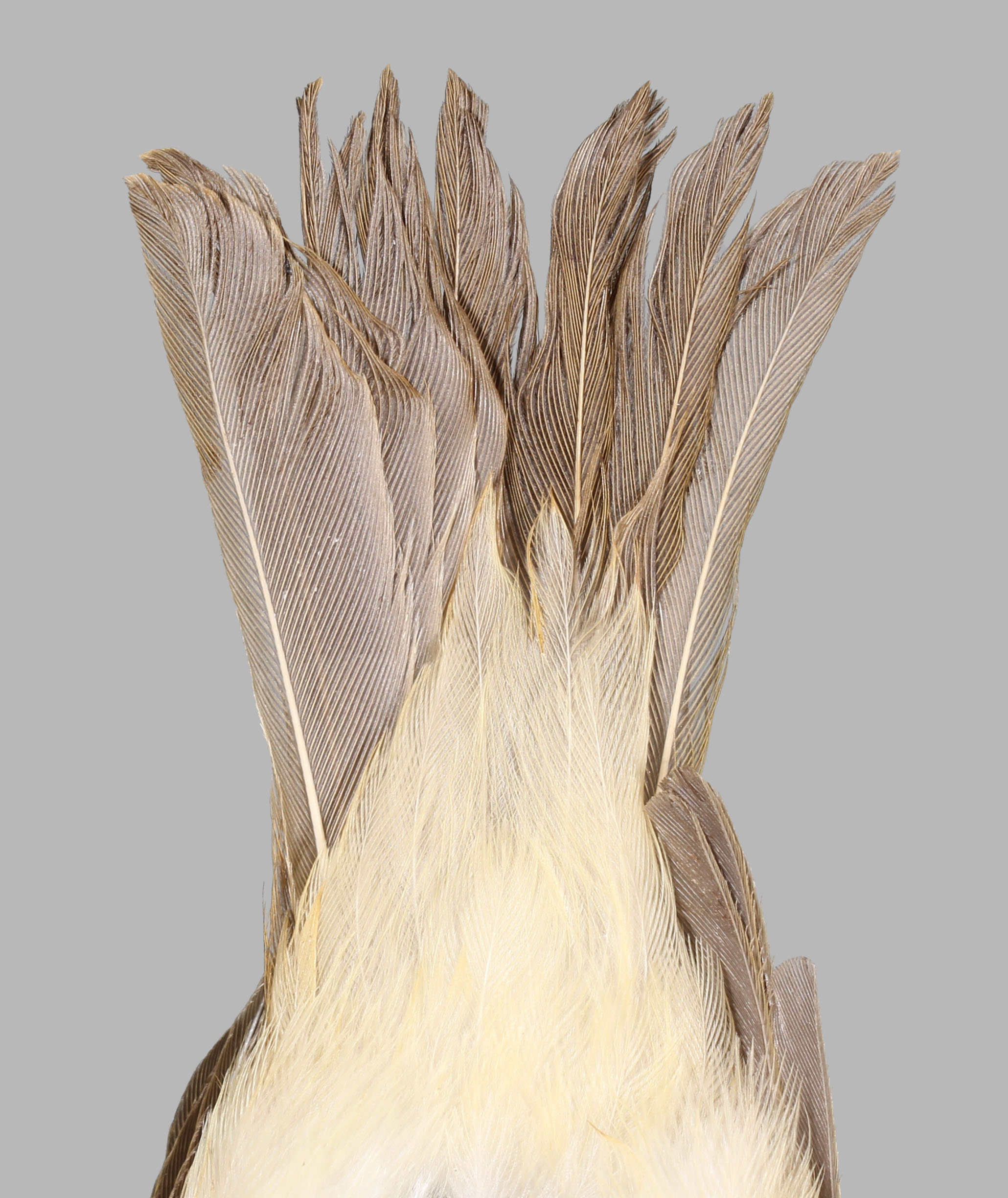
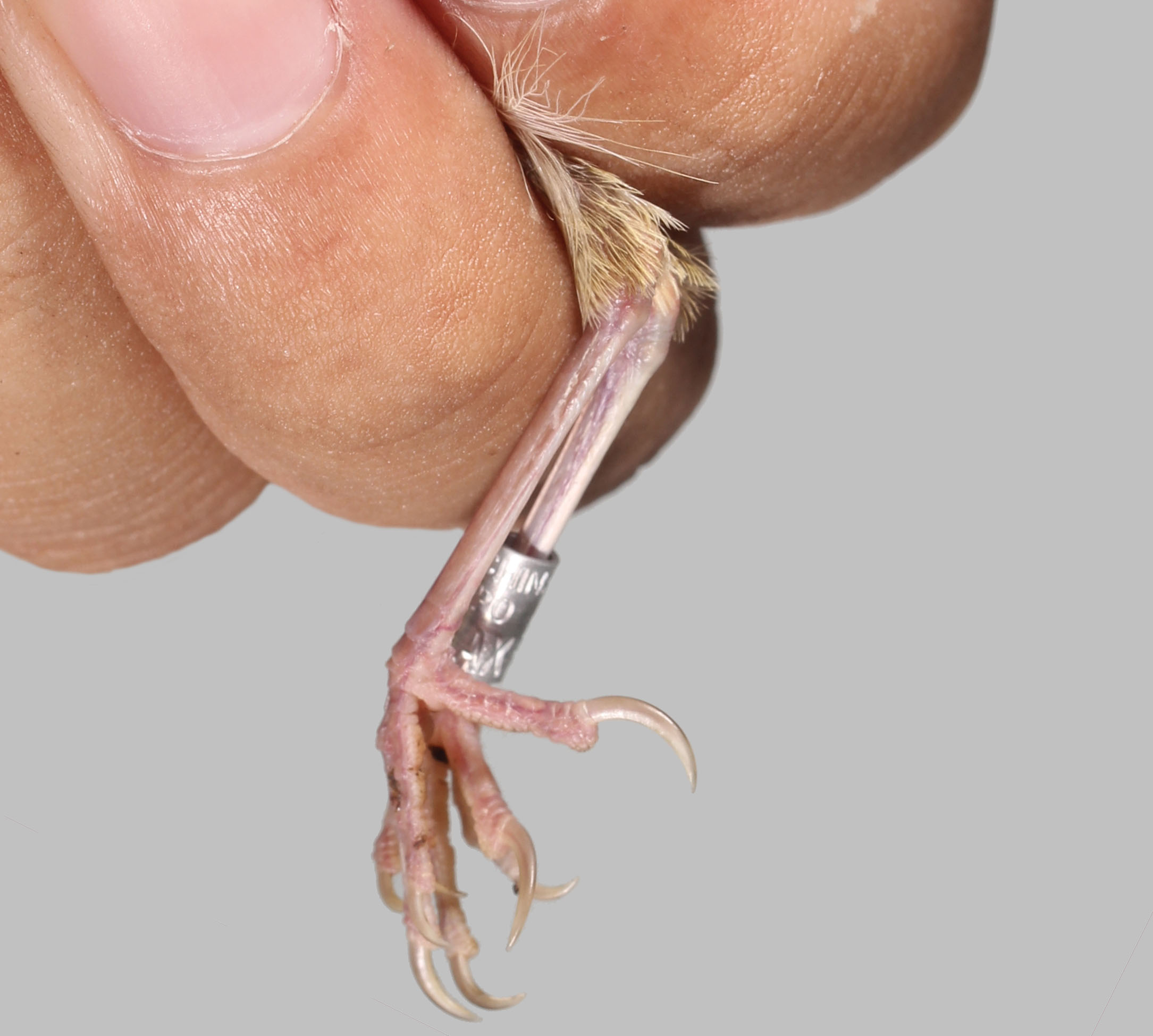
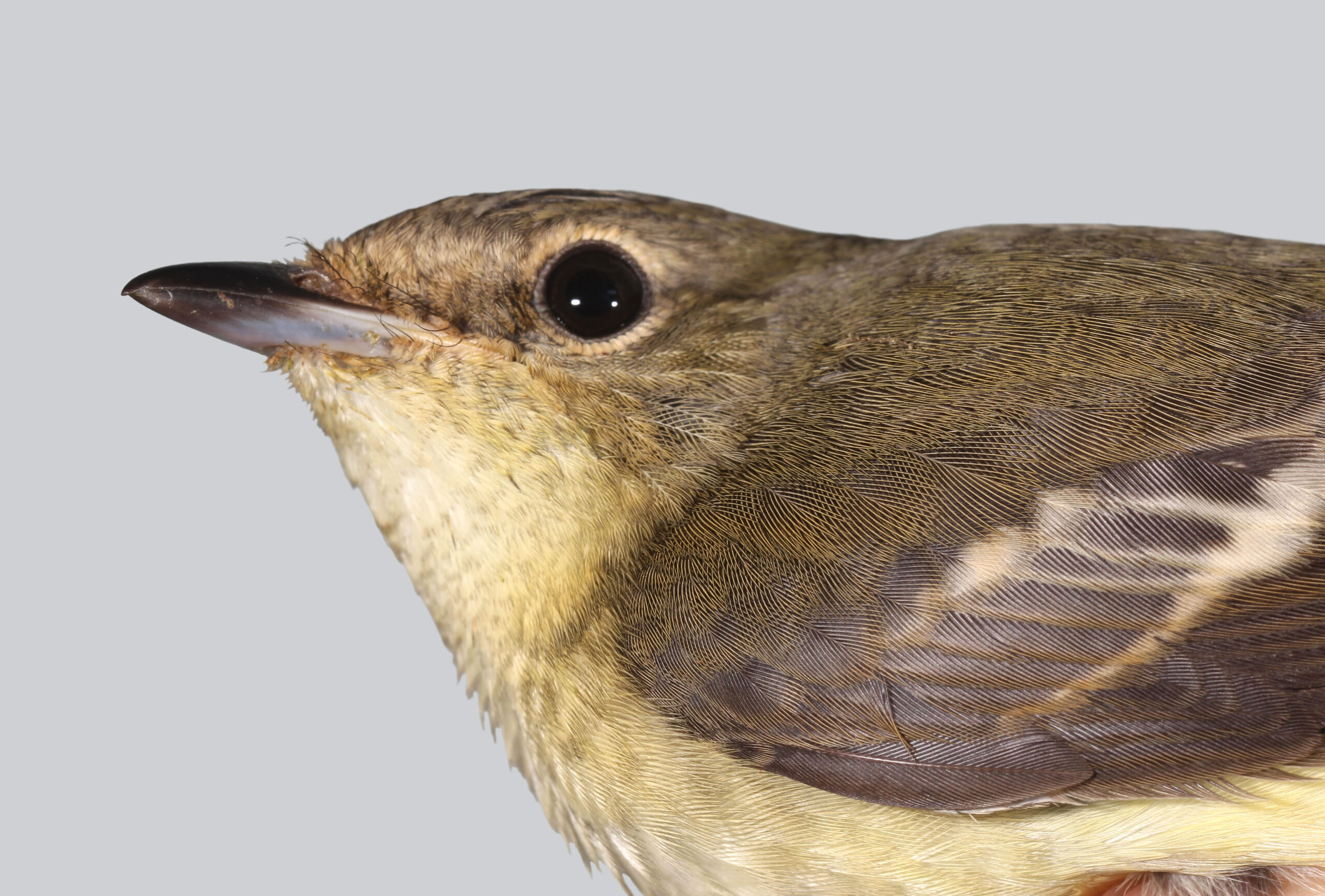
Next up today we had two Yellow-rumped Flycatchers! These two are the first and second Yellow-rumped Flycatchers to be caught by HKBWS! Both proved to be 1st calendar year birds (seen by the moult limit in the GCs), and thus cannot be sexed yet.
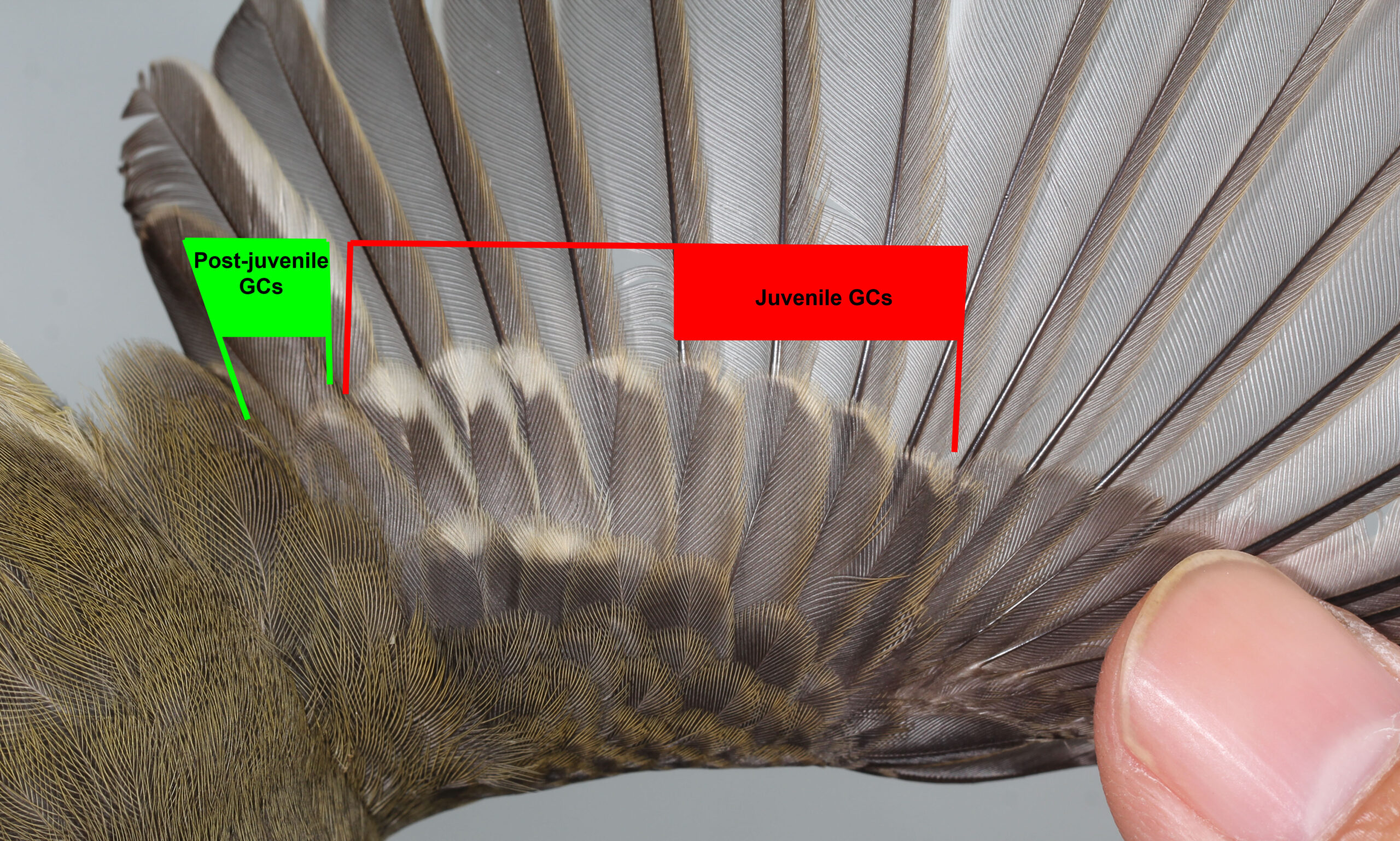
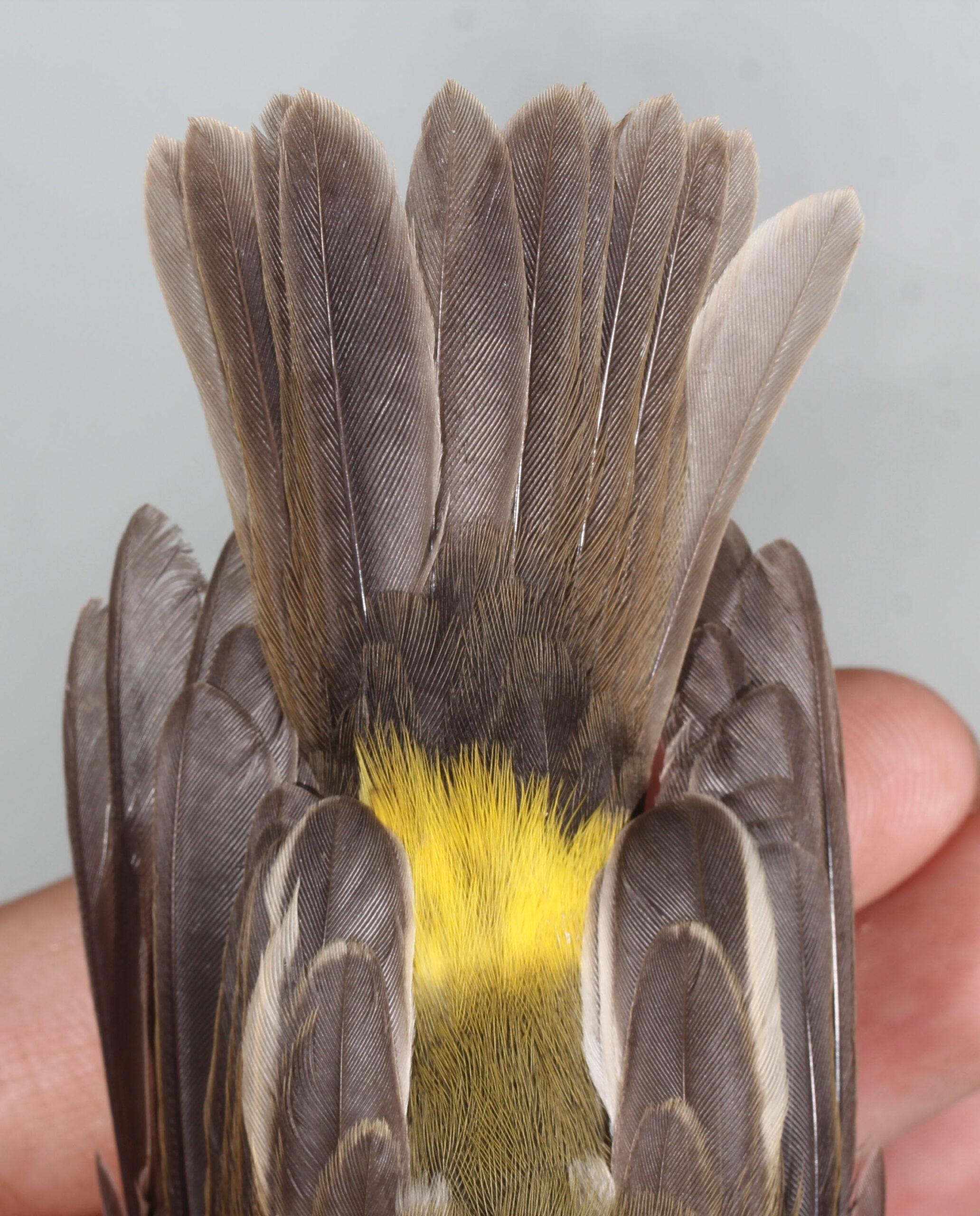
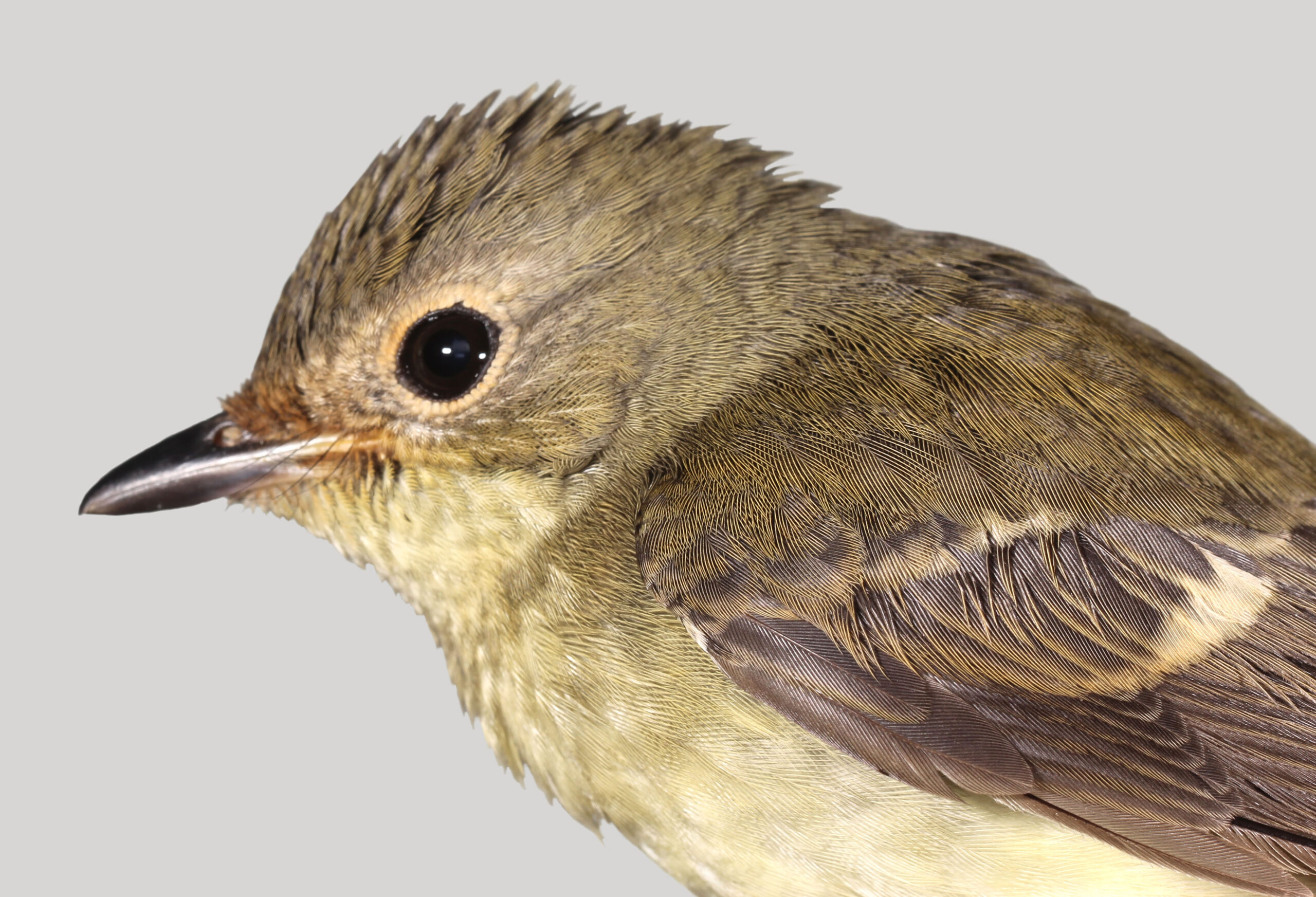
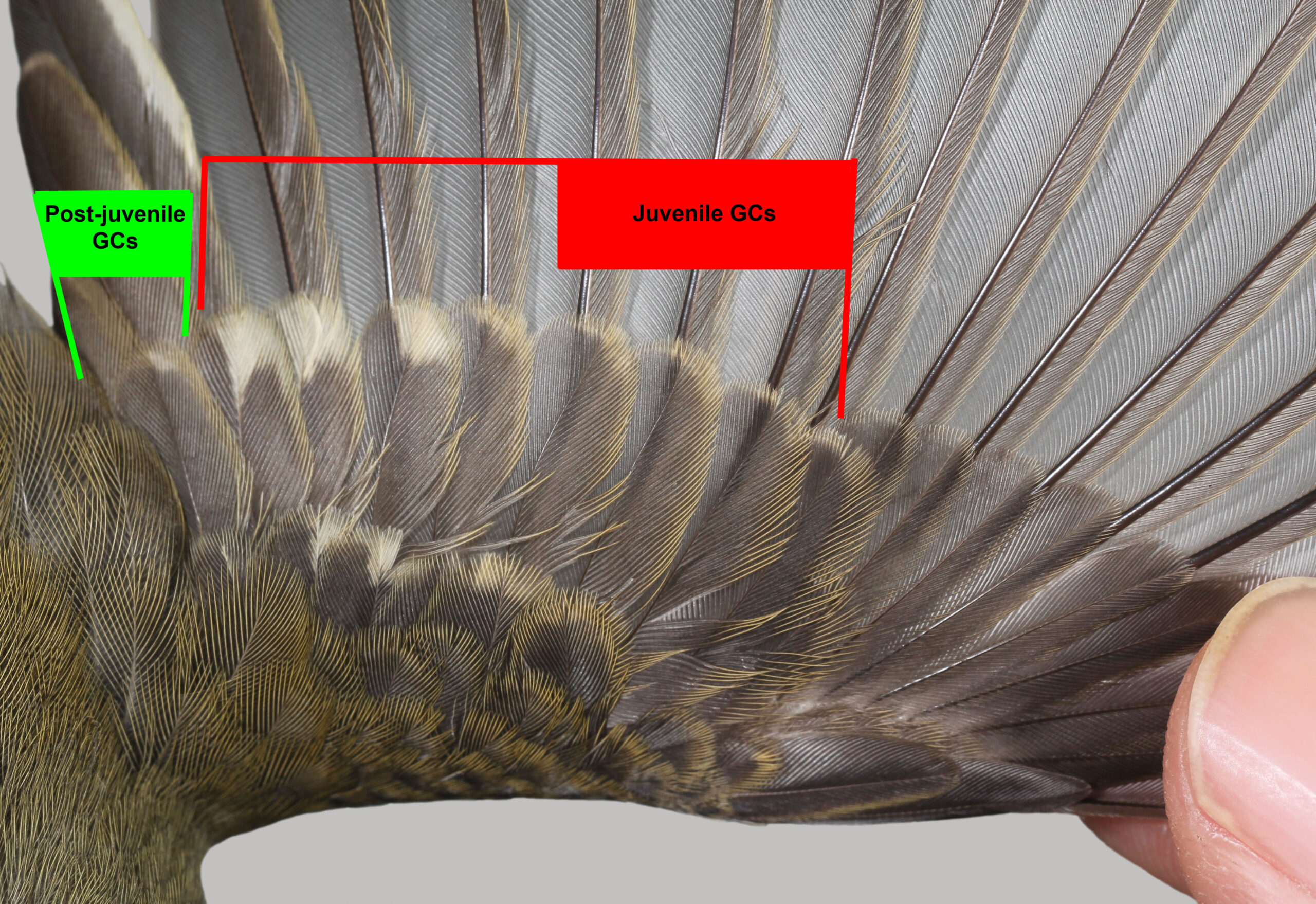
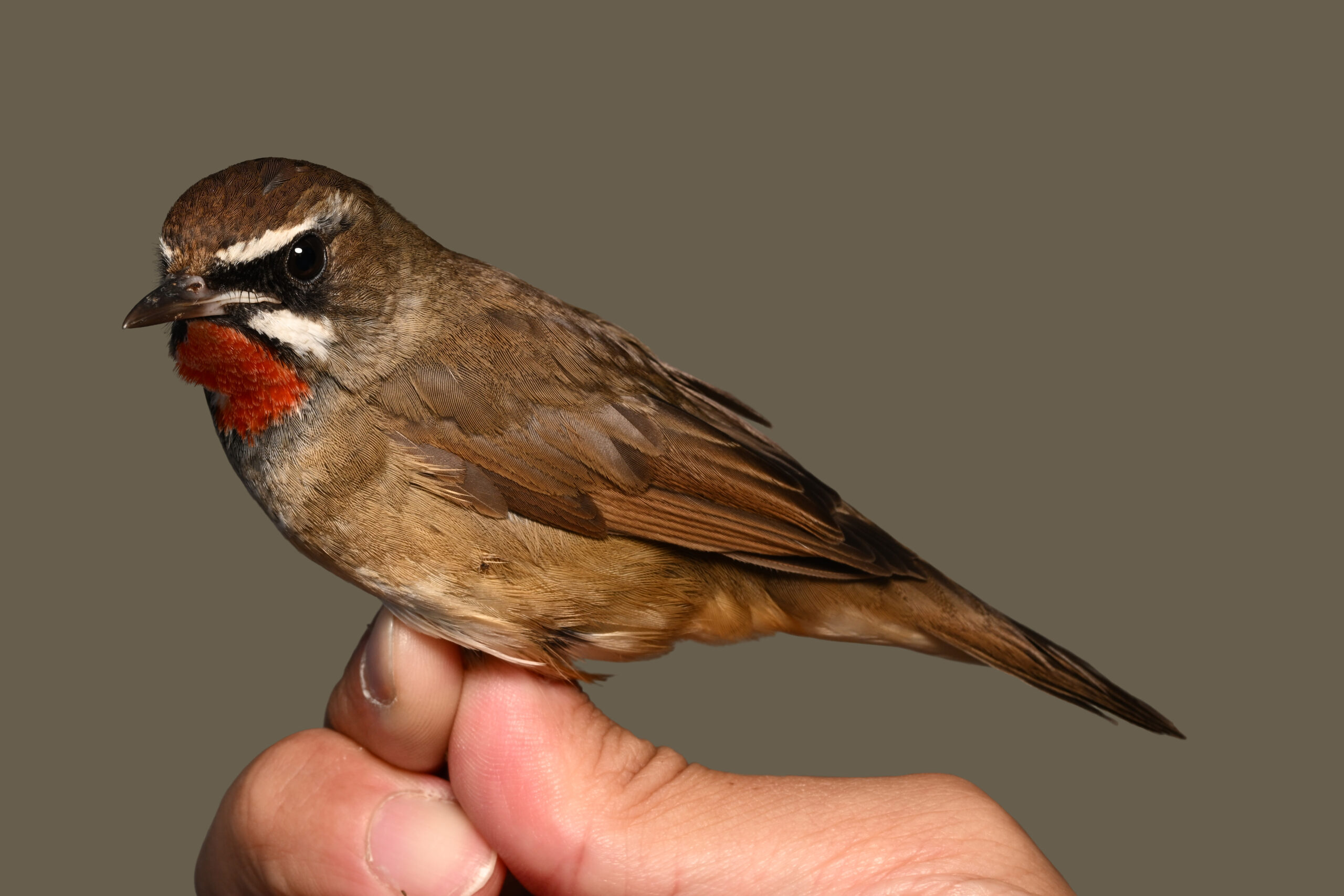
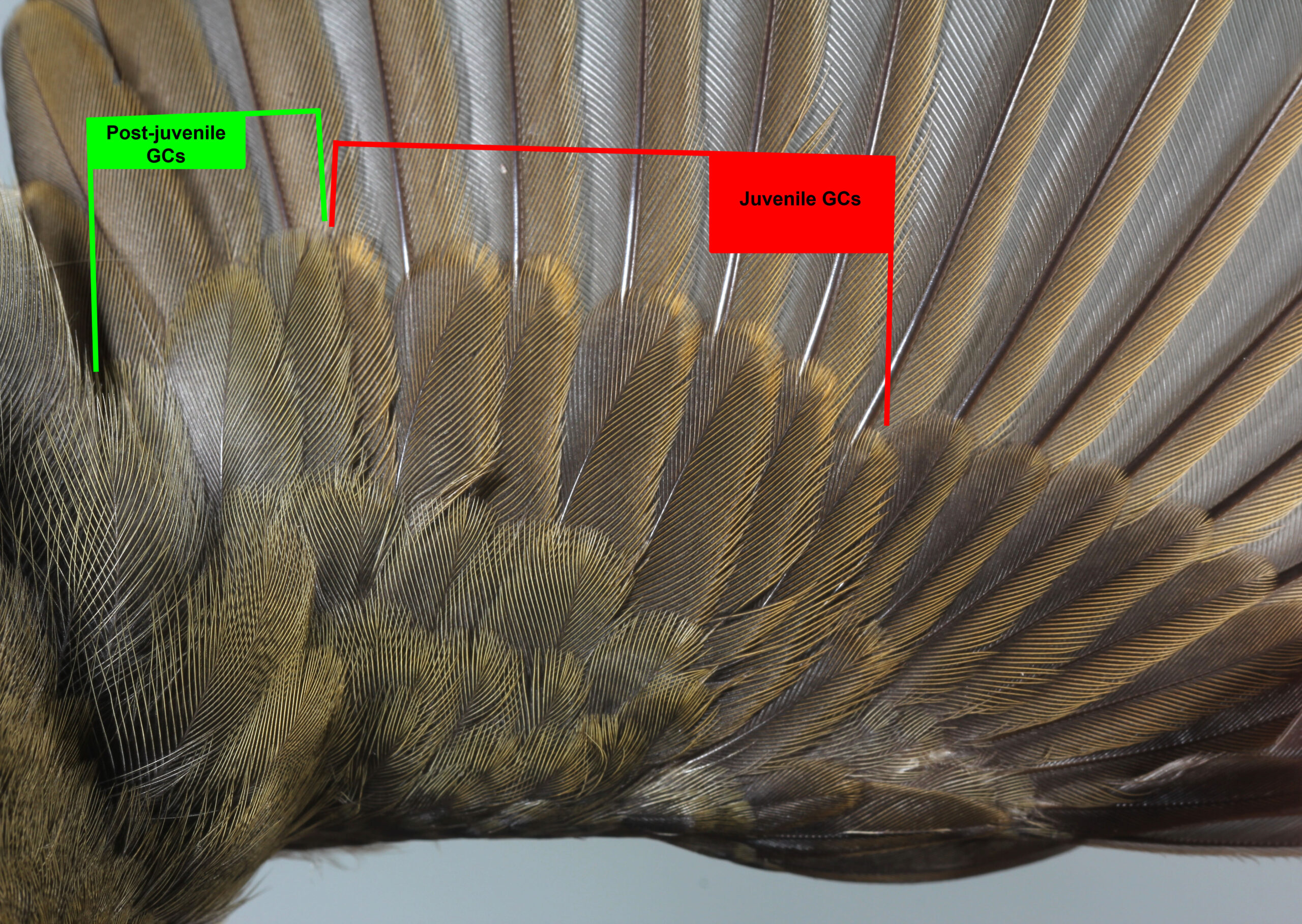
Next up we had another Siberian Blue Robin! This individual was found to be a juvenile; determined by the moult limit in the wing. This individual had 7 retained juvenile GCs, and 3 moulted post-juvenile GCs, determined by the difference in shape, wear and pattern (juvenile GCs in this case have orange notches to the end of the feathers). Due to the lack of blue in the body and tail feathers, we determined this bird to be a female.
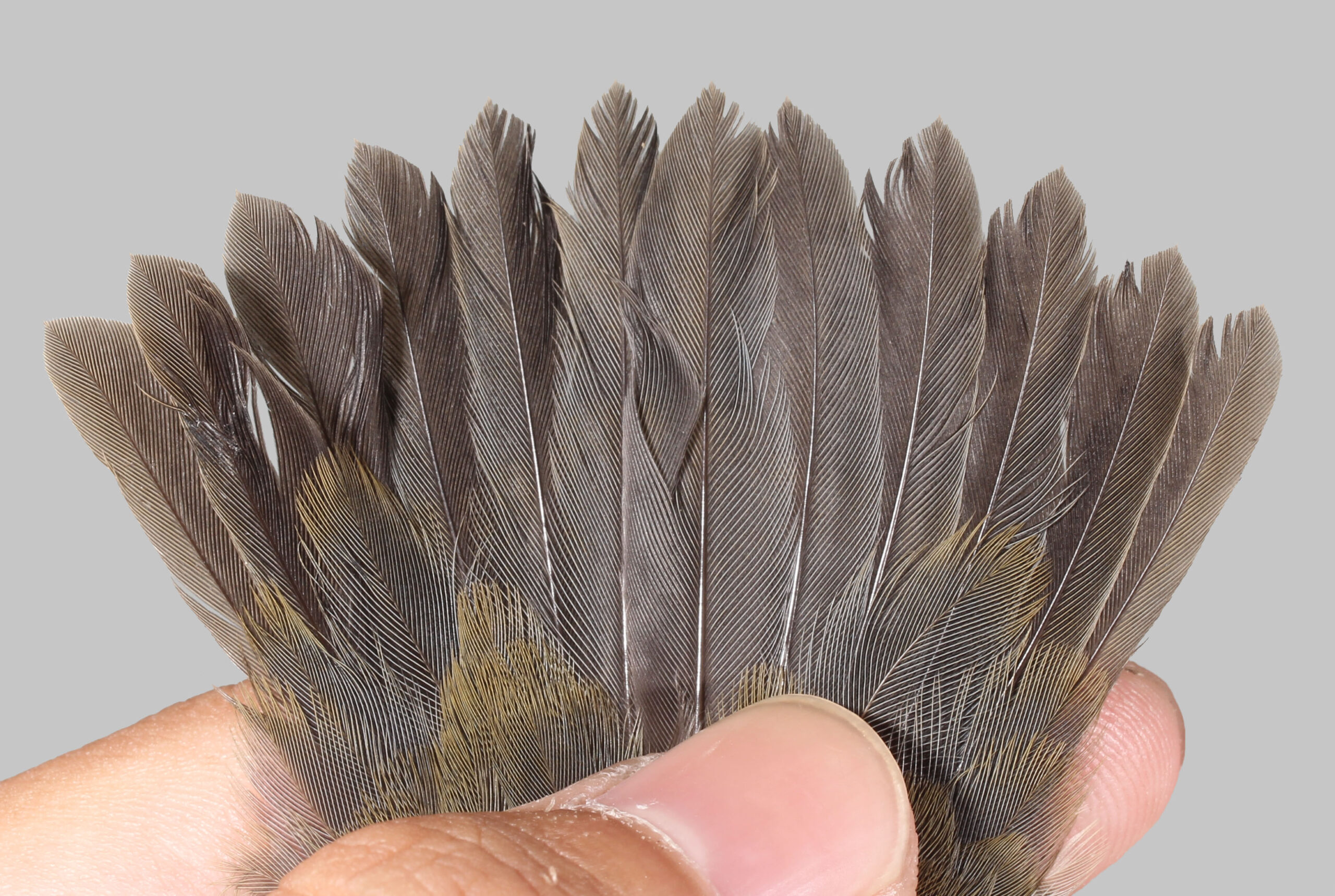
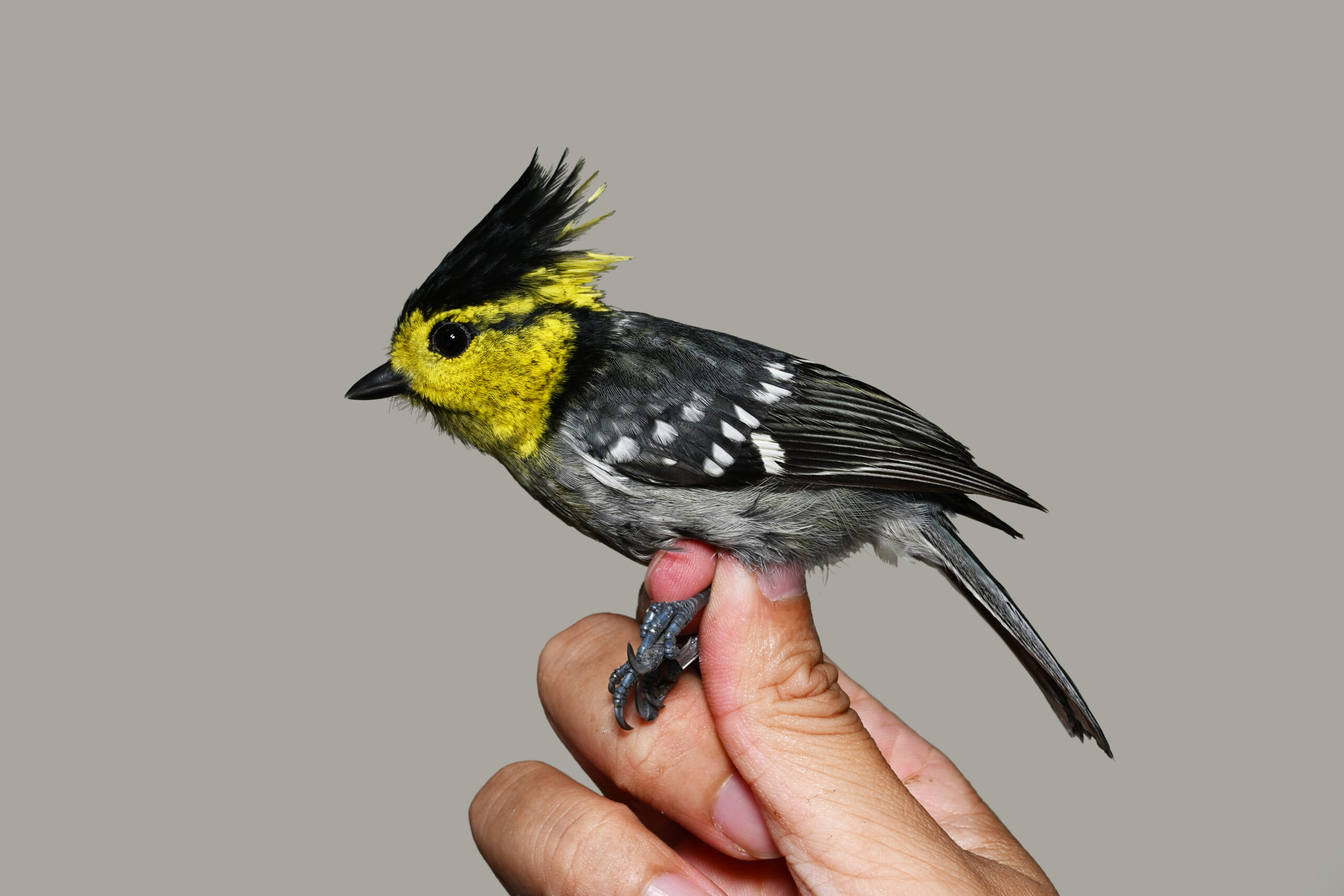
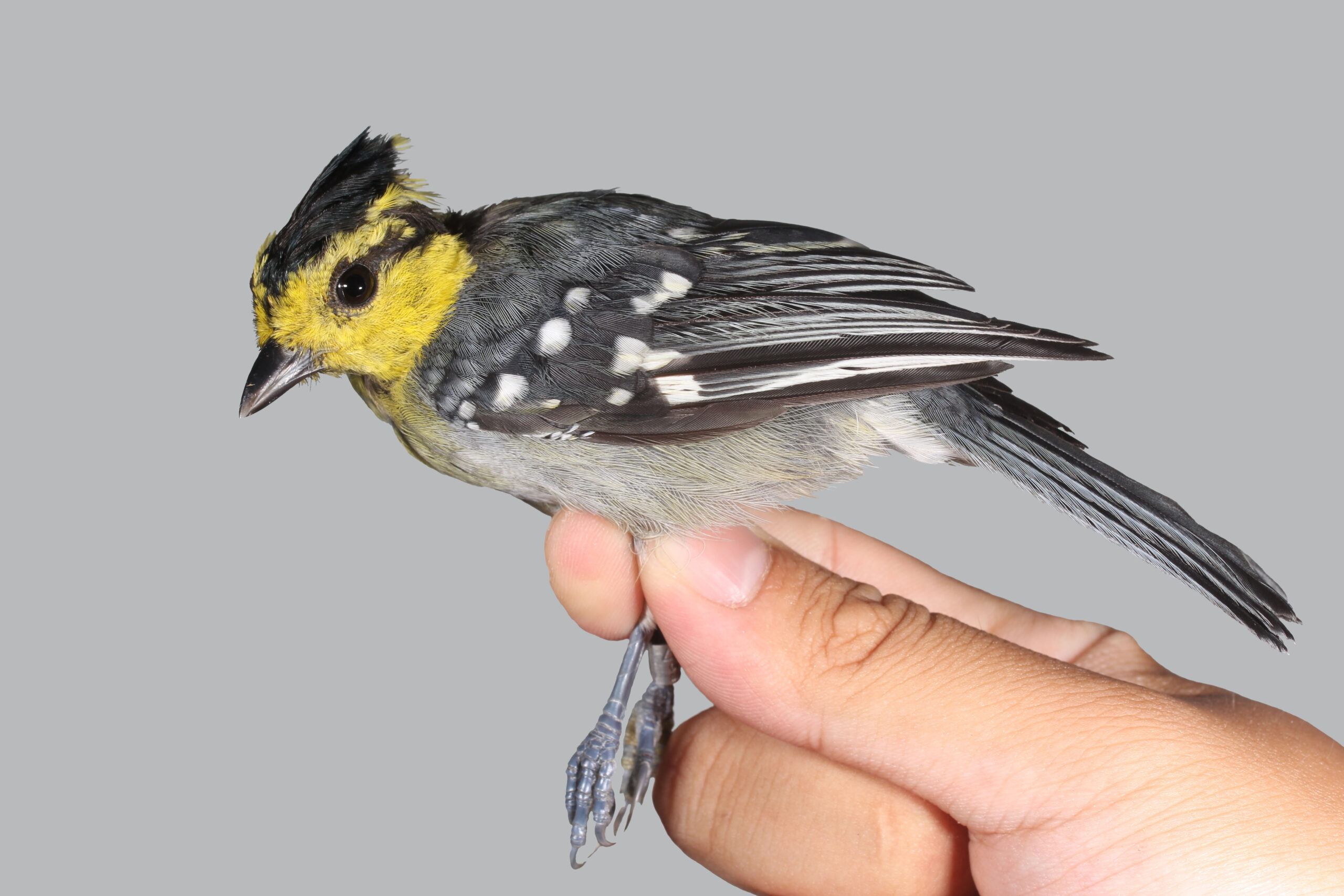
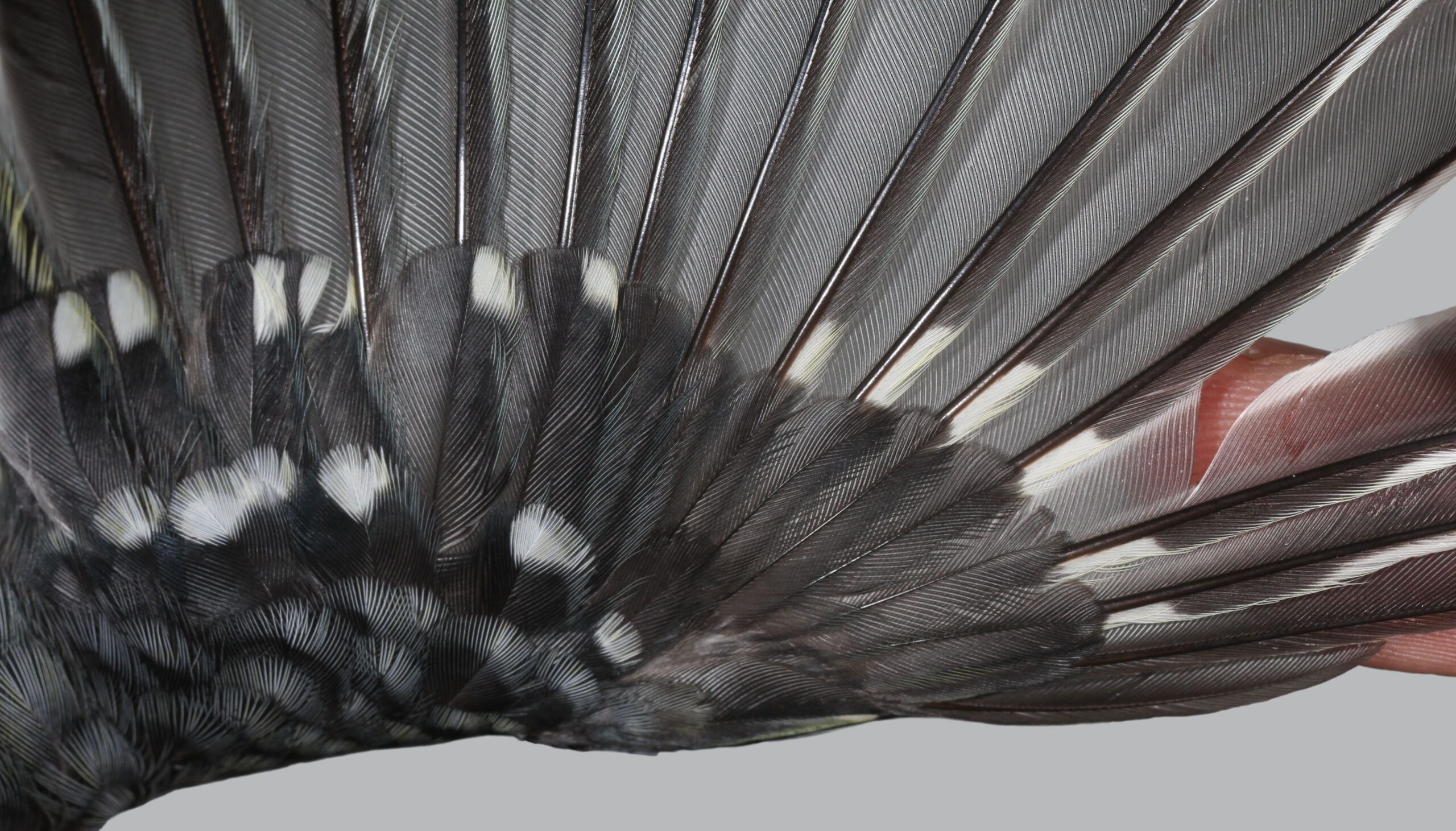
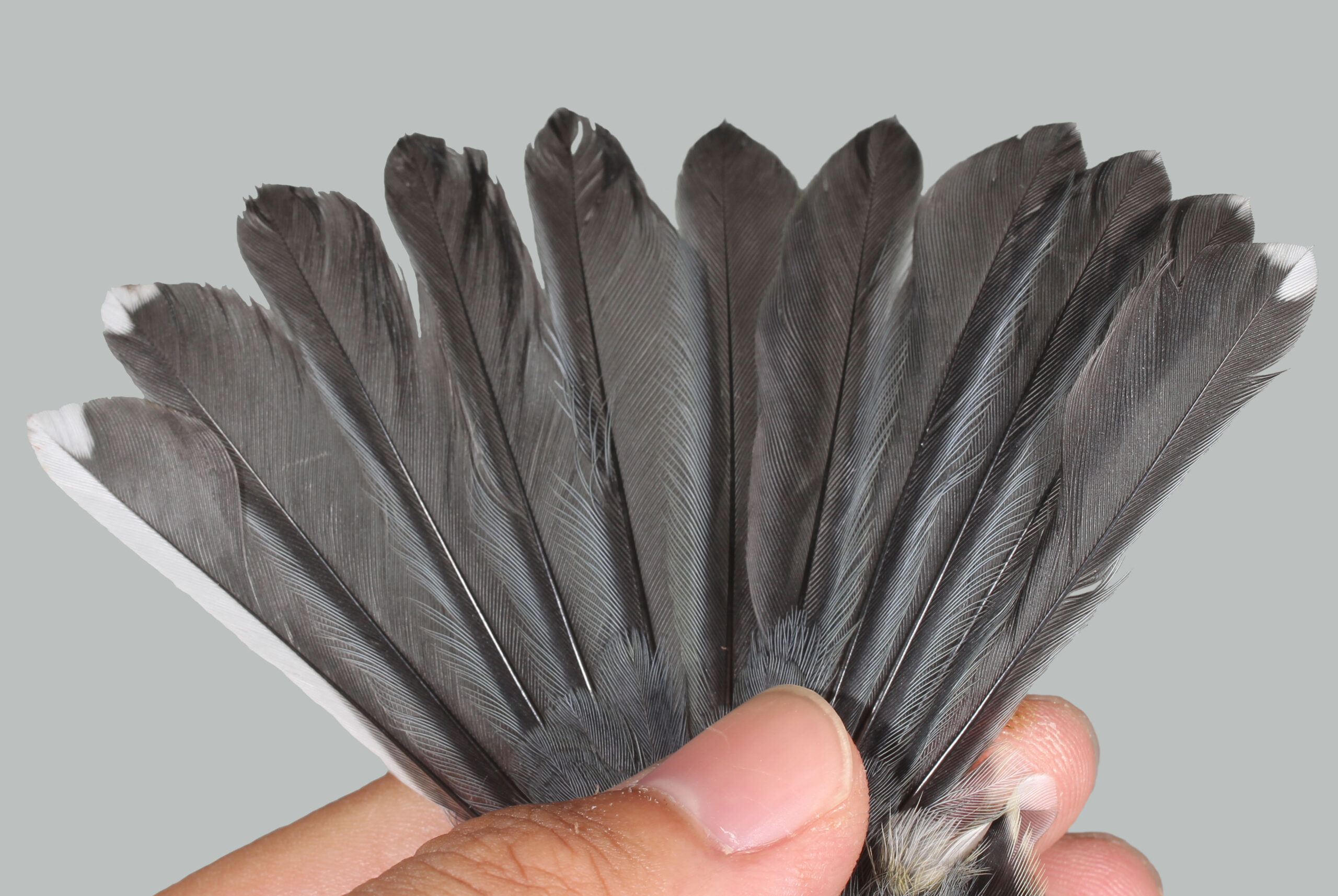
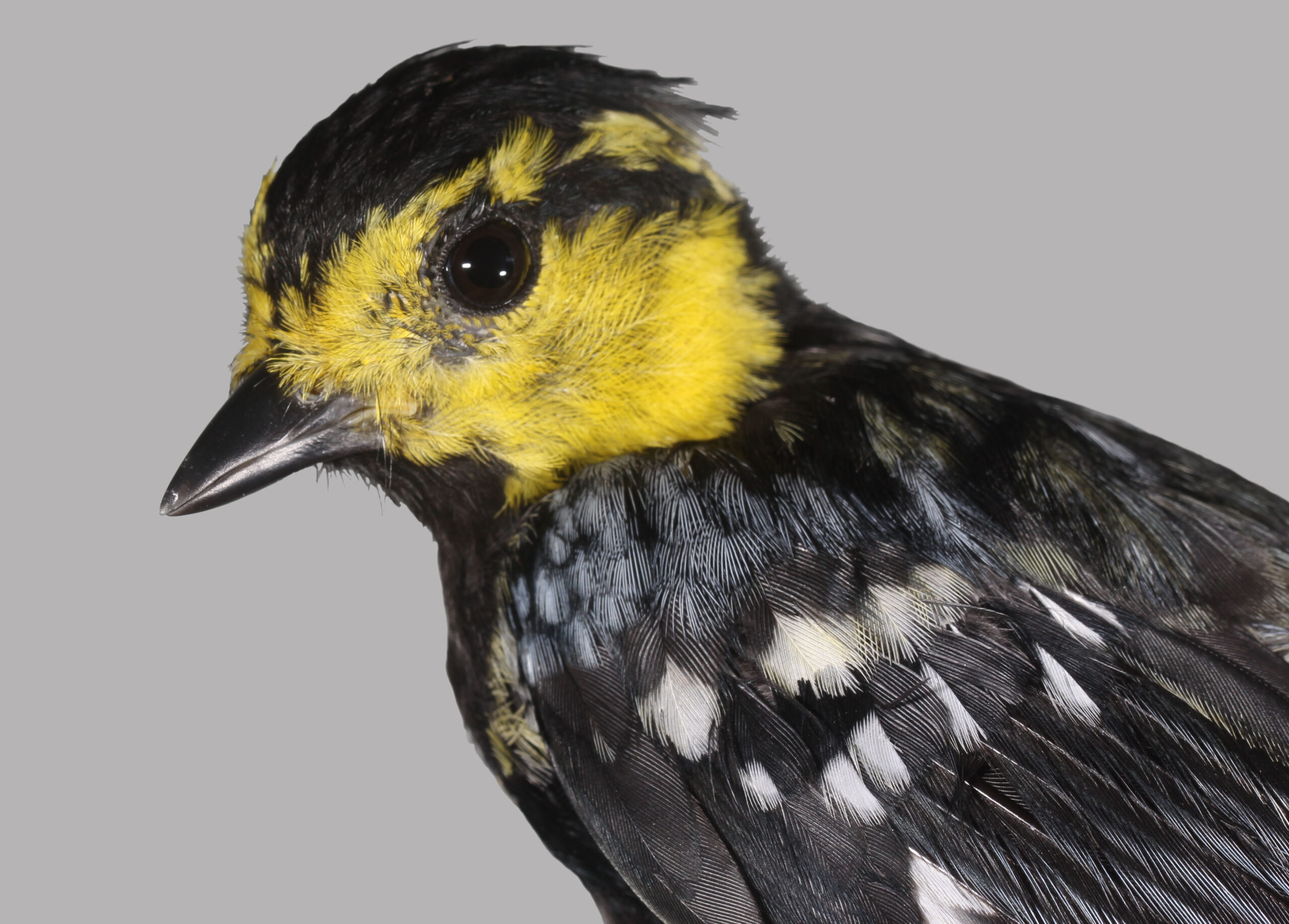
Late in the afternoon, we caught two very lovely 1st calendar year Yellow-cheeked Tits! Most Tit species follow the Adults Summer Complete, juveniles Summer partial moult strategy.
However, Tits can be a little more difficult to age as the young of these species are prone to moulting ALL of their GCs. This means that the moult limit is usually found between the post-juvenile GCs and juvenile PCs. Typically it is more difficult to determine these moult limits found between feather groups, vs within the same feather group.
The first individual below is an example of this type of moult limit, with a contrast between the, dark glossy and dense post-juvenile GCs and the more sparse, brown and worn PCs. In the 2nd individual there is just 1 GC that is juvenile (the outermost).
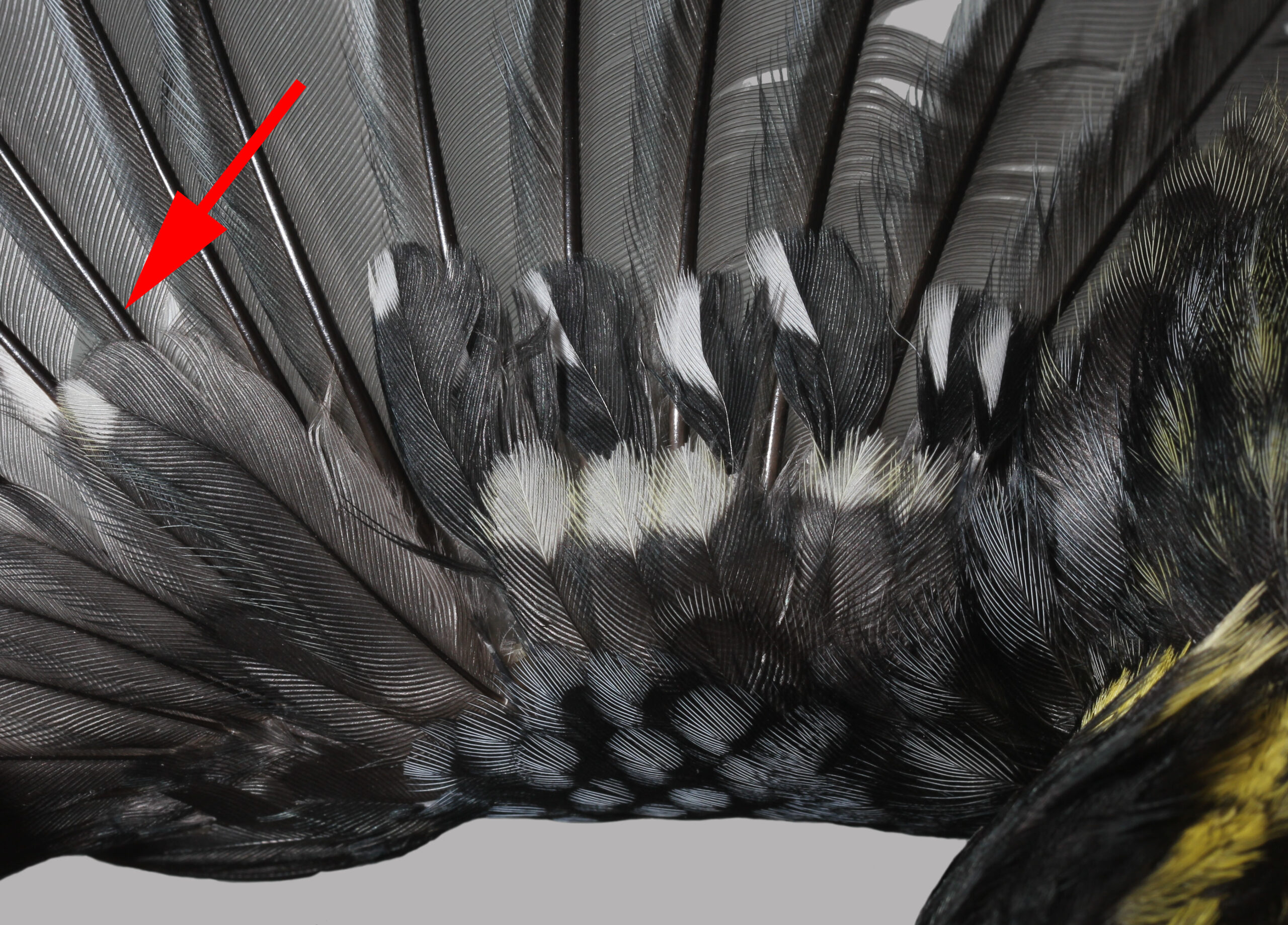
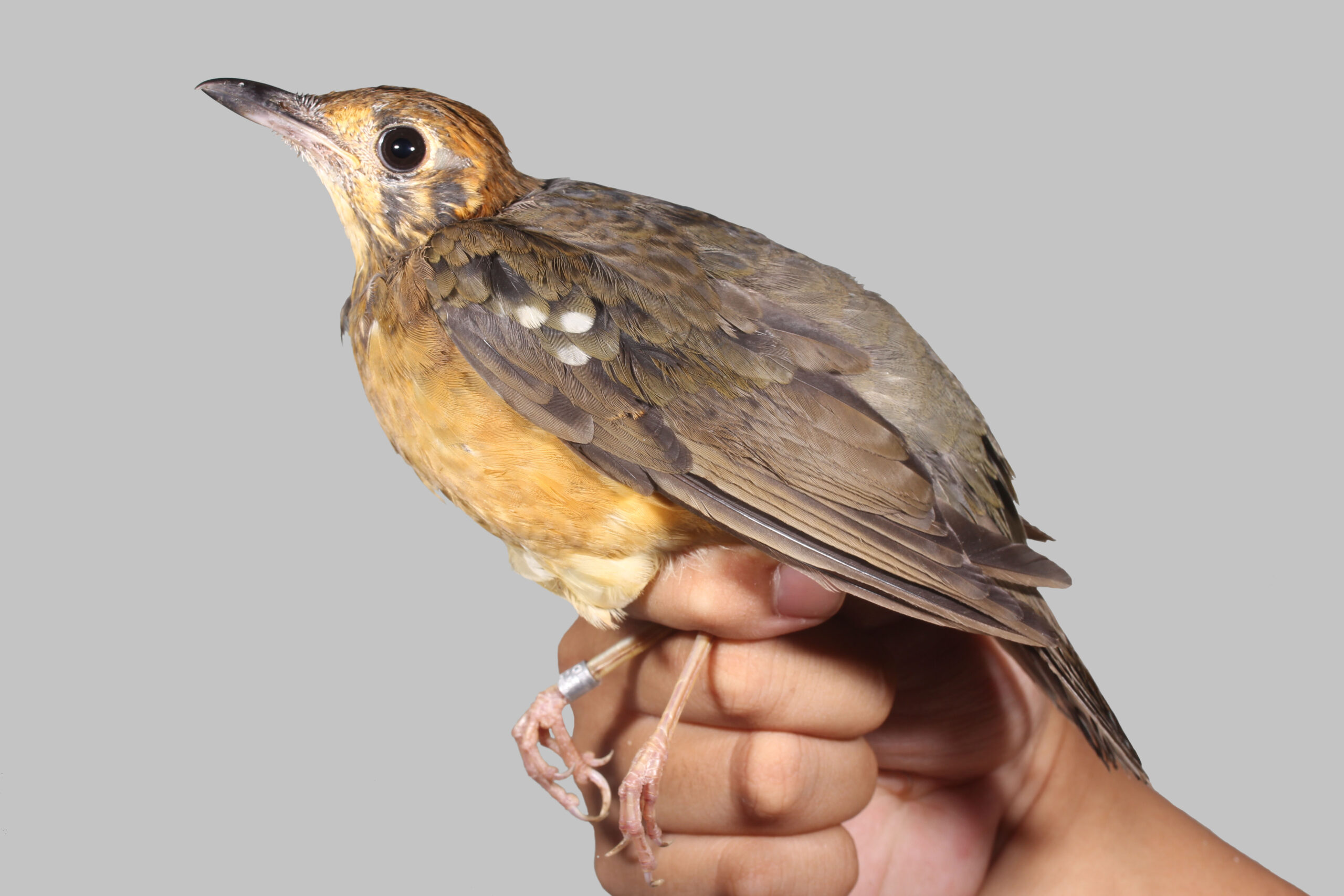
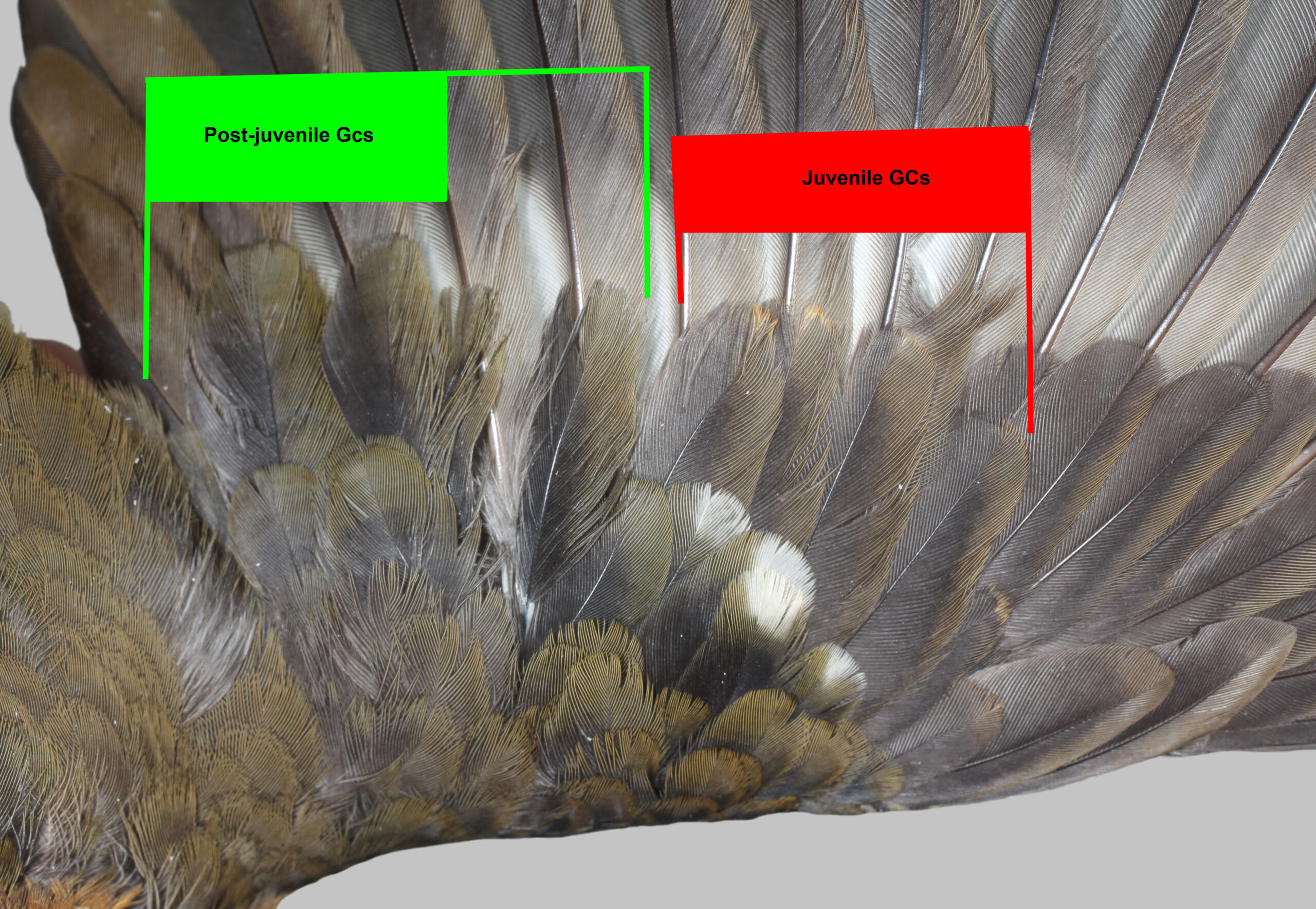
Finally, we had a beautiful Orange-headed Thrush juvenile! Though beautiful, this individual was a little scraggy as it was undergoing its Summer partial moult, and was in very heavy body moult. In the wing, we can see 4 outer juvenile GCs which are of a different tone, shape and size.
Daily Totals
| Species | Original | Recapture |
| Arctic Warbler | 3 | 0 |
| Chestnut Bulbul | 1 | 0 |
| Huet’s Fulvetta | 2 | 3 |
| Mountain Bulbul | 2 | 0 |
| Orange-headed Thrush | 1 | 0 |
| Pale-legged Leaf Warbler | 12 | 0 |
| Red billed Leiothrix | 2 | 1 |
| Rufous-capped Babbler | 3 | 3 |
| Siberian Blue Robin | 1 | 0 |
| Yellow-cheeked Tit | 2 | 0 |
| Yellow-rumped Flycatcher | 2 | 0 |
*Please note that all wild birds, their nests, and eggs are highly protected (under Wild Animals Protection Ordinate, Cap. 170) in Hong Kong. It is an offence to wilfully disturb, take, remove, or injure wild birds or their nests/eggs. The actions described here were undertaken by trained professionals holding the necessary licenses and permits issued by the AFCD.*