


The weather continues with its cold spell, sending all of us into shivers, even as the weak sun rises above the horizon.
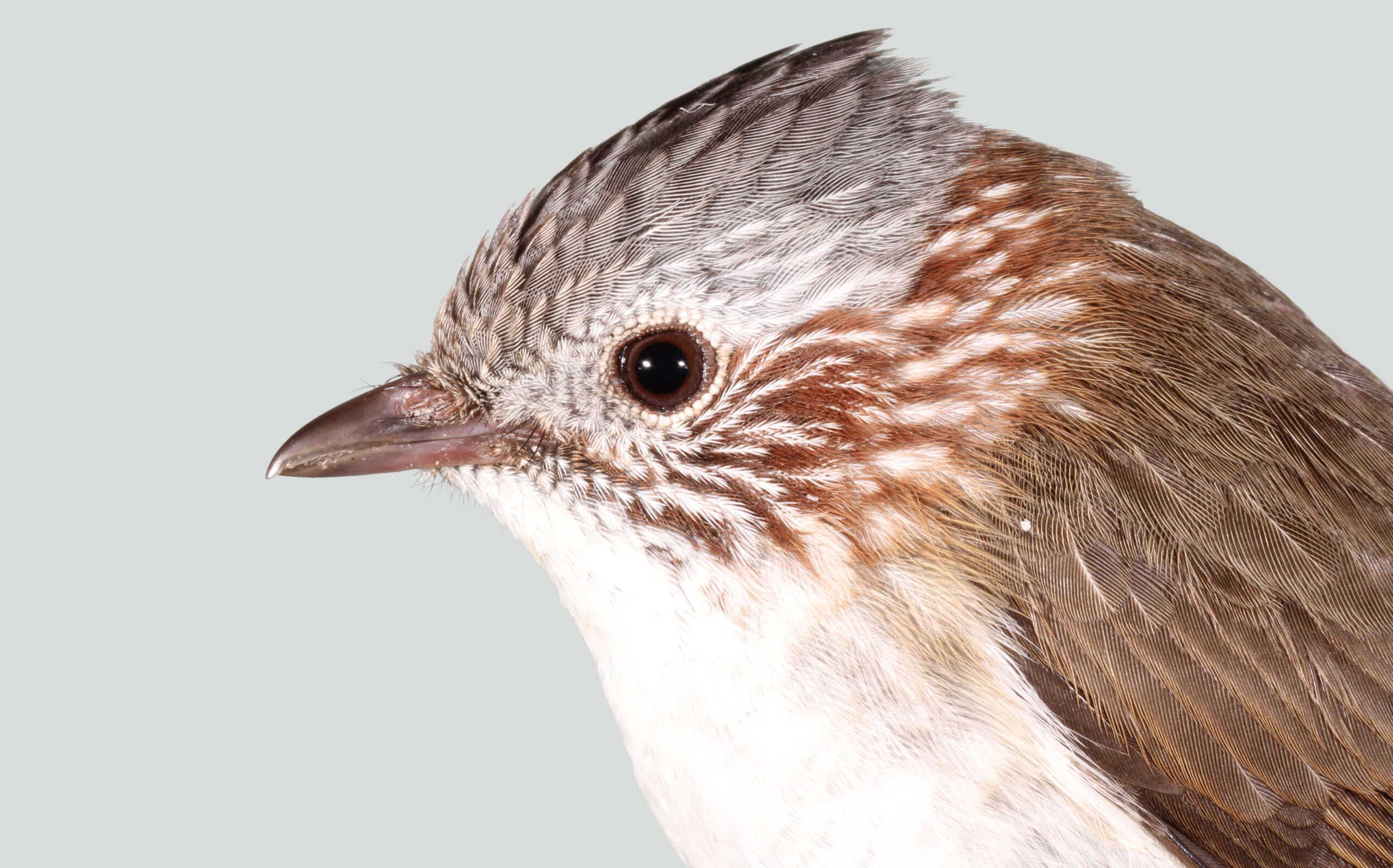
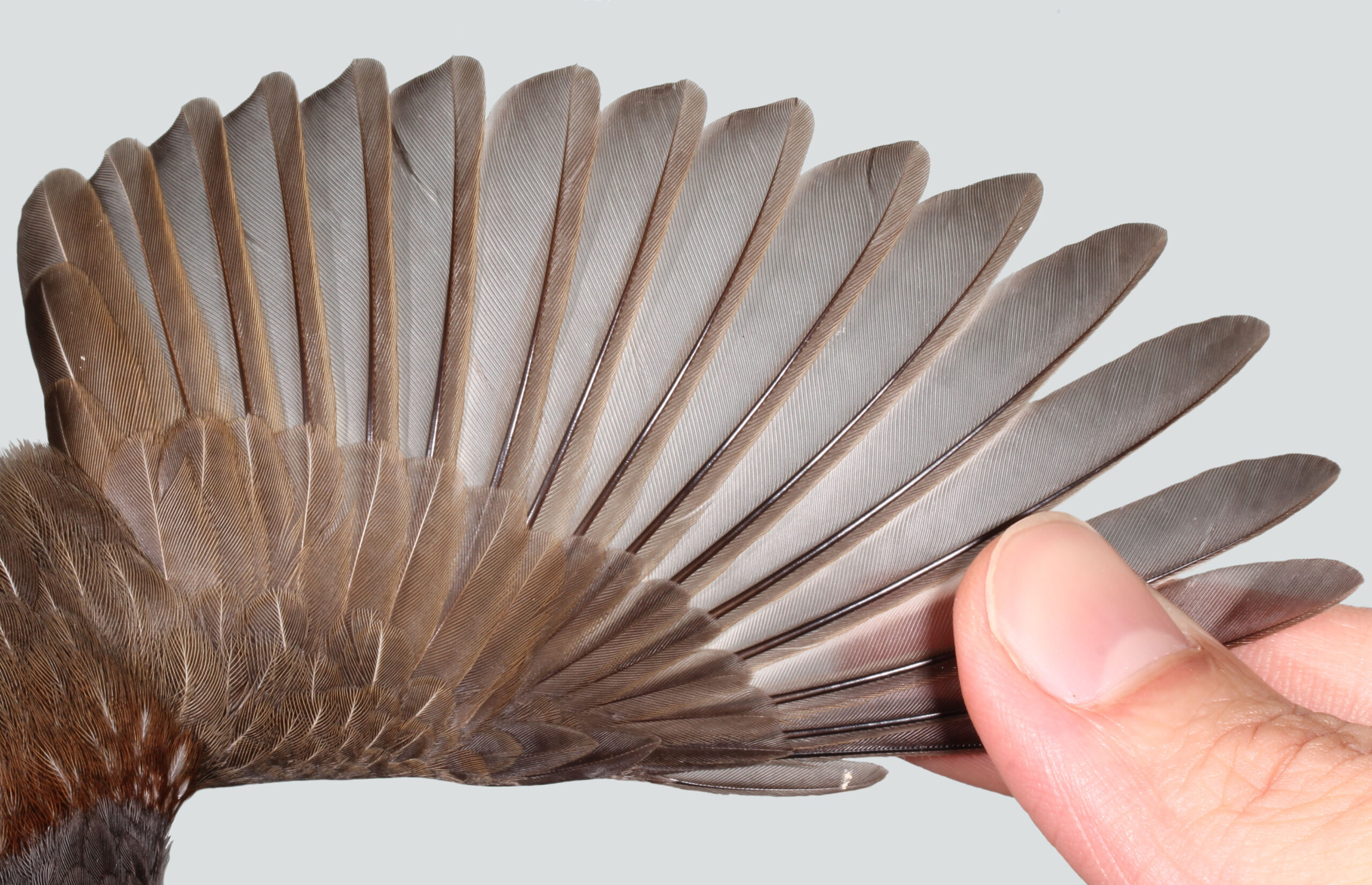
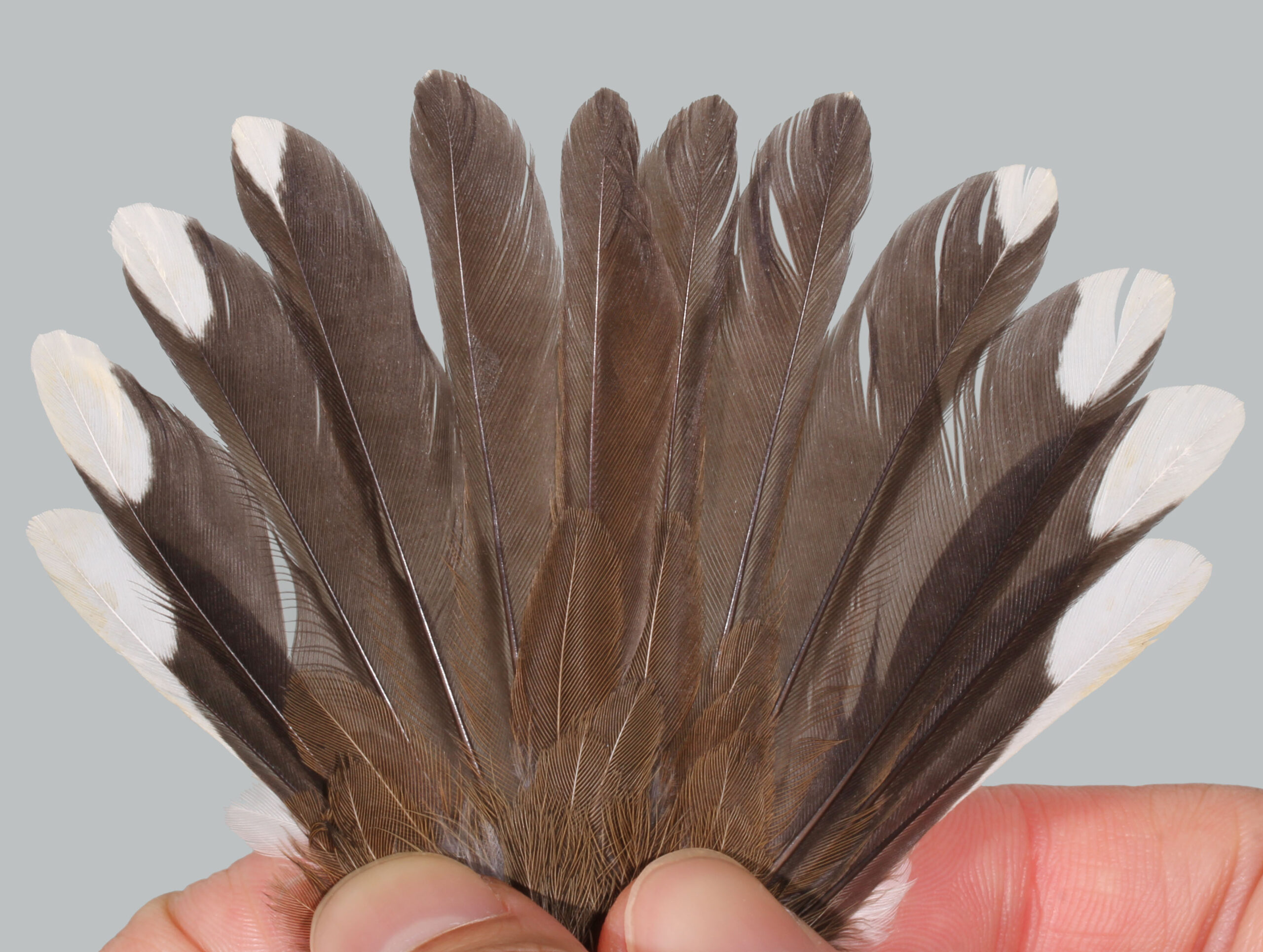
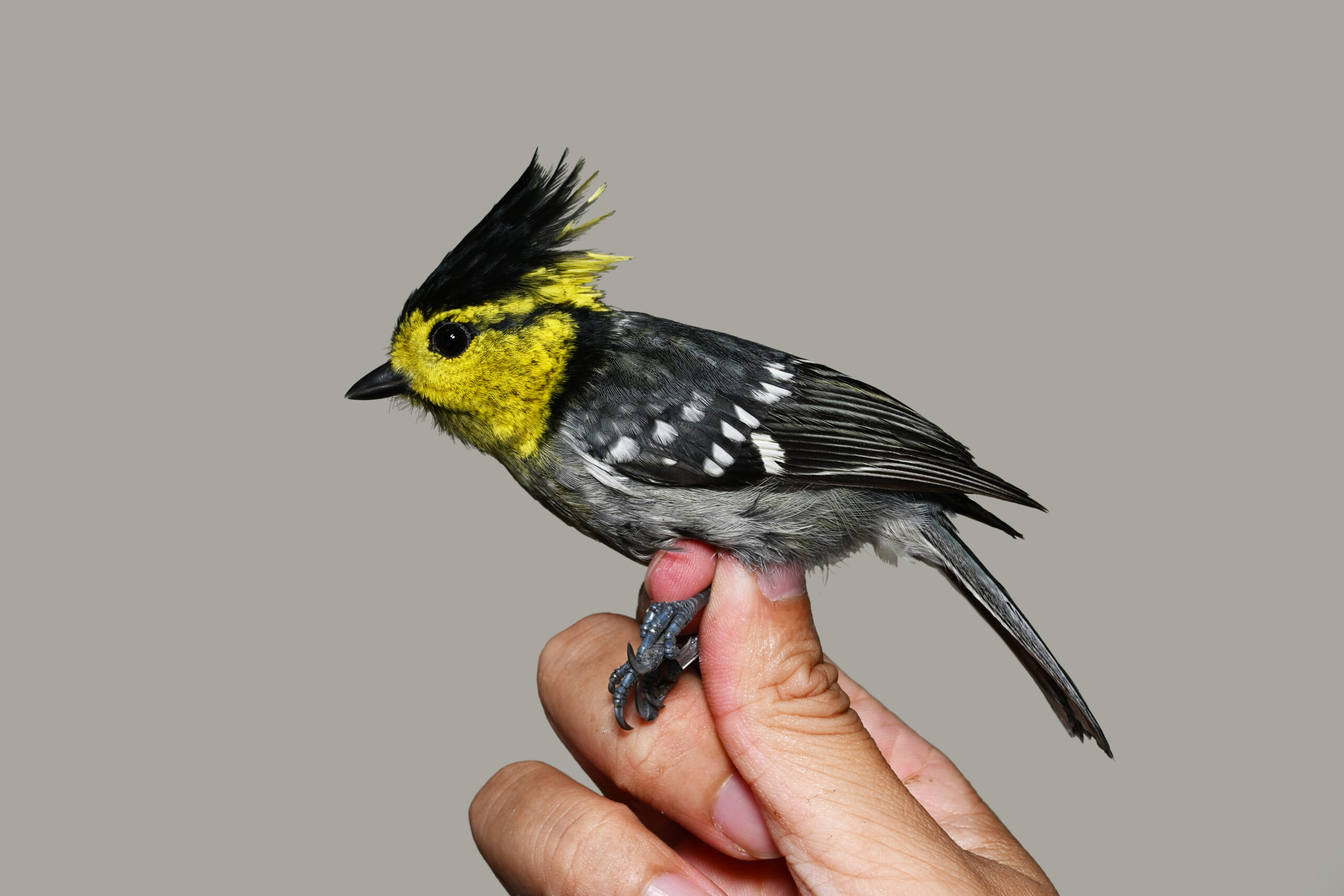
This morning began with what seems to be some stragglers from yesterday’s flock of Indochinese Yuhinas! We set about documenting their moult, iris colours and skull development in an attempt to continue studying how we may be able to age these beautiful birds! The individual above was determined to be a 1st calendar year bird due to an incomplete skull development.
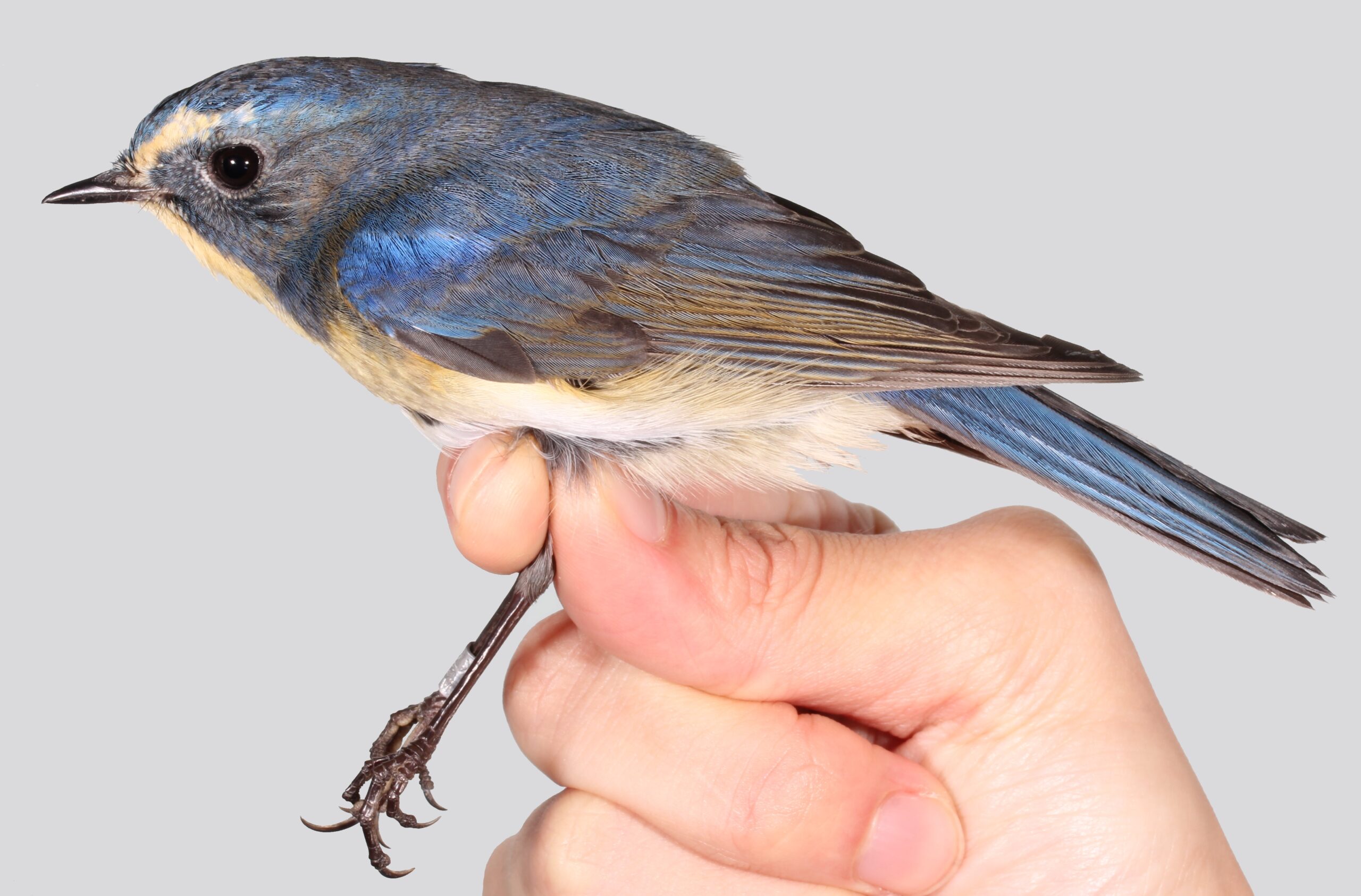
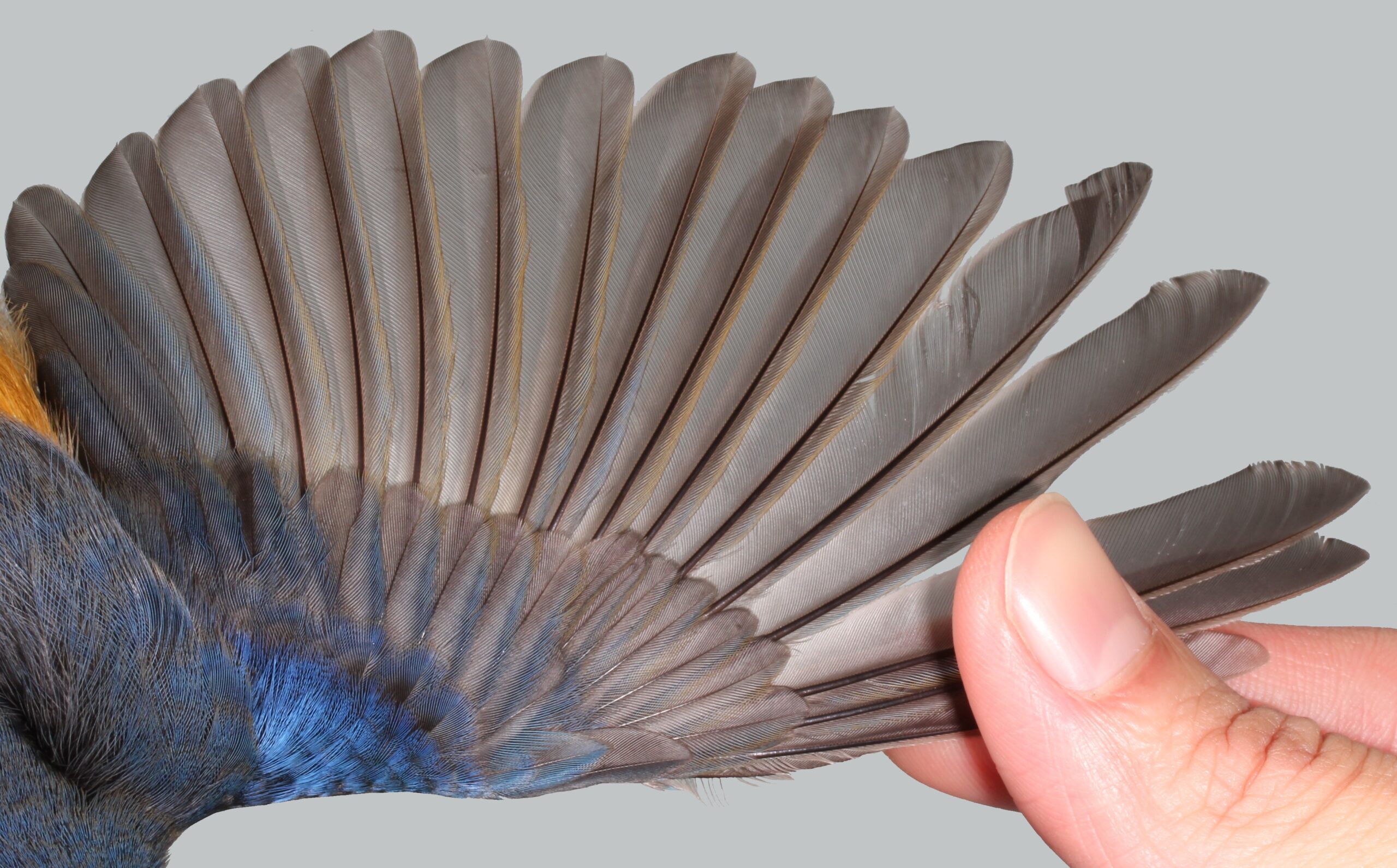
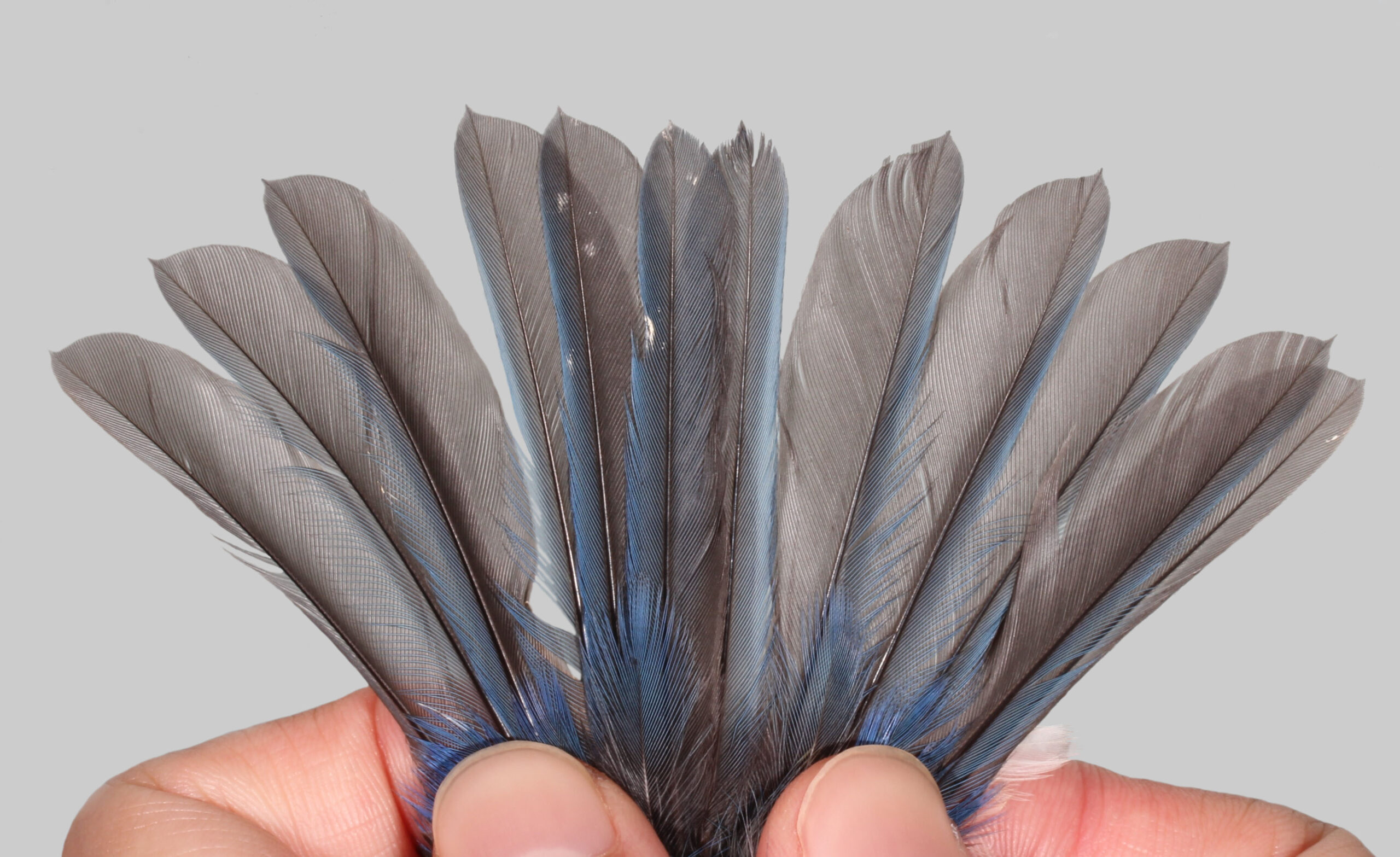
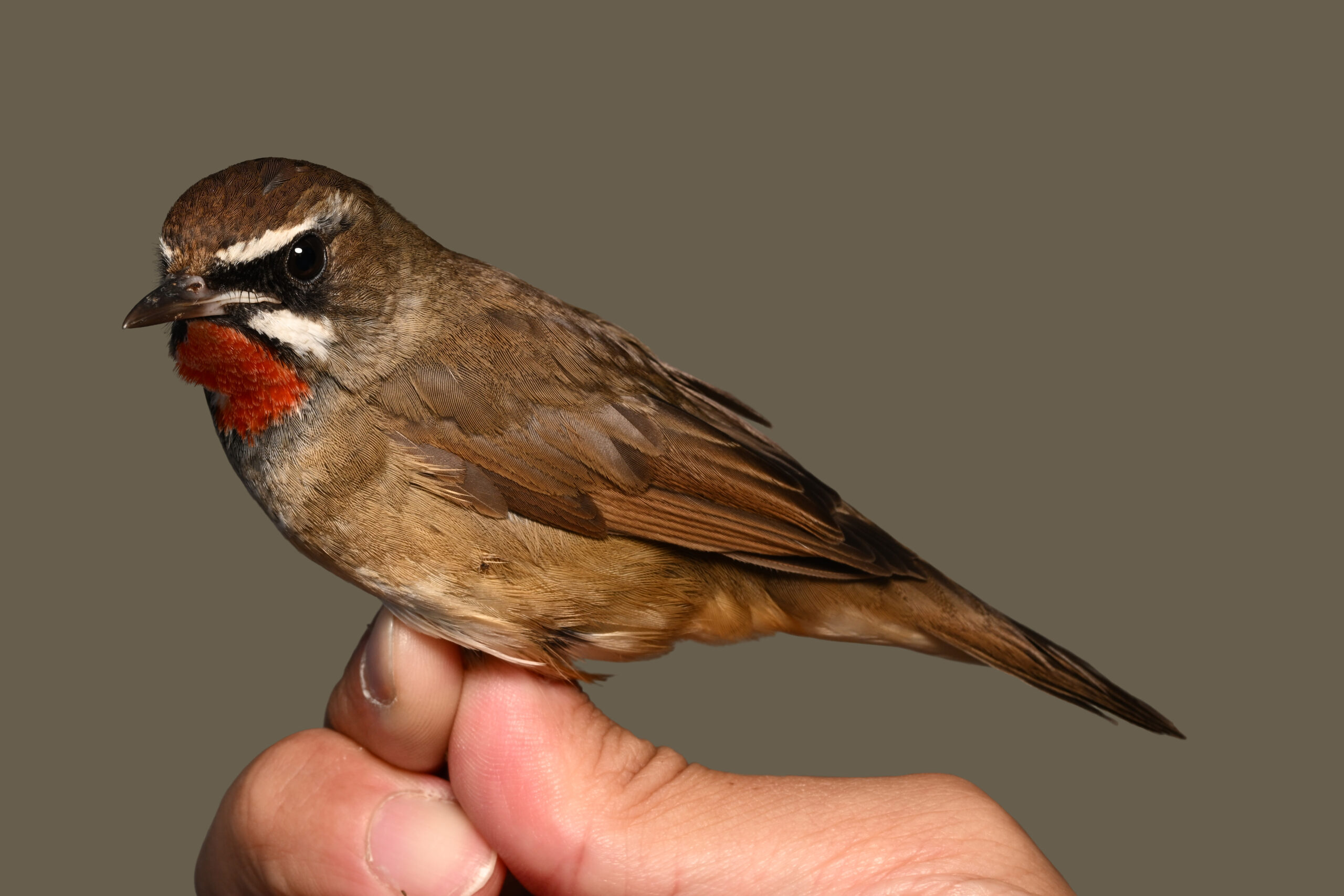
We continued on, and before long a flash of blue caught our attention. It was, unmistakably, an adult Red-flanked Bluetail! These are one of our most beautiful migrants, with a swirling contrast of deep, sapphire blue upperparts, a striking white eyebrow, and a creamy underside, cut only by a splash of orange on their flanks.
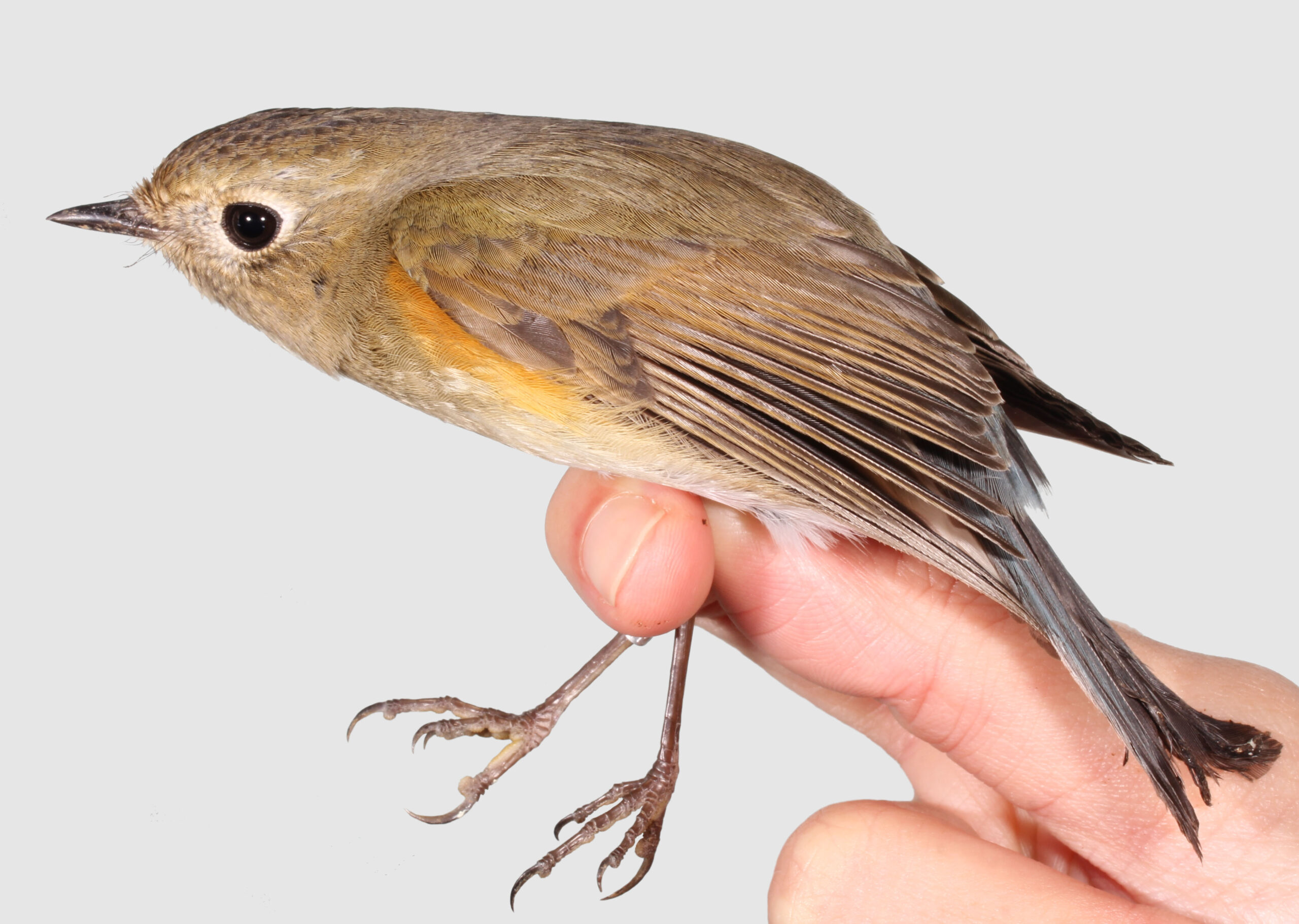
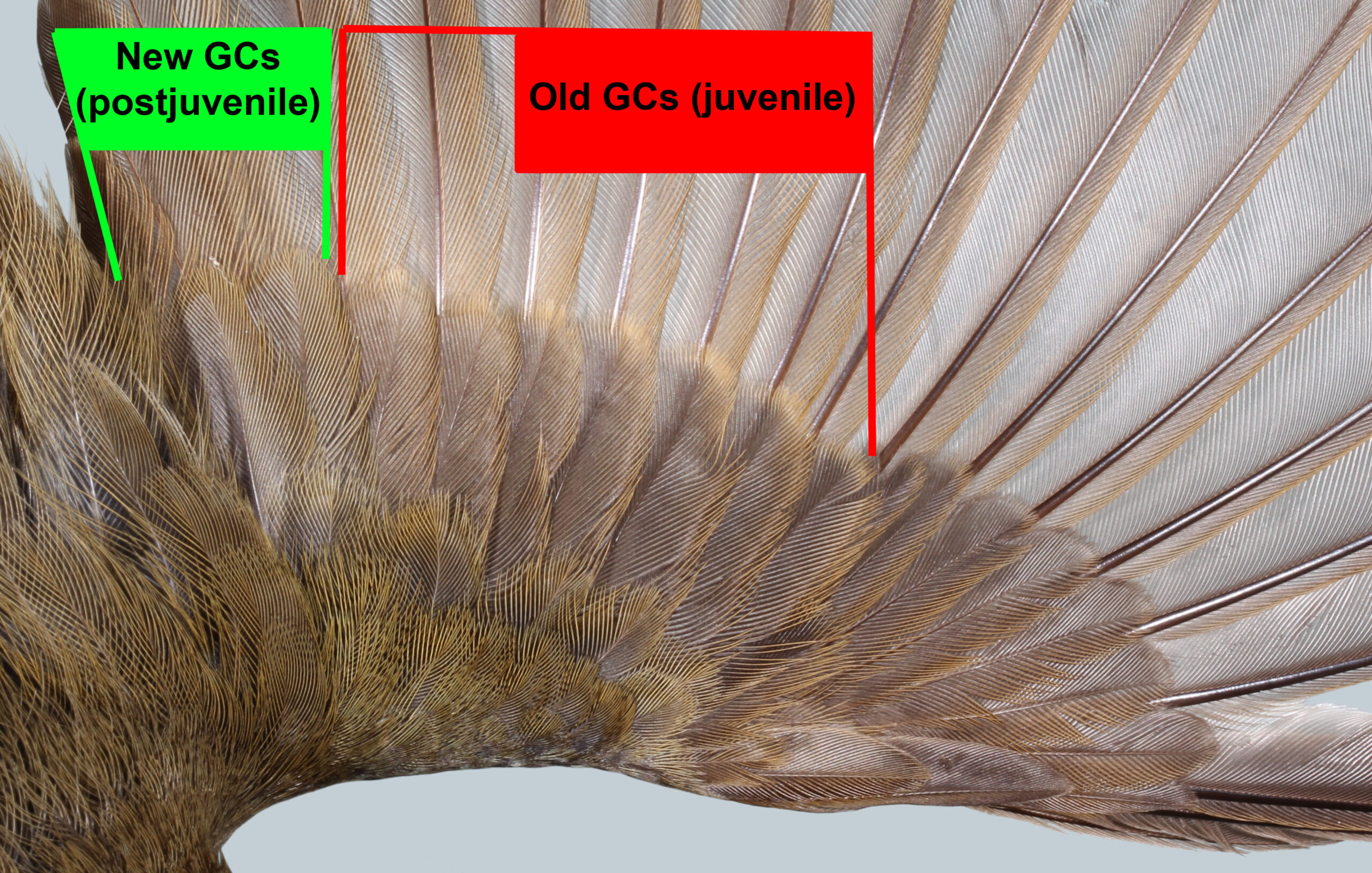
Although these adult males need no pondering over the ID should you spot them on forest paths or roaming around the undergrowth, the females and young birds may need a little more of an introduction.
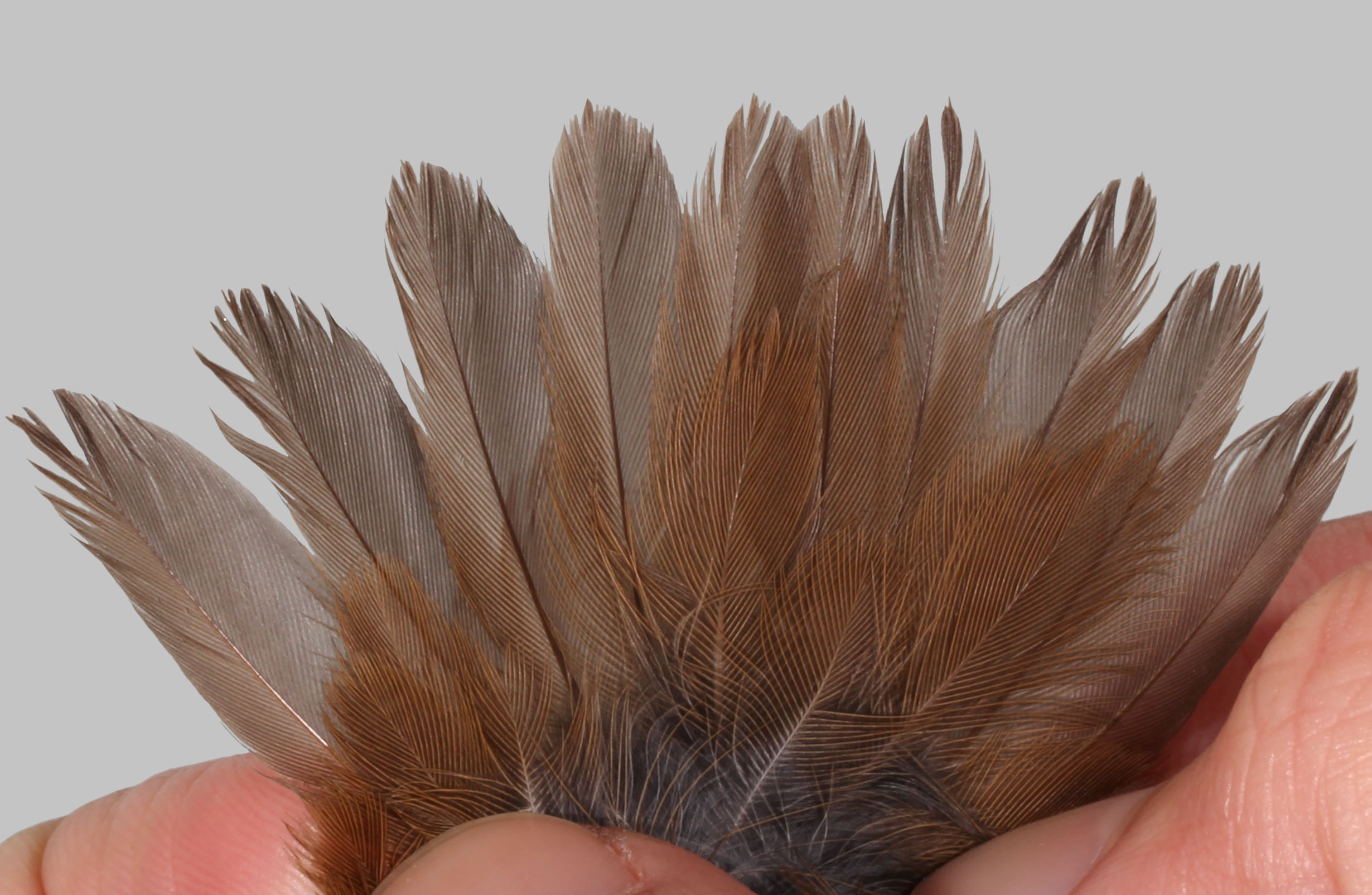
Both adult females and young birds can look pretty similar, only exhibiting blue on their rumps and tails. The rest of their upperparts and wings are a more greenish-grey. However, we can distinguish between them by looking for a moult contrast in the Greater Coverts. Like the Robins and Thrushes, the adults of this species carry out a Summer Complete moult, while the juveniles do a summer partial, with the most obvious limit found within the GCs. This can be seen in the individual above.
Separating the young males and females can be tricky. However, in general young males should display some level of blue in the Lesser and Median coverts, which is never present in young females.
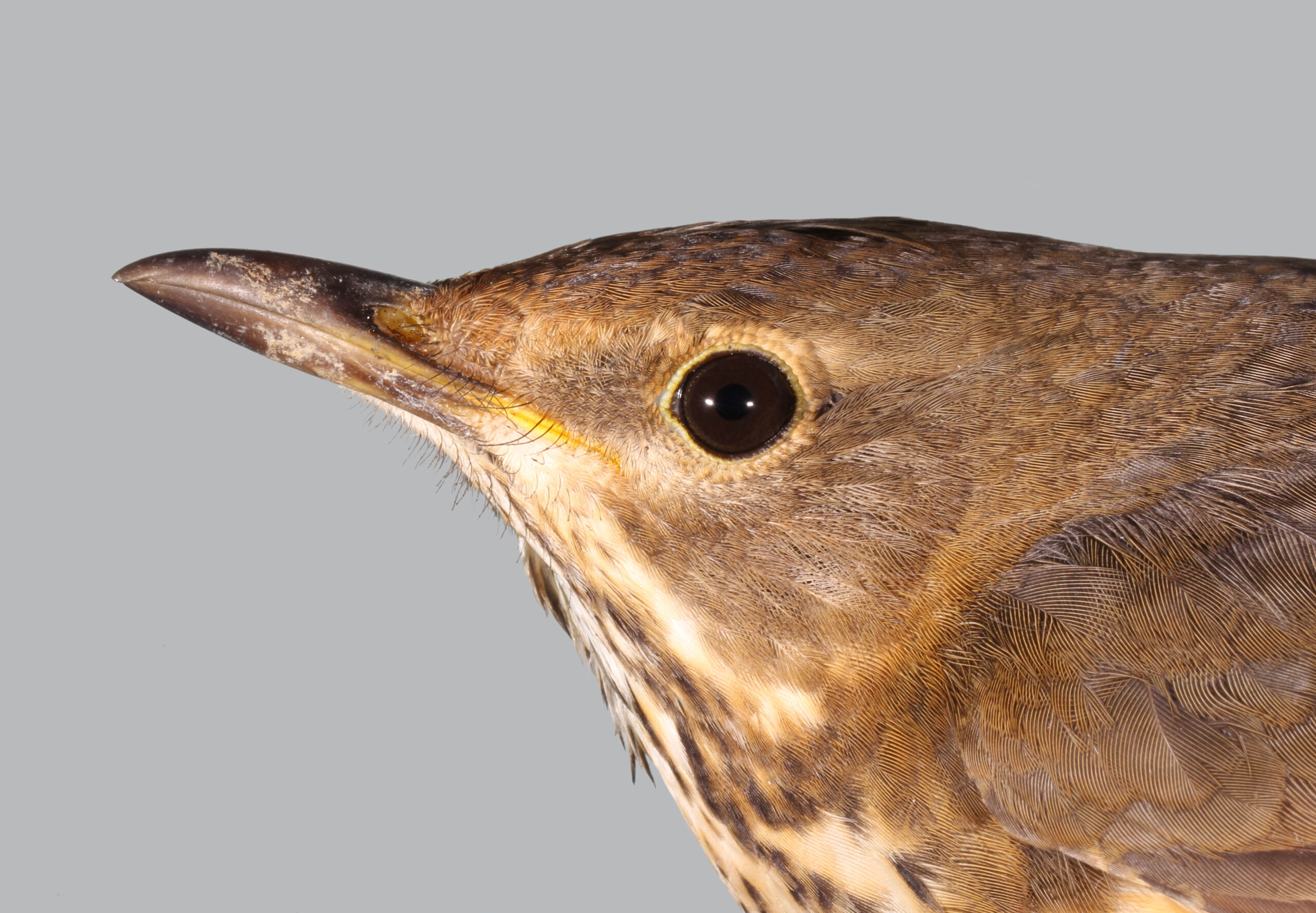
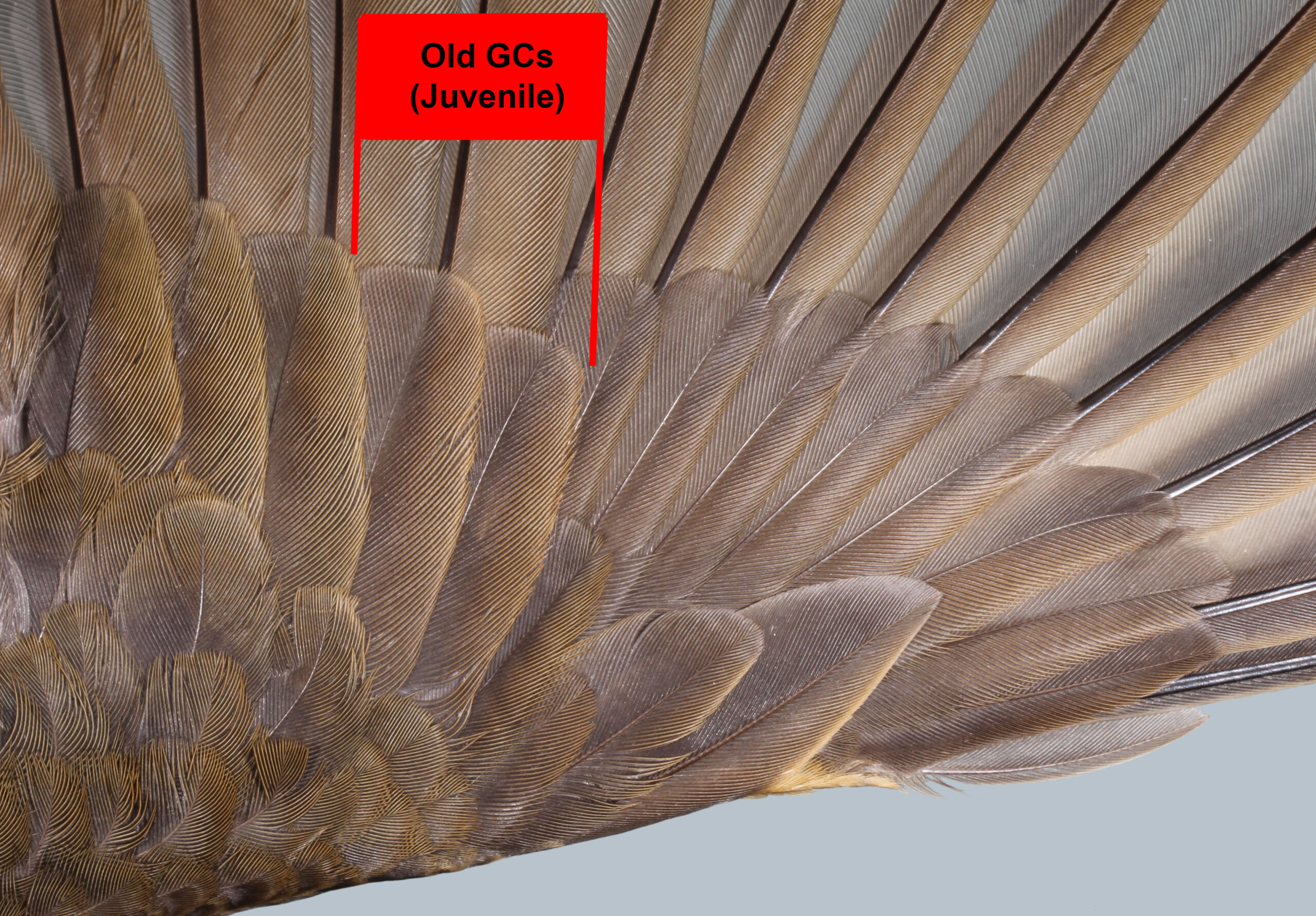
As the afternoon loomed, the sun just warming the chill in our bones, we ended up with a less common thrush in the nets- a Japanese Thrush! The females of this species could be confused with the more common Grey-backed Thrush, however the female Japanese Thrush shows more black spots on the belly, while the female Grey-backed Thrush has more orange on the flanks.
However, both are aged the same, and with the same criteria as in the Red-flanked Bluetails above. By looking for this moult contrast in our individual, we can see that she is a young female with 2 retained juvenile coverts!
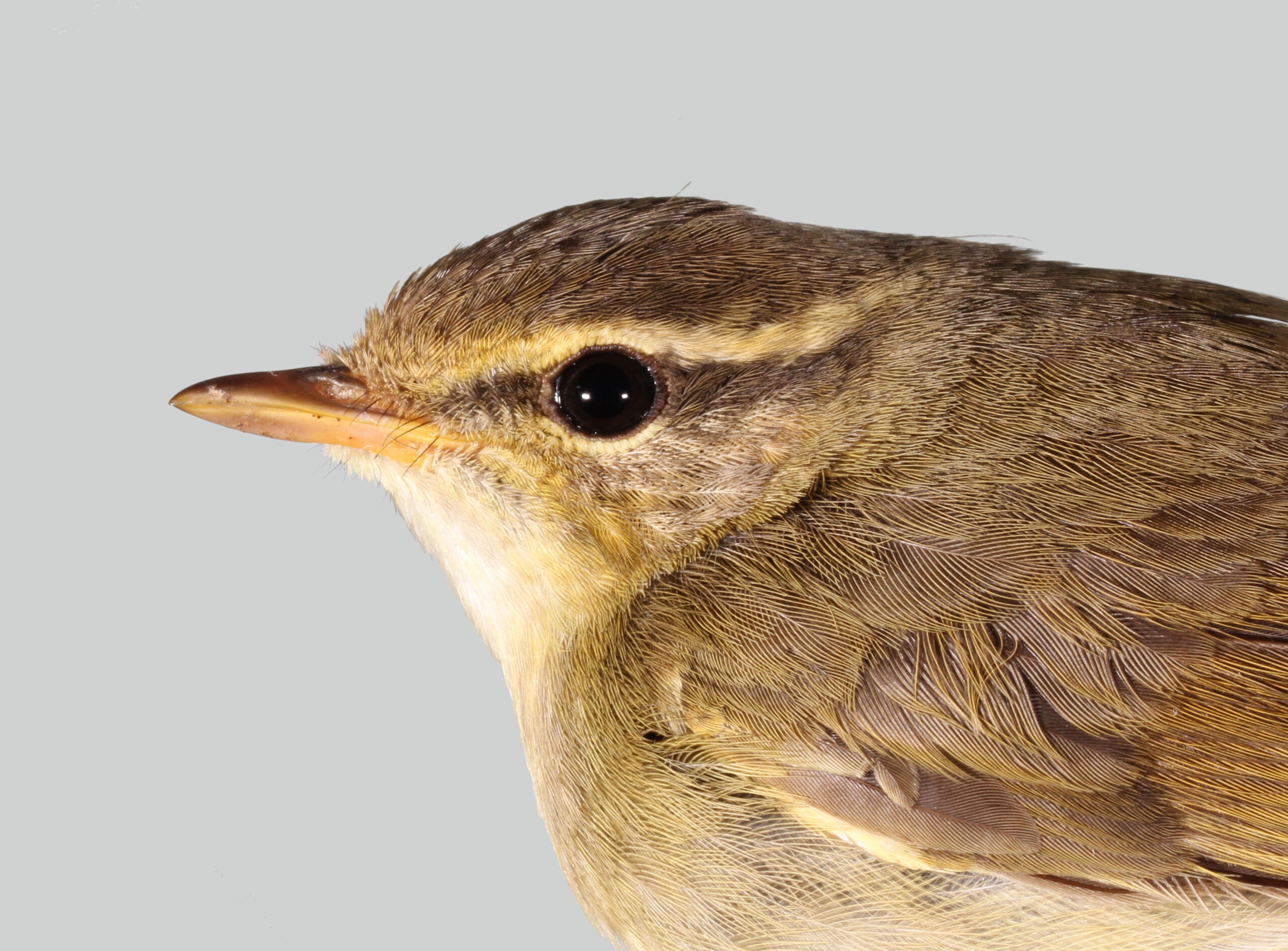
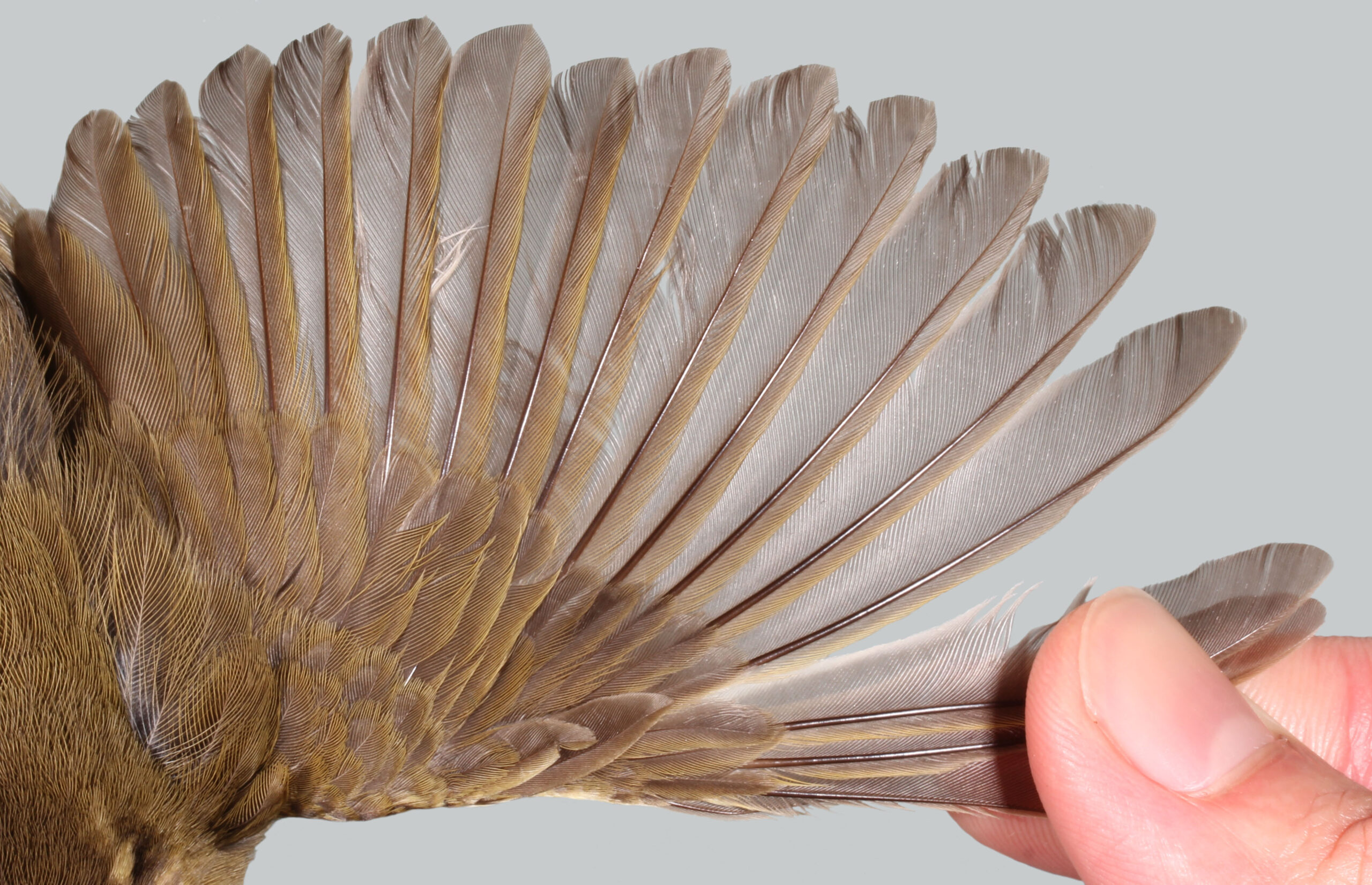
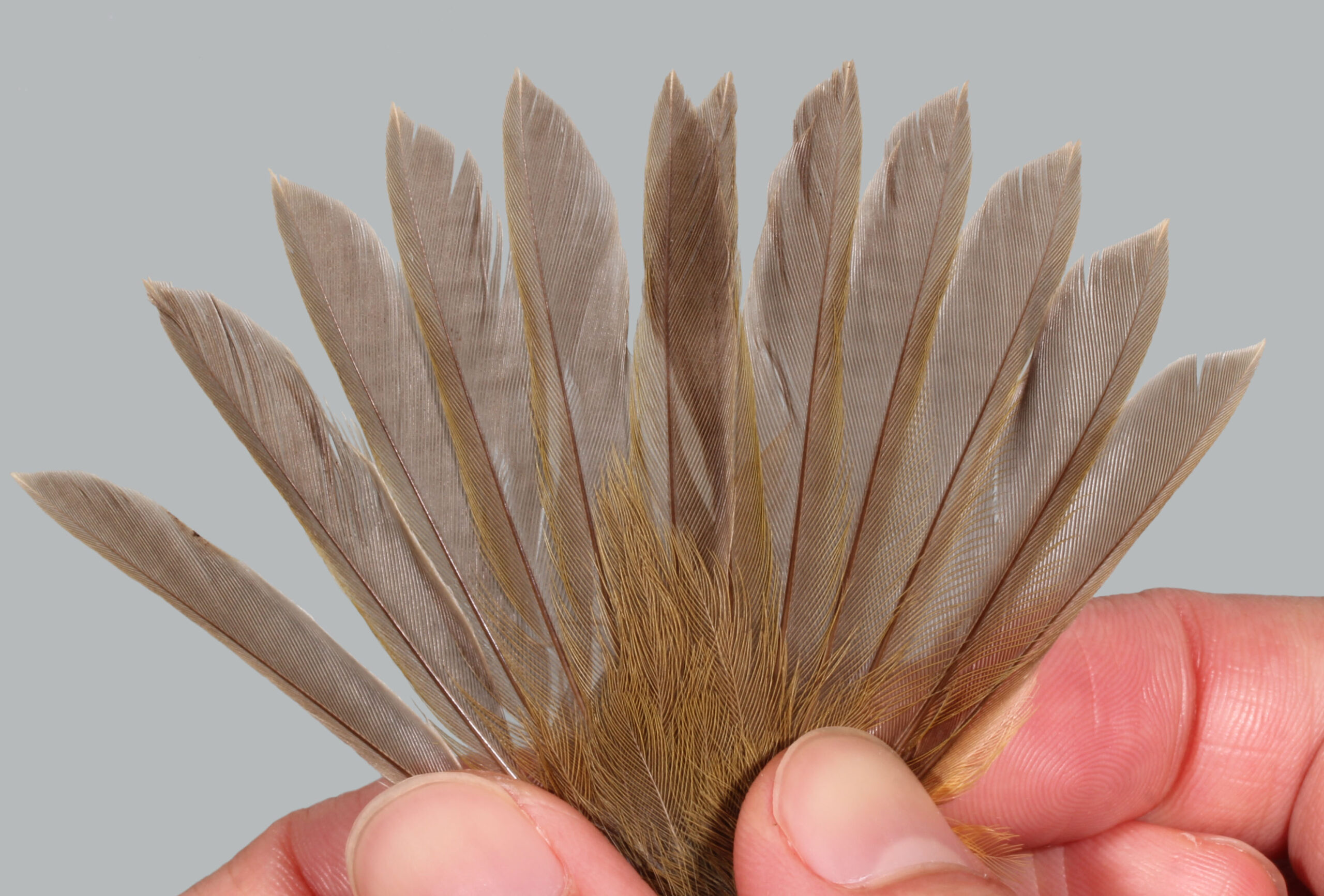
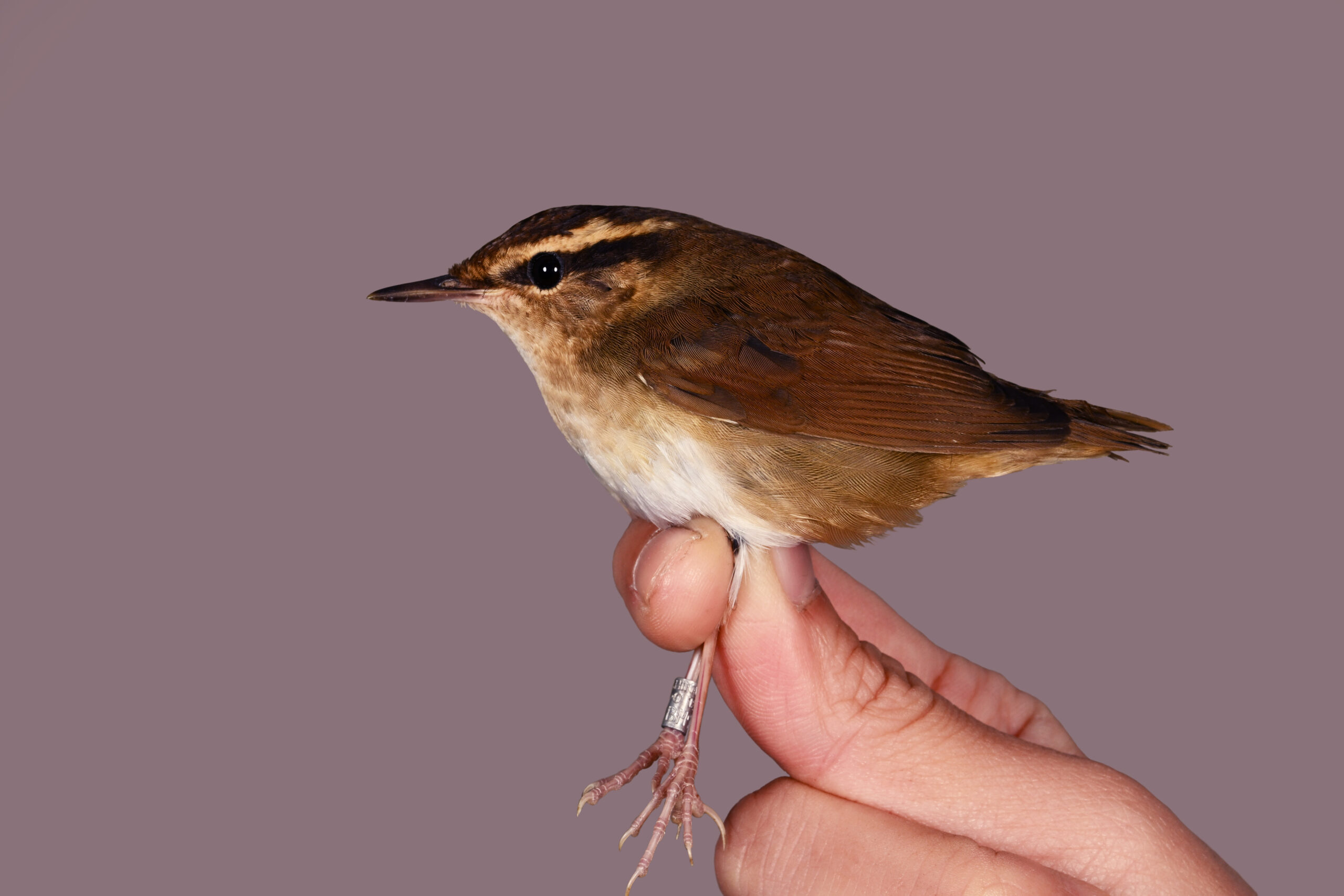
Next up was a bit of a surprise- yet another Radde’s Warbler! You may remember that we caught one in our Wetland ringing site, but it is not so often that we catch them in the forest! Still, this was nice to see and compare with our last individual. Based on the shape and wear of the tail and undertail coverts, it was determined that this is individual was also. 1st calendar year bird.
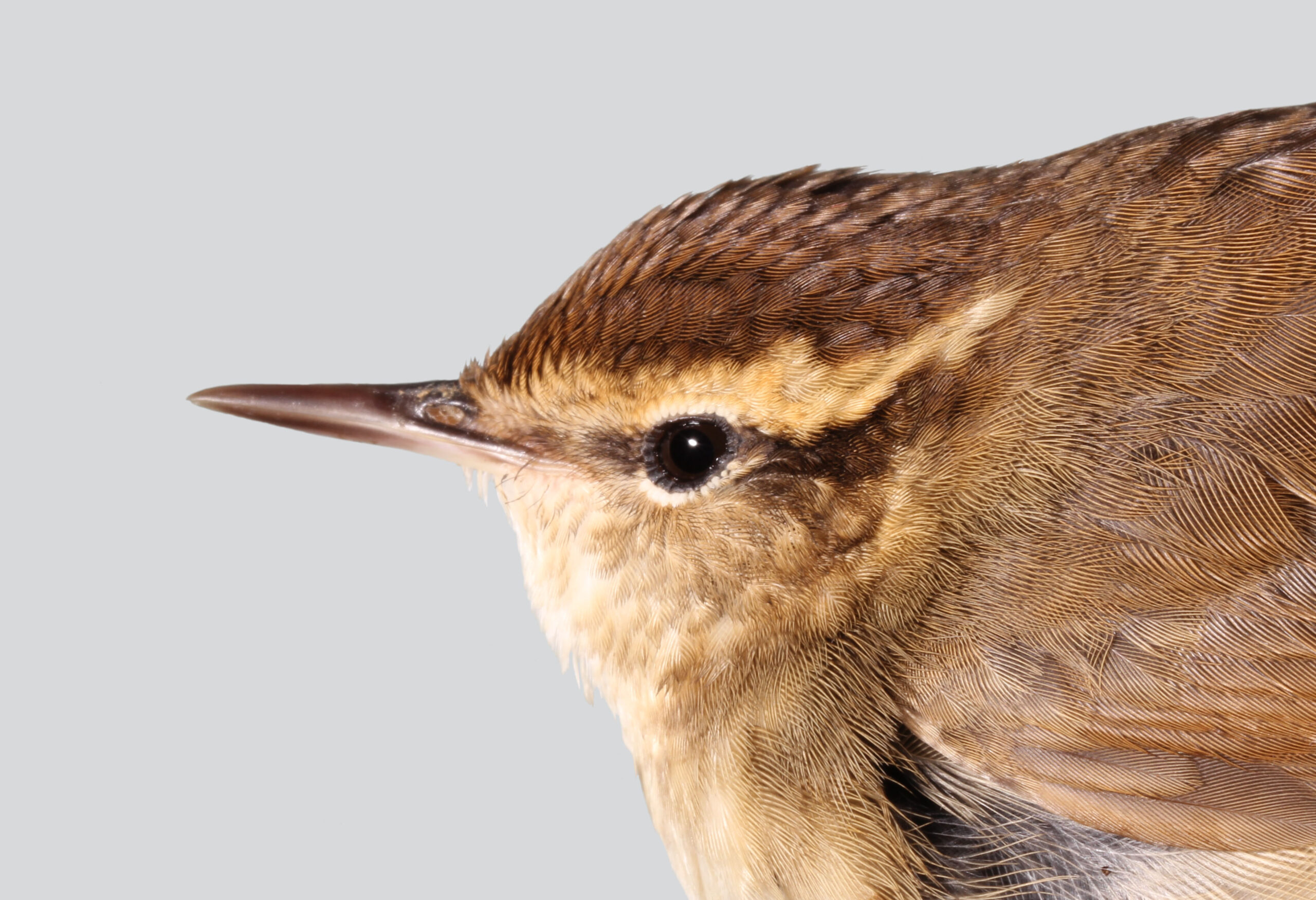
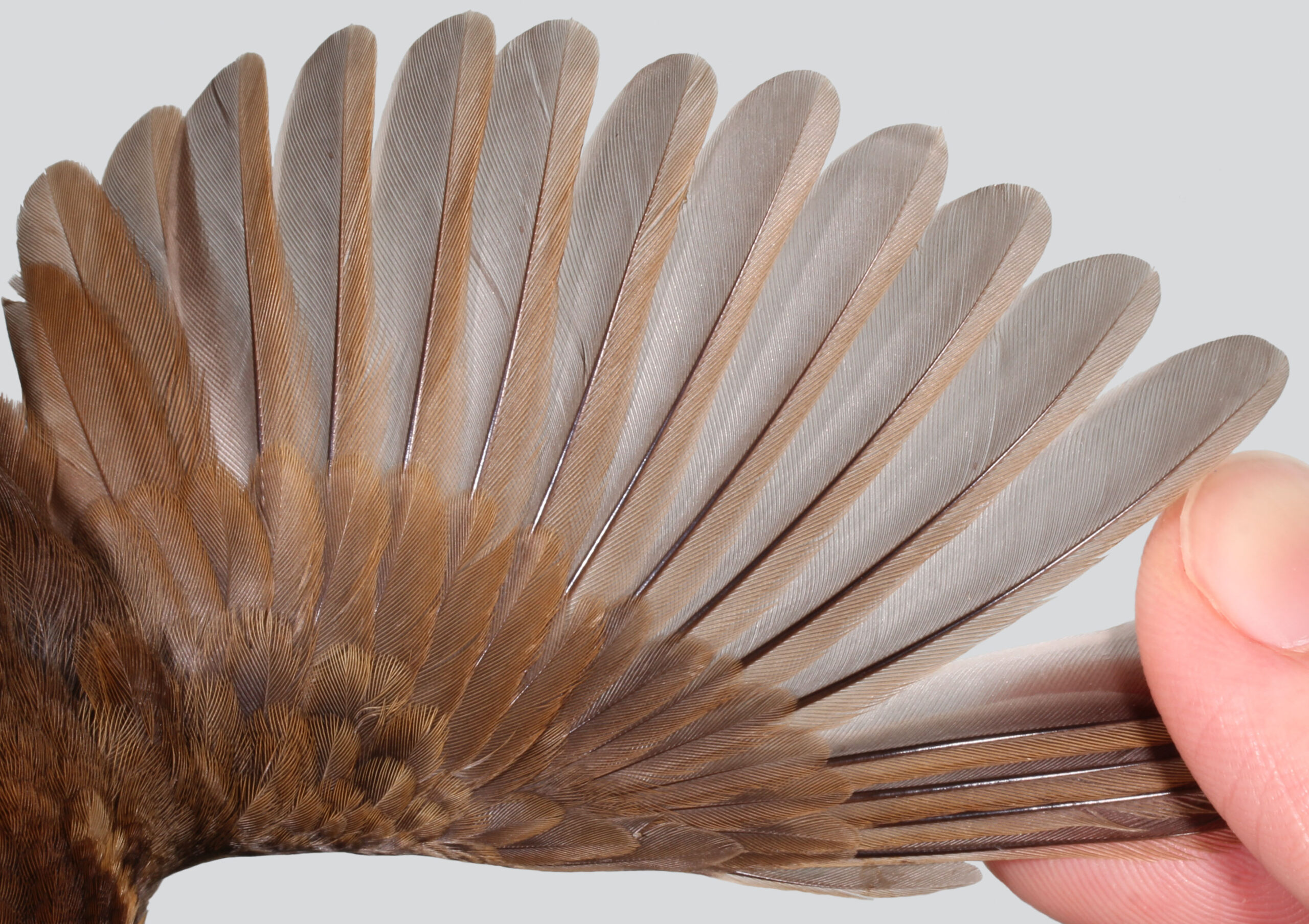
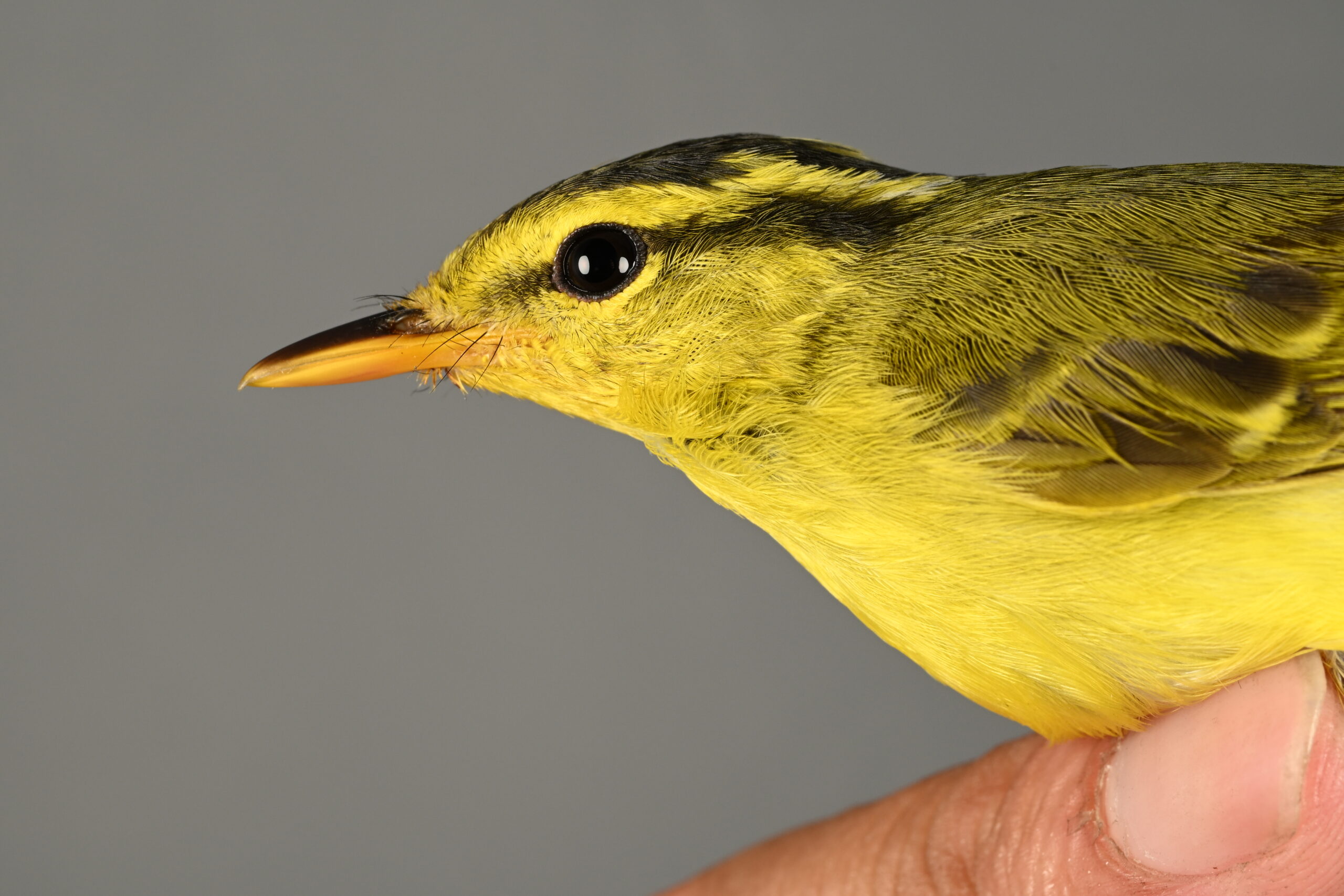
Our last bird of the day was yet another elusive species- The Asian Stubtail! These winter visitors are one of our smallest, and usually can only be heard calling from the undergrowth. This makes them hard to study, resulting in limited information on them. It is such a privilege to be able to see these birds up close, and collect data so that, in future, we can understand more about these little creatures that we share our world with.
Daily Totals
| Species | Original | Recapture |
| Asian Stubtail | 1 | 0 |
| Chestnut Bulbul | 5 | 1 |
| Cinereous Tit | 1 | 0 |
| Grey-backed Thrush | 3 | 1 |
| Huet’s Fulvetta | 1 | 14 |
| Indochinese Yuhina | 4 | 12 |
| Japanese Thrush | 1 | 0 |
| Pallas’s Leaf Warbler | 1 | 0 |
| Radde’s Warbler | 1 | 0 |
| Red-billed Leiothrix | 6 | 0 |
| Red-flanked Bluetail | 6 | 1 |
| Rufous-capped Babbler | 0 | 5 |
*Please note that all wild birds, their nests, and eggs are highly protected (under Wild Animals Protection Ordinate, Cap. 170) in Hong Kong. It is an offence to wilfully disturb, take, remove, or injure wild birds or their nests/eggs. The actions described here were undertaken by trained professionals holding the necessary licenses and permits issued by the AFCD.*