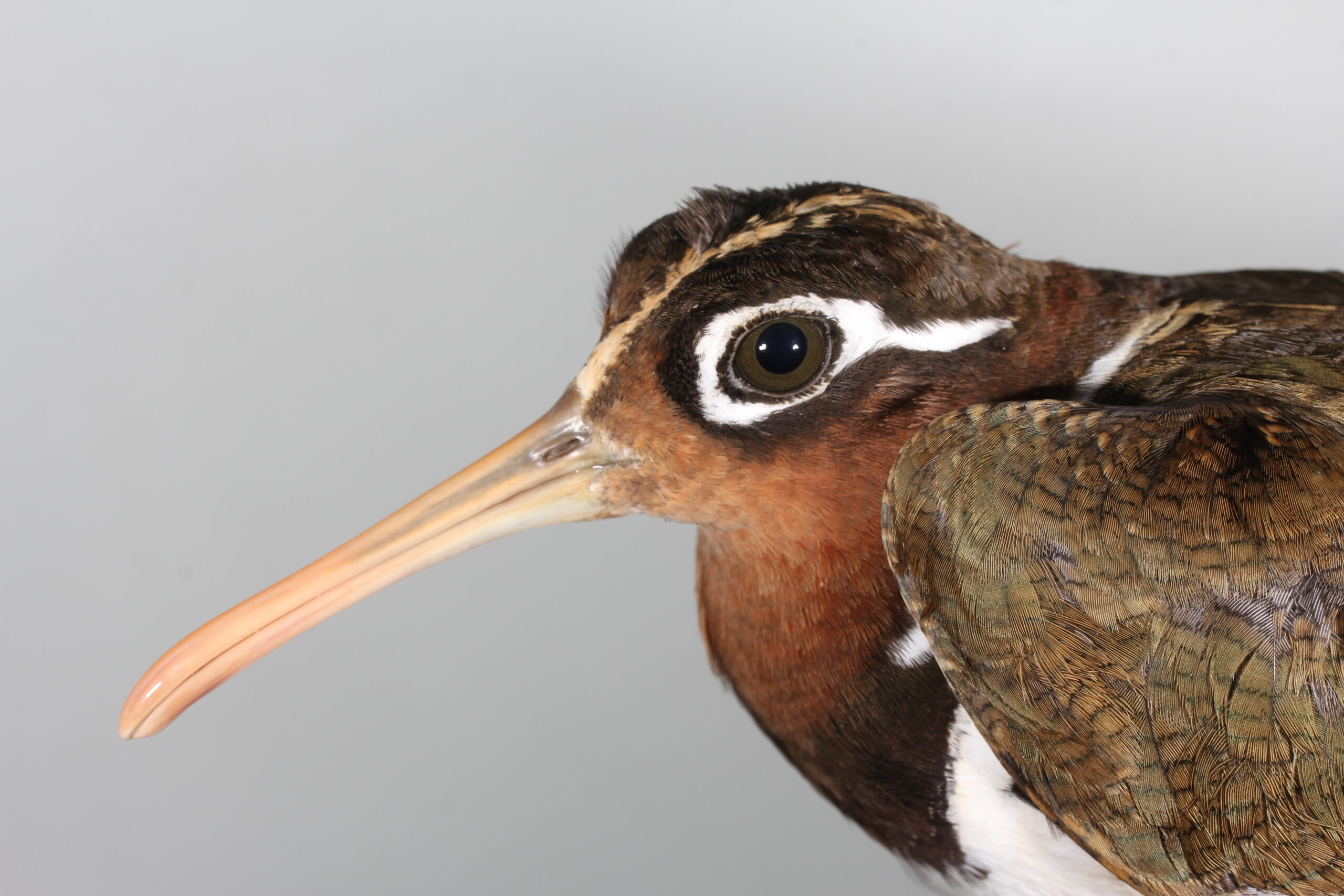



As we reached the site this morning, it became abundantly clear that today was going to be one of our busier days. The cold weather seemed not to perturb the Black-faced and Little Buntings calling from the reeds or the odd call of a Rubythroat somewhere just out of view, foretelling of birds to come…
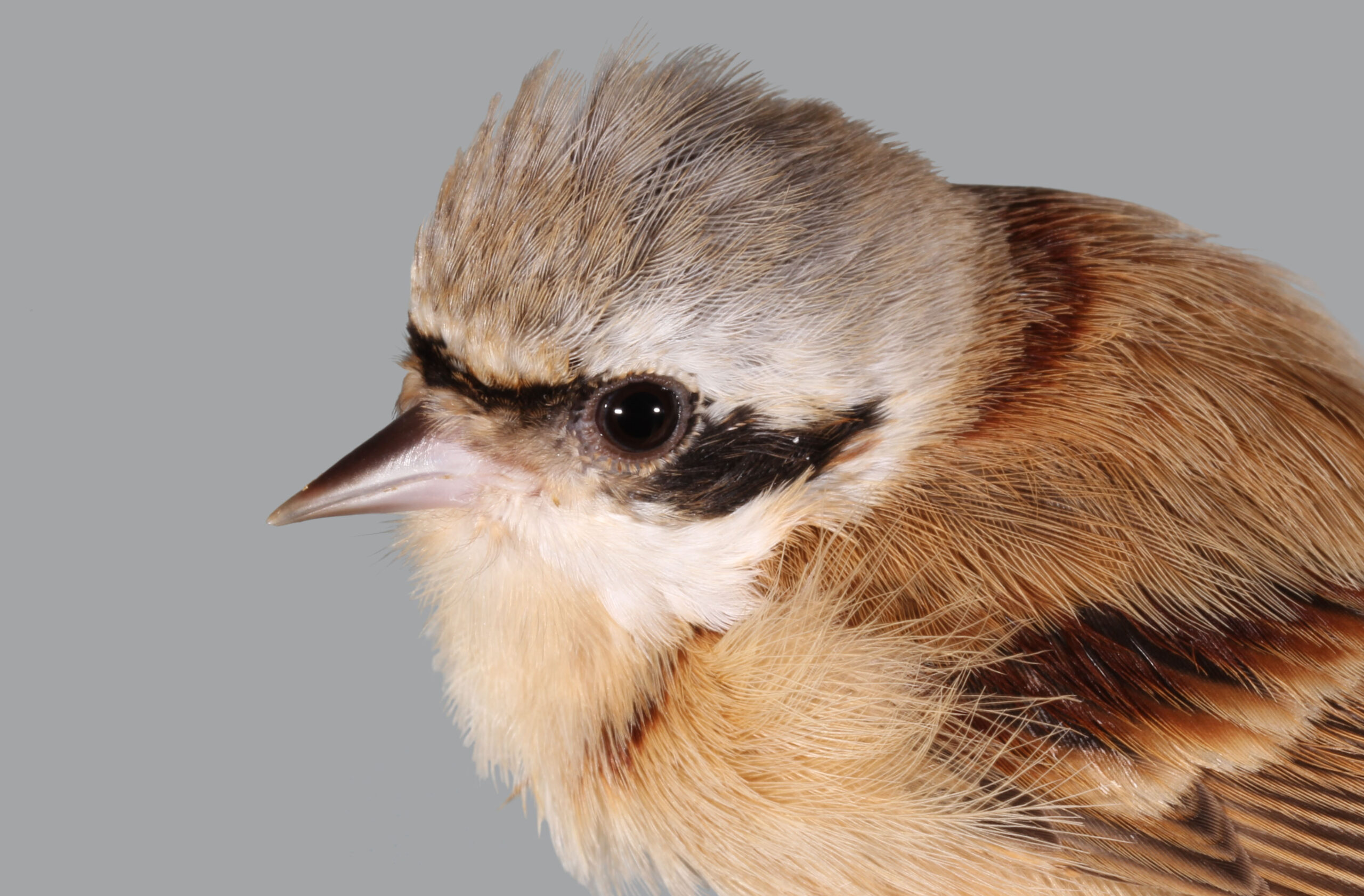
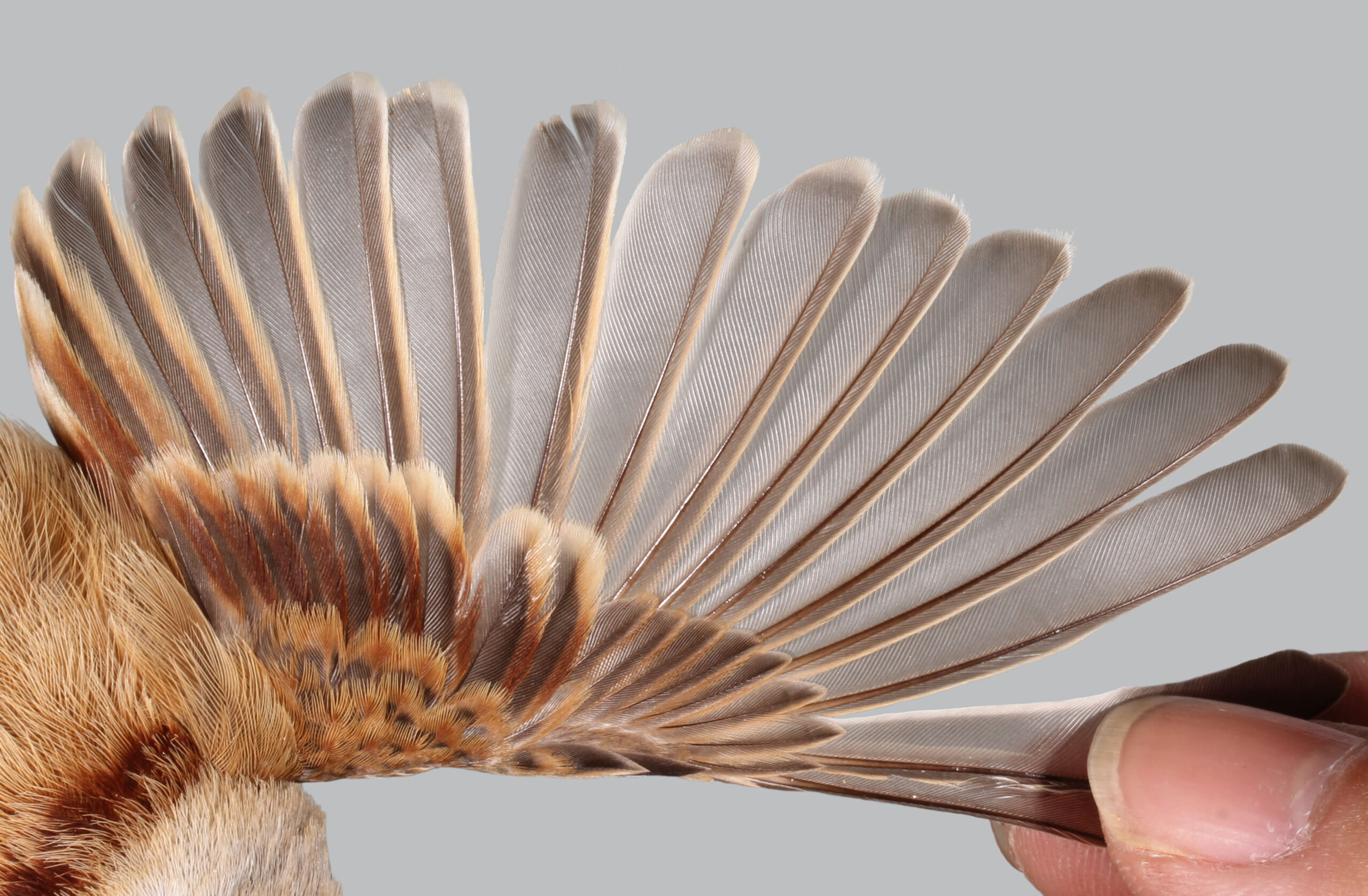
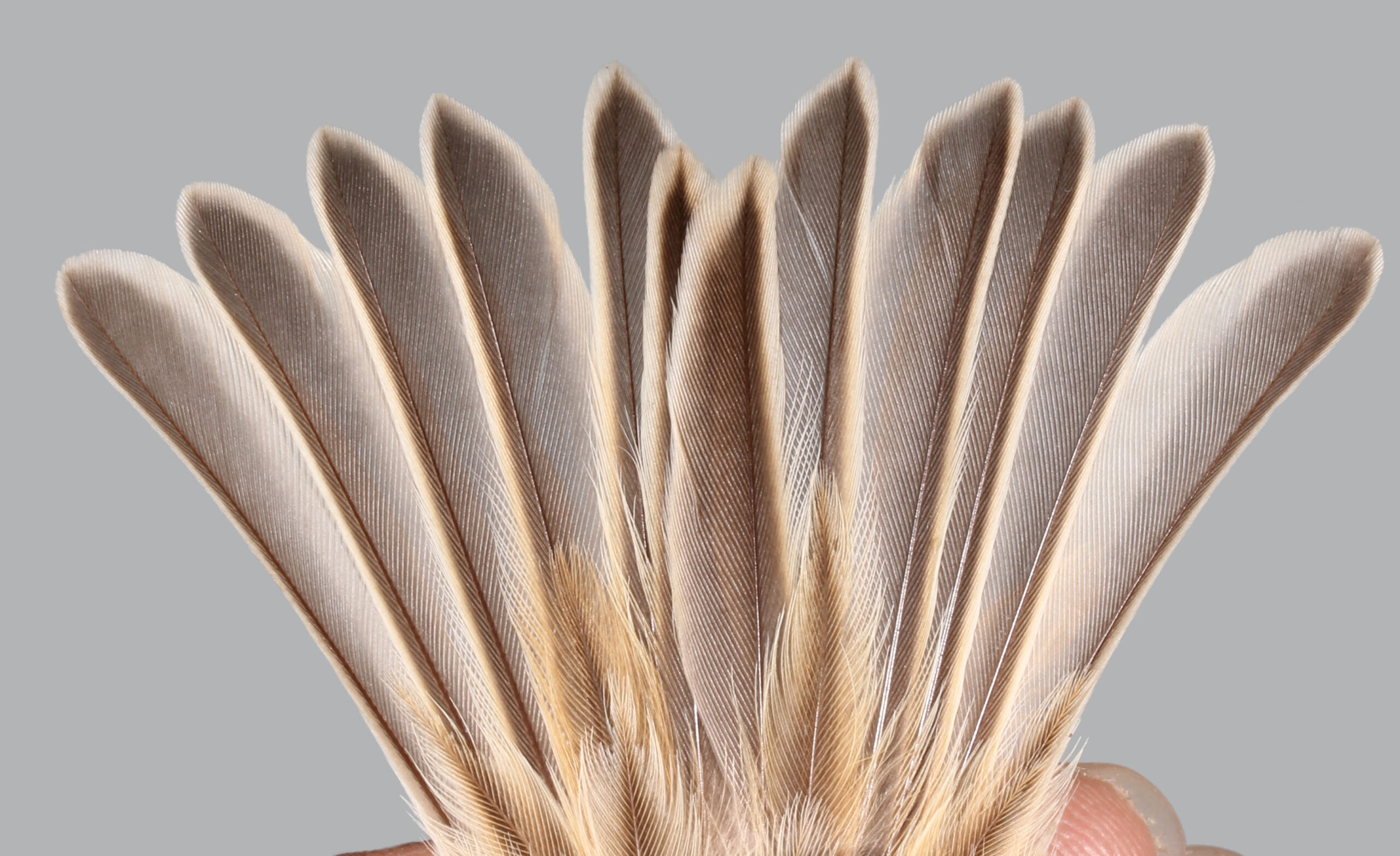
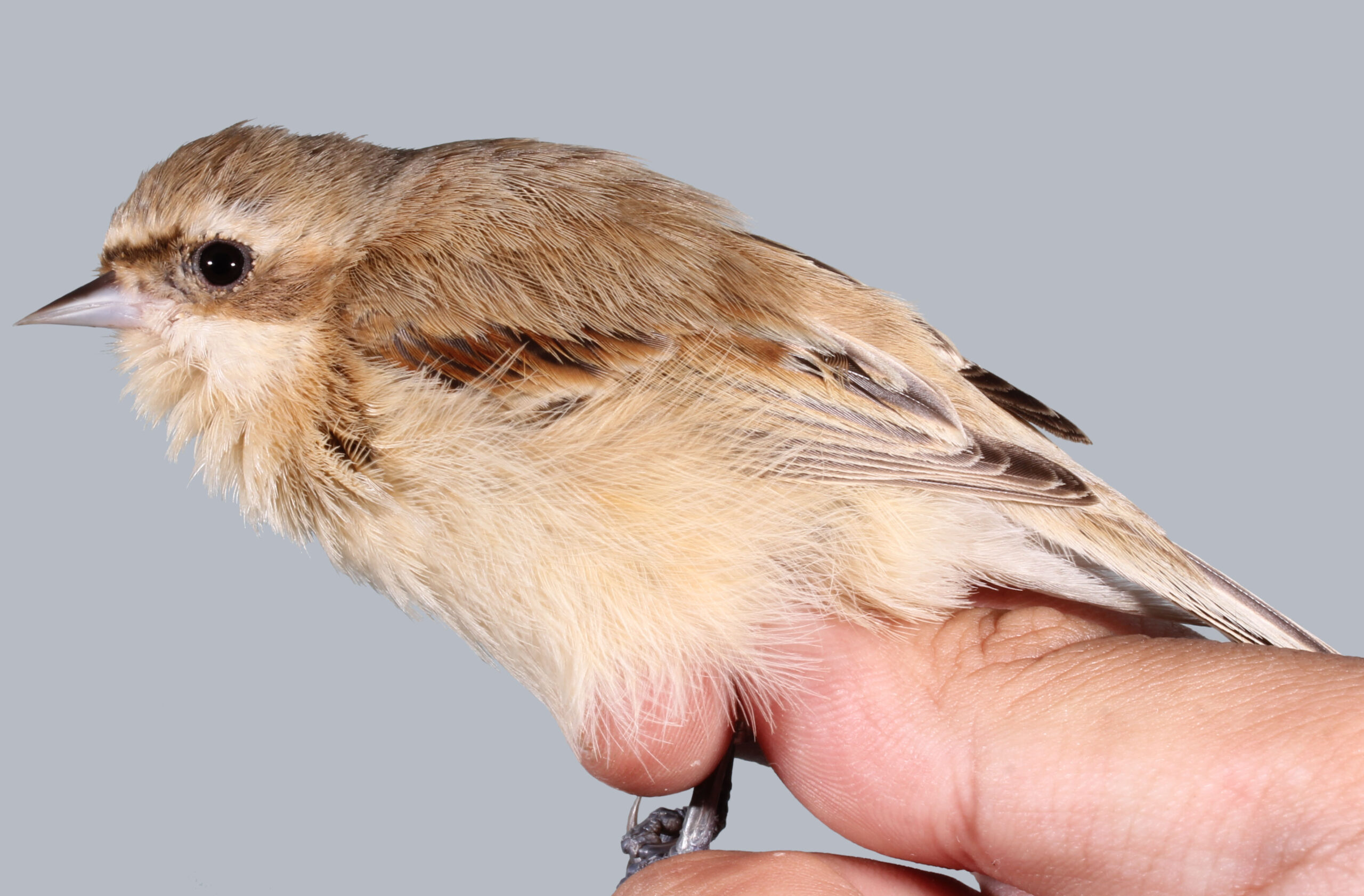
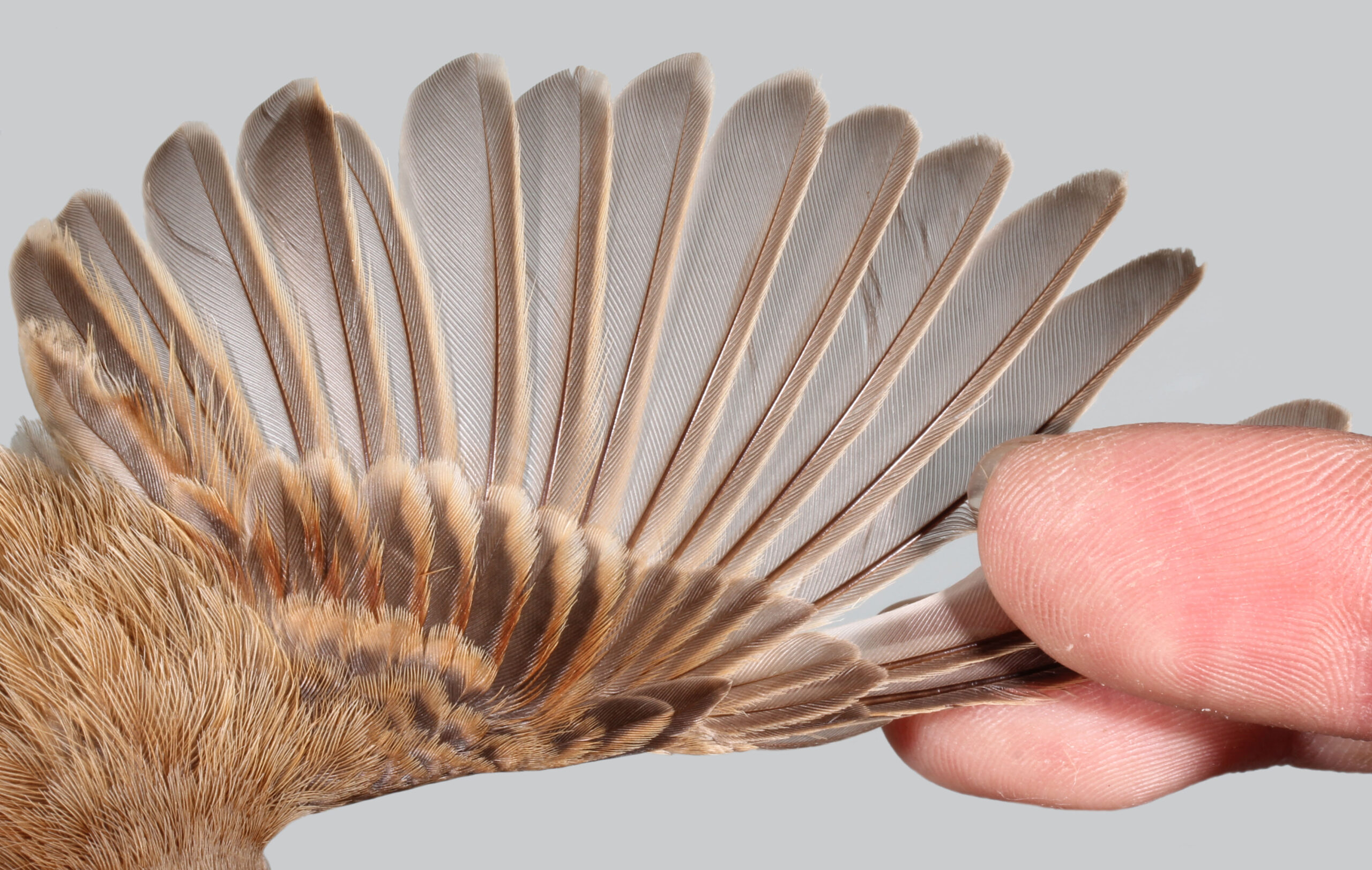
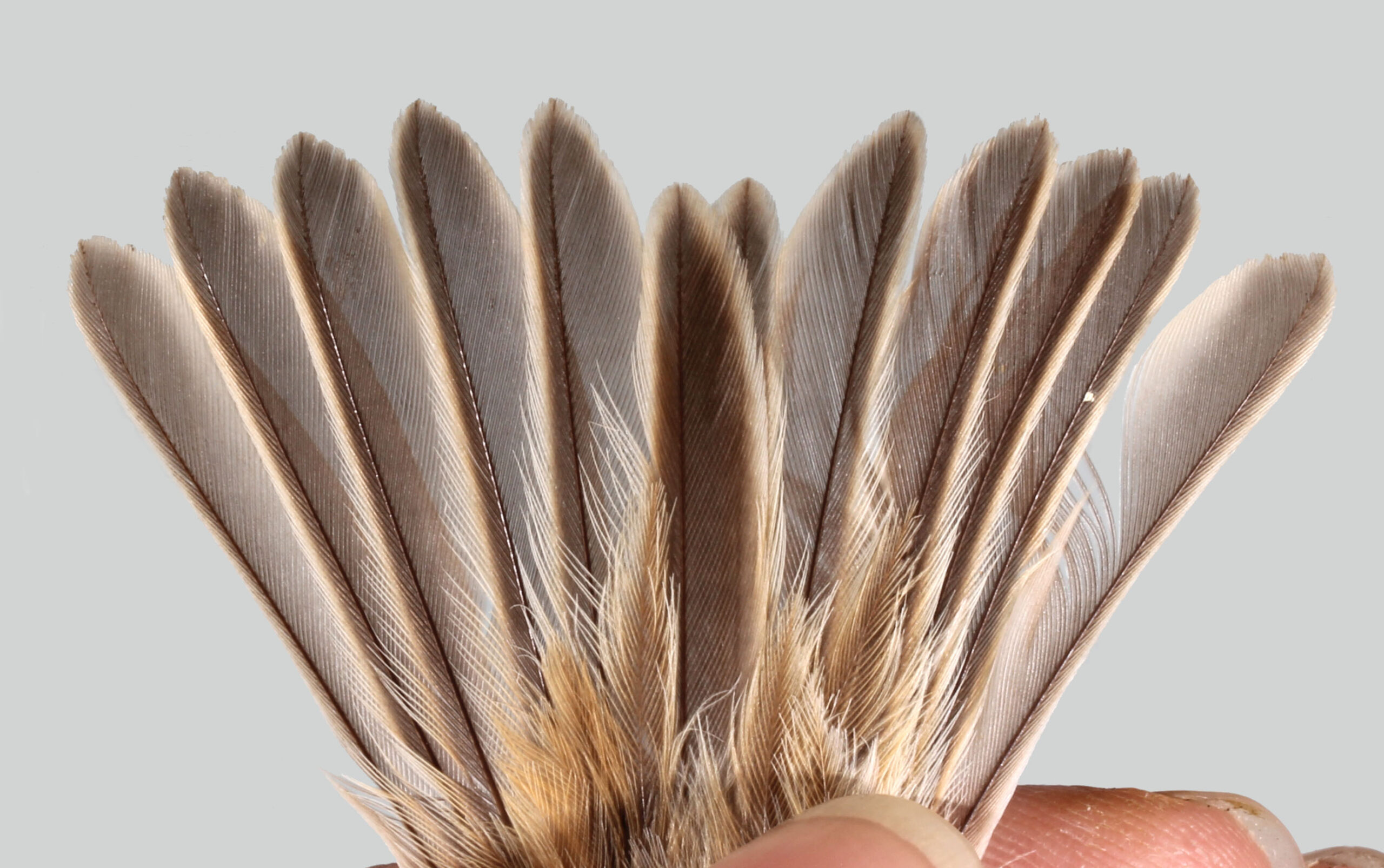
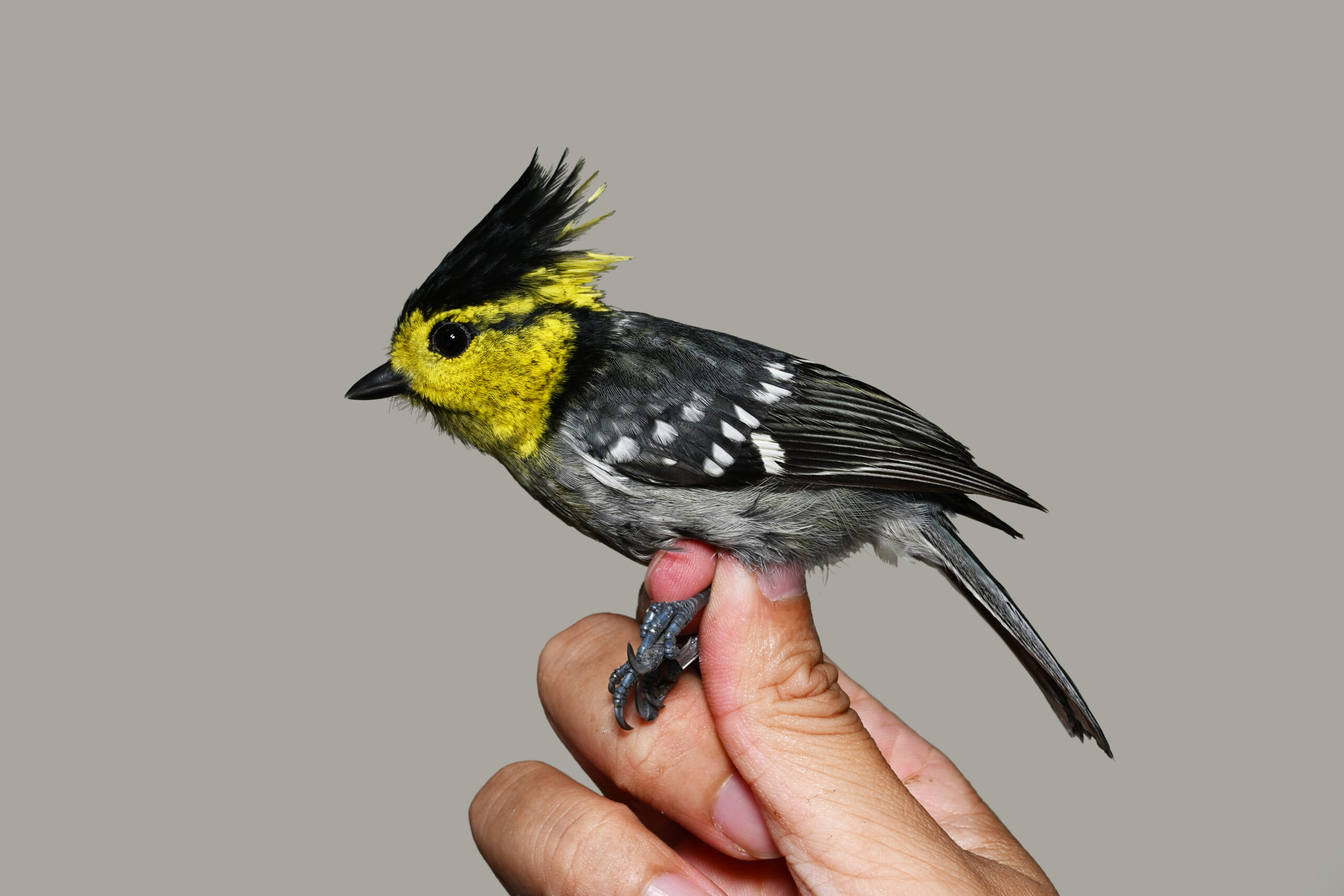
First up was a flock of the Chinese Penduline Tits that roam the reeds! These beautiful little Tits are one of our kindest, with their blunt needle-like bills being unable to cause pain to thick human skin (something we are all grateful for). They are an extremely loyal species; once one is caught, the others will fly to its rescue, only to become caught themselves.
Thankfully for these little ones, we are aware of this, and will process them quickly and reunite them back into freedom as fast as possible. Ageing them is much the same as other Tit species (Adults, SC; Juveniles, Sp), however the juveniles tend to retain a few GCs- differing from other Tits. Above we can see the difference between the adult male (top) and female (bottom). The adult male shows far more grey in the crown, black in the mask, and chestnut in the back and wing.
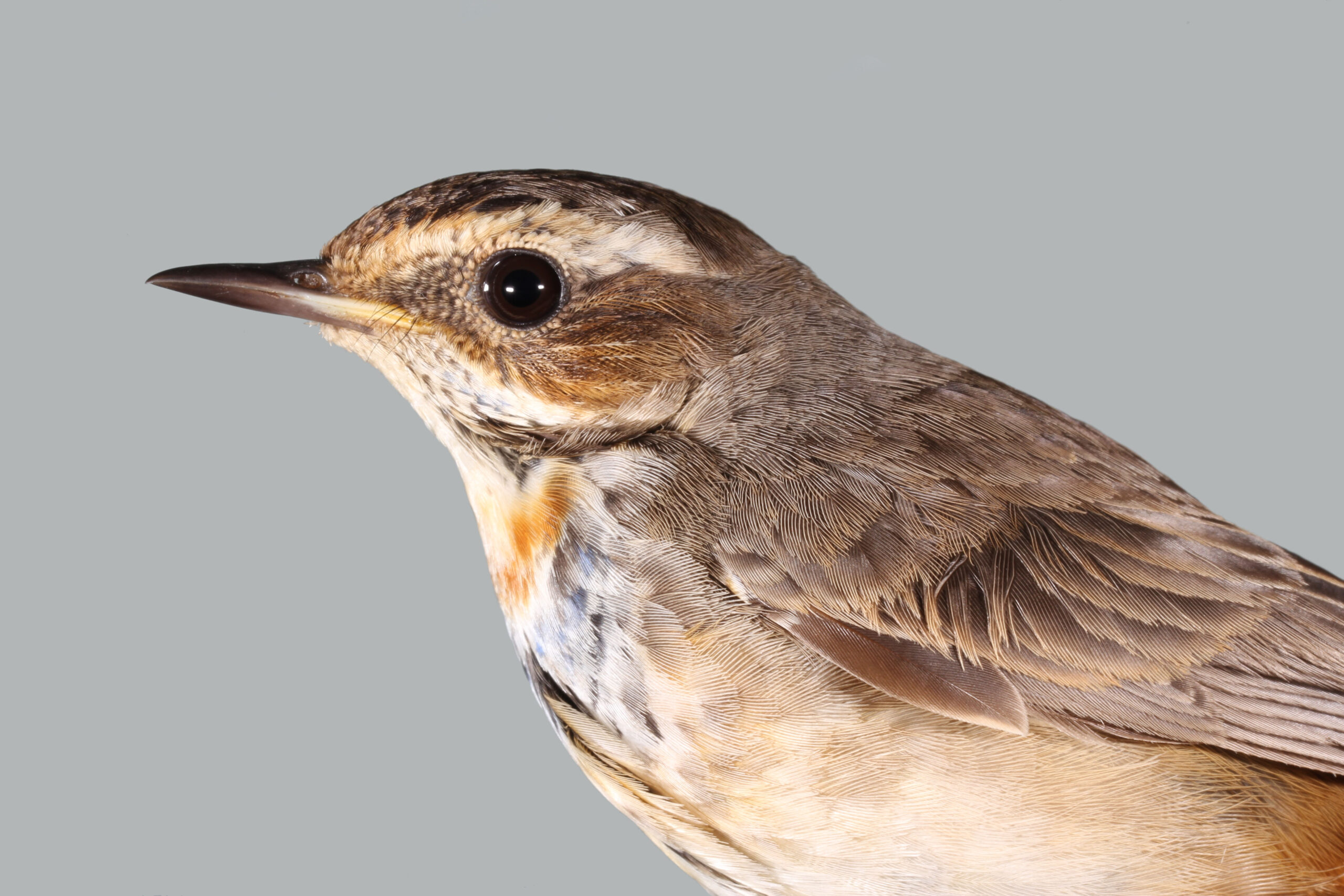
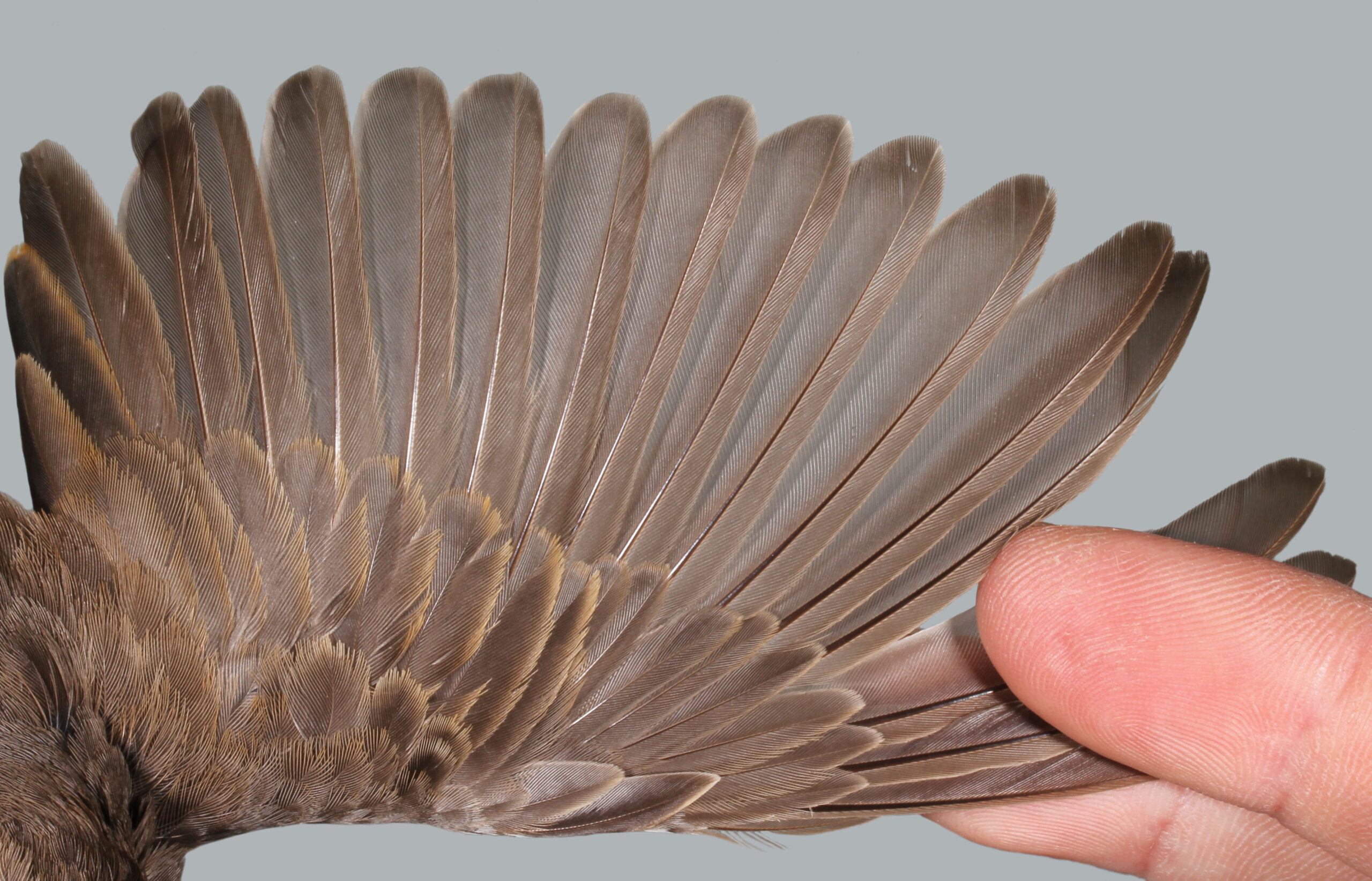
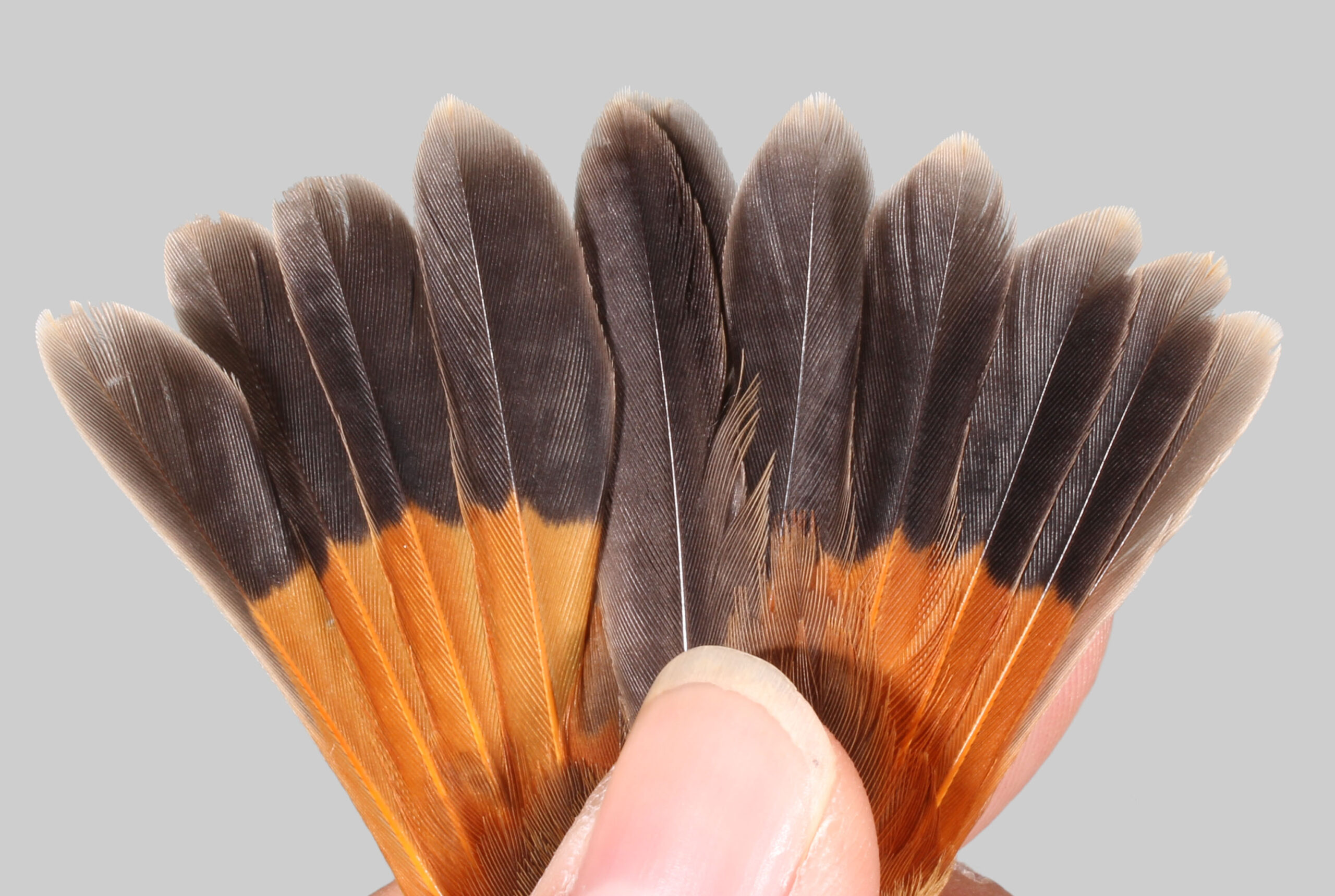
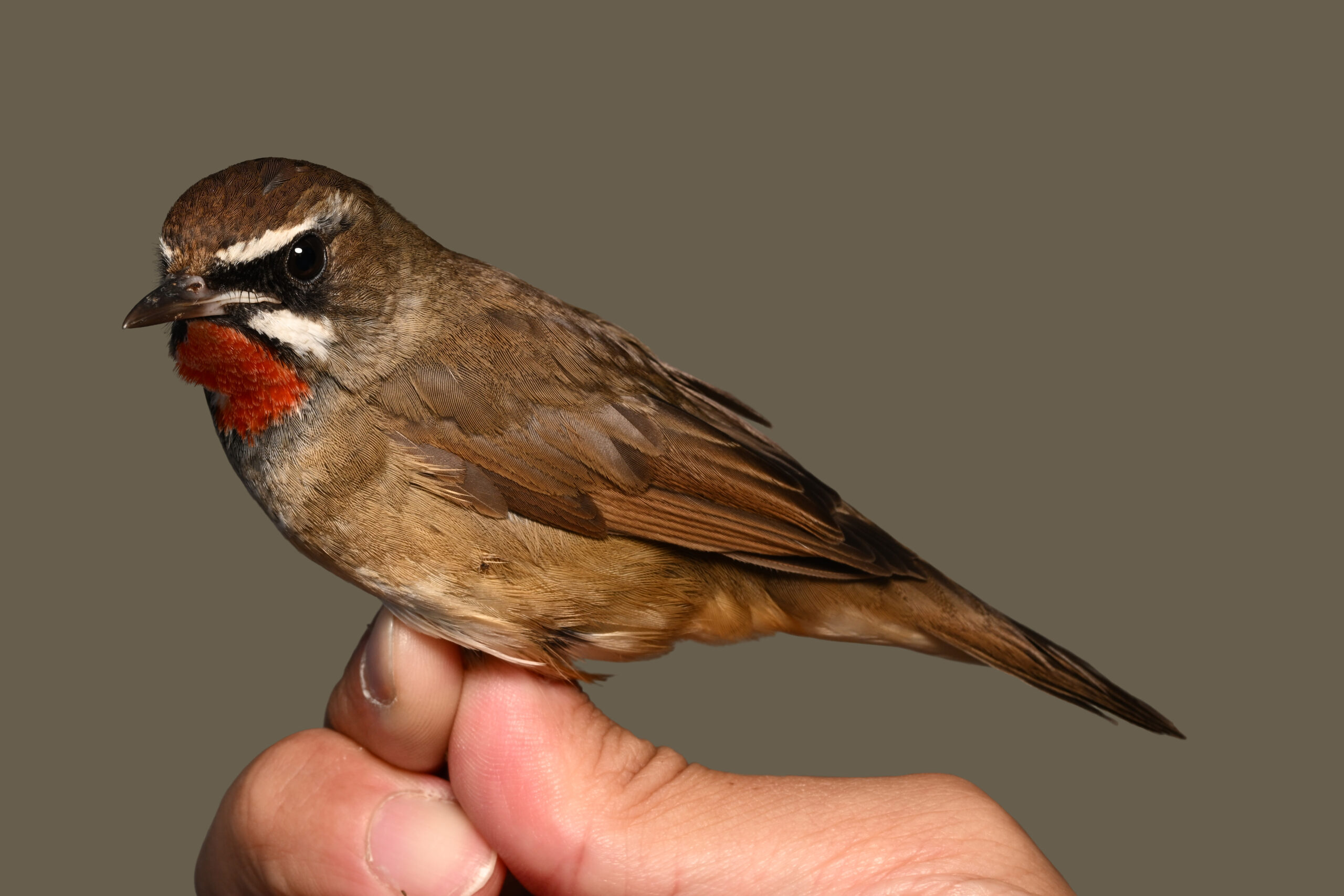
Next up was one of my favourites- the Bluethroat! This individual was very similar to our last (See 2023/01/17- Wetland Ringing: The Tantrum of the Tits). After ageing it due to the lack of moult limits in the wing, and all feathers being nice and adult, we can see that there is not enough colouration in the breast for this to be an adult male. Thus, it must be an adult female.
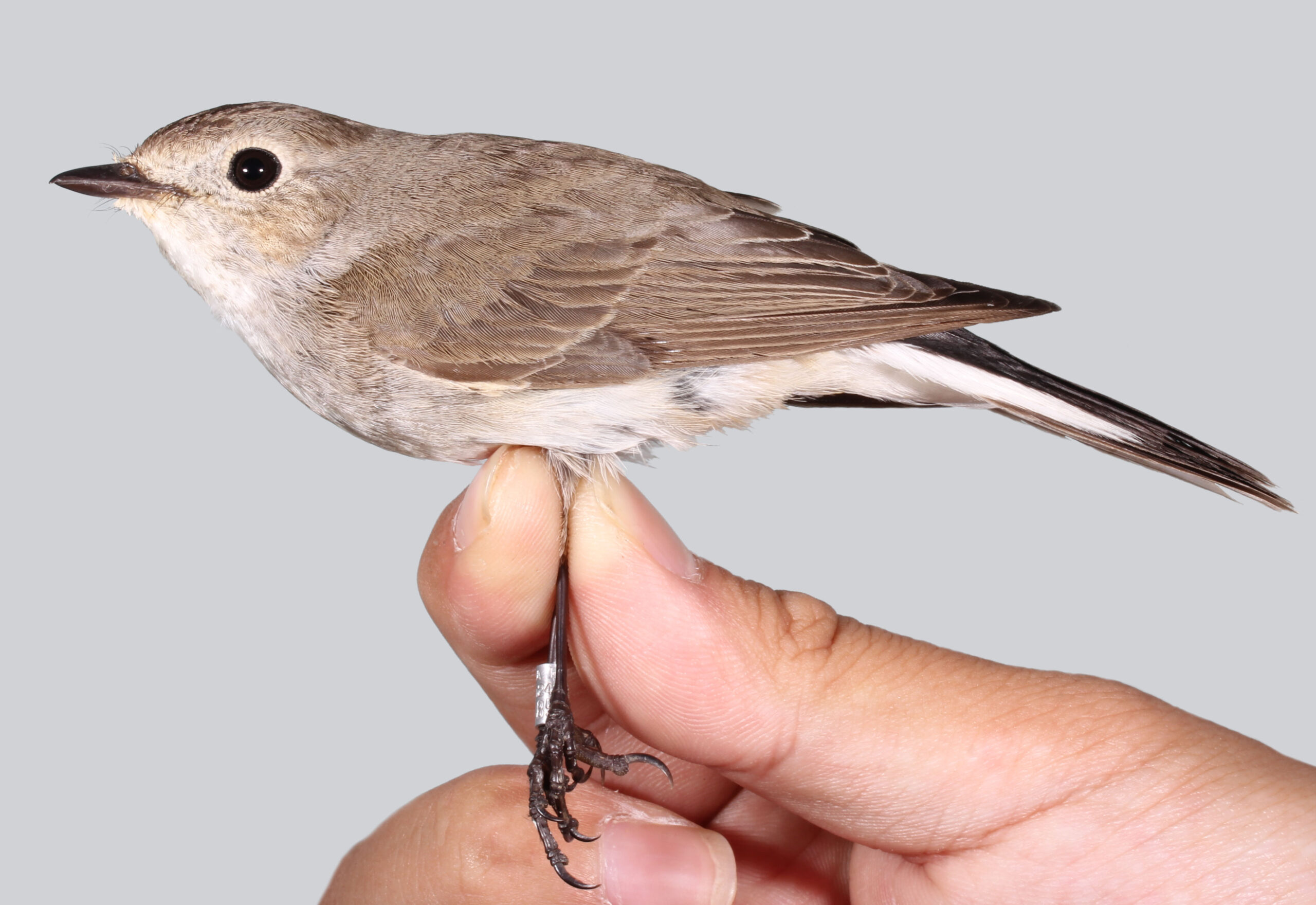
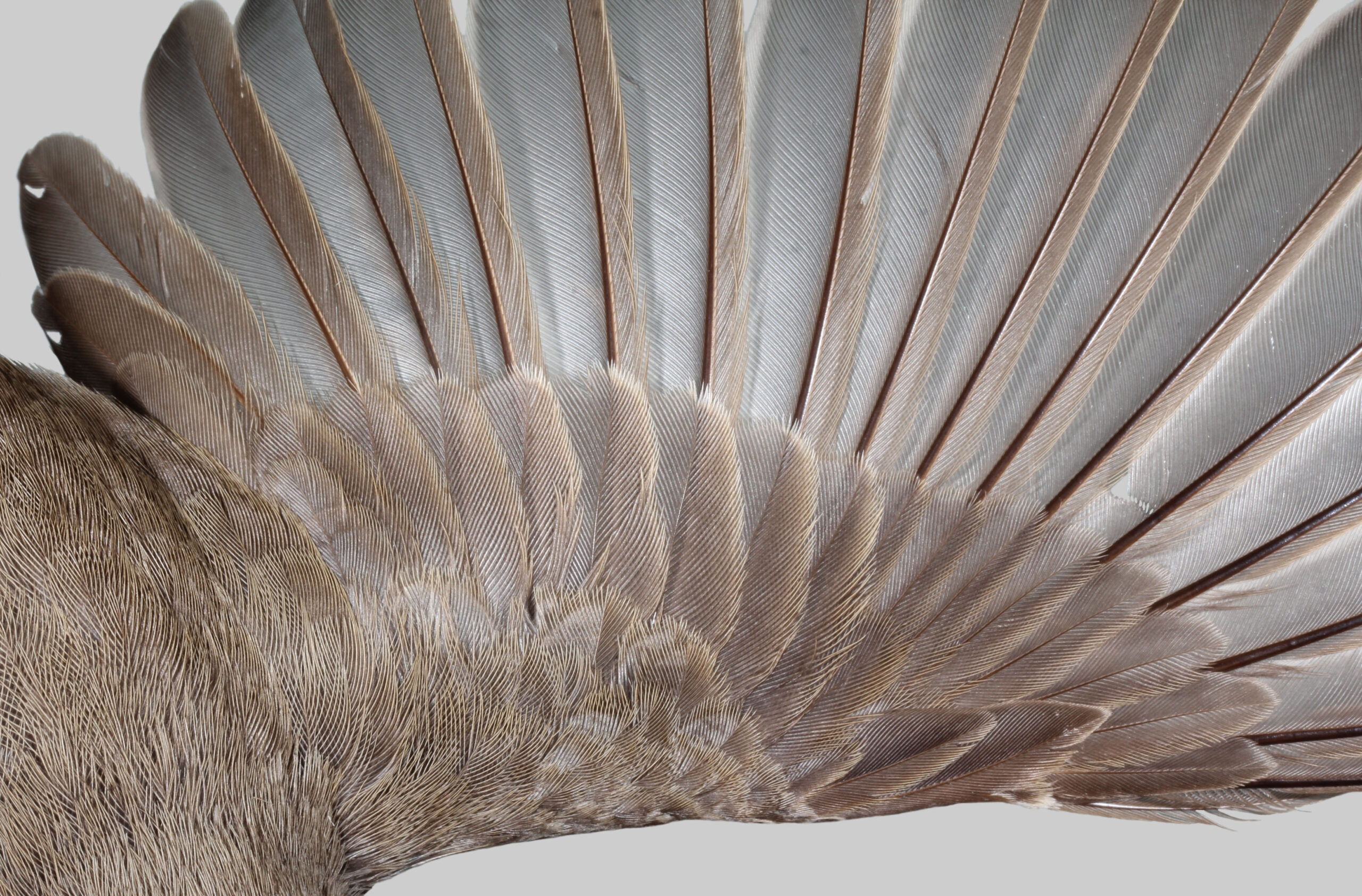
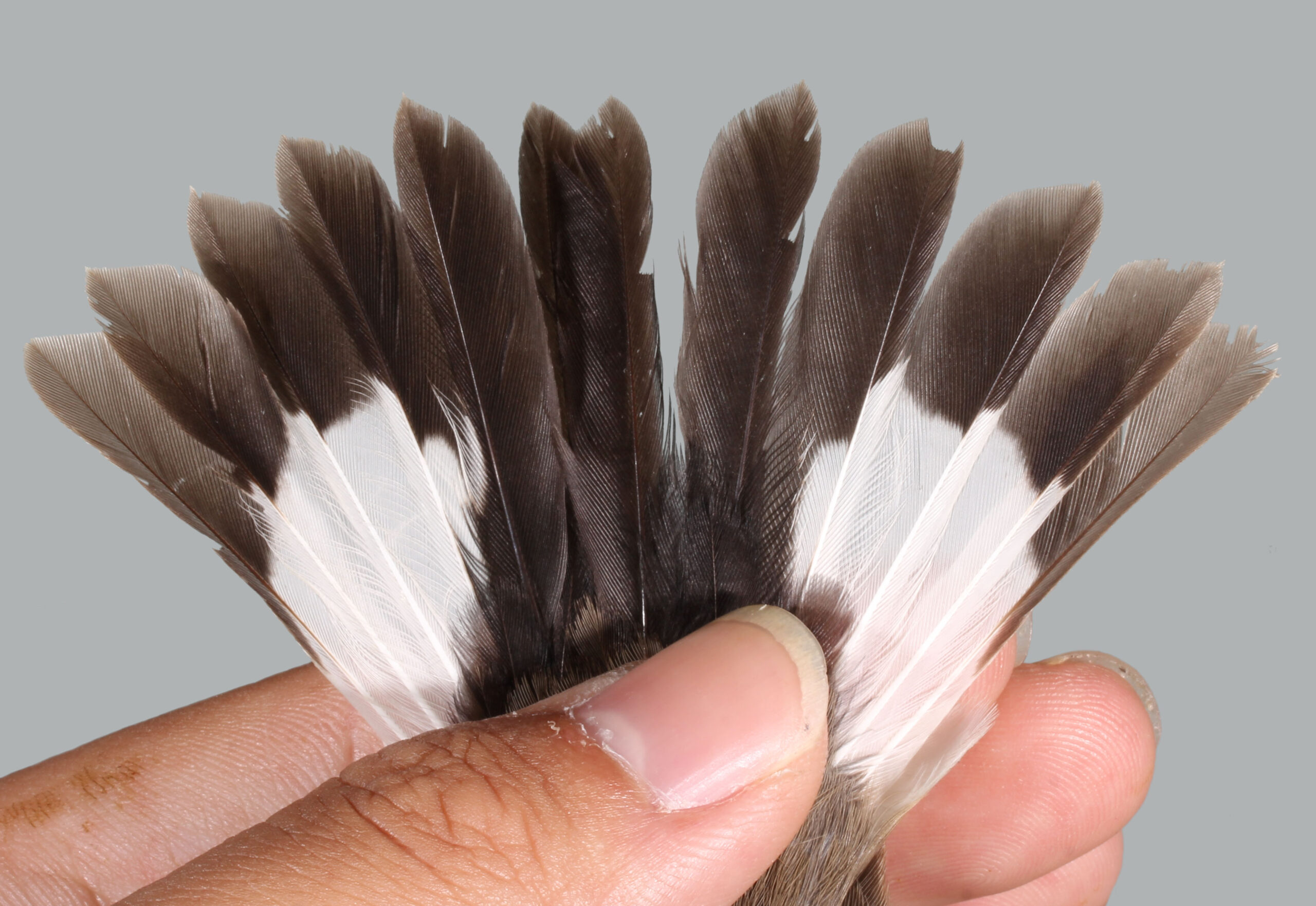
As the birds kept coming, another less common visitor to our nets turned up: a Taiga Flycatcher! Flycatchers can be a little tricker to age as, like Pipits, adults and juveniles follow the common pattern SC, Sp, however, both also carry out a winter partial moult. This means that come Spring, both adults and juveniles can show moult limits. However, moult limits in adults are rather difficult to identify, as both feather generations are of adult type, and will be of good quality. In this bird, there is a fairly clear (as ‘clear’ as moult limits are) moult limit between the 7th GC (juvenile) and 8th (pre-breeding), suggesting that this is a 2nd calendar year bird.
Note that the tail is worn from feather parasites, which are known for taking chunks out of the feathers, in contrast to normal wear and tear.
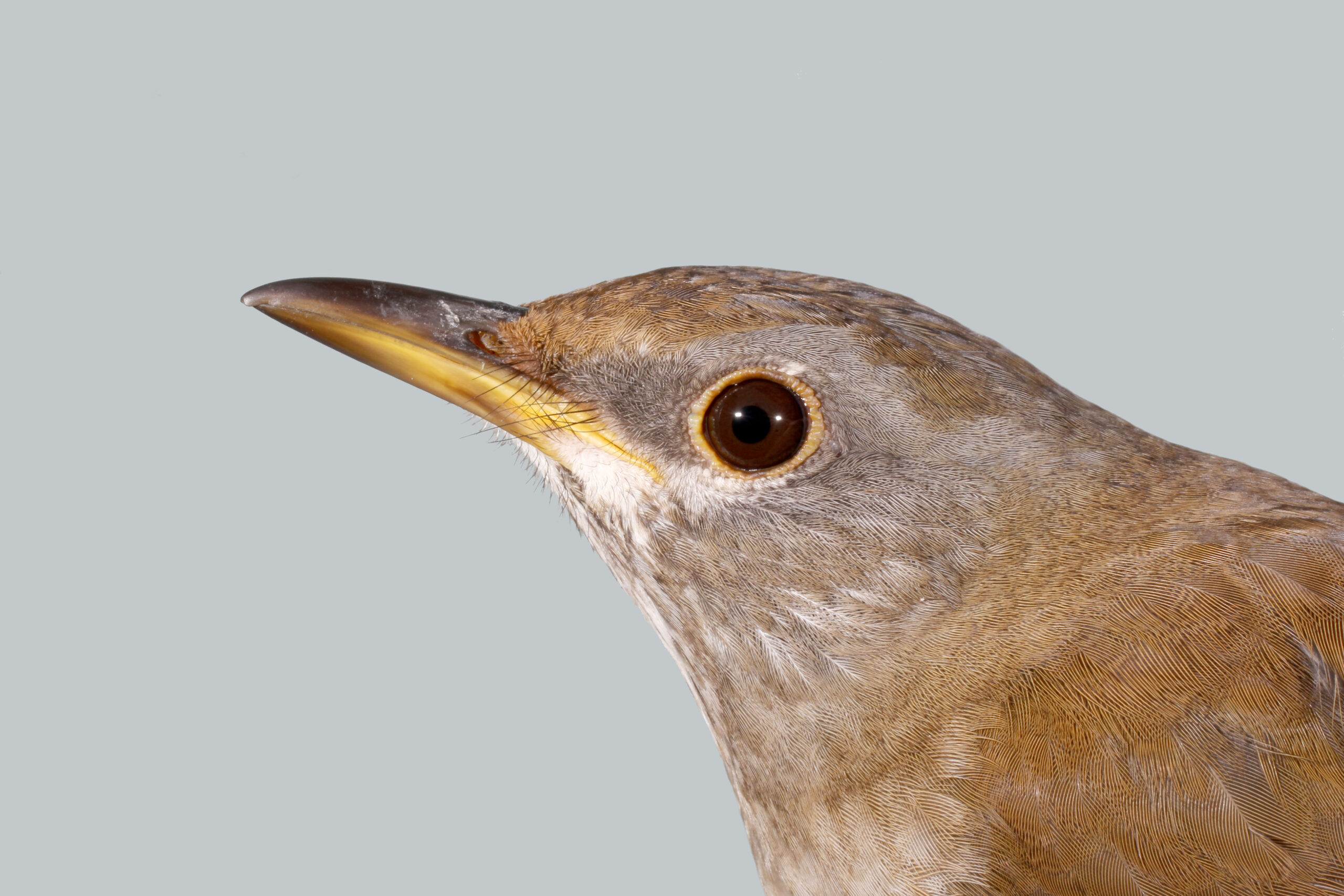
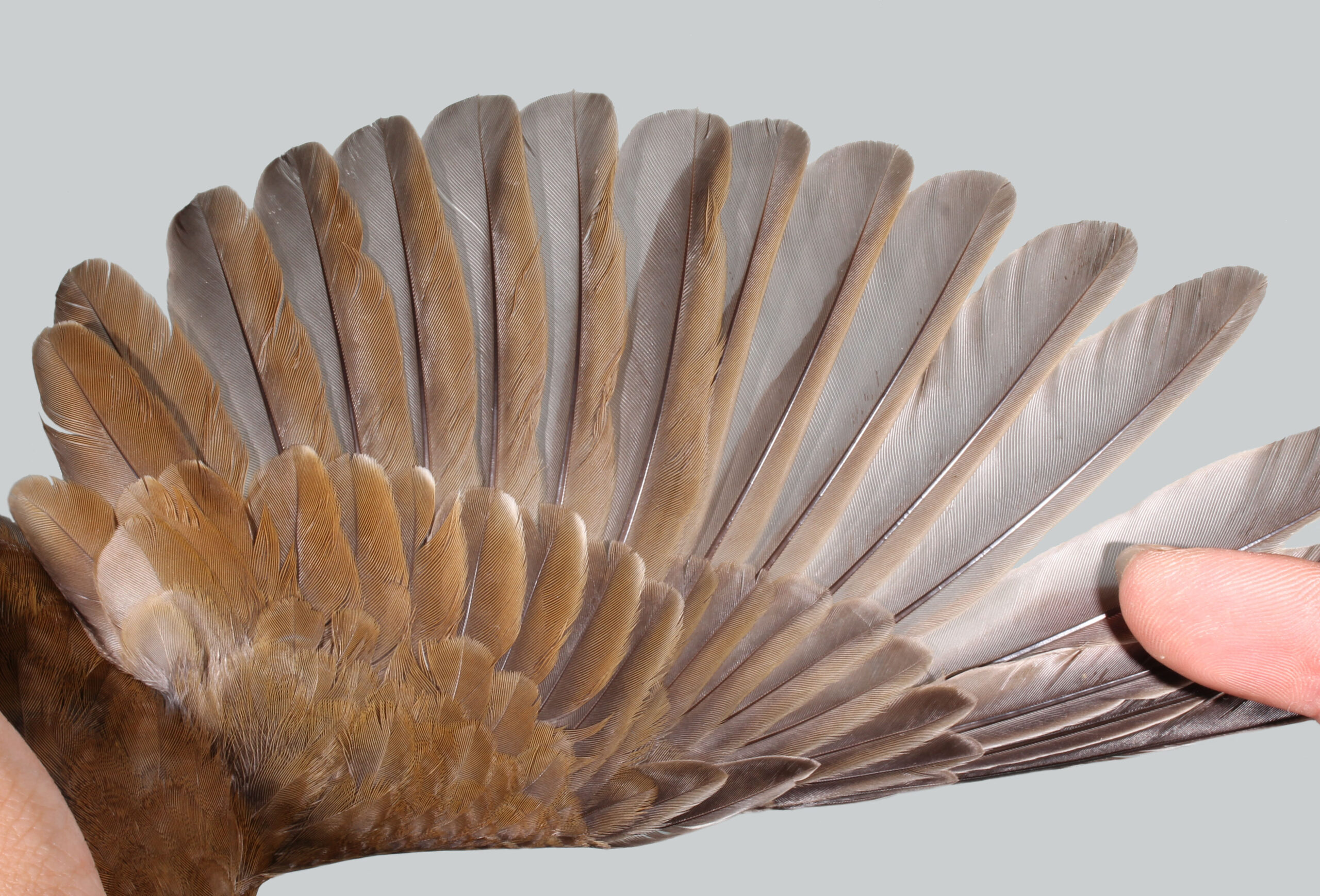
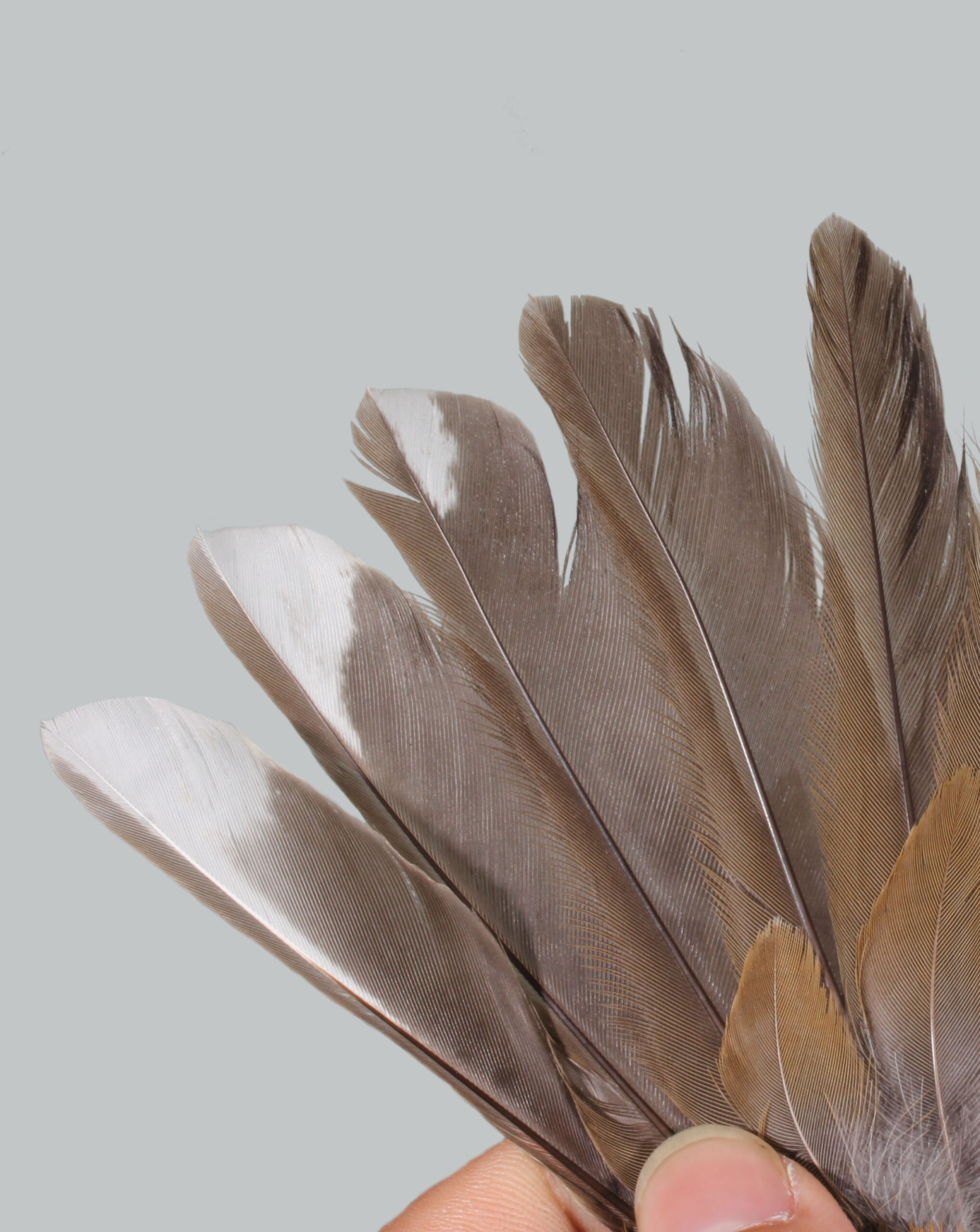
The morning drew on, and another less (even less) common visitor reached us- a Pale Thrush! Just like other thrushes, we are looking for a moult limit in the GCs for juveniles. But this individual shows a uniform wing with broad, dense, adult-type feathers in both the wing and the tail. This, coupled with the slatey grey face and brown-streaked throat tells us that this is an adult male! What a stunning bird!
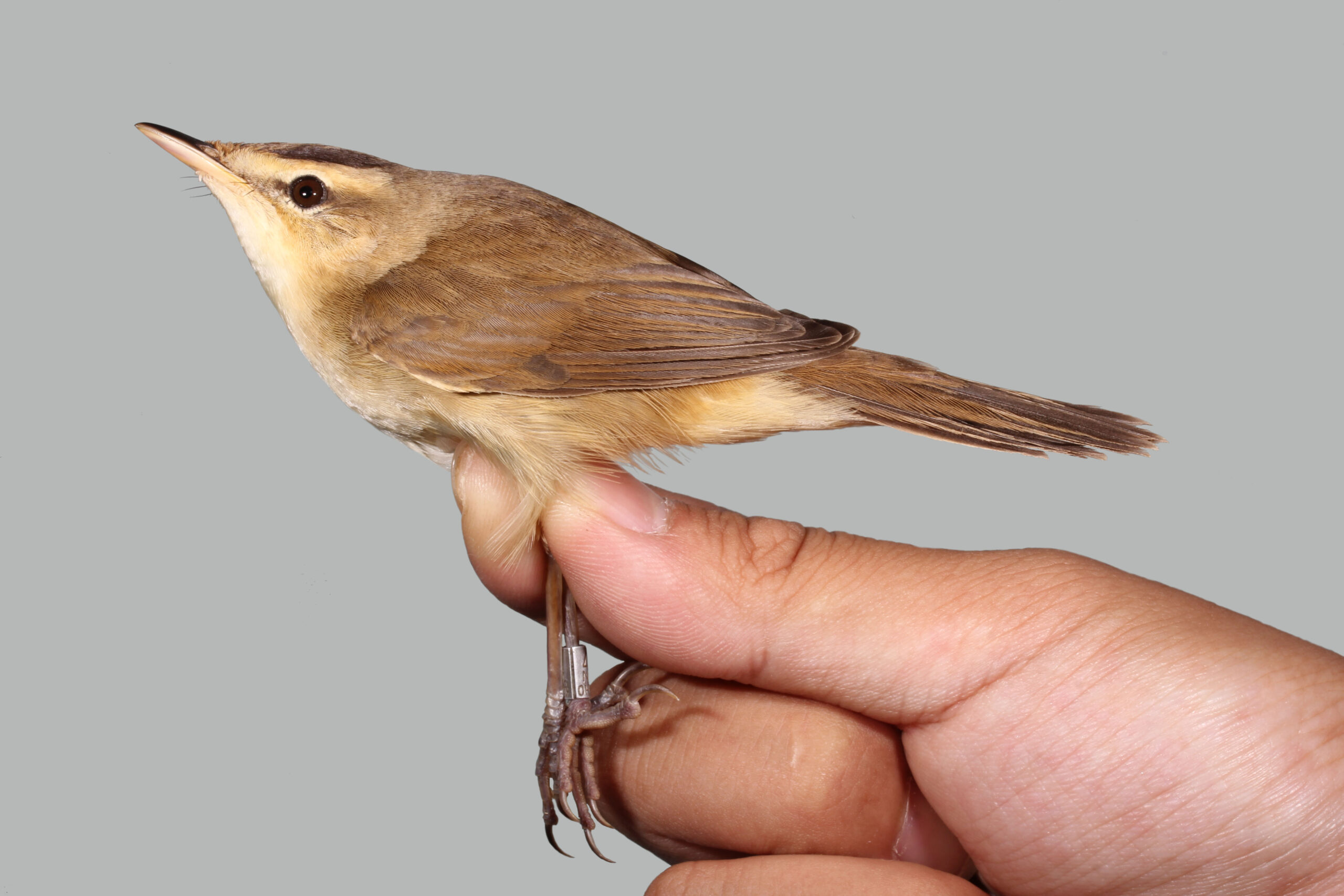
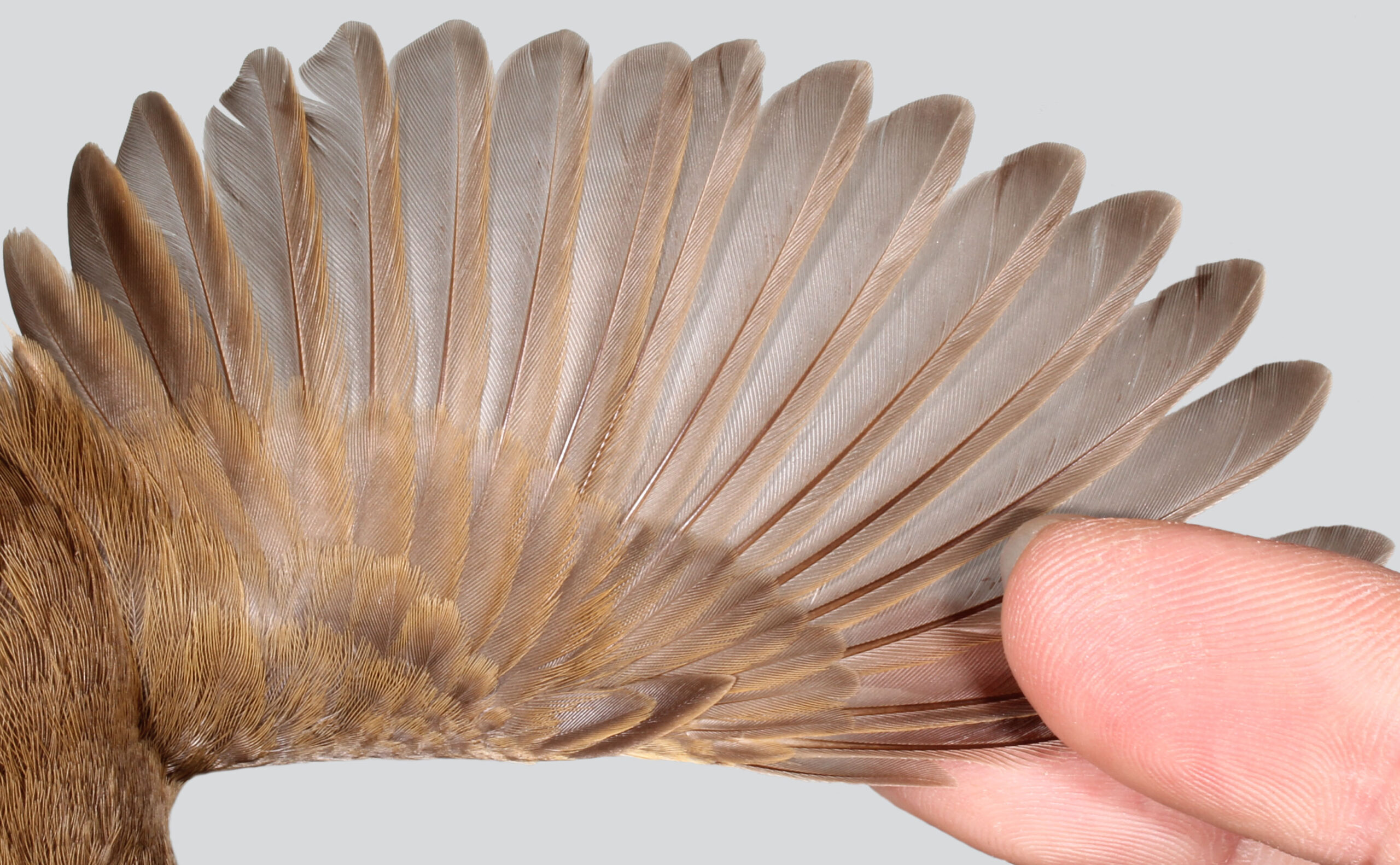
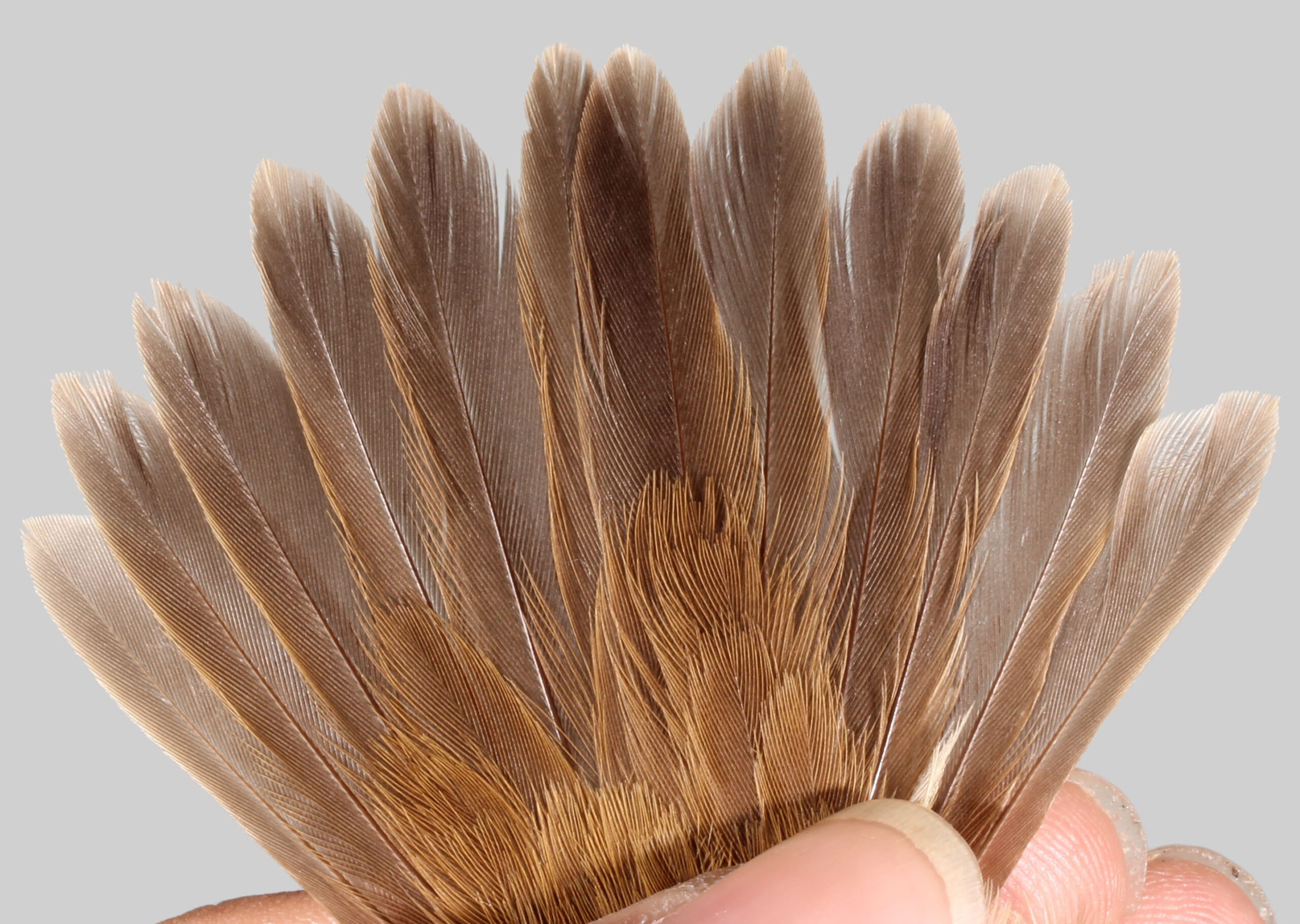
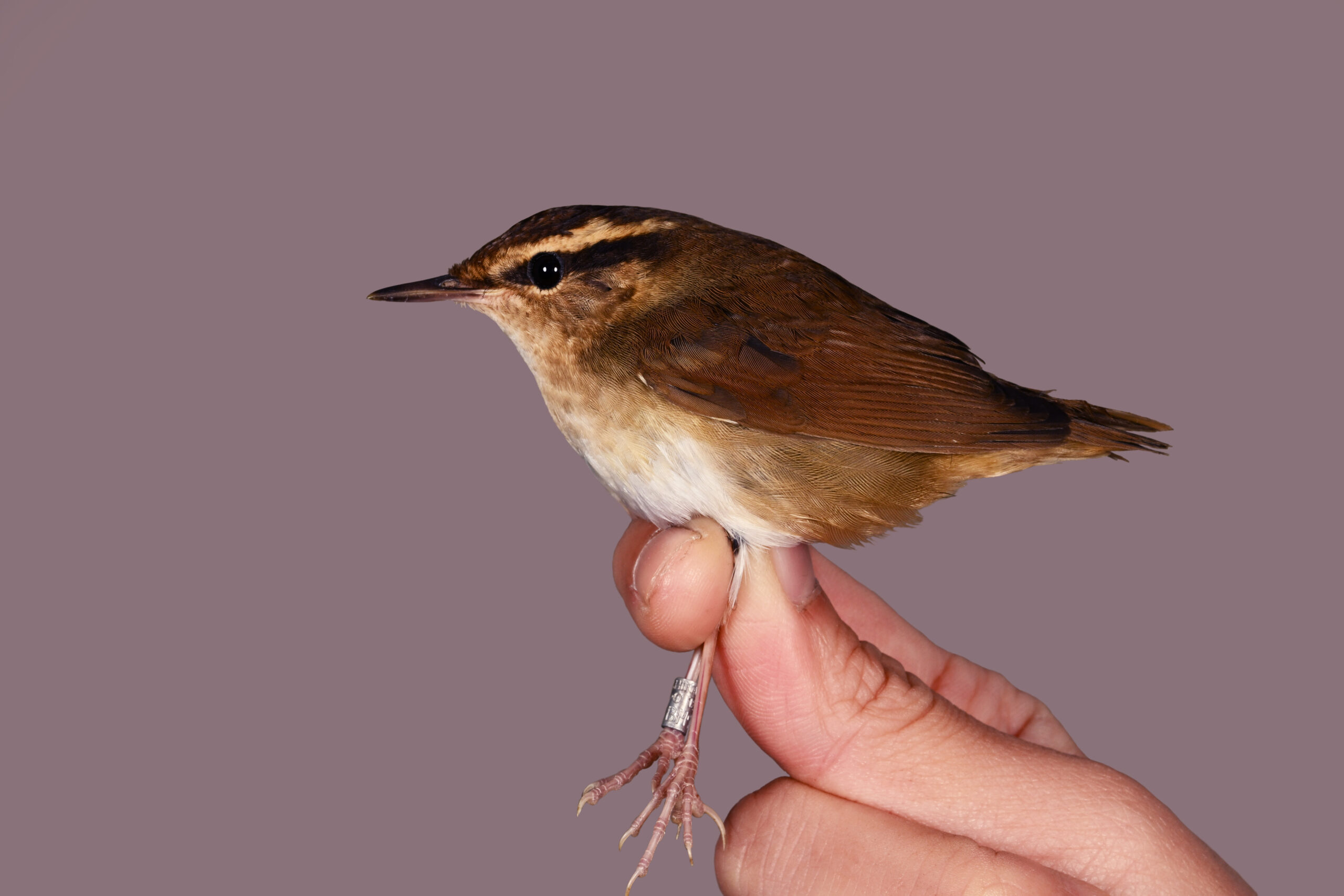
As we slowly rolled down for the day, and the birds began to thin, the day had one more surprise for us! We had a recapture Black-browed Reed Warbler, but, as we checked its ring, we realised something spectacular…this bird was originally ringed in Japan! This is the first ever Japanese recapture for HKBWS, and an incredible insight into the movements of this species!
This bird was originally ringed in Shimane prefecture on the 9th October 2021- over 2,300 km away and 486 days from recapture! What an amazing bird!
Daily Totals
| Species | Original | Recapture |
| Black-browed Reed Warbler | 2 | 0 |
| Black-faced Bunting | 2 | 0 |
| Bluethroat | 0 | 1 |
| Chinese Bulbul | 1 | 0 |
| Chinese Penduline Tit | 12 | 0 |
| Common Tailorbird | 0 | 1 |
| Dusky Warbler | 0 | 4 |
| Grey-backed Thrush | 0 | 1 |
| Japanese Thrush | 1 | 0 |
| Little Bunting | 2 | 0 |
| Pale Thrush | 1 | 0 |
| Pallas’s Leaf Warbler | 2 | 0 |
| Plain Prinia | 2 | 1 |
| Red-throated Flycatcher | 1 | 0 |
| Yellow-bellied Prinia | 0 | 3 |
*Please note that all wild birds, their nests, and eggs are highly protected (under Wild Animals Protection Ordinate, Cap. 170) in Hong Kong. It is an offence to wilfully disturb, take, remove, or injure wild birds or their nests/eggs. The actions described here were undertaken by trained professionals holding the necessary licenses and permits issued by the AFCD.*