


This morning dawned humid and with a slight chill in the moisture filled air. Both and the breeze left us pondering if today would be a good day to trap- due to the fact that we will not catch birds on days with strong winds or rain.
Thankfully, the weather was kind to us today, and as we pulled up to the site, it had calmed to a cloudy, quiet morning.
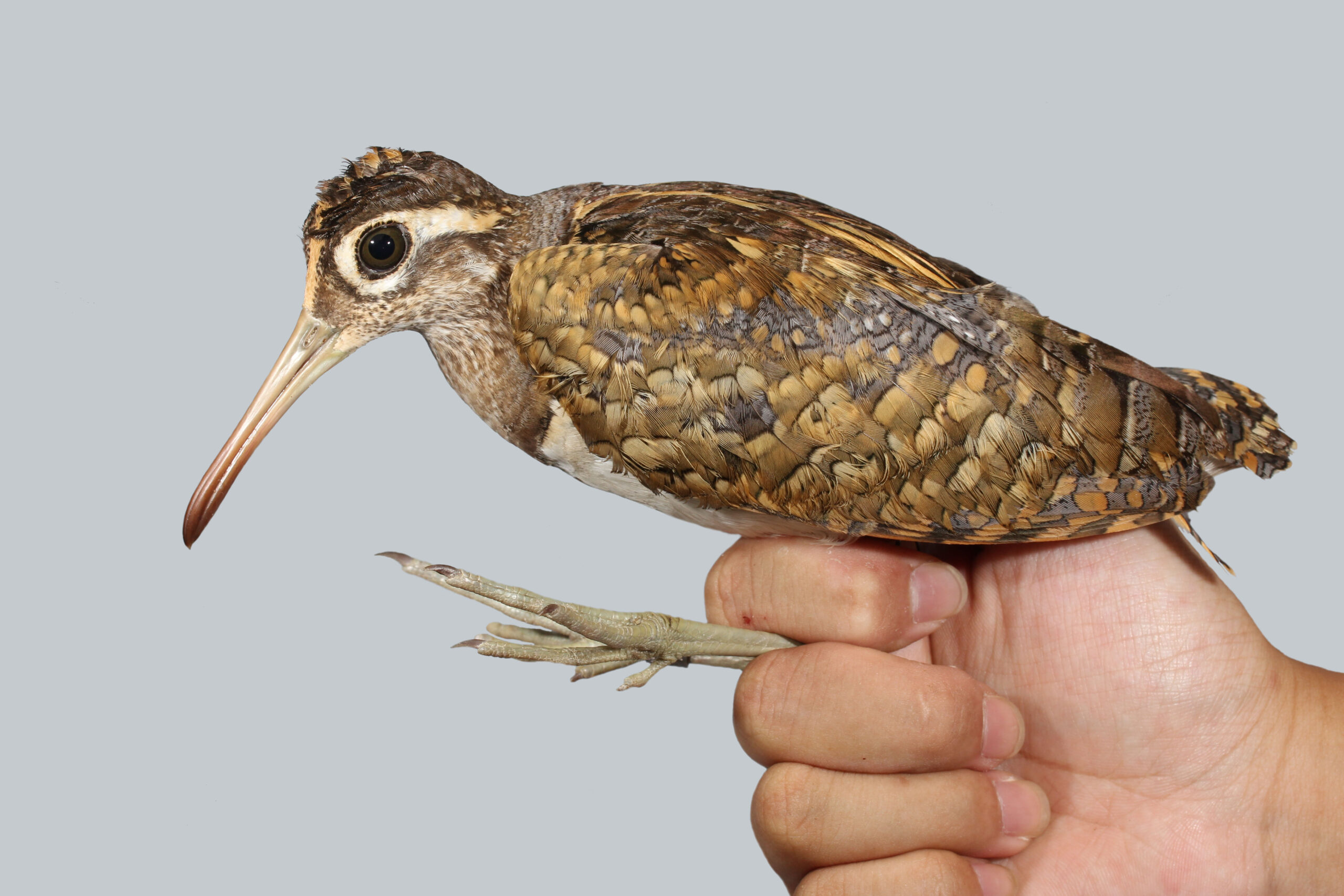
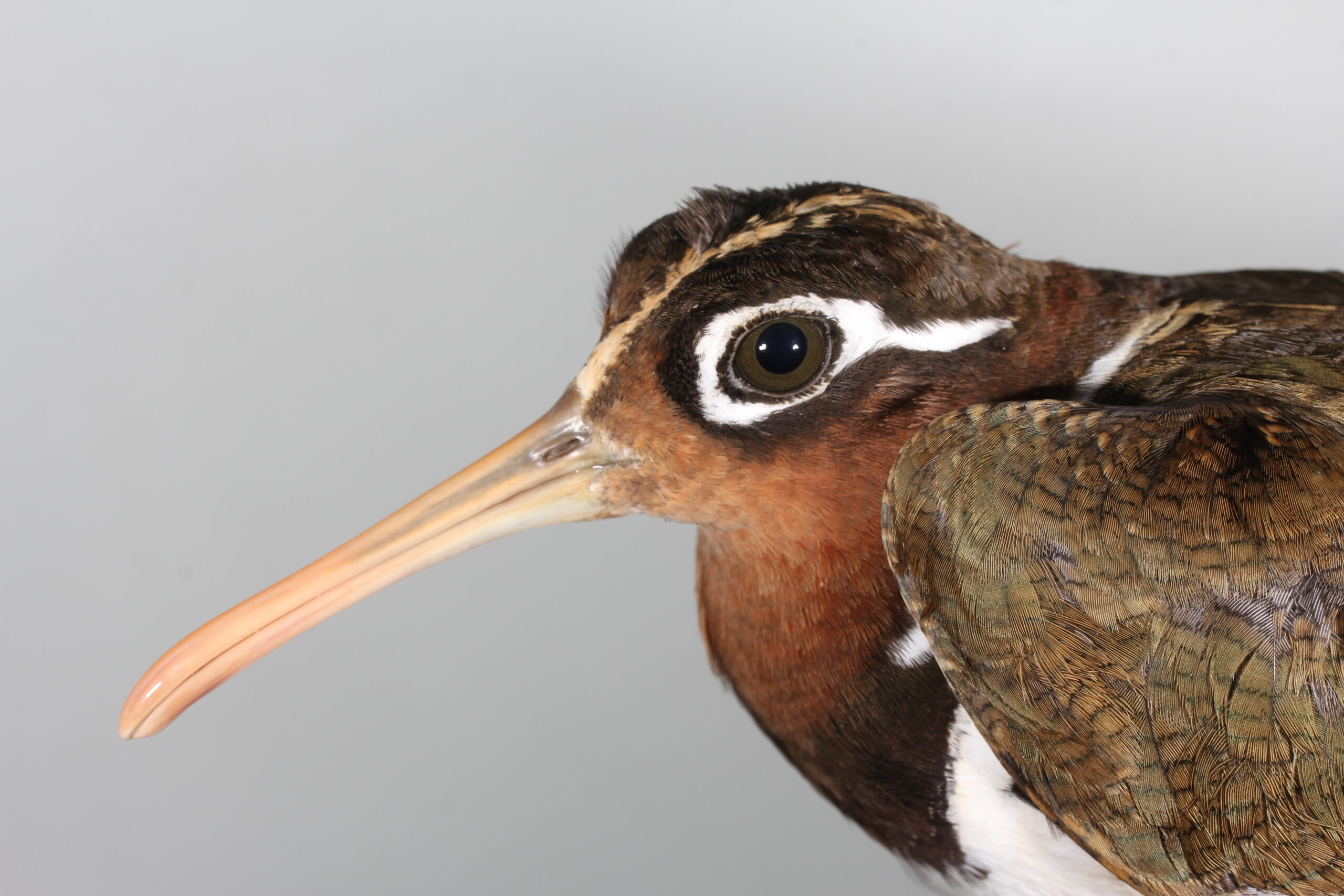
It became apparent rather quickly that the wet landscape were not a favourite for the passerines today, but our waterbirds, on the other hand, were out in force! We started off the day with a beautiful young Greater Painted-Snipe! This species is one where the females are typically more ‘beautiful’, with strong red-chesnut tones in the head and breast, and a black border around the white eye ring. This is not present at all in the individual above, thus it must be a young male.
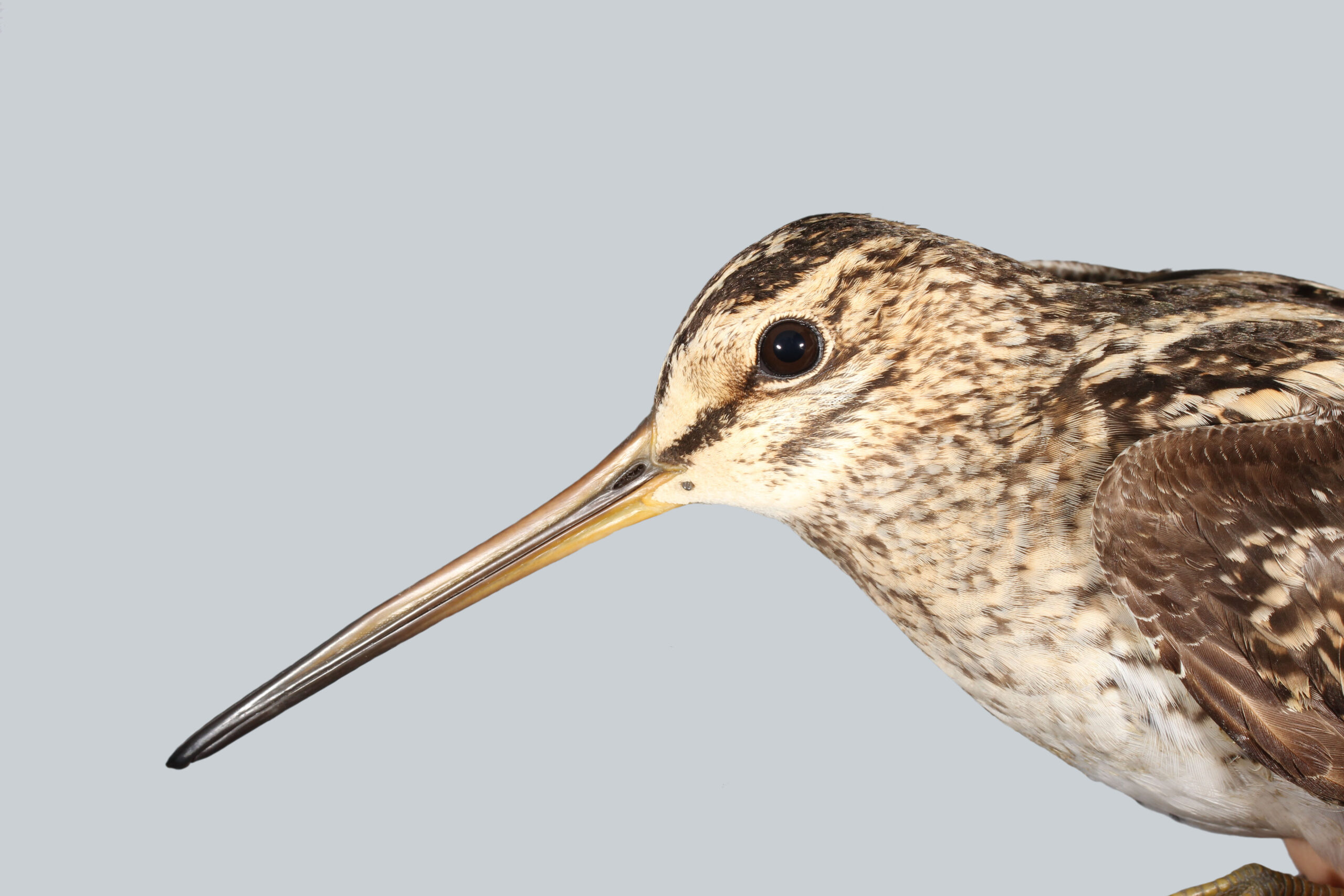
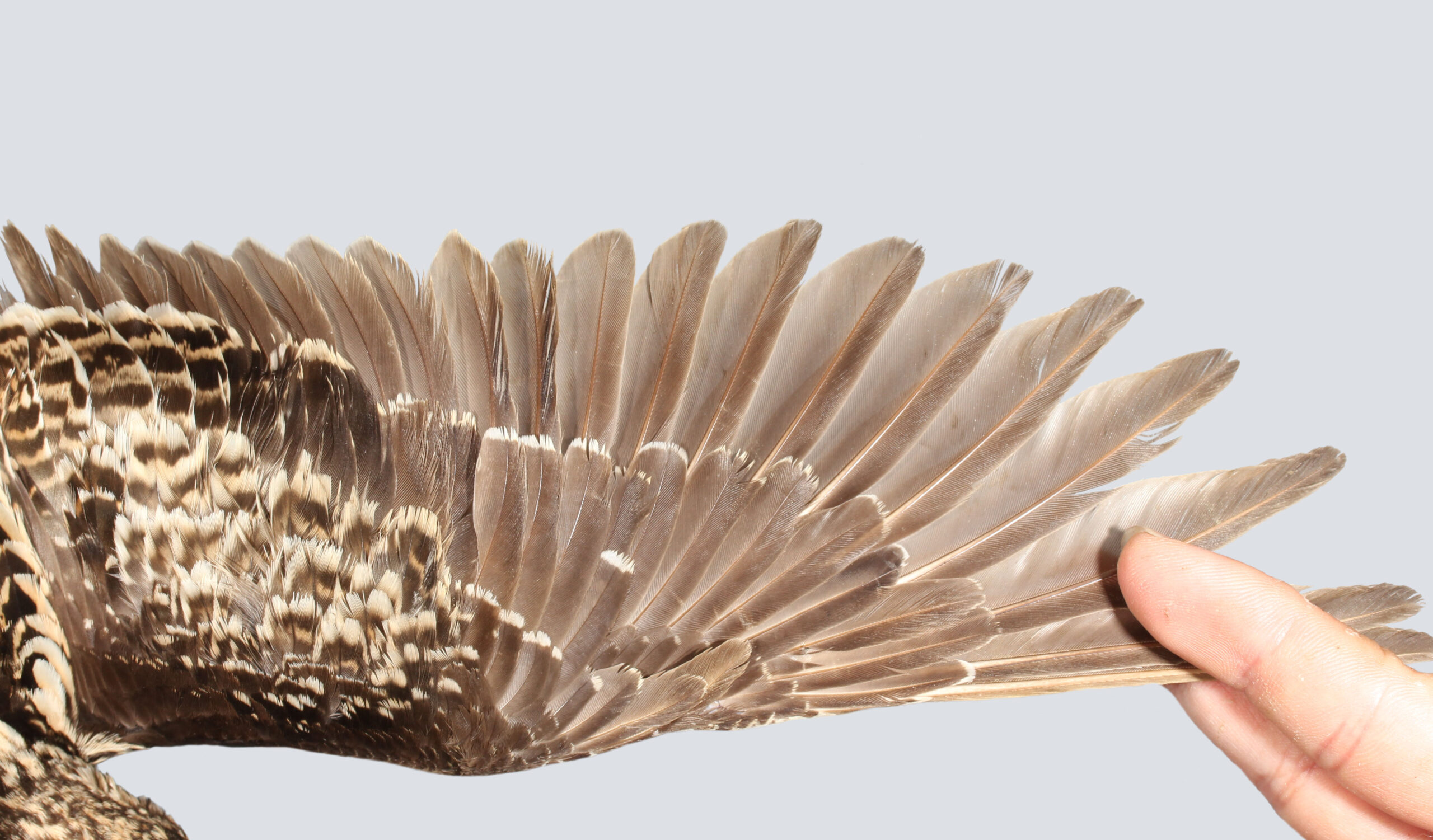
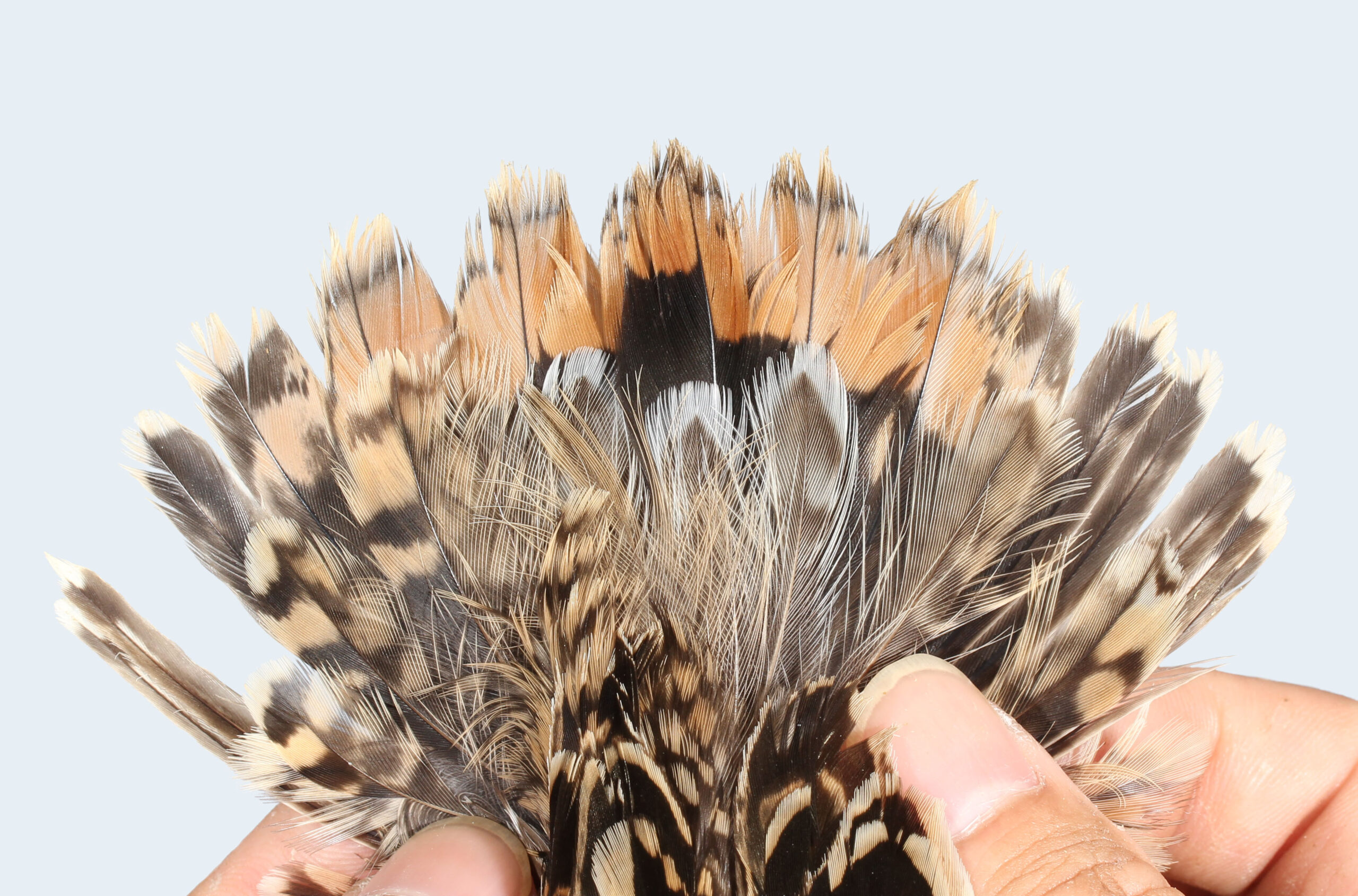
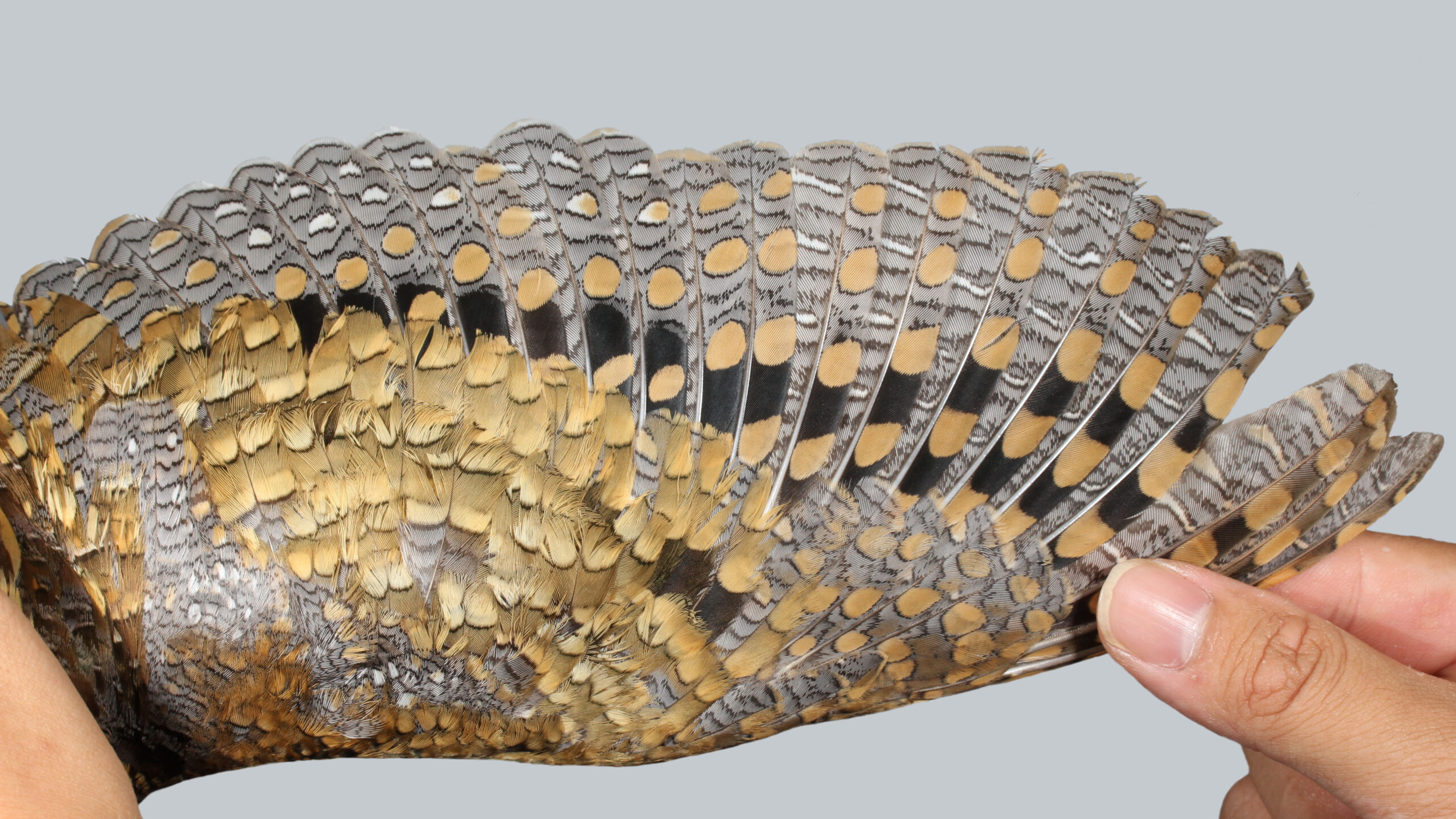
Our 2nd Snipe species of the day was the Swinhoe’s Snipe! Though in field these can be difficult to discern from a Pintail Snipe, in-hand we can get a good look at the dark underwing of this species, and the tail, which has less ‘pin’ (very thin) feathers at the edges. Furthermore, Pintail Snipes generally have more tail feathers than Swinhoe’s (26-28 vs 20-22).
To age the Snipes, we look for any retained juvenile feathers in the coverts, and evaluate the shape/wear of the flight feathers, most noteably the outer primaries. In the individual above, we can see a high level of wear and bleaching, determining this as a 2nd year bird.
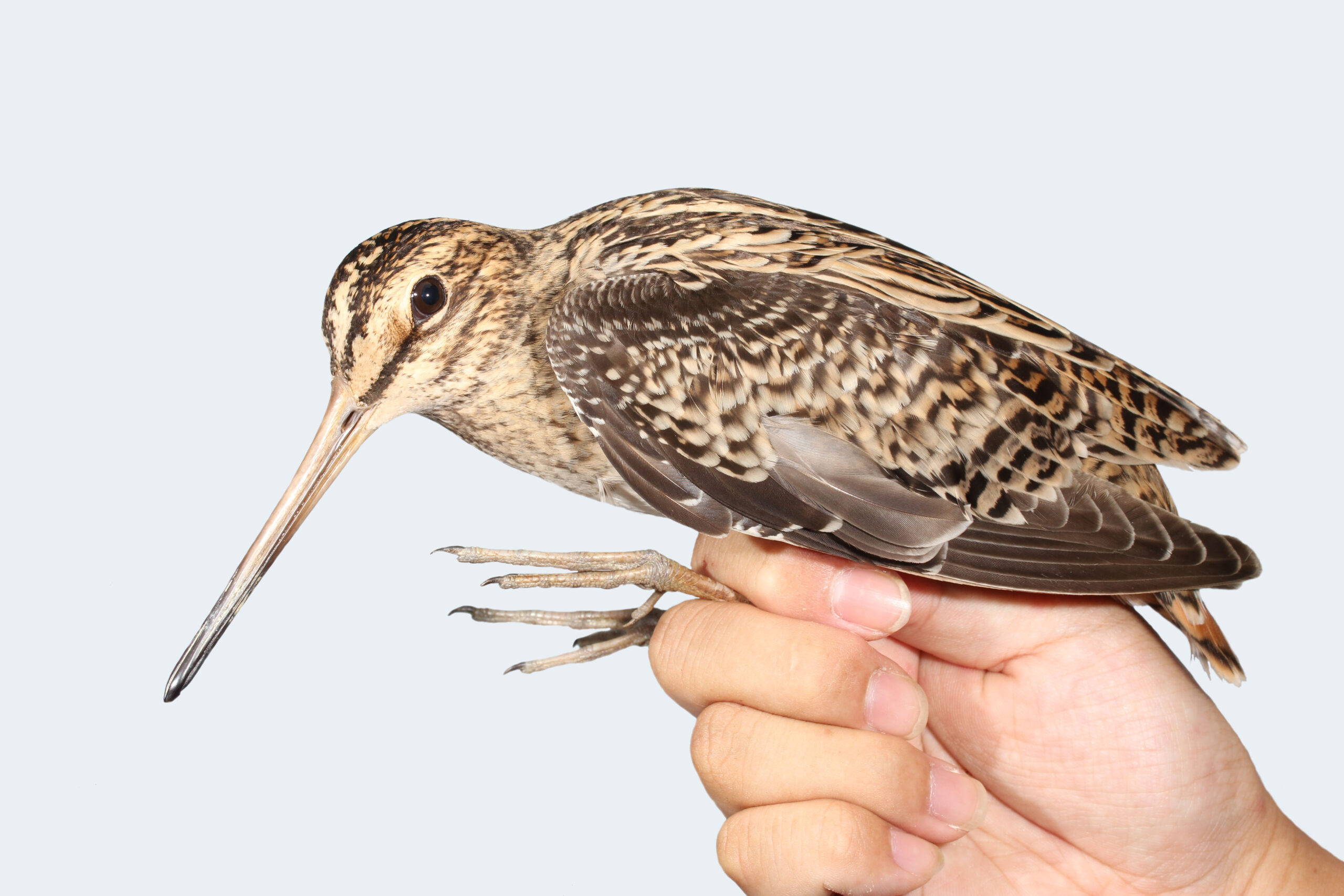
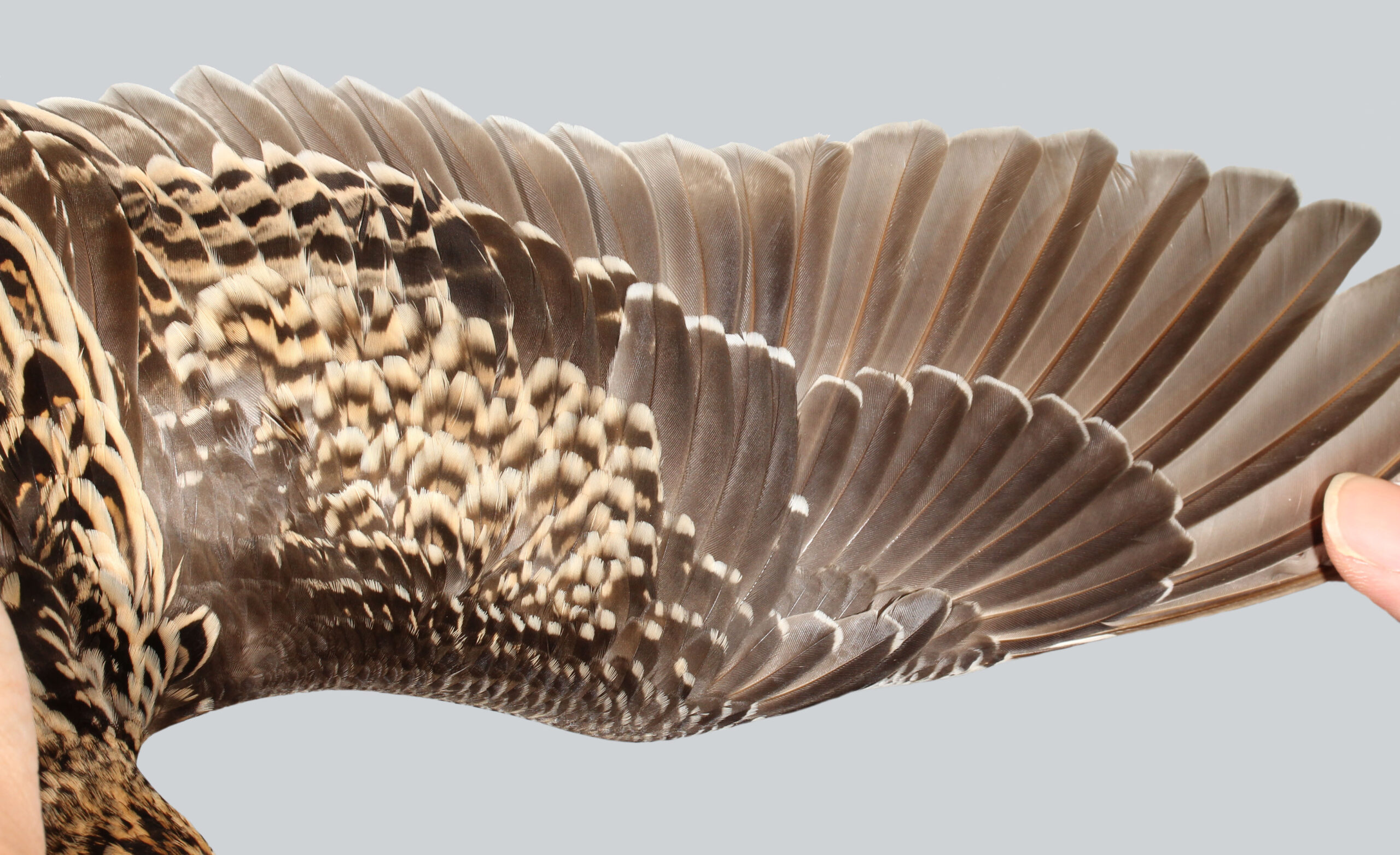
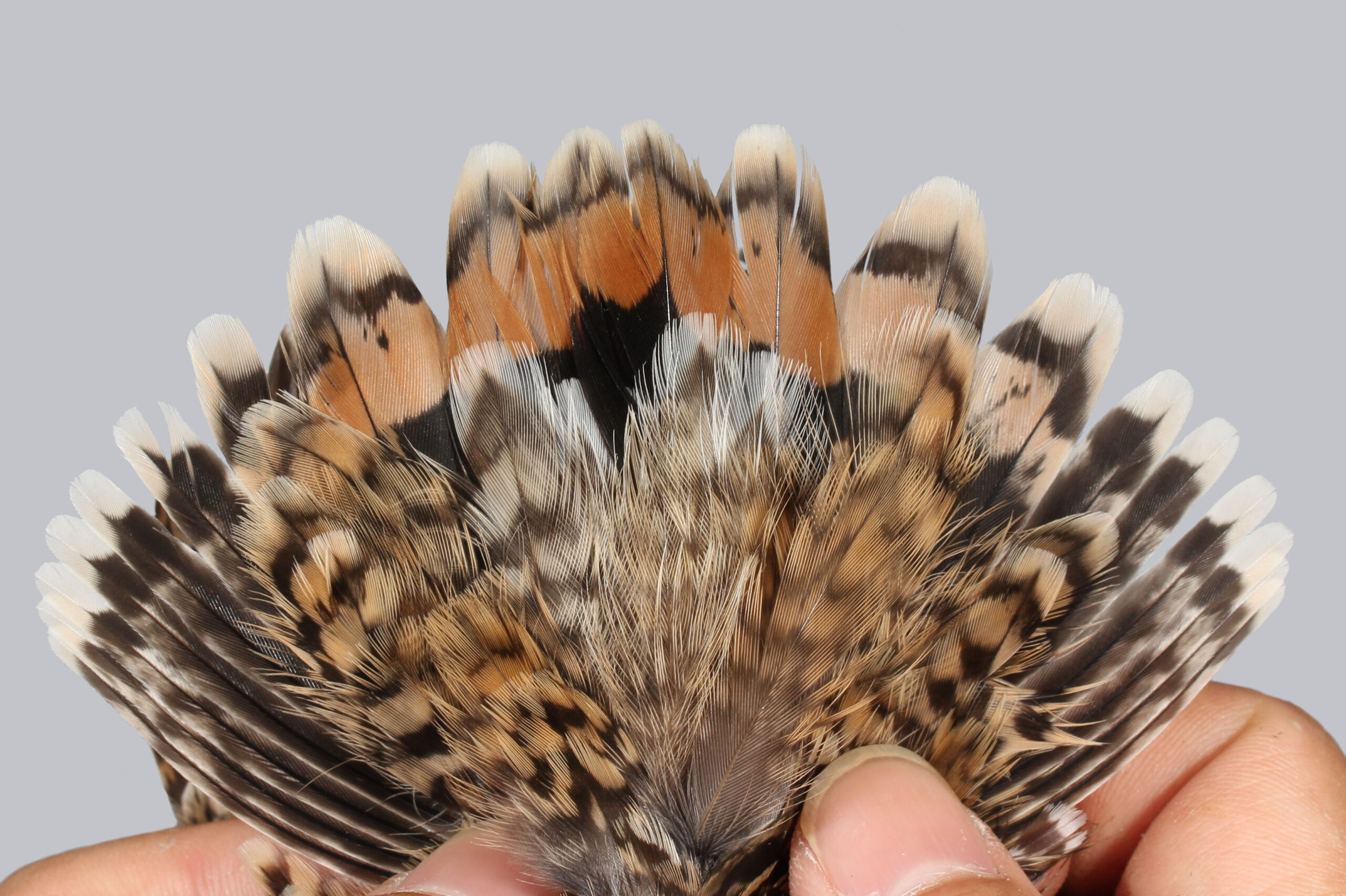
In contrast, our 2nd individual shows a overall darker and nice plumage, identifying it as an adult (3rd year or older) bird!
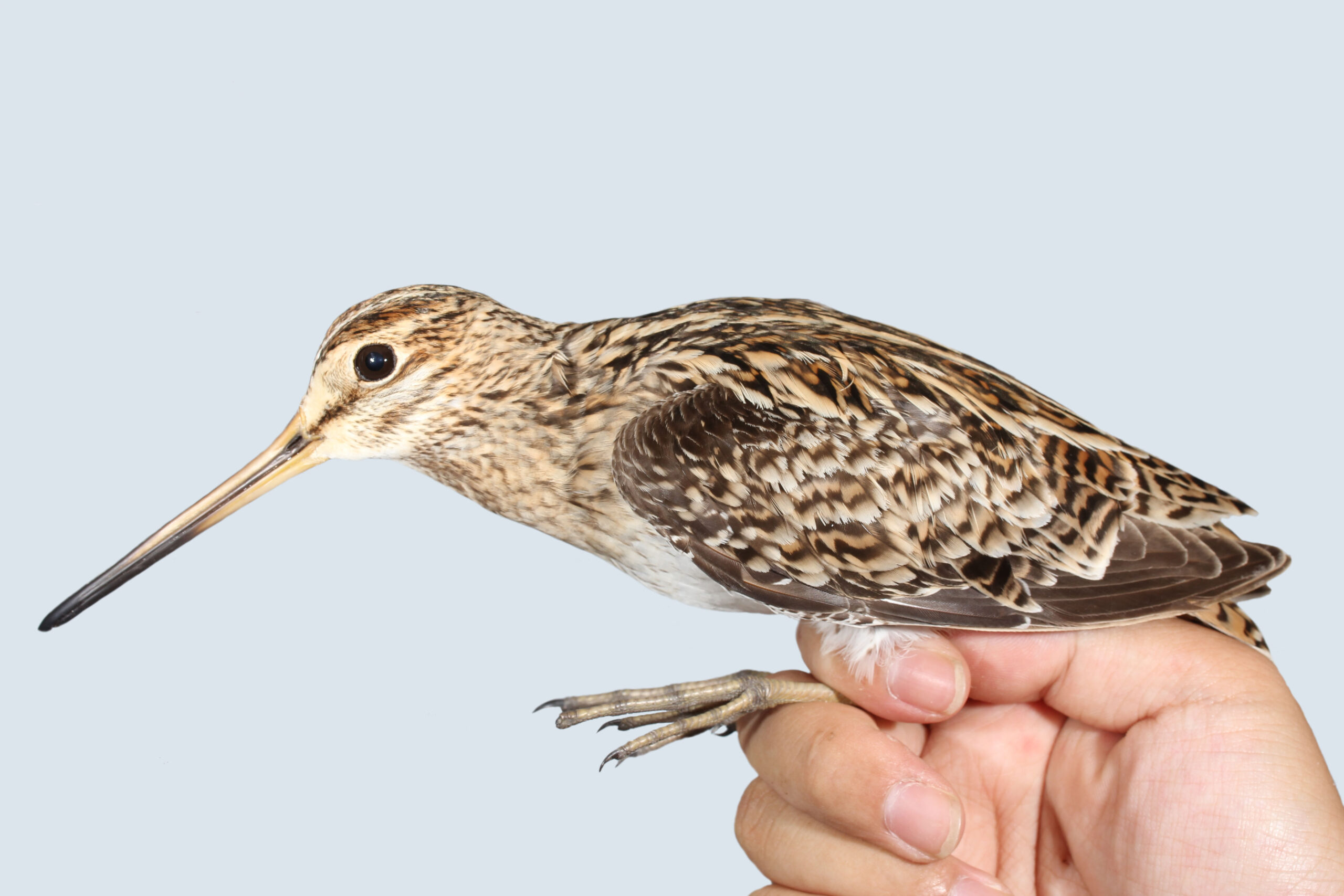
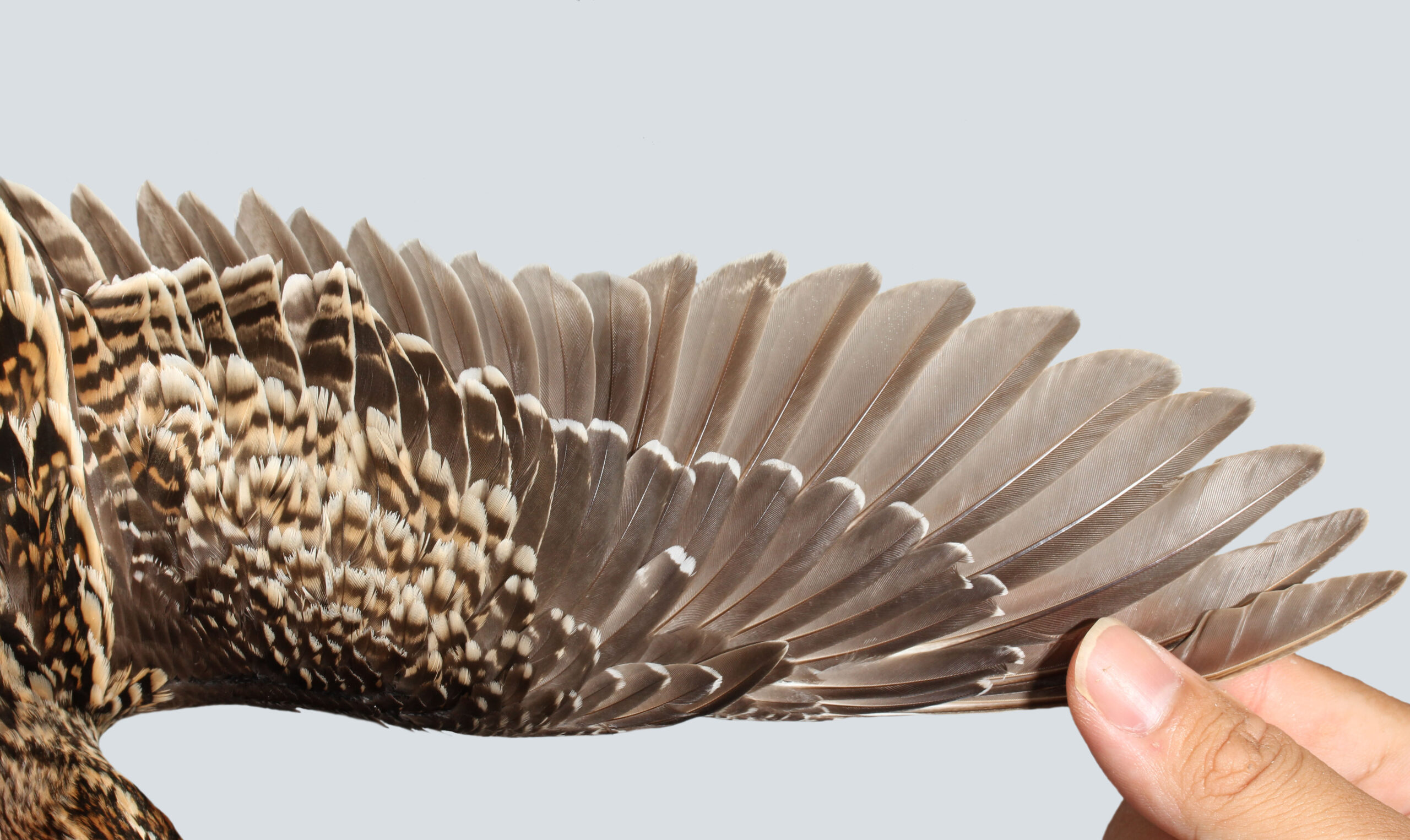
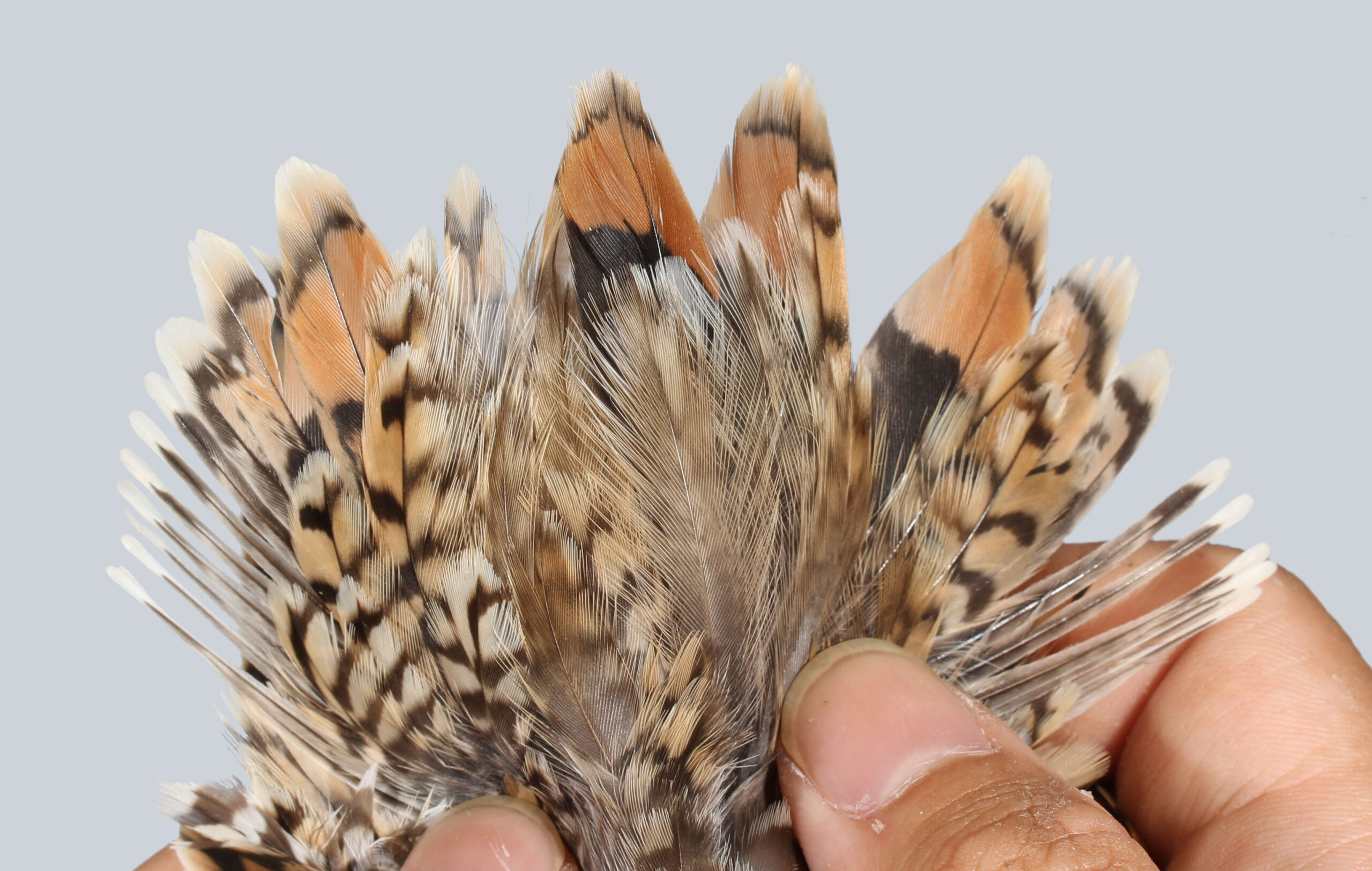
Our 3rd individual turned out to be a Pintail Snipe! This provided a nice comparison to our Swinhoe’s, with noticeably more thin outer tail feathers (see above). This individual, like the above Swinhoe’s, showed a nice, dark wing and is therefore an adult bird!
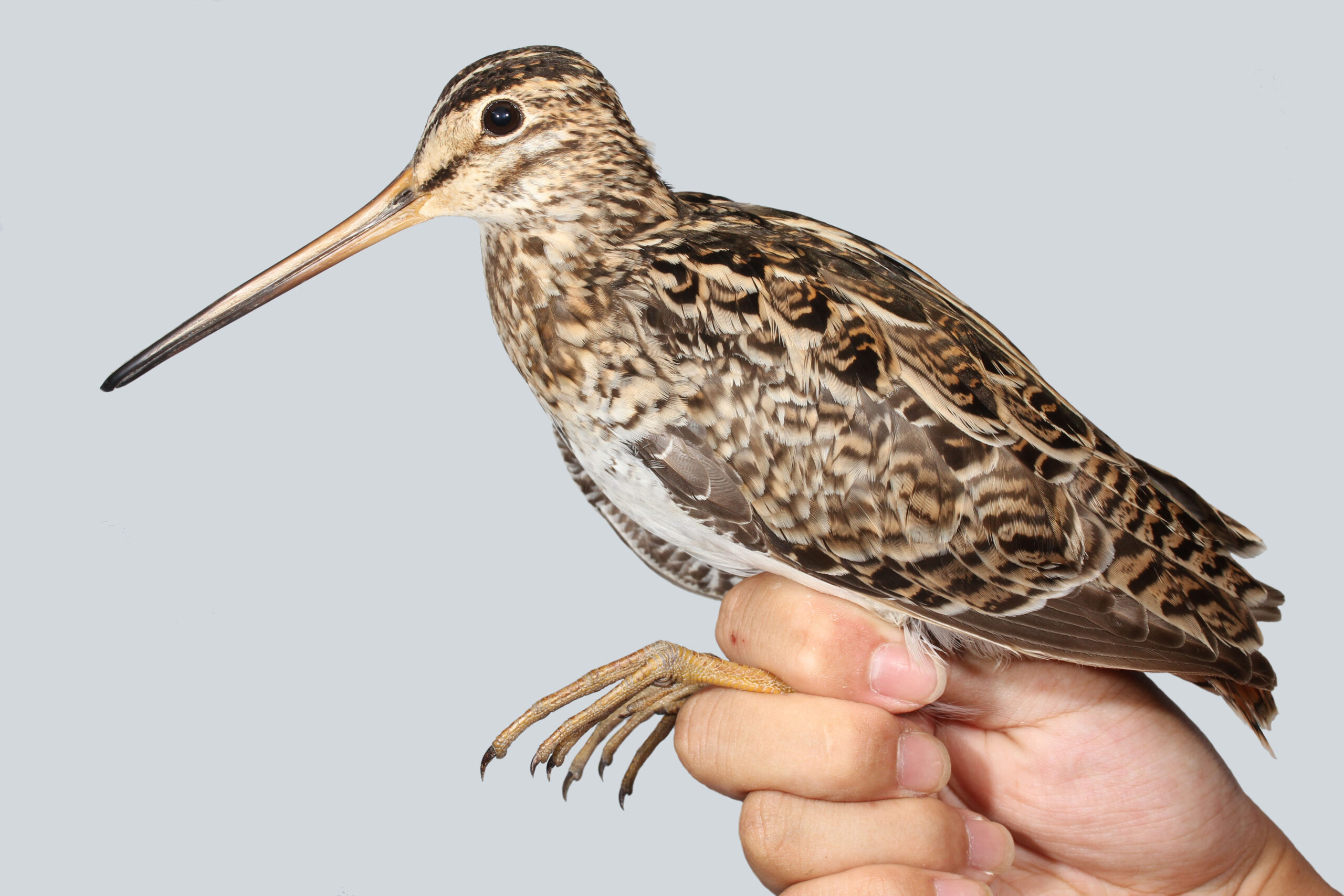
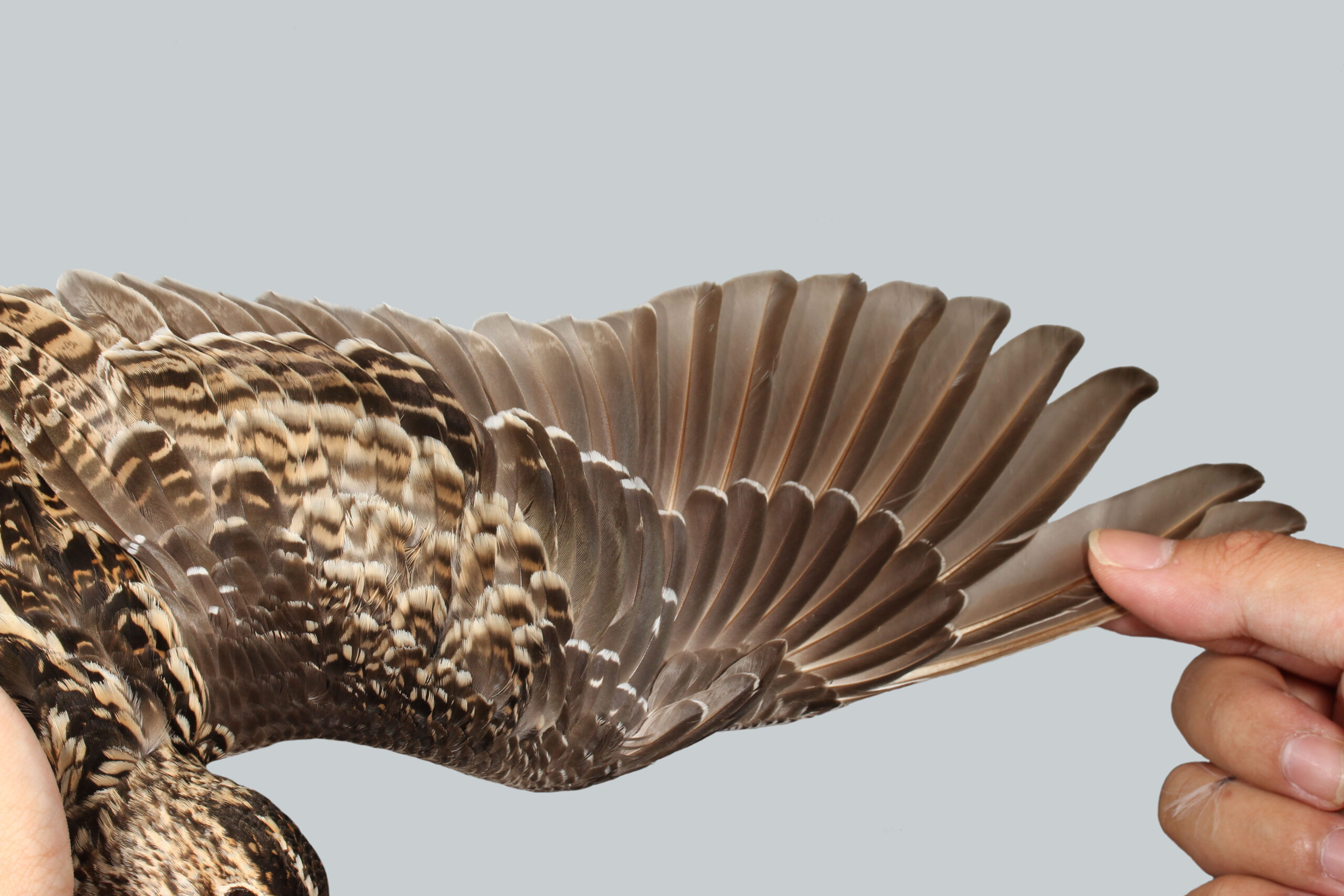
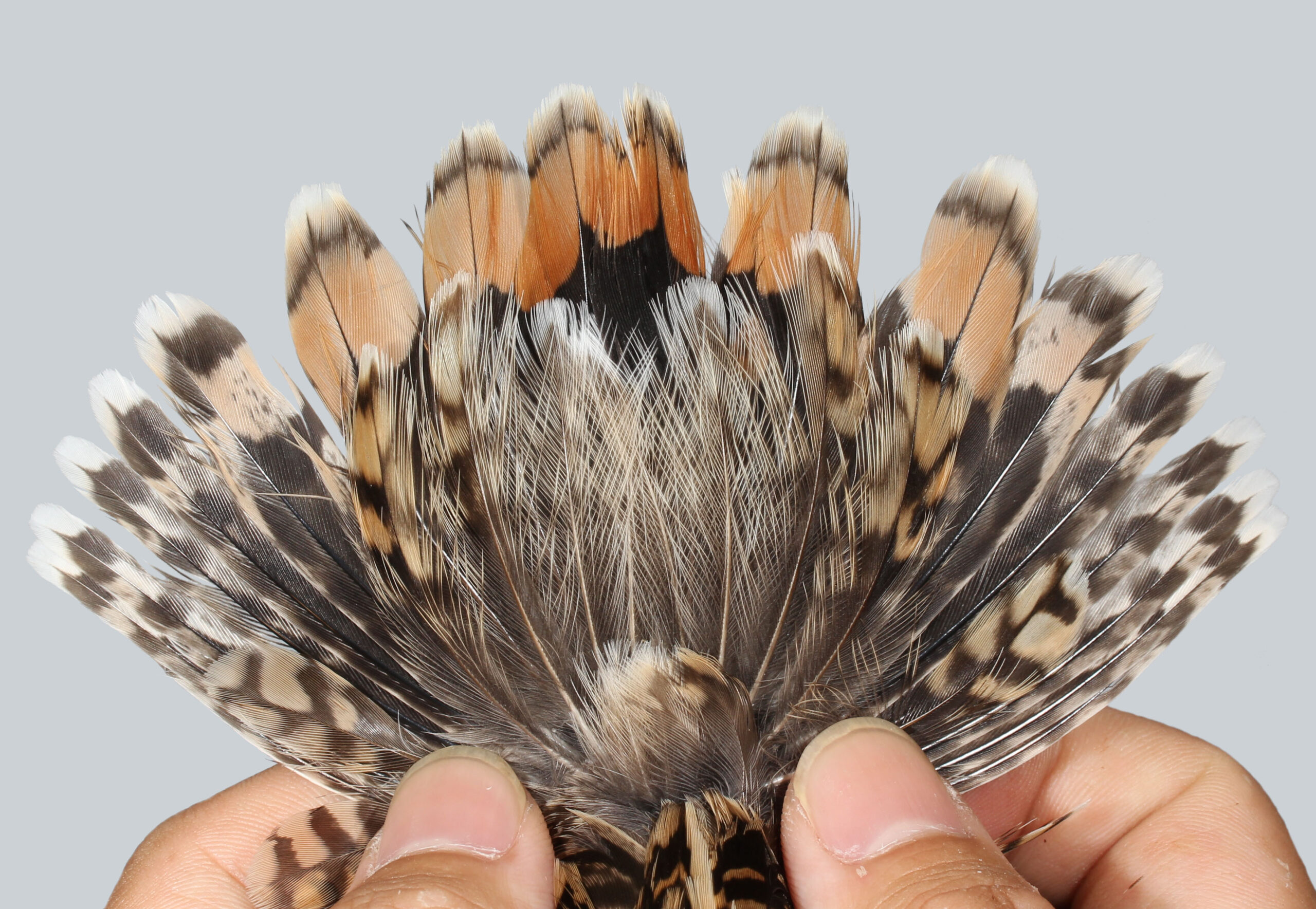
After a nice morning, continuing with Snipes, we got quite a surprise when we extracted a strange looking individual from the nets. This Snipe was significantly larger than all the others of the day and had a dark underwing. Upon counting the tail feathers, we discovered that it had jusrt 18- too few for a Swinhoe’s or Pintail. However, the outer tail feathers were narrow (like a Swinhoe’s), thus this could not be a Common Snipe.
This discovery led to excited gasps from the group, as all feautures matched that of a Latham’s Snipe! This species is one of the East Asian Australasian Flyway’s migrants, but is thought to usually fly directly between Australia to Japan across the Pacific. This species is rarely seen in Southeast Asia and Southern China, and never before in Hong Kong, making this the first ever record (subject to approval by the record committee)! An incredible end to the day!
Daily Totals
| Species | Original | Recapture |
| Chestnut-eared Bunting | 1 | 0 |
| Common Snipe | 1 | 0 |
| Greater Painted-snipe | 4 | 0 |
| Little Bunting | 1 | 0 |
| Pintail Snipe | 3 | 0 |
| Plain Prinia | 1 | 0 |
| Scaley-breasted Munia | 3 | 0 |
| Swinhoe’s Snipe | 4 | 0 |
| Zitting Cisticola | 1 | 0 |
| Latham’s Snipe | 1 | 0 |
*Please note that all wild birds, their nests, and eggs are highly protected (under Wild Animals Protection Ordinate, Cap. 170) in Hong Kong. It is an offence to wilfully disturb, take, remove, or injure wild birds or their nests/eggs. The actions described here were undertaken by trained professionals holding the necessary licenses and permits issued by the AFCD.*