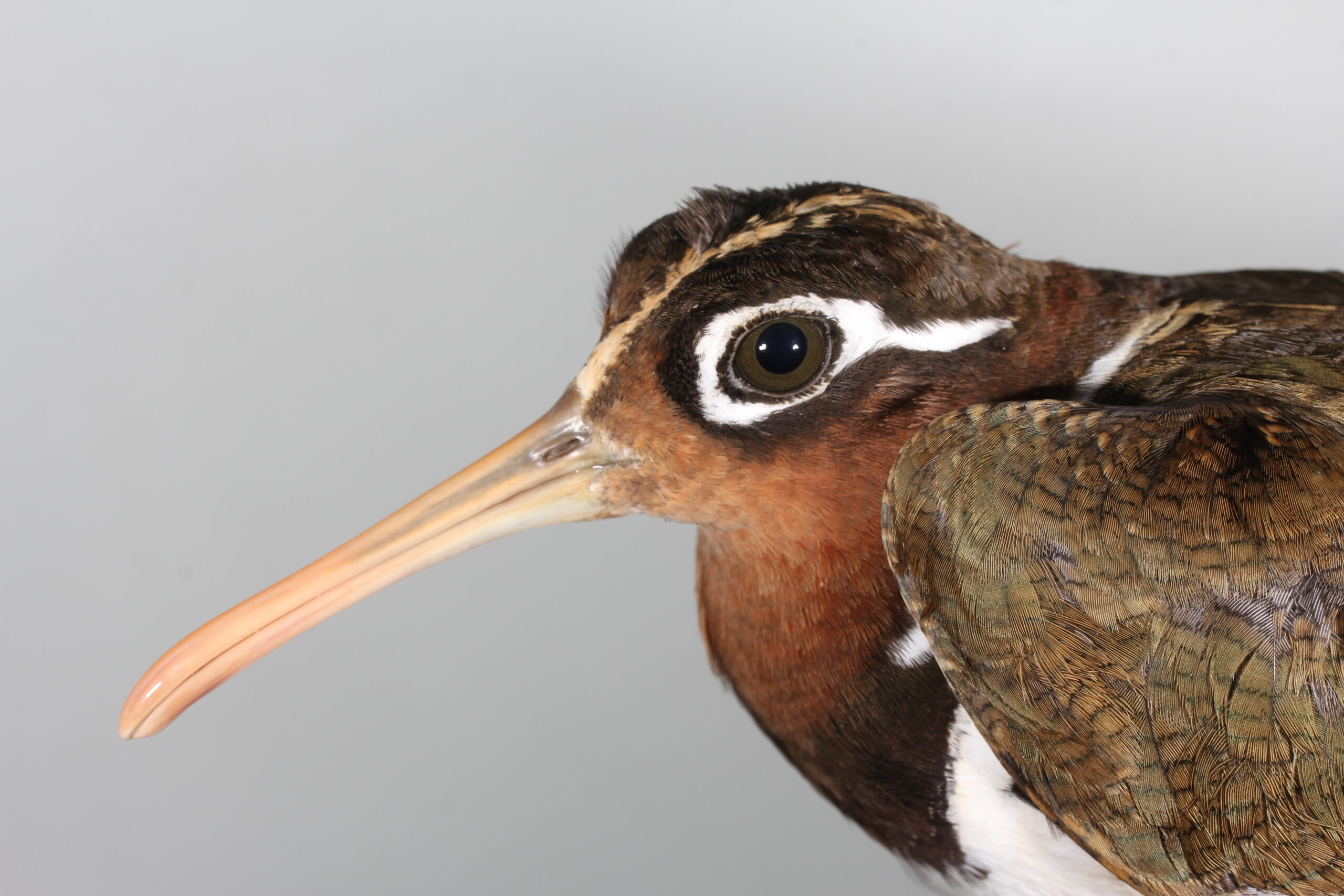



We’re back in the forest today, and as we approached the camp, we could already feel the calm in the thick, humid air. This generally means it’s going to be another slow day, and it did indeed live up to that, with a total of just 6 birds today!
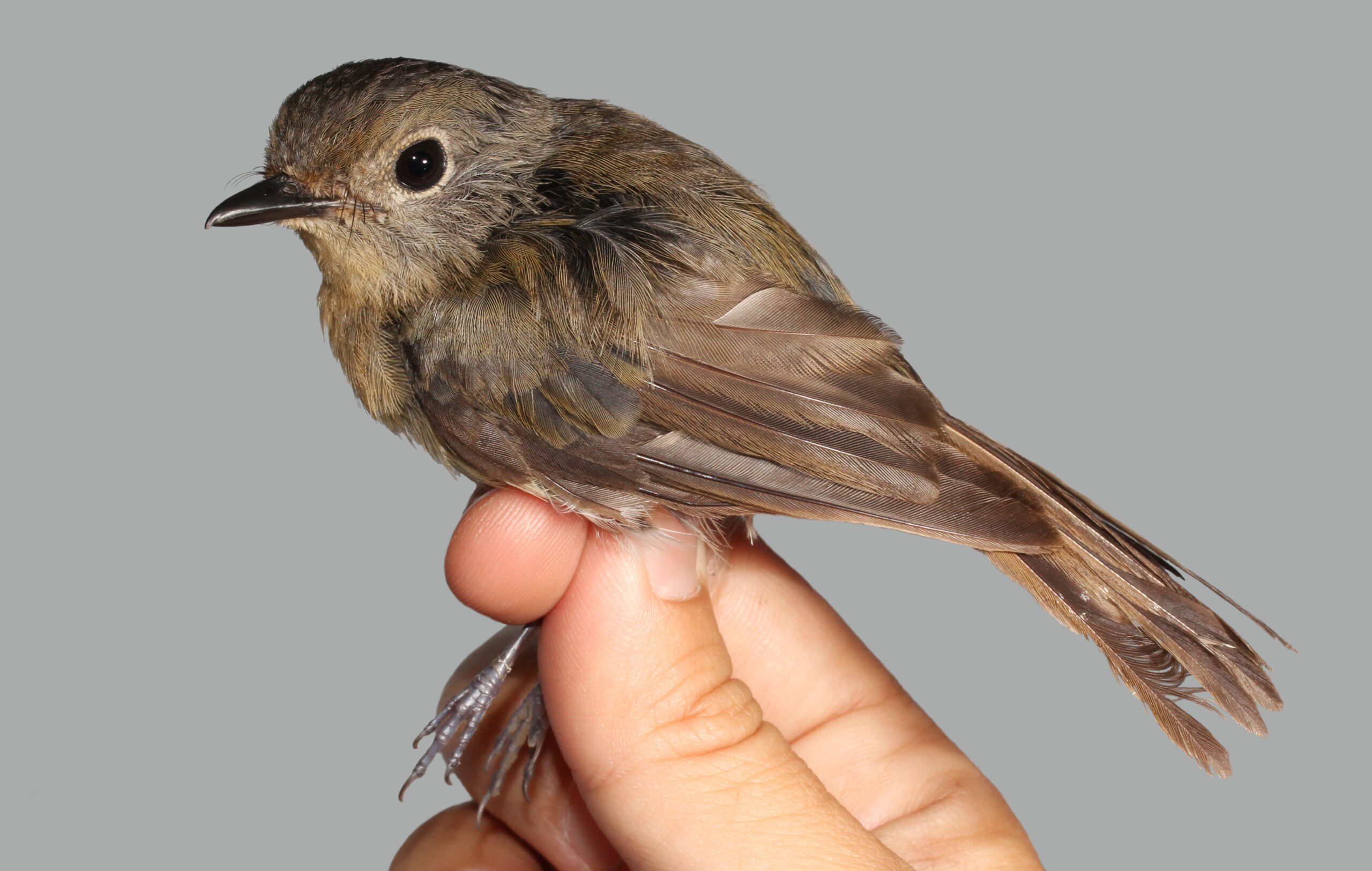
However, those 6 did indeed make up for the lack of numbers, with a beautiful Hainan Blue Flycatcher female! Okay, maybe not as beautiful as an adult male, especially not while carrying out a Complete Summer moult (hence the messy feathers), the adult females, like the individual above, can be easily confused with other flycatcher species females. However, the orange present on the throat and sometimes upper breast nicely rule out a lot of other species. This, coupled with almost no other plumage details, and the fact that this is the only blue flycatcher species seen in Hong Kong during the summer, we can safely ID them as Hainan Blue Flycatchers.
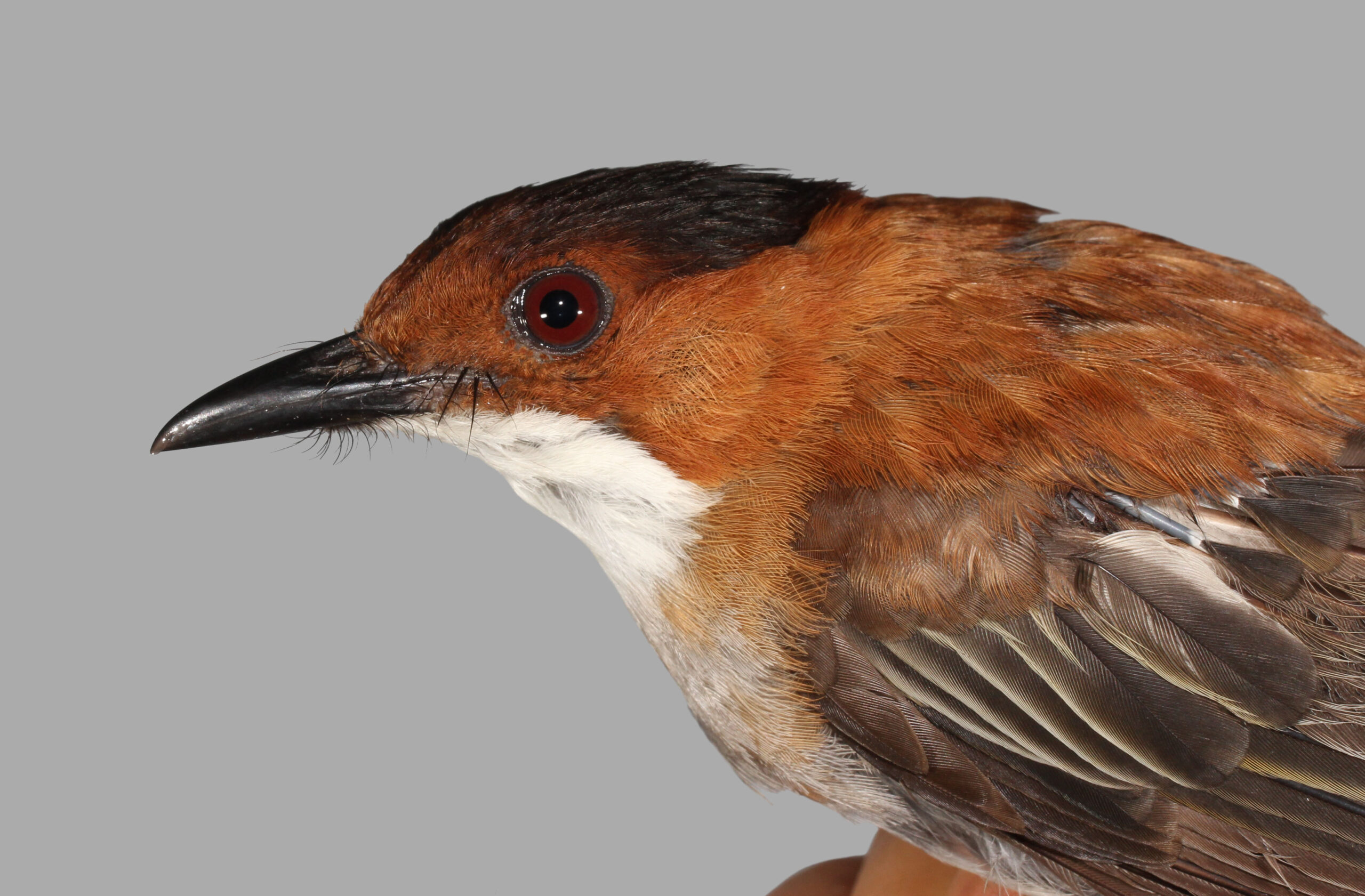
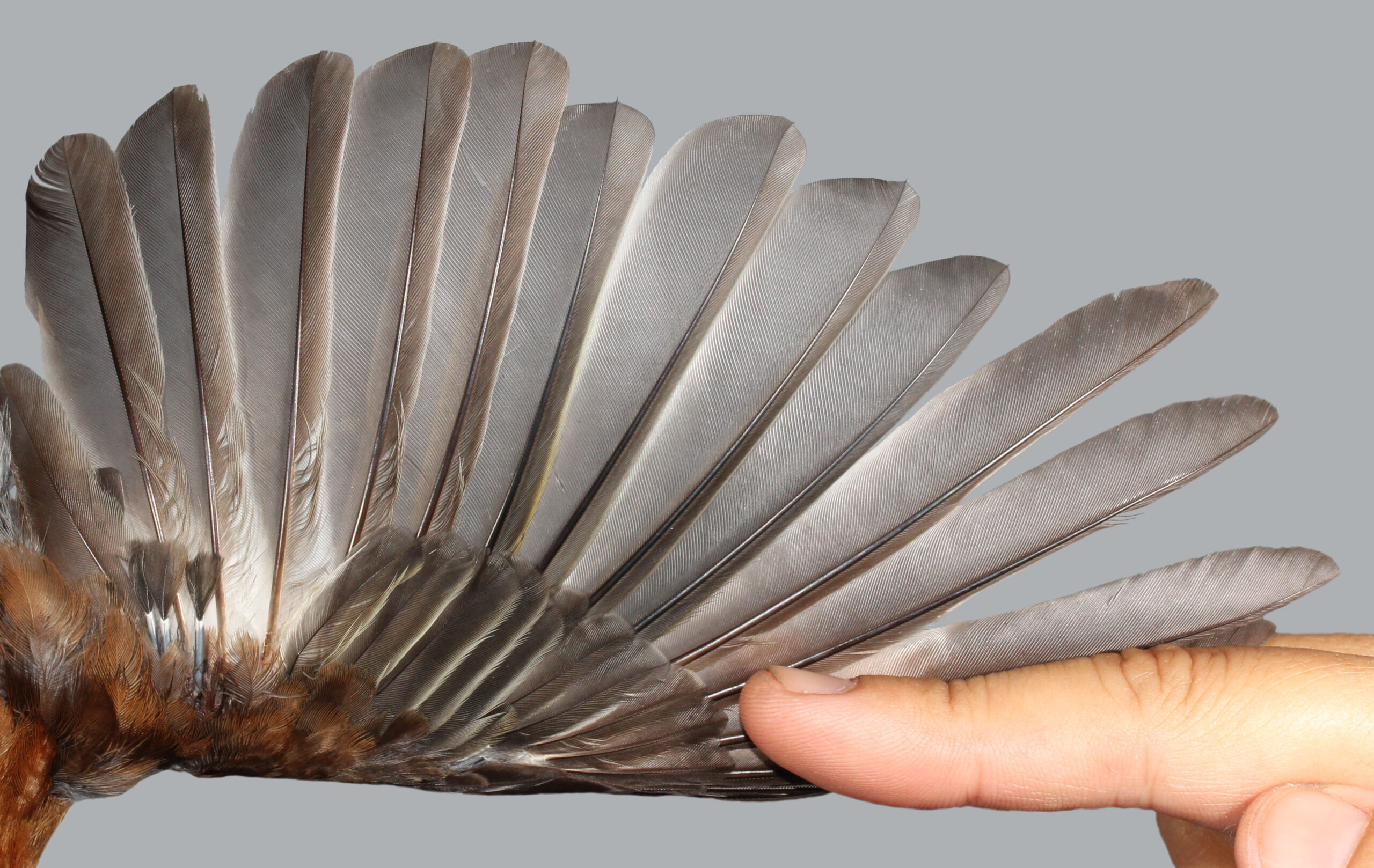
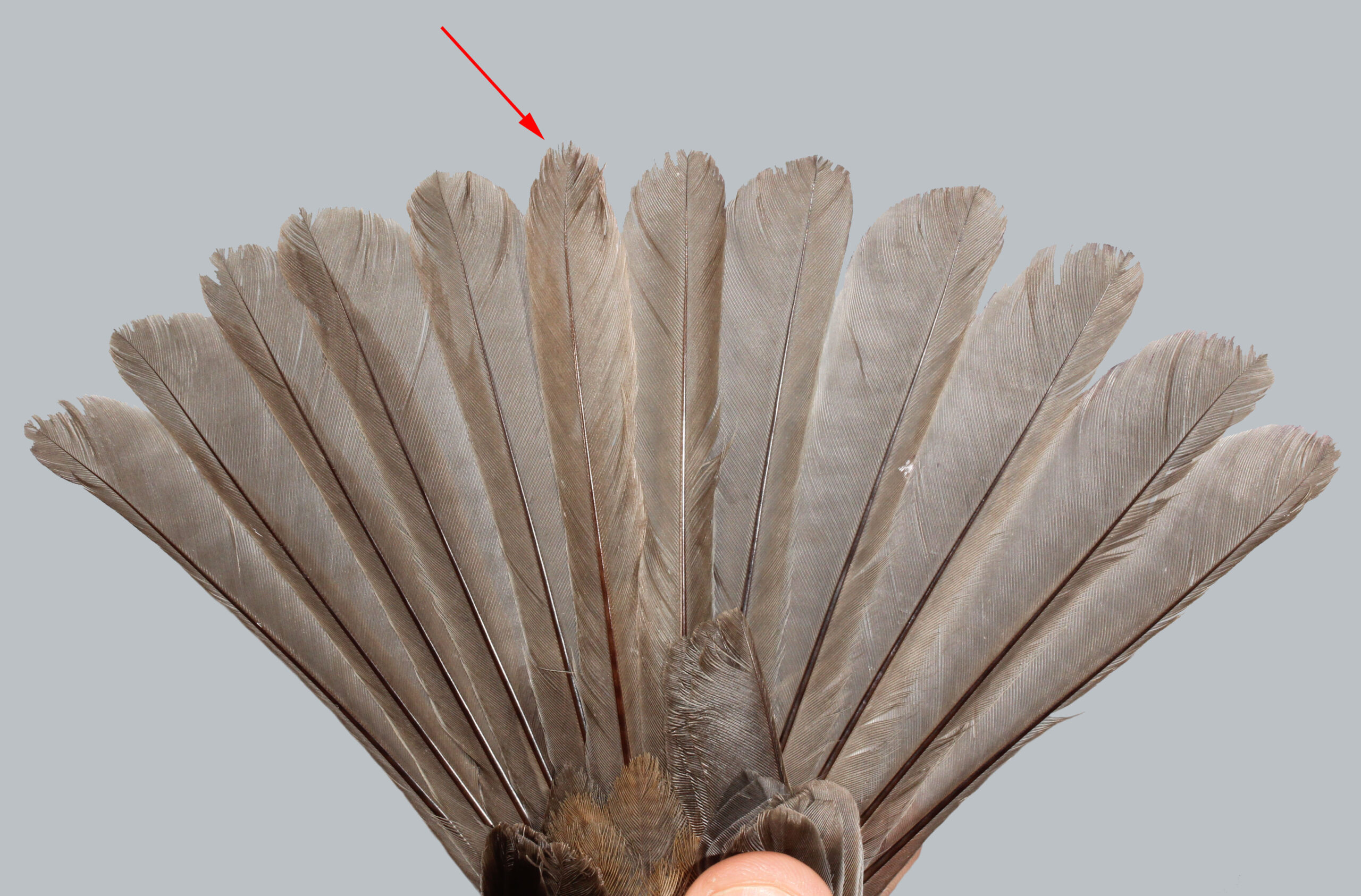
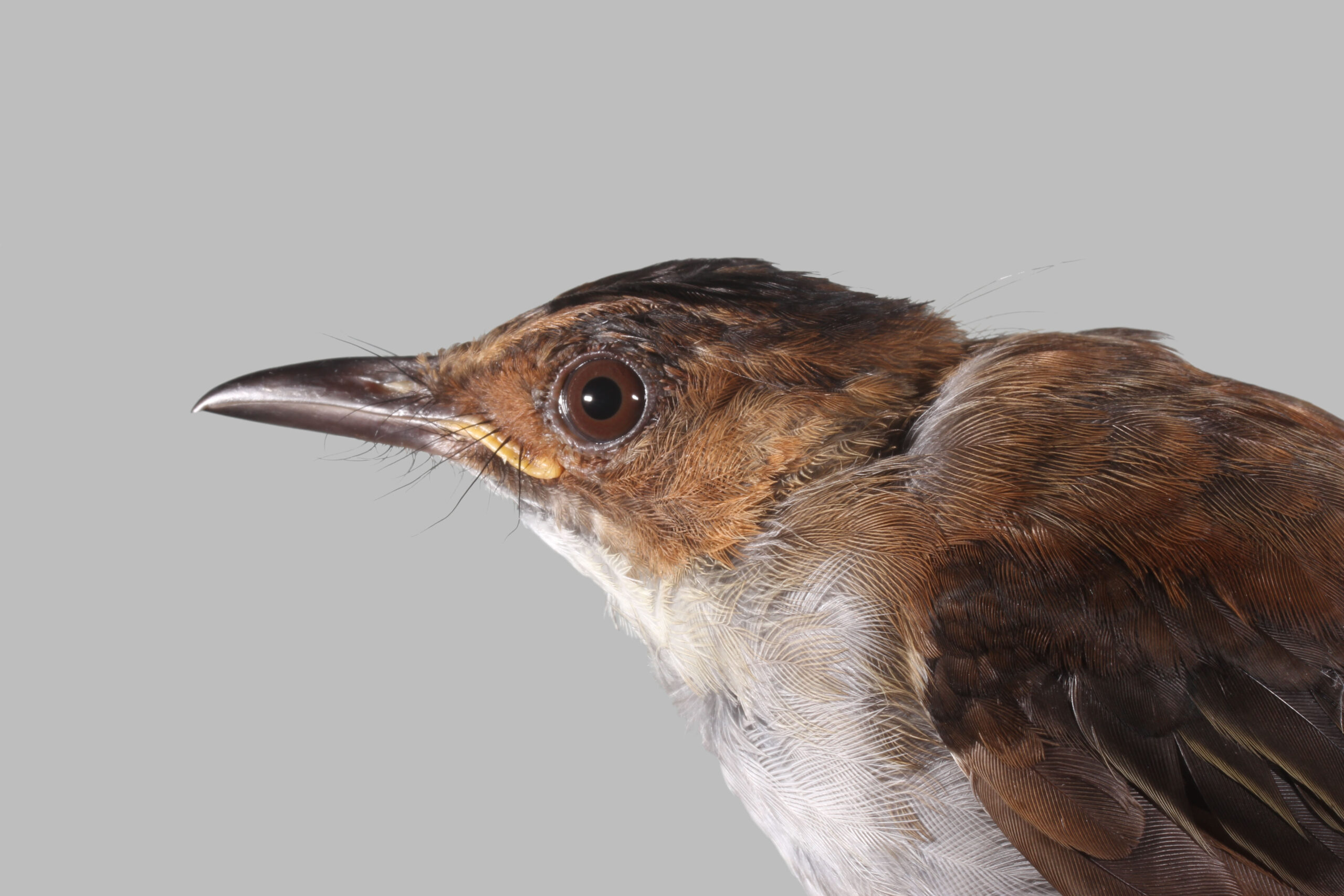
The afternoon proved to be just as hot and quiet as the morning, with just one of our resident Chestnut Bulbuls coming to visit! This bird was also in active Summer Complete moult, with the inner Greater Coverts, the middle tertial and some primaries and secondaries growing. In the tail, all feathers look old, but there is one feather is clearly of a different generation (red arrow), being more worn and bleached than all the others. This, along with the very red (adult-type) iris, allowed us to determine this as a 2nd calendar year or older bird. Compare with a juvenile Chestnut Bulbul juvenile-type iris below.
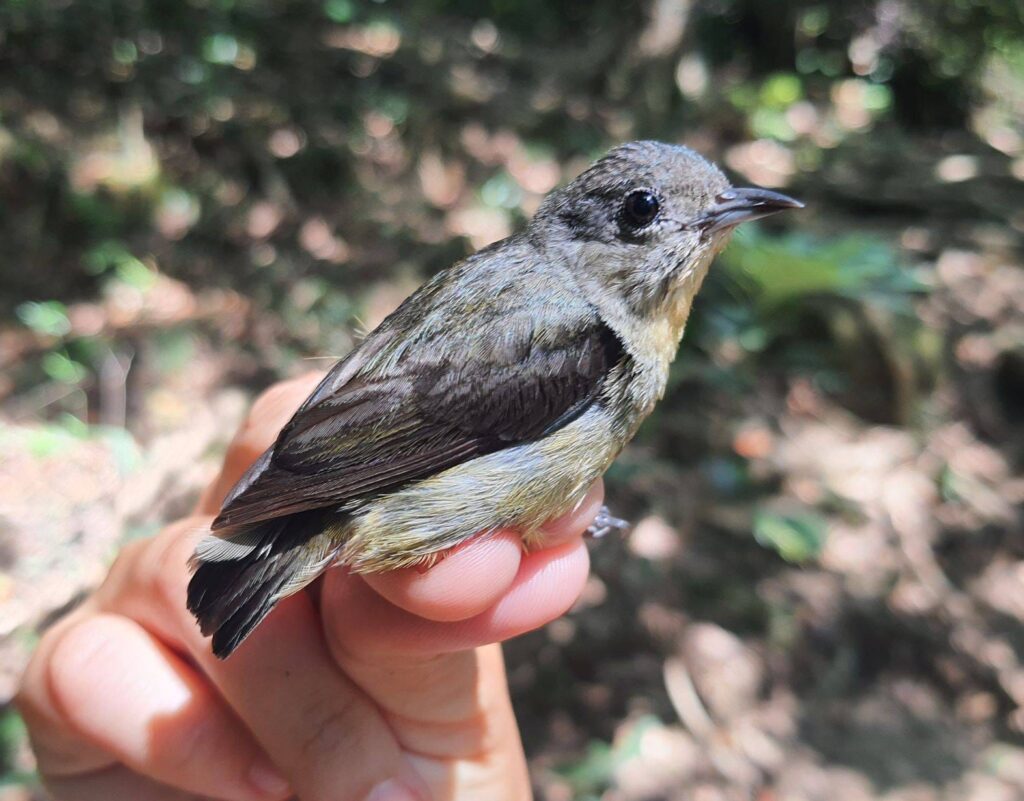
Just as the day was drawing to a close, we were lucky enough to have a little Fire-breasted Flowerpecker in the nets! This species has a very long breeding period, making it very difficult to determine if this bird is a more developed juvenile or an adult female.
Daily Totals
| Species | Original | Recapture |
| Chestnut Bulbul | 1 | 0 |
| Fire-breasted Flowerpecker | 1 | 0 |
| Hainan Blue Flycatcher | 1 | 0 |
| Red-billed Leiothrix | 2 | 0 |
| Rufous-capped Babbler | 1 | 0 |
*Please note that all wild birds, their nests, and eggs are highly protected (under Wild Animals Protection Ordinate, Cap. 170) in Hong Kong. It is an offence to wilfully disturb, take, remove, or injure wild birds or their nests/eggs. The actions described here were undertaken by trained professionals holding the necessary licenses and permits issued by the AFCD.*