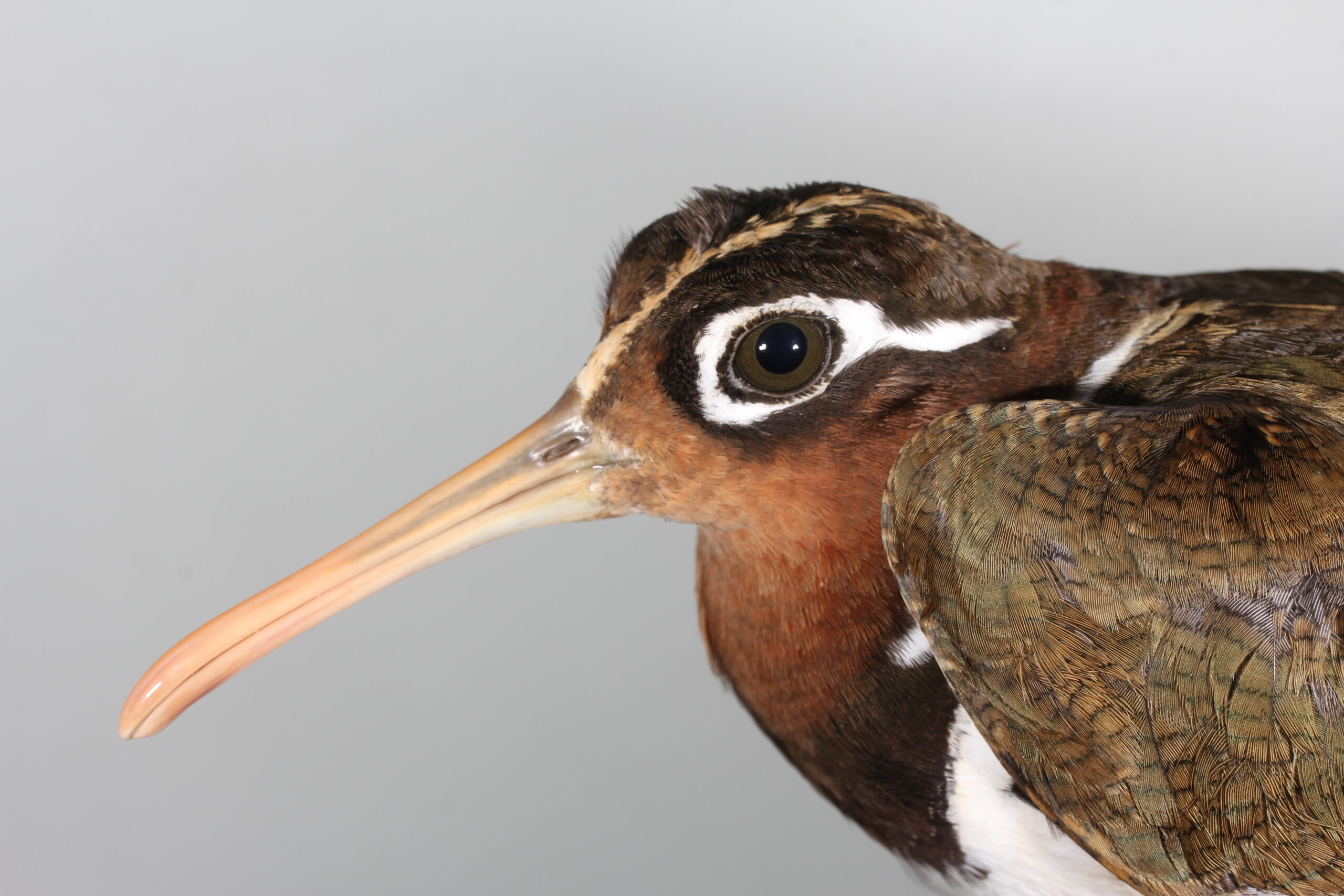



Our 2nd Paddyfield ringing begins, proving to be slight less busy than our first, but with no less gorgeous visitors!
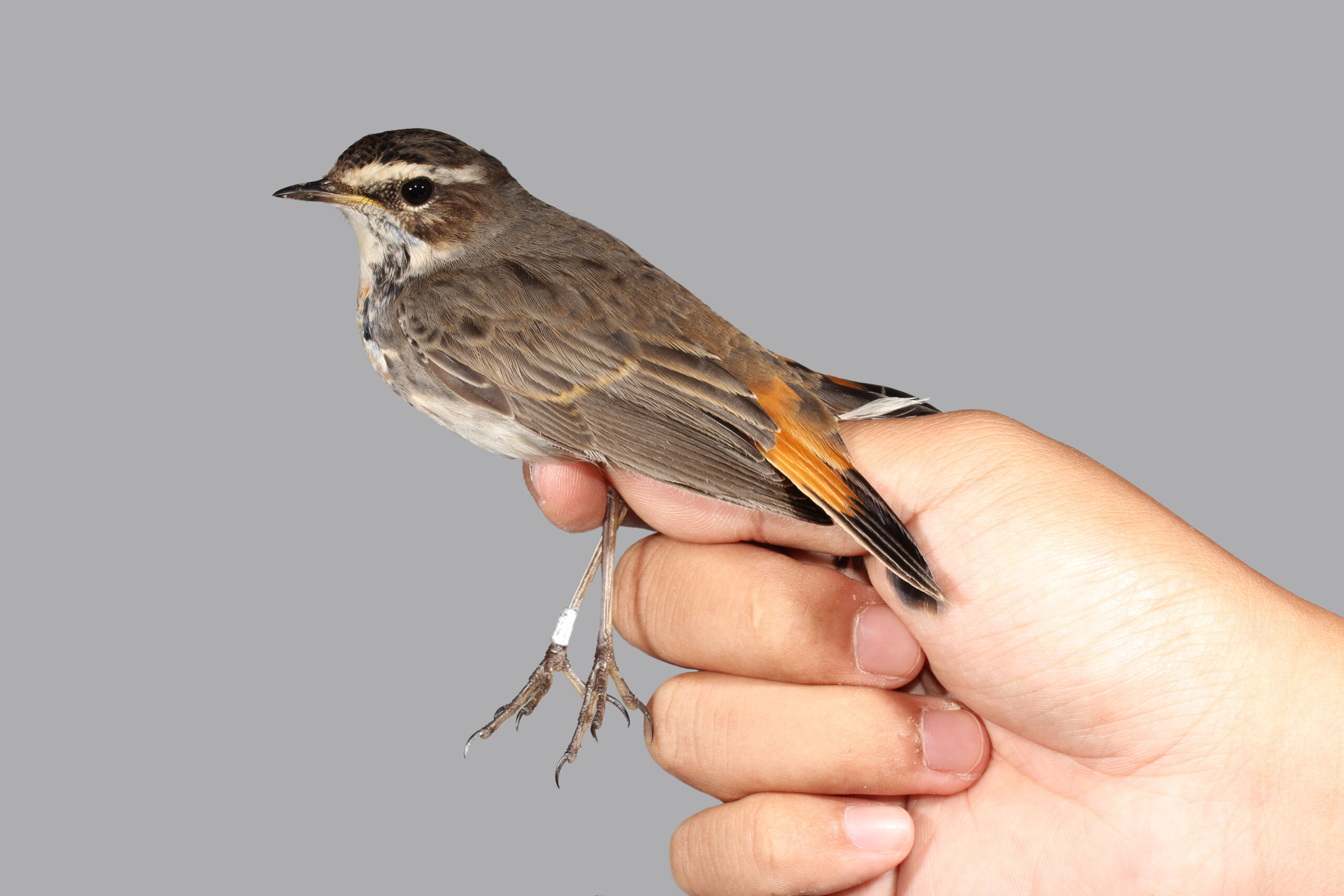
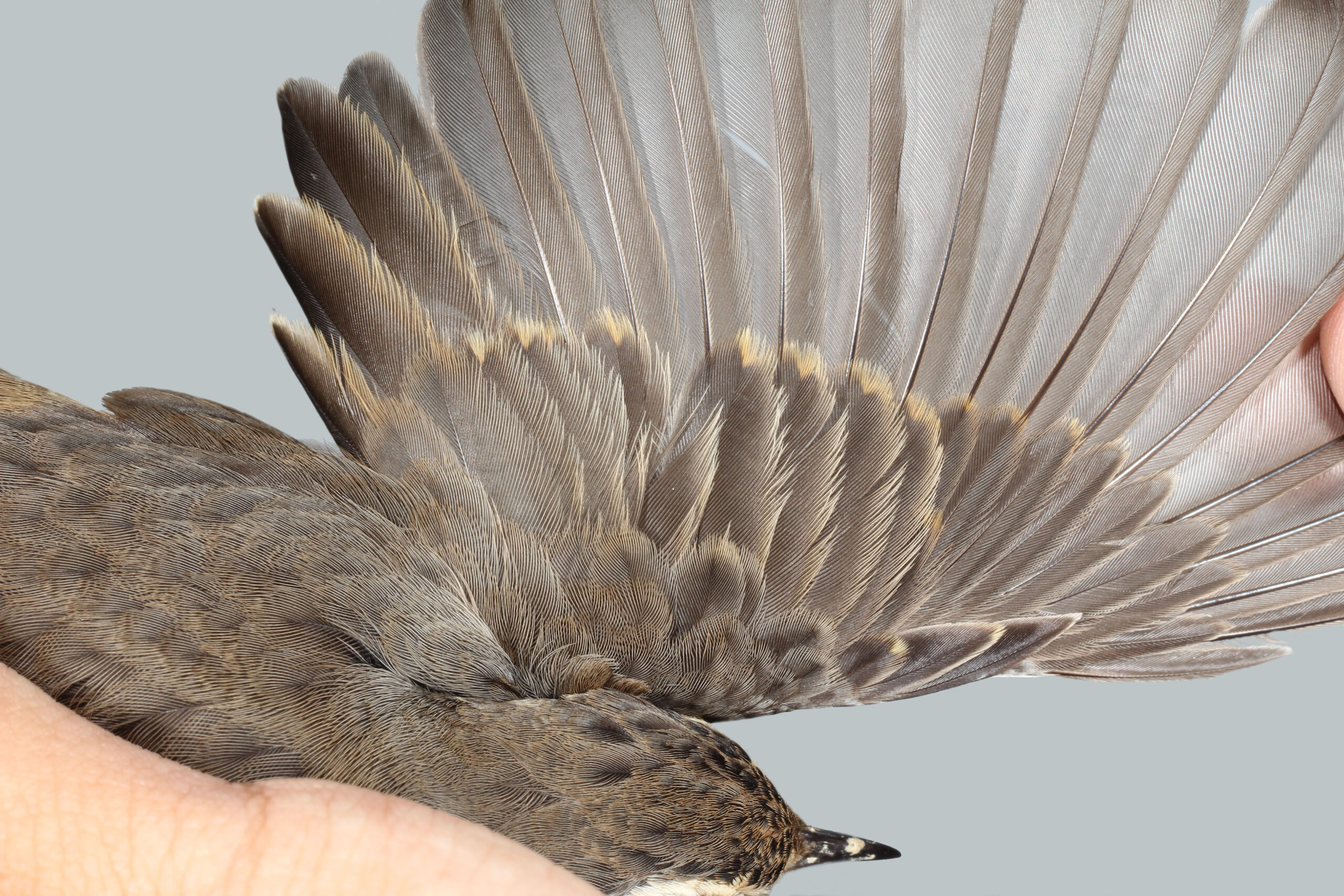
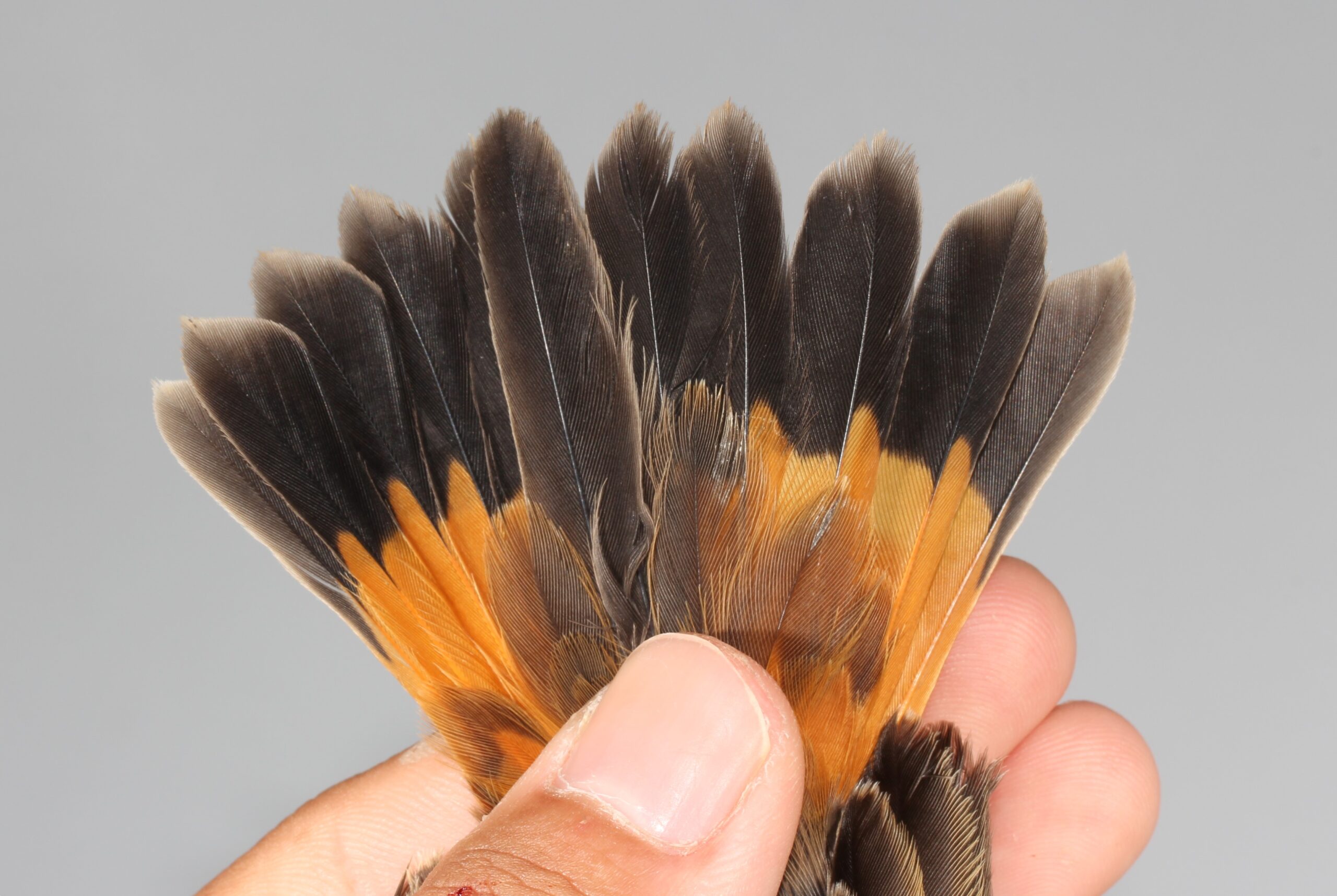
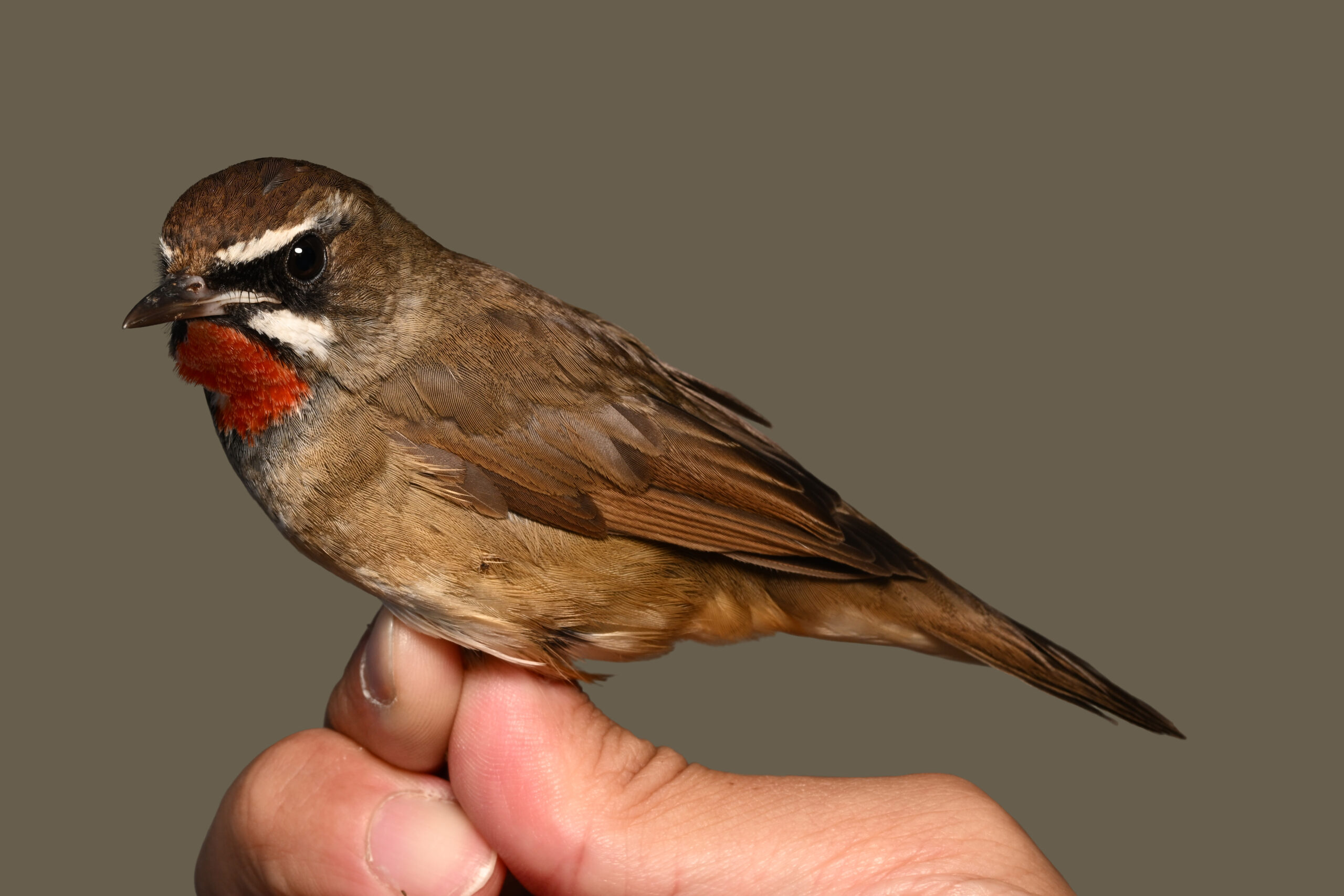
First up was a personal favourite; a not-so-blue-Bluethroat! This gorgeous little girl is easily determined (age first), with 8 outermost GCs juvenile (compare the mor dull-brown centres of these feathers to the darker, glossier and more olive tone to the innermost 2 GCs), and almost 0 blue on the throat.
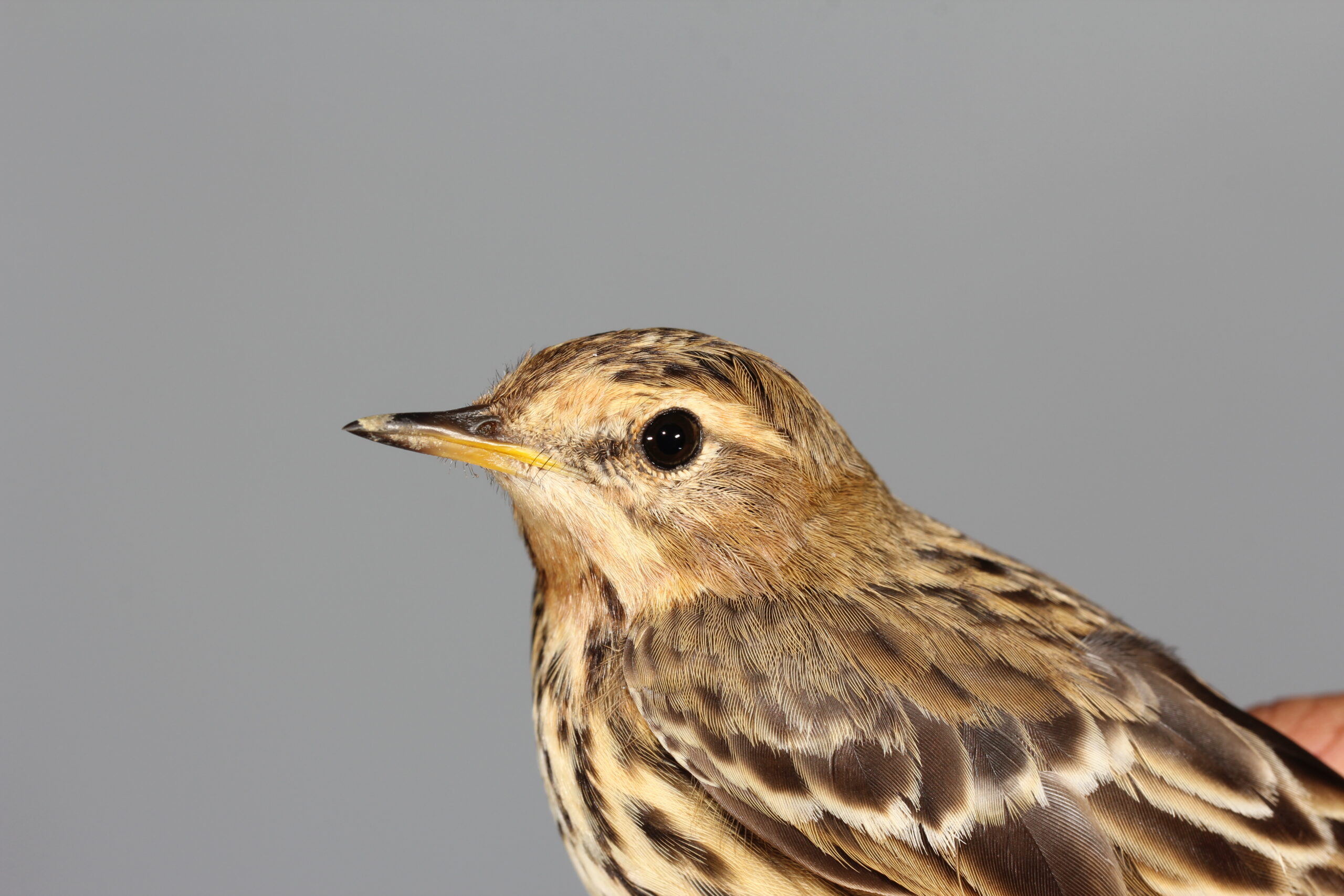
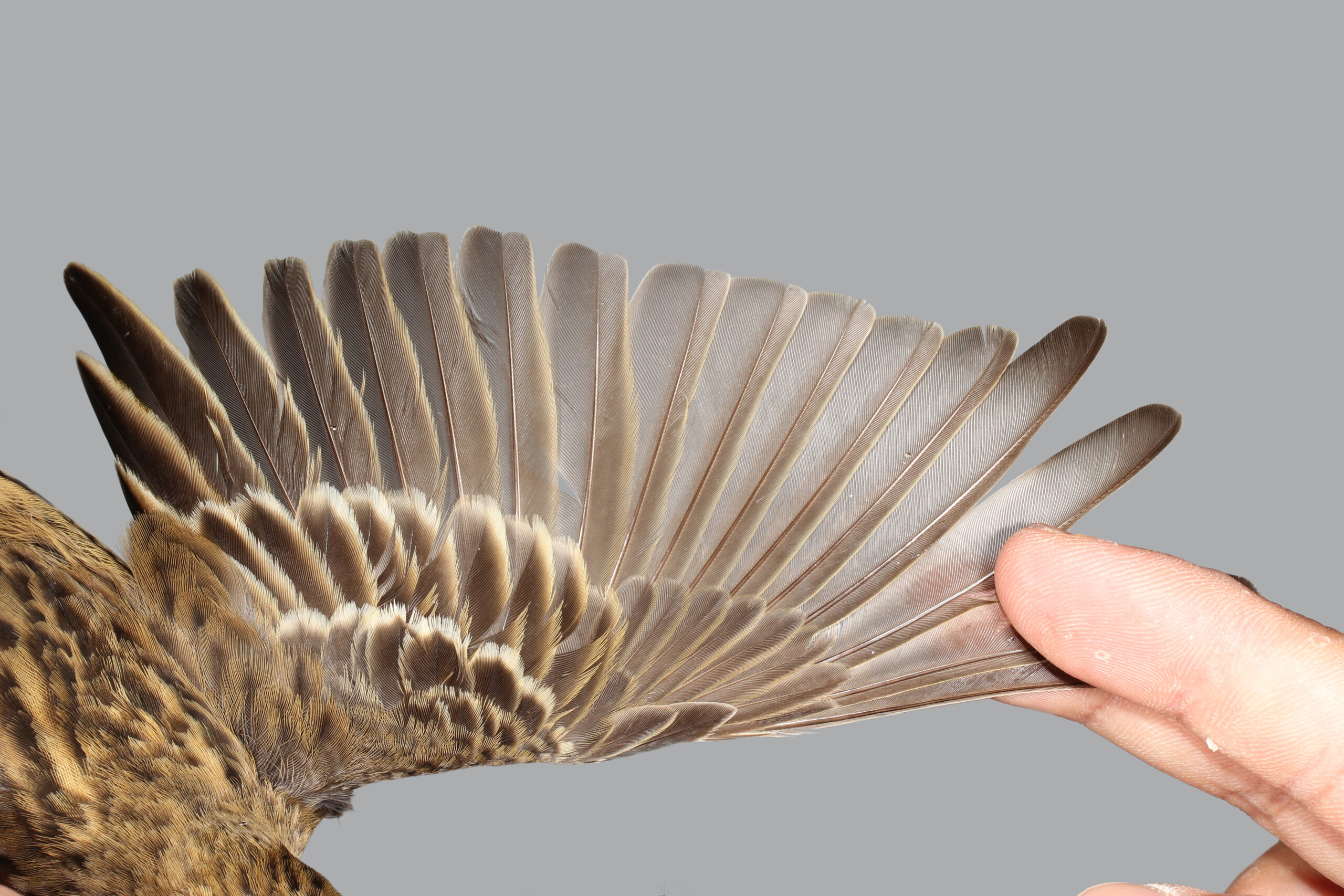
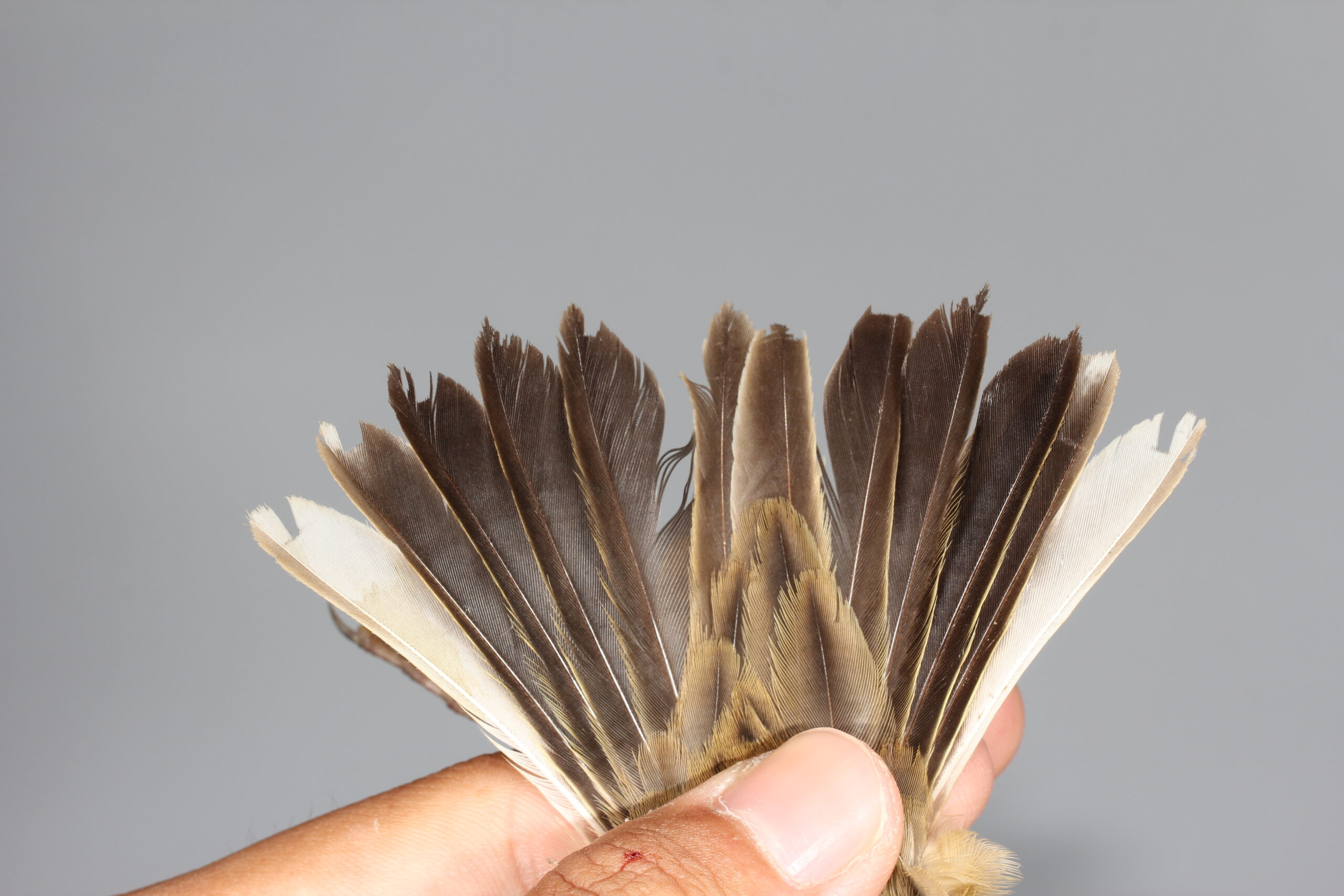
Next, we had another Red-throated Pipit! You may remember that we had an adult last time (2023/10/16- Paddyfield Ringing: Paddyfield Ringing Begins!), with a completely fresh and uniform wing and tail. This individual, in comparison, has a moult limit in the Lesser Coverts, while showing juvenile-type Median Coverts. The tail is pointed and worn, also supporting that this is a 1st calendar year bird!
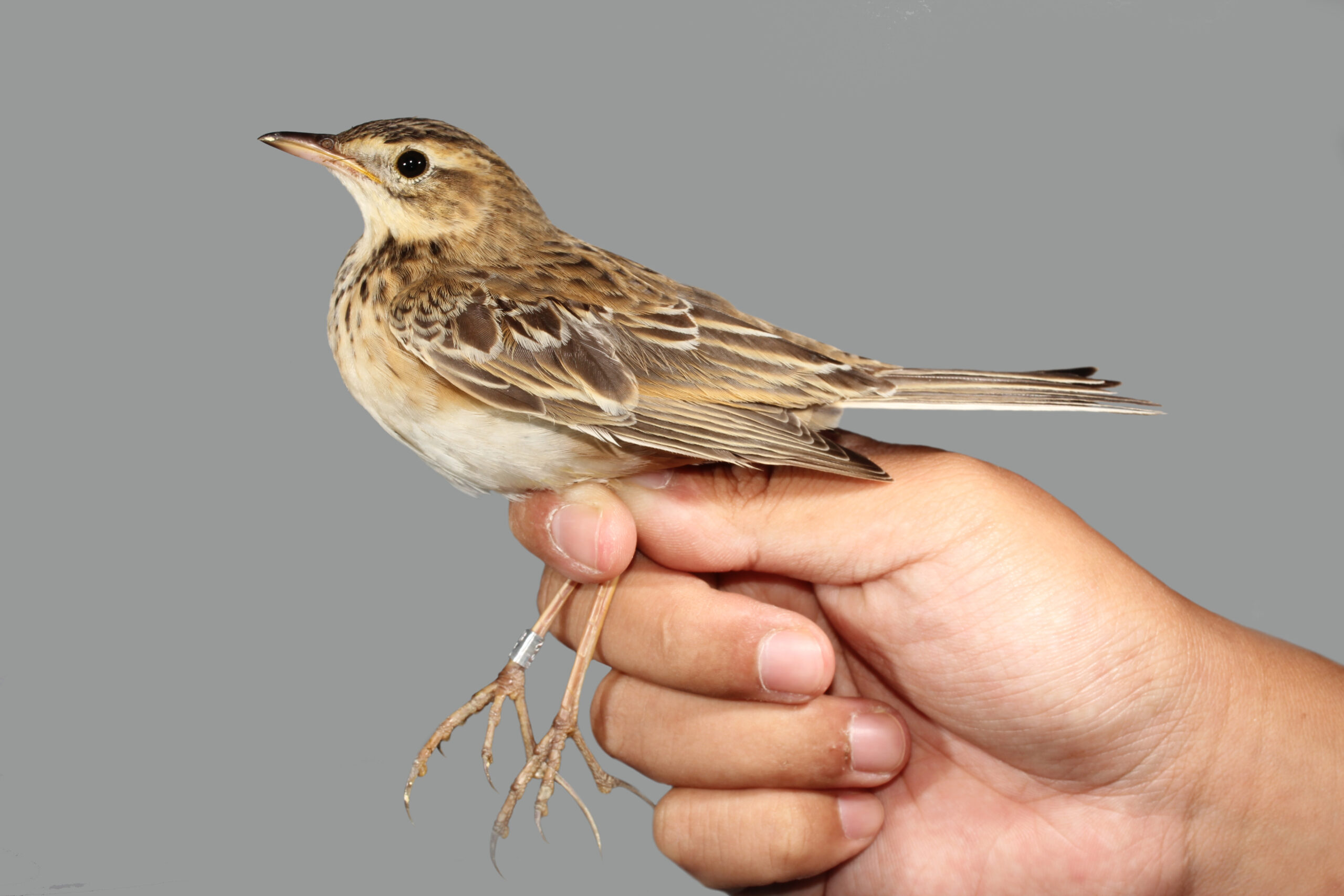
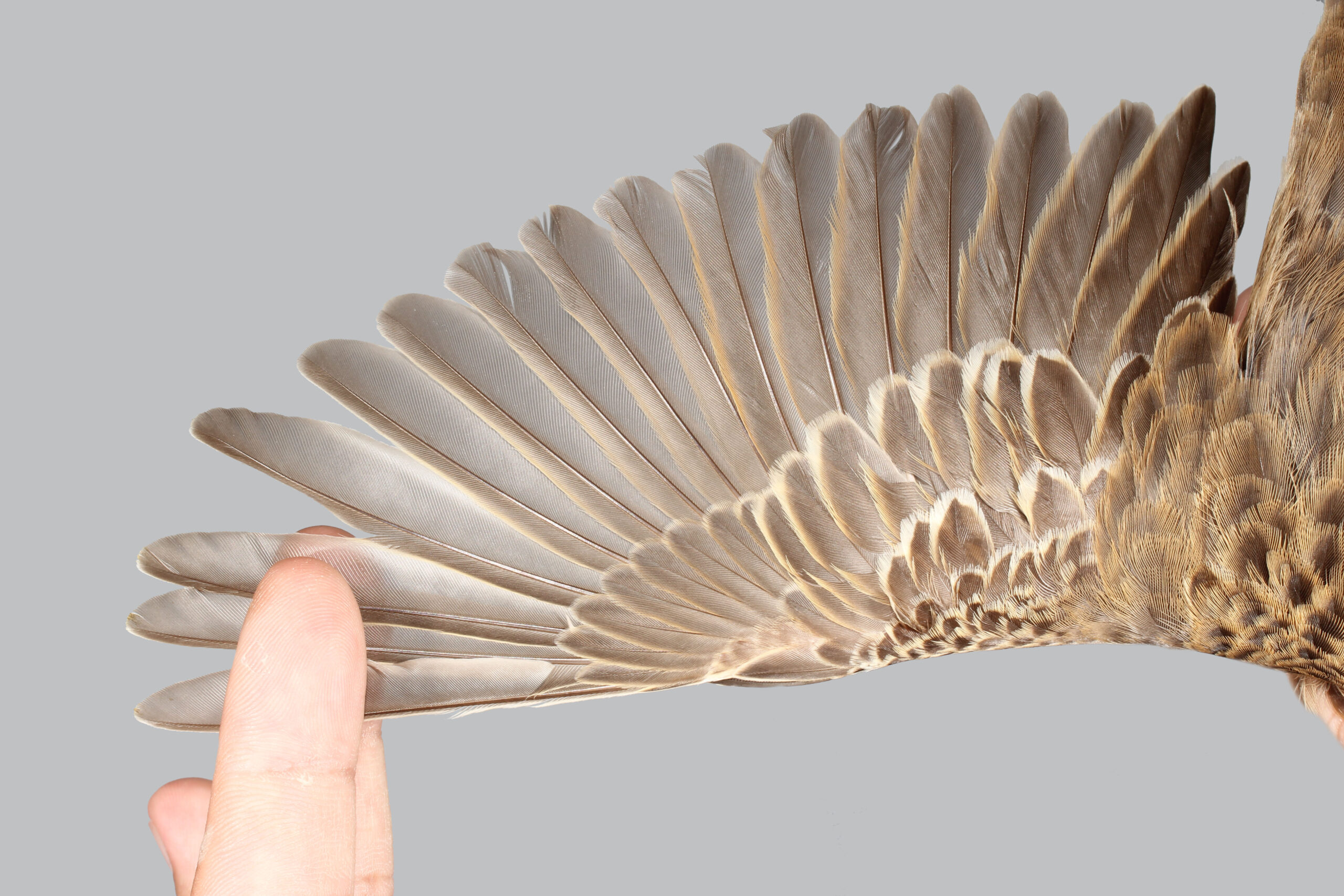
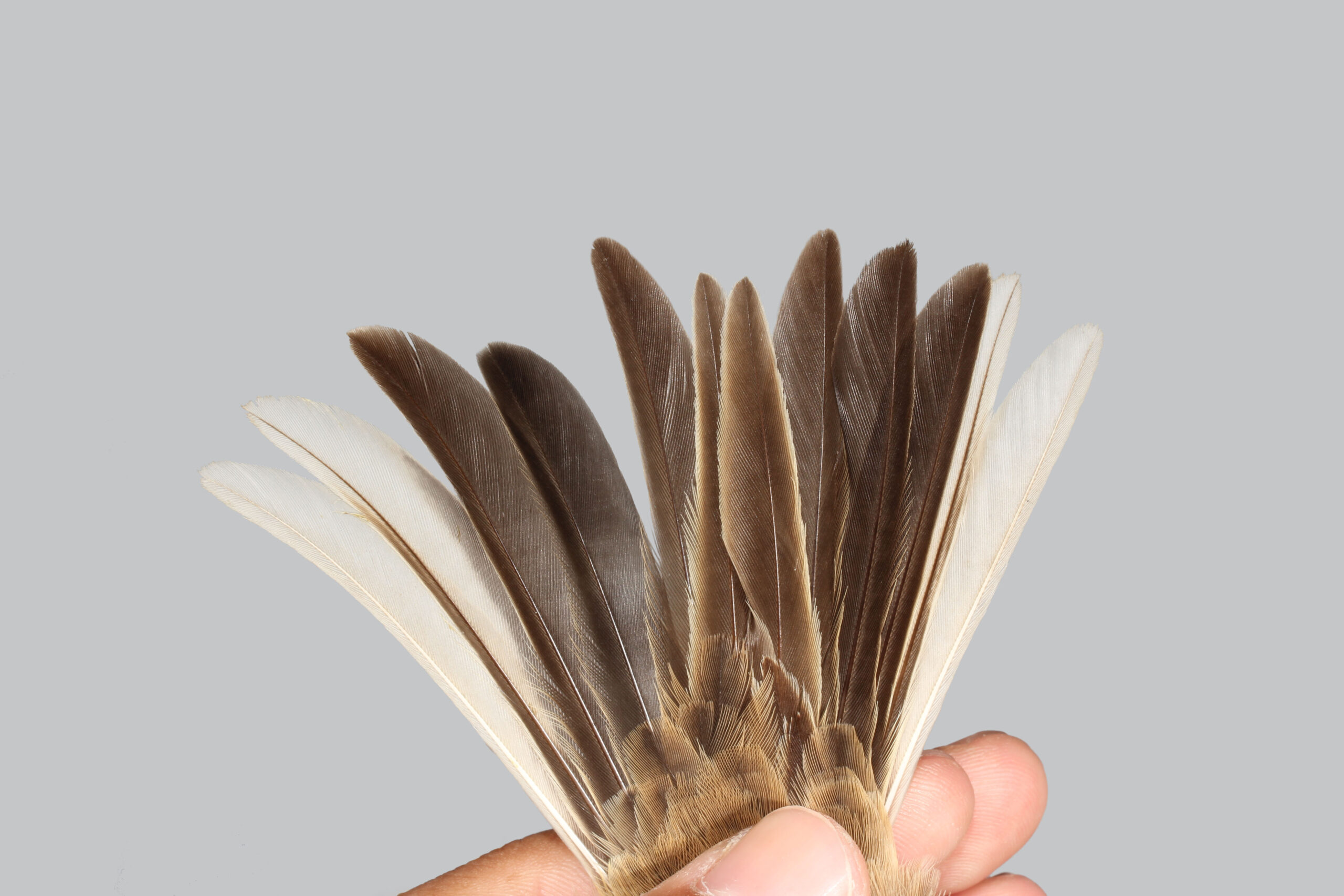
Another wonderful pipit species, and one that is not a common visitor to our nets, the Richard’s Pipit! This is one of the largest pipit species! They technically have the same moult strategy as other pipits, however, juvenile moults range widely in the extensiveness. Conversely, adults undertake what is a known as a “suspended” Summer Complete moult. What this essentially means is that they will “miss” some Primaries and/or Secondaries. This means that they will show some flight feathers that are old, worn and bleached, which will not be present in juveniles (note that a lot of Grasshopper Warblers carry out a similar moult strategy).
Therefore, in the individual above, we can see a fairly uniform wing, with no “missed” feathers in the Primaries or Secondaries. Furthermore, the feathers have this “scaley” appearance, which is characteristic of juvenile Richard Pipit feathers, making this a 1st calendar year bird!
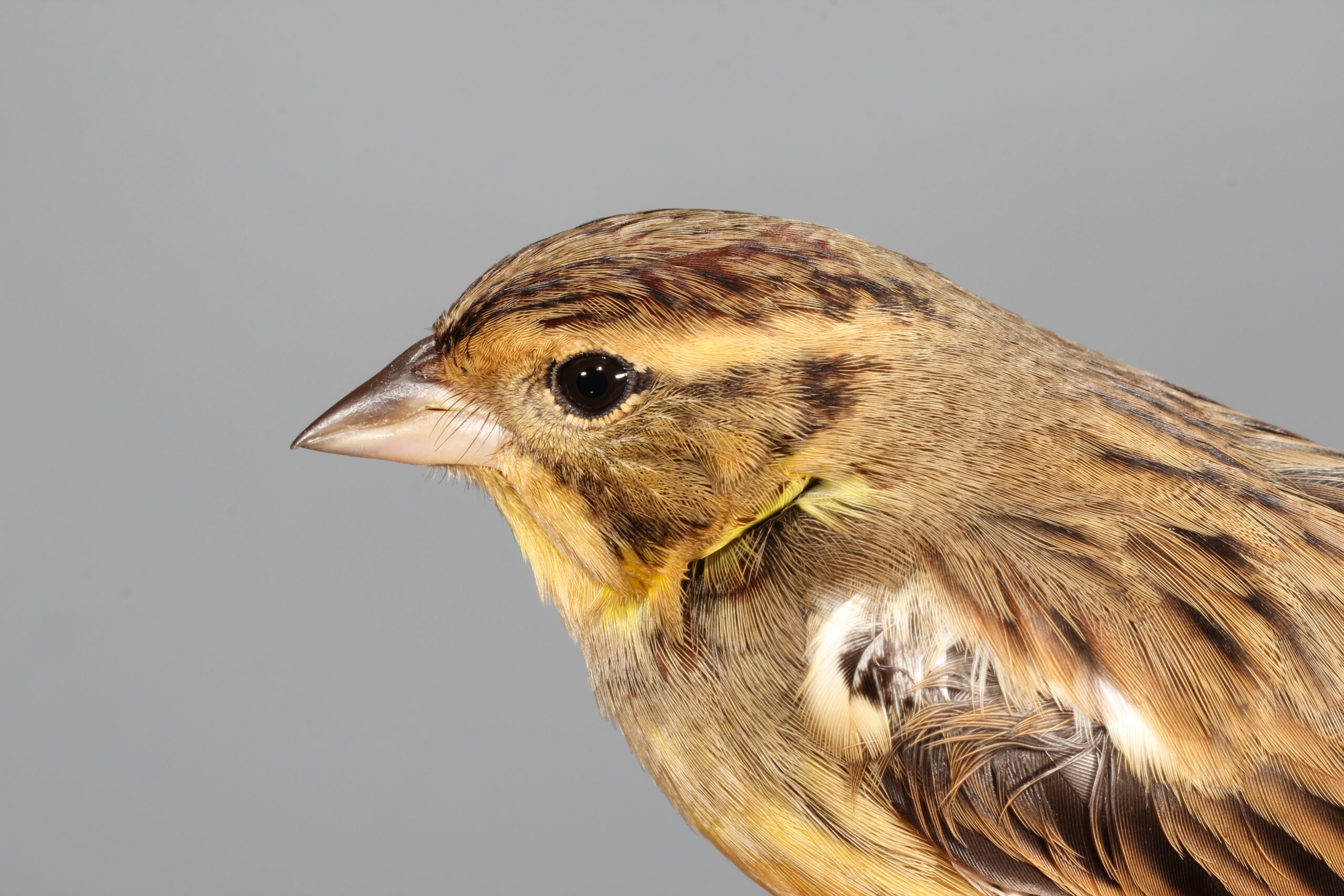
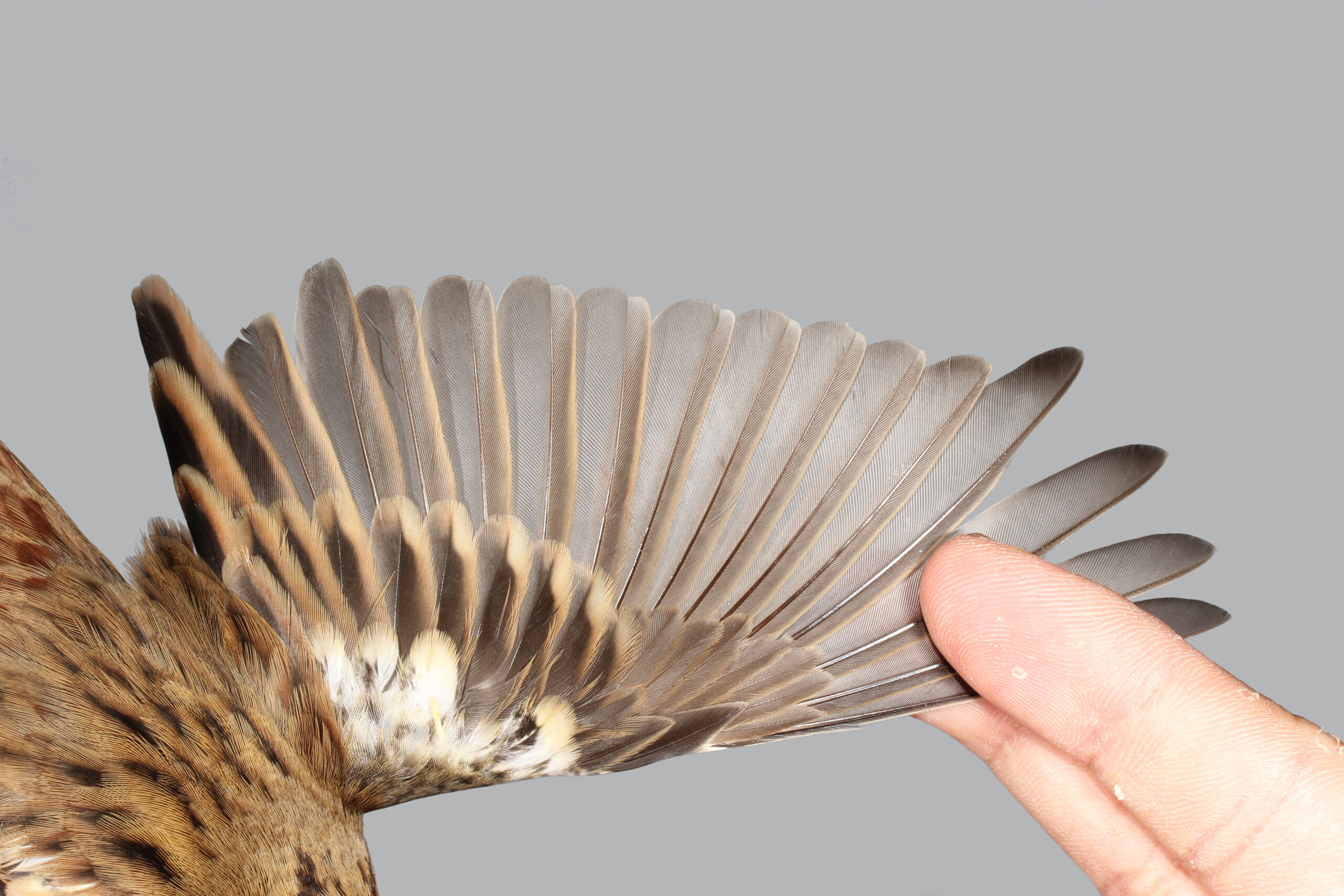
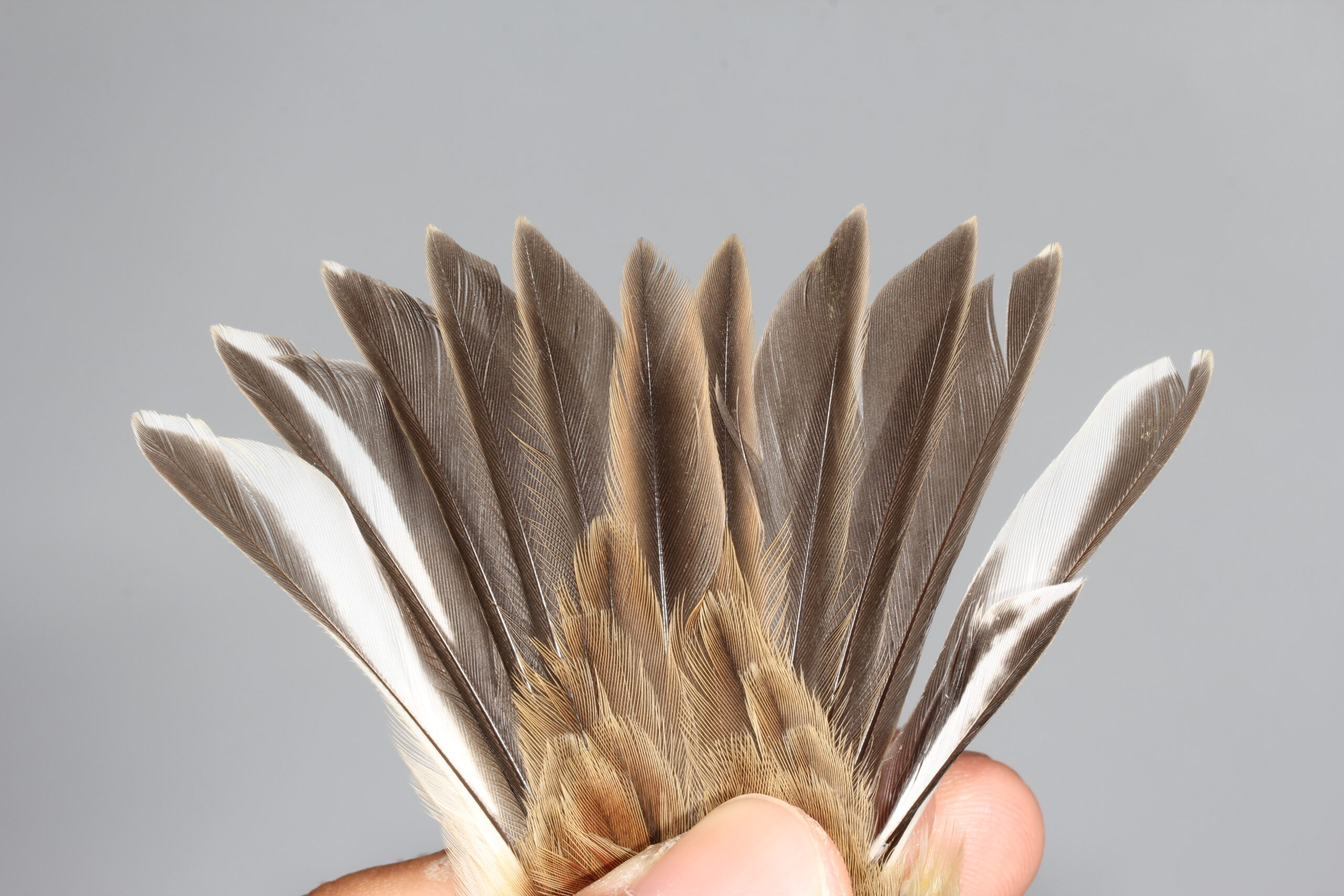
Finally, the bird we’ve all been waiting for: the Yellow-breasted Buntings are back! Hopefully by now we all know how special these birds are. This species is estimated to have declined by up to 95% in the last three decades, and are now listed as Endangered. Coordinated conservation efforts across East Asia are now focusing on trying to learn more about this species and their habits, so we can put better protective measures in place across their migratory route.
This was our first and only individual today, and we age them in similar ways to other Buntings, except for one special aspect. The young in this species typically moult their outermost 3-5 Primaries. So, in the individual above, you may notice how the visible outermost 4 Primaries are darker, glossier and denser than the rest. These are the moulted Primaries that tell us that this is a 1st calendar year bird. Now we know the age, we can look at the amount of yellow in the breast, chestnut over the body, and white in the wing. Due to the extent of these factors, we can conclude that this is a beautiful young male! A fantastic morning!
Daily Totals
| Species | Original | Recapture |
| Black-browed Reed Warbler | 1 | 0 |
| Bluethroat | 1 | 0 |
| Chestnut-eared Bunting | 8 | 2 |
| Dusky Warbler | 7 | 0 |
| Eurasian Tree Sparrow | 4 | 0 |
| Greater Painted-snipe | 1 | 0 |
| Little Bunting | 6 | 0 |
| Oriental Reed Warbler | 2 | 0 |
| Plain Prinia | 2 | 1 |
| Red-throated Pipit | 3 | 2 |
| Richard’s Pipit | 2 | 0 |
| Scaly-breasted Munia | 13 | 1 |
| Stejneger’s Stonechat | 5 | 0 |
| White-rumped Munia | 8 | 0 |
| Yellow-breasted Bunting | 1 | 0 |
| Zitting Cisticola | 6 | 0 |
| Grand Total | 67 | 6 |
*Please note that all wild birds, their nests, and eggs are highly protected (under Wild Animals Protection Ordinate, Cap. 170) in Hong Kong. It is an offence to wilfully disturb, take, remove, or injure wild birds or their nests/eggs. The actions described here were undertaken by trained professionals holding the necessary licenses and permits issued by the AFCD.*