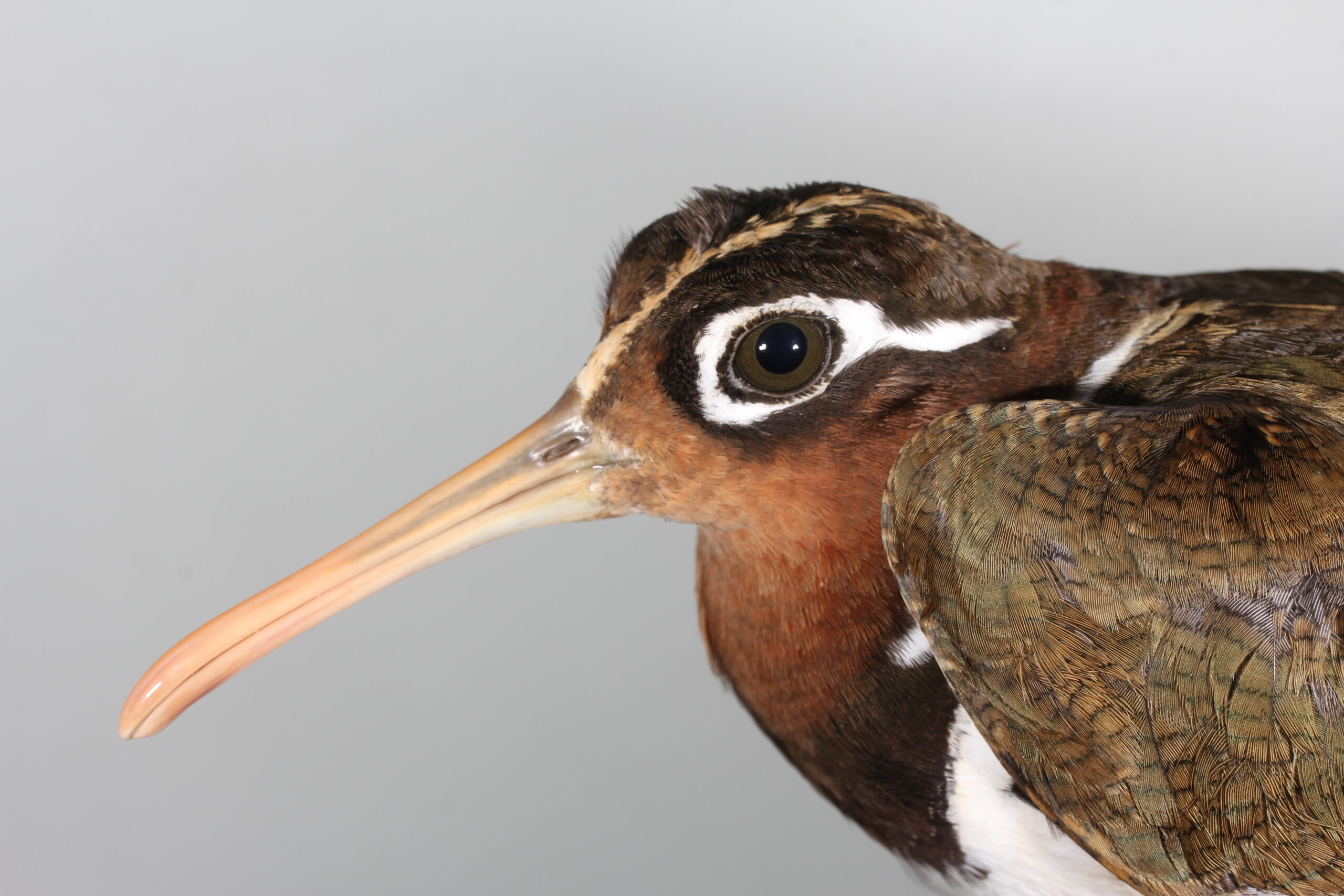



This morning dawned with already a warmer breeze in the air, signalling an early start to the Spring. As we descended into the dark forest, the silence suggested that this would prove to be a quiet day, but not without its highlights!
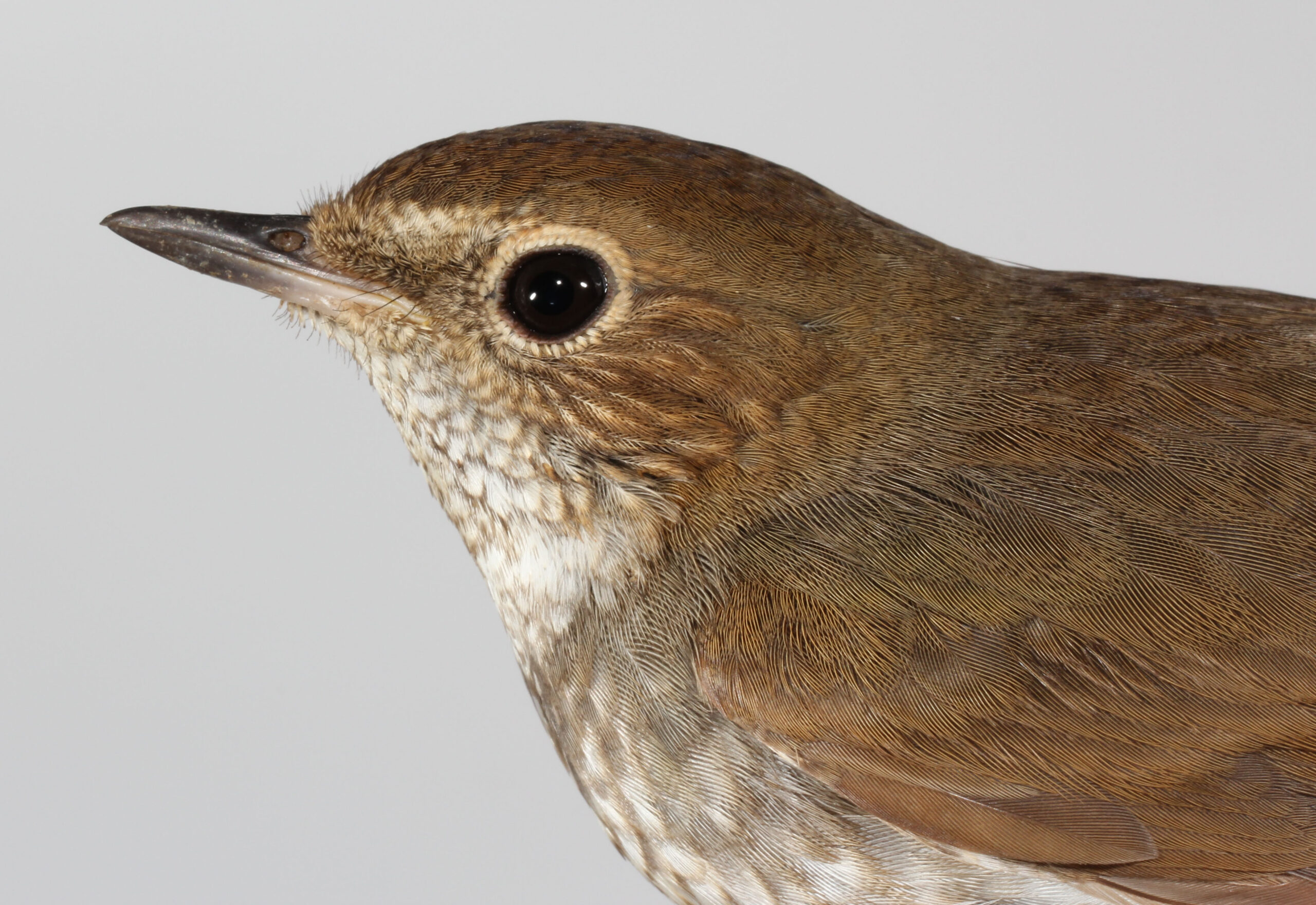
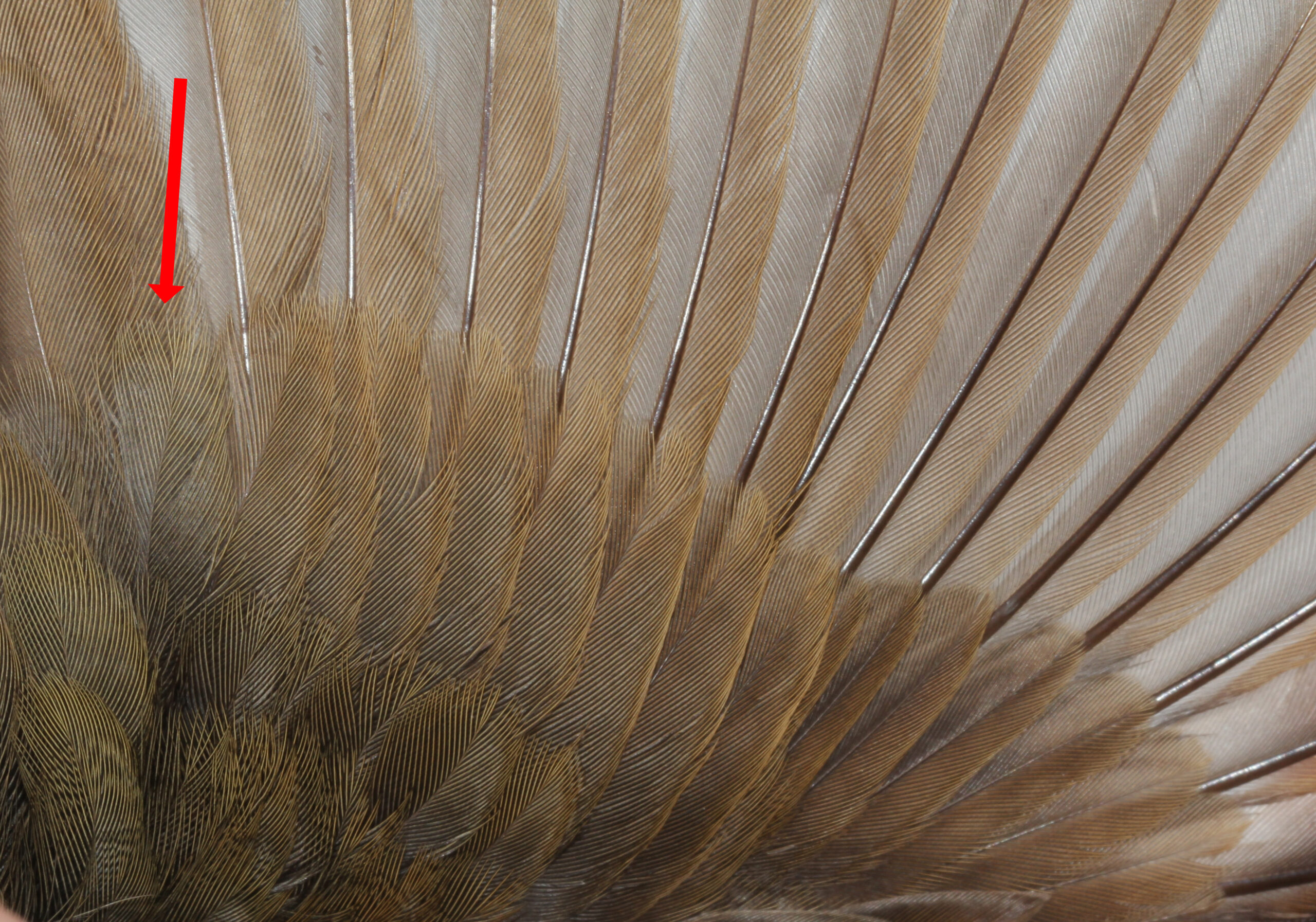
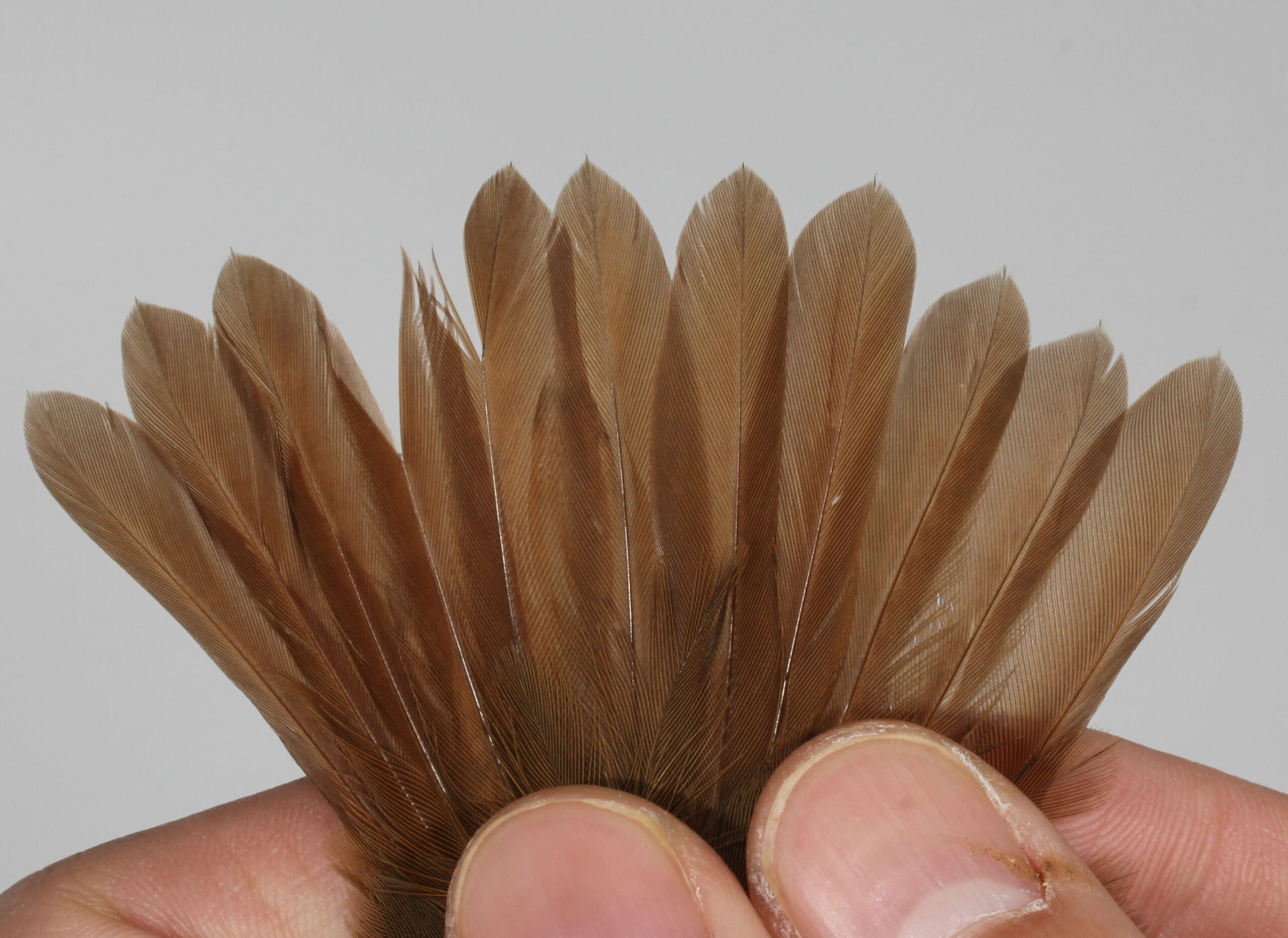
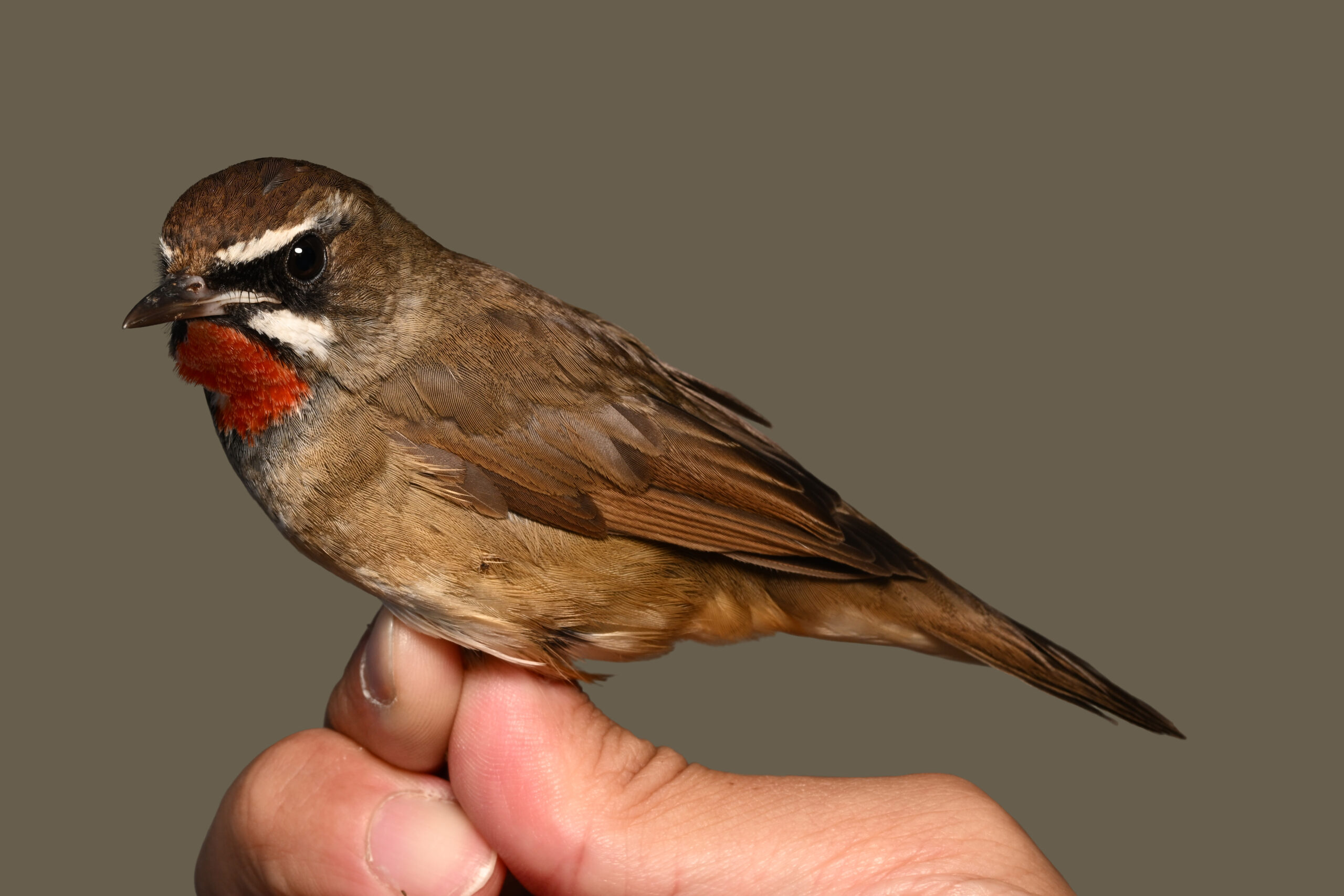
First up was this gorgeous Rufous-tailed Robin! This was a particularly interesting individual, with a much more muted moult limit than we usually see on this species. As with the other Robins, these guys only moult once a year, in Summer, with the adults undertaking a complete moult, and the juvenile a Summer partial moult. This means that in Spring we are simply looking for that moult contrast to separate adults and juveniles. It is common for ringers to base this purely off of patterning, with a lot of young robins showing orange tips to their juvenile Greater Coverts. However, in this individual we can see the tonal and density difference between the outermost 8 GCs and innermost 2, despite the fact that these old, juvenile 8 GCs do not possess orange tips. Nonetheless, they are indeed juvenile, and thus this must be a 2nd calendar year bird!
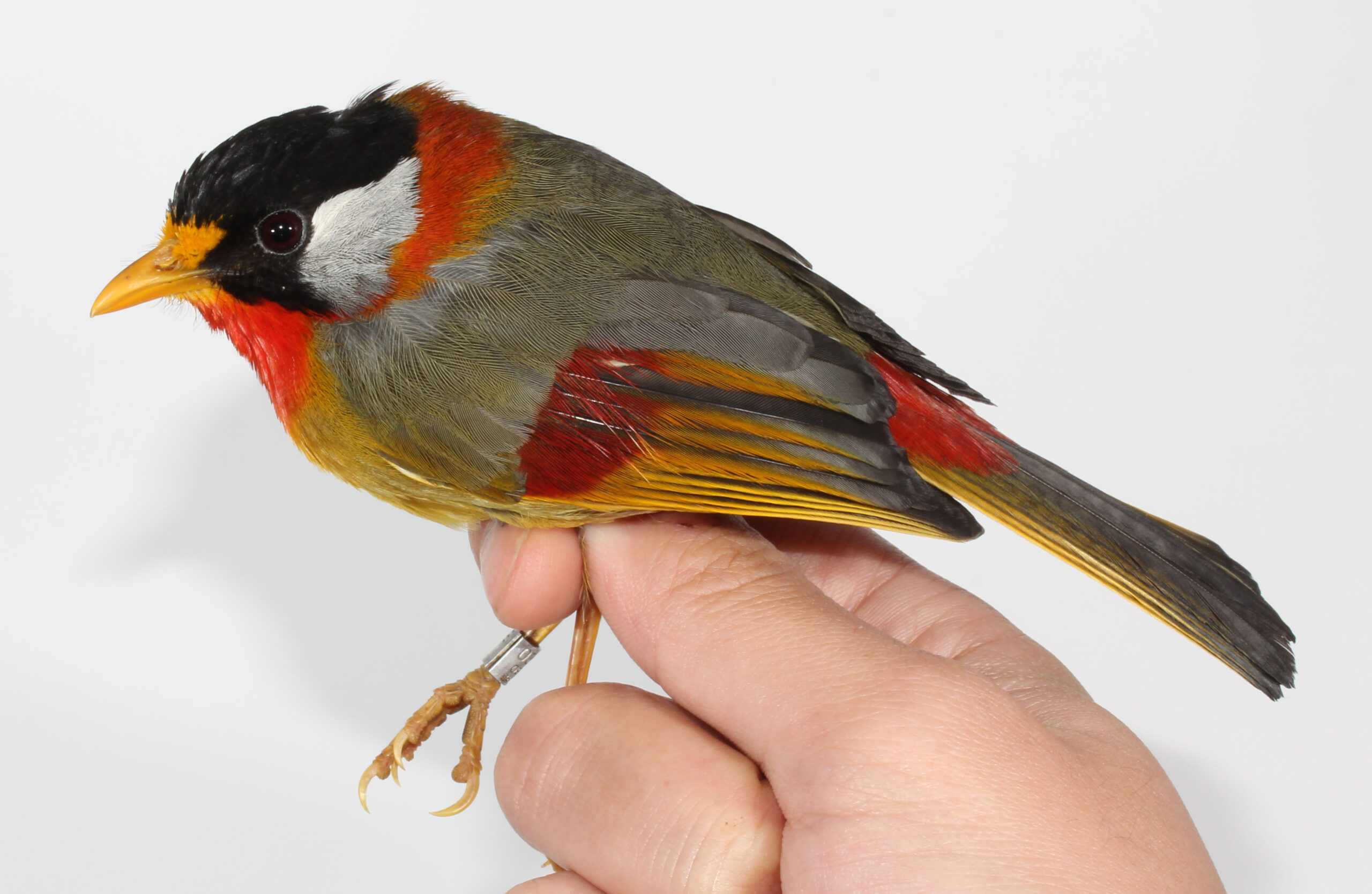
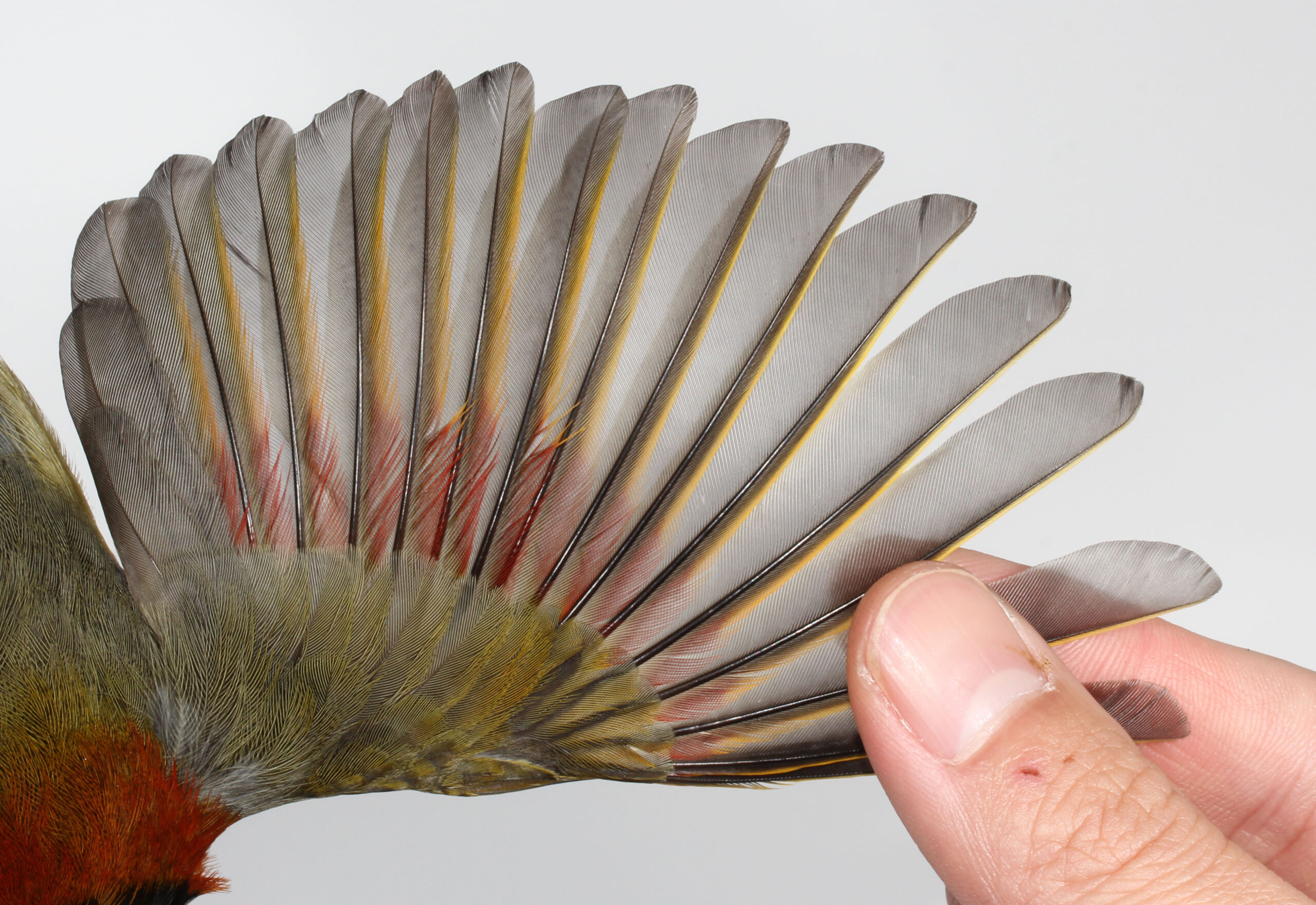
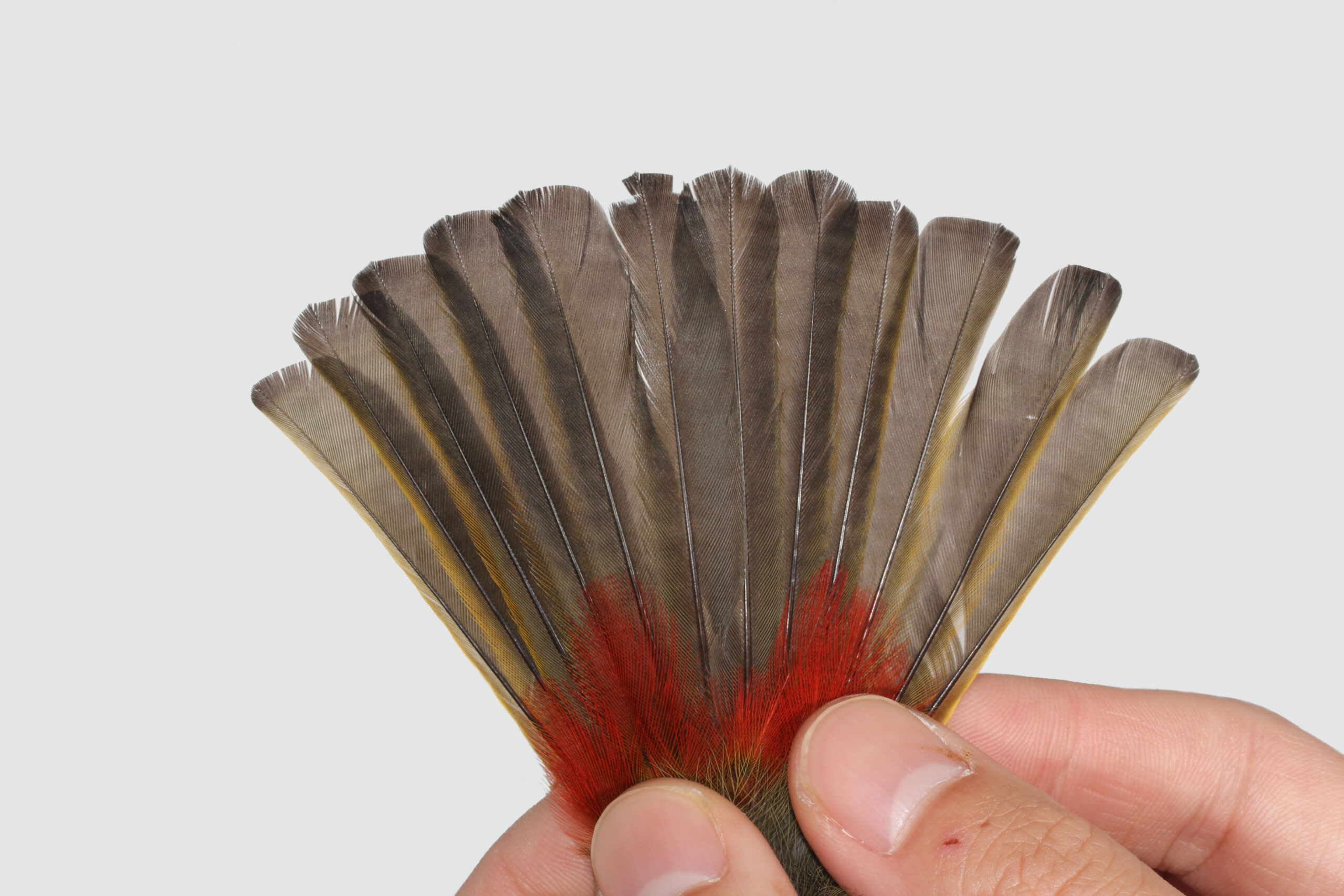
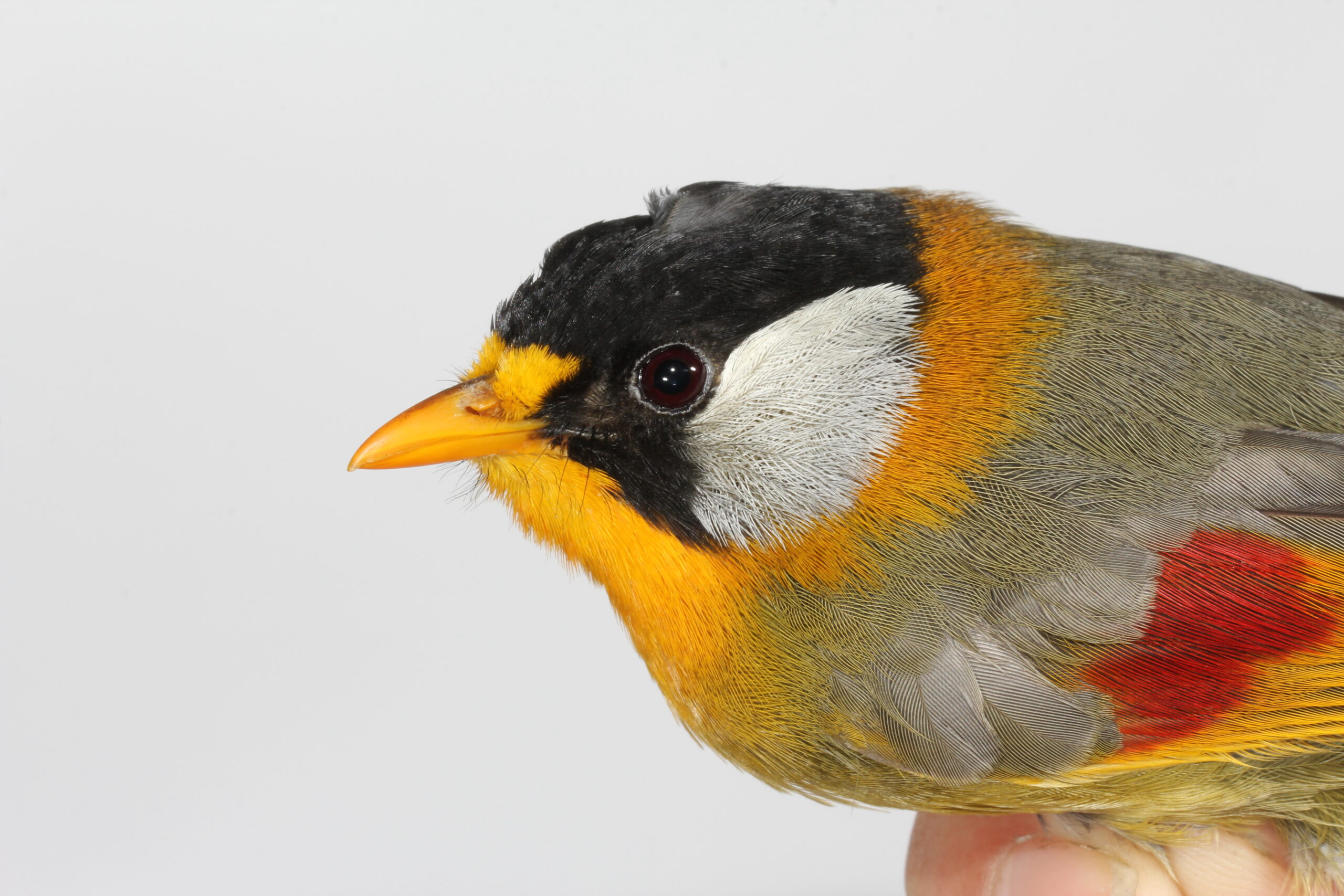
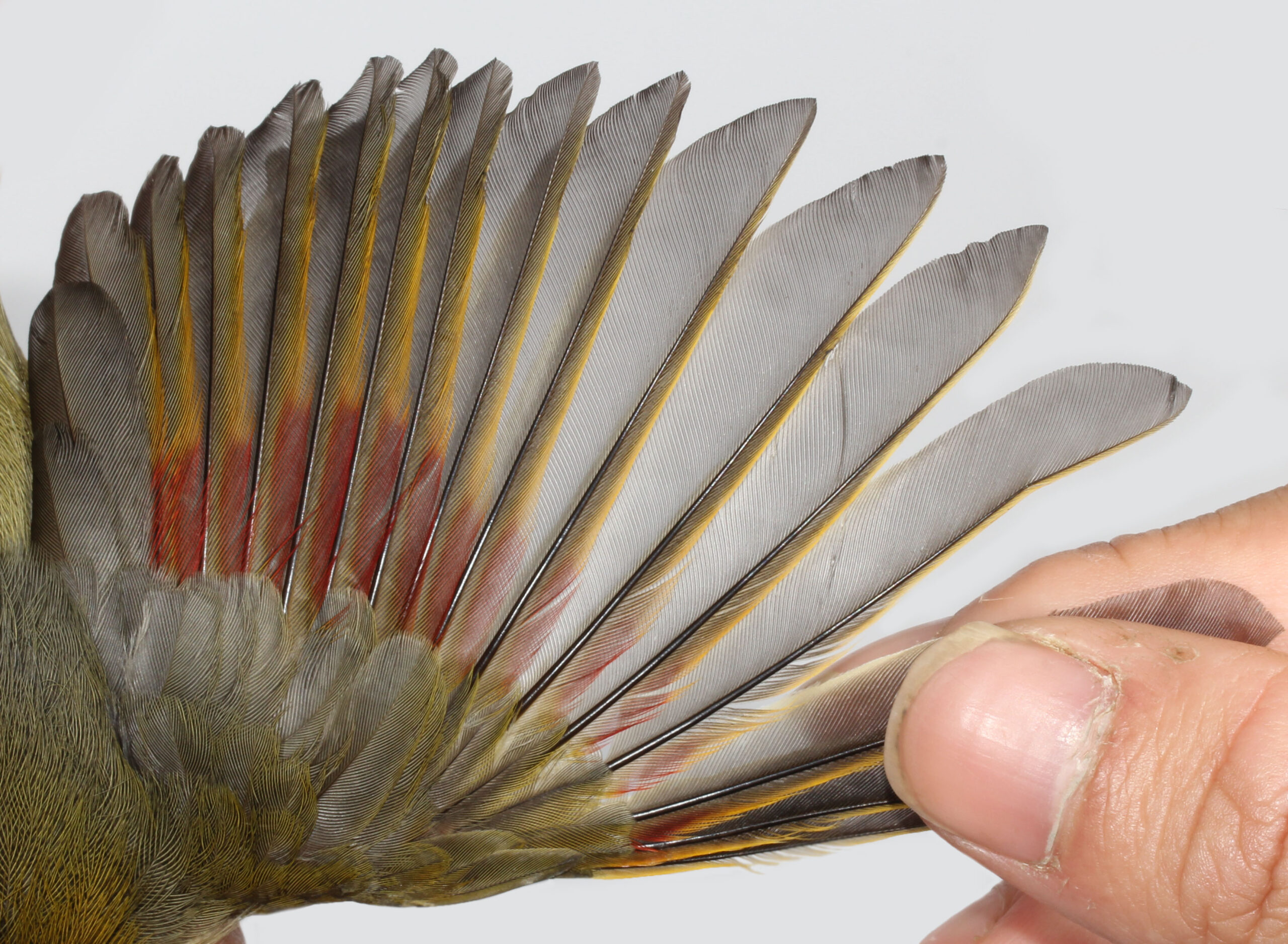
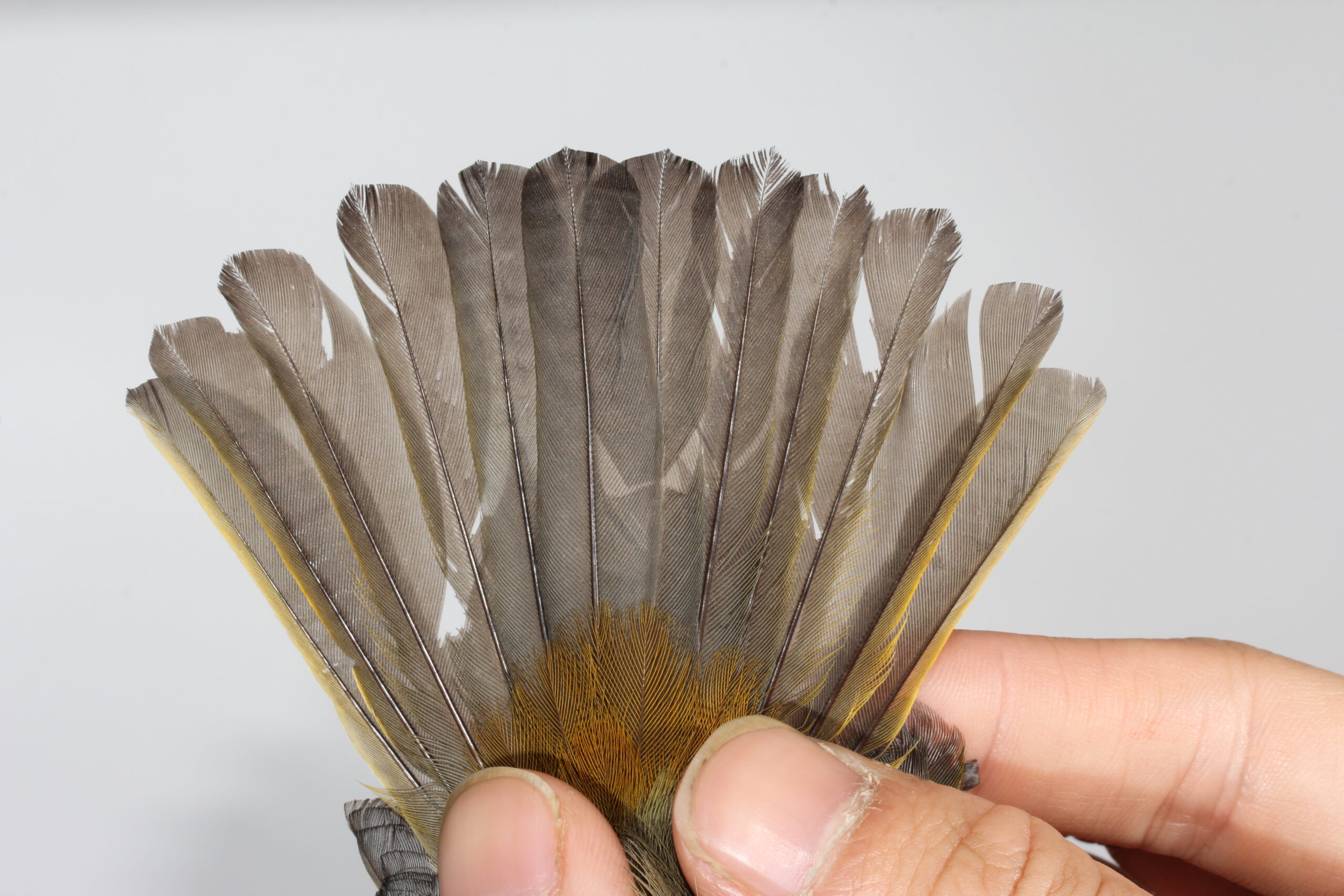
Next up were two of our colourful residents- Silver-eared Mesias! The top individual here was originally caught in the late Summer of 2023, and aged at the time as a 1st calendar year bird. In contrast, the 2nd individual was originally caught in 2021, meaning now it must be an adult, a 3rd calendar year or older bird. As mentioned in previous posts, it is thought that this species conducts a Summer Complete moult in both adults and juveniles, meaning that after the completion of this moult, by Autumn, they cannot be separated based on plumage. Instead, iris is commonly used for ageing, with adults having a deep, blood red tone to the iris, in comparison to the browner tone of the juvenile-type iris. However, the issue with this is the uncertainty of when the first juveniles begin to display an adult-type iris. As we can see in the individuals above, their iris tones are pretty indistinguishable, meaning that, by March of the 2nd year, we can no longer distinguish immature and adult birds. Thus, we should age all individuals as 2nd calendar year or older (unless another characteristic is discovered).
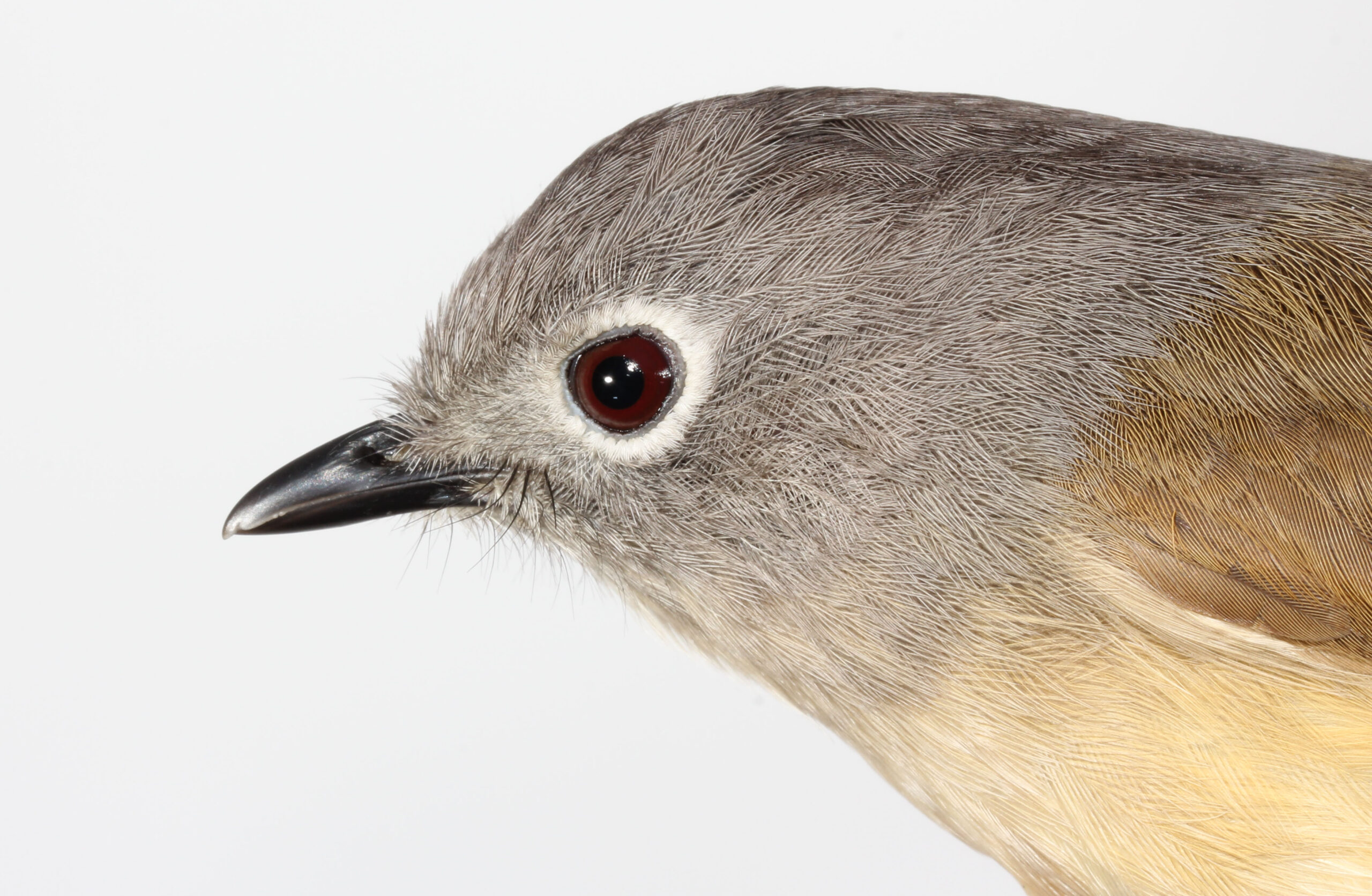
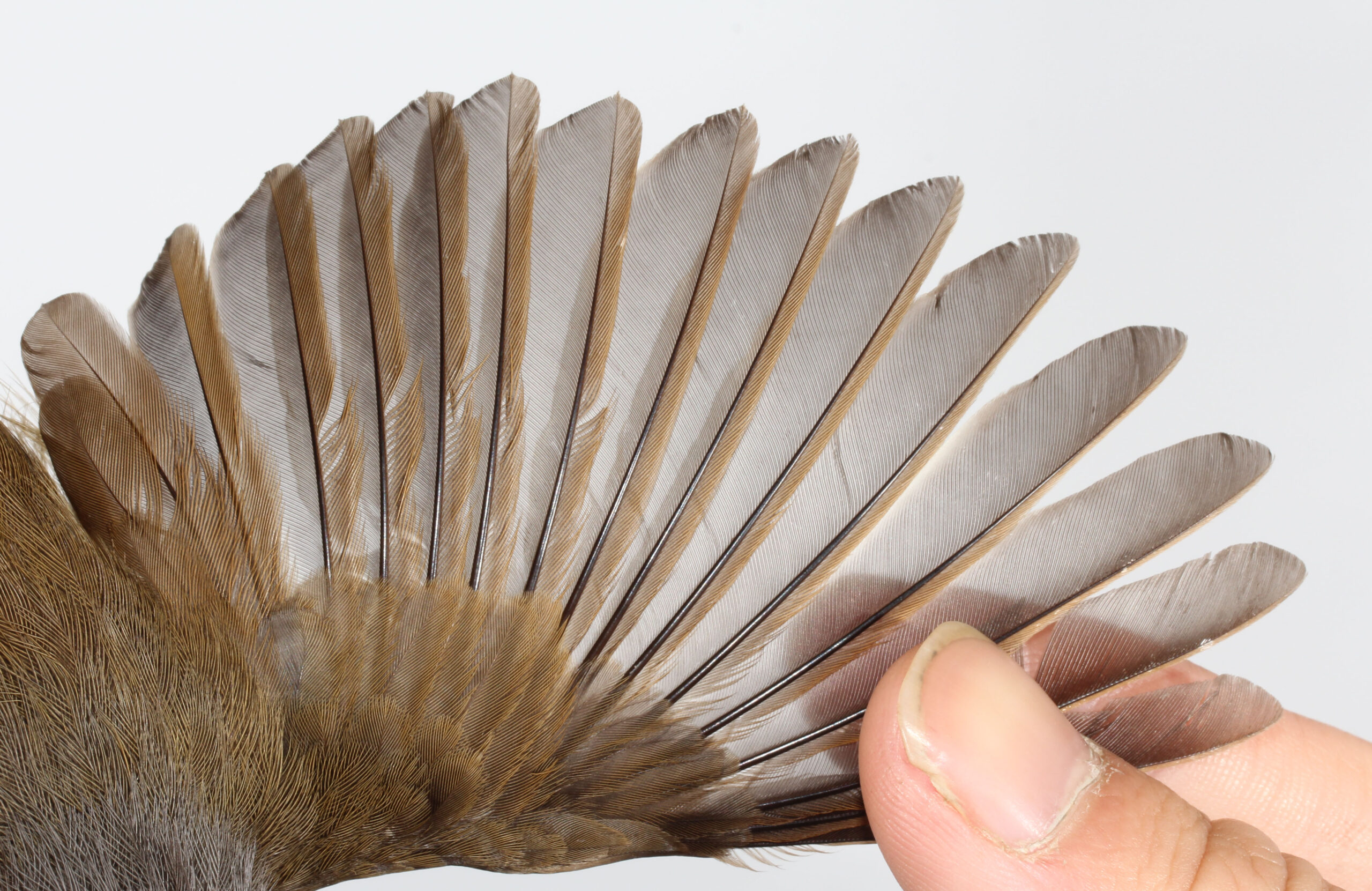
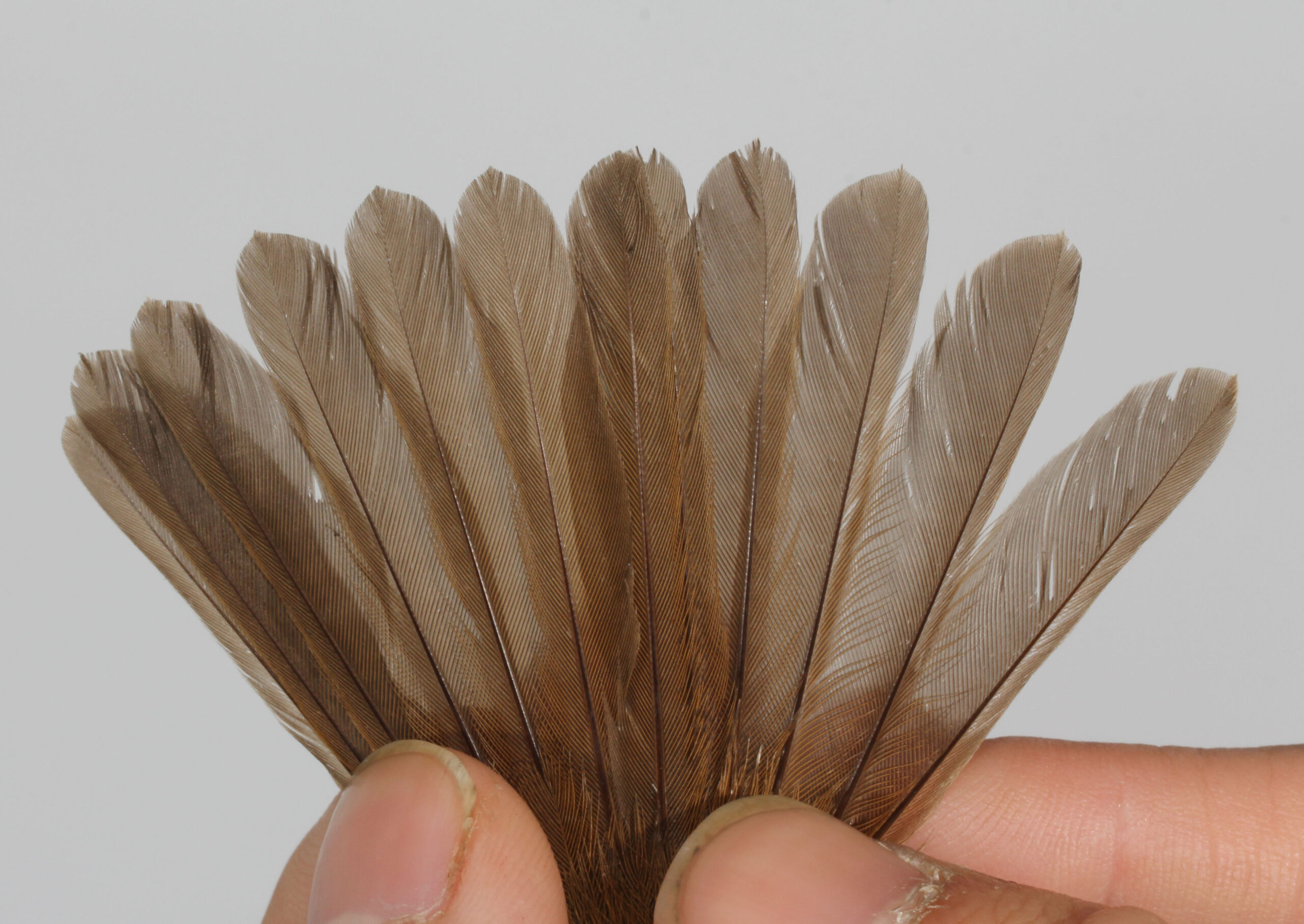
Huet’s Fulvettas are pretty similar to Silver-eared Mesias: they are also residents in Hong Kong who are thought to carry out complete Summer moults in both adults and juveniles, and are usually aged off of their irises in Autumn. With this individual above, it shows an intermediate type iris, with a thin sliver of chestnut brown at the front of the eye, leading into the dark red of an adult-type iris. Thus, to be safe, it is best to age this individual as a 2nd calendar year or older!
A nice day!
Daily Totals
| Species | Original | Recapture |
| Chestnut Bulbul | 1 | 0 |
| Huet’s Fulvetta | 0 | 1 |
| Rufous-capped Babbler | 1 | 0 |
| Rufous-tailed Robin | 1 | 0 |
| Silver-eared Mesia | 0 | 4 |
| Grand Total | 3 | 5 |
*Please note that all wild birds, their nests, and eggs are highly protected (under Wild Animals Protection Ordinate, Cap. 170) in Hong Kong. It is an offence to wilfully disturb, take, remove, or injure wild birds or their nests/eggs. The actions described here were undertaken by trained professionals holding the necessary licenses and permits issued by the AFCD.*