


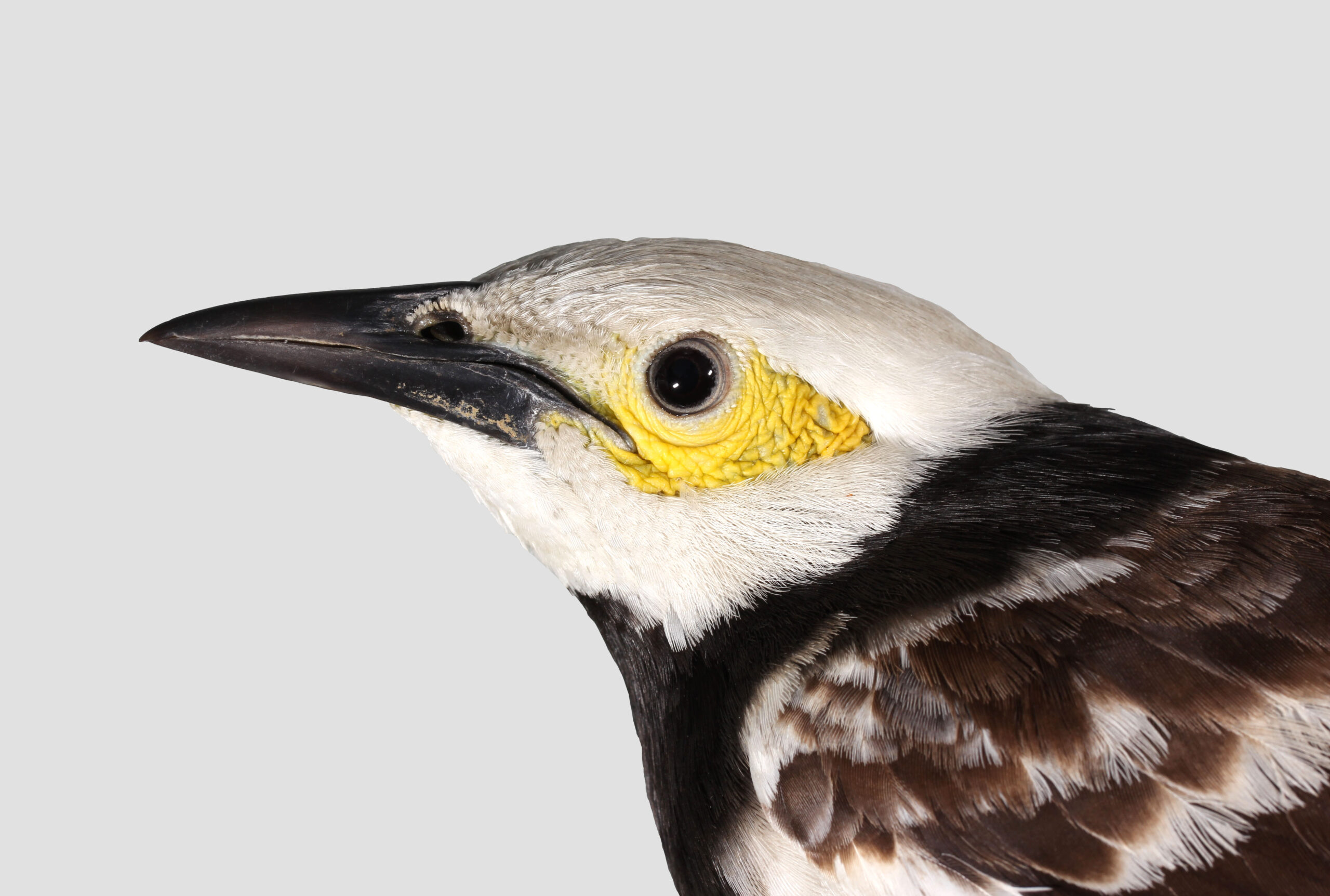
As the spring draws on our ringing mornings become quieter, we were still lucky enough to catch one of our breeding Black-collared Starlings!
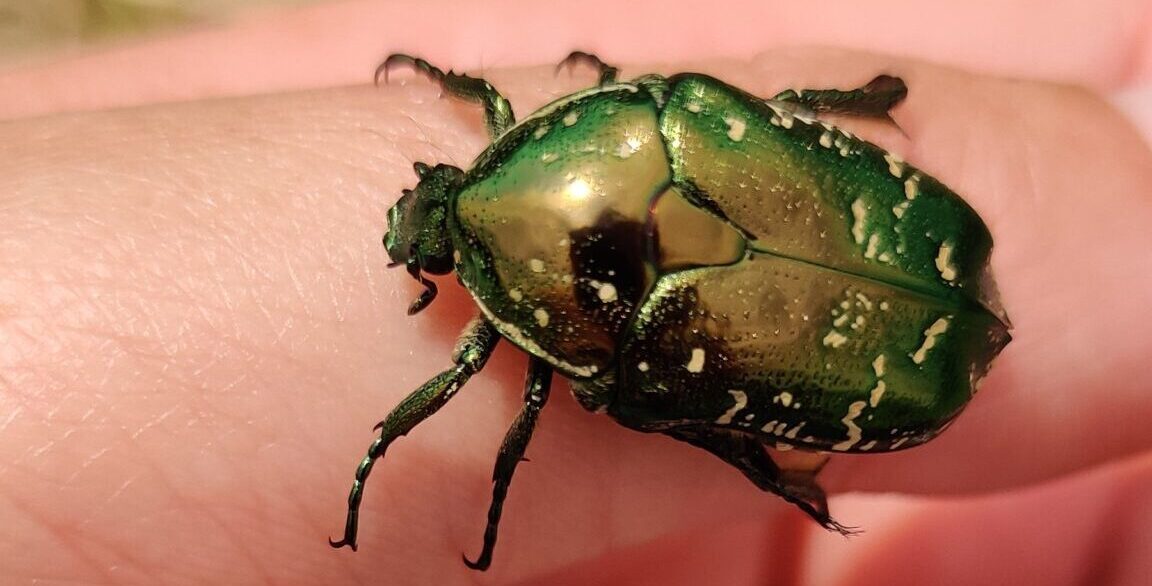
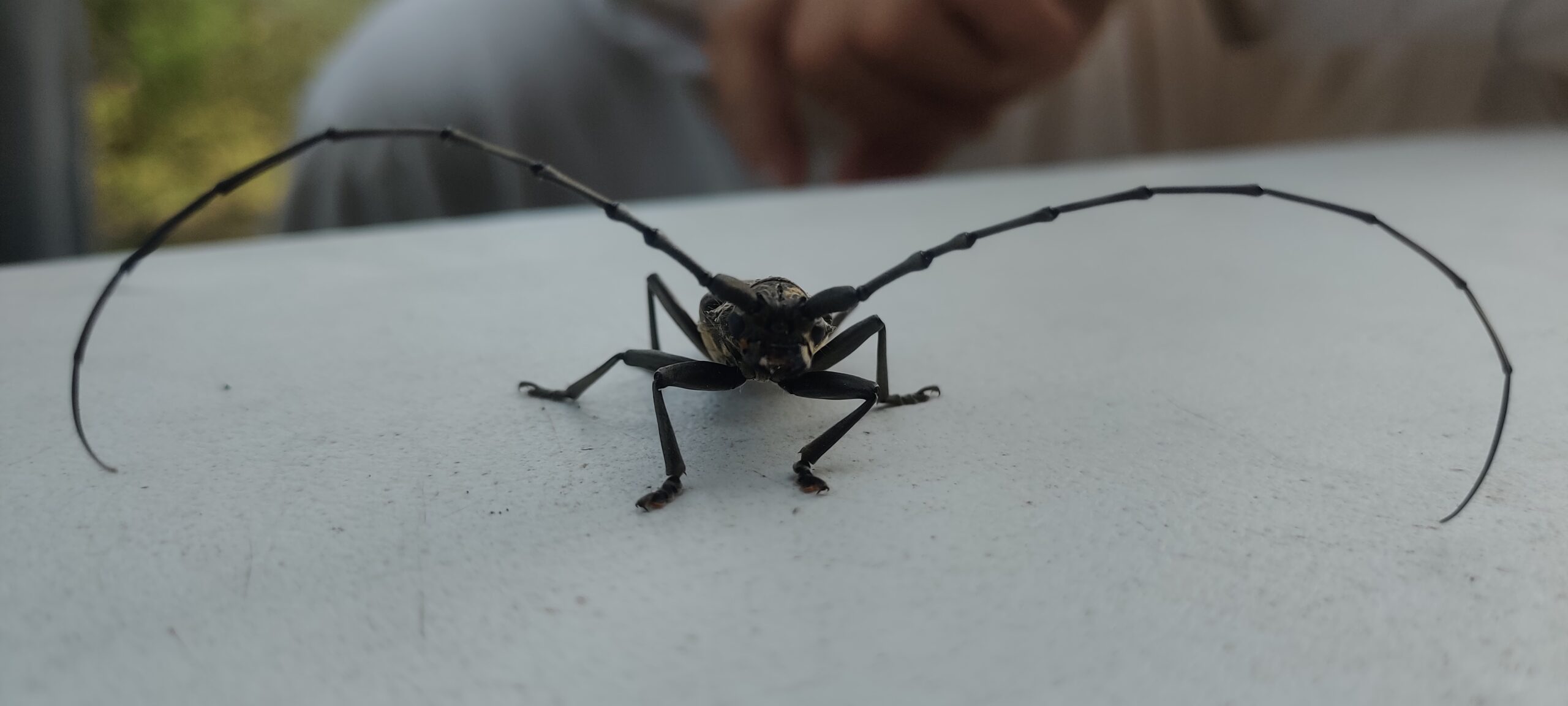
With the number of birds in the nets going down, we turned our attention to the growing number of bugs in camp, like this beautiful Long-horned Beetle and Rose Chafer!
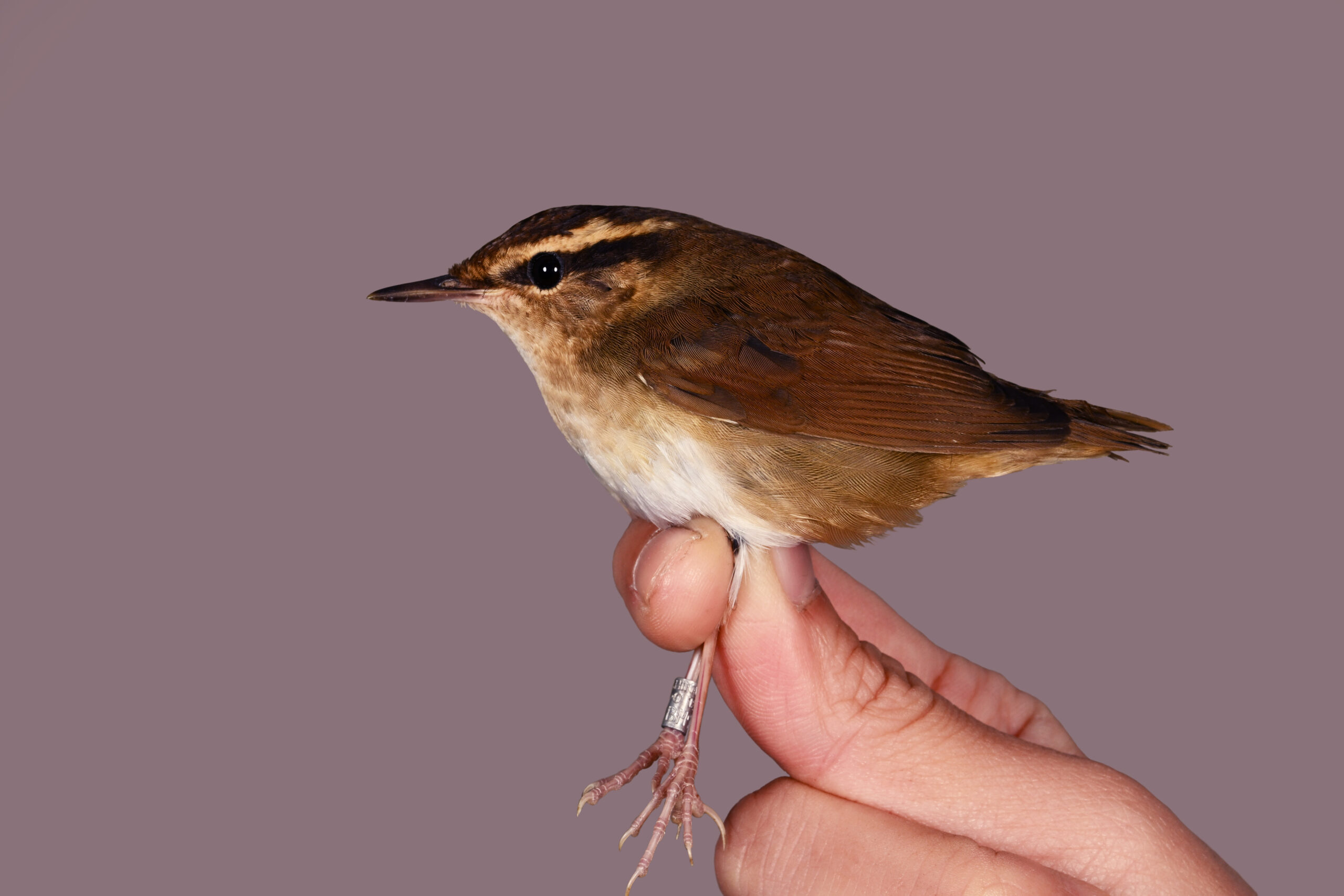
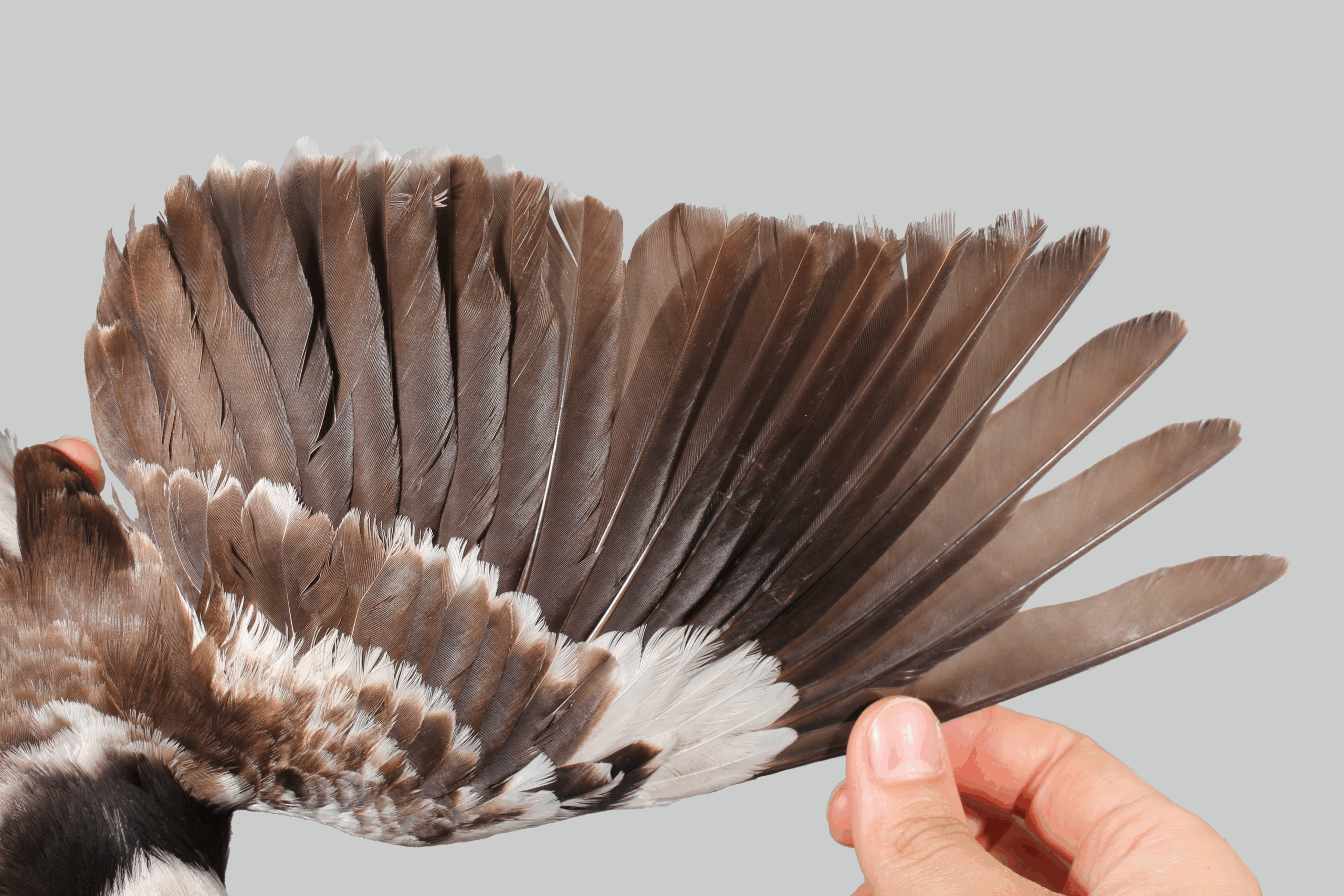
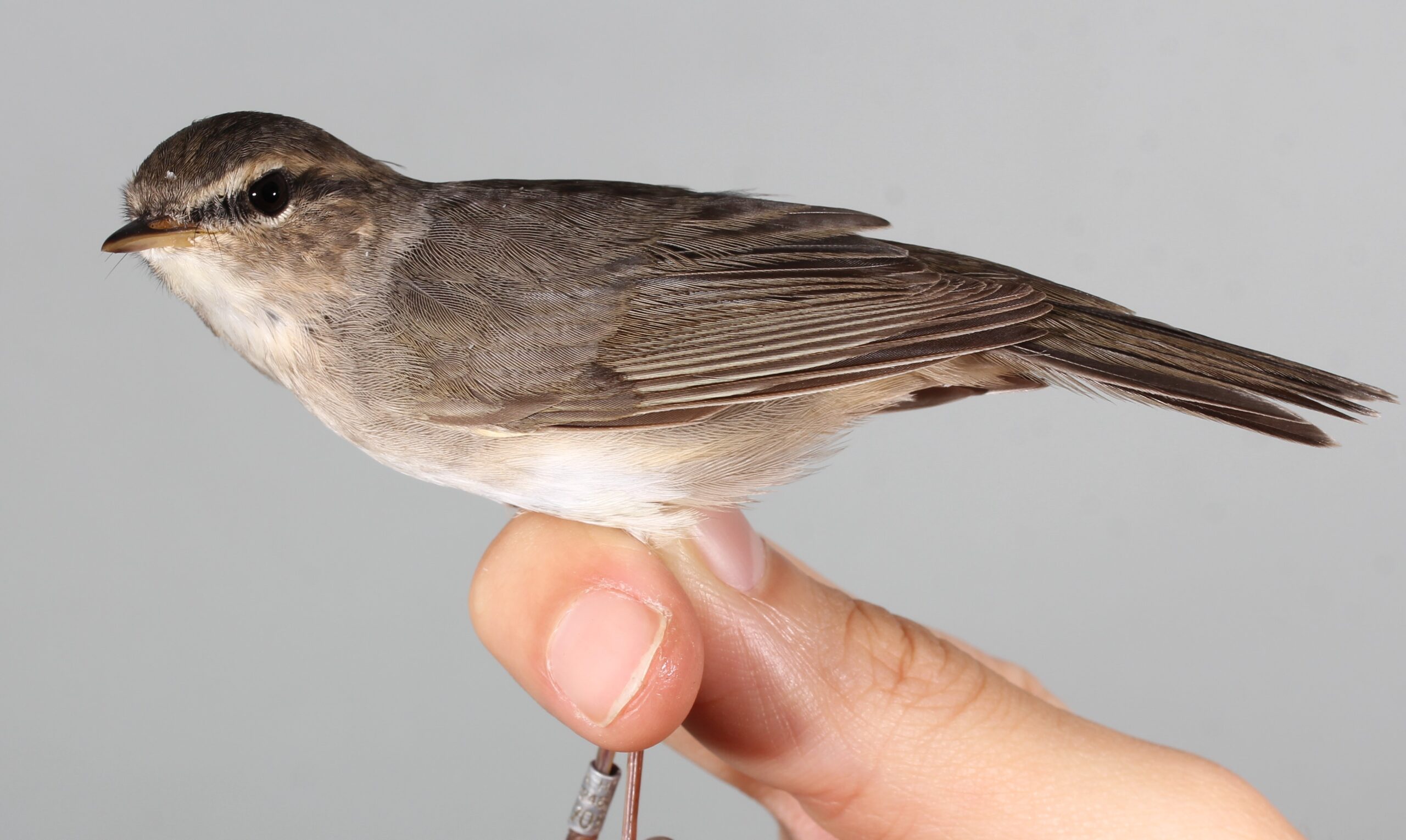
After a little lull in the morning, we caught two Dusky Warblers, both with moult limits in their GCs. Dusky Warblers have a pre-breeding moult in both adults and juveniles (in winter), so in theory a moult limit can be found in both age groups. However, the extremely worn retained GCs, alongside the PCs and bleached primaries were determined to be juvenile. We can tell this due to the big difference in not only the wear, but also the density and shape of the juvenile vs adult-type feathers. This allows us to age the individuals below as juveniles, or 2nd calendar year birds.
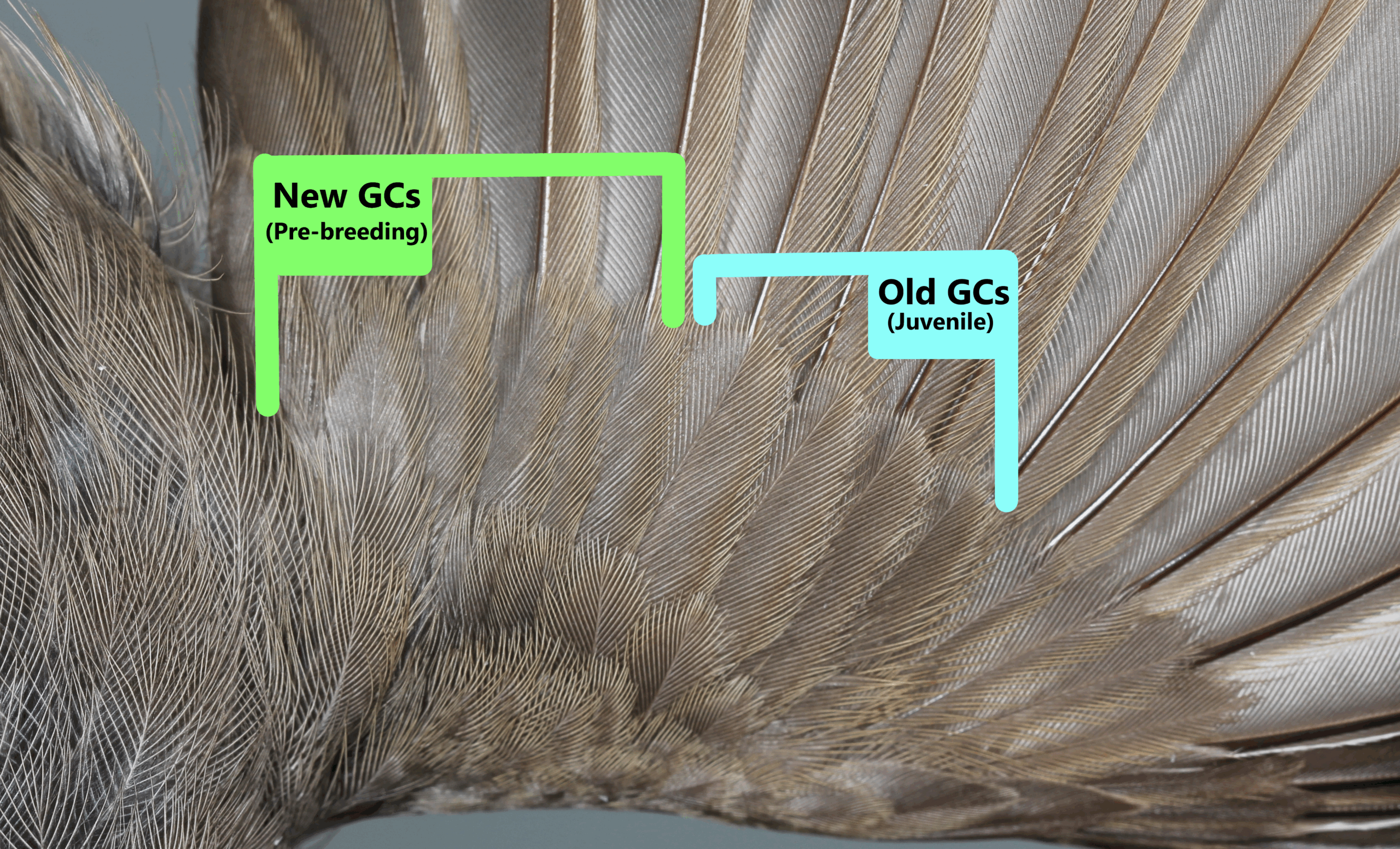
In the individual above, we can see 4 old juvenile GCs, showing grey-brown centres and worn grey fringes. These contrast to the inner 6 GCs, which are more fresh, dark, denser and glossy with olve-greenish fringes.
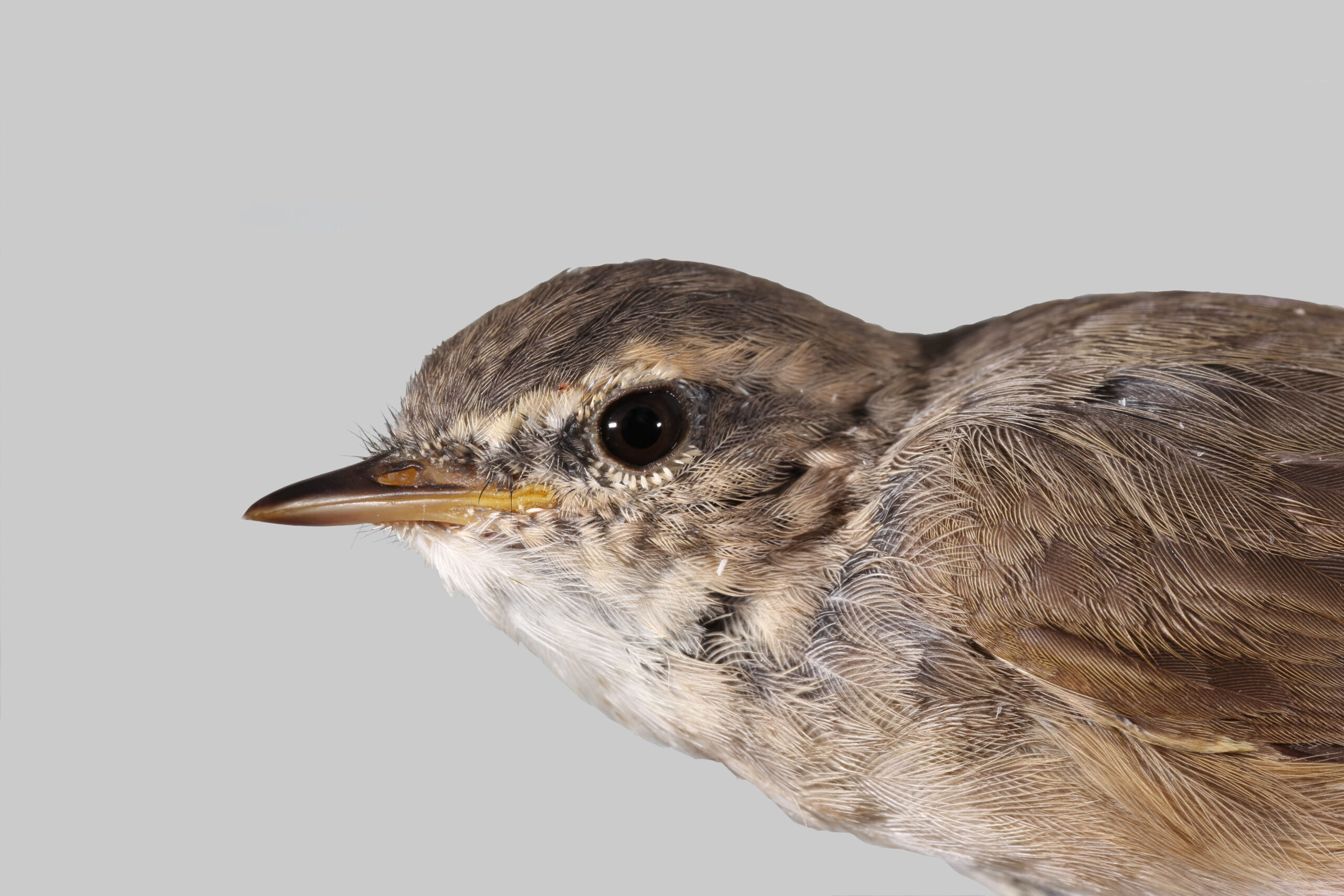
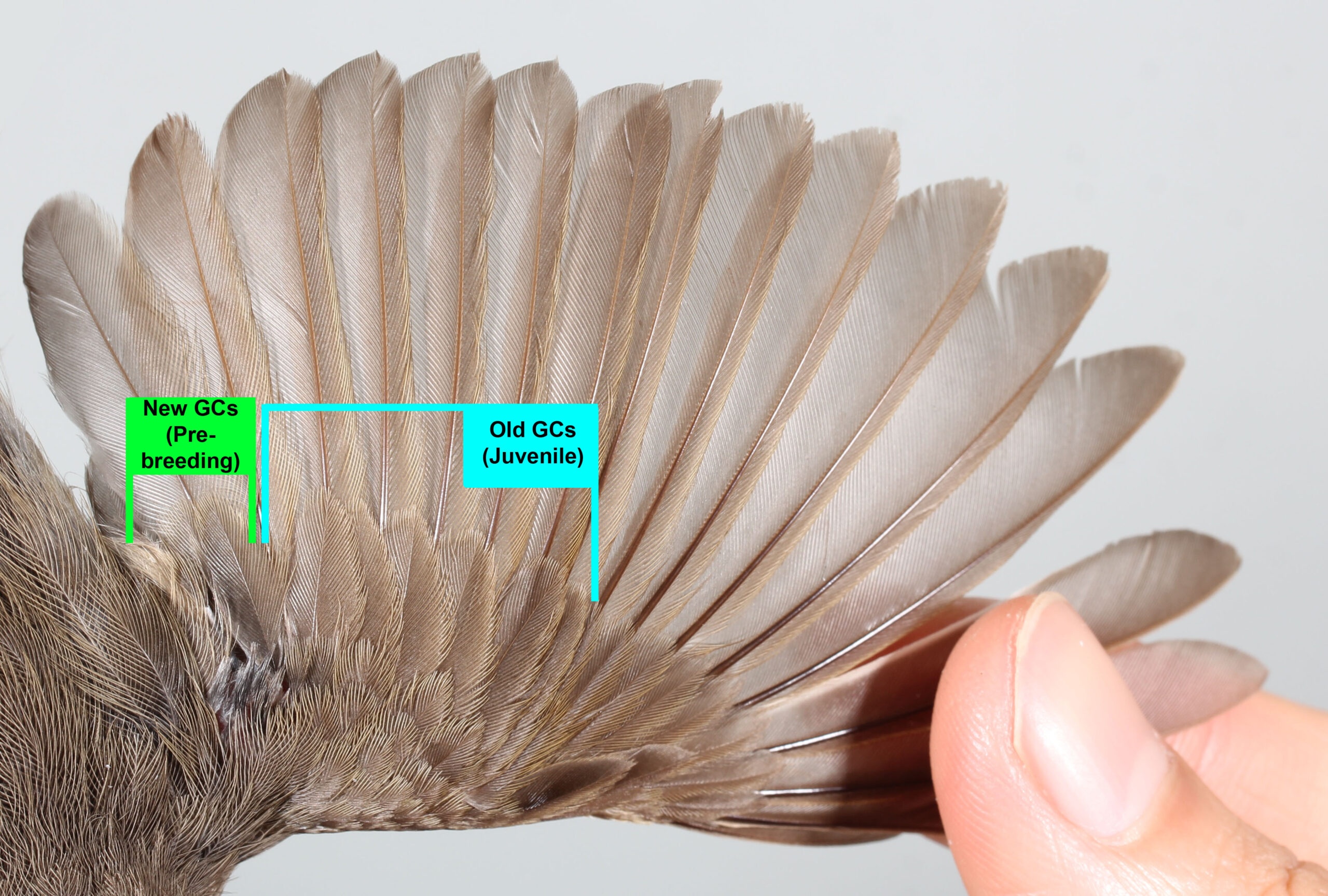
Our final individual shows a similar moult contrast, found between the 6th GC, which is juvenile, and the 7th, which is pre-breeding (adult-type). In this individual, it seem that the tertials have also been moulted, and are pre-breeding- a nice comparison to the brown, juvenile secondaries.
Daily Totals
| Species | Original | Recapture |
| Black-collared Starling | 1 | 0 |
| Dusky Warbler | 0 | 2 |
| Plain Prinia | 0 | 2 |
*Please note that all wild birds are protected under Hong Kong Law. All ringing activities are conducted with the necessary permits issued by the AFCD. Handling and processing of birds is only carried out by experienced individuals.*