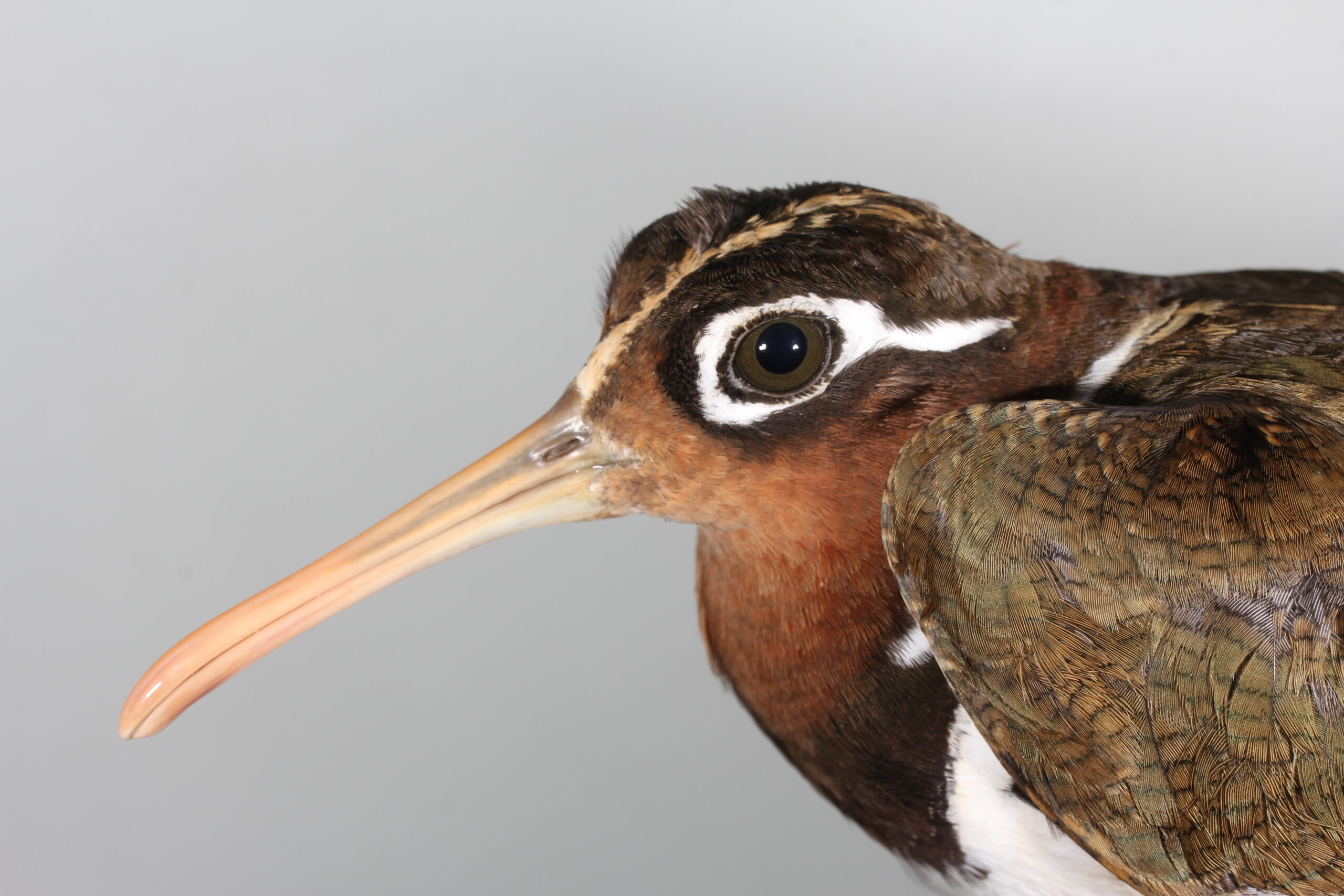


Our second day in the forest proved even more fruitful than the first!
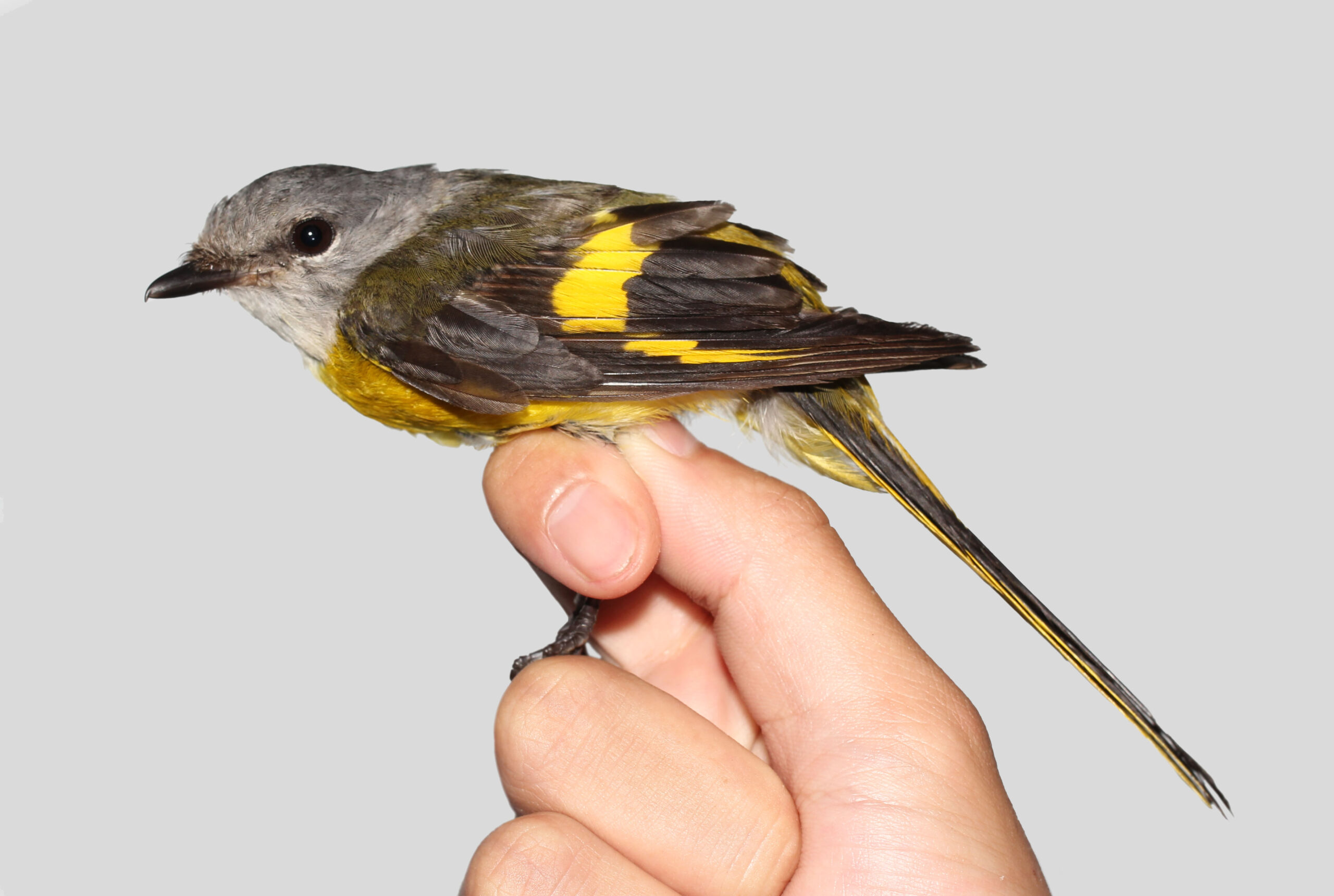
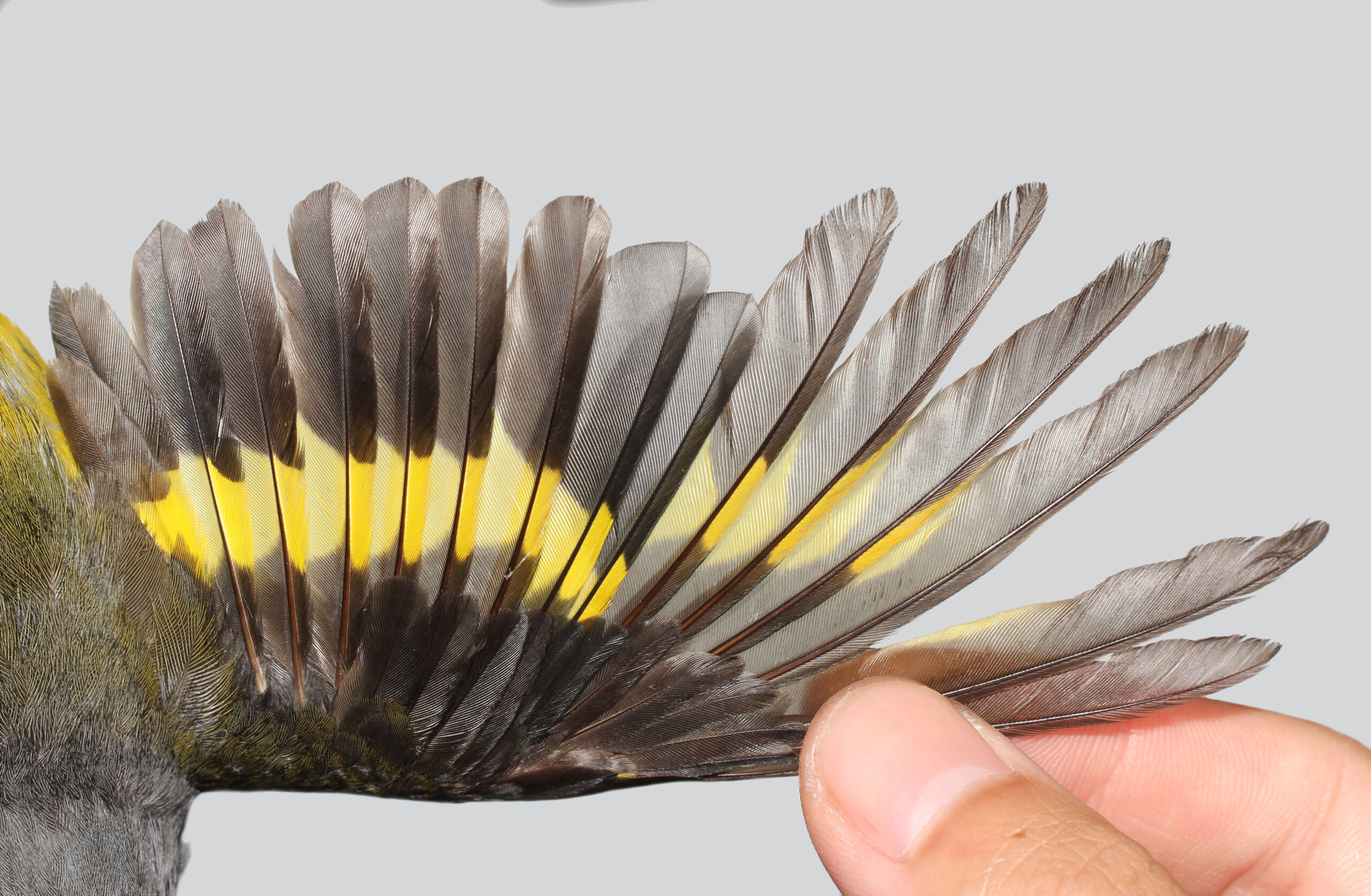
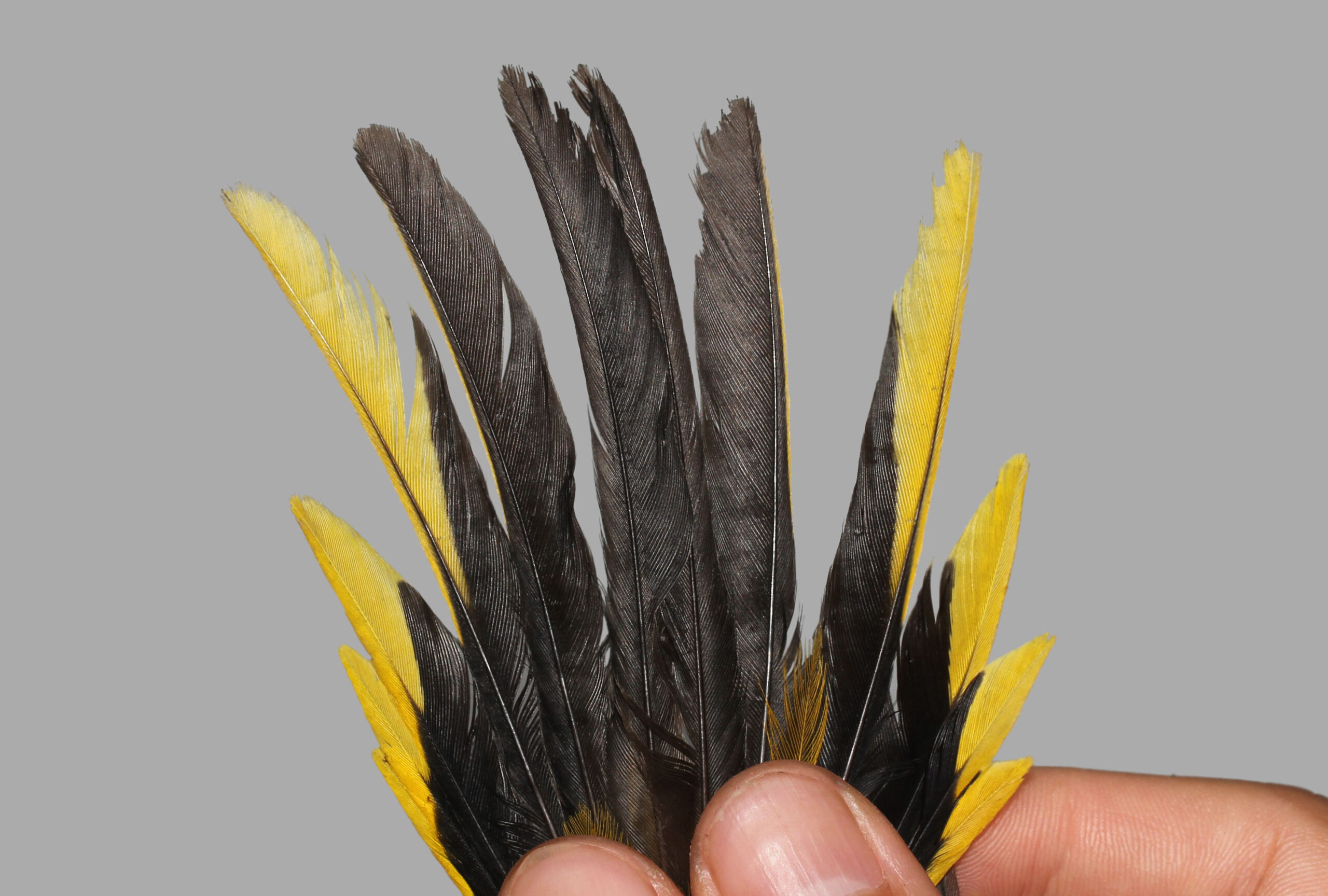
First up was another Grey-chinned Minivet! This was especially interesting as this individual proved to be a 2nd calendar year or older bird, in active wing moult! In the wing we can see the innermost primaries growing, the black, fresh feathers contrasting to the brown and worn outermost Primaries and Primary Coverts. We can also see that the inner Greater Coverts are currently missing, to be regrown very soon. Since this is an older bird, and shows all yellow and no sign of the red present in males, this must be a 2nd calendar year or older female!
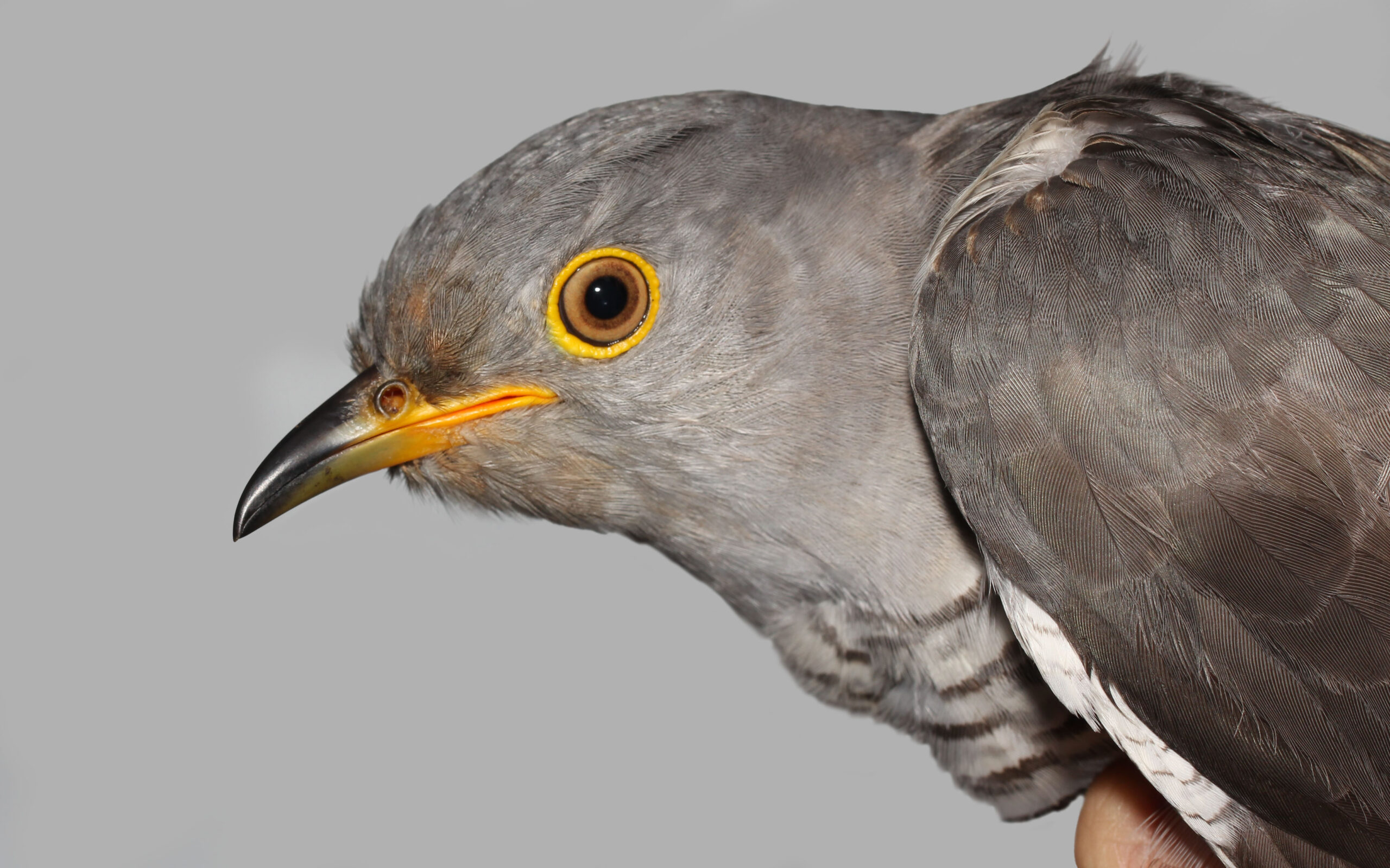
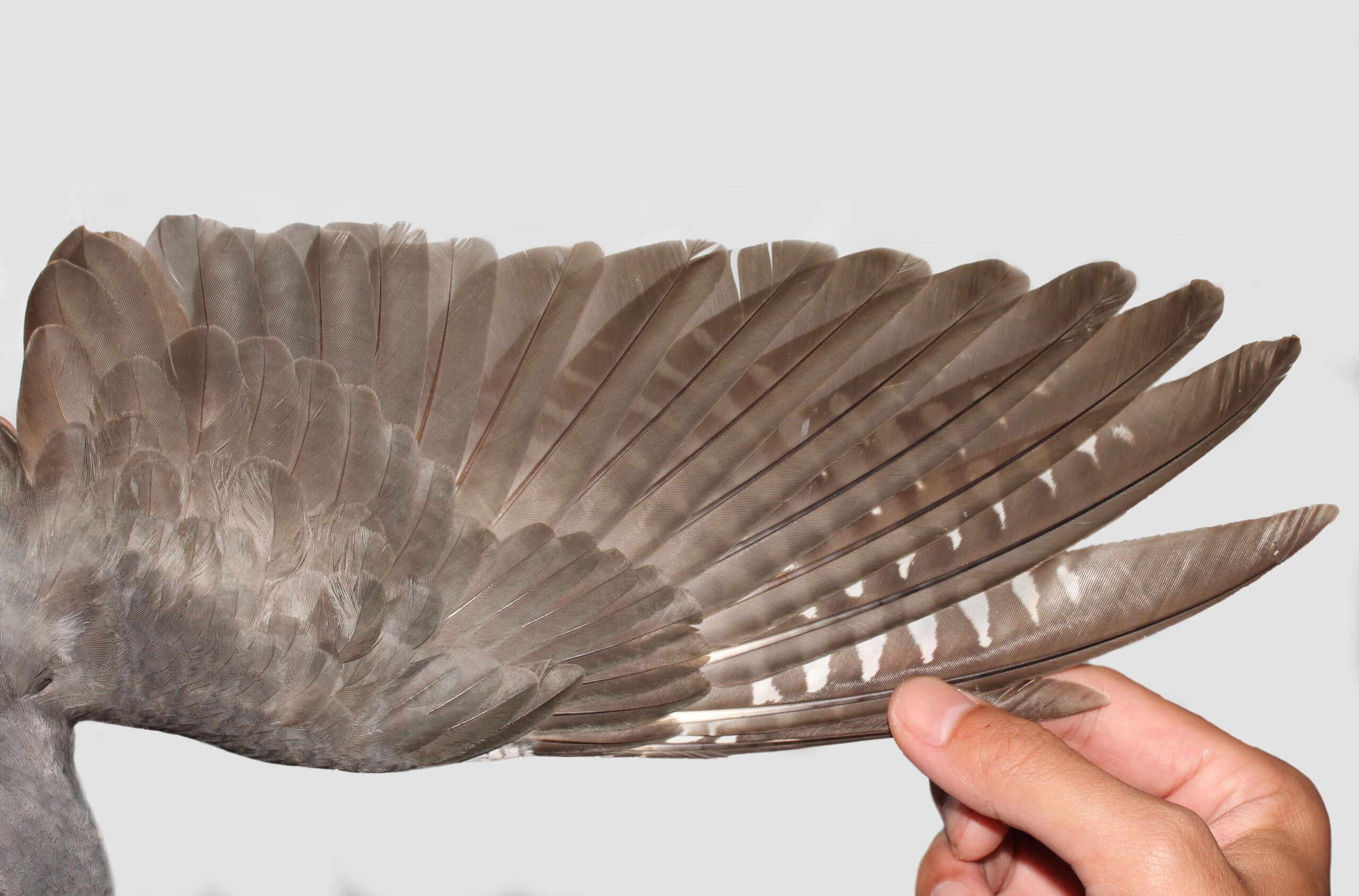
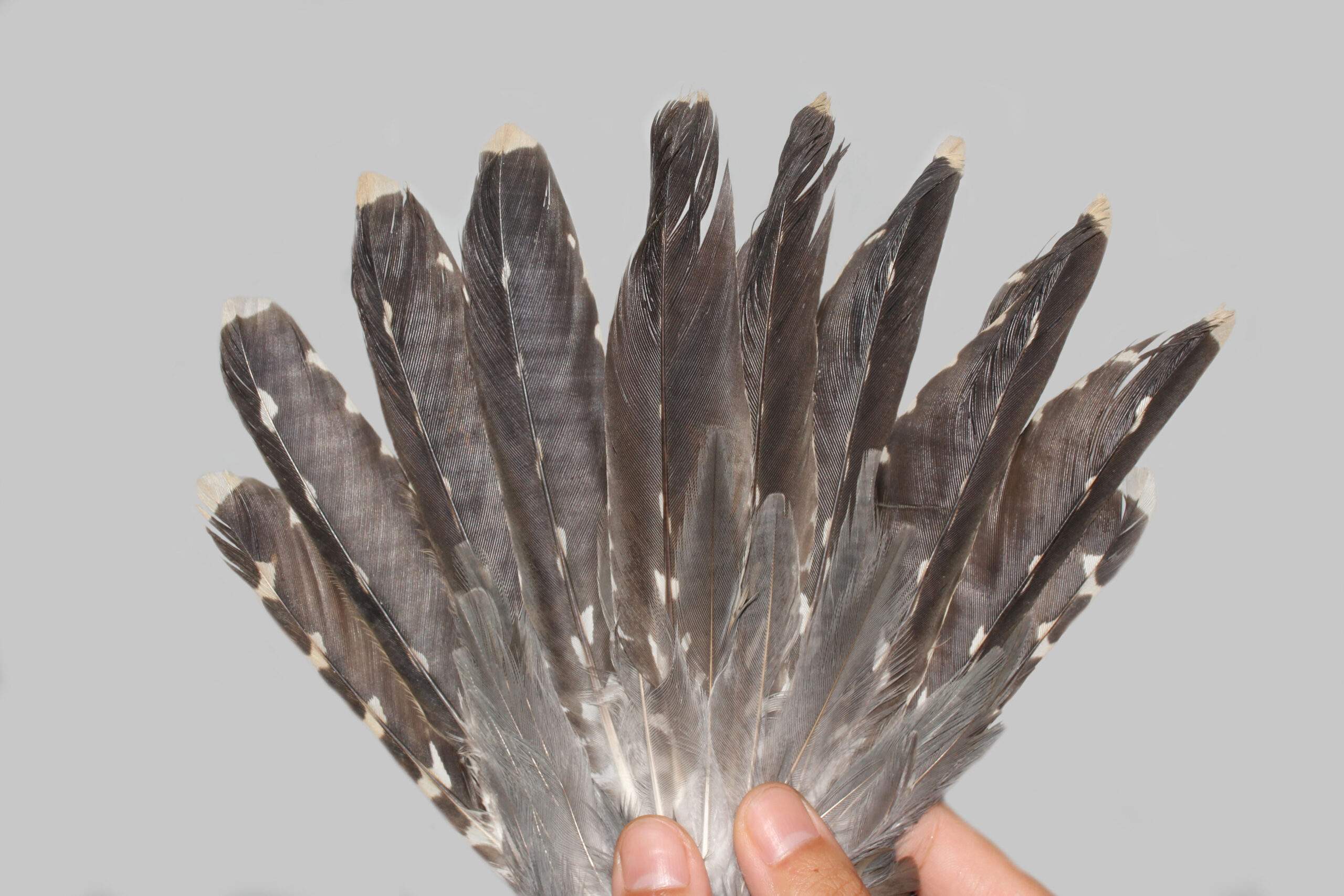
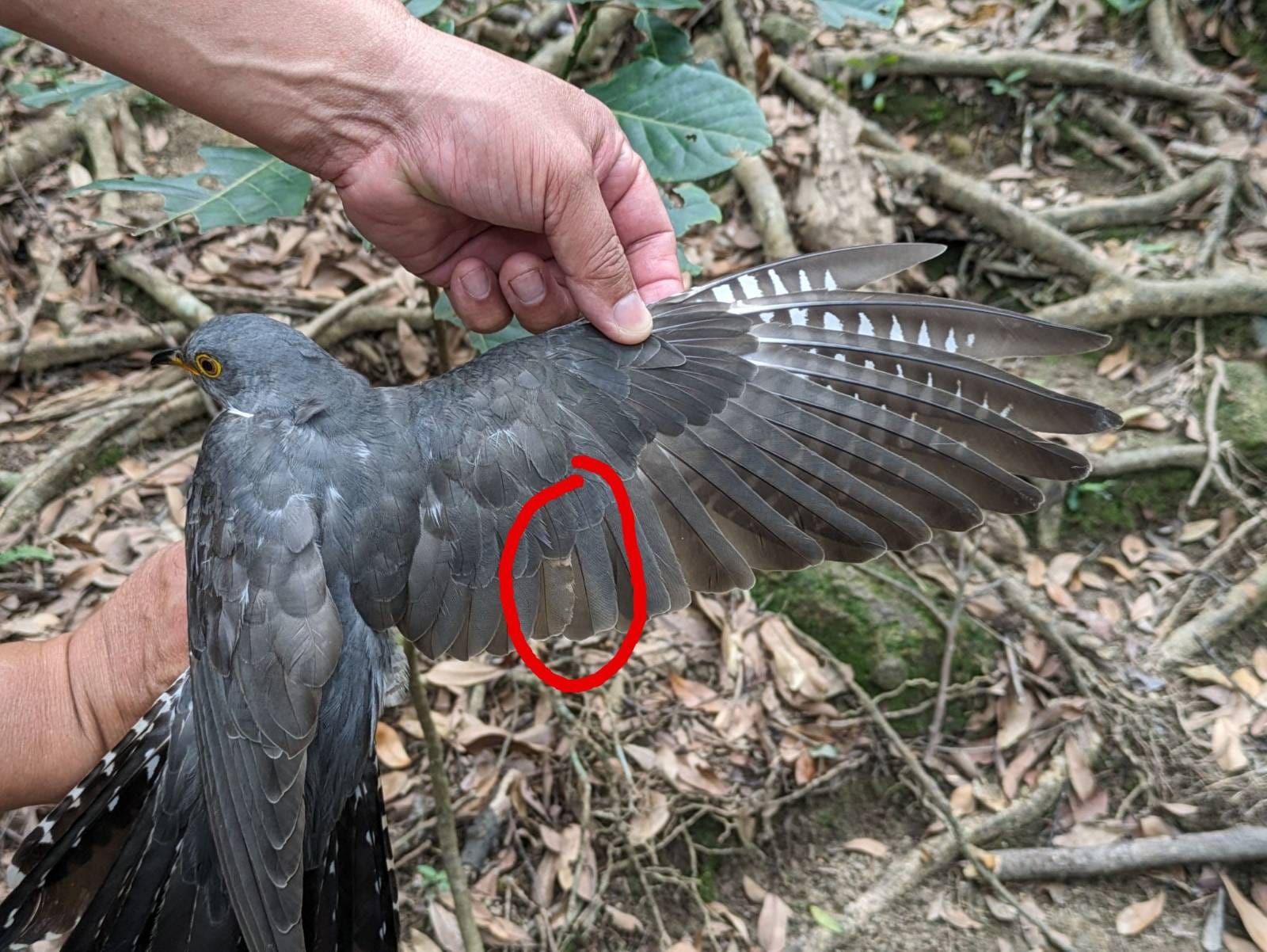
But the best of this say was really to come, when this cuckoo ended up in the nets! We have a few different species of Cuckoo here, but the best way to determine that this is a Common Cuckoo (based on appearance) is to look for the distinctive underwing pattern, most easy to observe in the hand.
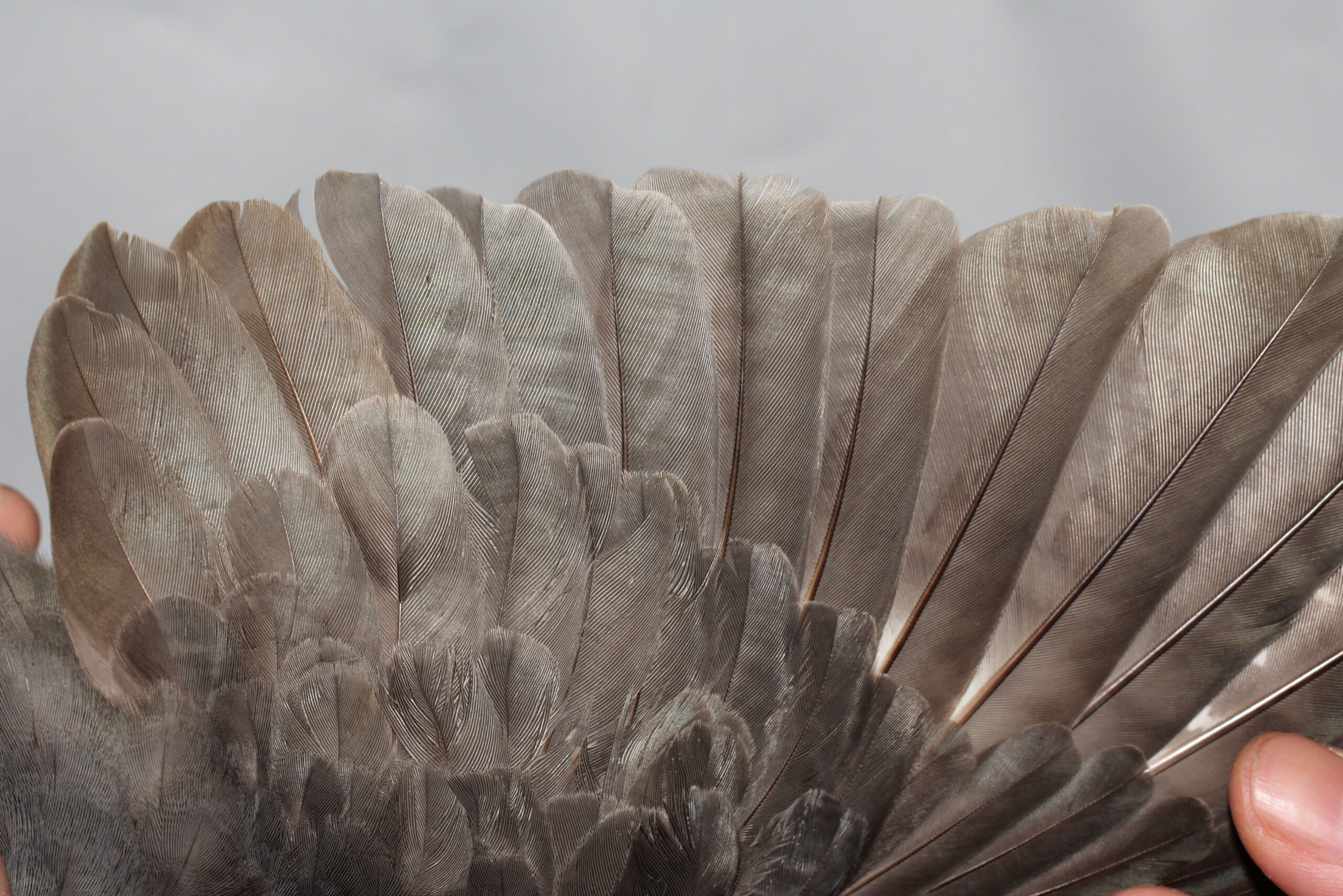
Based on this, we concluded that this is a Common Cuckoo, and the first ever caught in Hong Kong! Ageing cuckoos can also be a little tricky, as they have what is known as an arrested moult. This means that they will moult some feathers, wait a couple of months, and moult some more feathers. This leads to feathers that are of the same generation, but show different levels of wear and bleaching (as some are a few months older than others).
Thankfully for us, in the right wing, one juvenile secondary was retained (red circle). This can be identified due to the different shape and density to the other feathers, along with buffy bars running along it. Therefore, this bird must be a 2nd calendar year bird! What a great day!
Daily Totals
| Species | Original | Recapture |
| Blue-winged Minla | 1 | 0 |
| Common Emerald Dove | 1 | 0 |
| Grey-chinned Minivet | 2 | 0 |
| Hainan Blue Flycatcher | 1 | 1 |
| Huet’s Fulvetta | 2 | 0 |
| Mountain Bulbul | 5 | 1 |
| Orange-headed Thrush | 1 | 0 |
| Red-billed Leiothrix | 2 | 0 |
| Red-whiskered Bulbul | 1 | 0 |
| Streak-breasted Scimitar Babbler | 1 | 0 |
| Common Cuckoo | 1 | 0 |
| Grand Total | 18 | 2 |
*Please note that all wild birds, their nests, and eggs are highly protected (under Wild Animals Protection Ordinate, Cap. 170) in Hong Kong. It is an offence to wilfully disturb, take, remove, or injure wild birds or their nests/eggs. The actions described here were undertaken by trained professionals holding the necessary licenses and permits issued by the AFCD.*