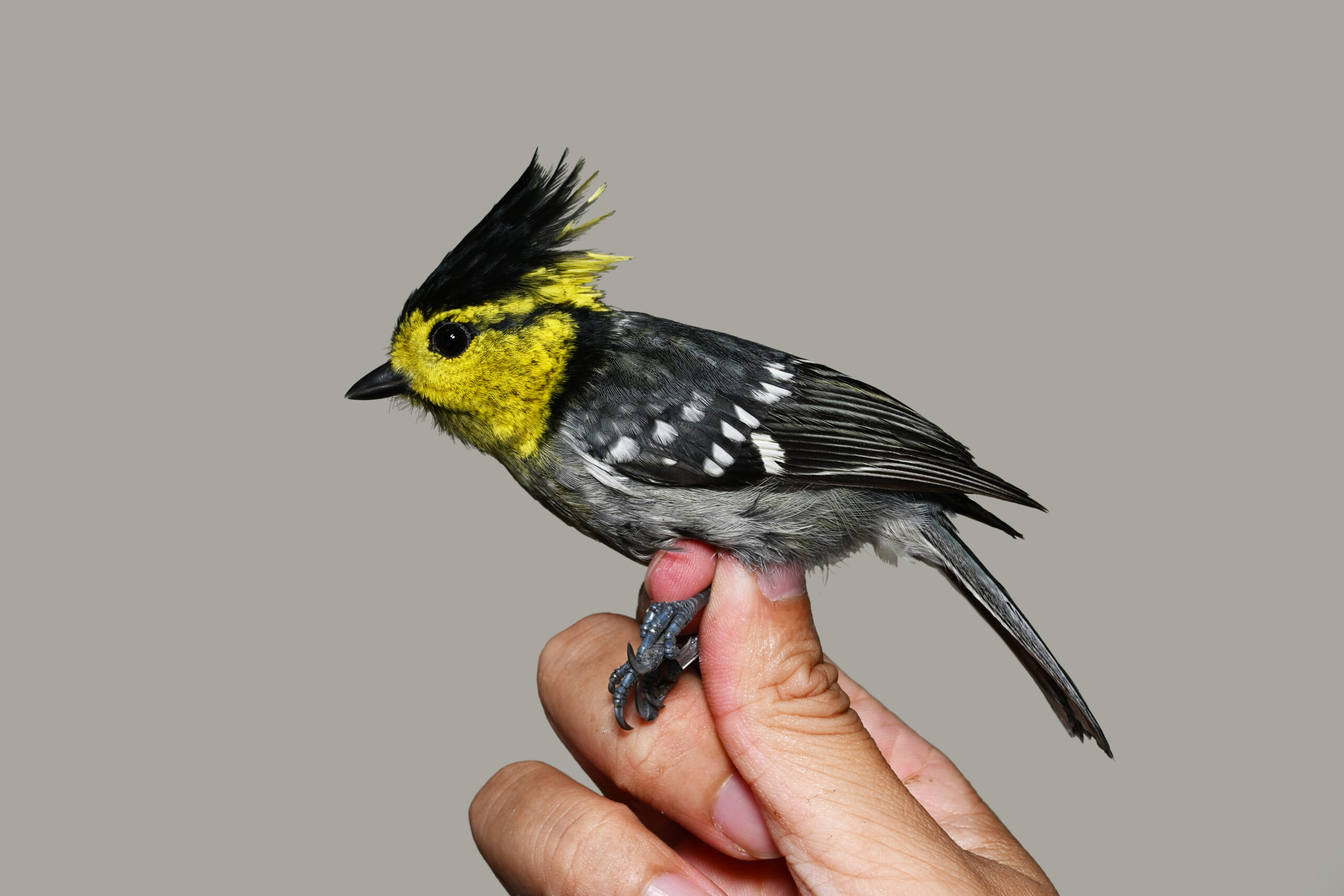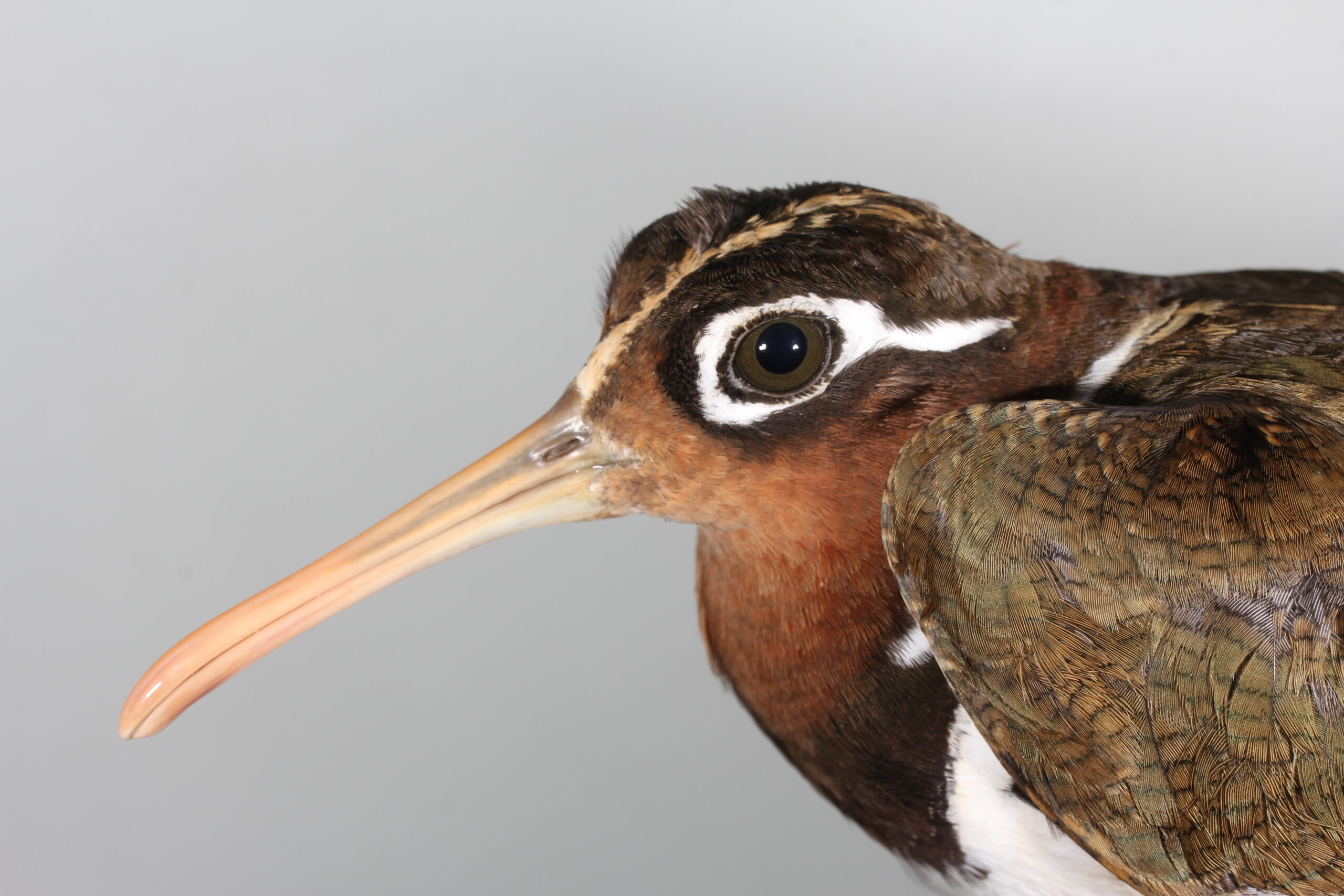



As we enter September, the weather continues to be hot and humid. It seems Summer is not done with us yet. Regardless of the weather, however, it seems at last our migrants are returning, with an abundance of interesting species today!
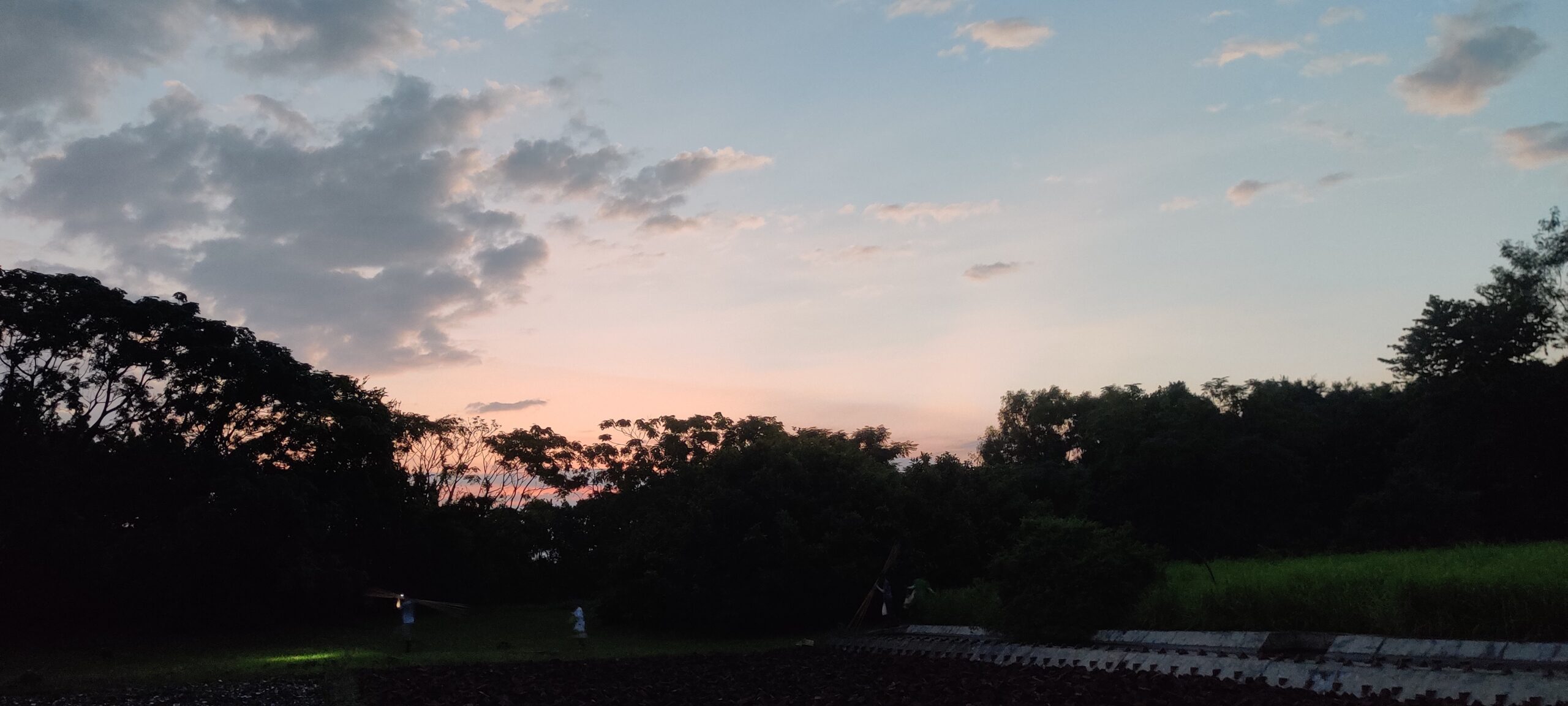
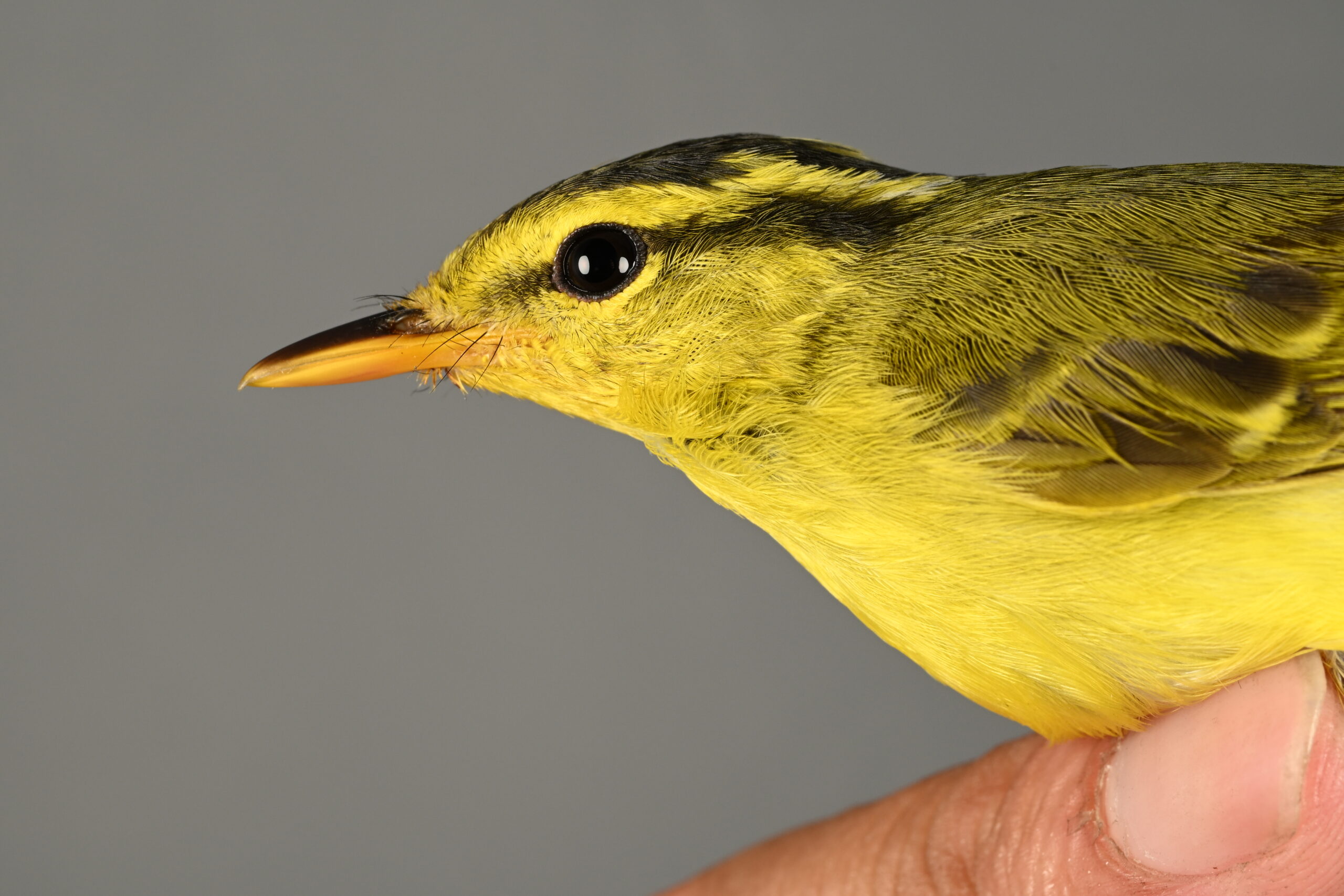
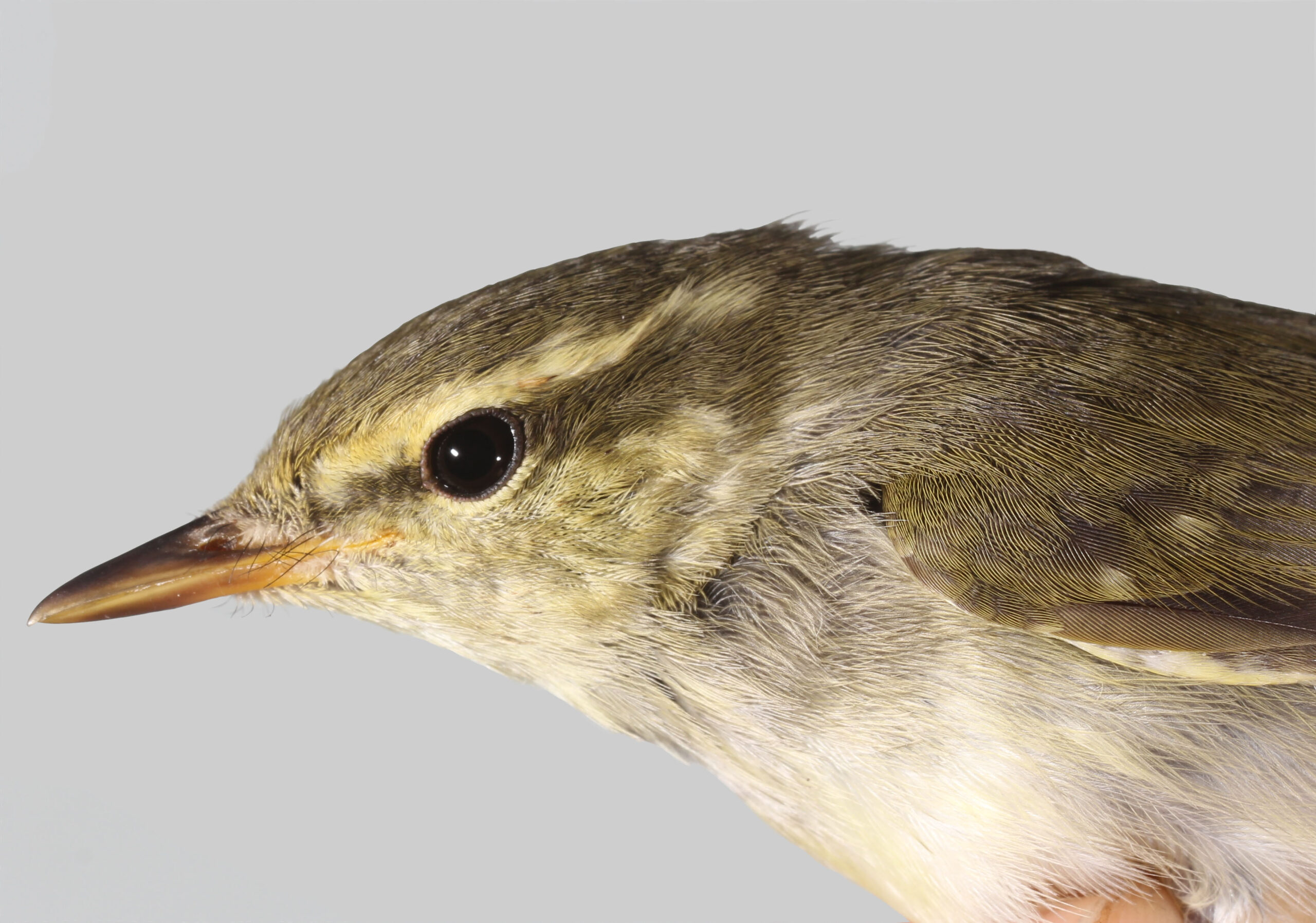
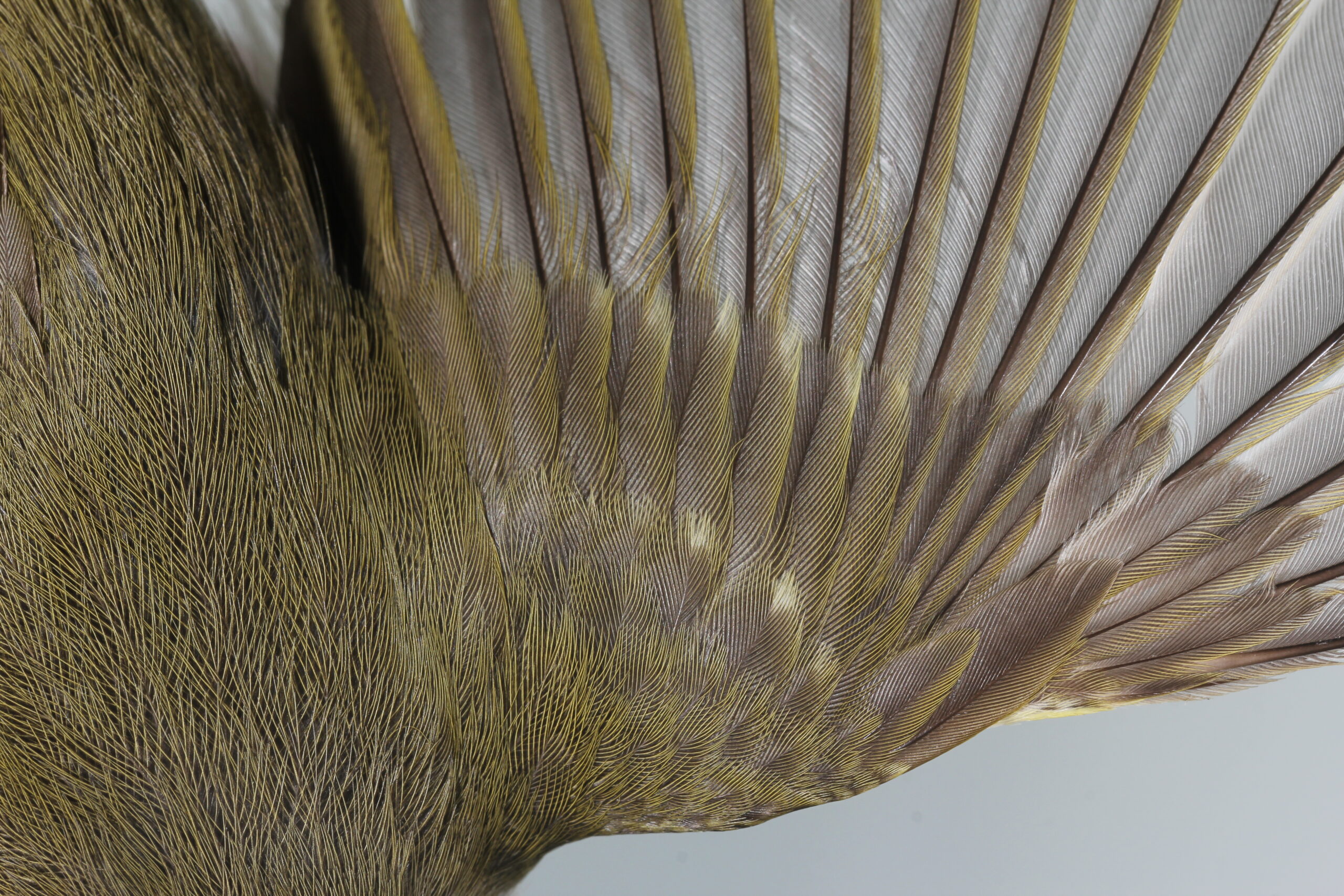
First up, we ended up with not just three returning Arctic Warblers! Below are two examples of 1st calendar year birds. The adults and juveniles of this species both go through a summer partial moult, and Winter Compelte. This means that now, in Autumn, we can find moult limits in both ages. However, in general juvenile feathers can be indentified by their loose structure, and generally more pointed shape.
In this species, adults show more wear and bleaching in the unmoulted feathers (which are over half a year old), vs the more fresh-looking juvenile feathers (that are just a couple of months old).
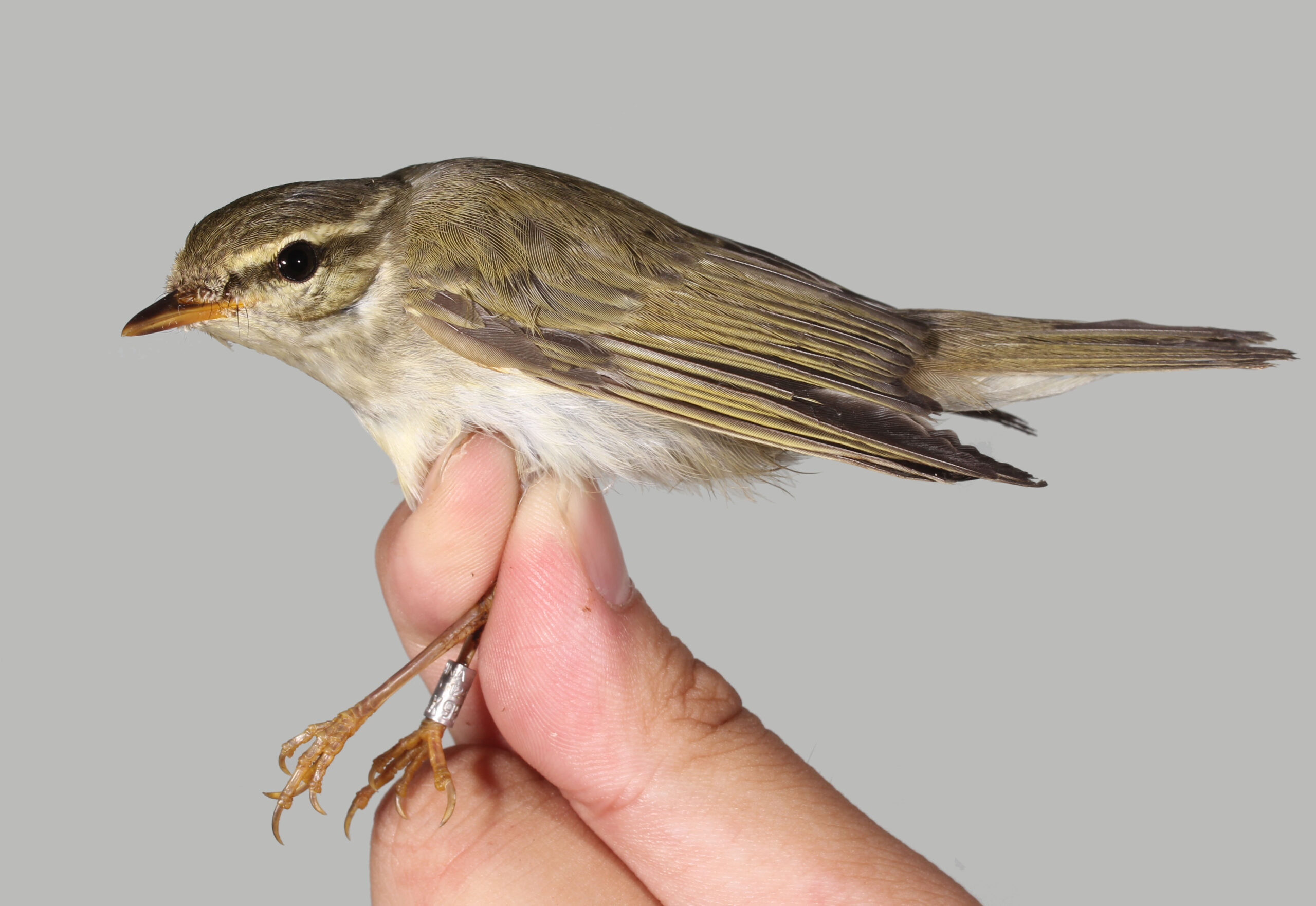
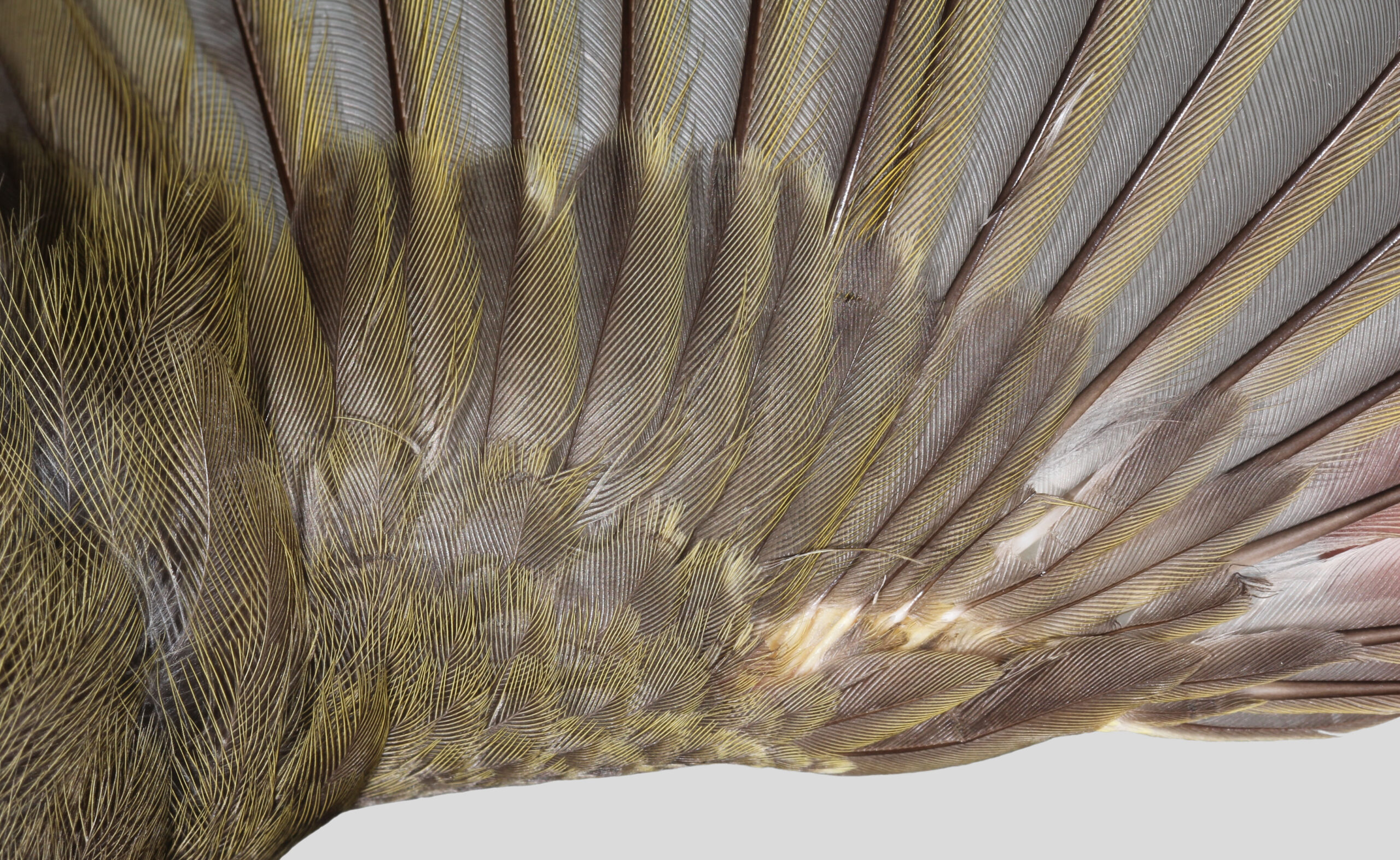
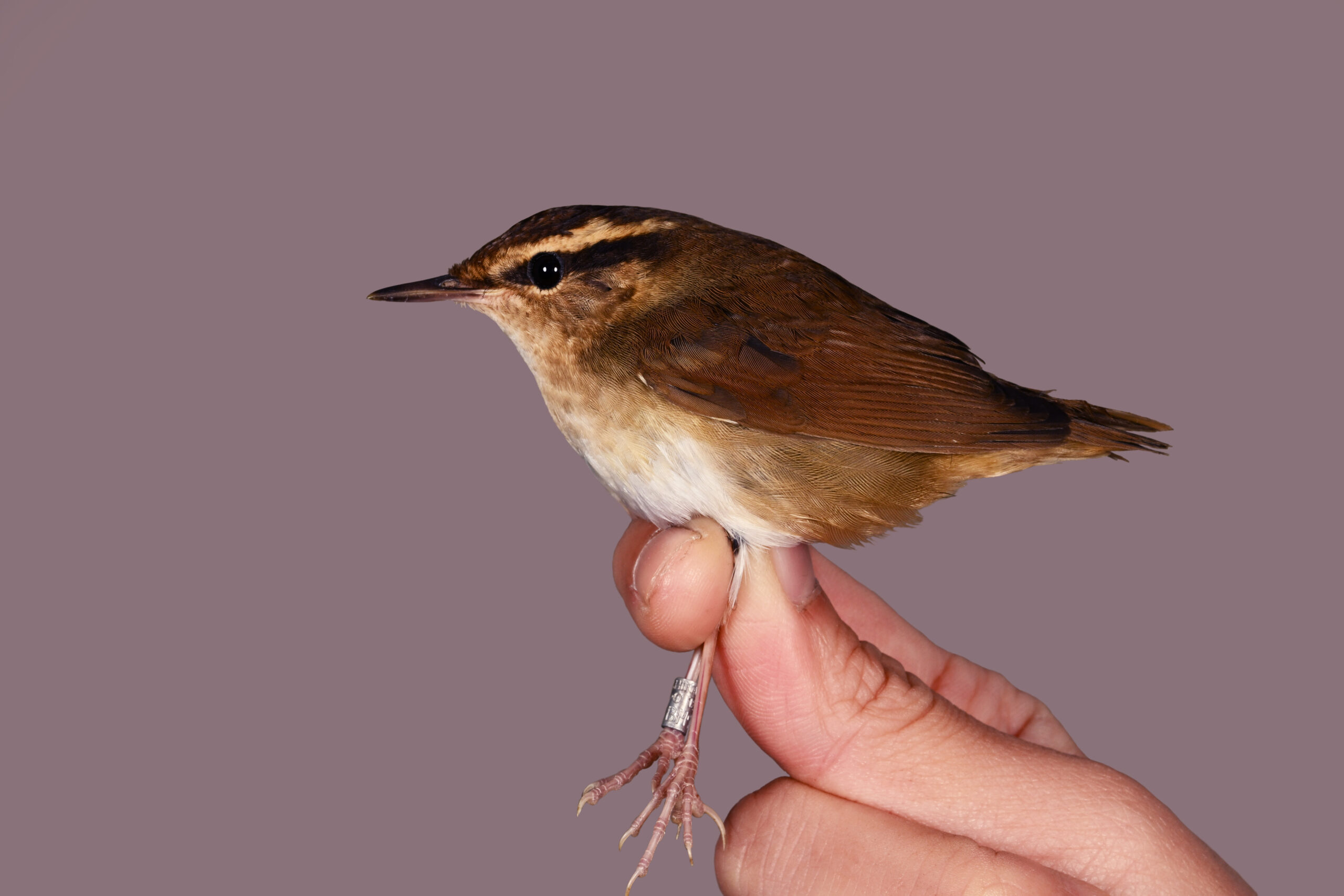
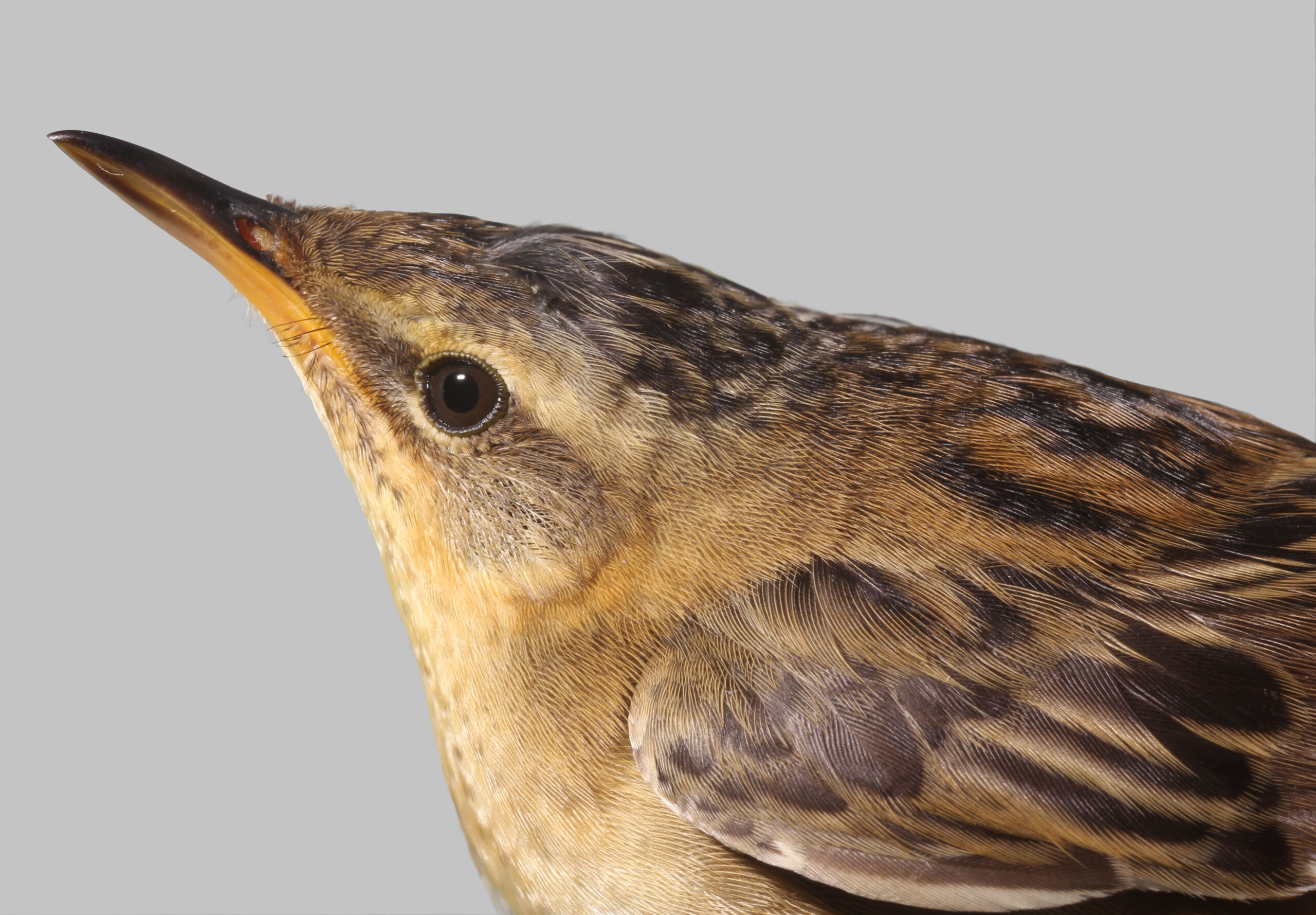
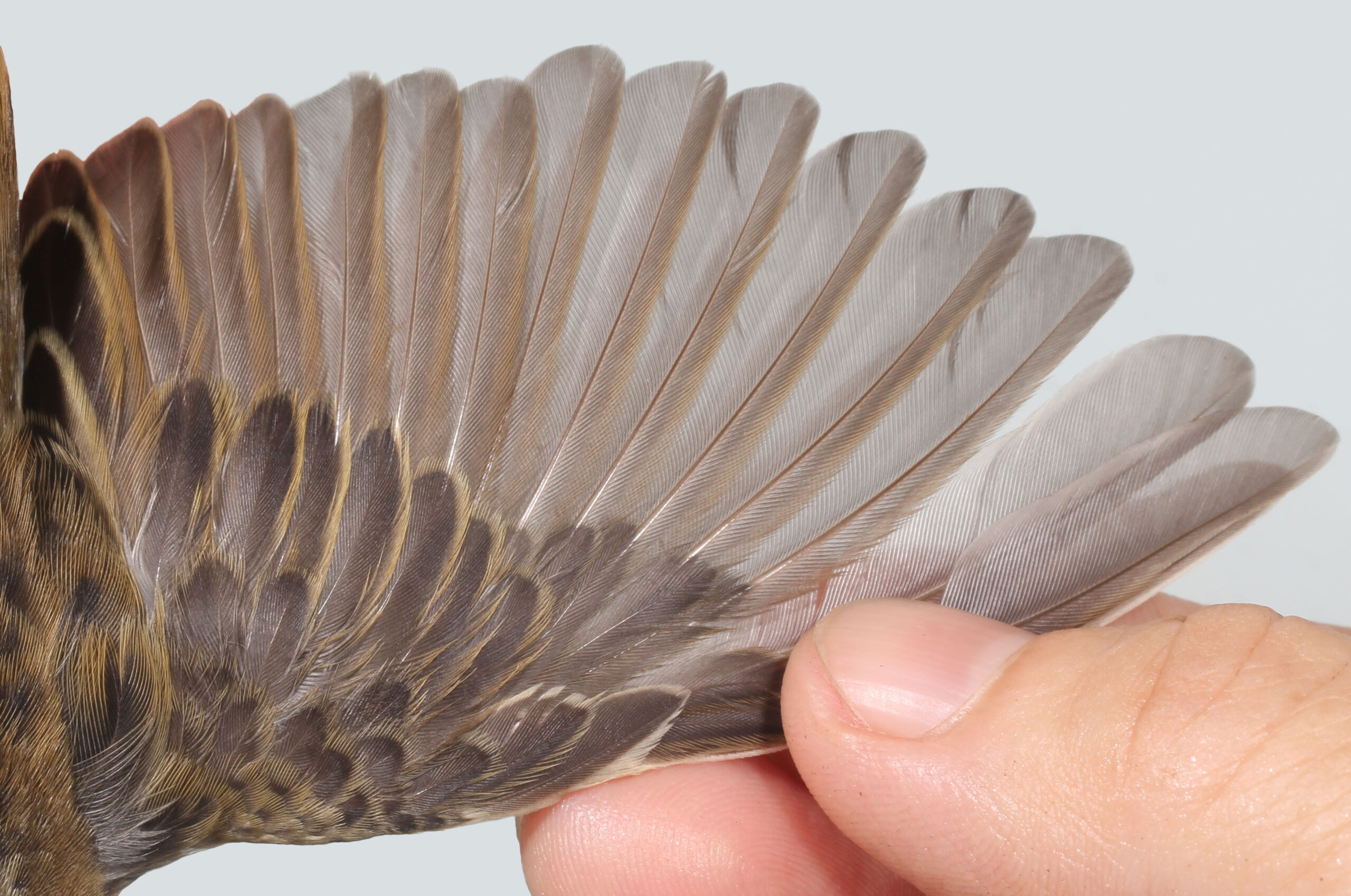
As the migrant influx continued, our next two individuals were Pallas’ Grasshopper Warblers! These were also two 1st calendar year birds, seen by the lack of moult limits in the wing. Both wings are in fully juvenile plumage, with, like the Arctic Warblers, fairly fresh juvenile feathers.
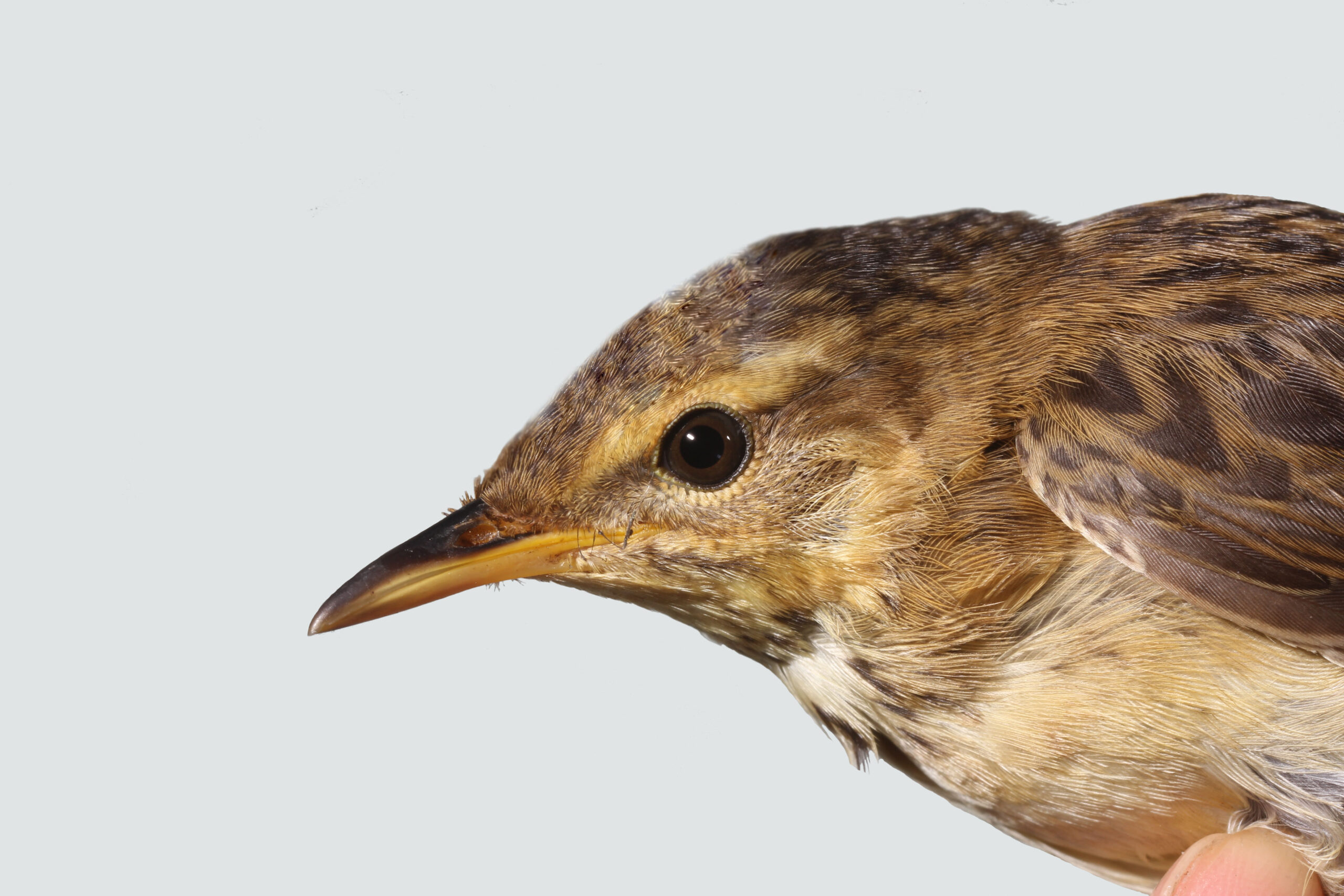
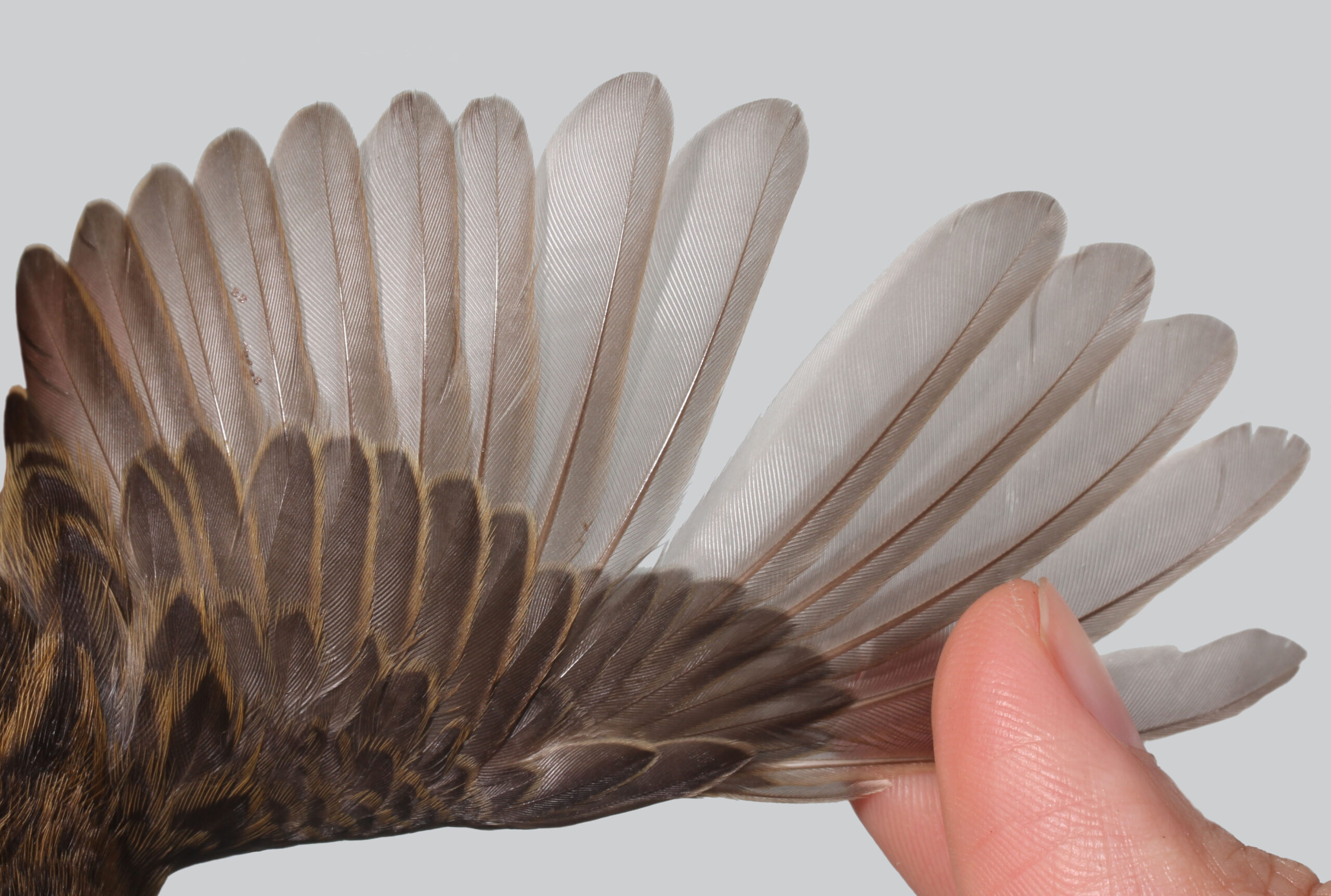
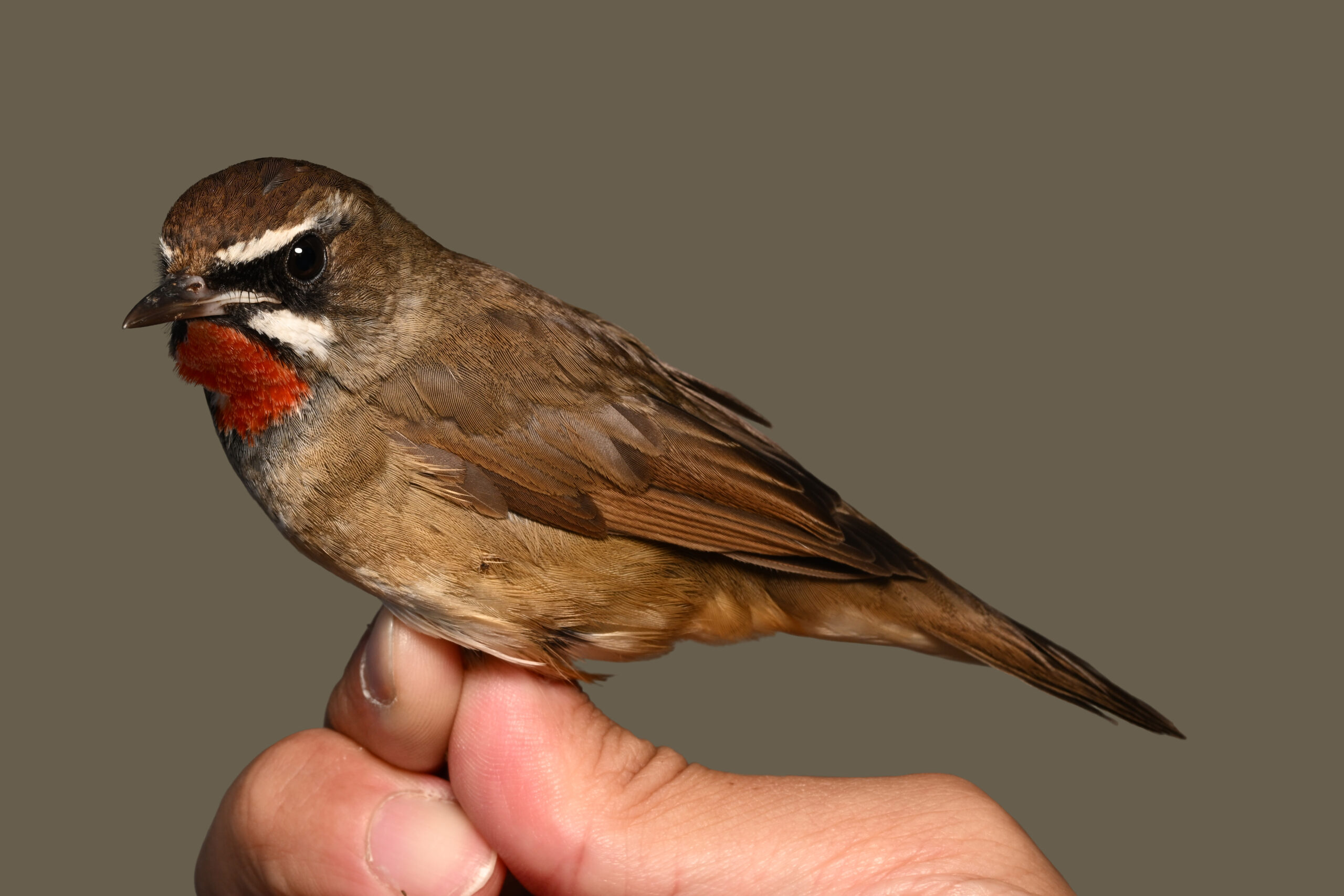
As the morning drew on, the number of birds we caught waned a little, but we still ended up with quite a few nice species, including this Siberian Blue Robin!
As mentioned in The Art of Ageing and Sexing Birds, it is important that we age the birds first before sexing. The reason for this is that in some species, such as the Siberian Blue Robin, young males can be easily confused with adult females. Siberian Blue Robin adults undertake a Summer Compelte moult, so will have no moult limits in the plumage, vs the juveniles, who undertake a summer partial moult, and thus have moult limits in the wing. As the individual below was identified to be a 1st calendar year, it was determined it must be a male.
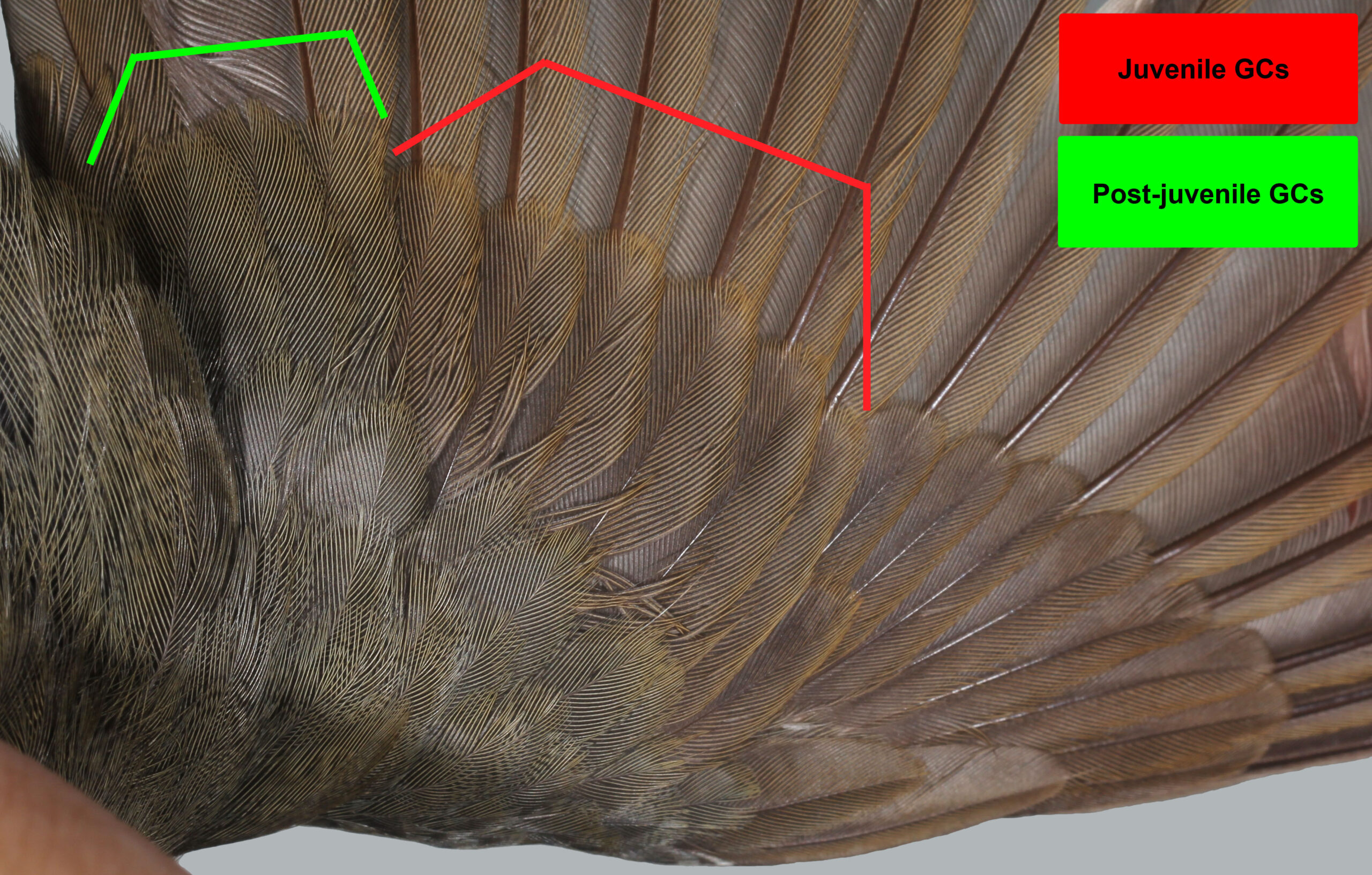
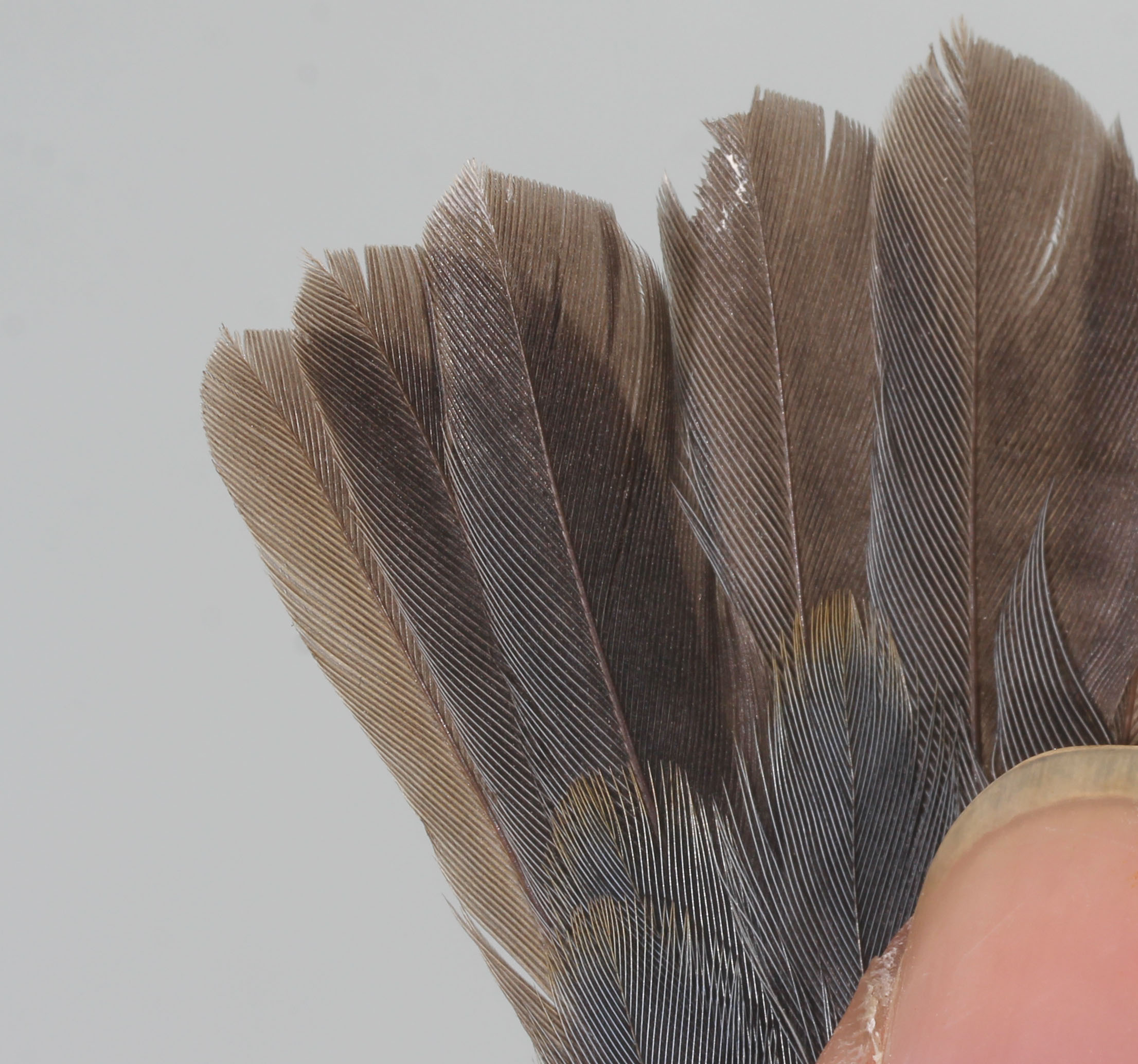
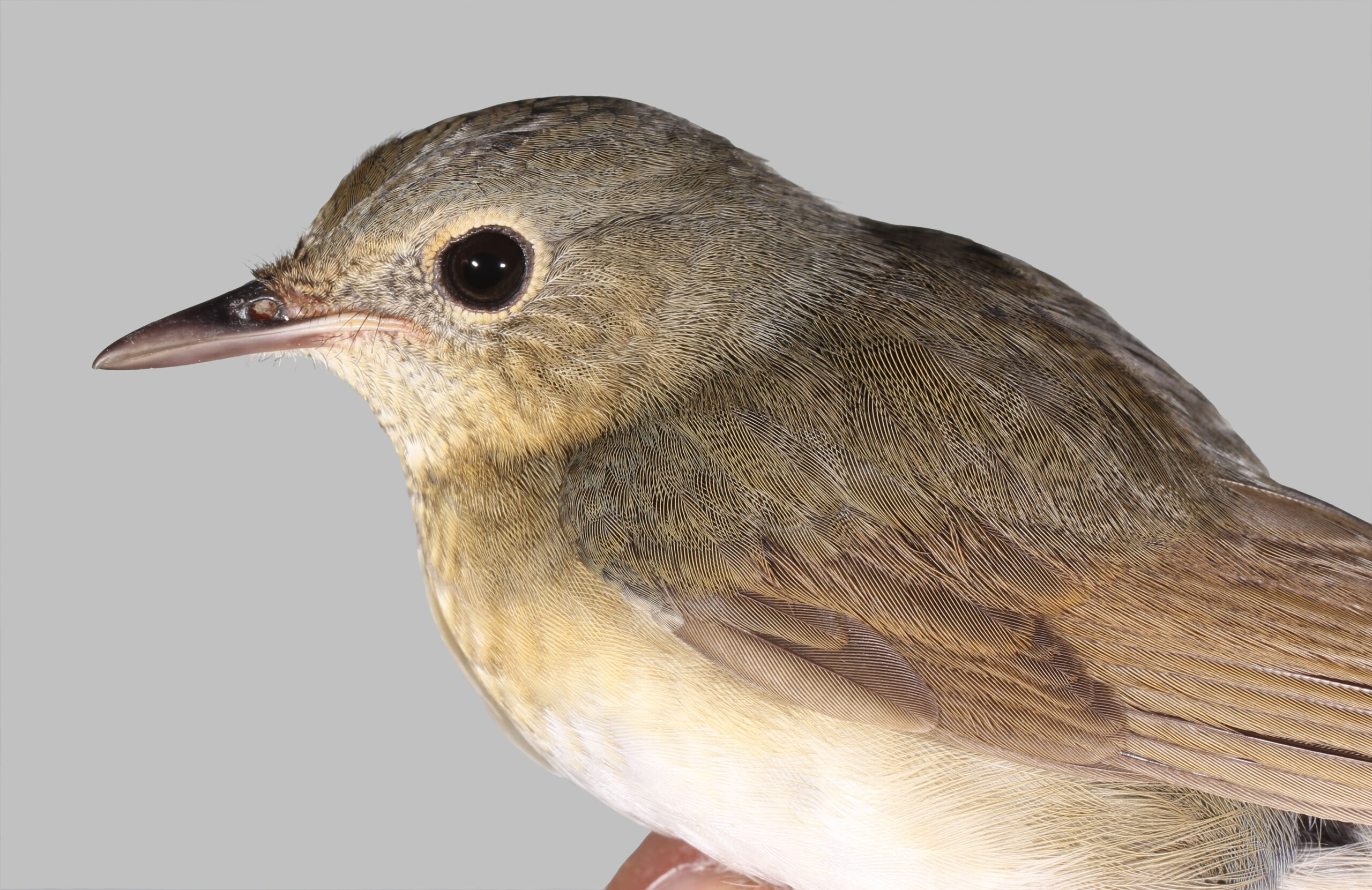
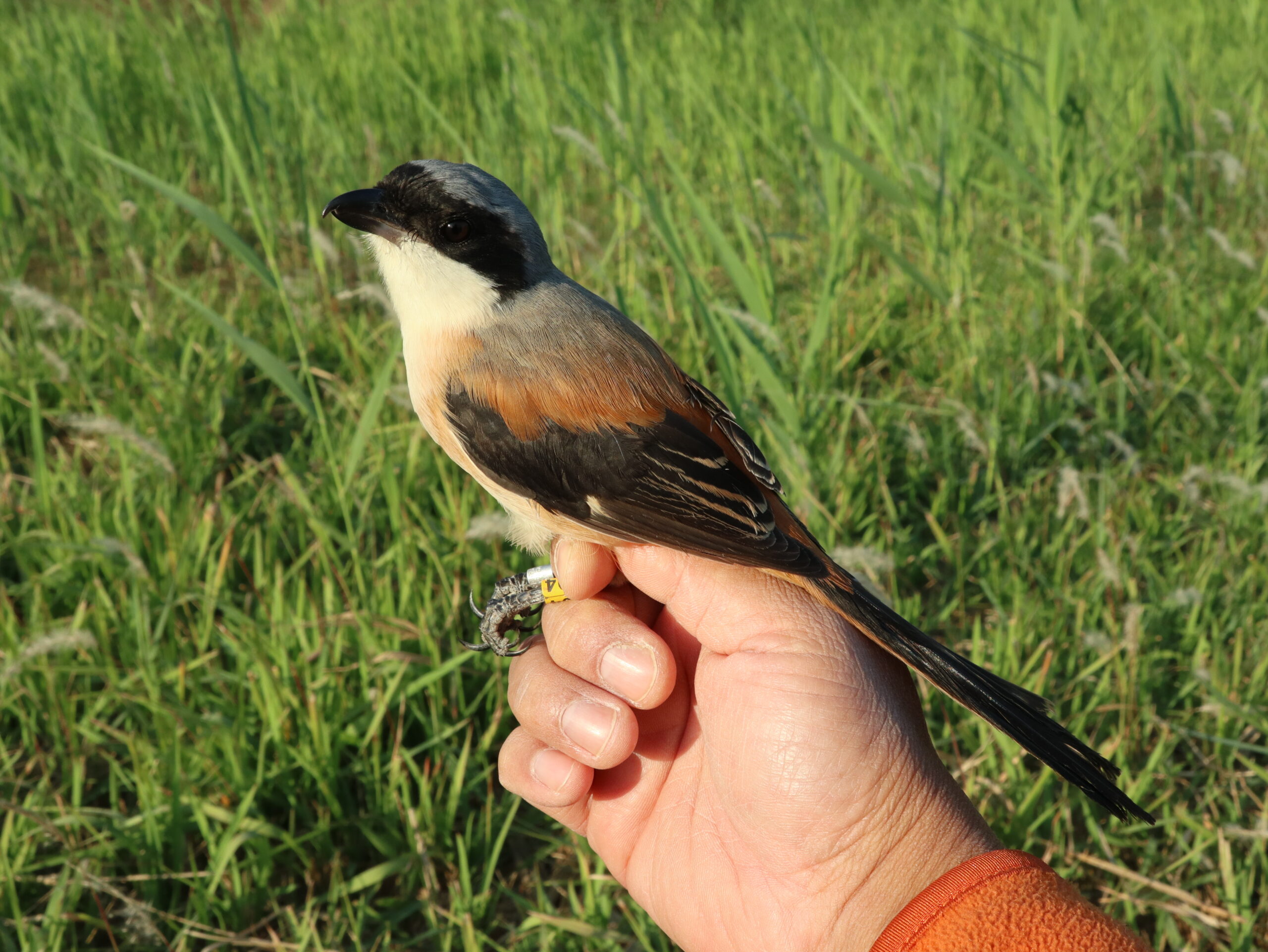
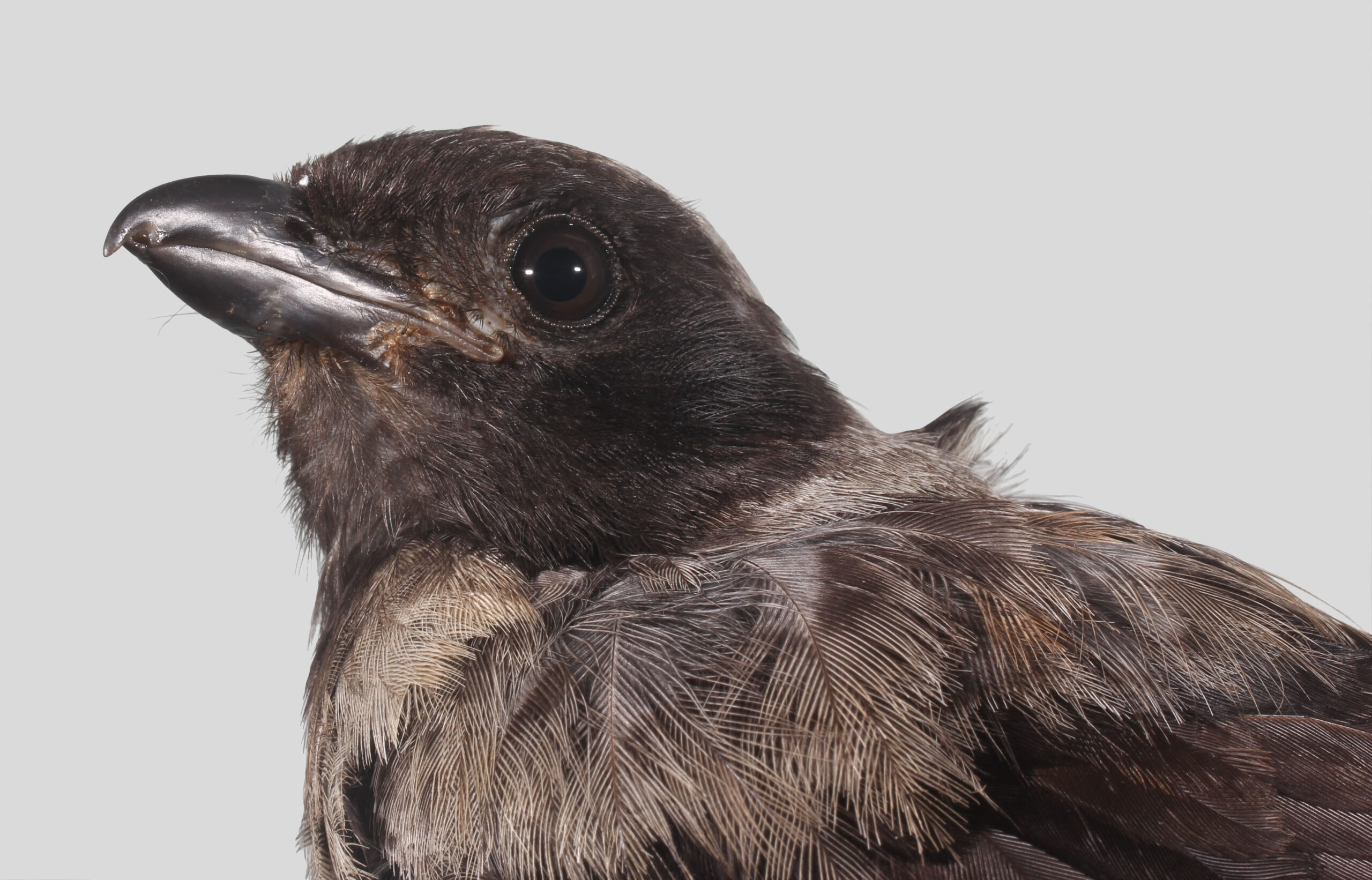
Back to some of our resident birds, and we ended up with this beautiful (and very bitey) Long-tailed Shrike! Here in Hong Kong, we have two “morphs” of Long-tailed Shrike- the “typical” colouration (below is a typically coloured Long-tailed Shrike, caught in December 2019), and the “dark morph”, which was like the individual caught today. These dark morphs are thought to be producing more melanin than typically coloured birds, but whether they can be considered to have true melanism is a matter of debate (more on this here).
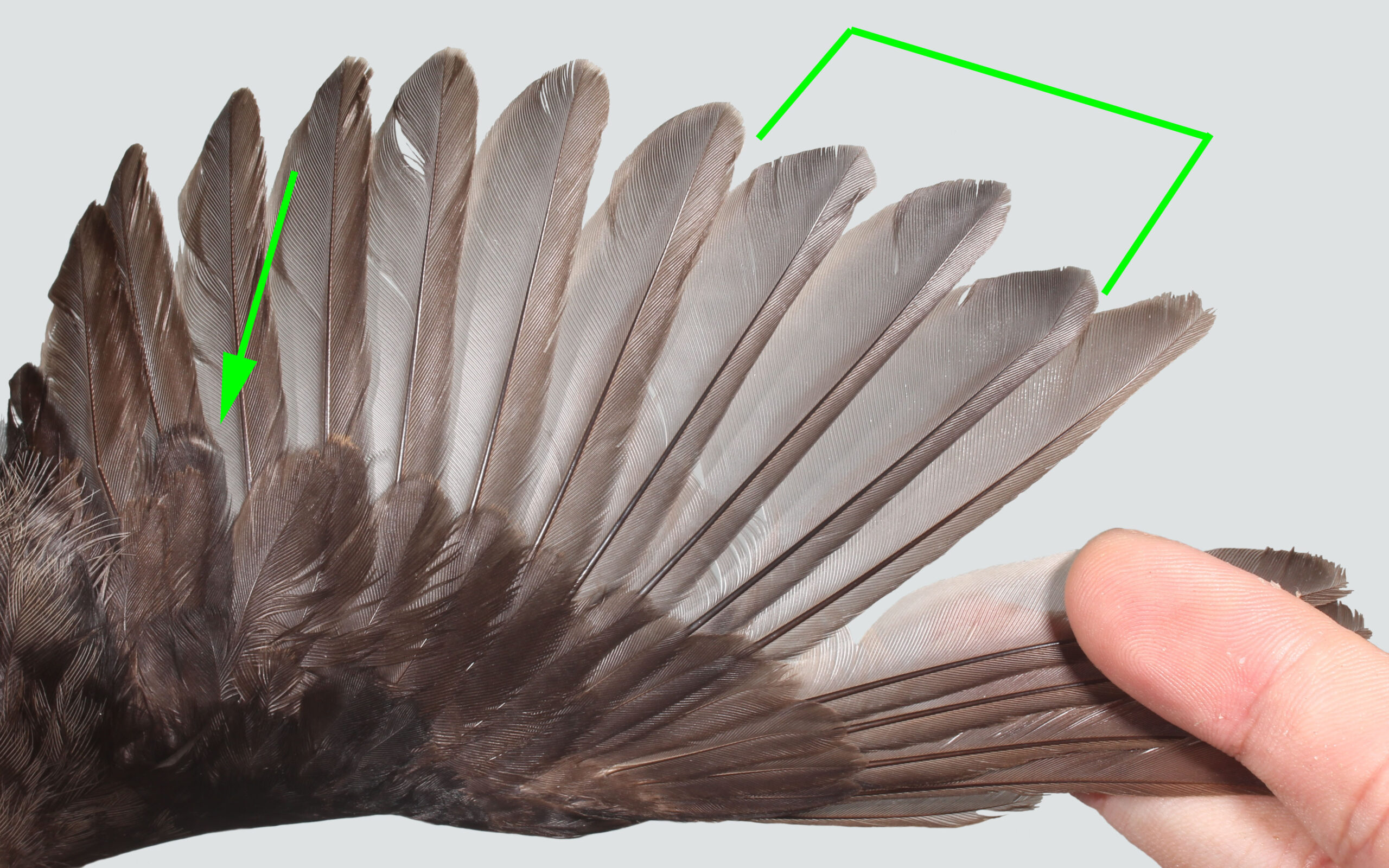
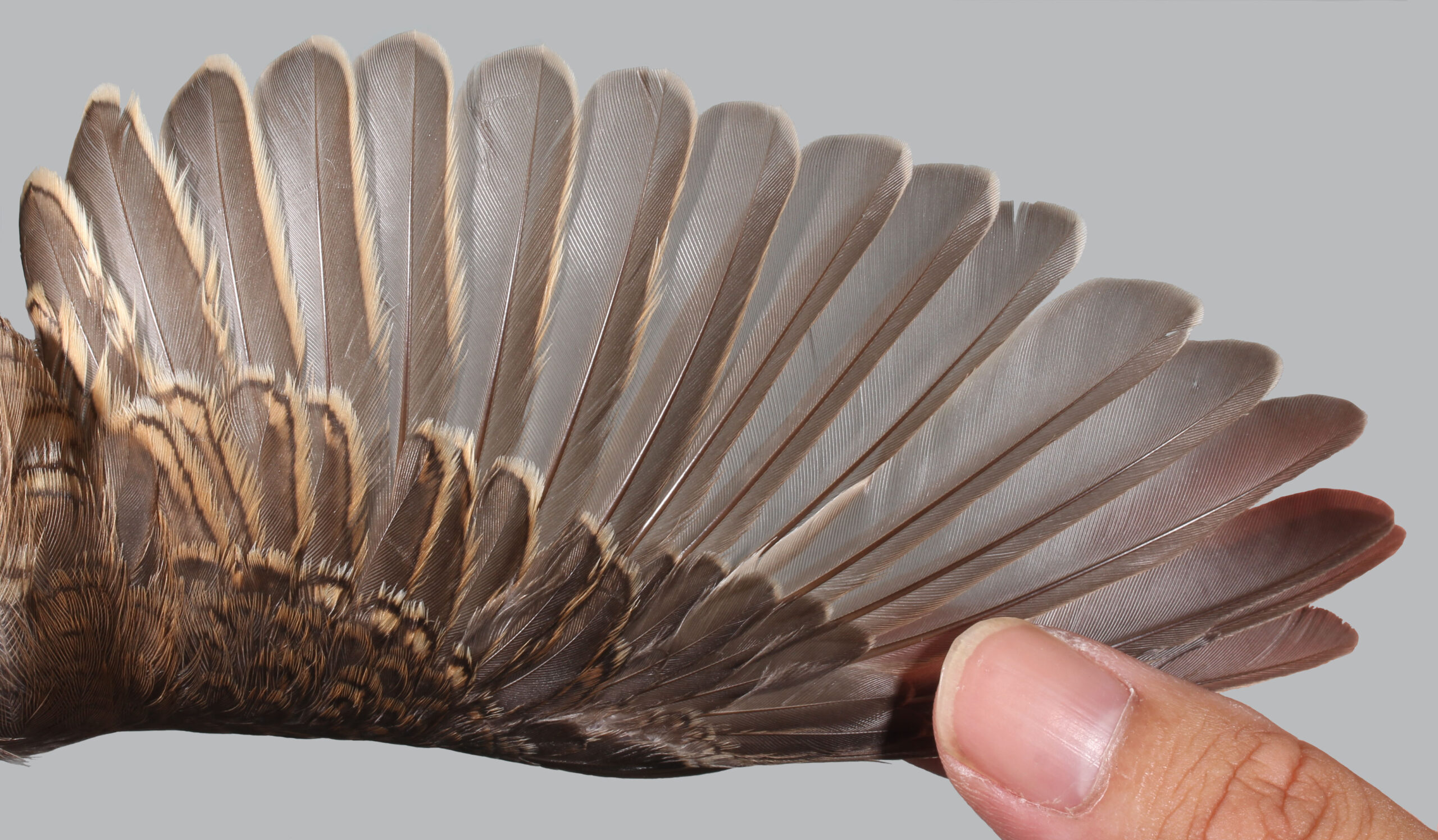
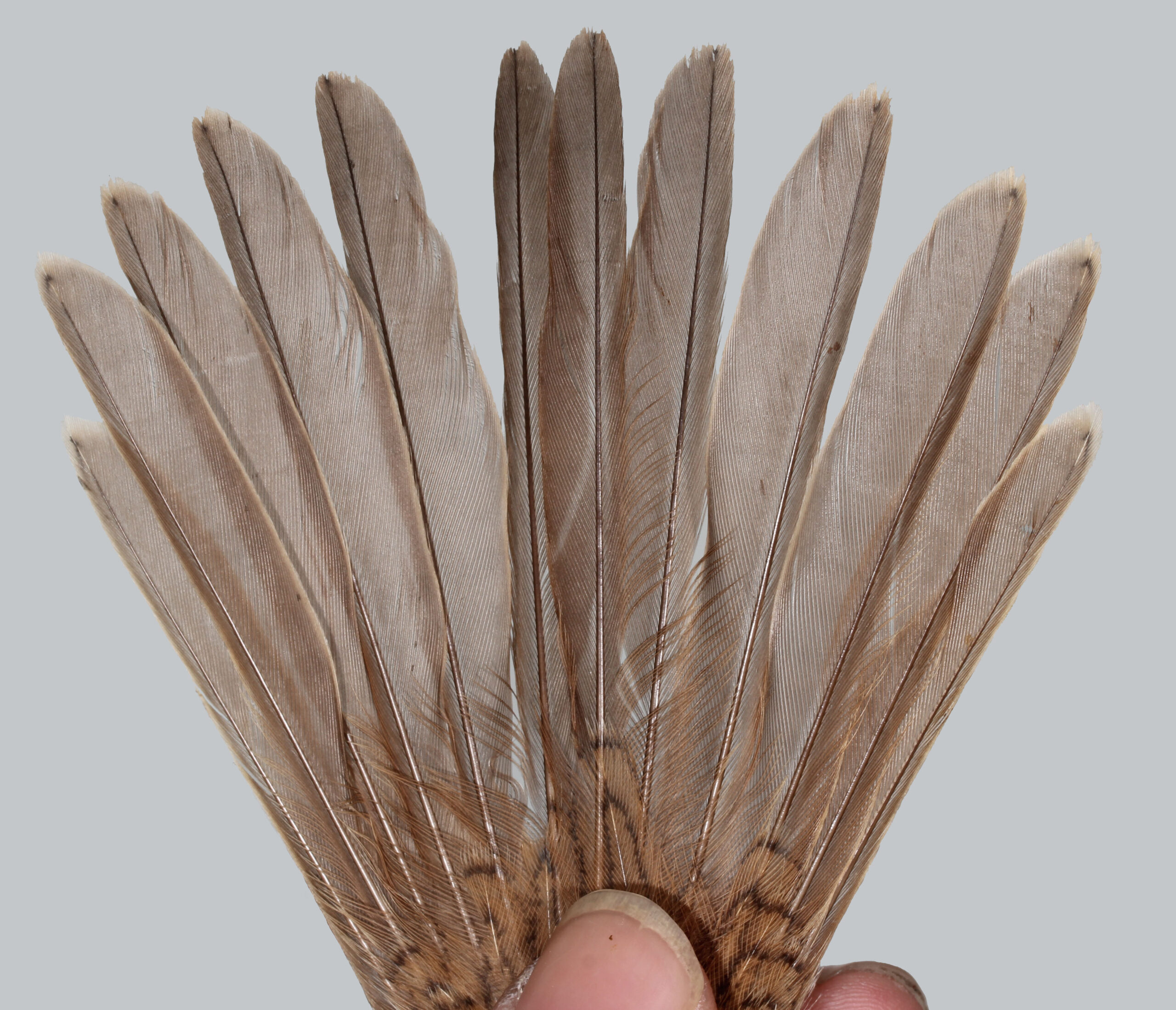
The moult of Long-tailed Shrikes is not well-studied, however this individual proves to be quite interesting. In the wing, we can see the LCs, some MCs, one GC (green arrow) and three primaries (green lines) are moulted. These are black and much denser than the other feathers. Note that the moulted GC is tipped white, vs. the buff tipped older GCs. This suggests to us that the retained feathers are juvenile. In conclusion, it is likely that this bird is a 1st calendar year bird that has undertaken a Summer partial moult, however we will need more information on this species to be sure.
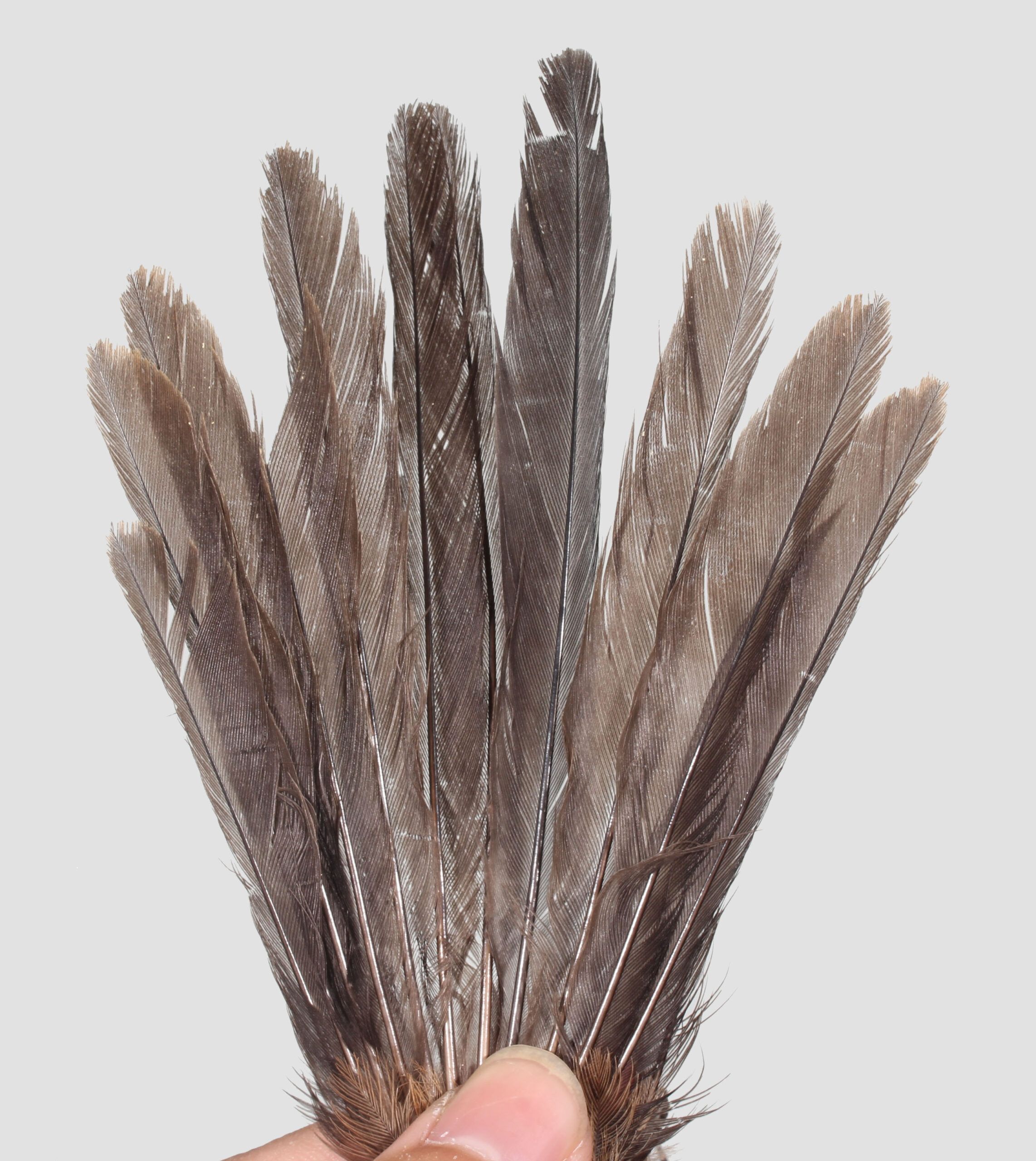
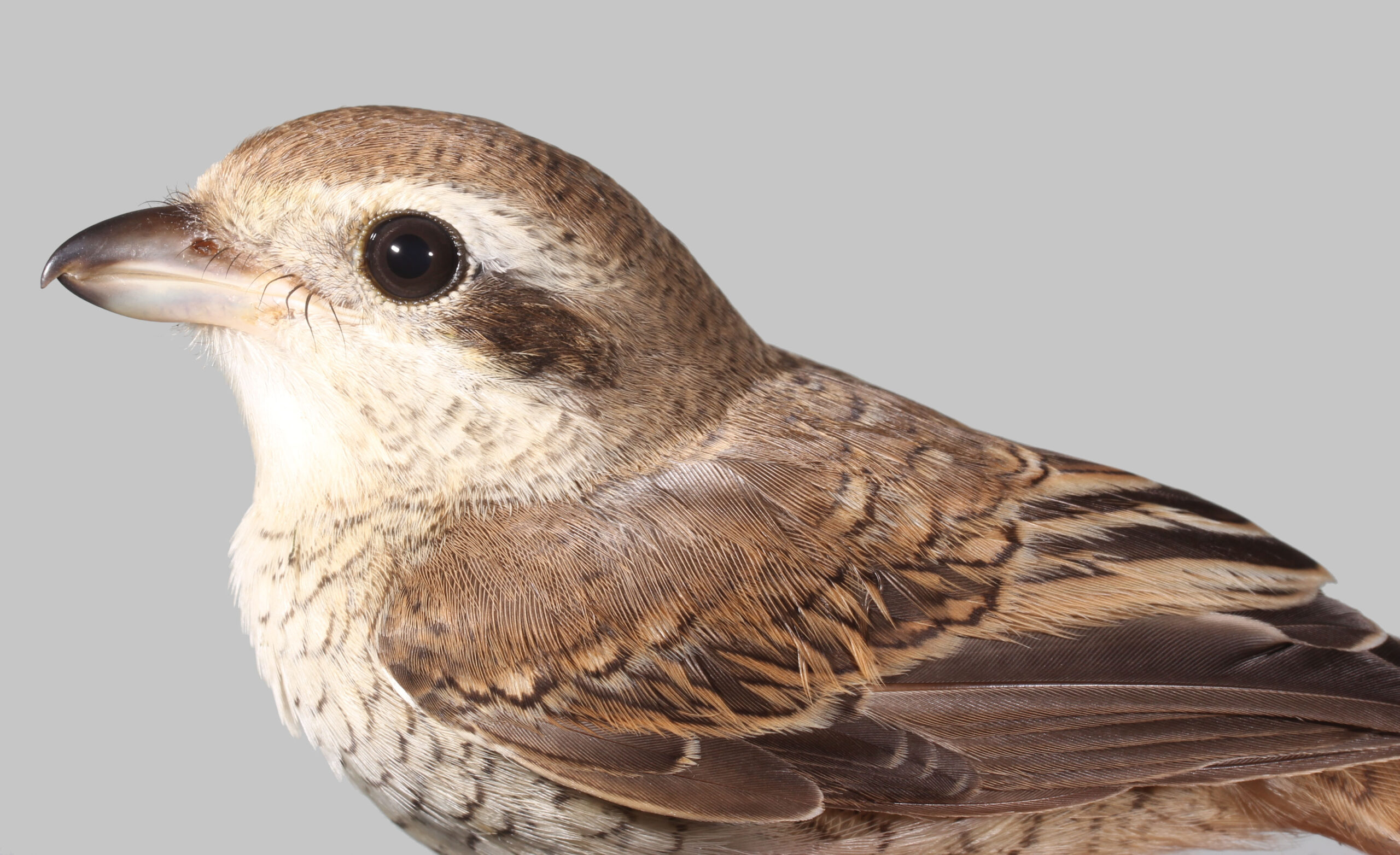
Our second Shrike of the day turned out to be another migrant: a Brown Shrike! This individual was completely juvenile plumage, as can be seen by the scalloped patterning on the feathers.
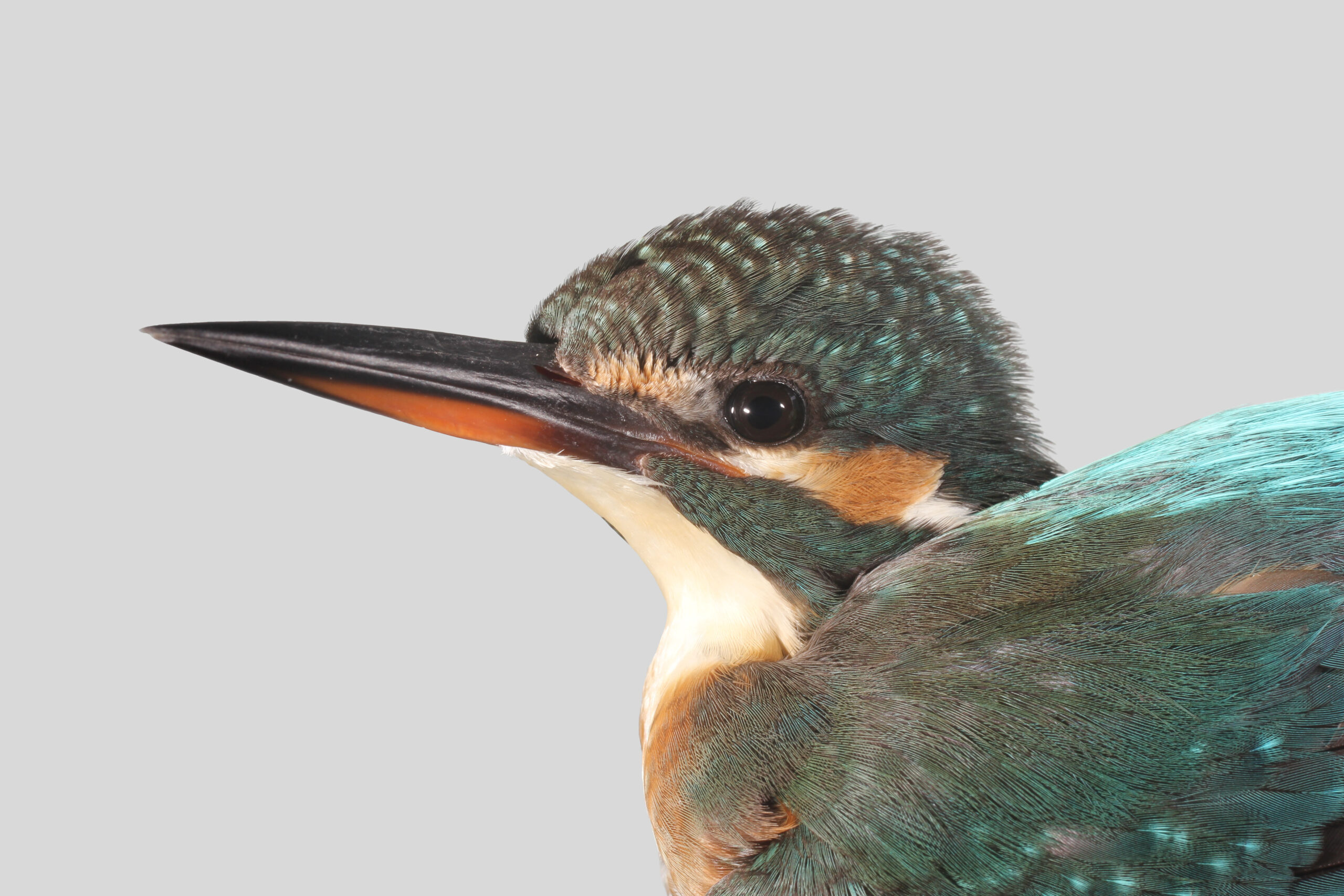
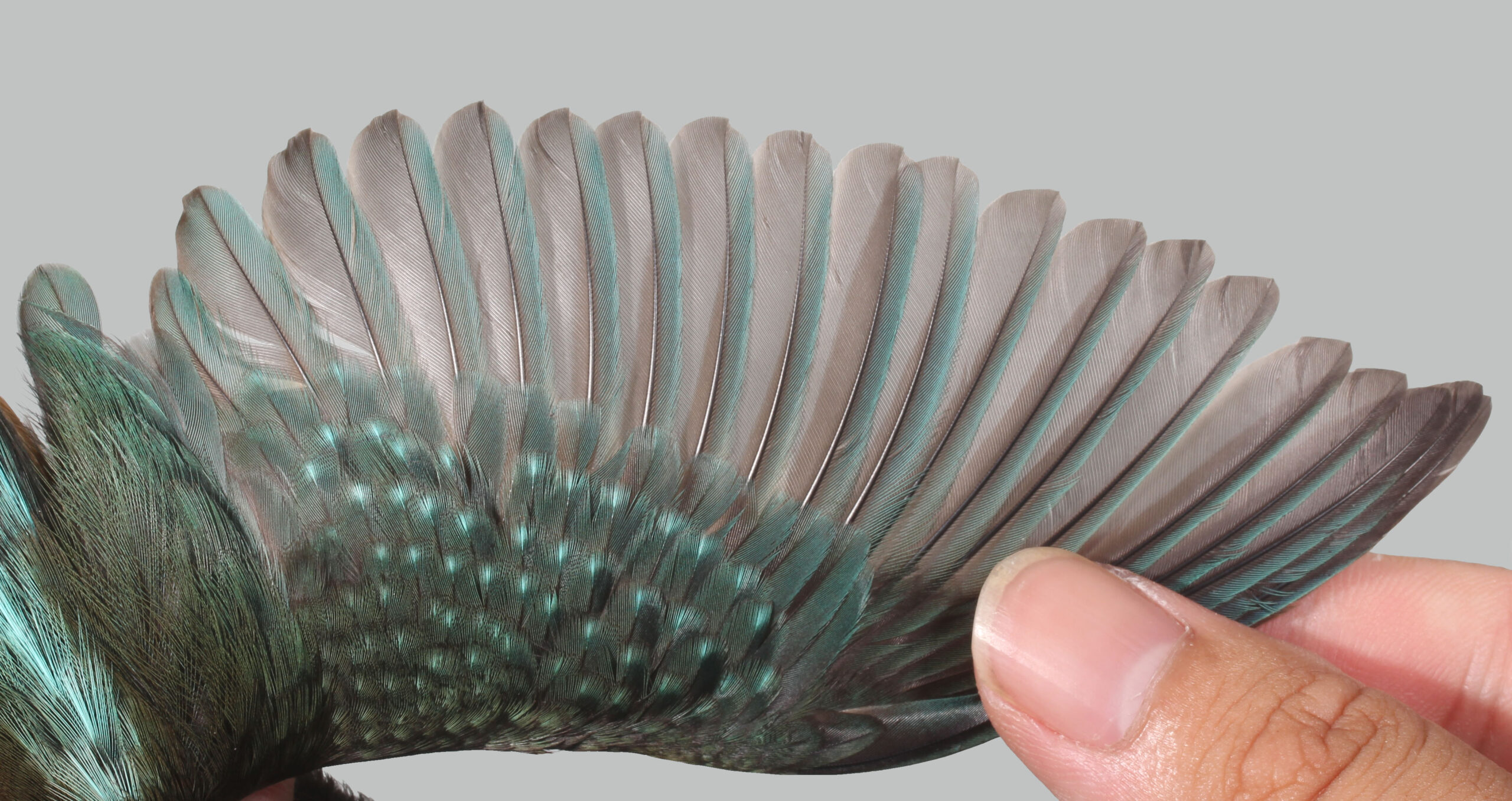
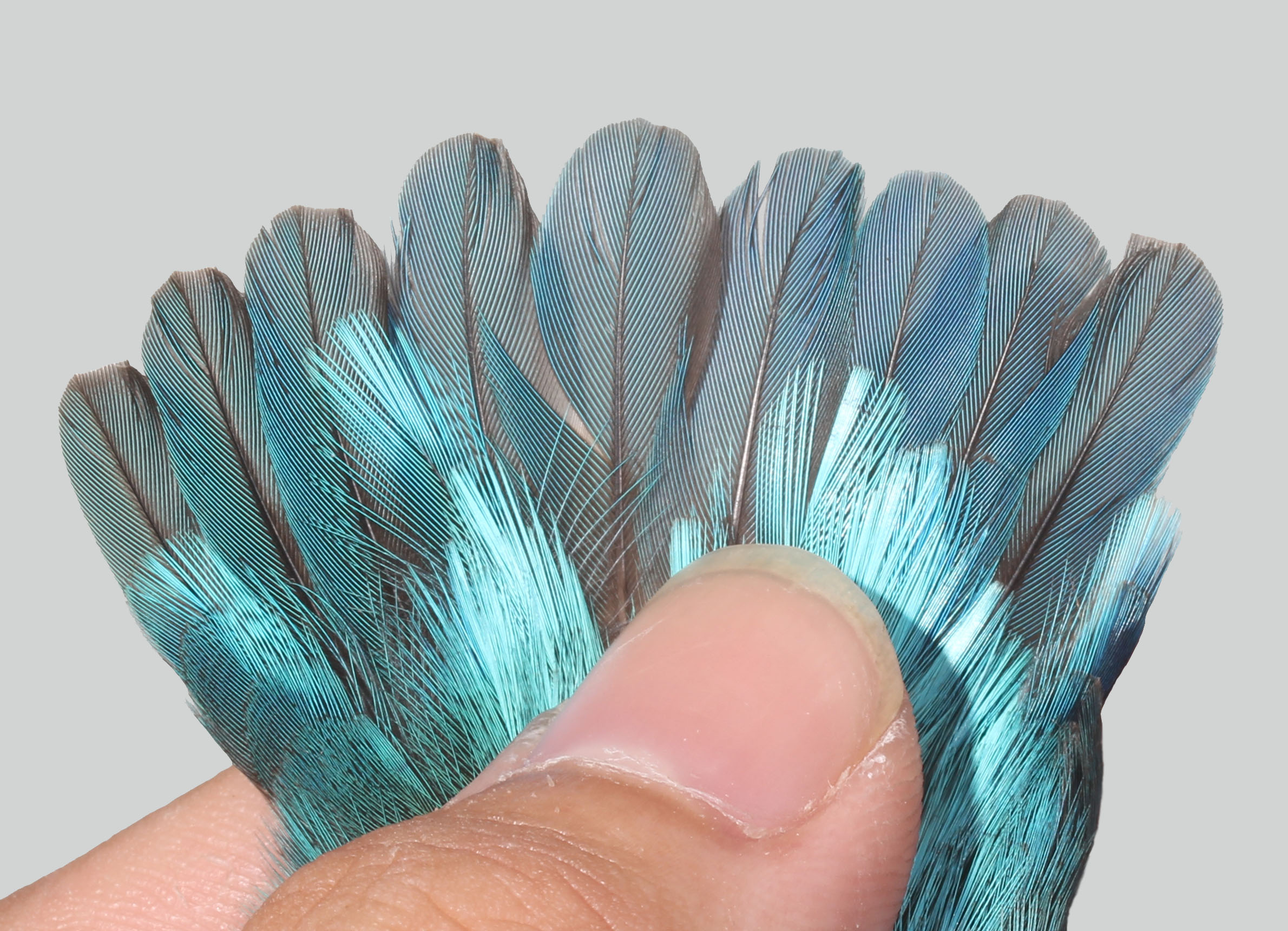
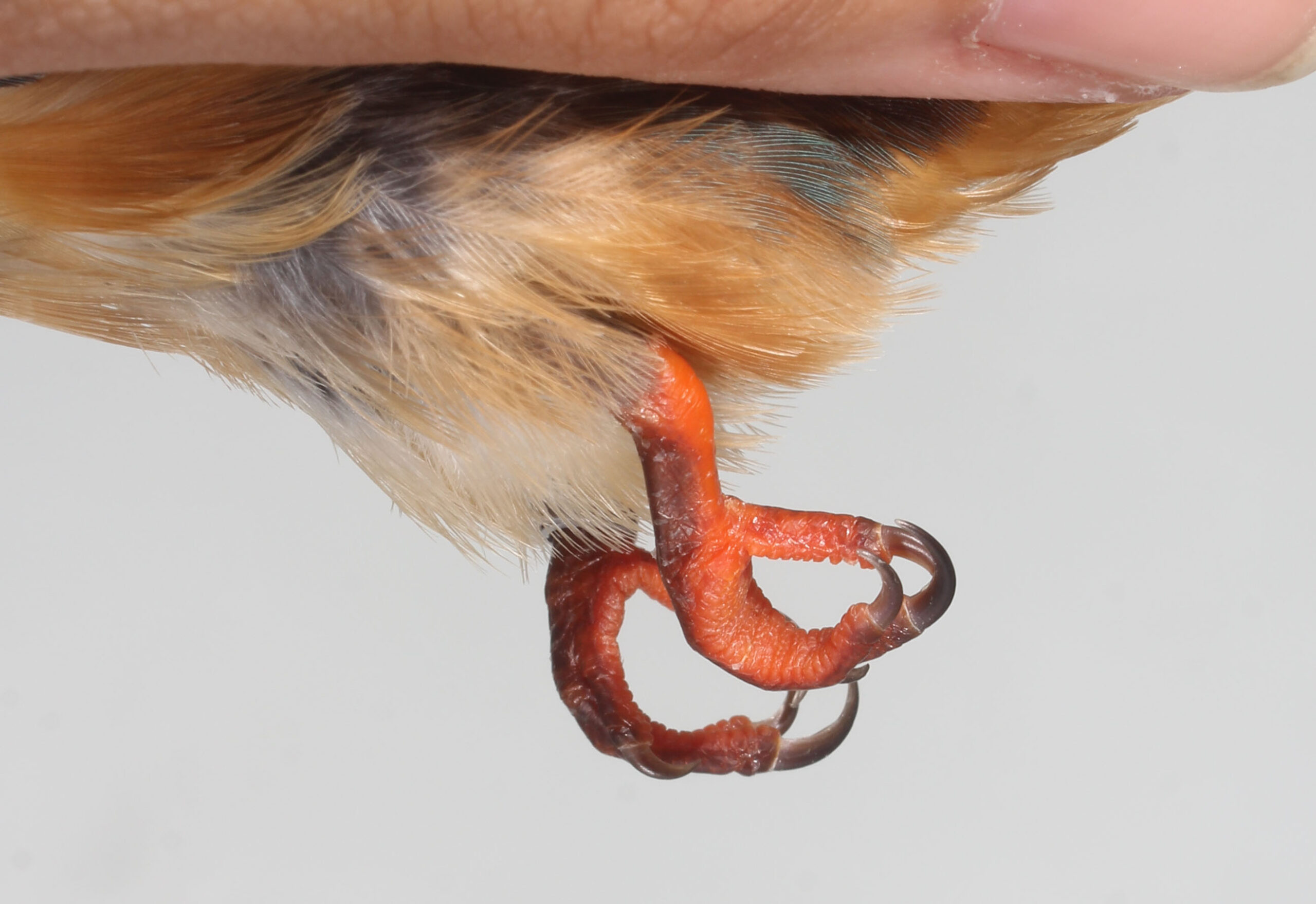
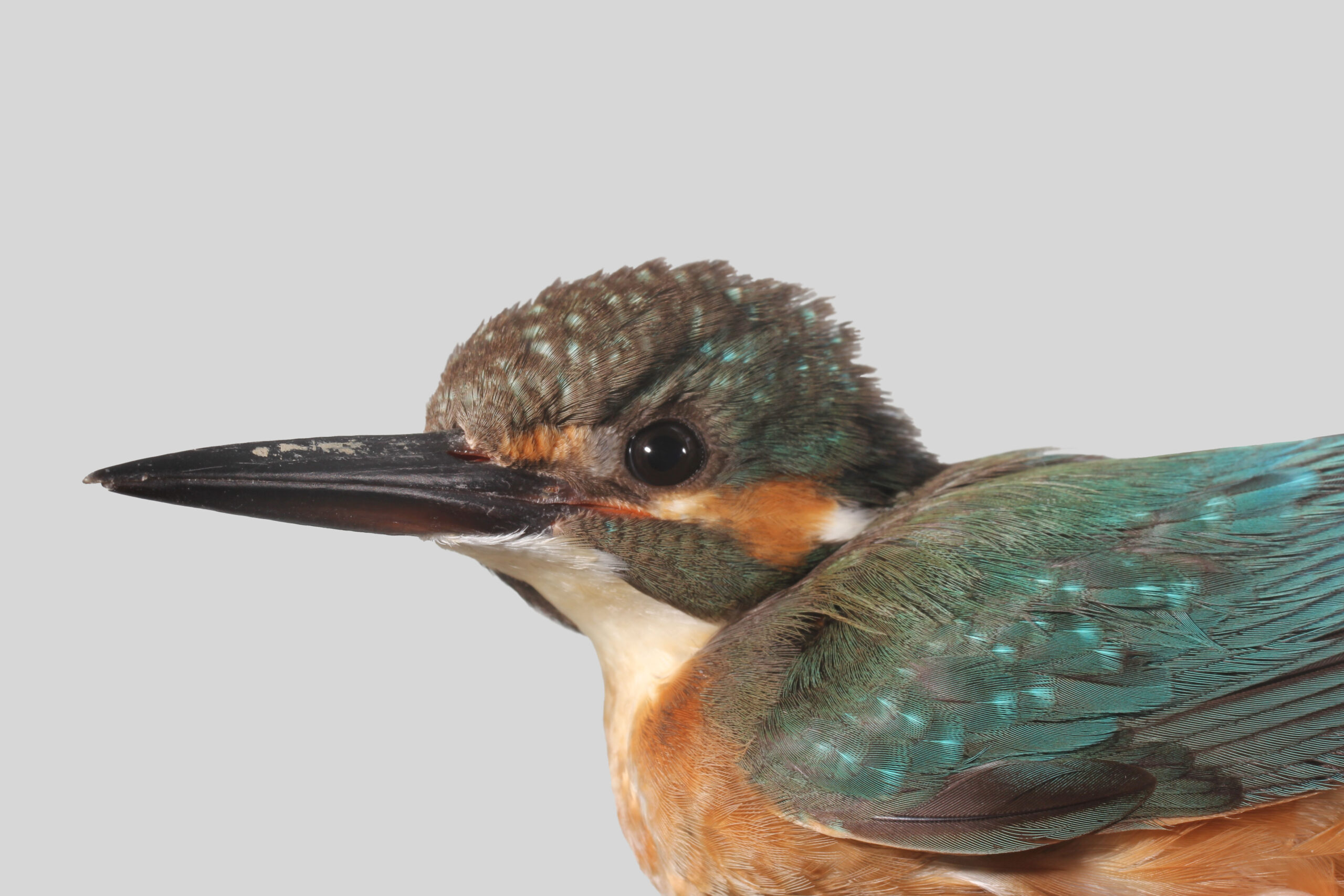
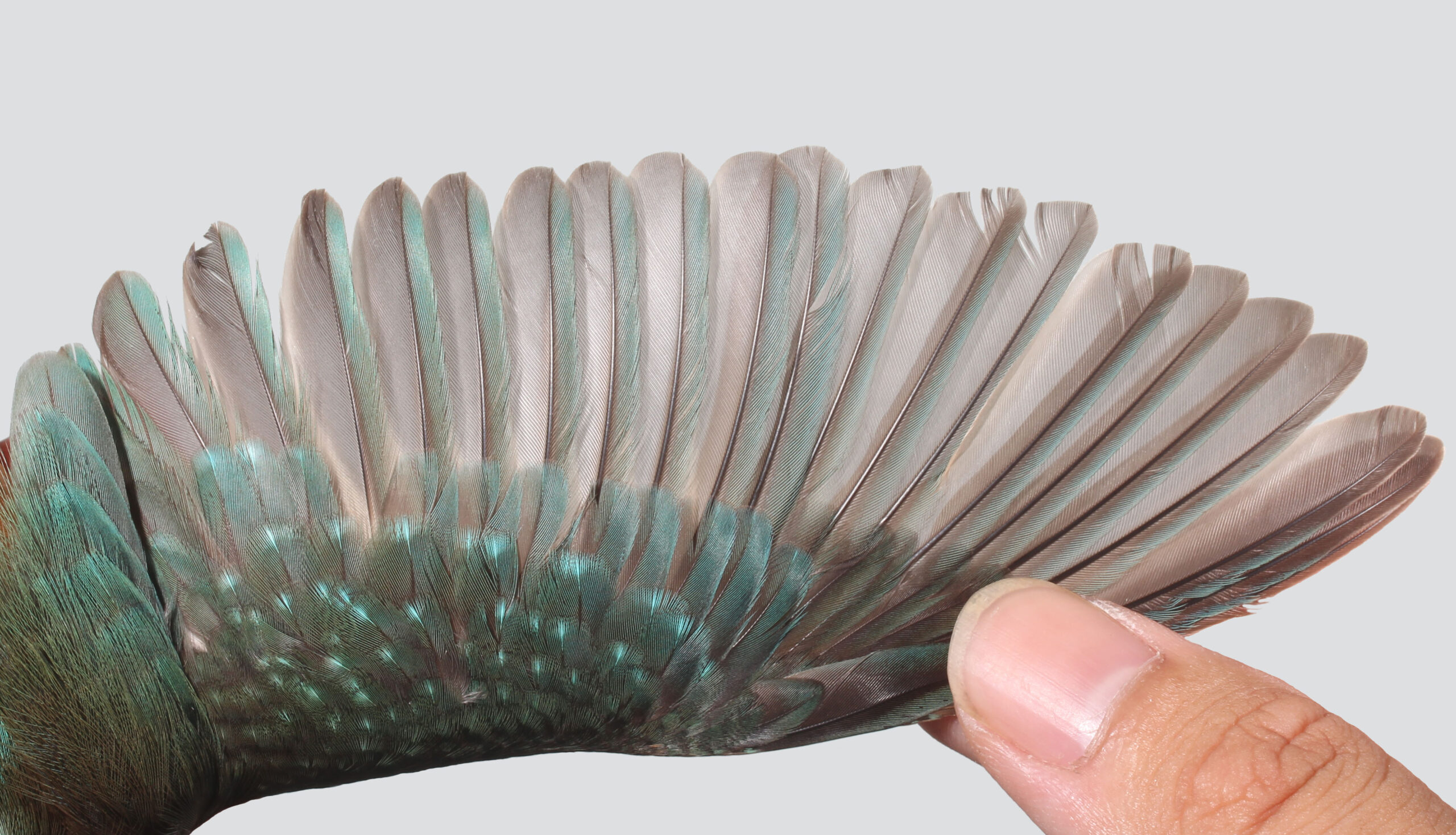
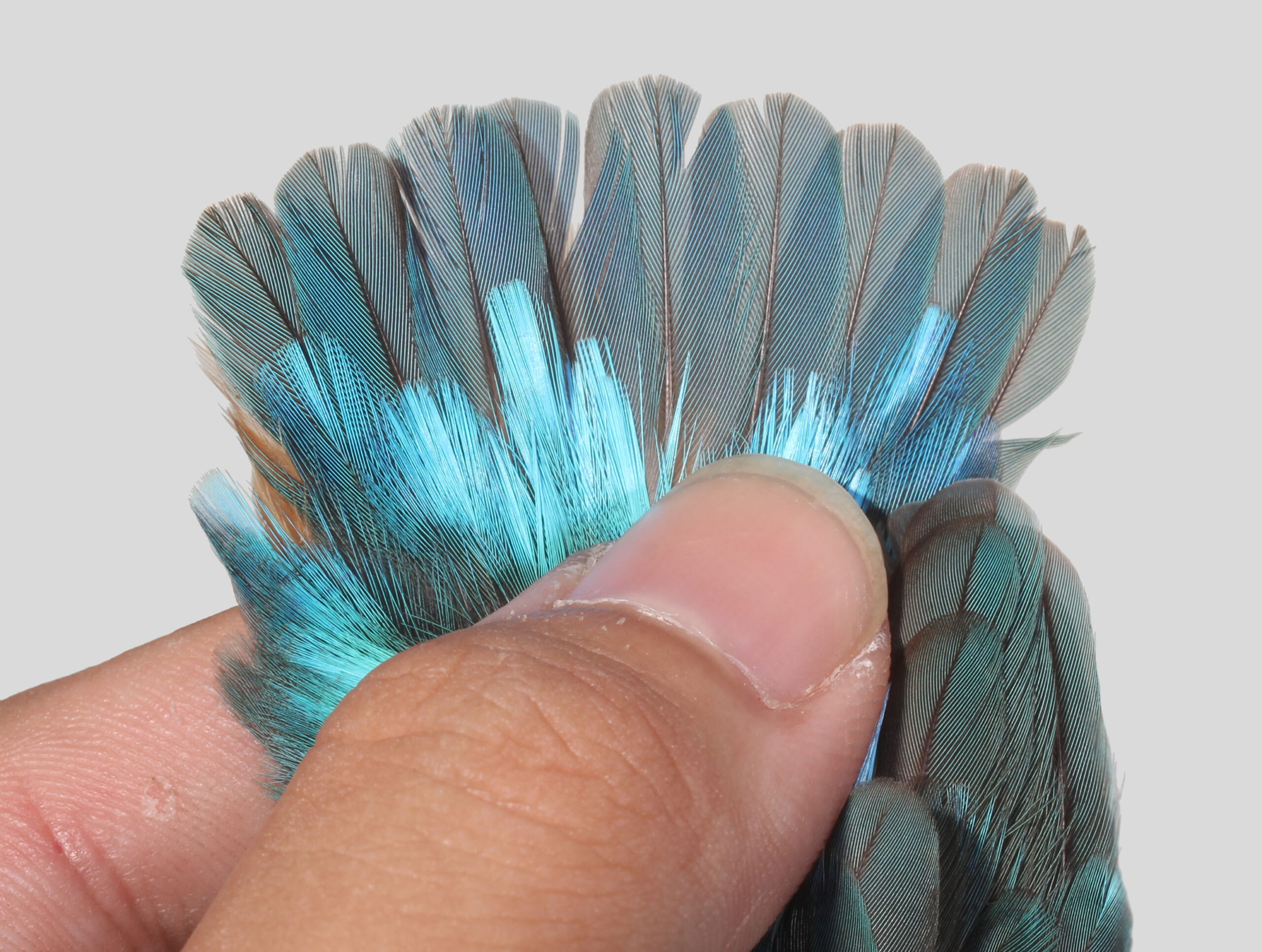
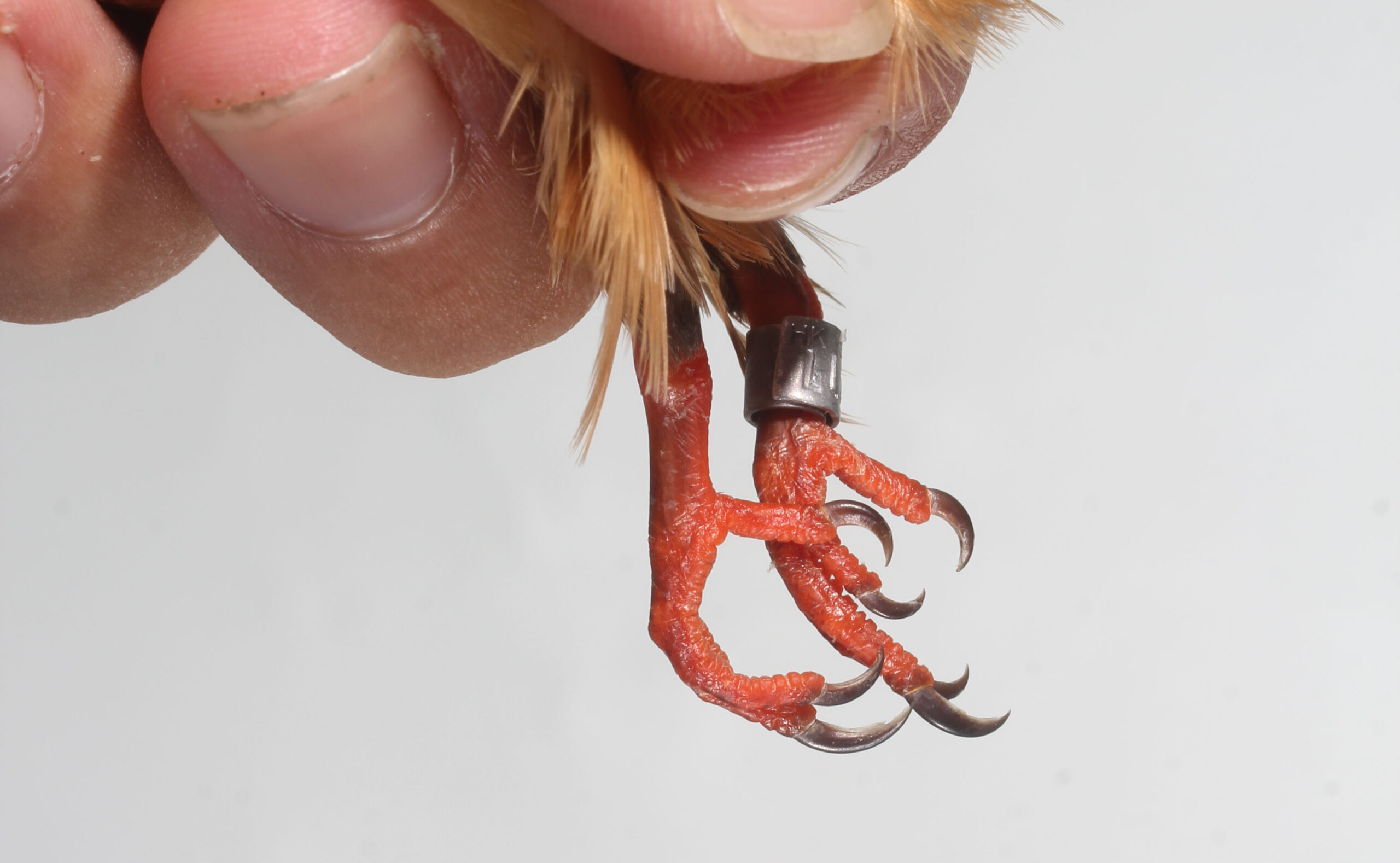
The day continued with two very beautiful Common Kingfishers! One was determined to be a 1st calendar year, seen by the lack of vibrant orange legs, and the other an adult, and possible female, thought due lacking the amount of chestnut in the face and breast.
Finally, one of our last, but most certainly not least, bird was this beautiful Yellow Bittern! This individual was an adult female, lacking the black cap seen in males.
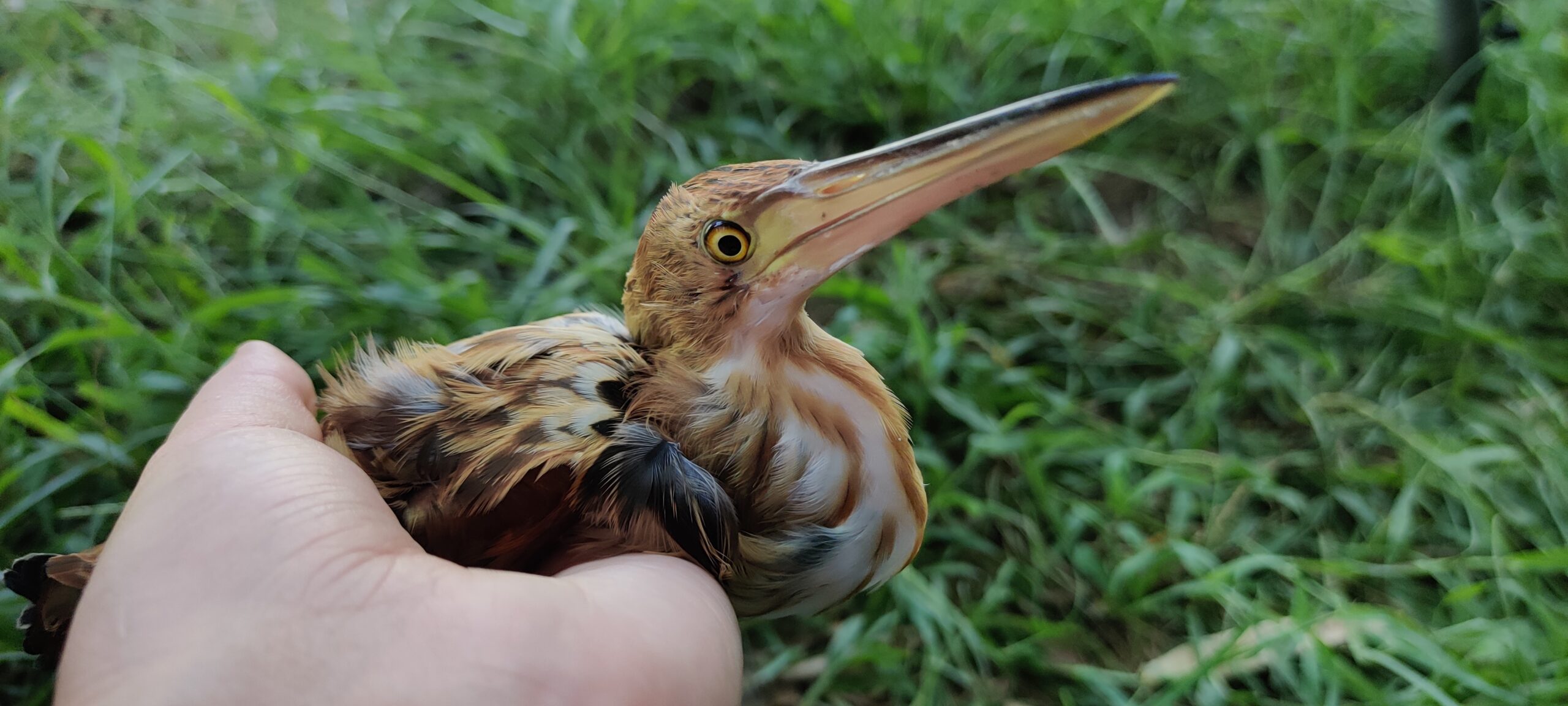
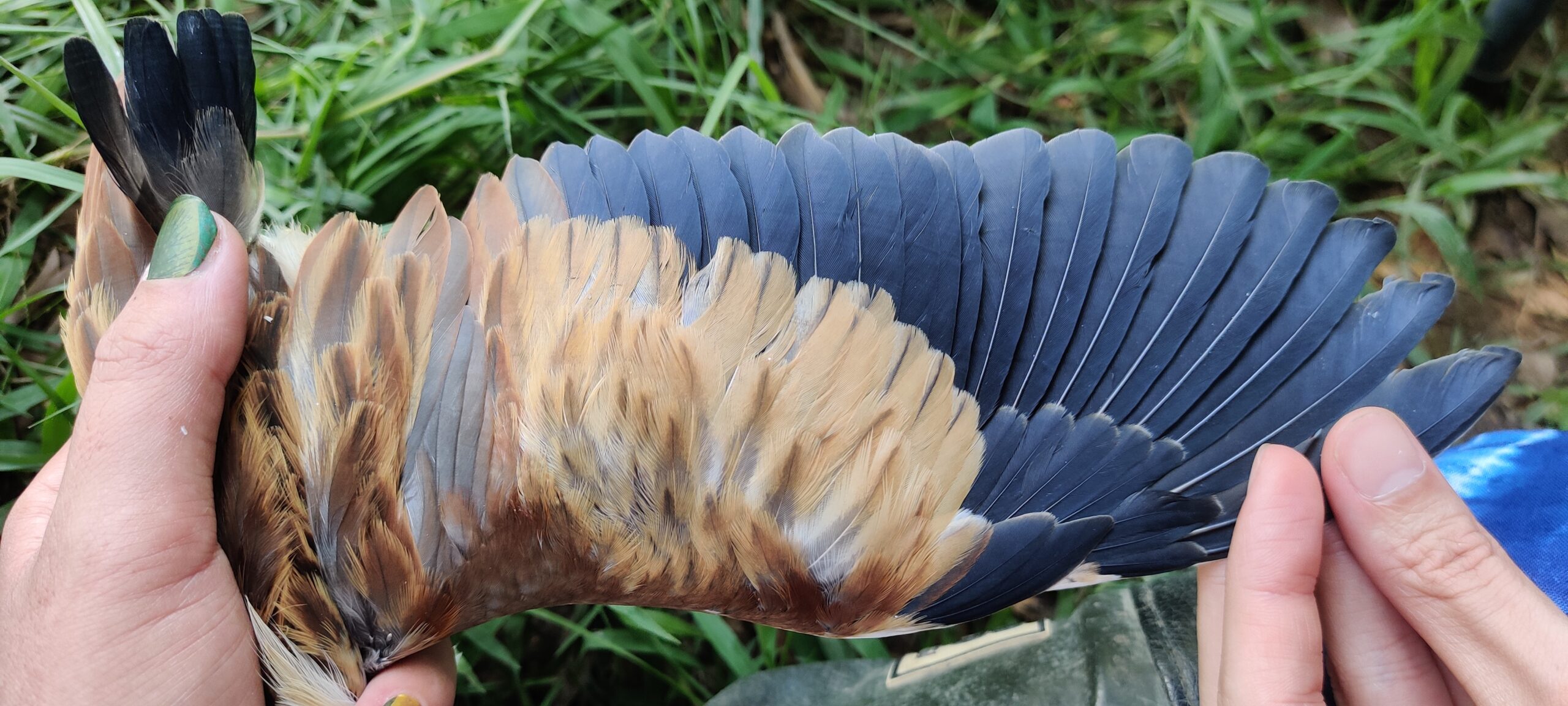
A good and busy day!
Daily Totals
| Species | Original | Recapture |
| Arctic Warbler | 3 | 0 |
| Brown Shrike | 1 | 0 |
| Chinese Pond Heron | 1 | 0 |
| Common Kingfisher | 2 | 0 |
| Long-tailed Shrike | 0 | 1 |
| Pallas’s Grasshopper Warbler | 2 | 0 |
| Plain Prinia | 0 | 1 |
| Siberian Blue Robin | 1 | 0 |
| Yellow Bittern | 1 | 0 |
| Yellow-bellied Prinia | 2 | 1 |
*Please note that all wild birds, their nests, and eggs are highly protected (under Wild Animals Protection Ordinate, Cap. 170) in Hong Kong. It is an offence to wilfully disturb, take, remove, or injure wild birds or their nests/eggs. The actions described here were undertaken by trained professionals holding the necessary licenses and permits issued by the AFCD.*