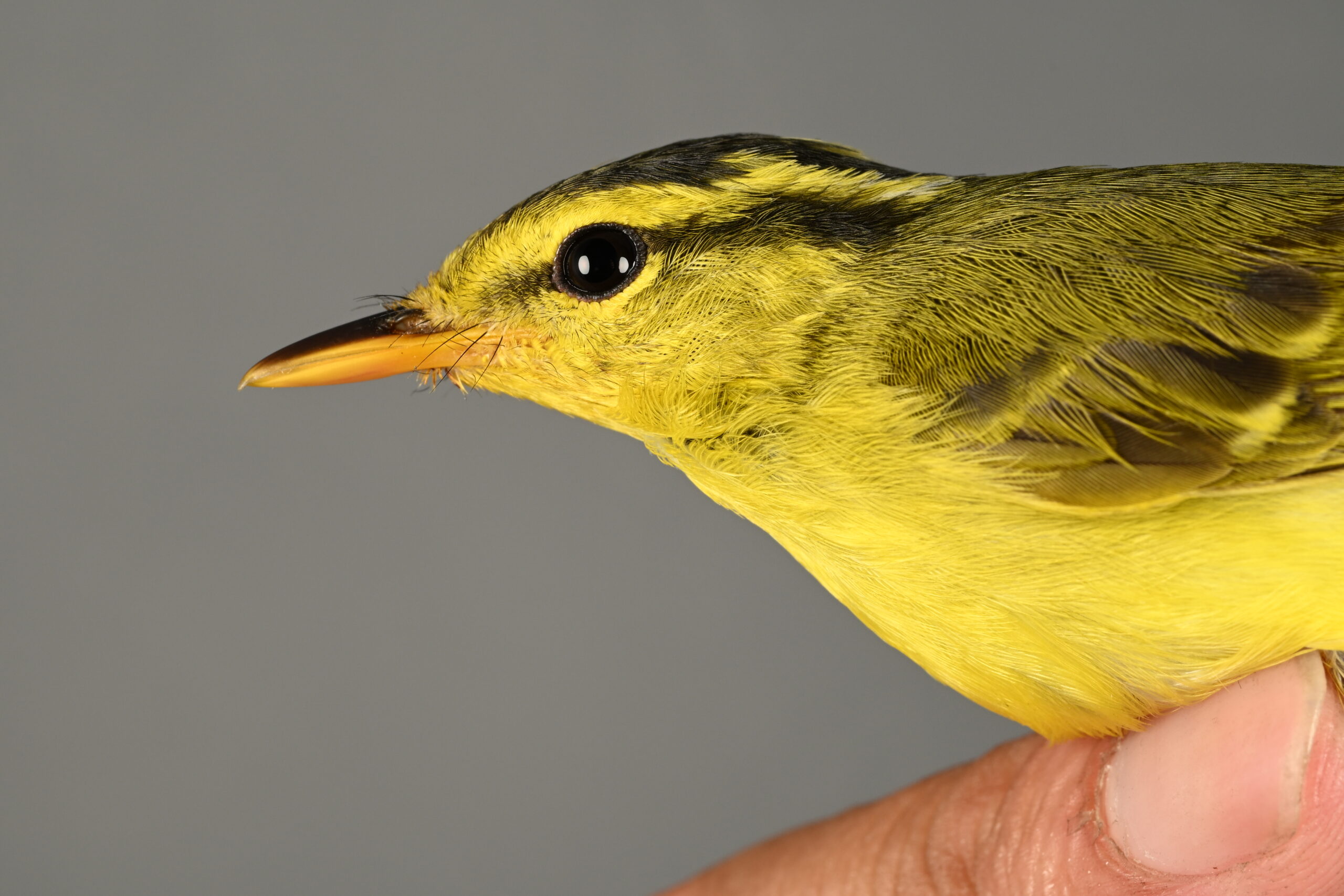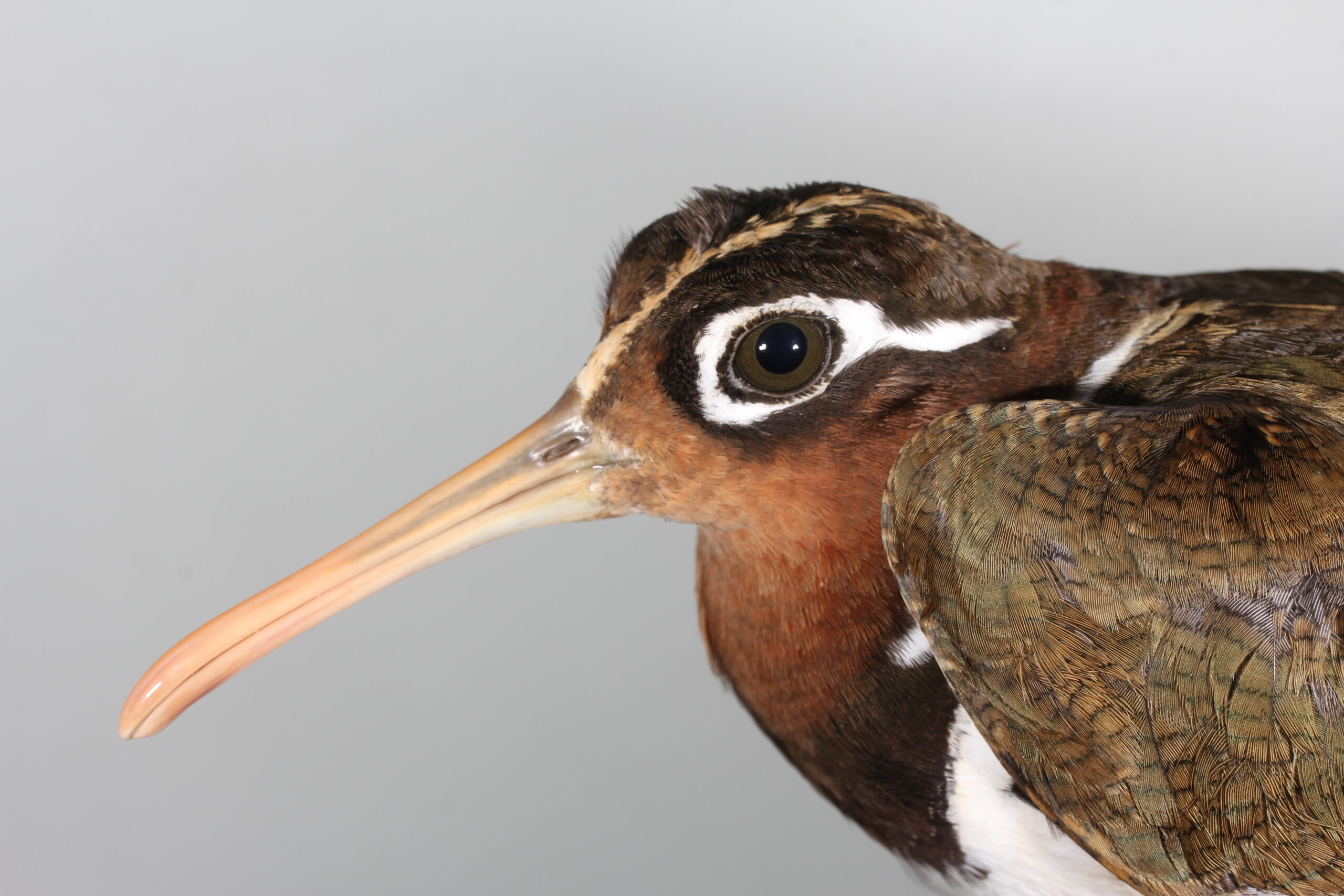



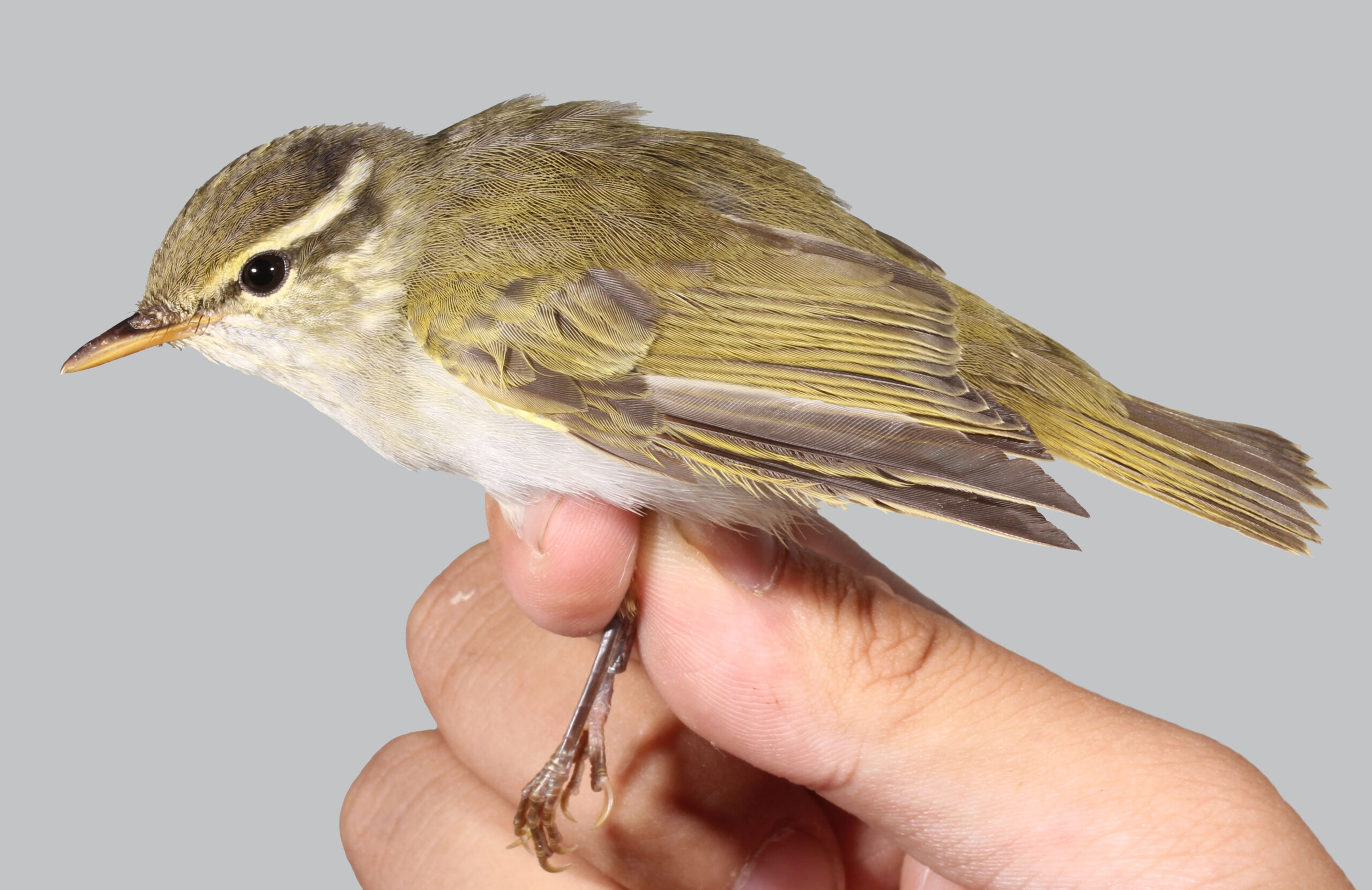
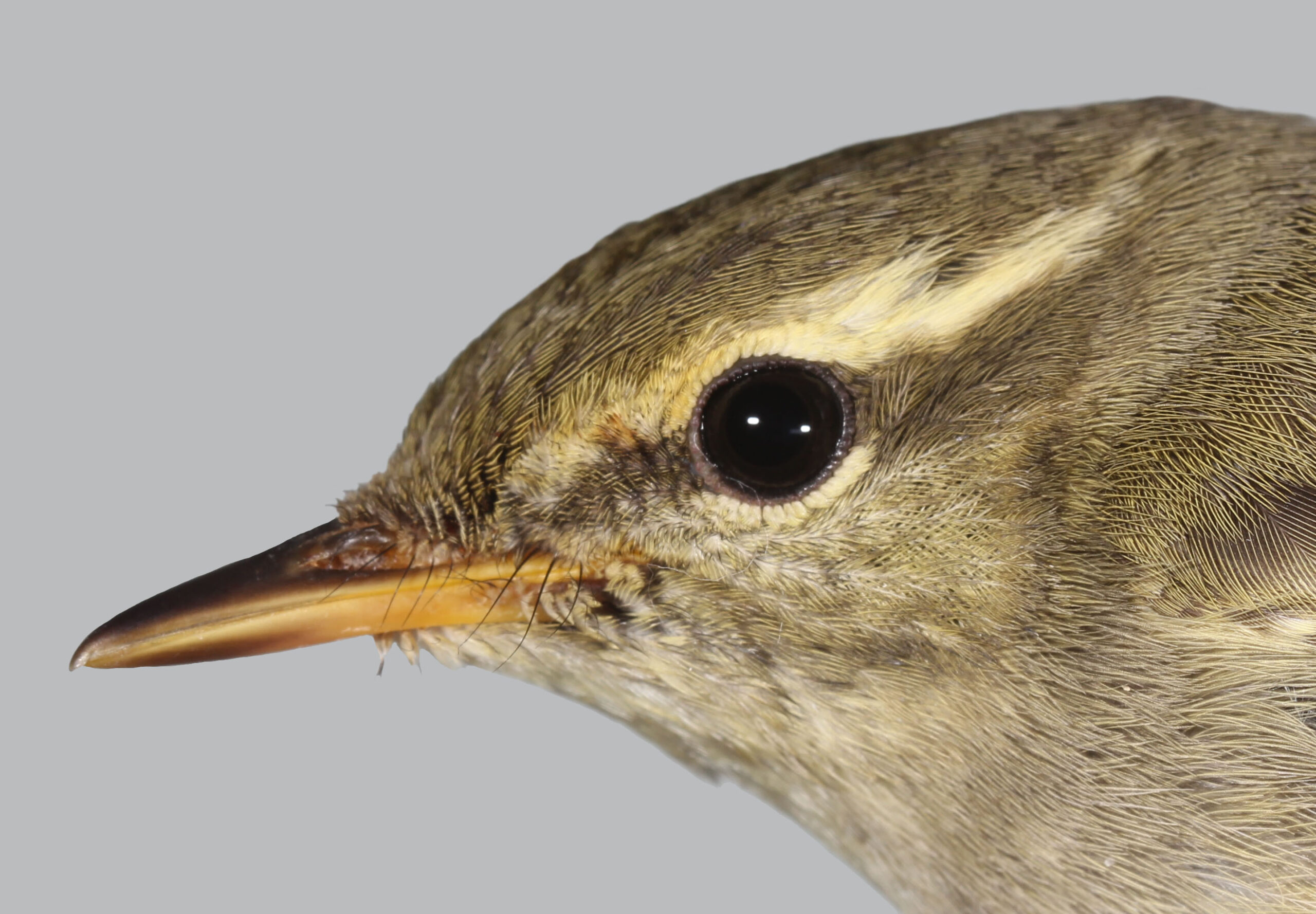
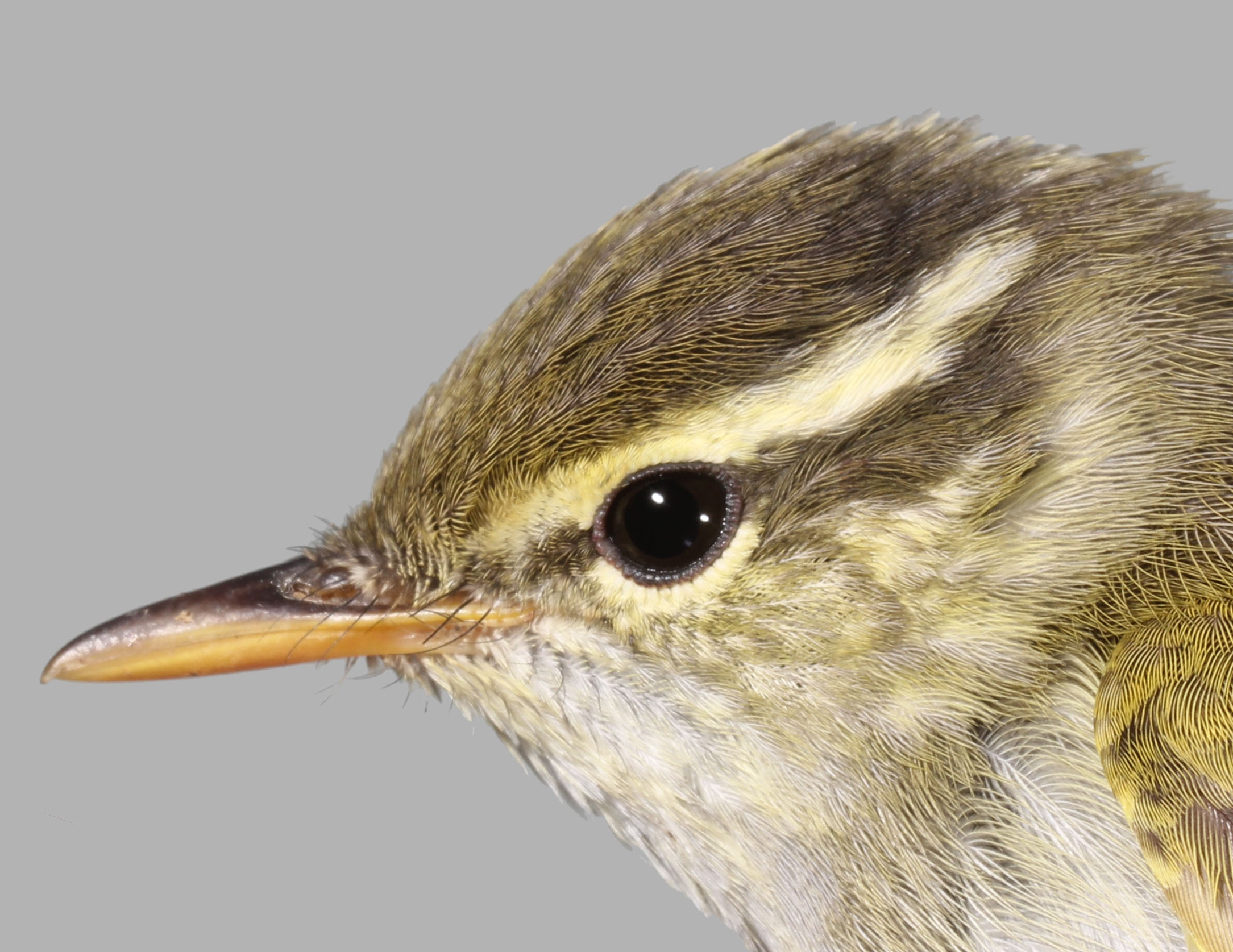
Following on from yesterday’s high numbers of Pale-legged Leaf Warblers, we began our day with two beautiful Eastern Crowned Warblers!
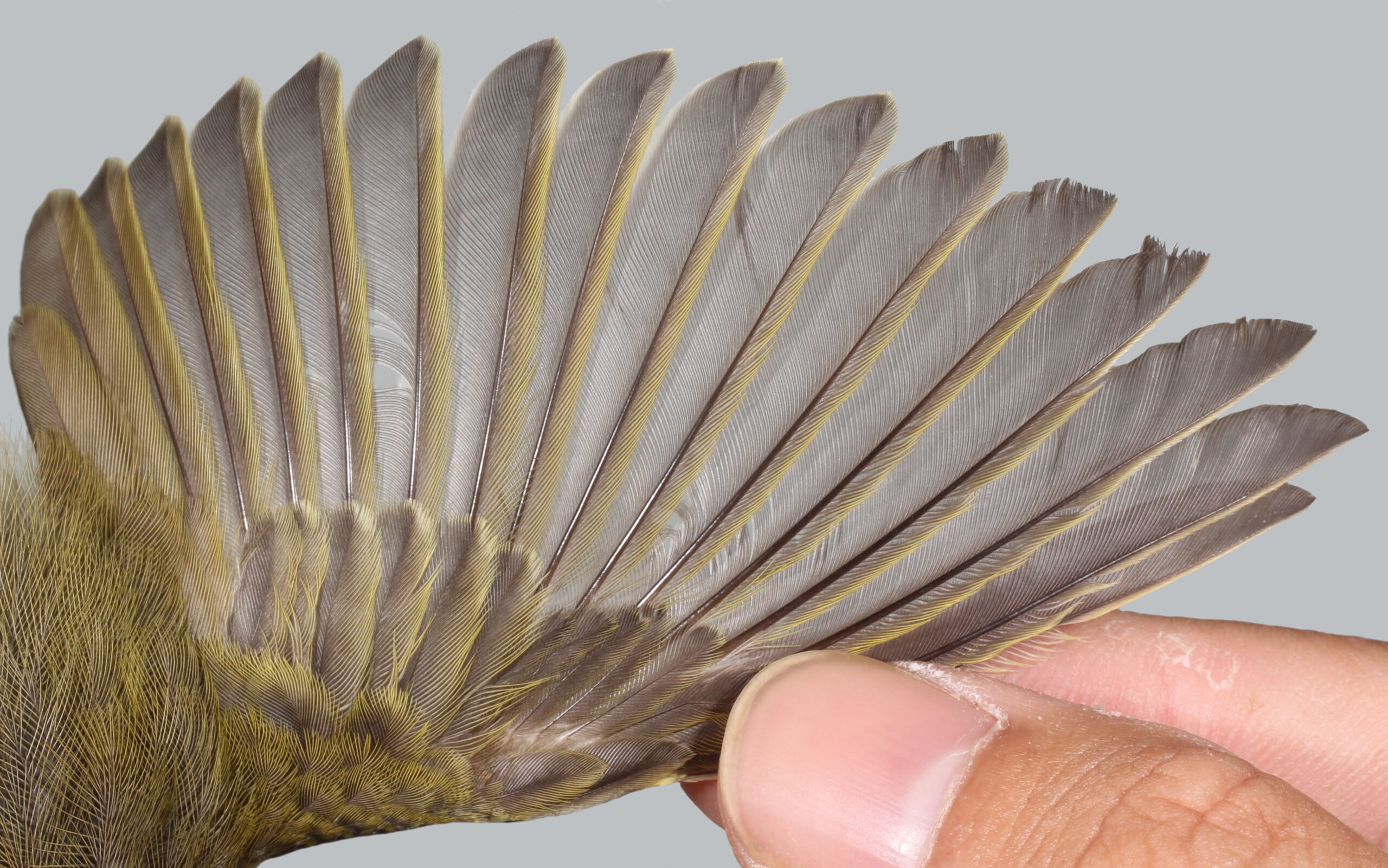
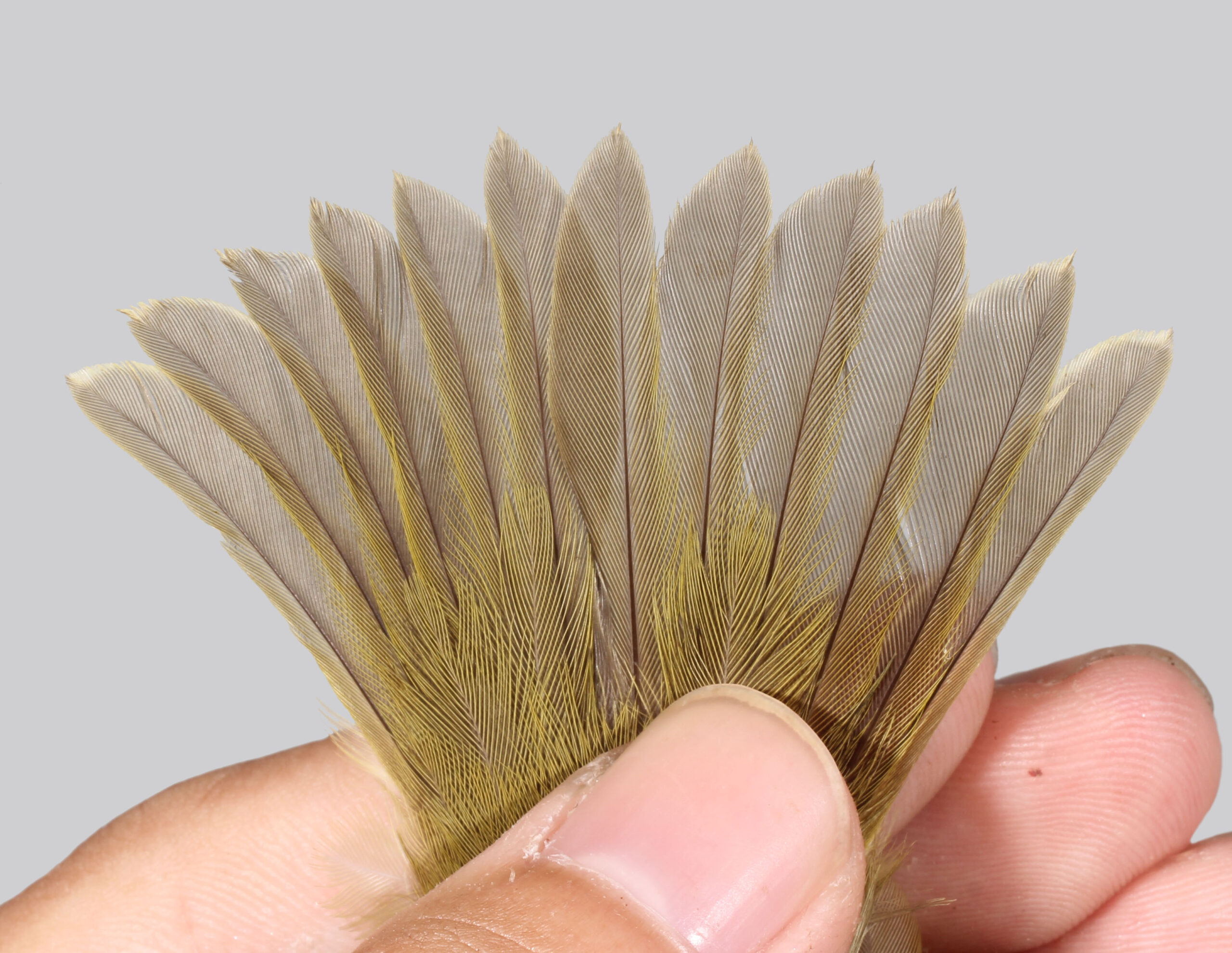
Seperated from other species by their pale-based lower mandible and subtle “crown” stripe through the centre of their head, this species is another that is notoriously difficult to age. However, the young of this species are thought to retain most of their juvenile wing and tail feathers, and, with careful assessment of the feathers, can be distinguished from adult type feathers- as was the case for our two individuals.
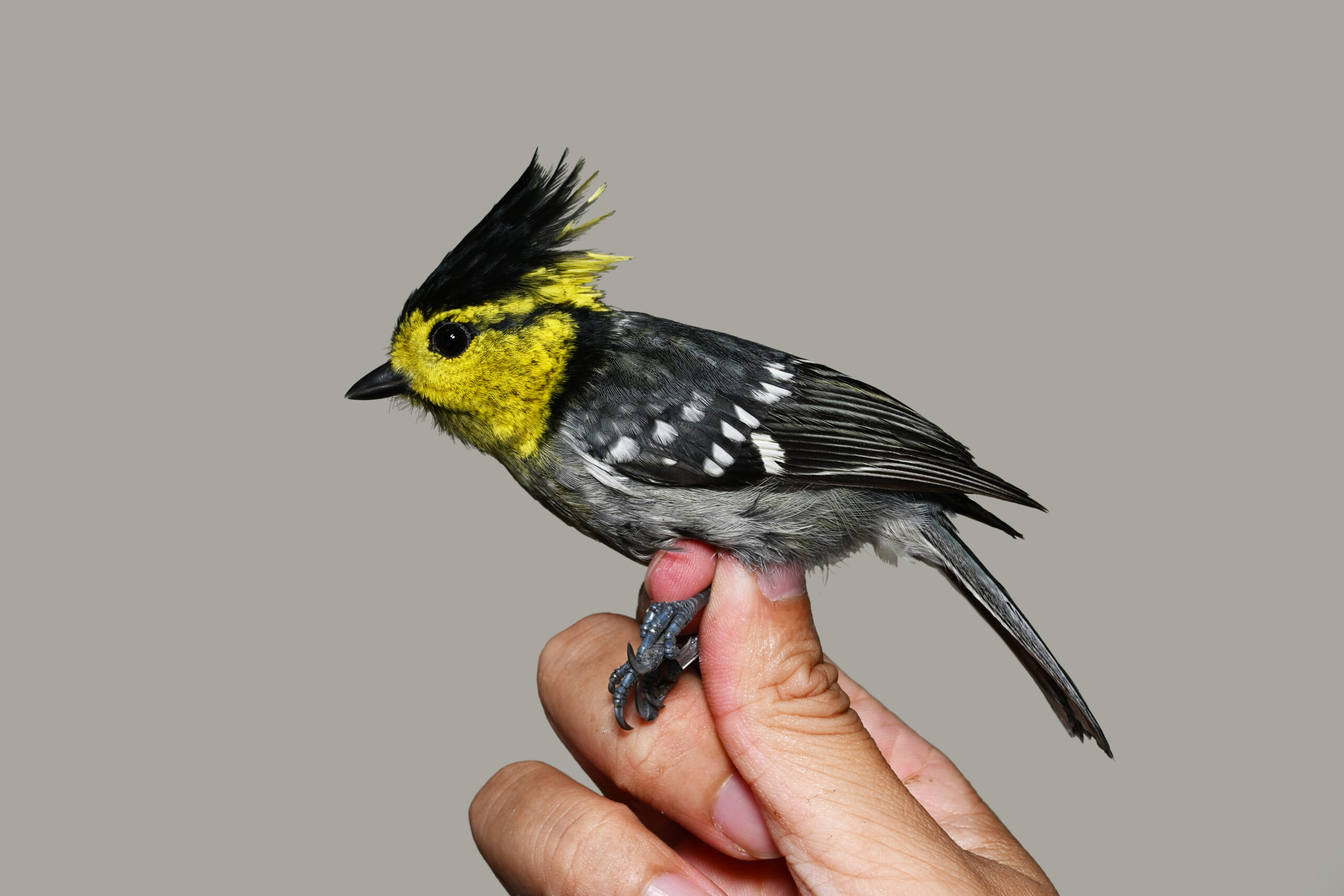
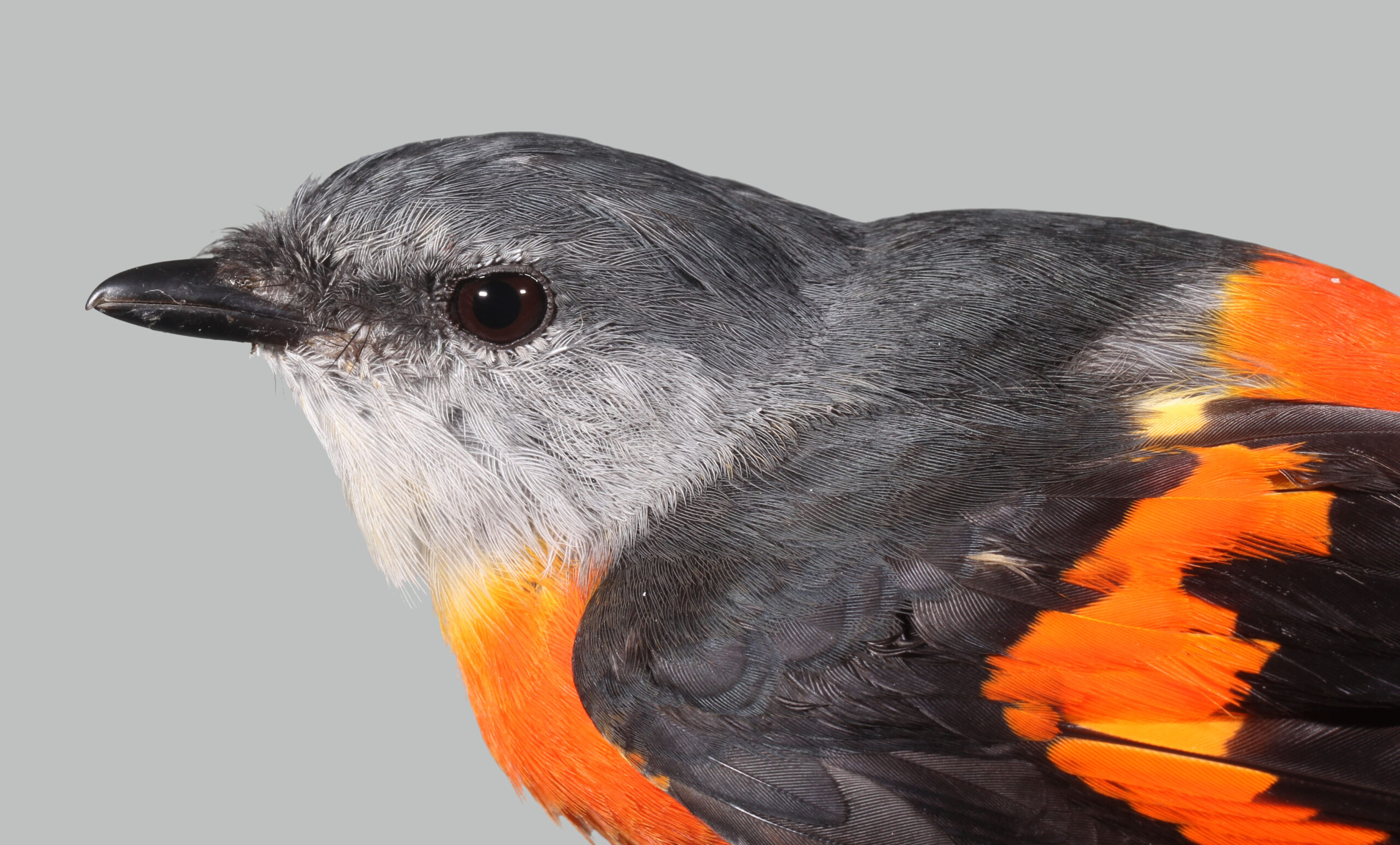
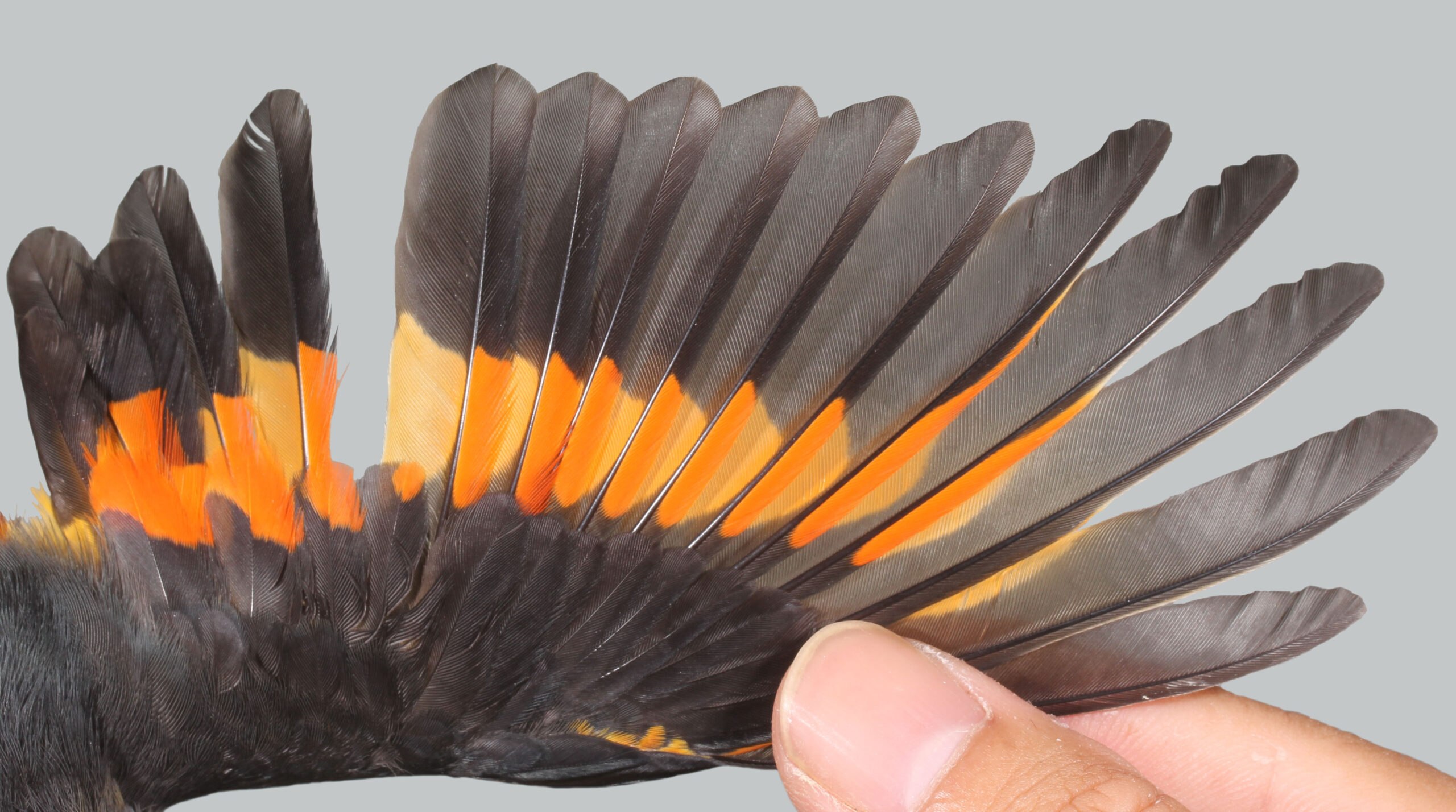
Next up was one of our most beautiful resident species here: the Grey-chinned Minivet! Even more incredibly, this was an adult male- the first ever caught by HKBWS! Males of this species have a red-orange plumage making them easy to differentiate from the female-type yellow plumage, even in field.
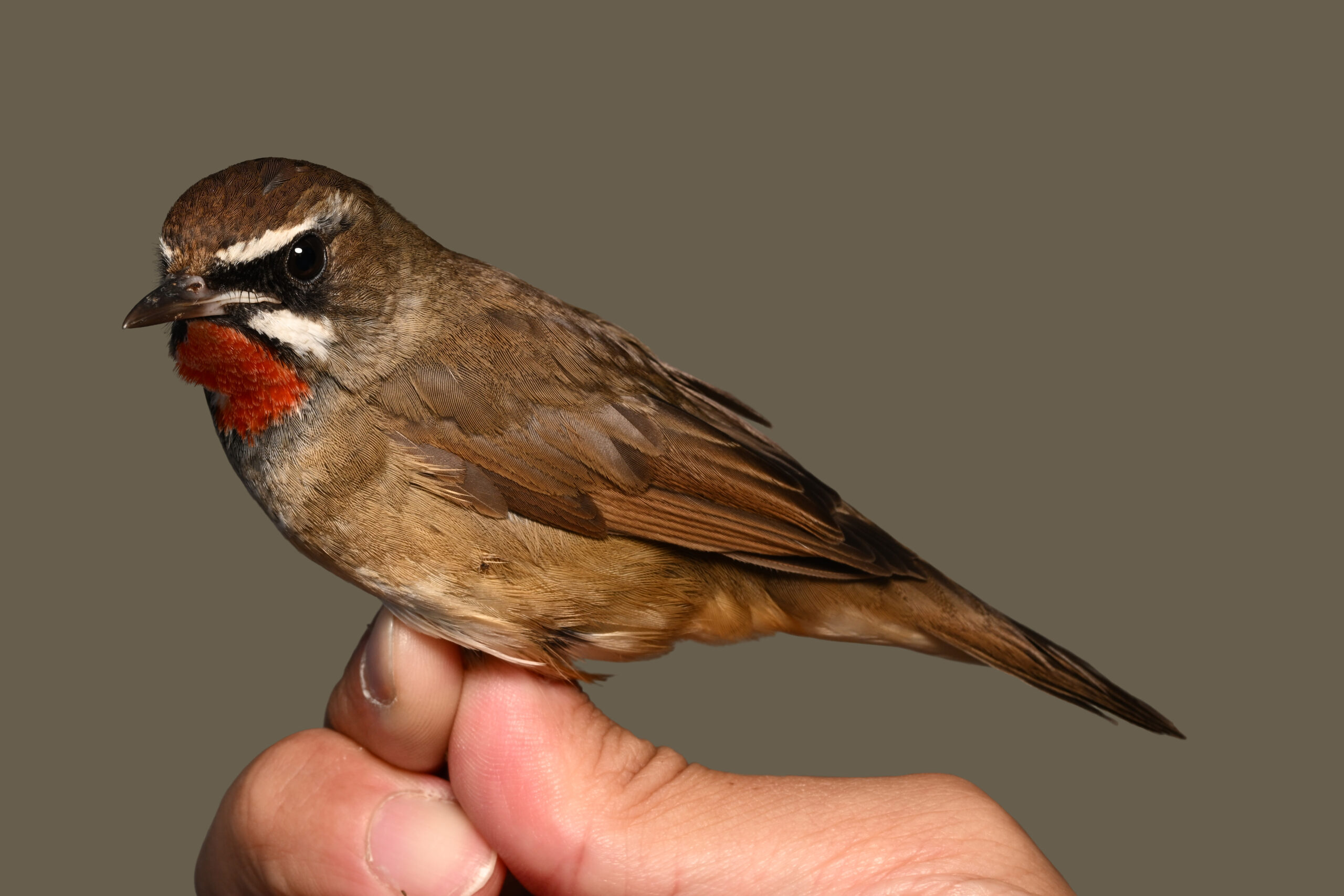
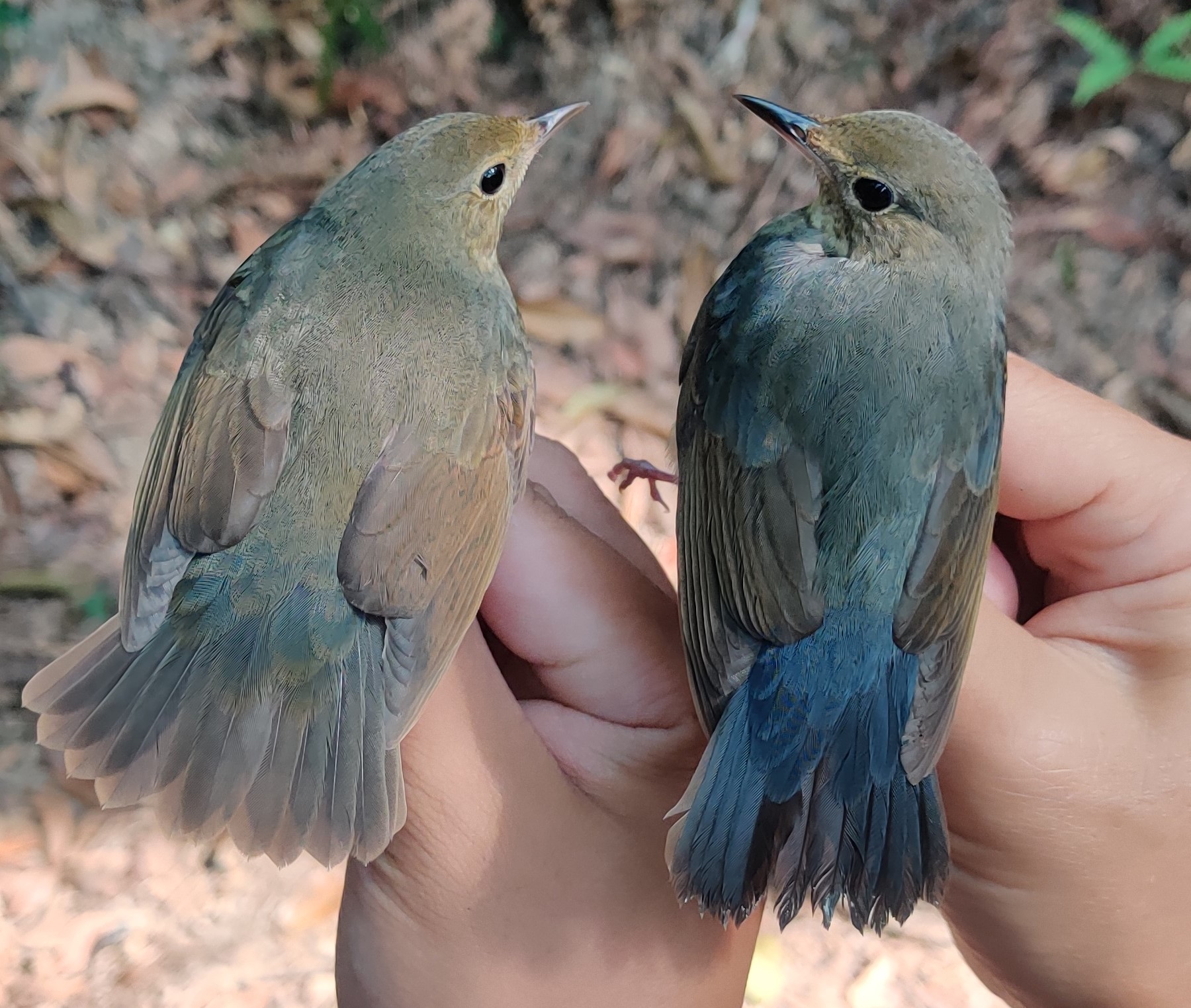
Then we were back with more 1st calendar year Siberian Blue Robins! These two allowed us to take some nice comparison shots of the young males and females- most noticeably the amount of dark blue hue in the tail and rump feathers.
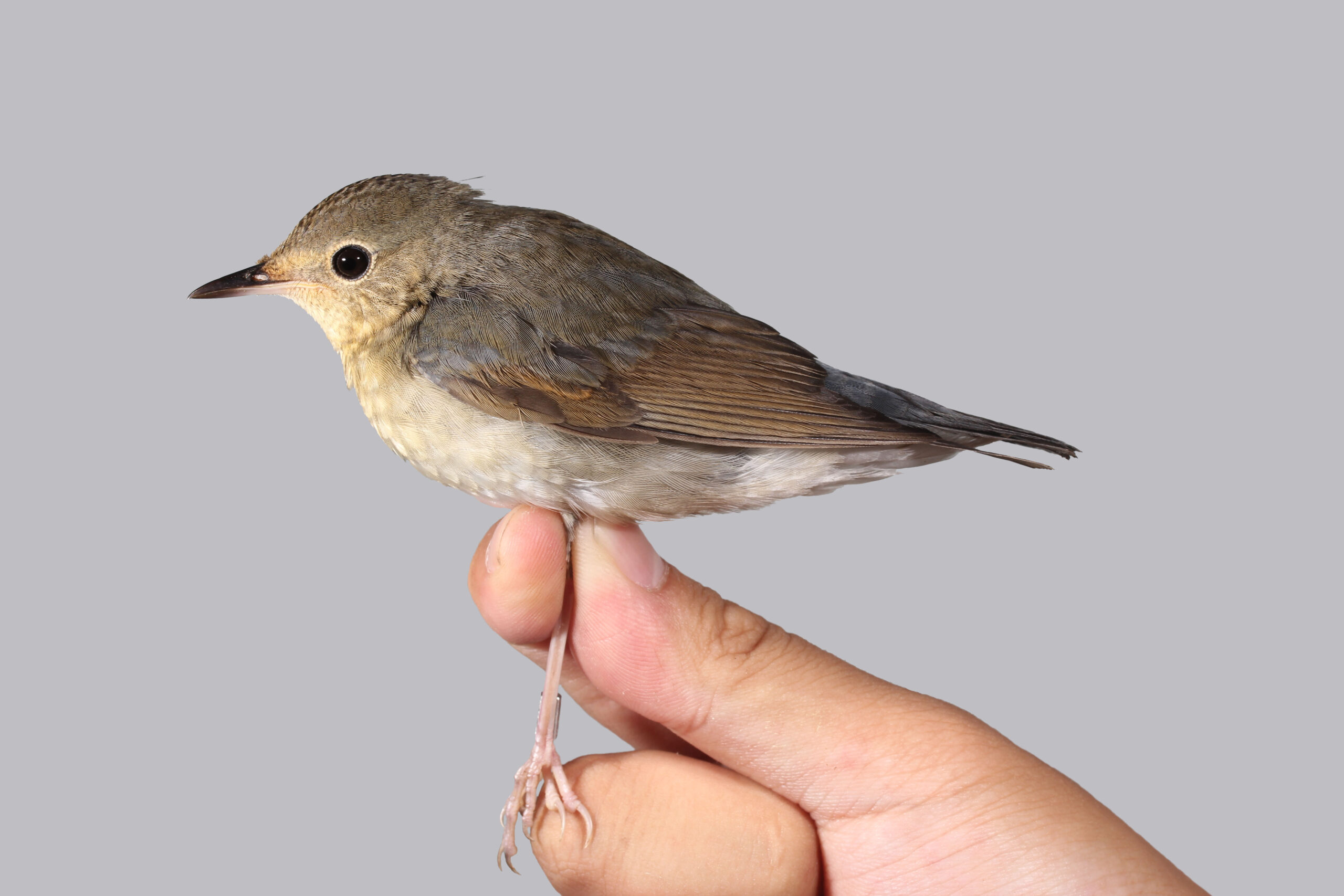
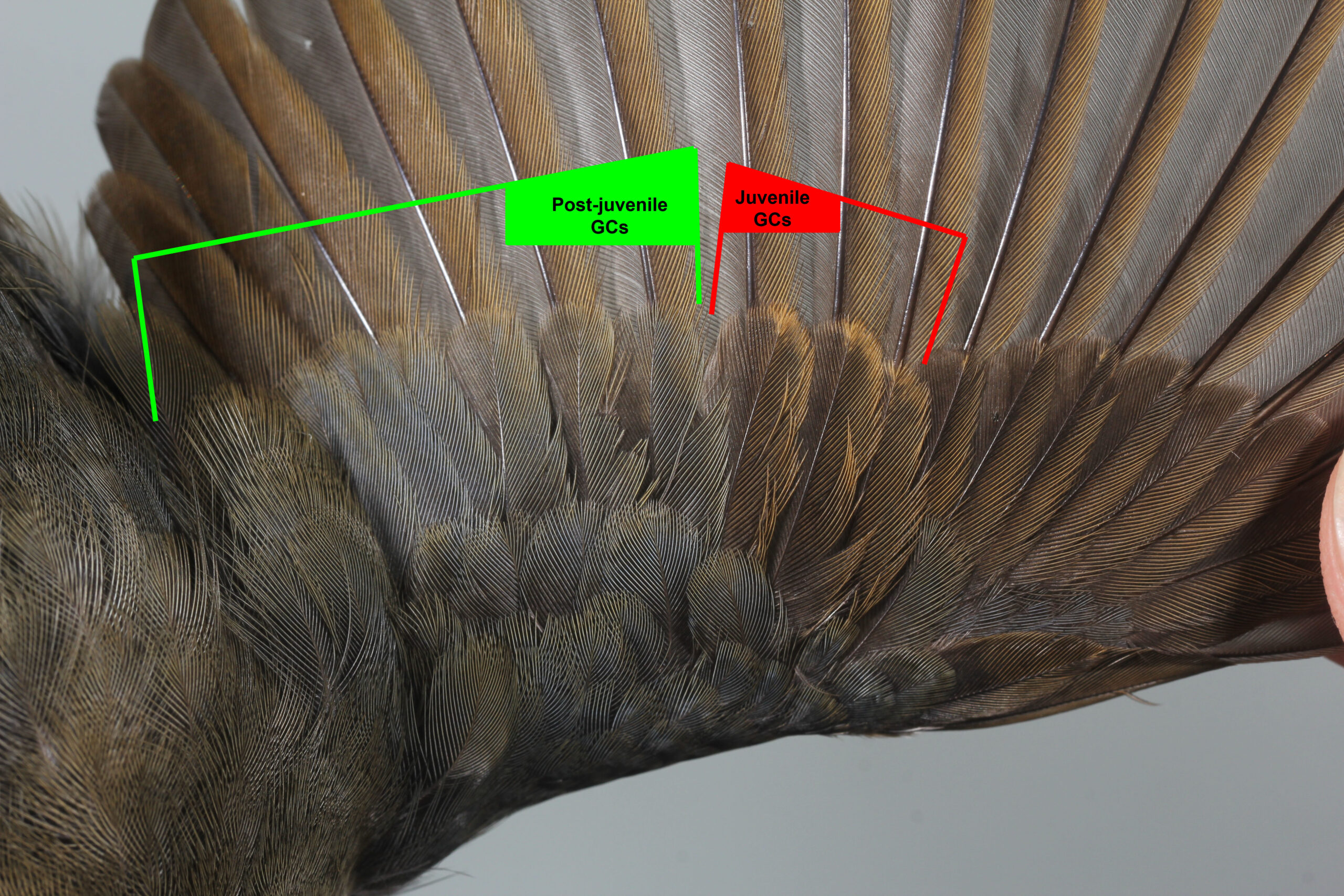
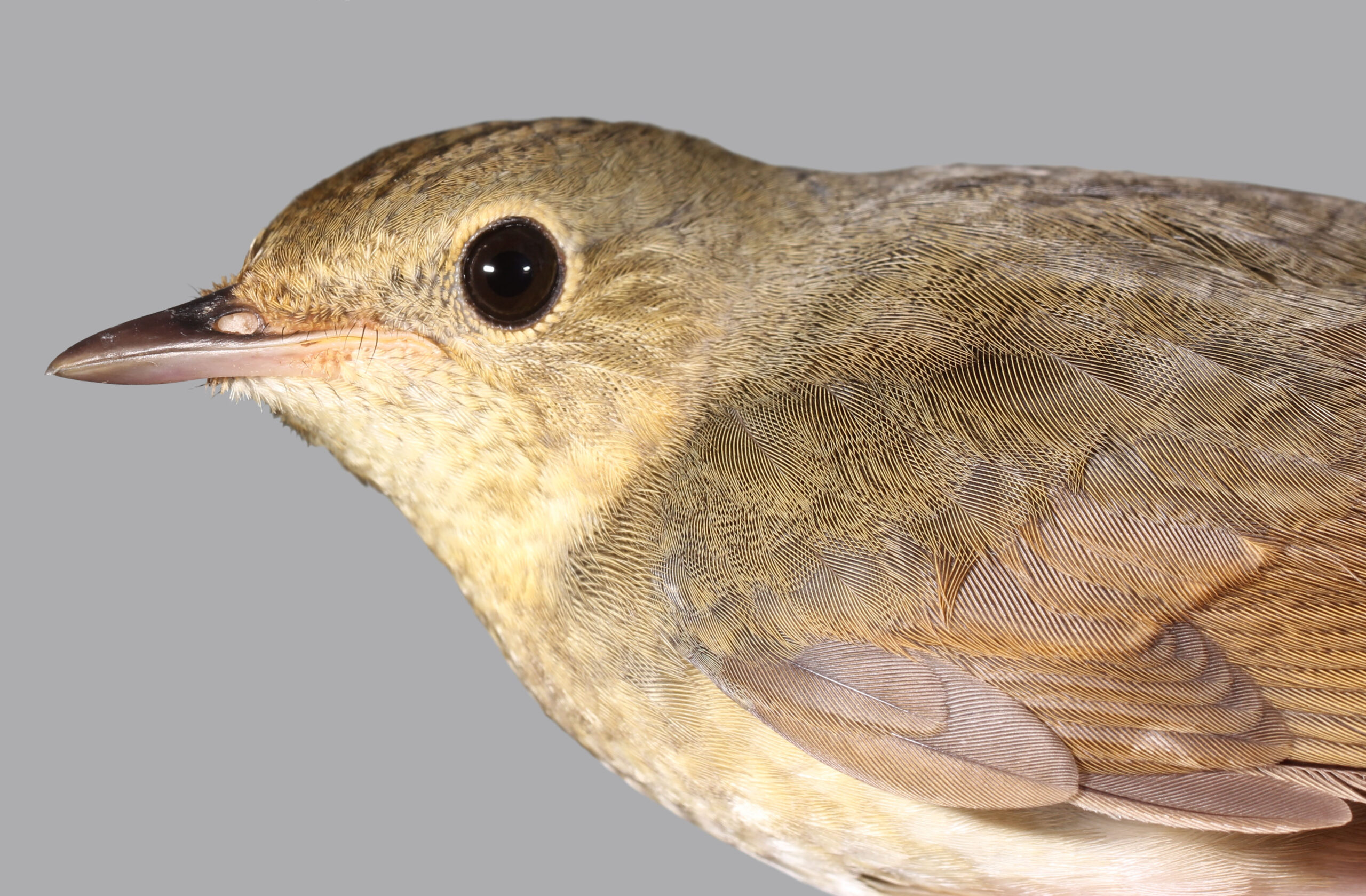
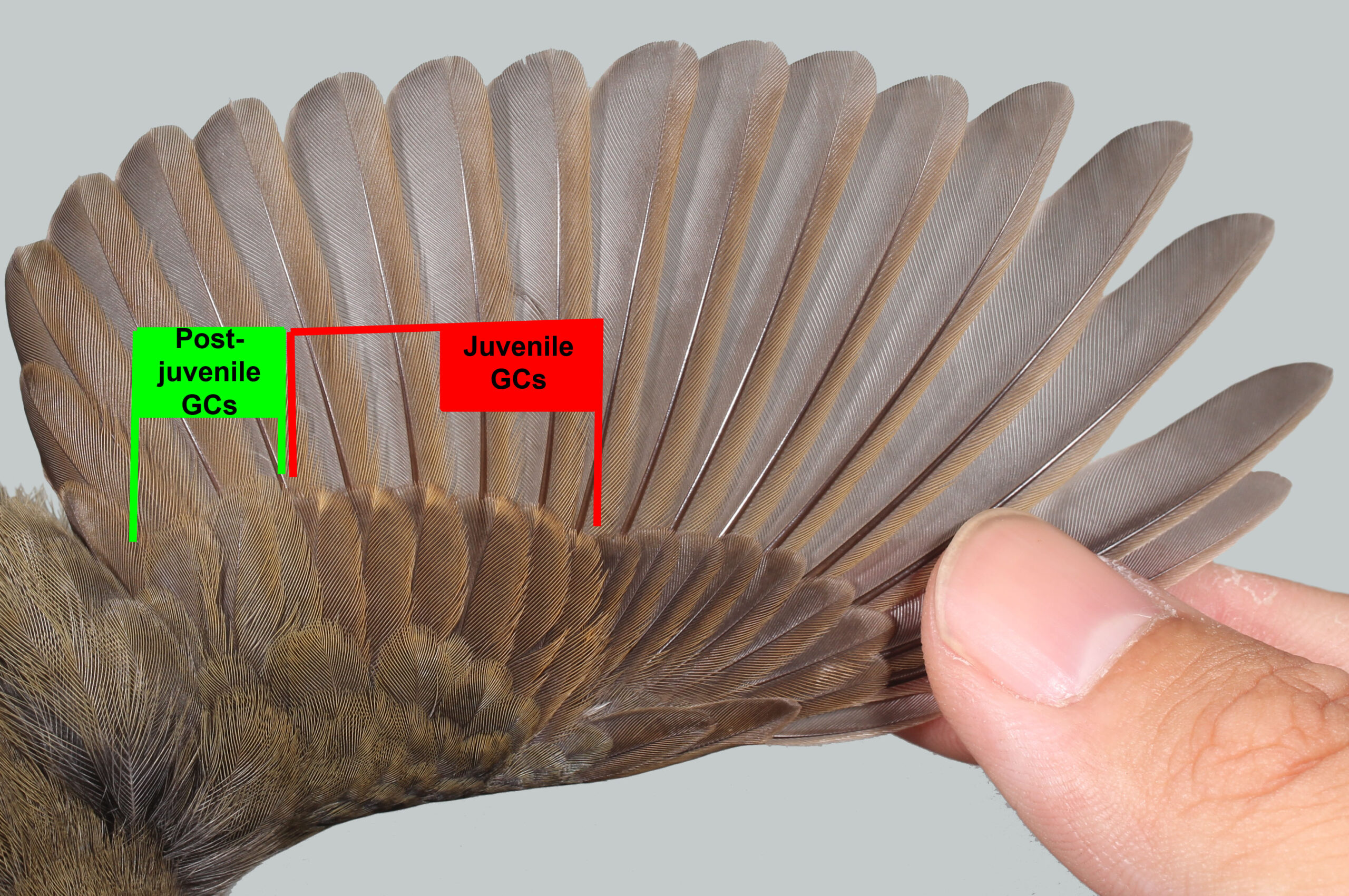
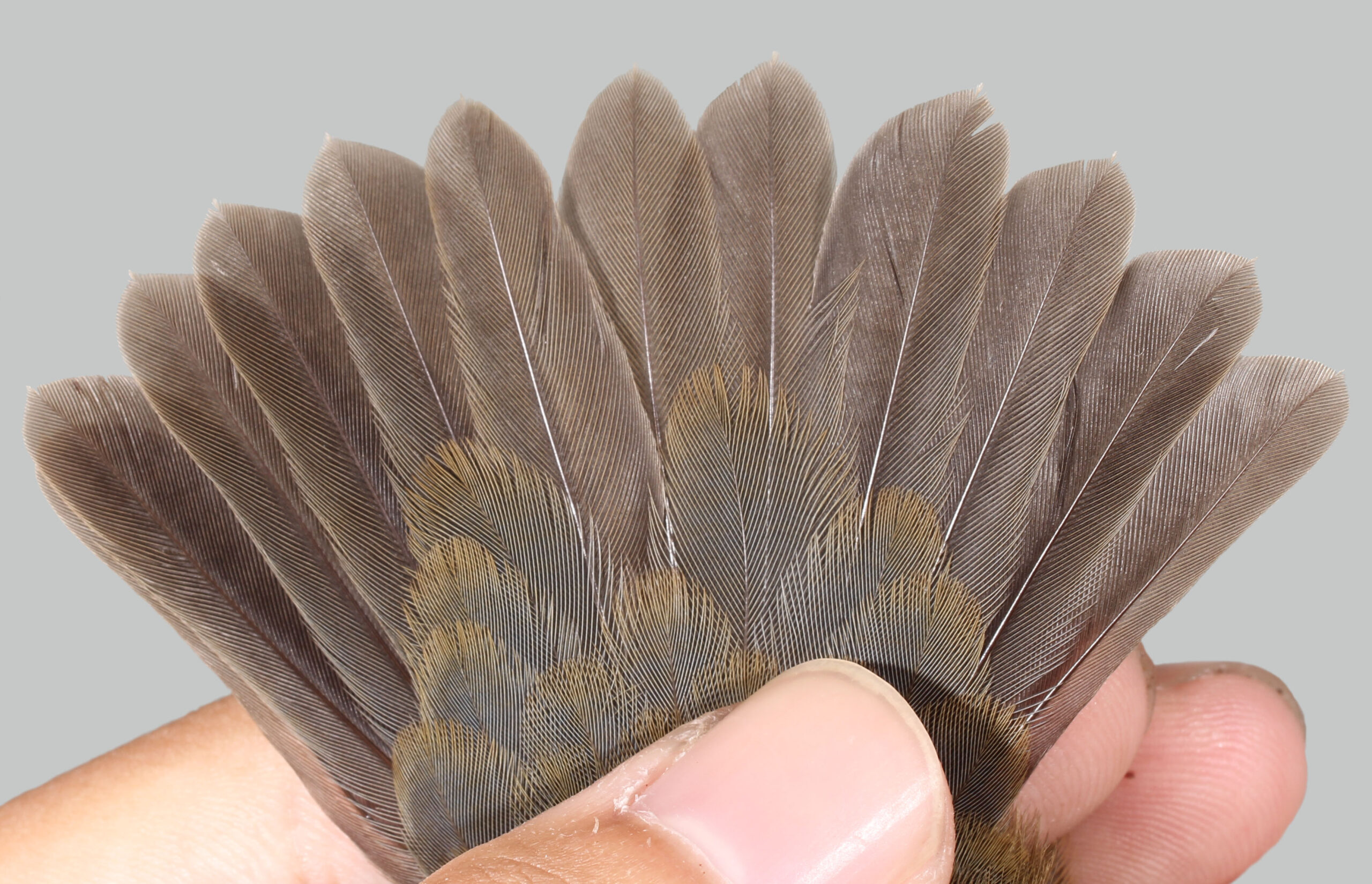
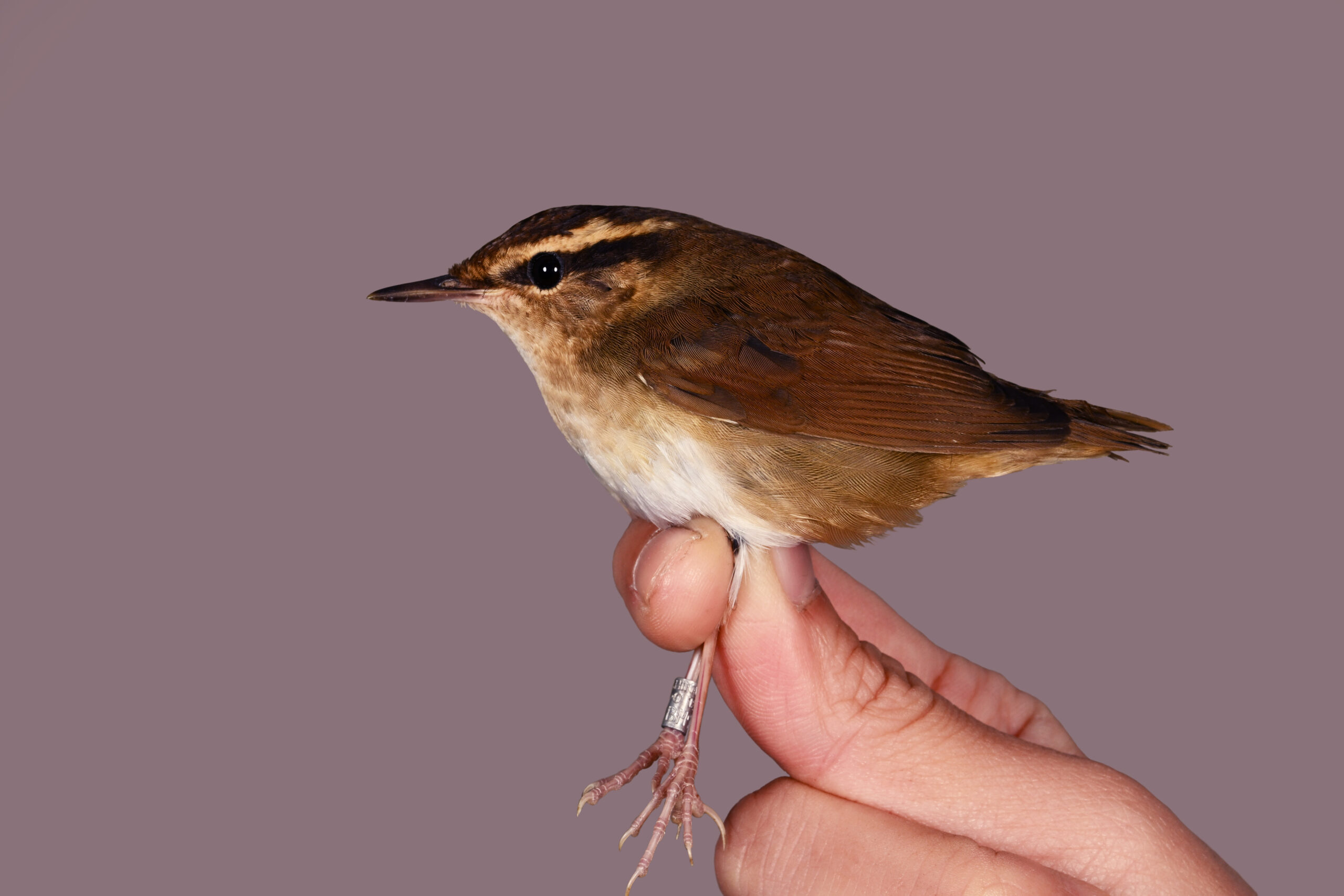
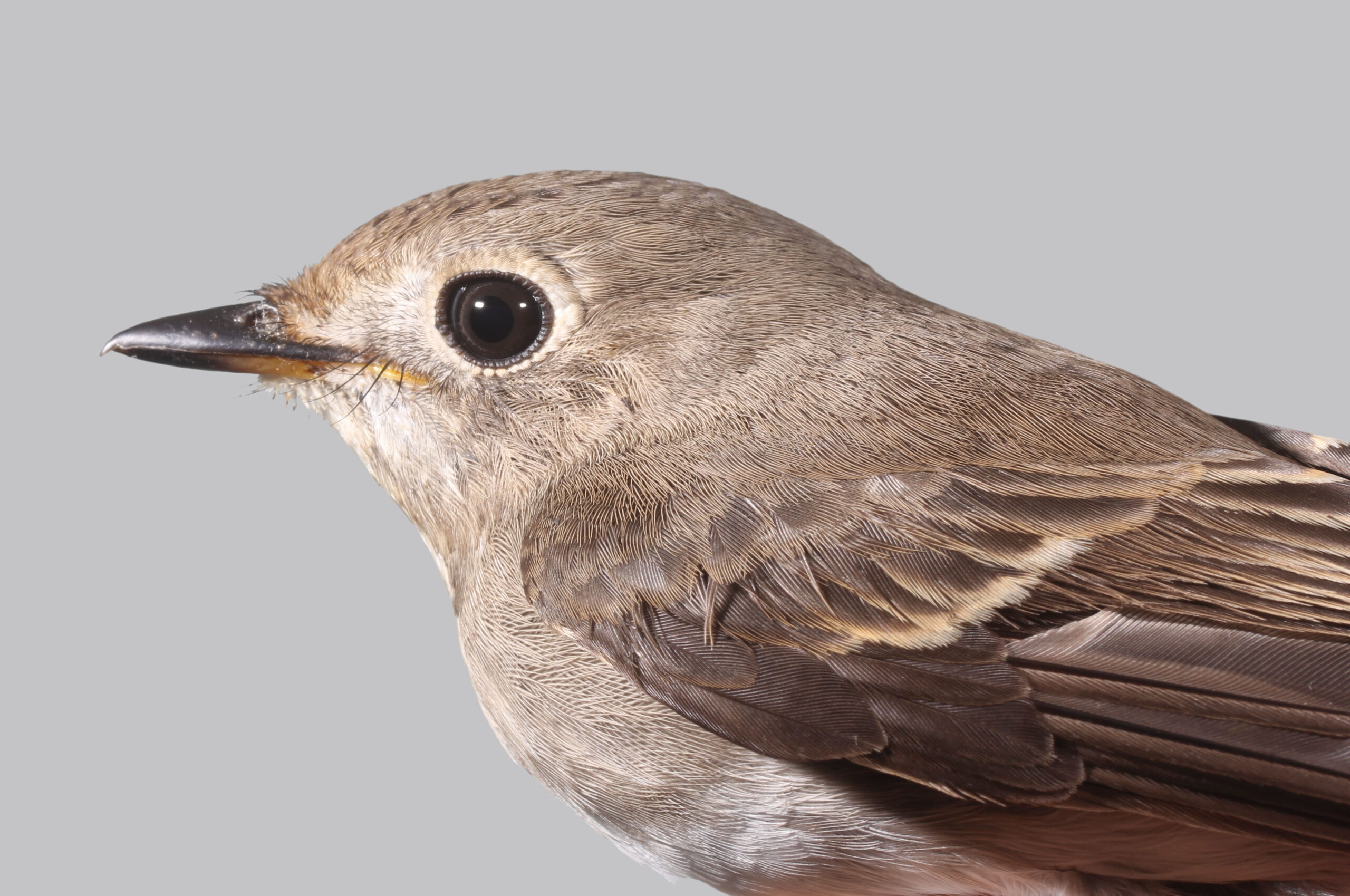
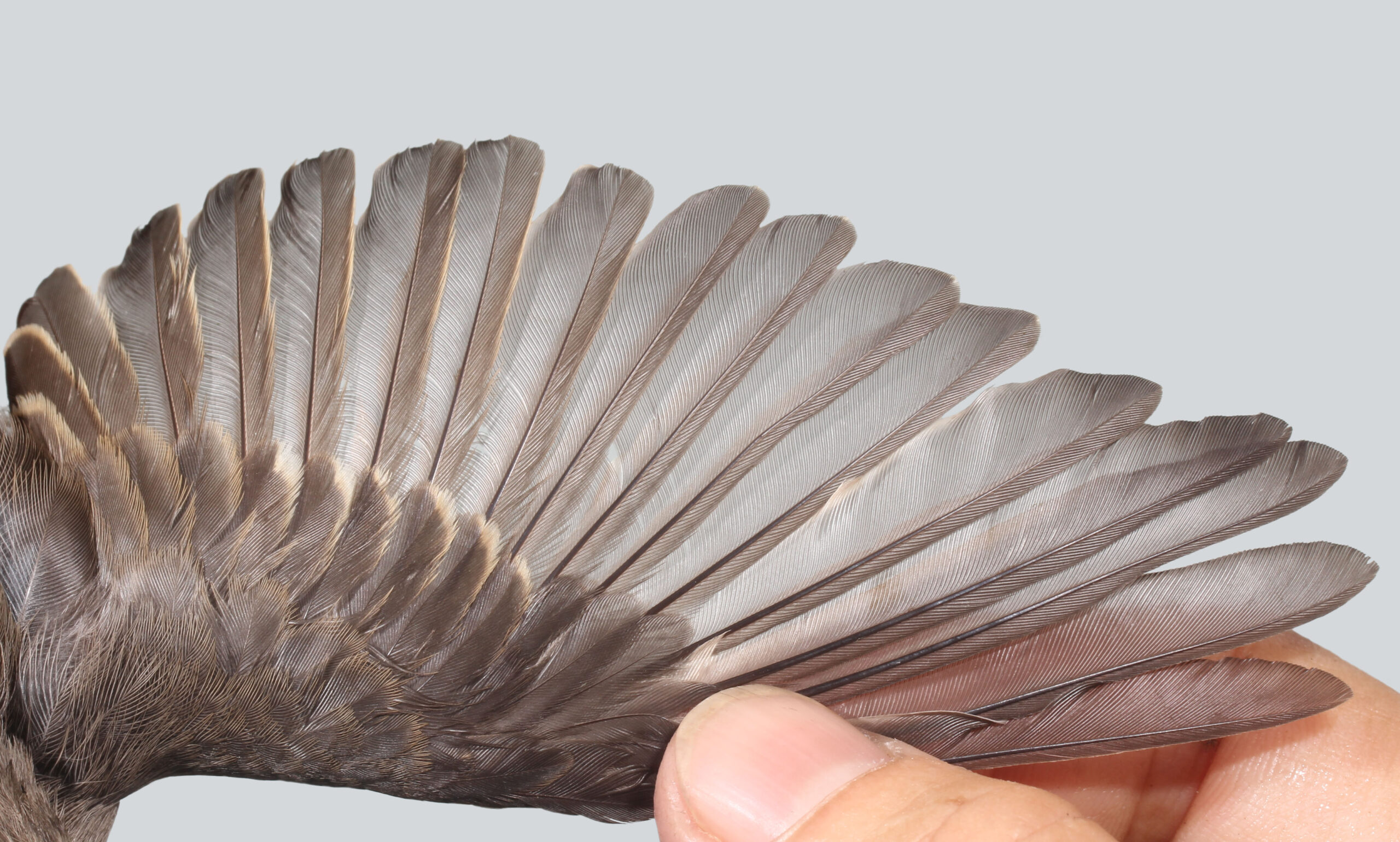
As the day drew on with our regular recaptures of Huet’s Fulvettas and Rufous-capped Babblers, our next migrant turned out to be a beautiful Asian Brown Flycatcher! These guys follow the moult strategy of Adults SC moult, juveniles sp. This makes them easy to age in Autumn with juveniles that have moult limit in the GCs (usually in the inner GCs). Note that most flycatcher species have a wp moult for both adults and juveniles, so in Spring both adults and juveniles present moult limits, making them a little trickier to age.
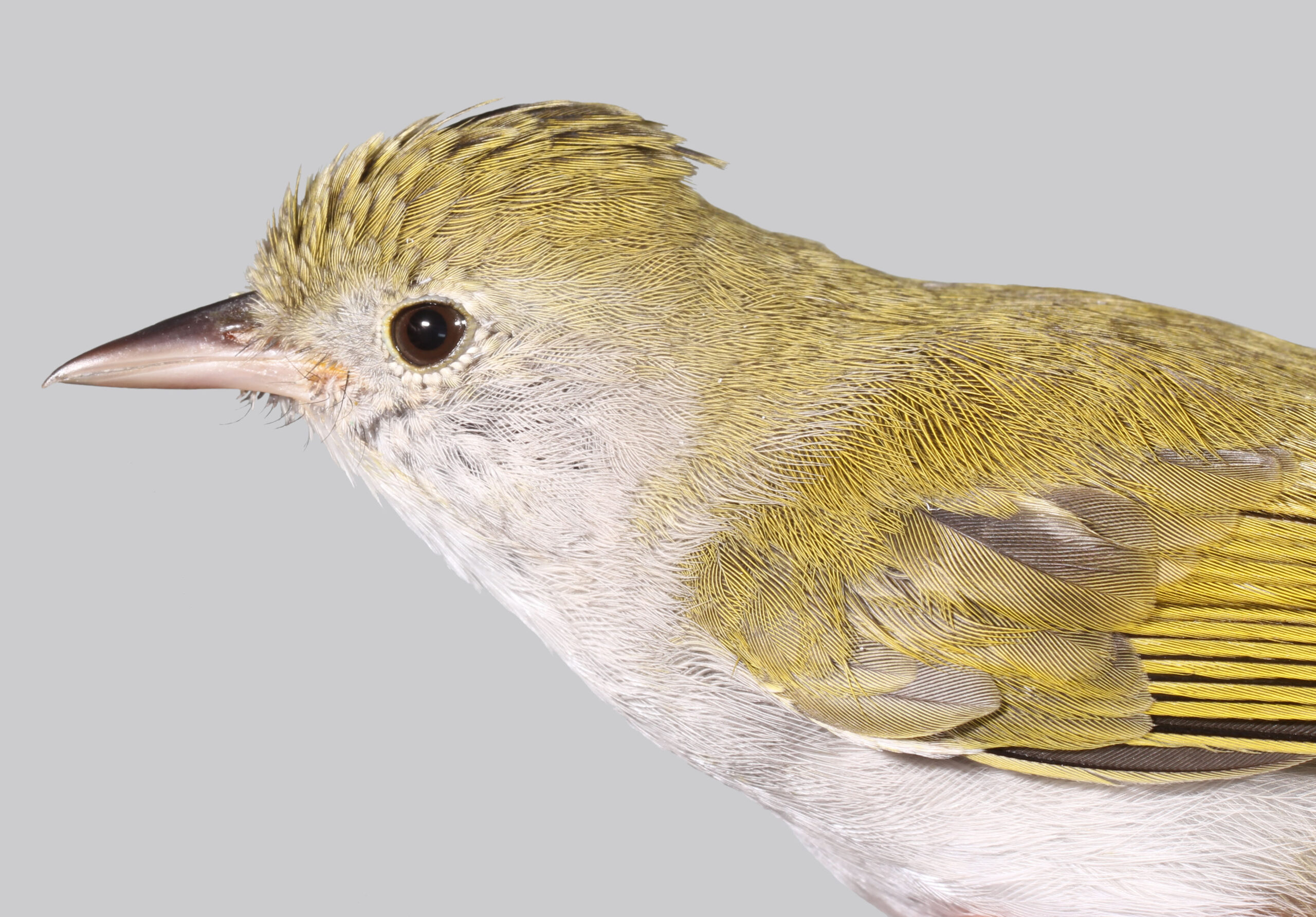
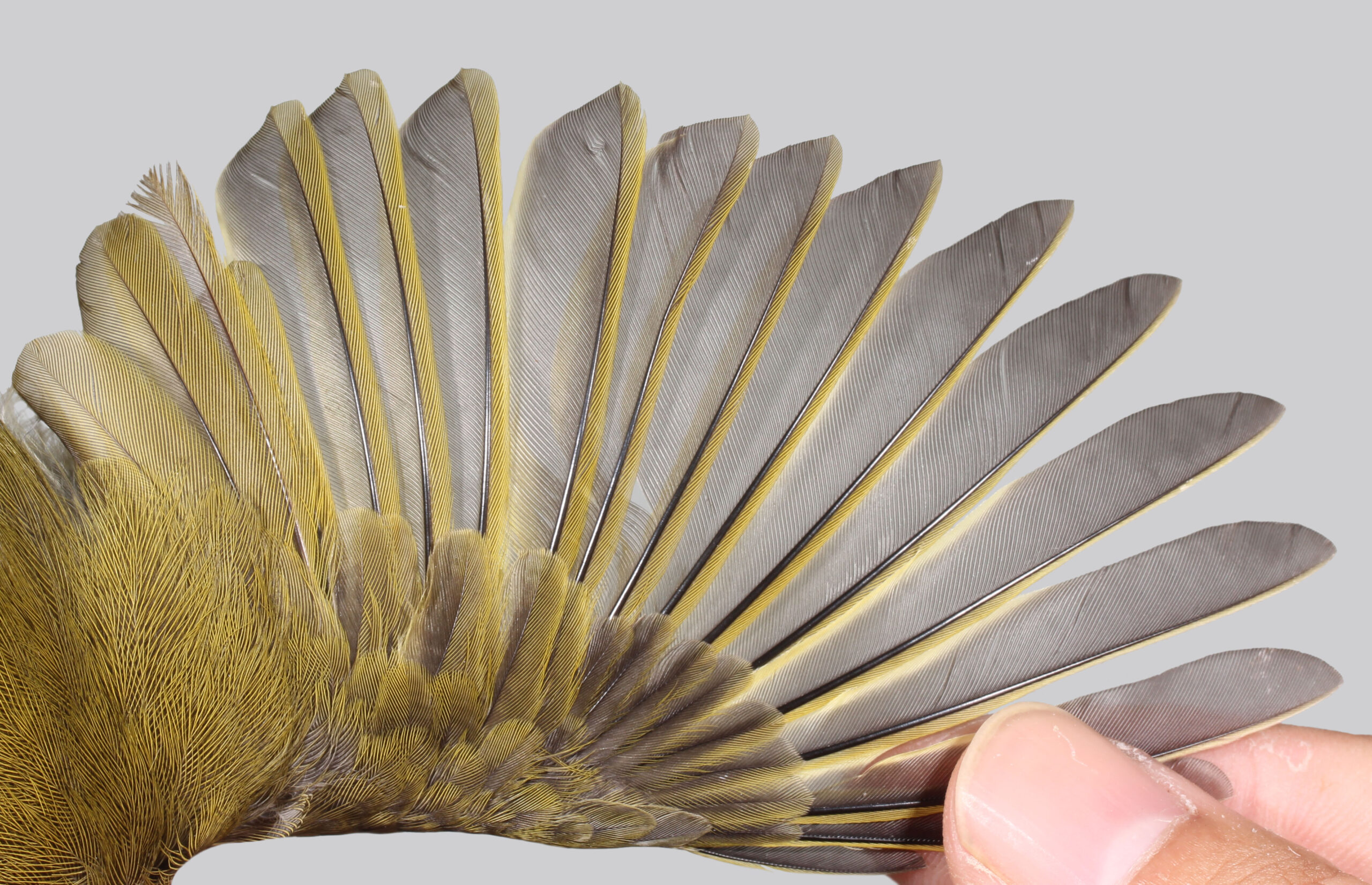
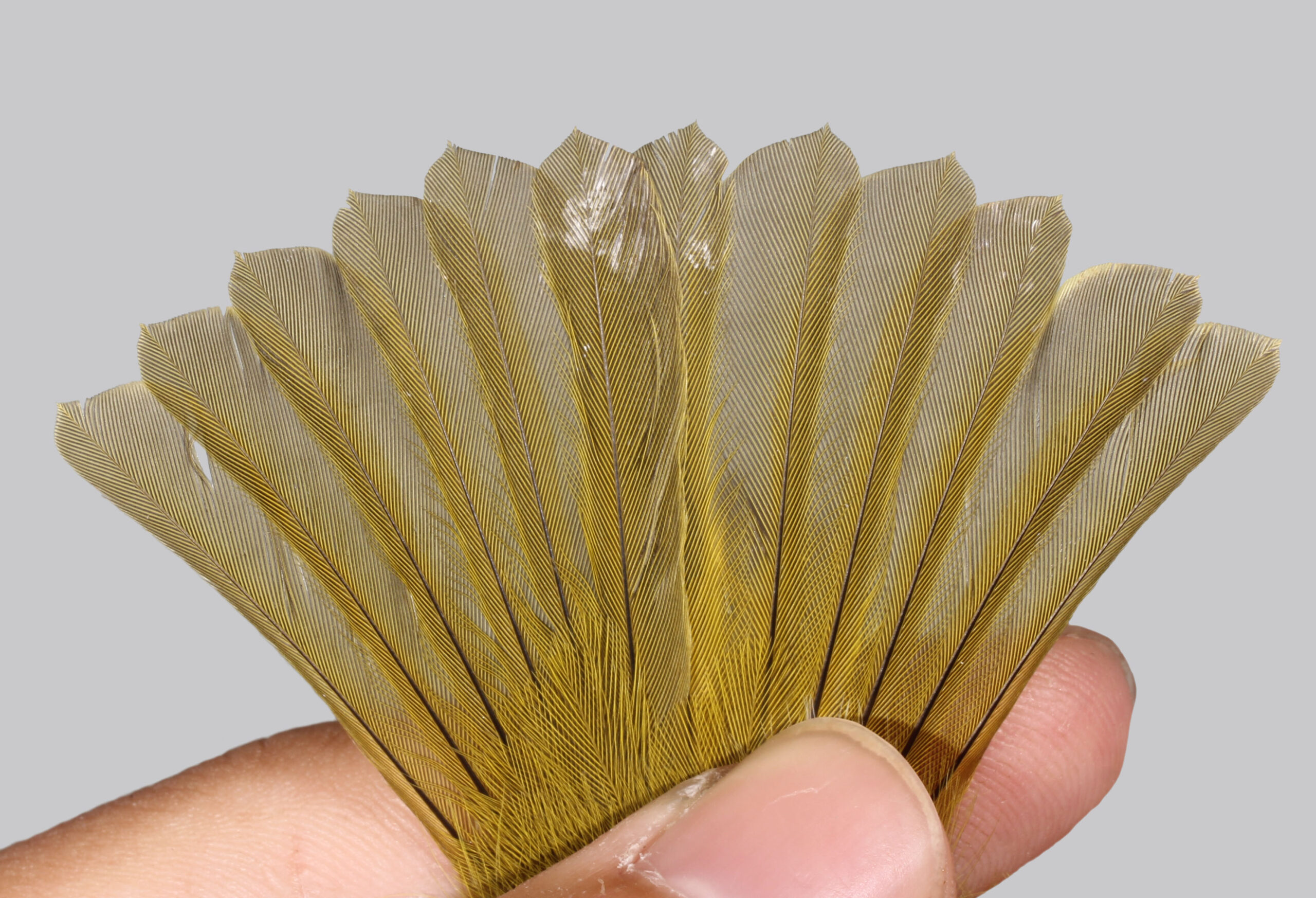
Finally, our last little surprise of the day was a White-bellied Erpornis! As has been previously mentioned, there is little available information on the ageing of this species. Our individual showed a completed skull development. Though we could interpret this as an adult, this “late” in the year, it is possible for this to be a juvenile that has an already fully developed skull. Therefore, we need to look for other features for ageing, such as any retained feathers, or at the iris colour.
This individual seems to have almost completed a Summer Complete moult, with just one growing secondary and one old secondary left. Based on just this, and the lack of information available, it seems unsafe to definitively age this bird yet, so we chose to conclude that this is a 1st calendar year or older.
Daily Totals
| Species | Original | Recapture |
| Arctic Warbler | 3 | 0 |
| Asian Brown Flycatcher | 1 | 0 |
| Chestnut Bulbul | 1 | 0 |
| Eastern Crowned Warbler | 2 | 0 |
| Grey-chinned Minivet | 1 | 0 |
| Huet’s Fulvetta | 4 | 6 |
| Mountain Bulbul | 0 | 1 |
| Pale-legged Leaf Warbler | 10 | 0 |
| Red billed Leiothrix | 2 | 4 |
| Rufous-capped Babbler | 4 | 2 |
| Siberian Blue Robin | 2 | 0 |
| White-bellied Erpornis | 1 | 0 |
*Please note that all wild birds, their nests, and eggs are highly protected (under Wild Animals Protection Ordinate, Cap. 170) in Hong Kong. It is an offence to willfully disturb, take, remove, or injure wild birds or their nests/eggs. The actions described here were undertaken by trained professionals holding the necessary licenses and permits issued by the AFCD.*