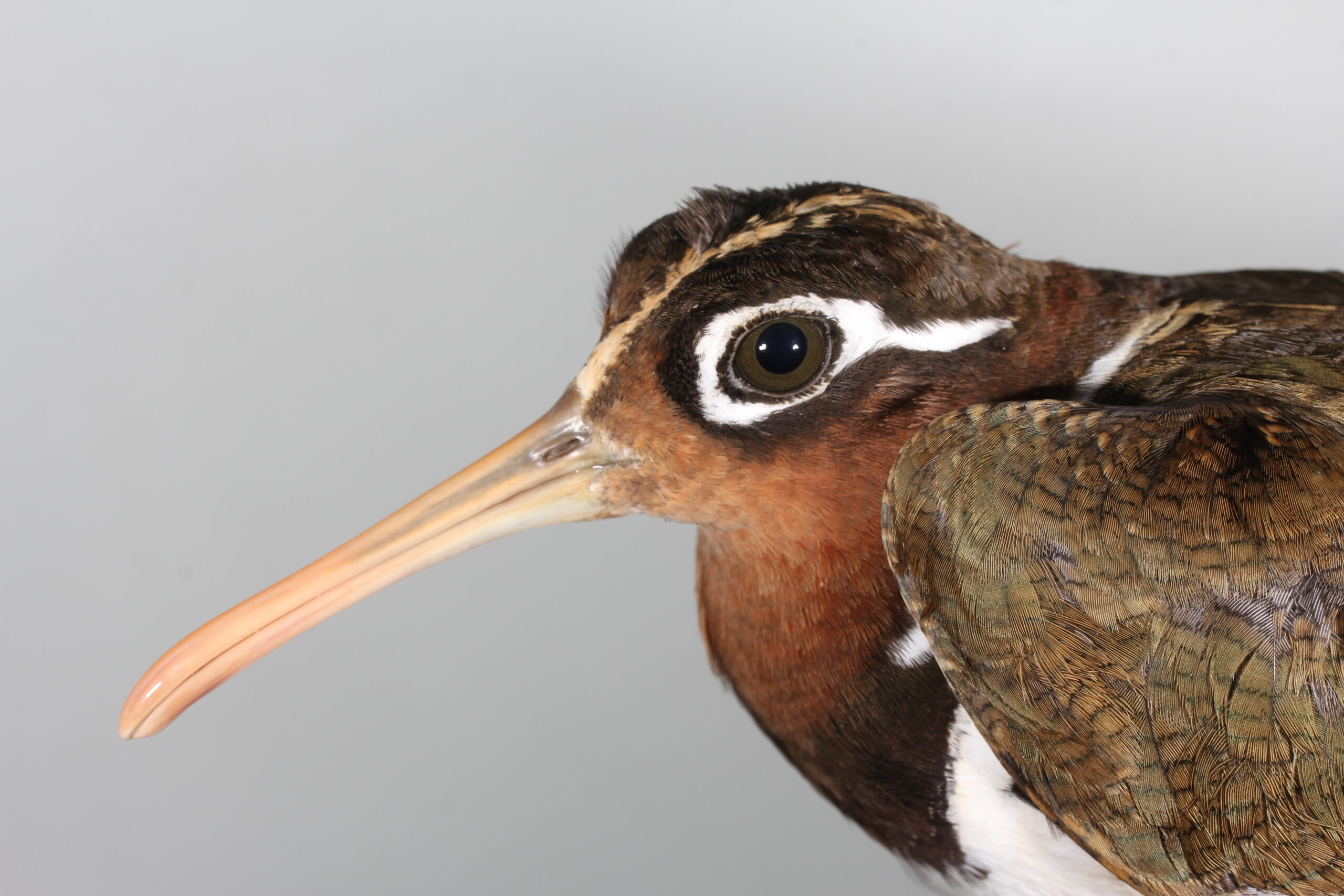



Another nice autumn day among the paddyfields, but already it seems the Buntings are moving off to the south for winter, and our numbers caught are slowly decreasing.
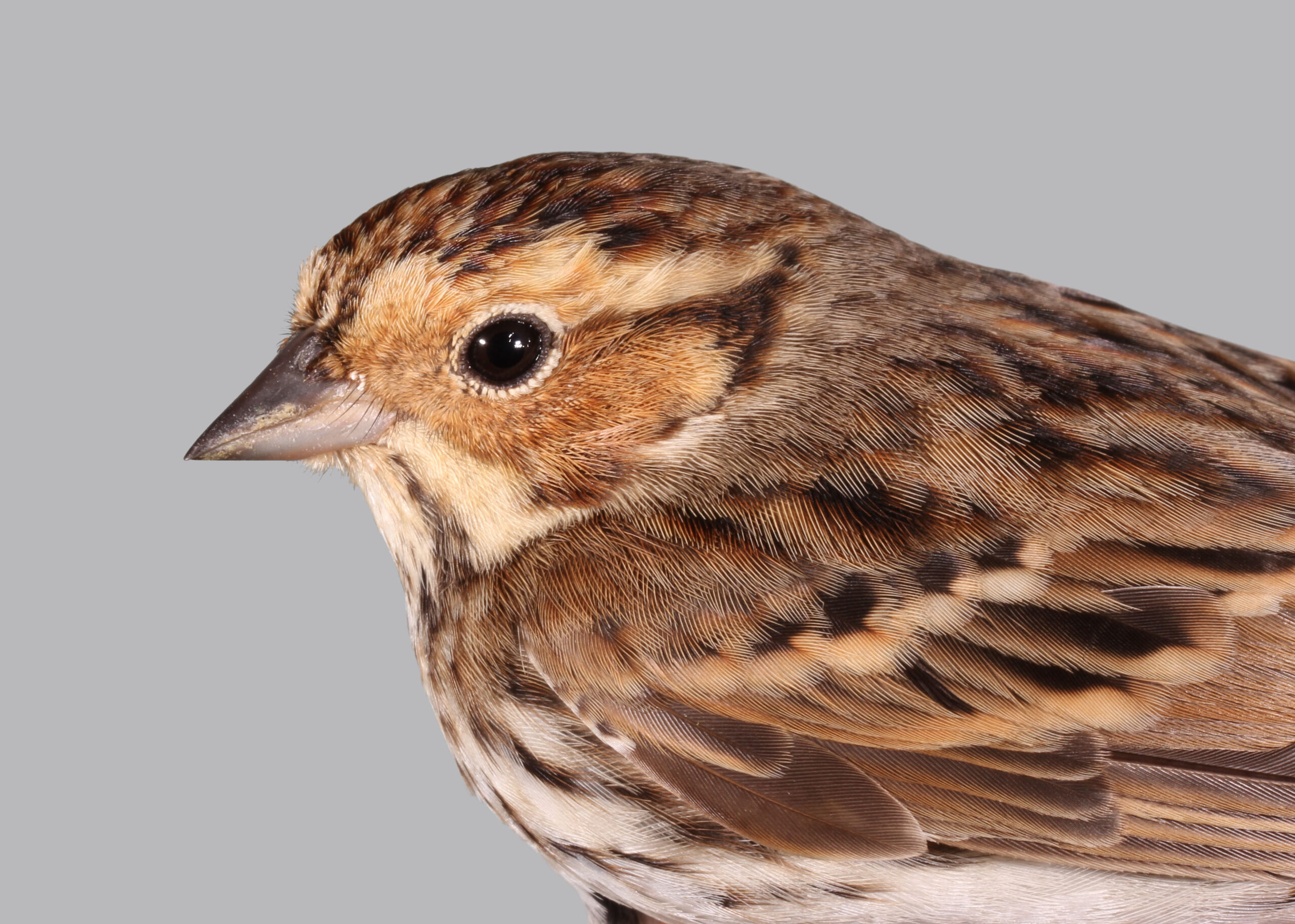
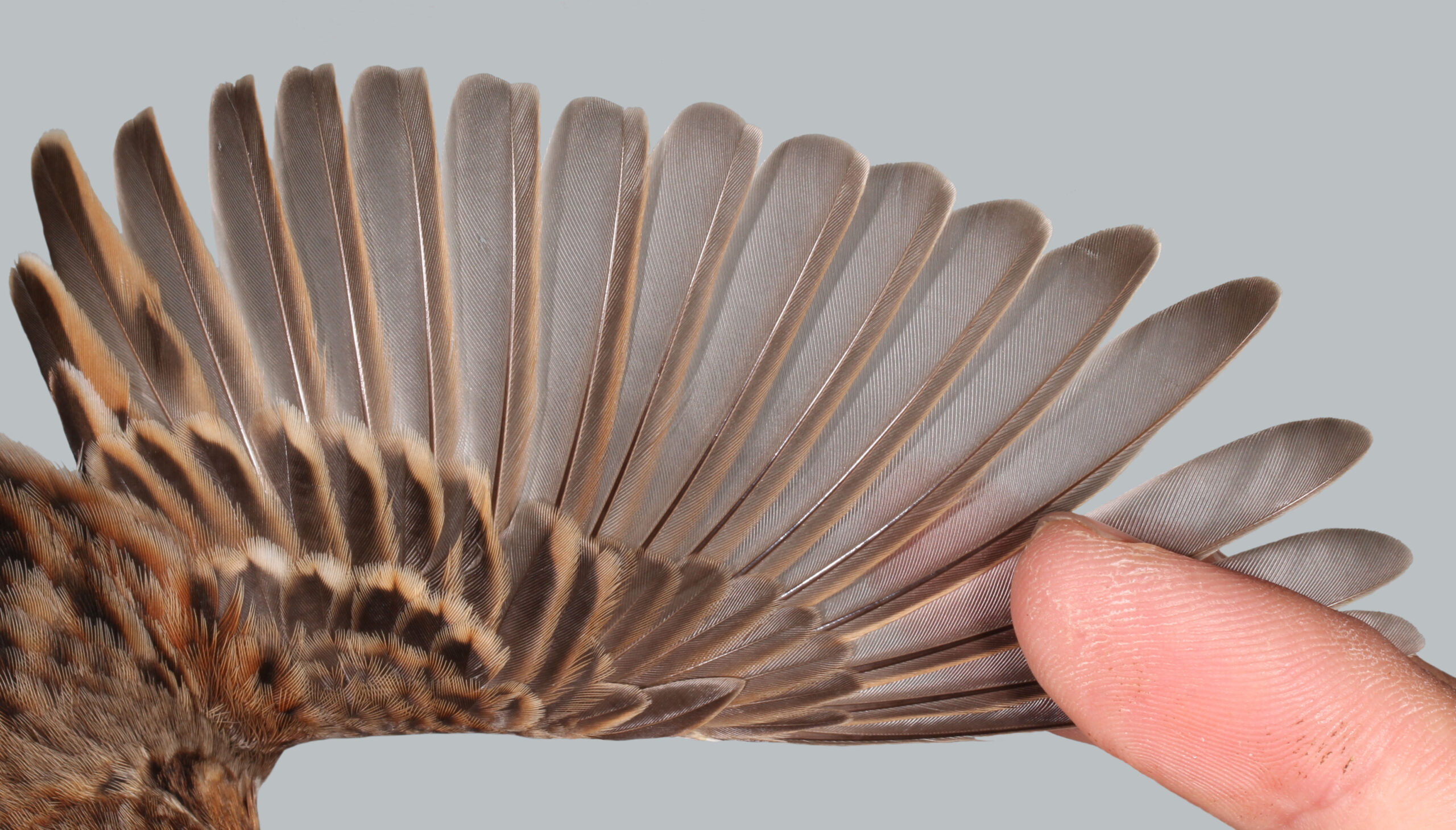
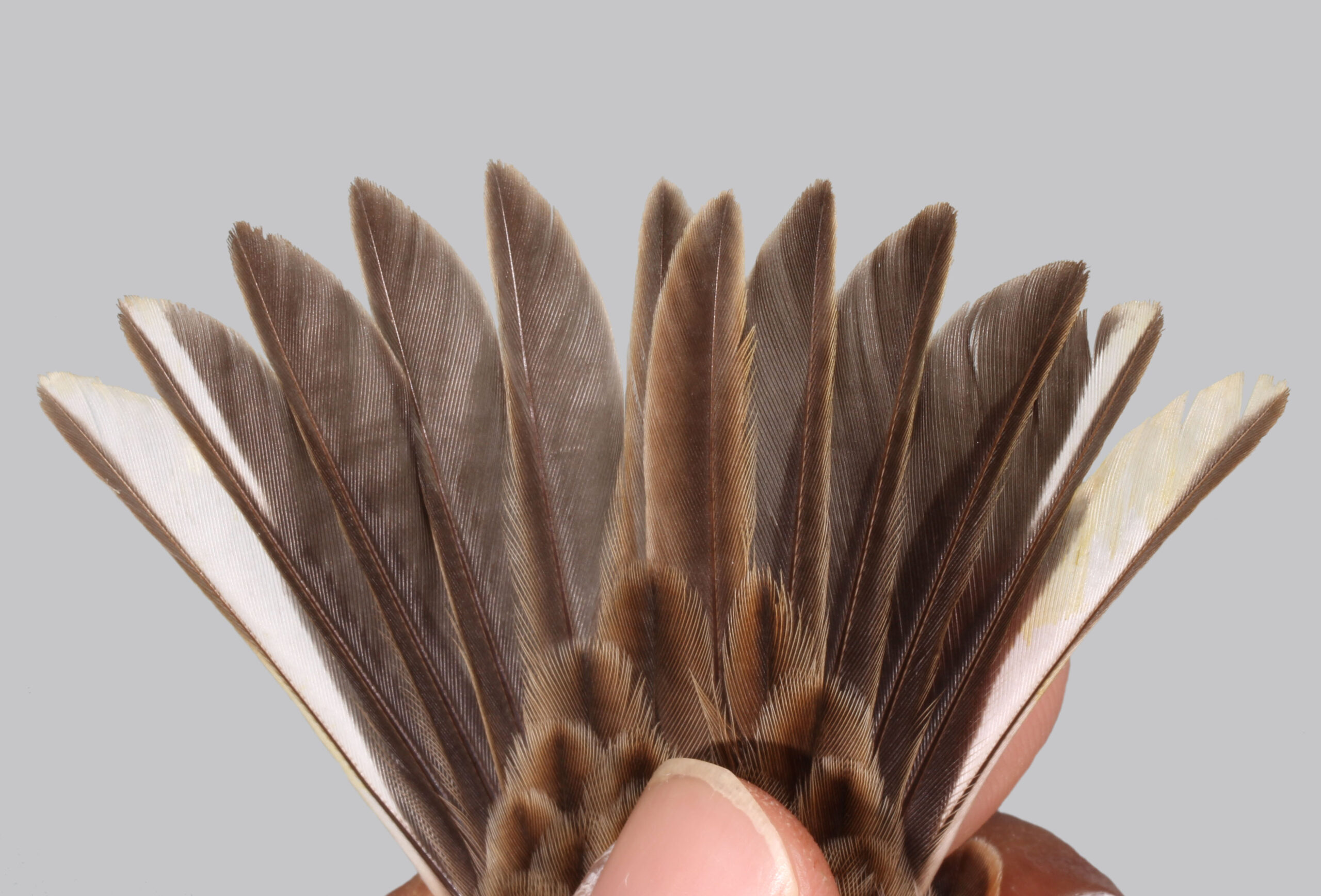
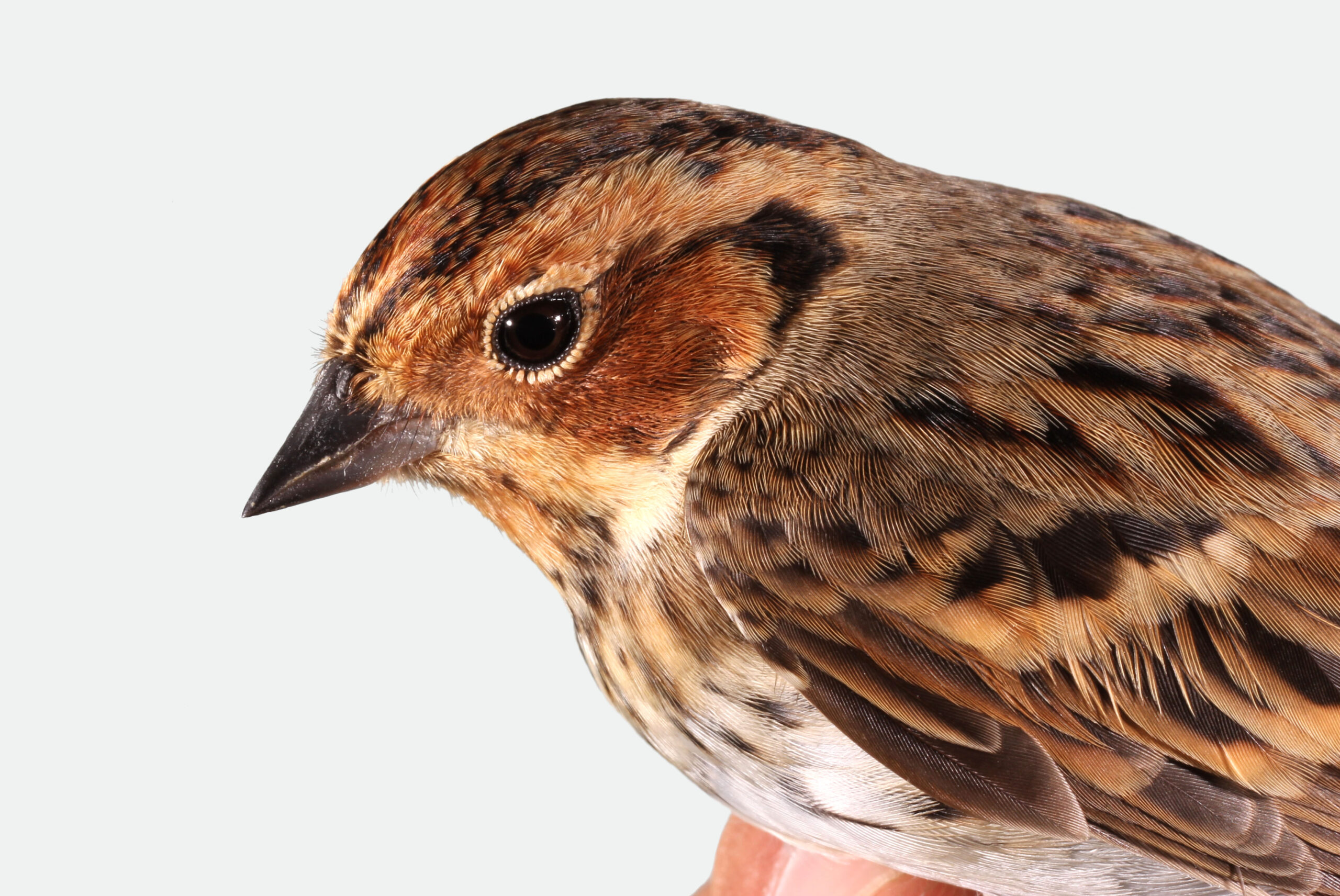
However, some of our Little Buntings are here to stay for the winter, as is potentially the case with this young female Little Bunting! Sexing of Little Buntings is a heavily debate topic, but in general there are some individuals that show the range between males and females. The individual above shows a typically female pattern. This includes a lack of contrast in the facial patterning, due to the weaker chestnut colouration to the cheeks and black in the lores and ear coverts. Furthermore, the patterning and amount of black on the crown is generally more extreme in males (as seen in the individual below).
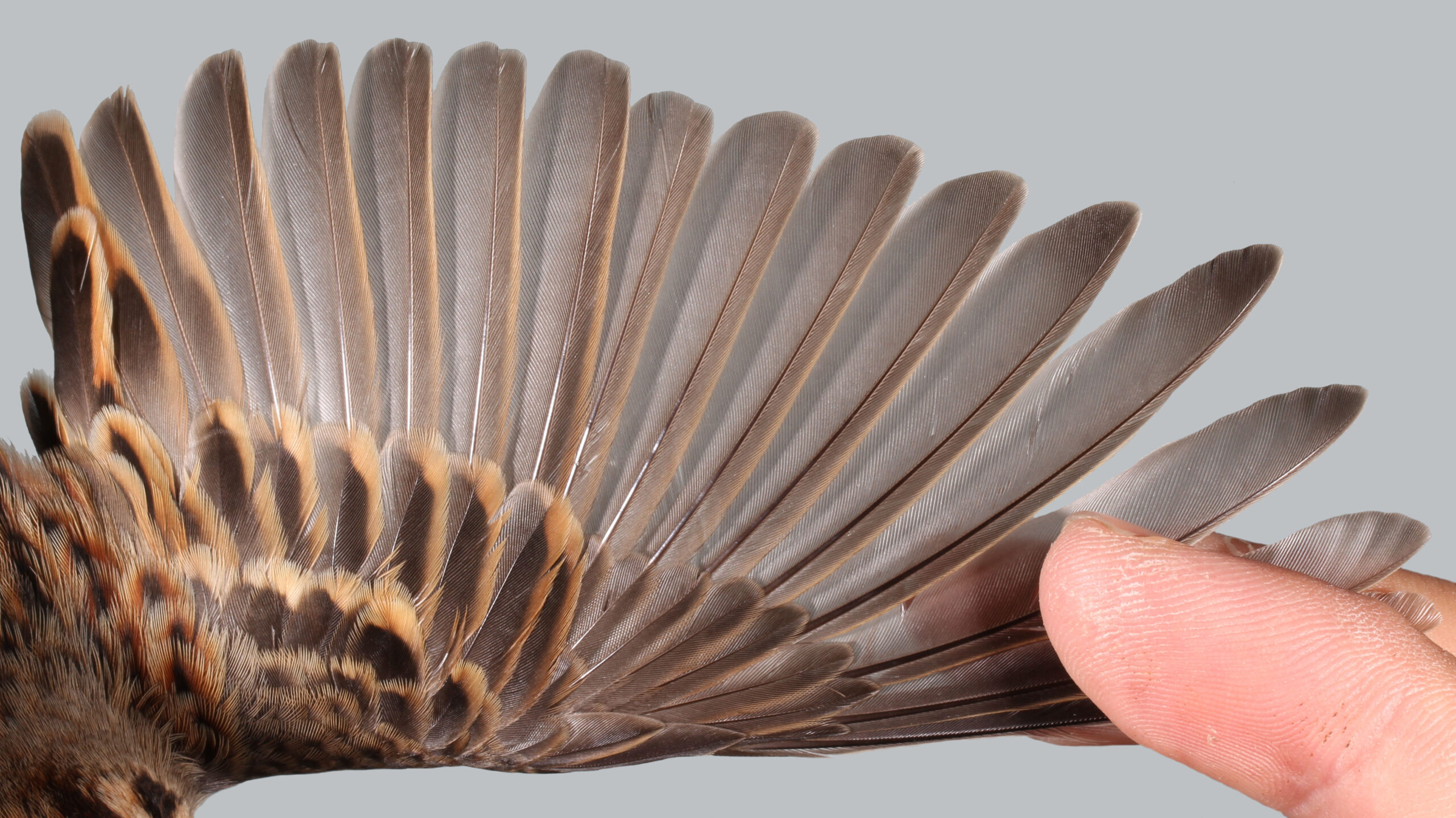
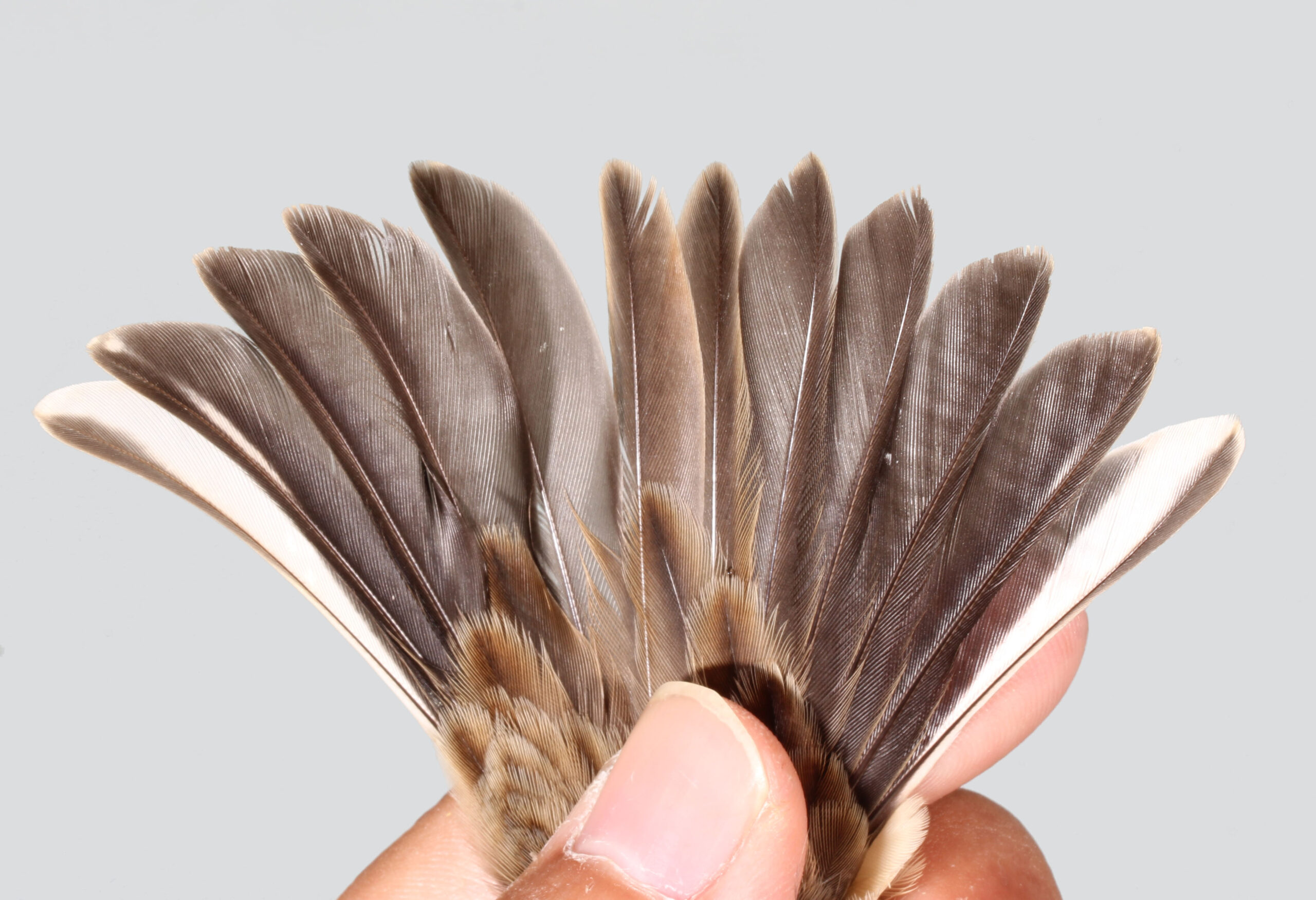
This bird shows a nice, uniform wing with no moult contrasts, and a slightly worn, but still broad and round tail. Note the contrasting facial pattern and black in the crown, and dark chestnut tones to the cheek, supporting the conclusion that this is a male.
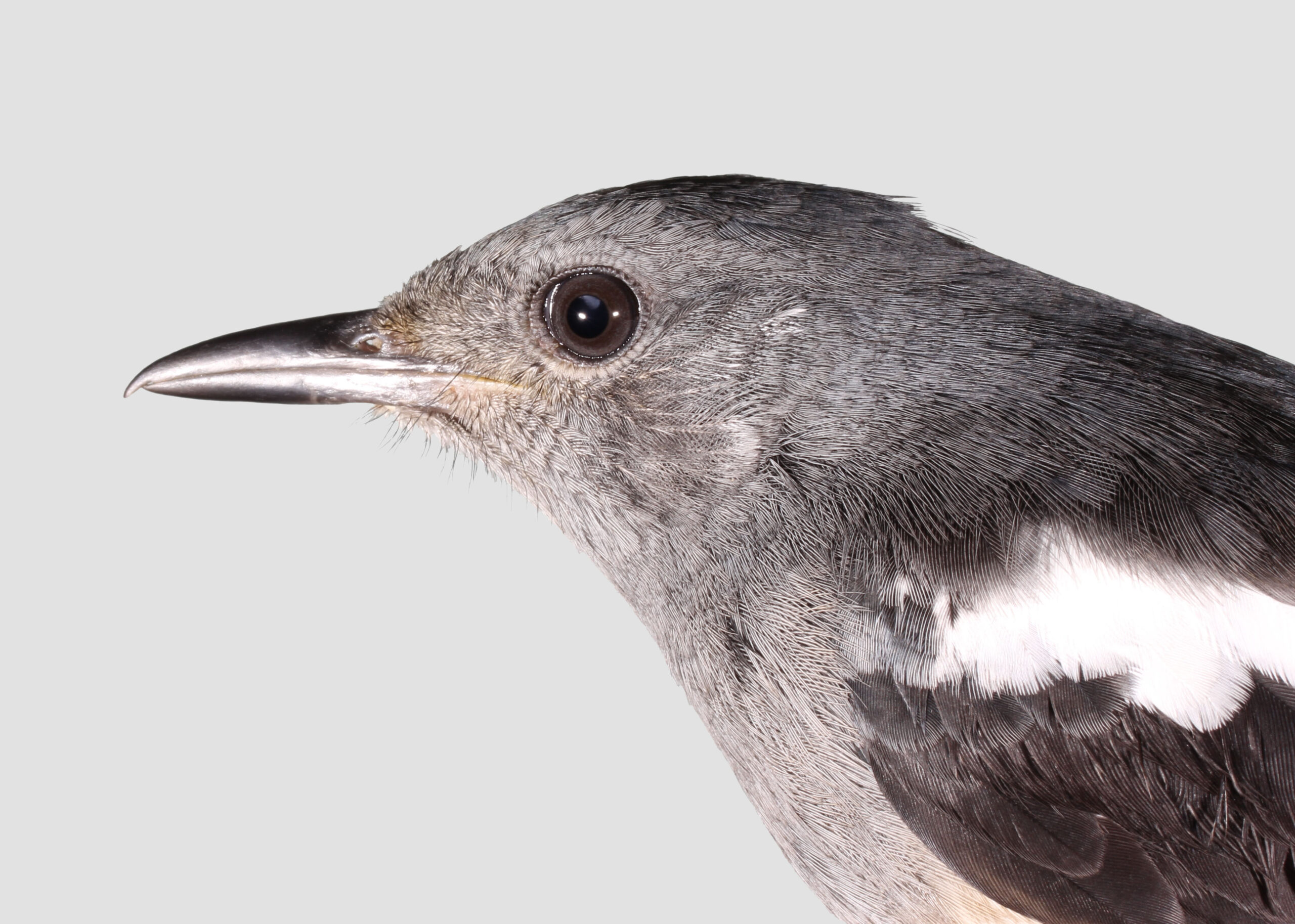
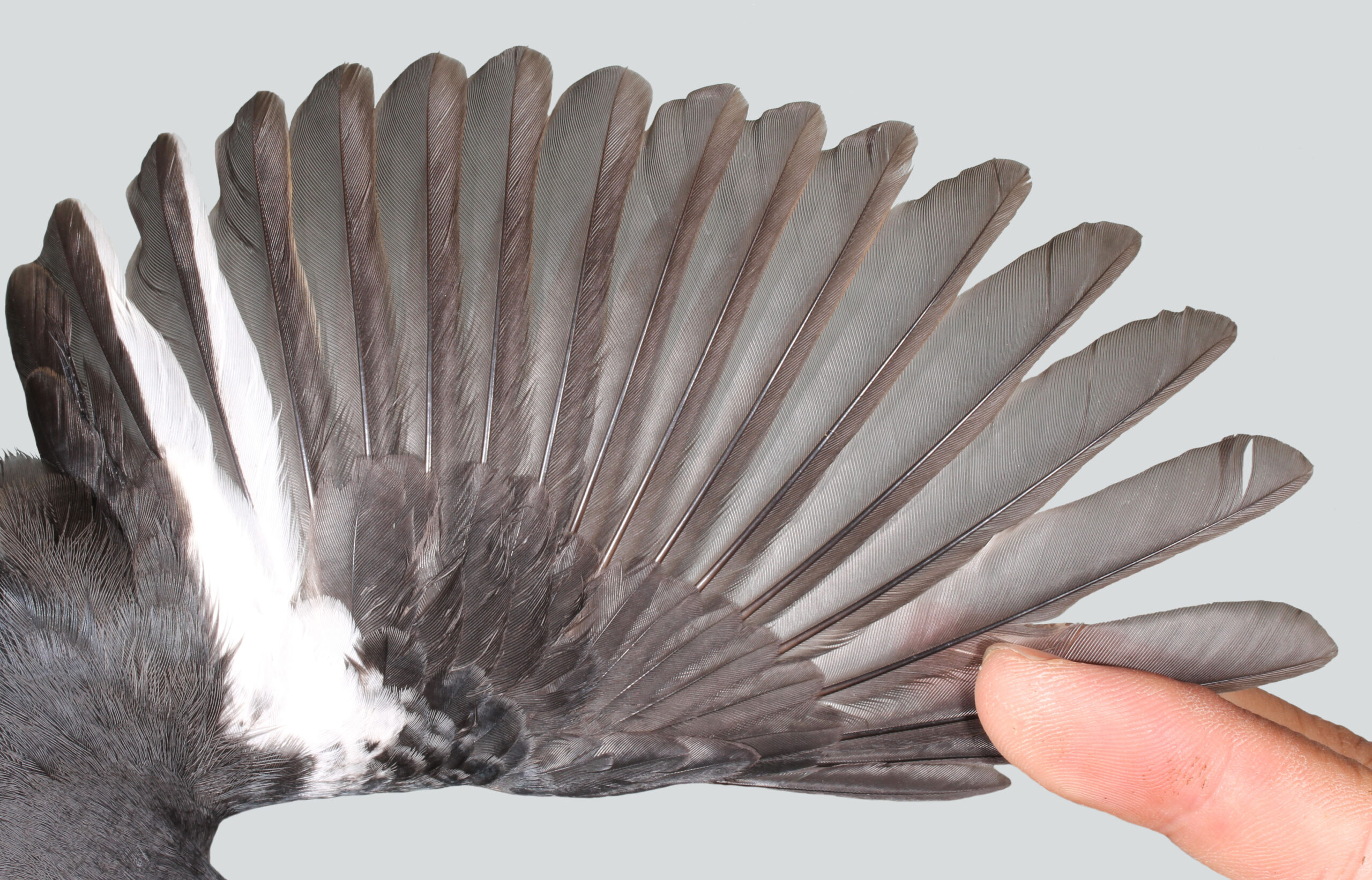
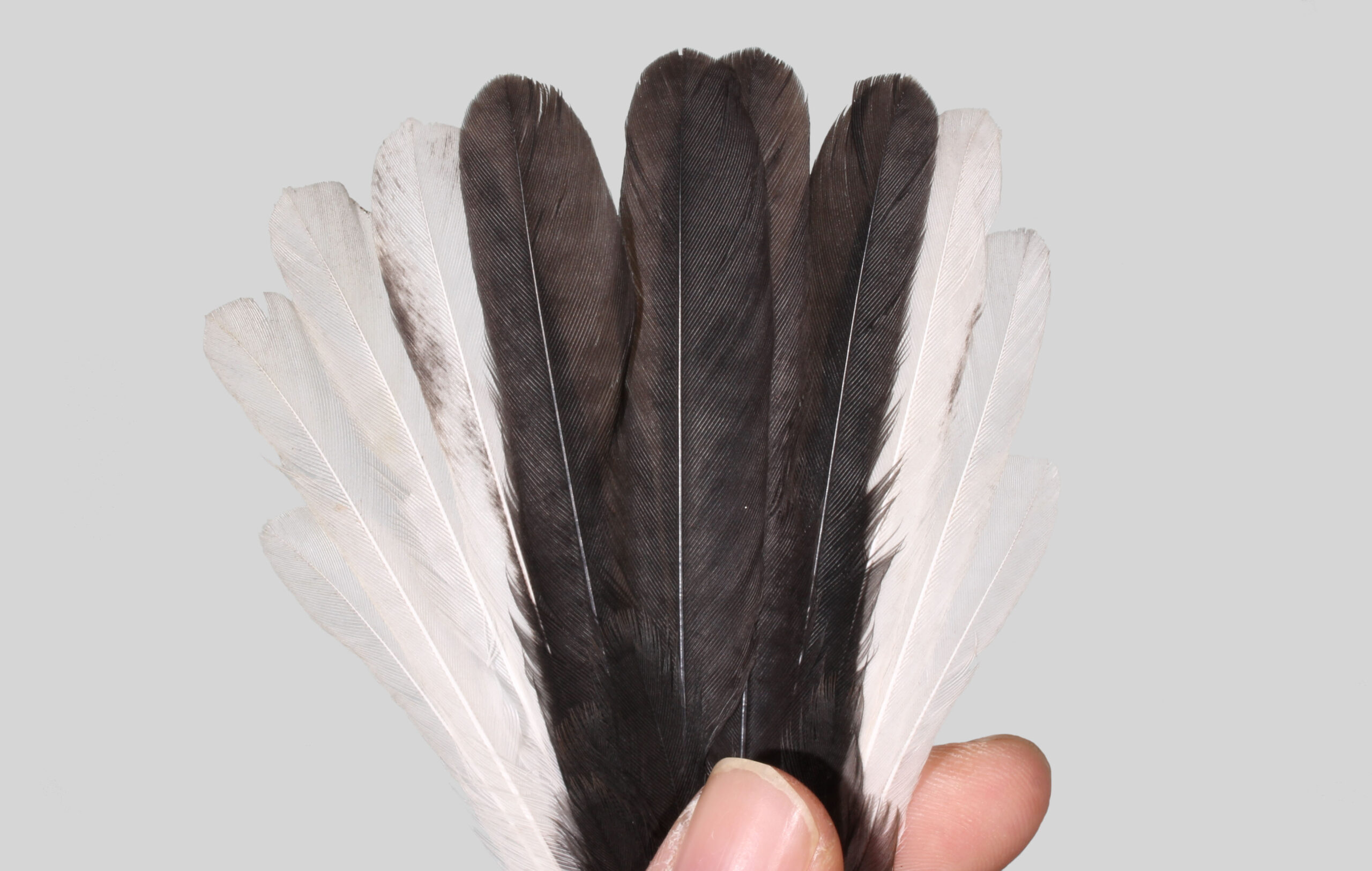
Next up was a beautiful Oriental Magpie Robin! These are some of our most characterful residents, always found around parks and gardens. However, as with most of our residents, we can only speculate about their moult patterns. Therefore, we aged this bird as a 1st calendar year or older. What we can say about this individual is that, due to the lack of dark and metallic black/blue found in the males, this is a female!
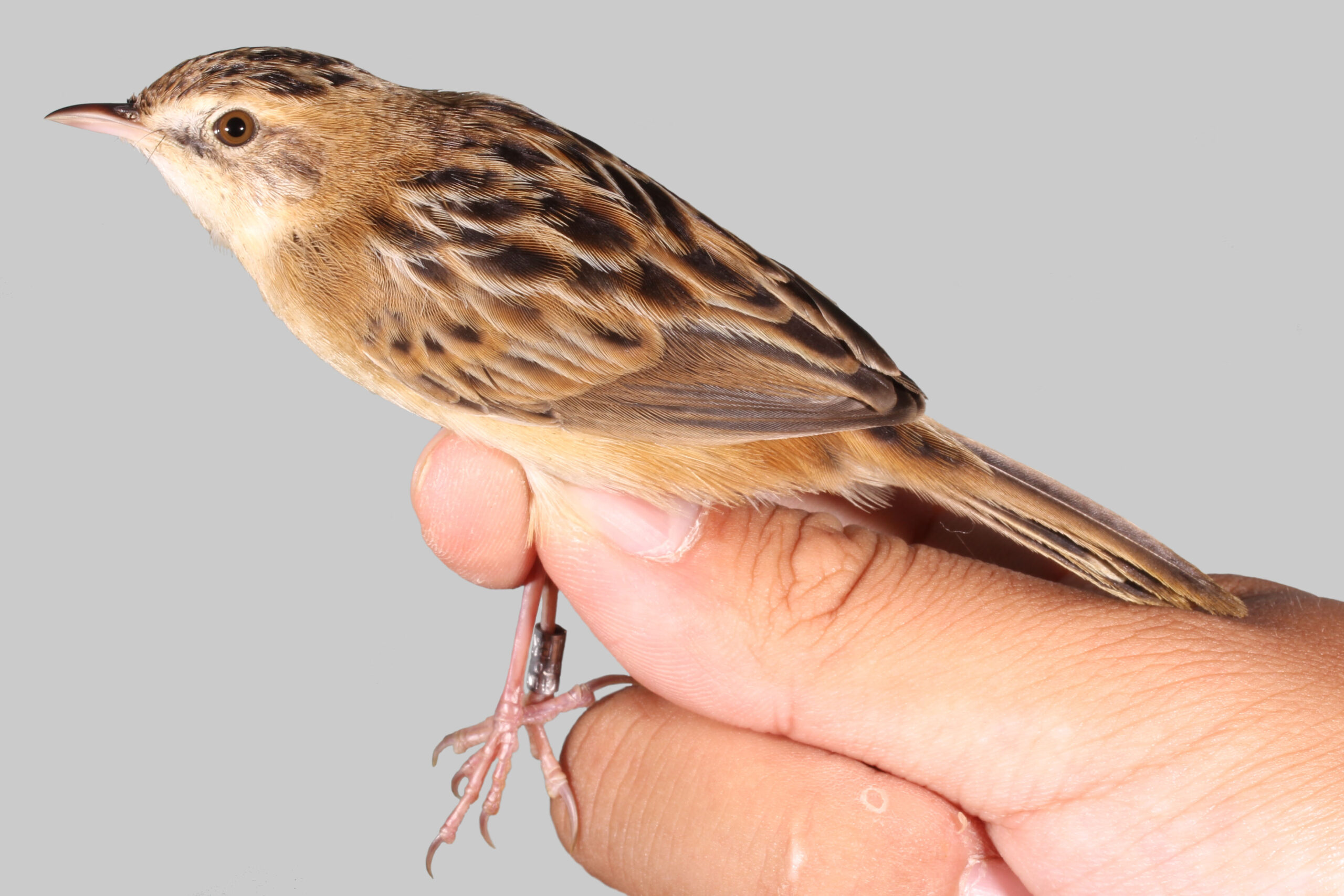
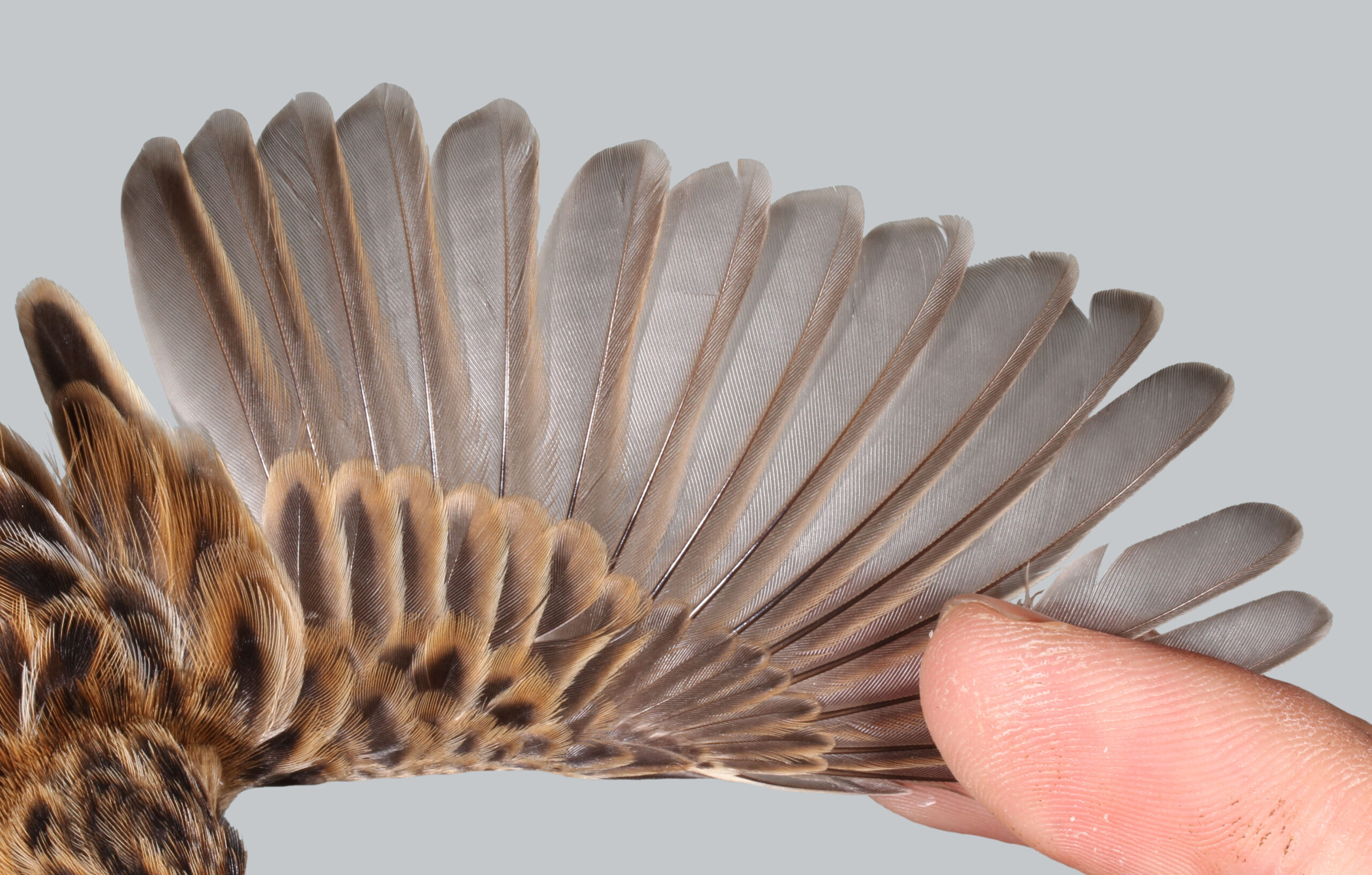
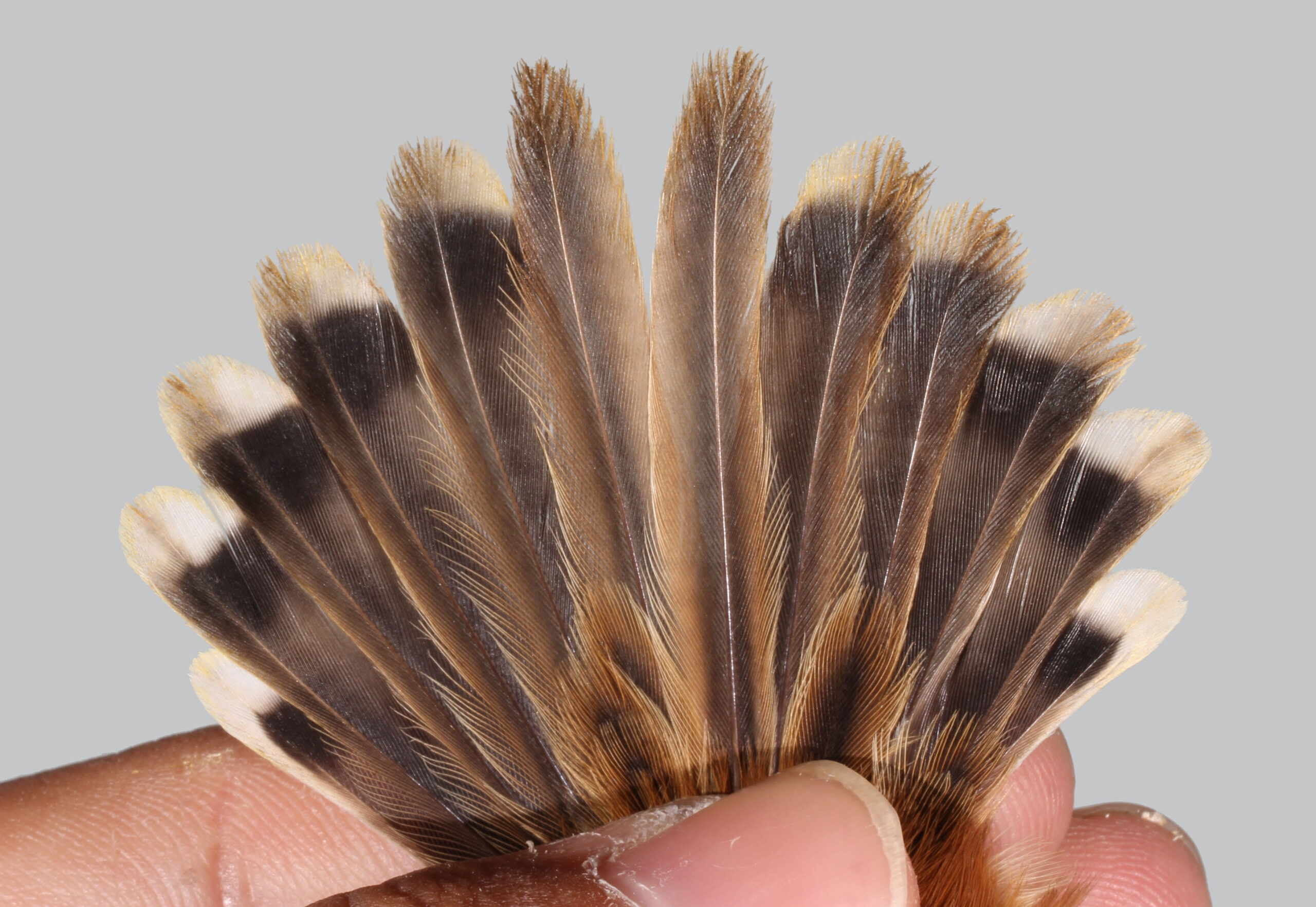
Finally, we ended up with two of our cutest visitors- Zitting Cisticolas! Again, ageing is not fully understood, but it is thought that there are some characteristics, such as the presence of dark spots on juvenile’s tongues- that fade as they age- and skull development that help aid us. Through these characteristics, we could determine that the bird above is a 1st calendar year bird. This bird also had the tell-tale signs of a juvenile tail, with dirty-brown-buffy tips (vs the white tips shown in the individual below).
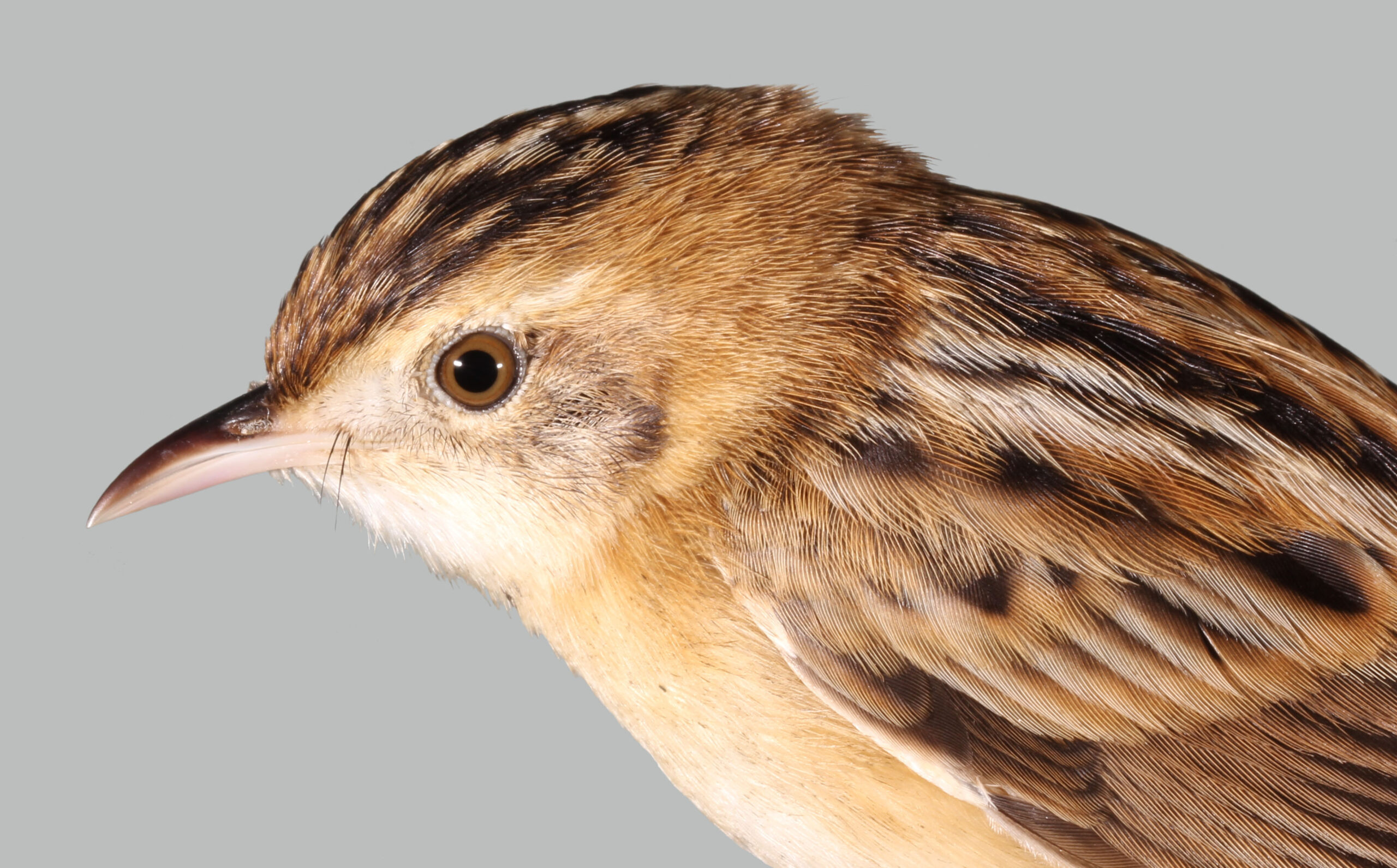
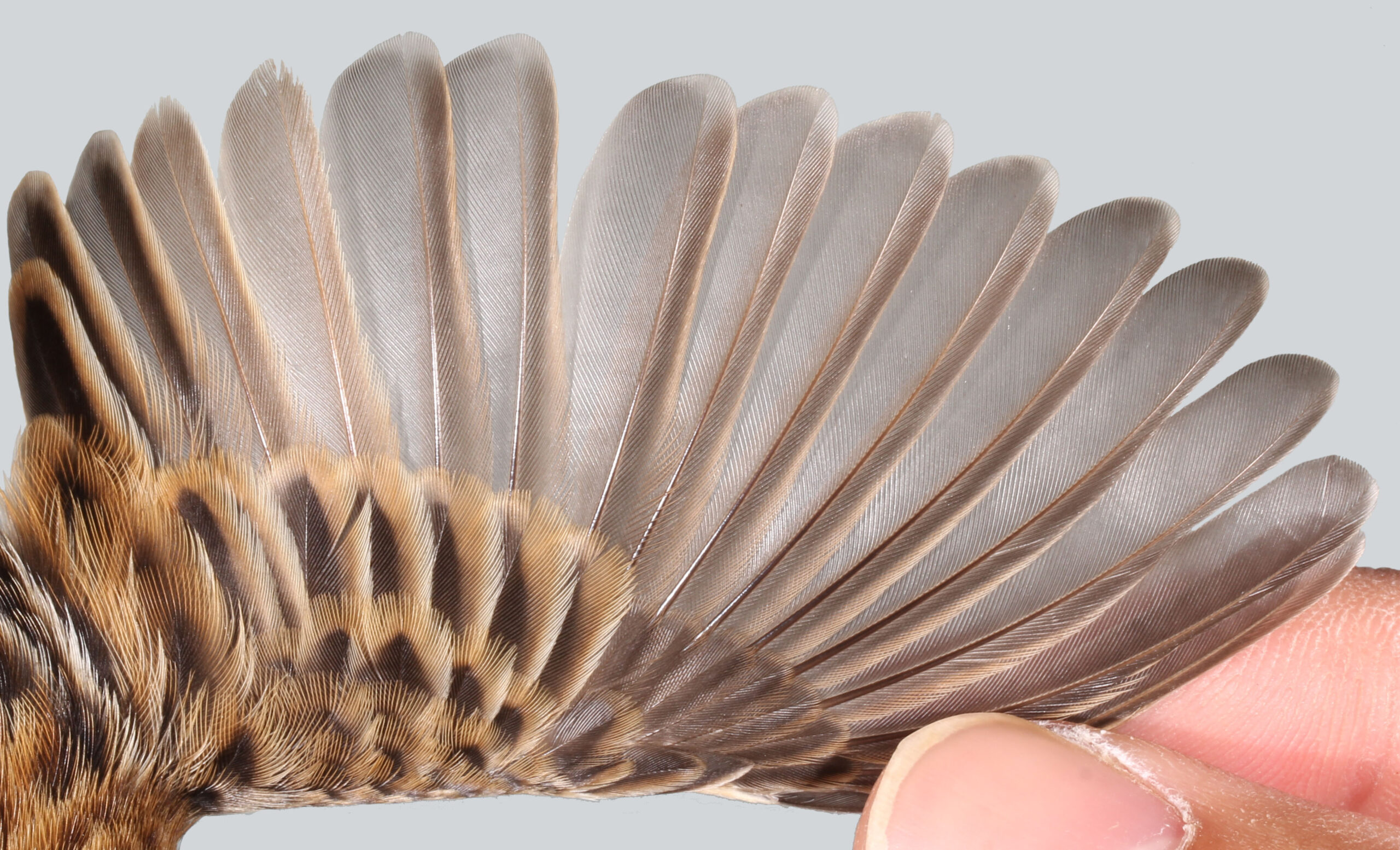
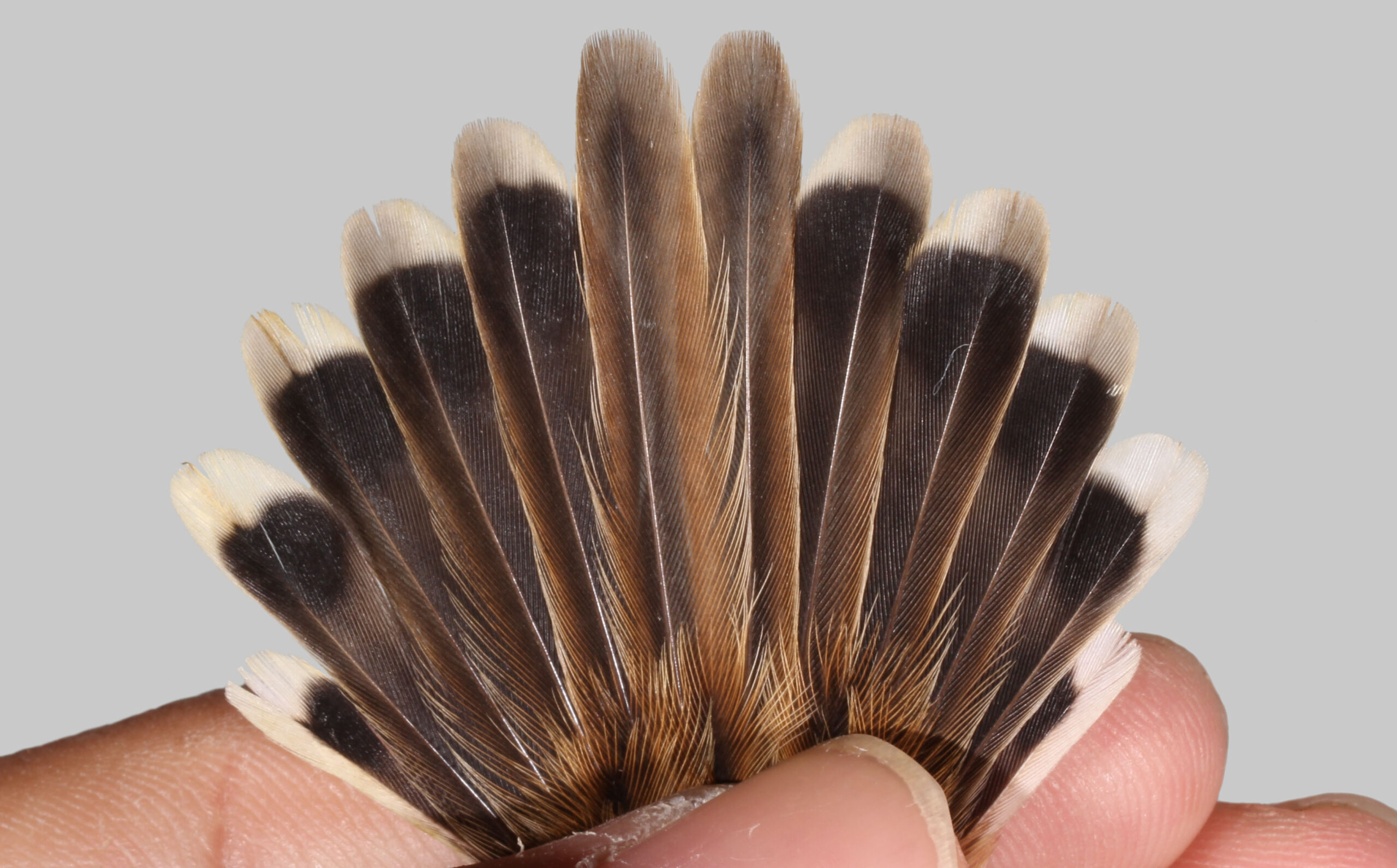
This bird was determined to be an adult, due to the factors listed above, and also the determination that the unmoulted Secondaries seen in the wing were adult-type. If this bird was to be a 1st calendar year bird, these feathers should show a difference in shape and density from the moulted feathers (due to juvenile feathers being of a worse quality than adult-type feathers). Since this is not the case, we can say this is an adult bird. This being said, we hope to learn more about our Cisticolas in future!
Daily Totals
| Species | Original | Recapture |
| Chestnut-eared Bunting | 3 | 0 |
| Dusky Warbler | 0 | 1 |
| Eurasian Tree Sparrow | 4 | 0 |
| Little Bunting | 43 | 9 |
| Oriental Magpie Robin | 1 | 0 |
| Scaly-breasted Munia | 1 | 0 |
| Spotted Dove | 4 | 0 |
| Yellow-bellied Prinia | 0 | 1 |
| Yellow-breasted Bunting | 3 | 0 |
| Zitting Cisticola | 2 | 1 |
*Please note that all wild birds, their nests, and eggs are highly protected (under Wild Animals Protection Ordinate, Cap. 170) in Hong Kong. It is an offence to willfully disturb, take, remove, or injure wild birds or their nests/eggs. The actions described here were undertaken by trained professionals holding the necessary licenses and permits issued by the AFCD.*