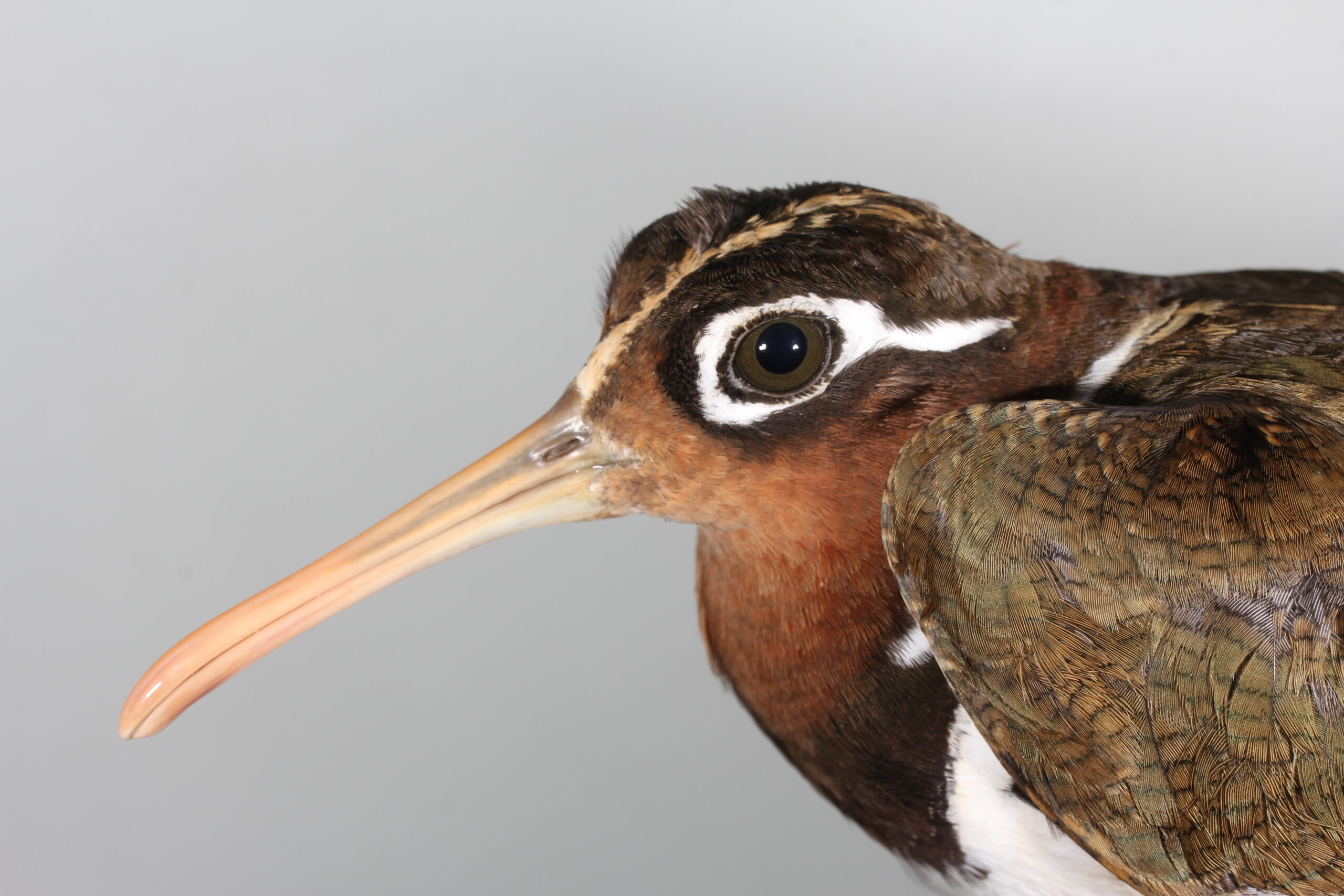



We are back in the Wetlands today! It’s been almost a month since our last ringing, thanks to the unpredictable weather. But finally we are back with some wonderful surprises!
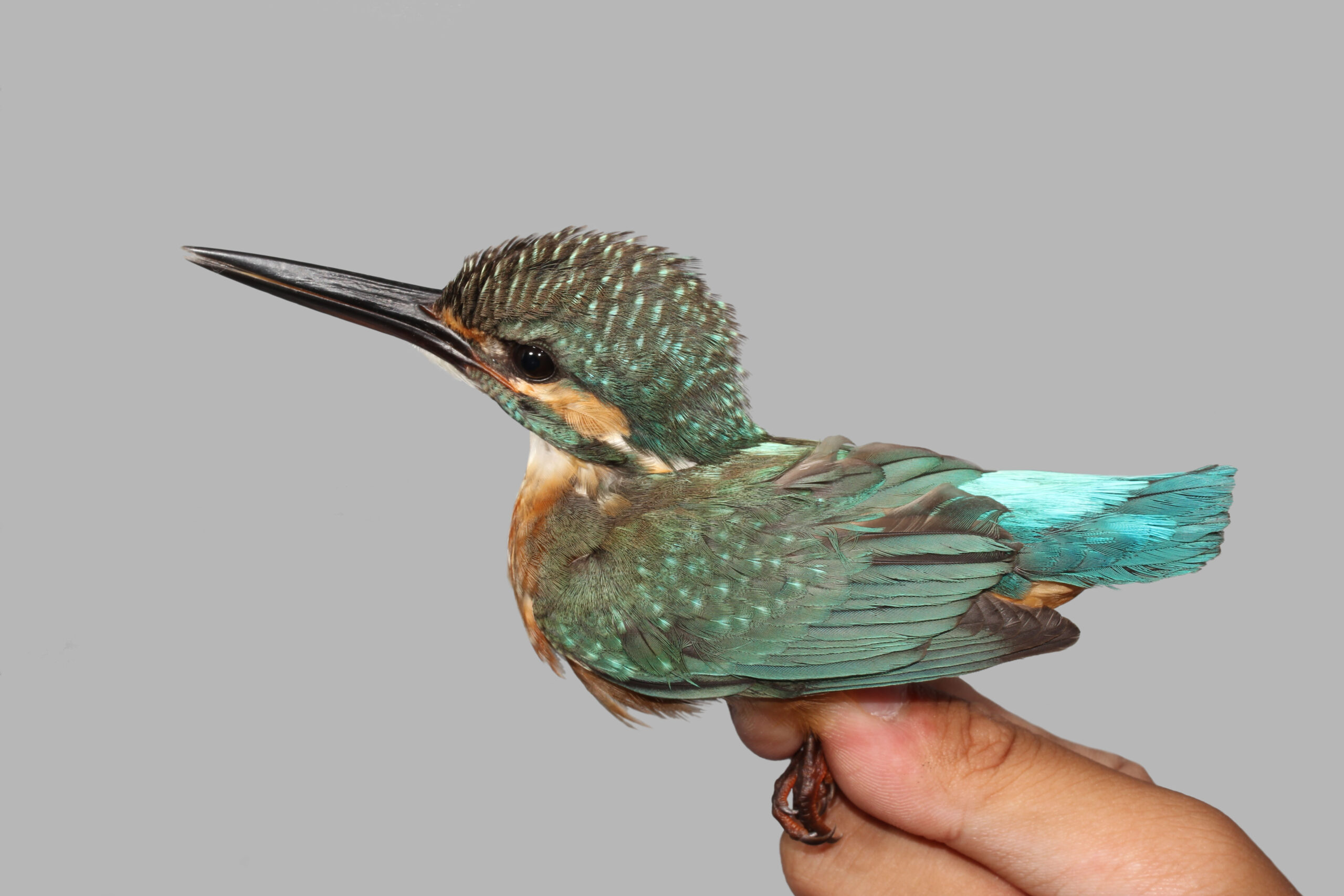
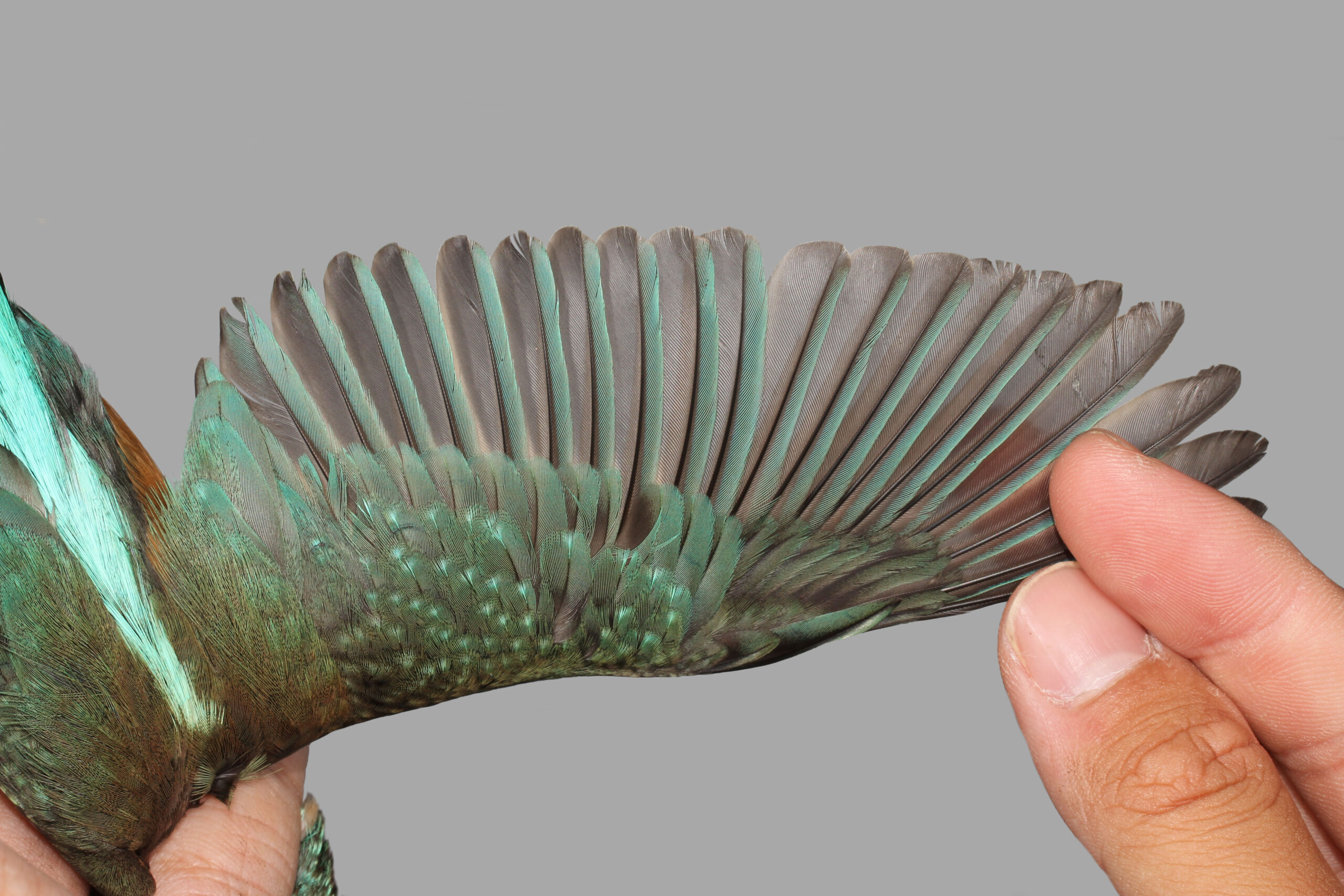
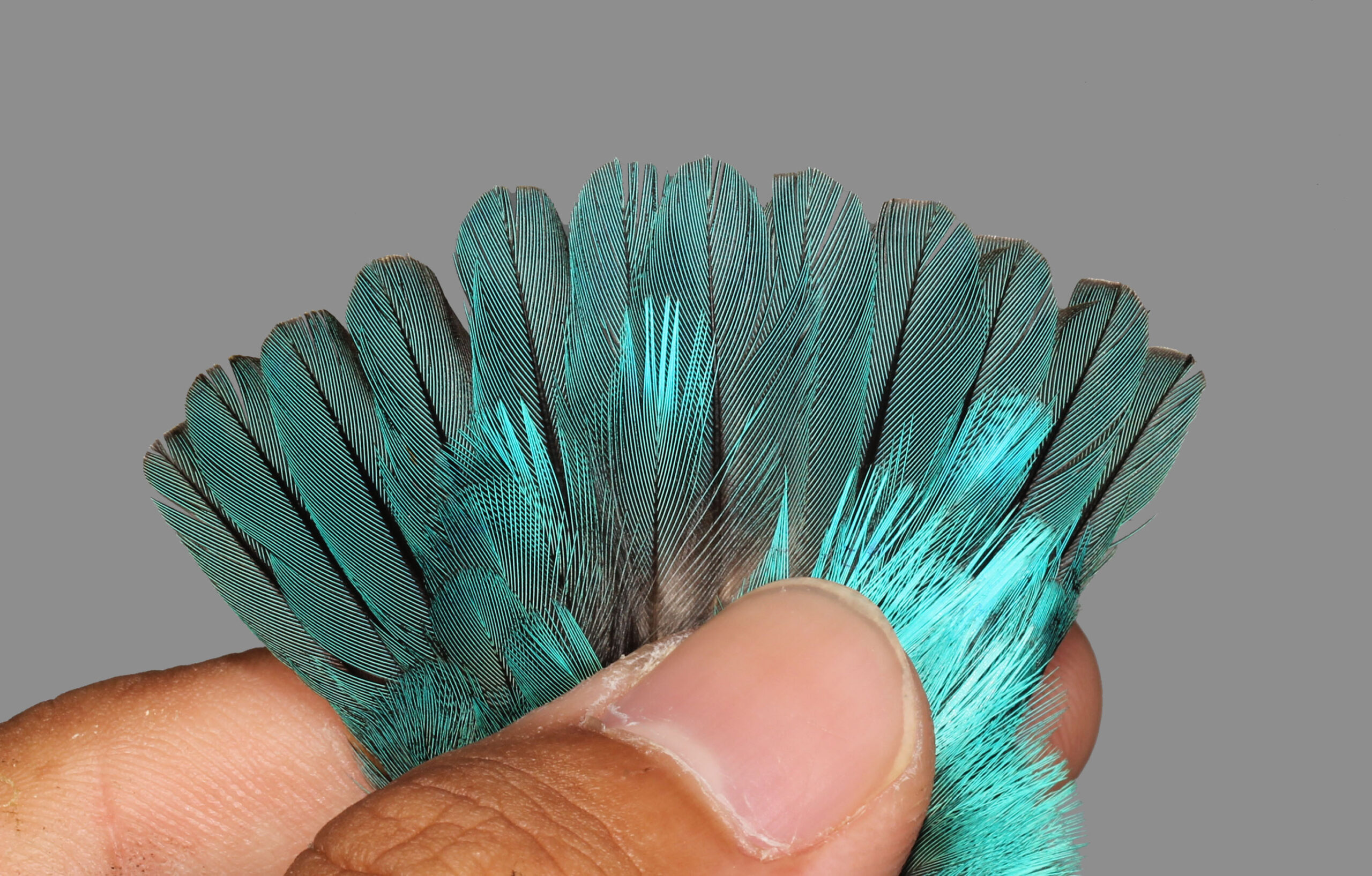
First up, one of our most beautiful little residents, the Common Kingfisher! These guys are fairly simple to age, despite their variable moult patterns. The juveniles in this season are usually seen as the individual above, with a fully juvenile wing. The wing is more dull green-blue than the bright electric blue of the adults. Furthermore, the skin on the feet is far darker than the adults, with very little of the bright orange-red found in adults. The bill is also dark, like that seen in adult males. This individual shows no hint of orange-red, as would be characteristic of a female.
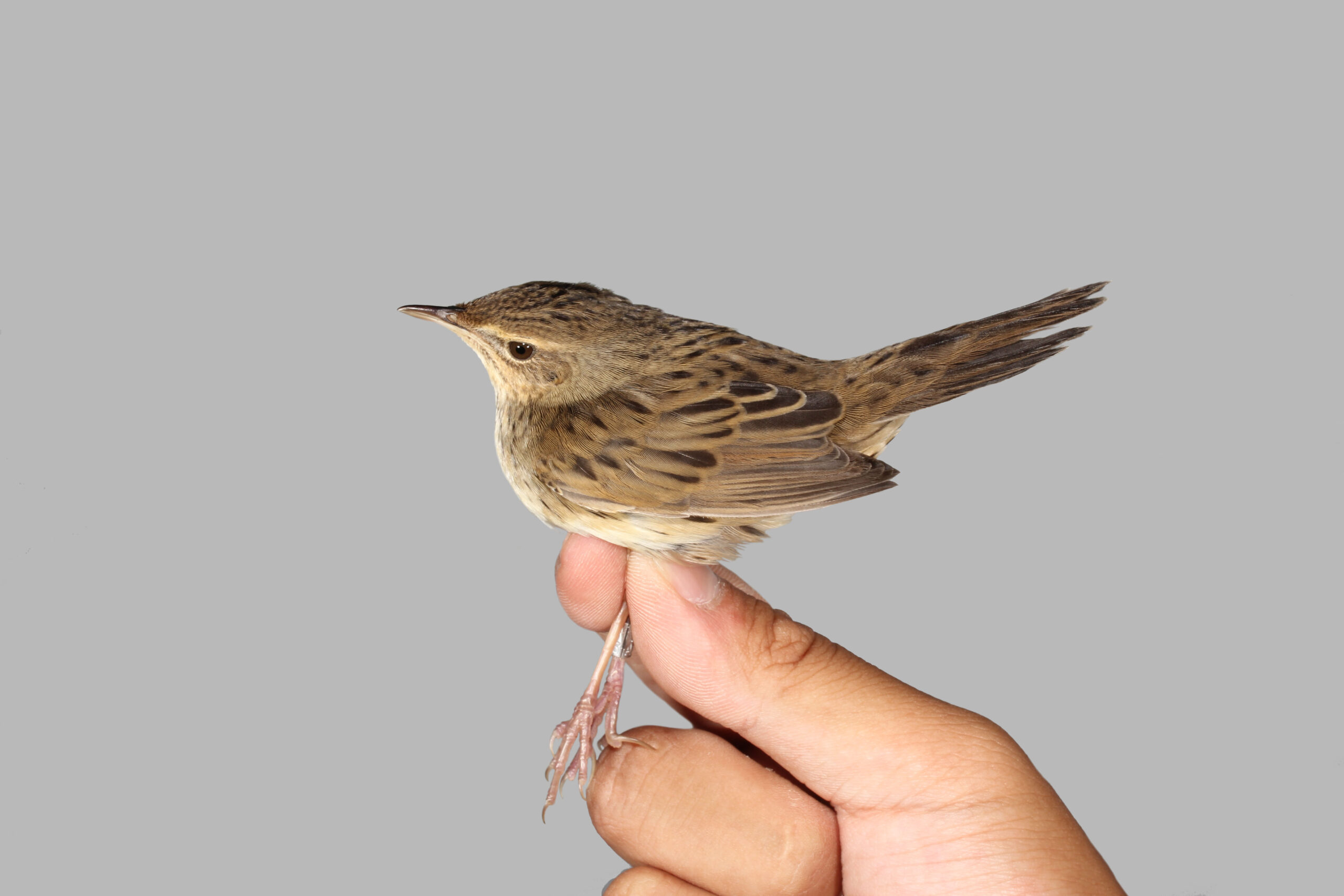
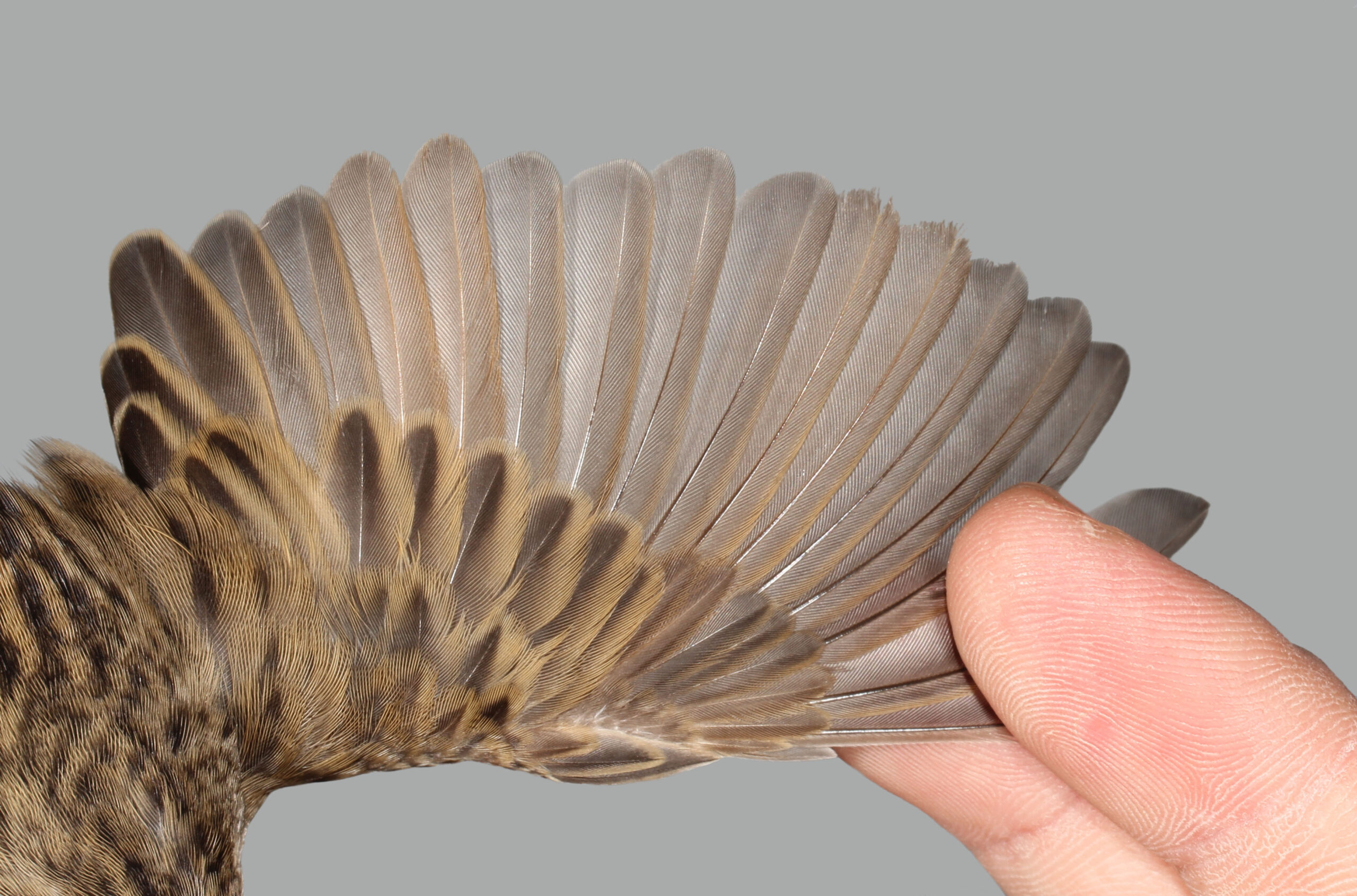
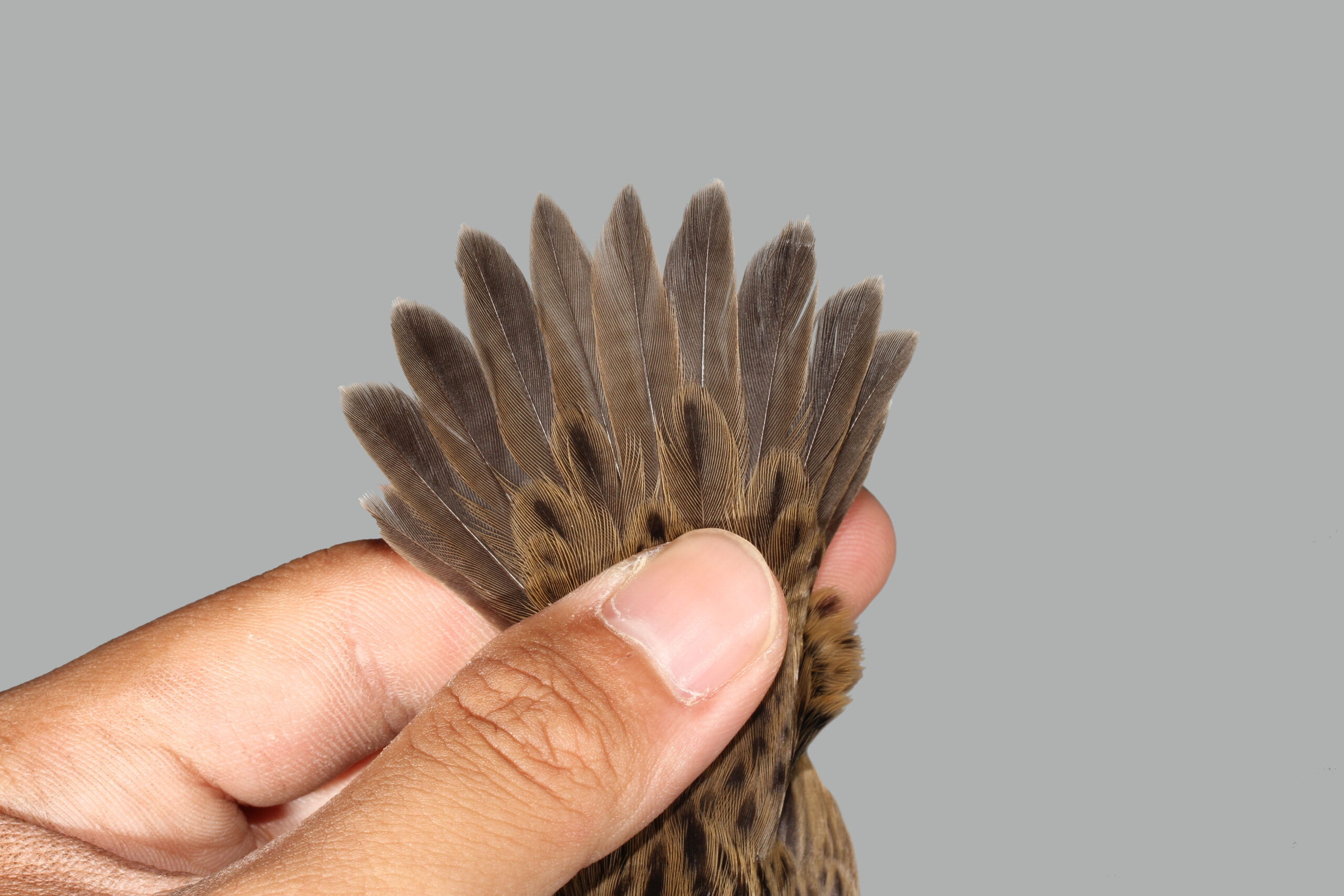
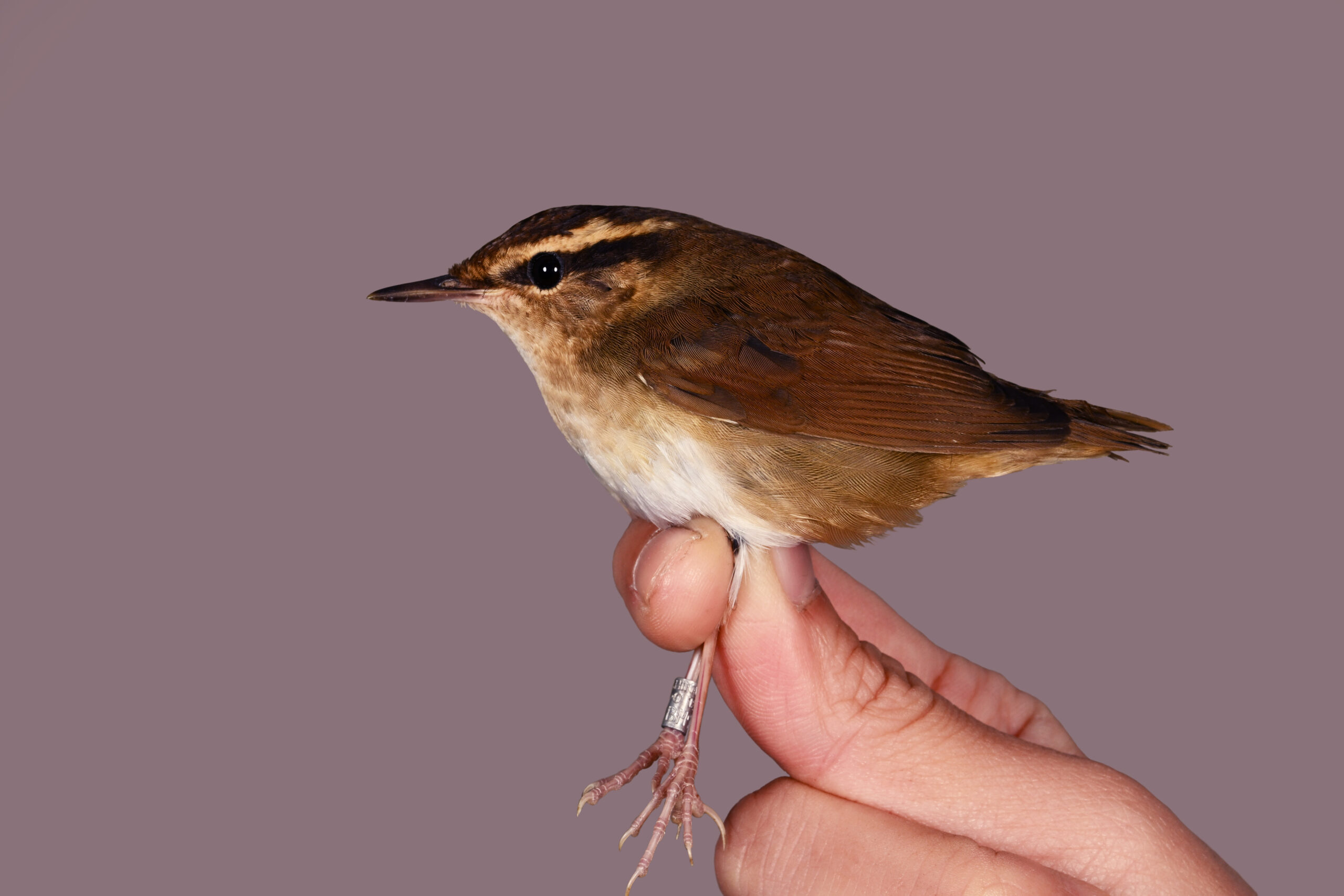
Then came a lovely surprise, a Lanceolated Warbler! These guys are less common than our Pallas’ Grasshopper Warblers, and a welcome visitor to us! Just like the Richard’s Pipit in our last post, the adults of this species carry out a suspended Summer Complete moult. As aforementioned, this means that some feathers (usually primaries and secondaries) are left, and moulted later in the year (usually during winter). This is precisely what is shown in the individual above with two Secondaries and two Primaries looking more brown, worn and bleached than other feathers (PP 7 & 8, SS 3 & 4). Therefore, we can conclude that this is a gorgeous adult!
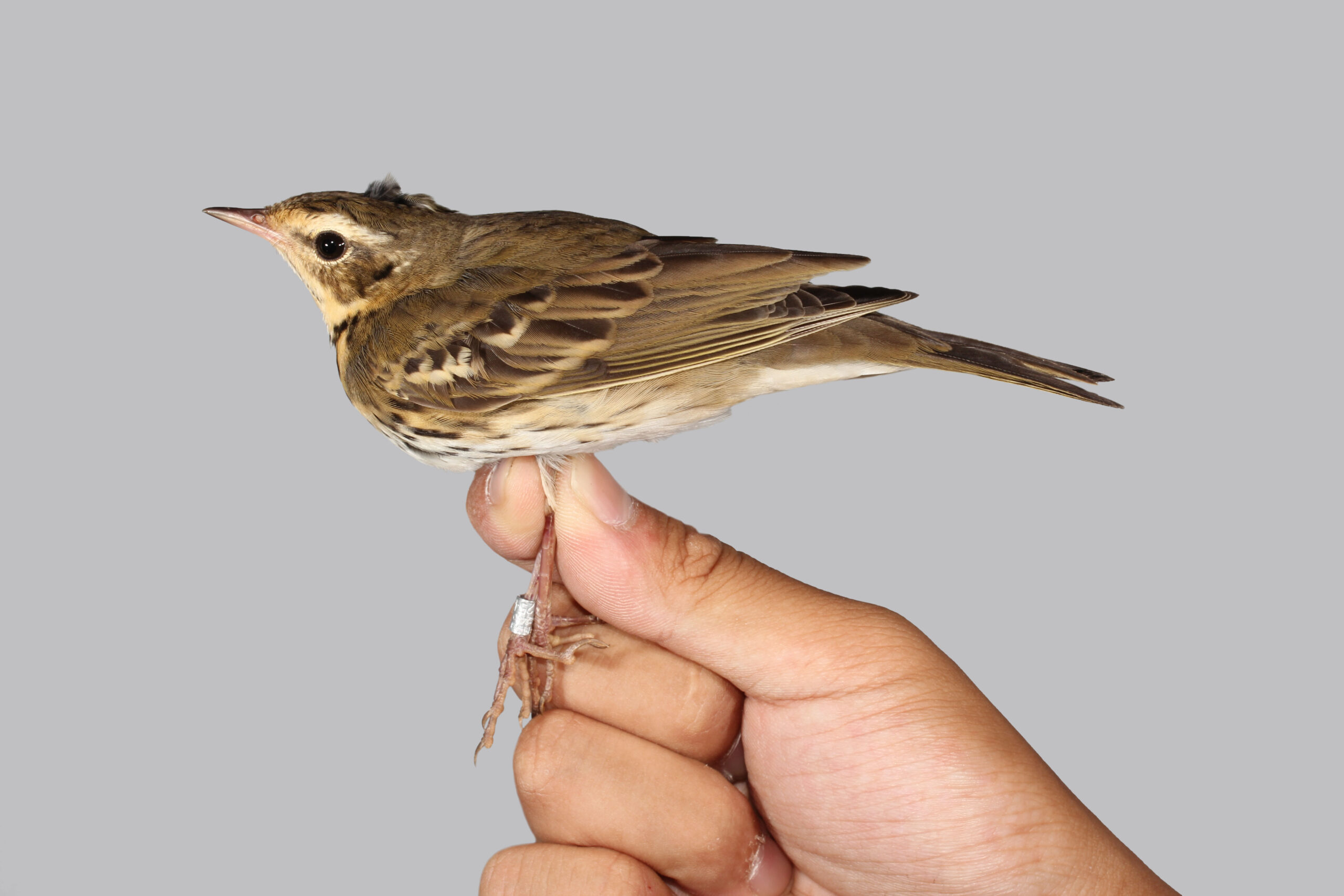
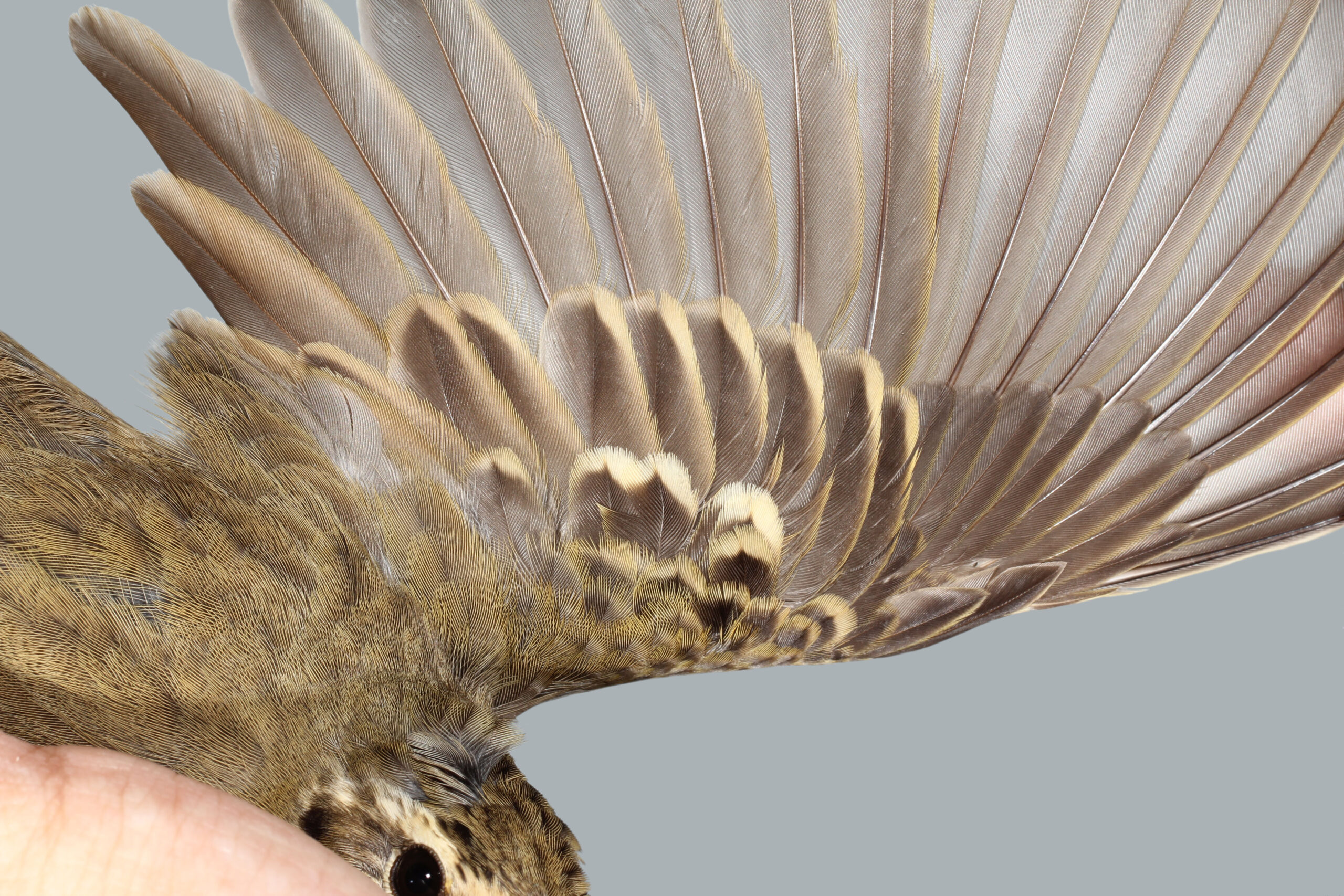
Next up we had a wonderful Olive-backed Pipit! These guys are similar in appearance to Red-throated Pipits in winter, however Olive-backeds can always be distinguished by their pale spot over black spot found behind the eye. Like Red-throateds, they can be a little tricky to age, as the moult limits in young birds can be difficult to identify. This bird seems to have had a somewhat extensive moult, with the innermost GC (hard to see in the photo) being moulted. The fringe shows a denser and fresher feather than the outermost 9. Therefore, this is a 1st calendar year bird.
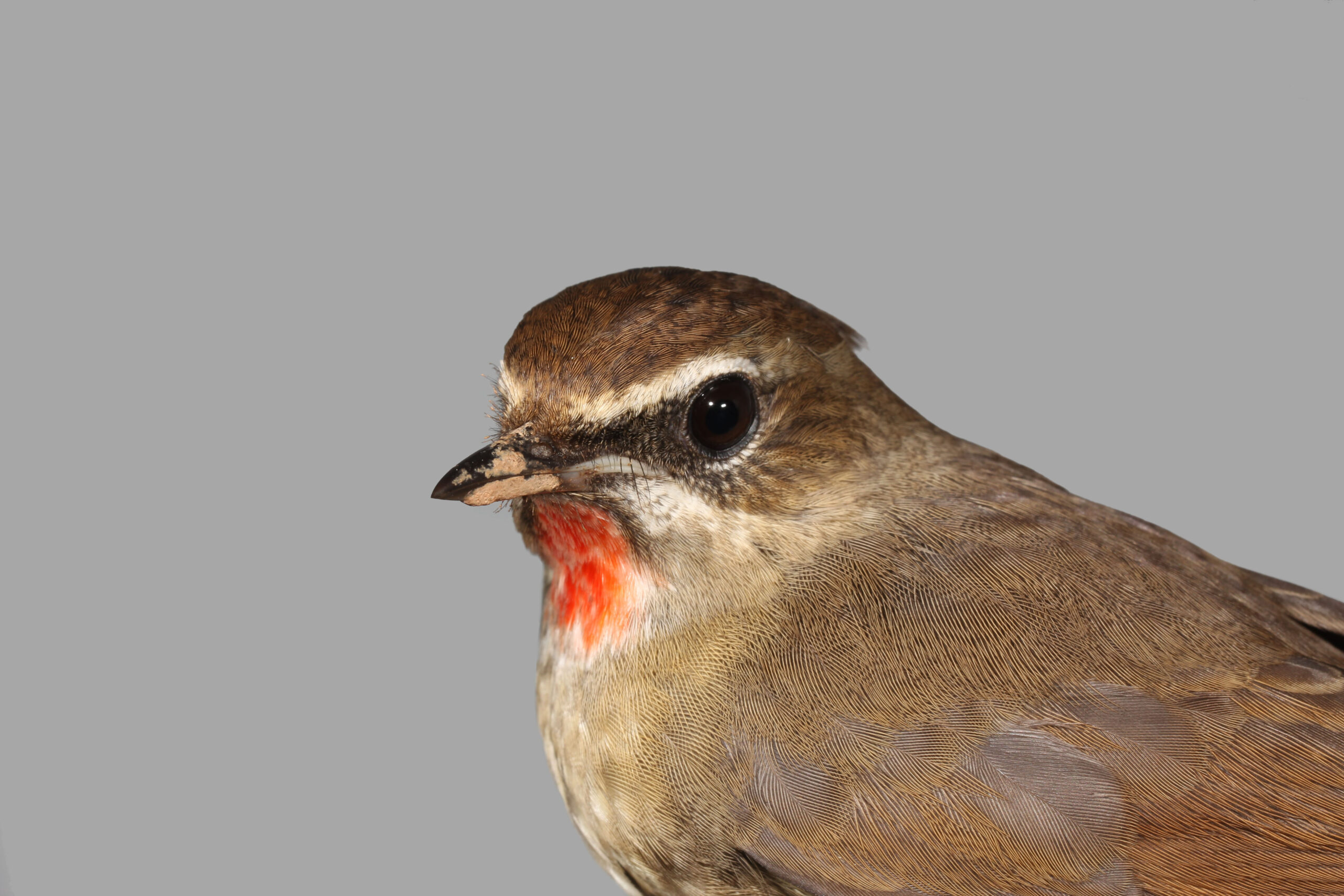
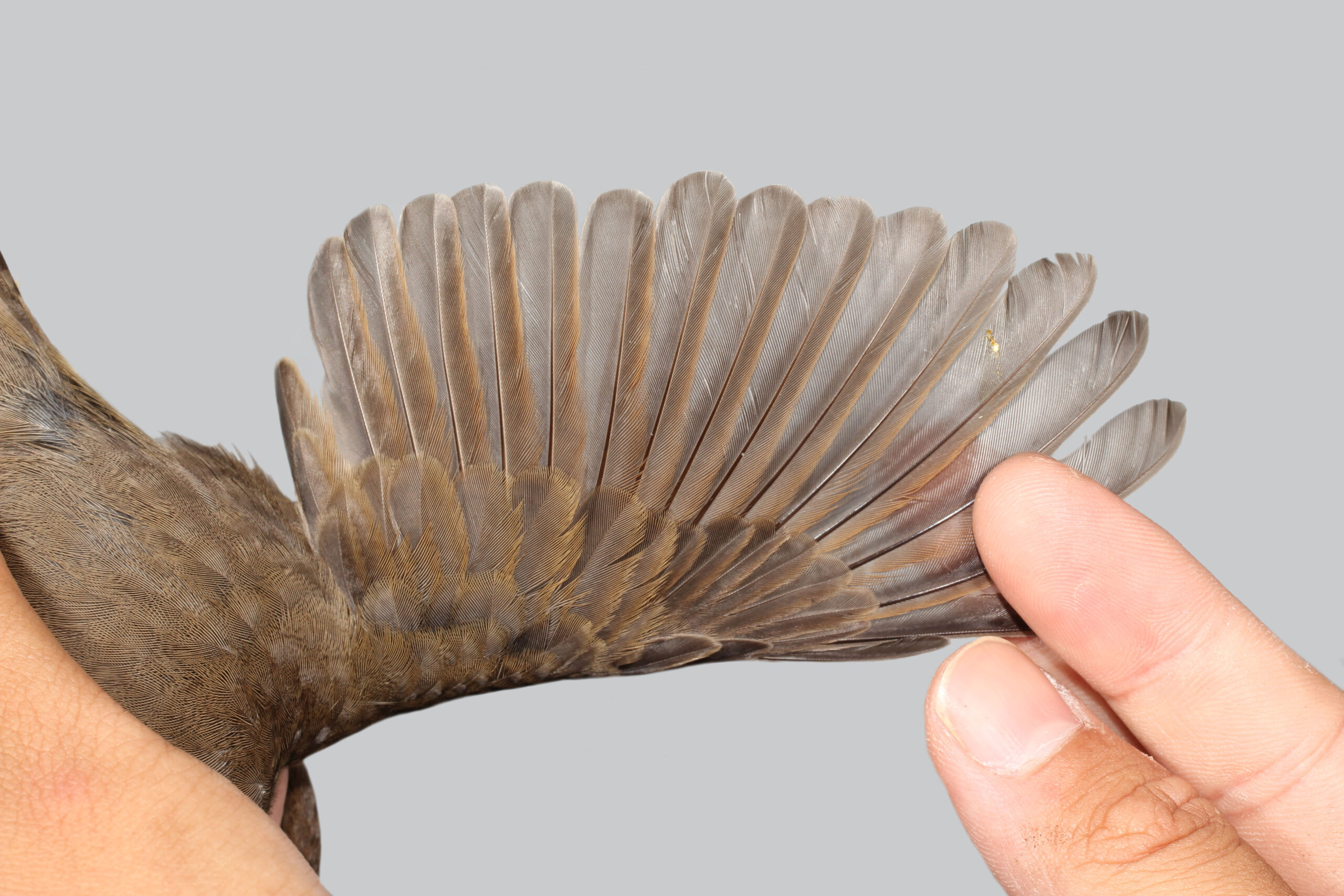
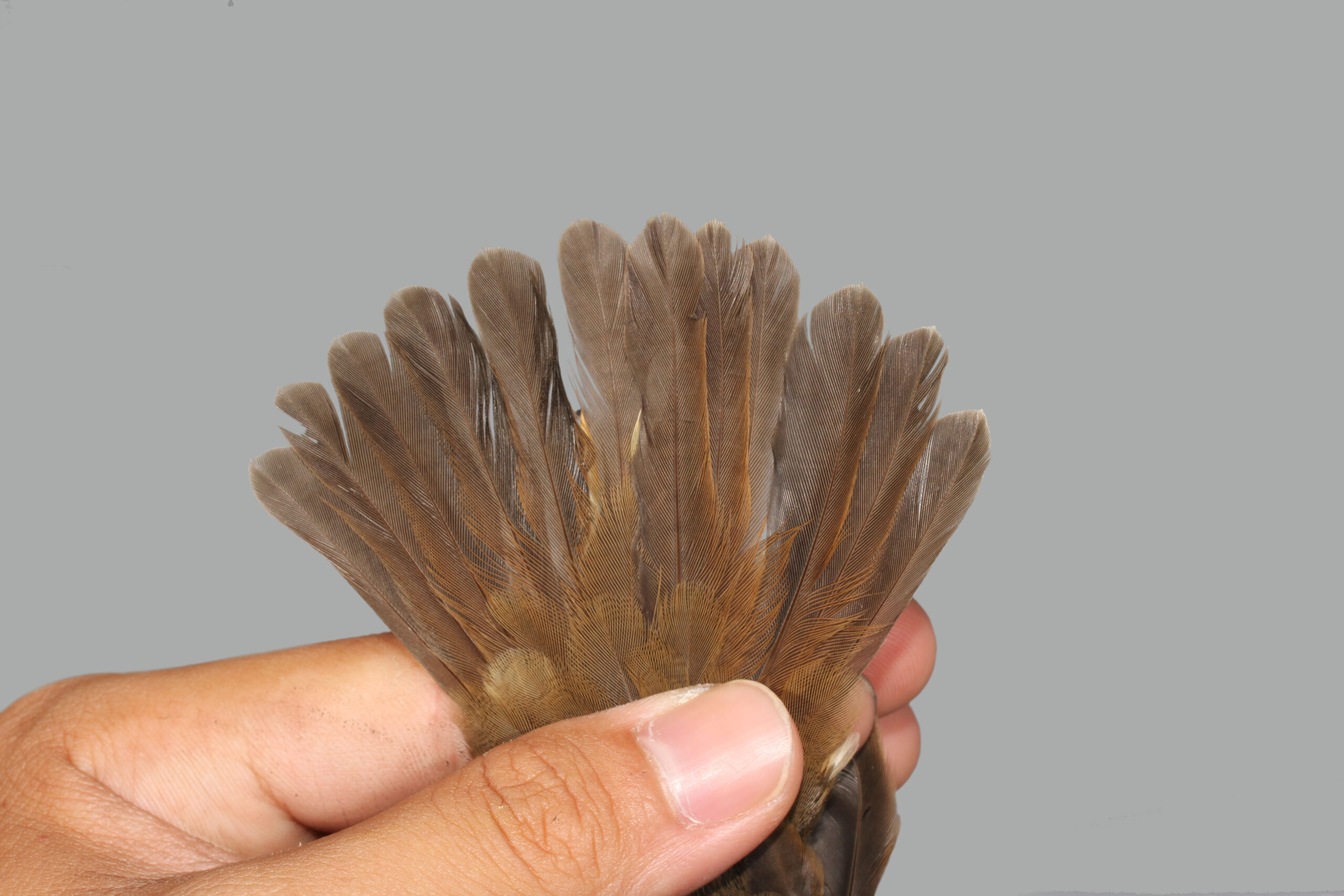
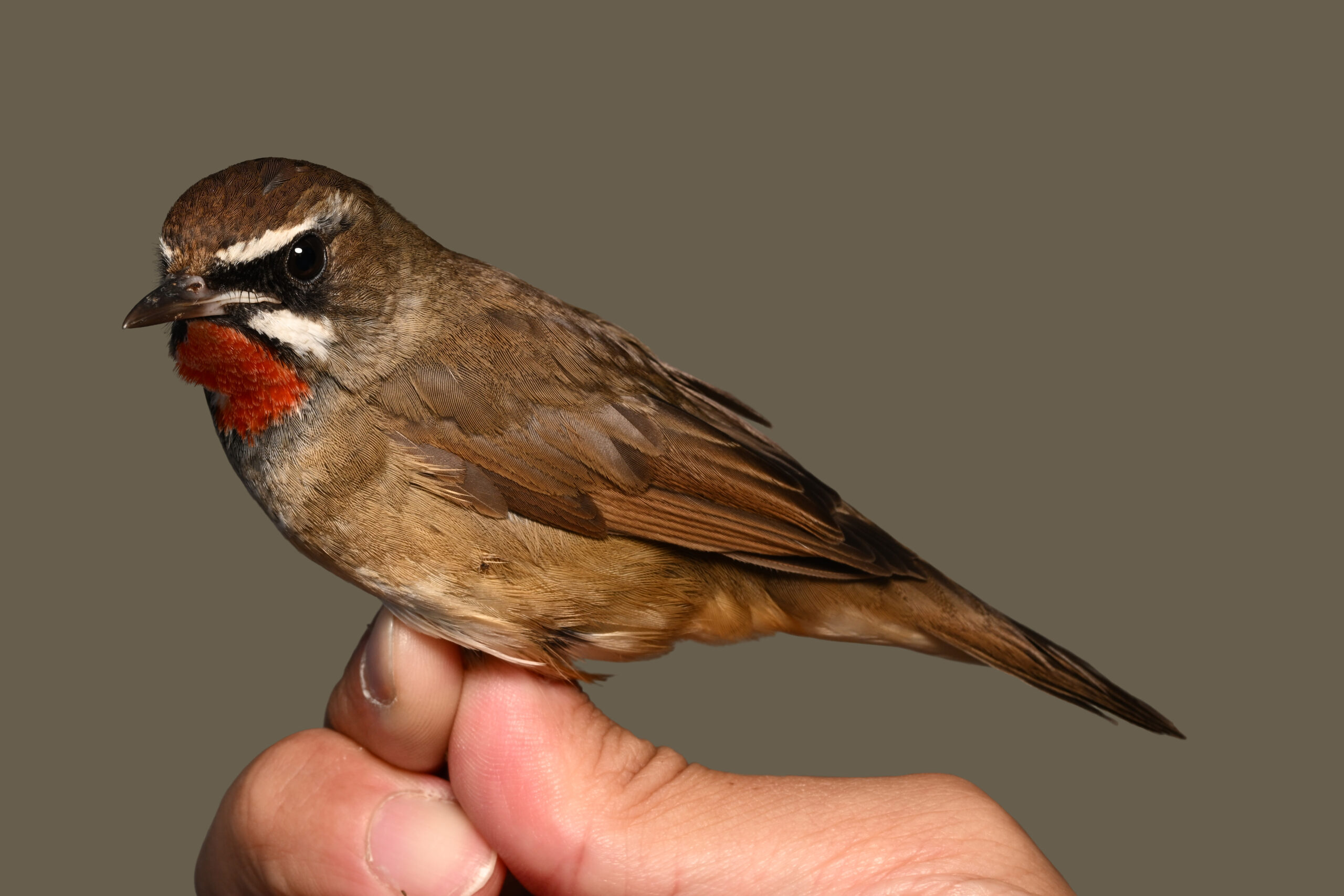
And back again are our wonderful Siberian Rubythroats! This beautiful girl is a prime example as to why we need to age birds before sexing them. From the head shot alone, the extent of red could suggest a young male. However, from the wing, we can see a uniform and nice adult wing. As the extent of red in the throat and black mask on the face is not concentrated enough to be an adult male, this bird must be an adult female!
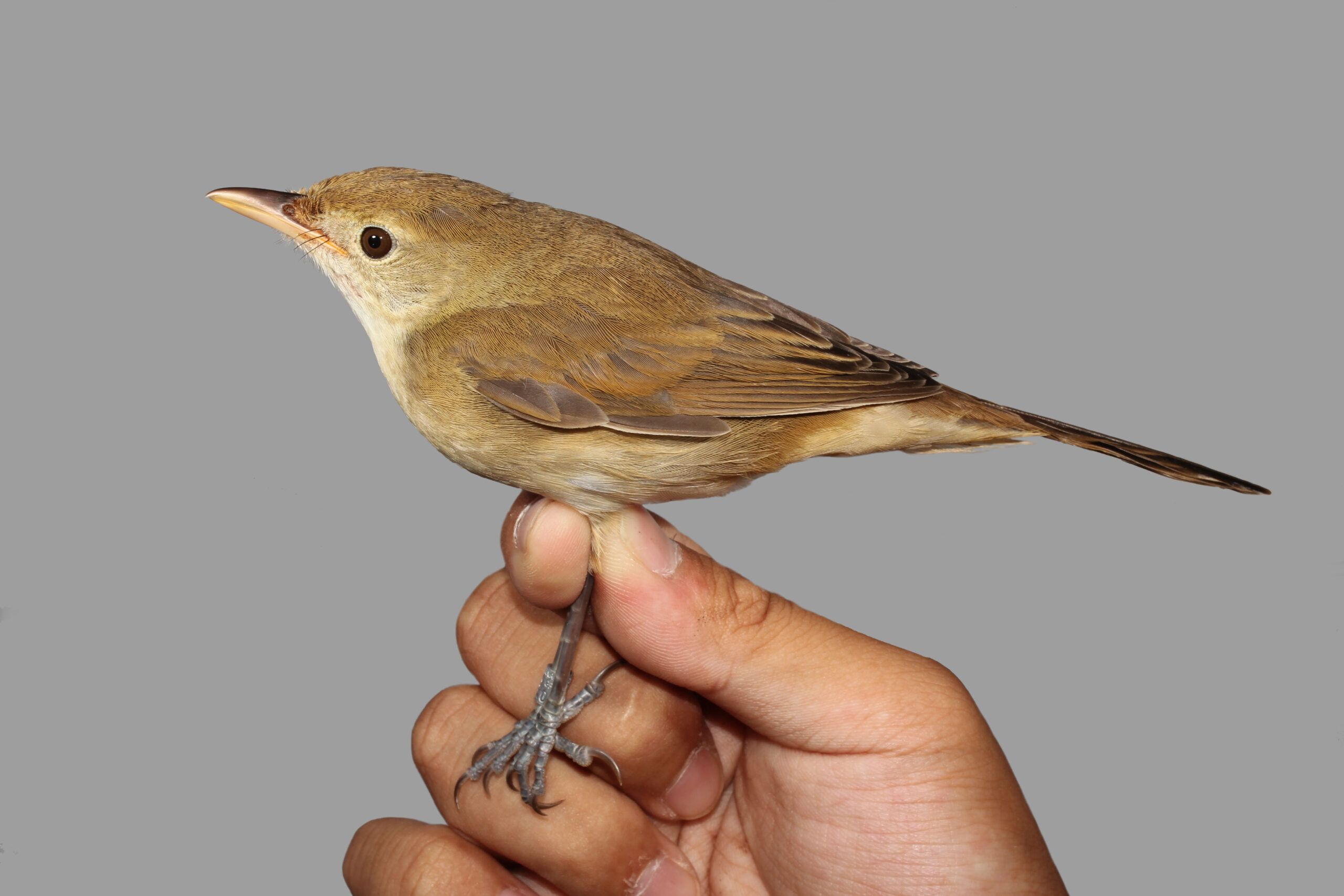
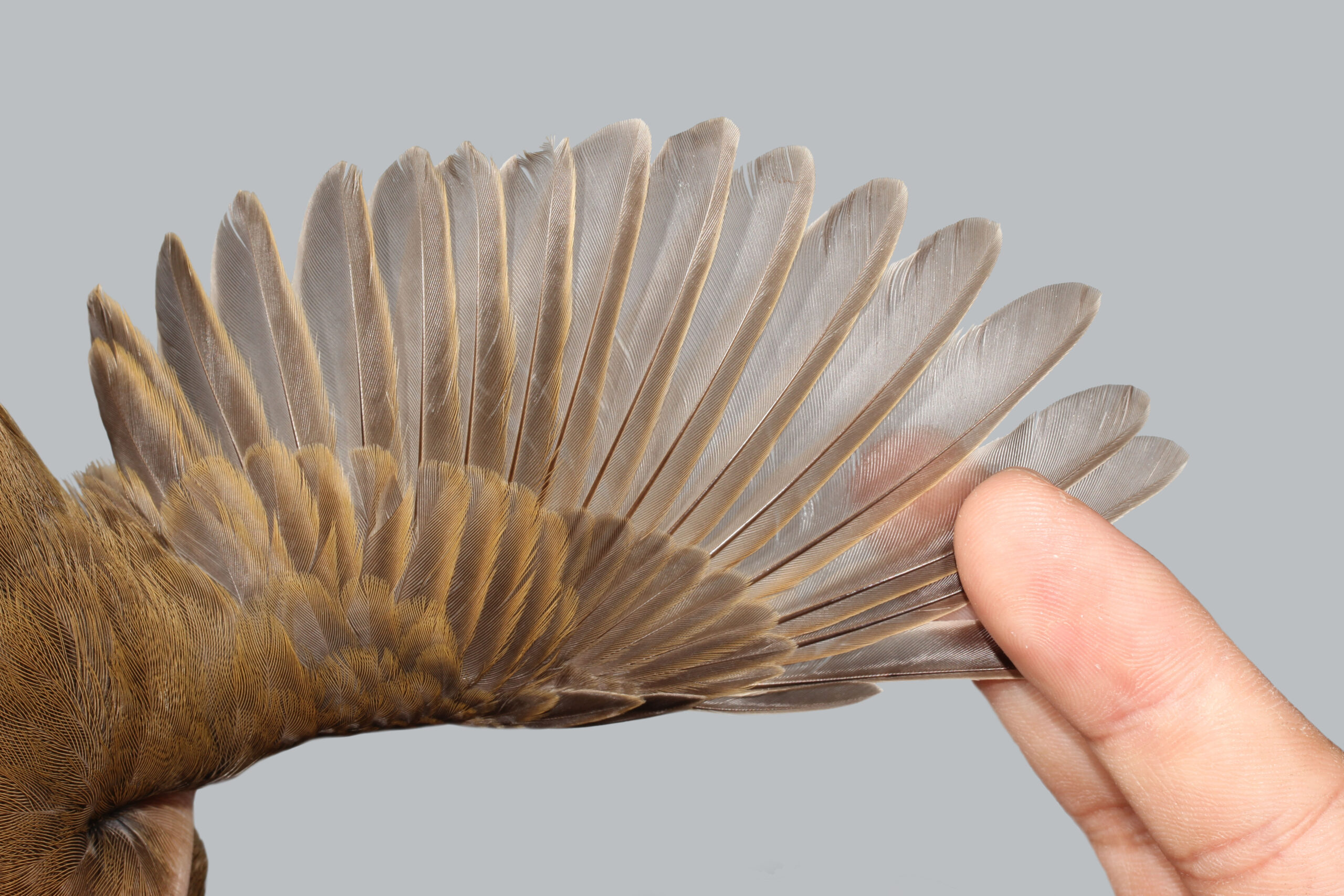
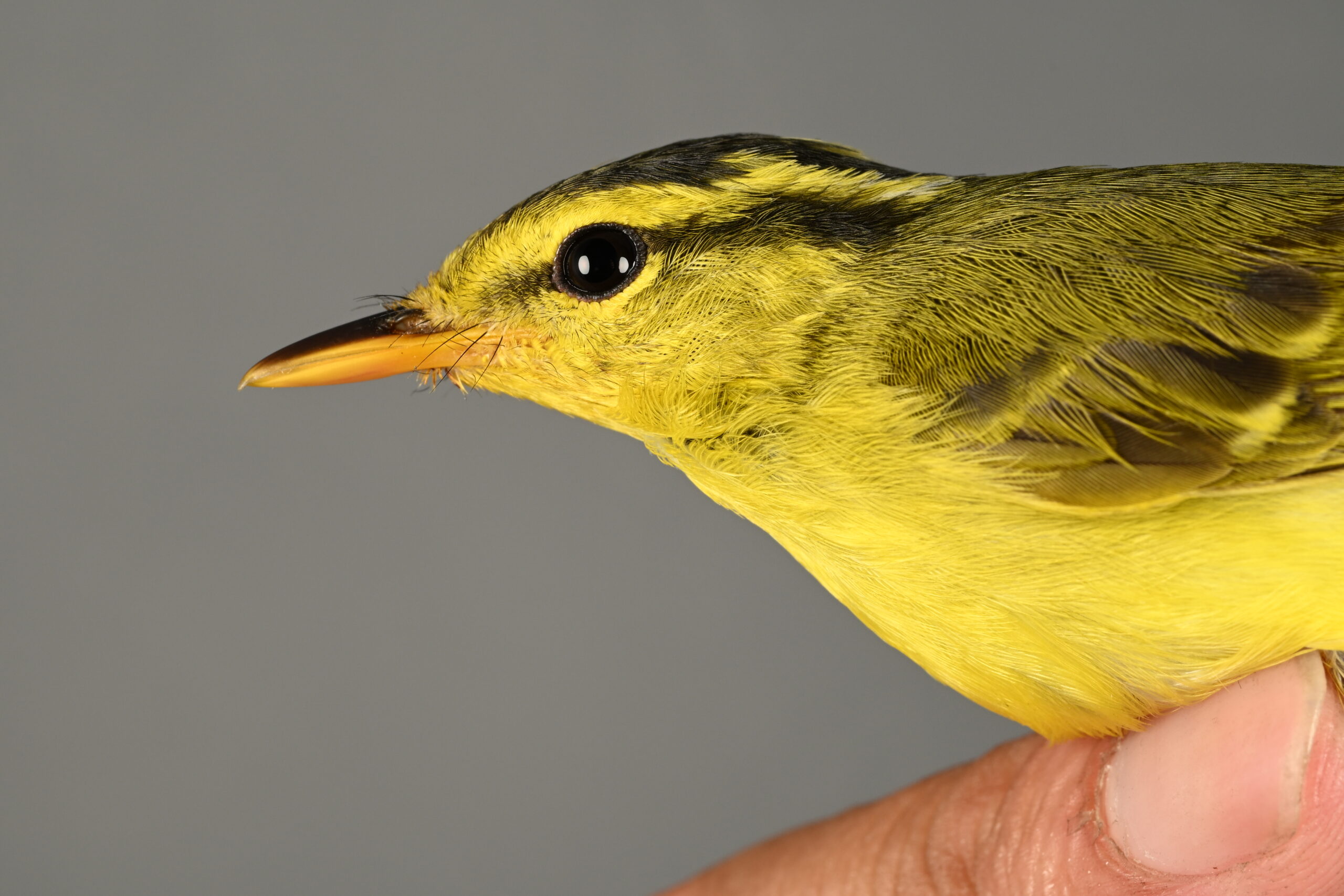
As the sun came up, bringing the temperatures even further up, another wonderful surprise came to us- a Thick-billed Warbler!! This is the 1st Thick-billed Warbler caught by the HKBWS team in 5 years! Ageing these guys can be tough, as both adults and juveniles carry out Summer Complete moults, and thus are identical upon completion. However, this individual showed a very adult-type iris with a thick, red-brown hue.
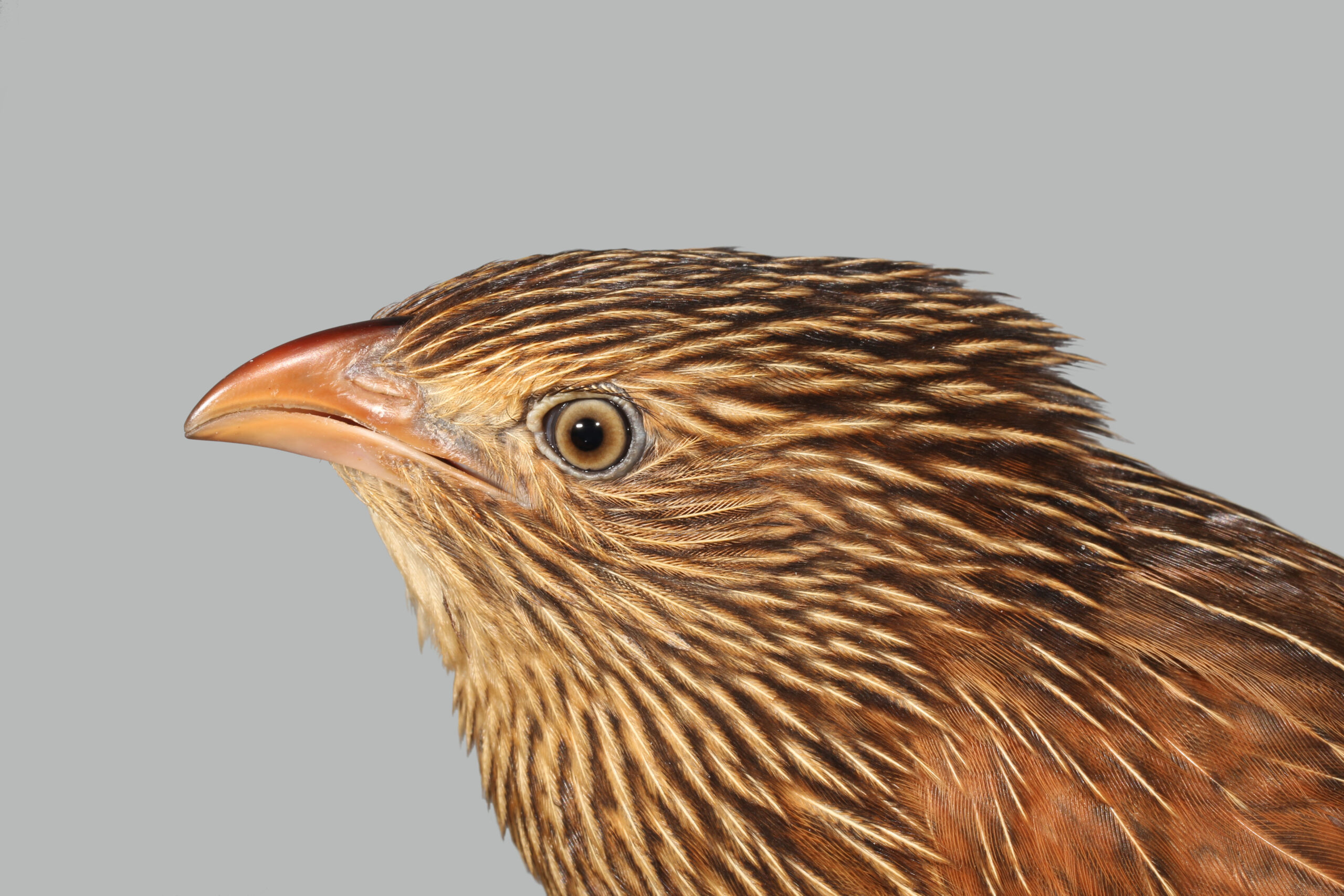
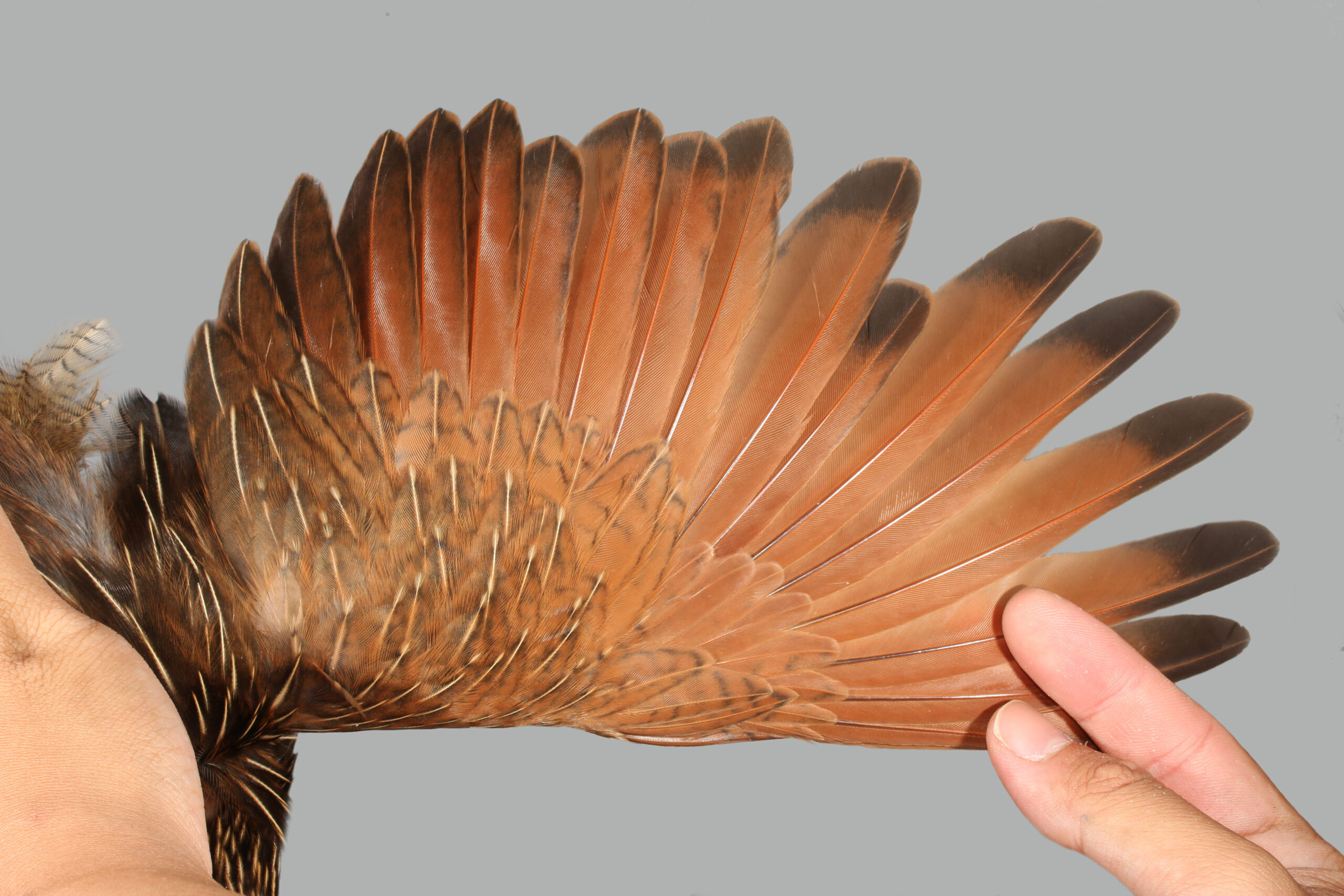
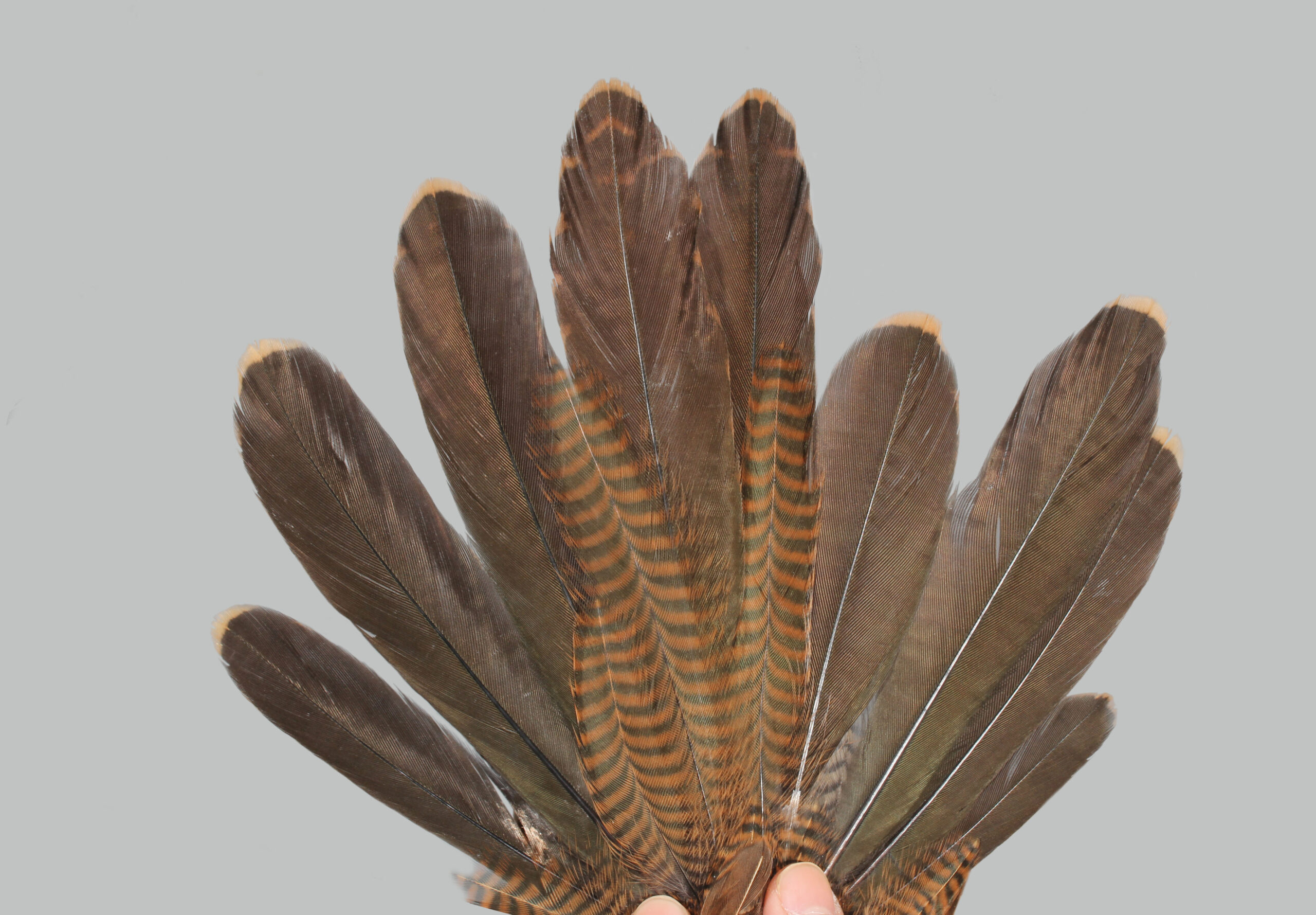
By the end of the morning, the heat was rather stifling, and we headed to close the nets. But this day was not over, with a final surprise, and a first for the HKBWS team! A Lesser Coucal! This is a very interesting bird to catch, since it is not a wetland species, but more of a hillside specialist. This bird is one of the first ever caught in Hong Kong!
This individual was still in some juvenile plumage, and moult limits in both the wing and tail. Again, the photos taken will aid our research greatly on this beautiful and elusive species. Another great morning!
Daily Totals
| Species | Original | Recapture |
| Black-browed Reed Warbler | 8 | 0 |
| Chestnut-eared Bunting | 1 | 0 |
| Common Kingfisher | 1 | 0 |
| Dusky Warbler | 11 | 0 |
| Lanceolated Warbler | 1 | 0 |
| Olive-backed Pipit | 1 | 0 |
| Oriental Reed Warbler | 4 | 0 |
| Pallas’s Grasshopper Warbler | 1 | 0 |
| Plain Prinia | 1 | 1 |
| Scaly-breasted Munia | 14 | 0 |
| Siberian Rubythroat | 1 | 0 |
| Stejneger’s Stonechat | 1 | 0 |
| Thick-billed Warbler | 1 | 0 |
| Lesser Coucal | 1 | 0 |
| Grand Total | 47 | 1 |
*Please note that all wild birds, their nests, and eggs are highly protected (under Wild Animals Protection Ordinate, Cap. 170) in Hong Kong. It is an offence to wilfully disturb, take, remove, or injure wild birds or their nests/eggs. The actions described here were undertaken by trained professionals holding the necessary licenses and permits issued by the AFCD.*