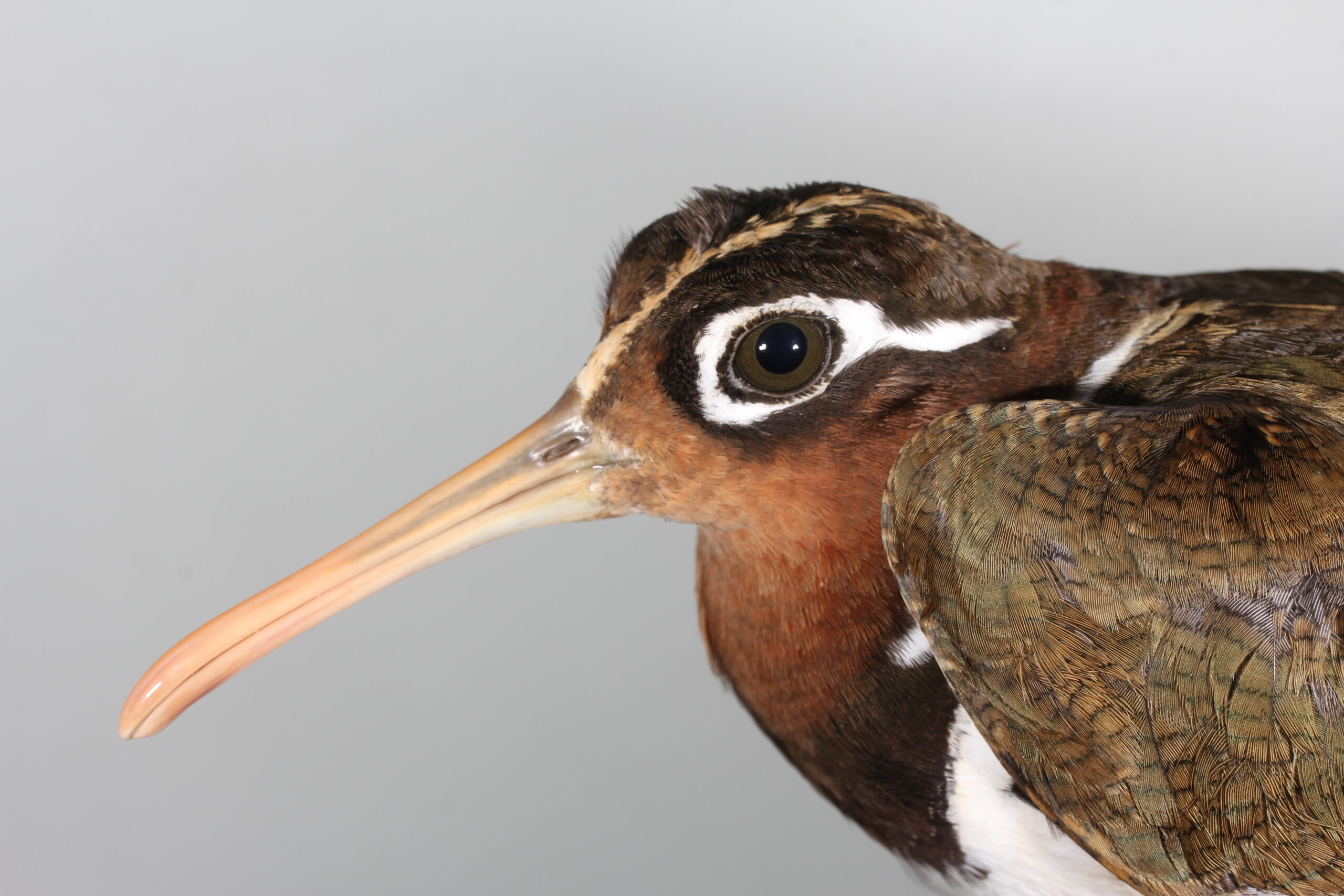



We are finally back in our Wetland ringing site! We have recently decided not to ring in this site during summers, as our catch rate is incredibly low, and individuals we do catch are residents who we catch regularly throughout the year anyway. So, we have decided to stick to the migration periods and when we have overwintering visitors.
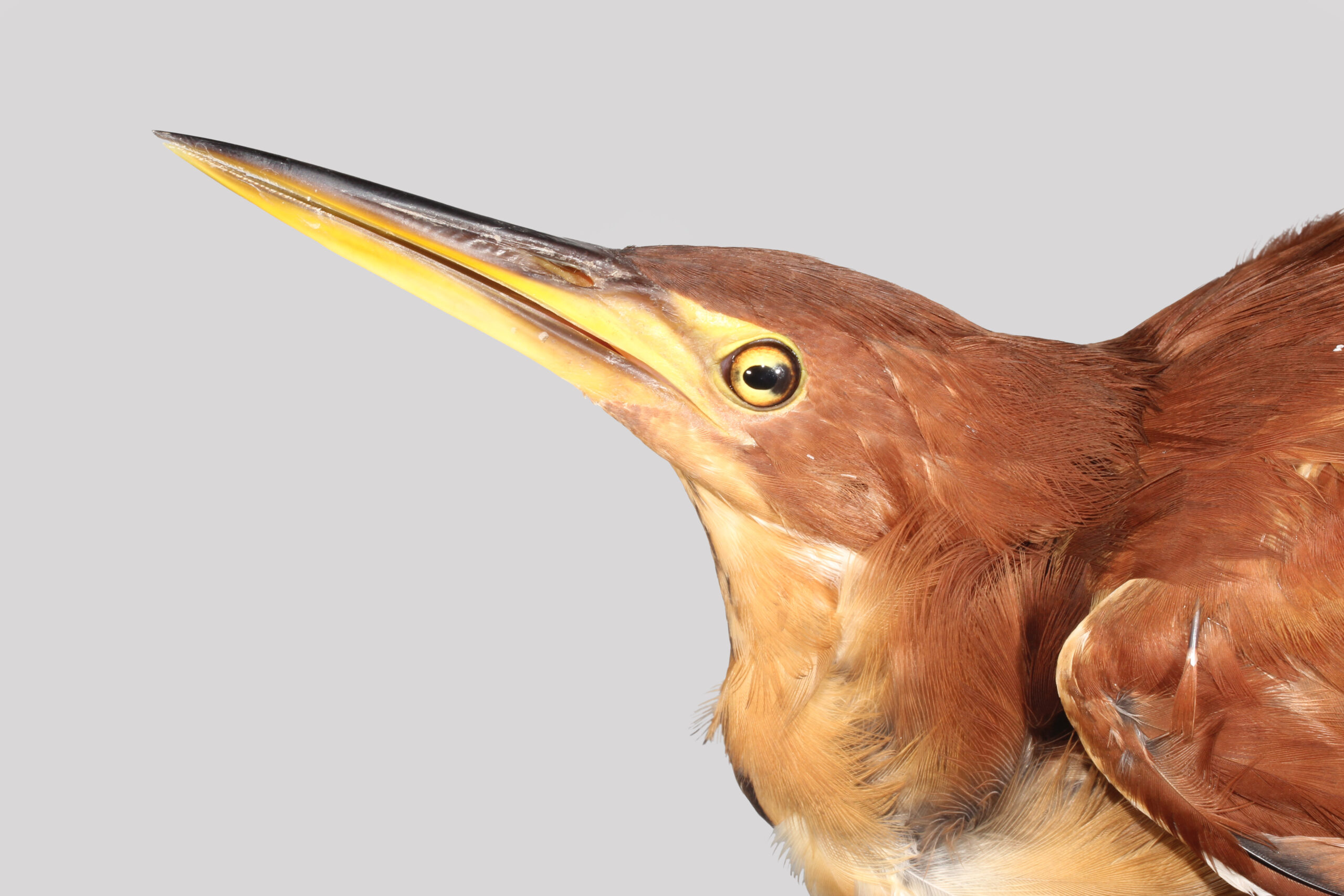
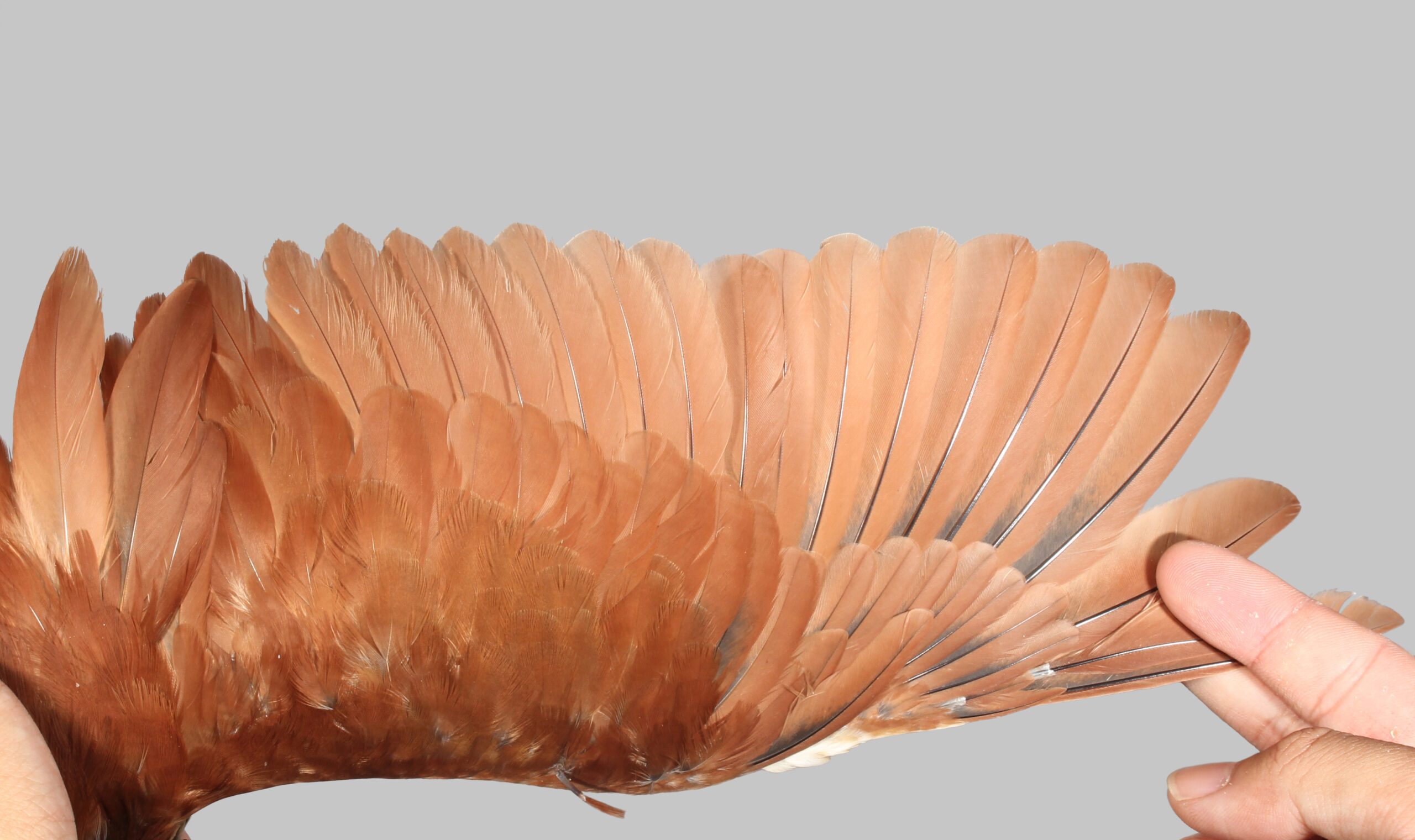
That being said, today was also dominated by our residents, except for one of our gorgeous adult male Cinnamon Bitterns! Cinnamon Bitterns are considering passage migrants in Hong Kong in both spring and autumn, with just occasional summer and winter records. Though the exact moult strategies of the Bitterns is not well known, the plumages of the different sexes and age groups is quite distinguishable. The strong, uniform ‘cinnamon’ seen throughout this bird shows us it is obviously an adult male!
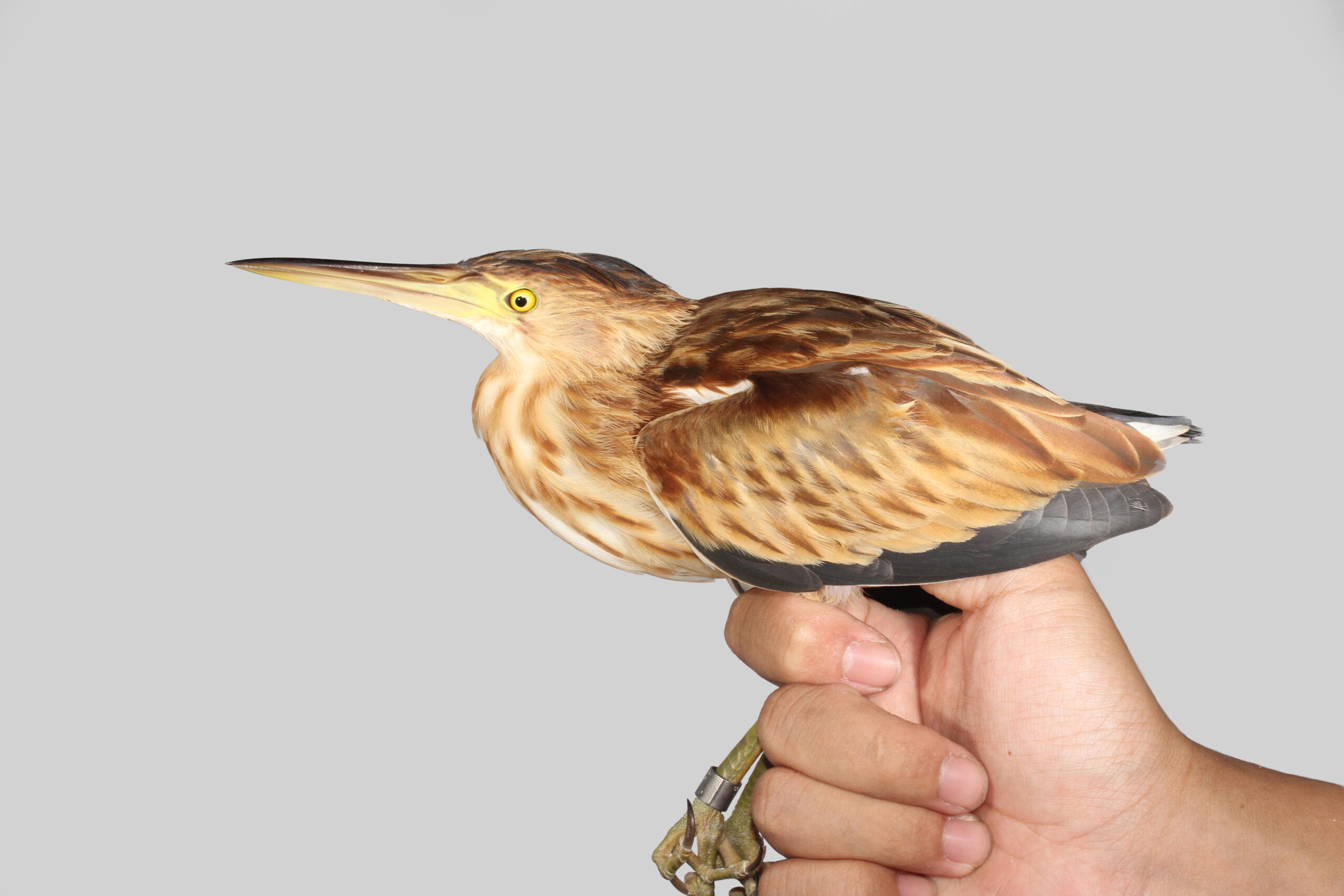
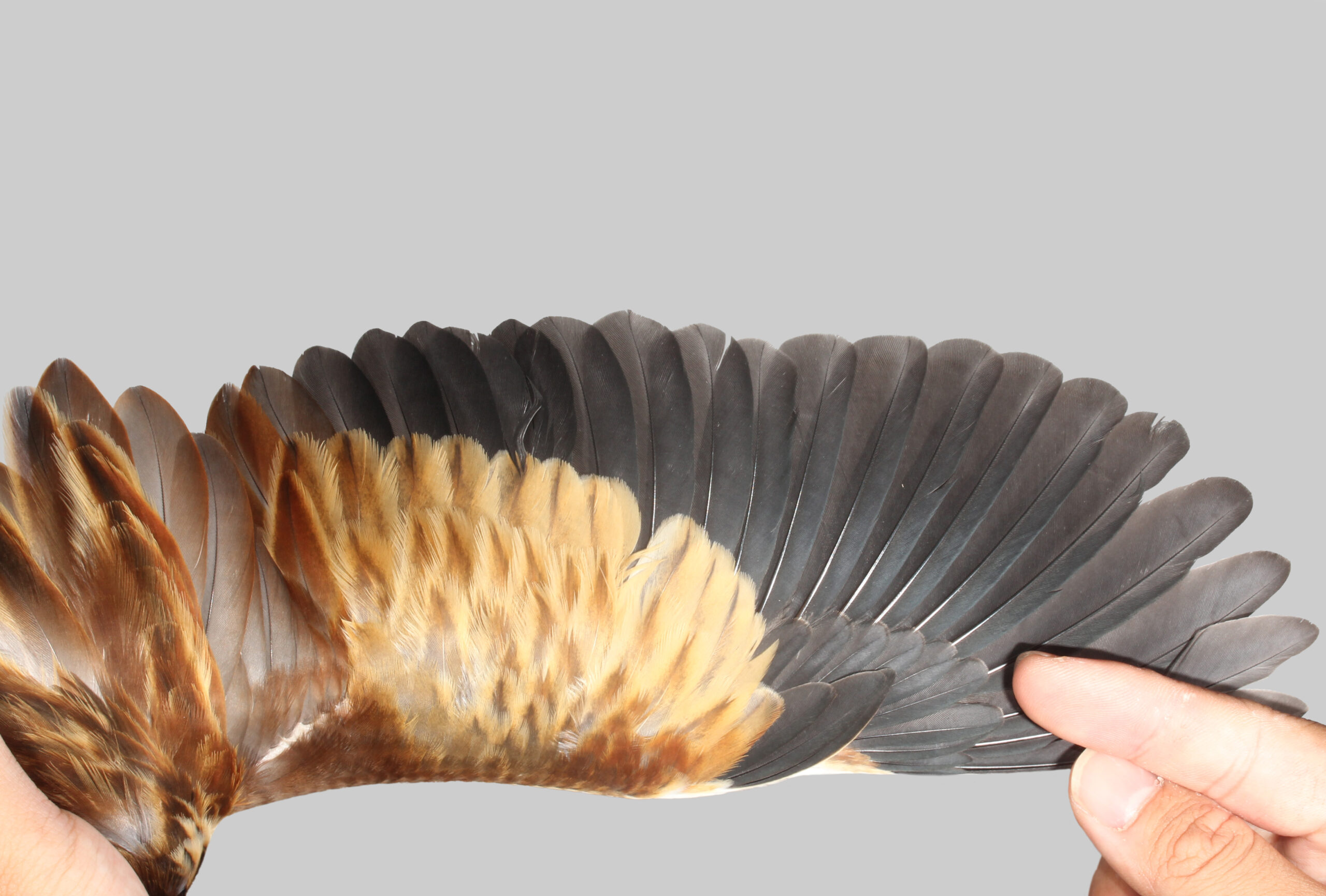
Continuing with our Bittern series, next up was a lovely Yellow Bittern! These guys are a little smaller than the Cinnamon Bittern, and, similarly to the Cinnamon Bittern, they have distinct plumages in different ages and sexes. This individual shows a very typical adult female plumage, with a streaky crown (in comparison to the dark, slate-grey of an adult male). Some literature also suggests that juvenile undergo a partial post-juvenile moult, which may leave them with moult limits in the flight feathers. This individual clearly shows a very nice, uniform wing. Thus, we can conclude this a 2nd calendar year or older female!
Daily Totals
| Species | Original | Recapture |
| Black-browed Reed Warbler | 6 | 0 |
| Cinnamon Bittern | 1 | 0 |
| Common Kingfisher | 1 | 0 |
| Dusky Warbler | 6 | 0 |
| Oriental Reed Warbler | 1 | 0 |
| Pale-legged Leaf Warbler | 1 | 0 |
| Plain Prinia | 0 | 1 |
| Scaly-breasted Munia | 2 | 0 |
| Yellow Bittern | 1 | 0 |
| Grand Total | 19 | 1 |
*Please note that all wild birds, their nests, and eggs are highly protected (under Wild Animals Protection Ordinate, Cap. 170) in Hong Kong. It is an offence to wilfully disturb, take, remove, or injure wild birds or their nests/eggs. The actions described here were undertaken by trained professionals holding the necessary licenses and permits issued by the AFCD.*