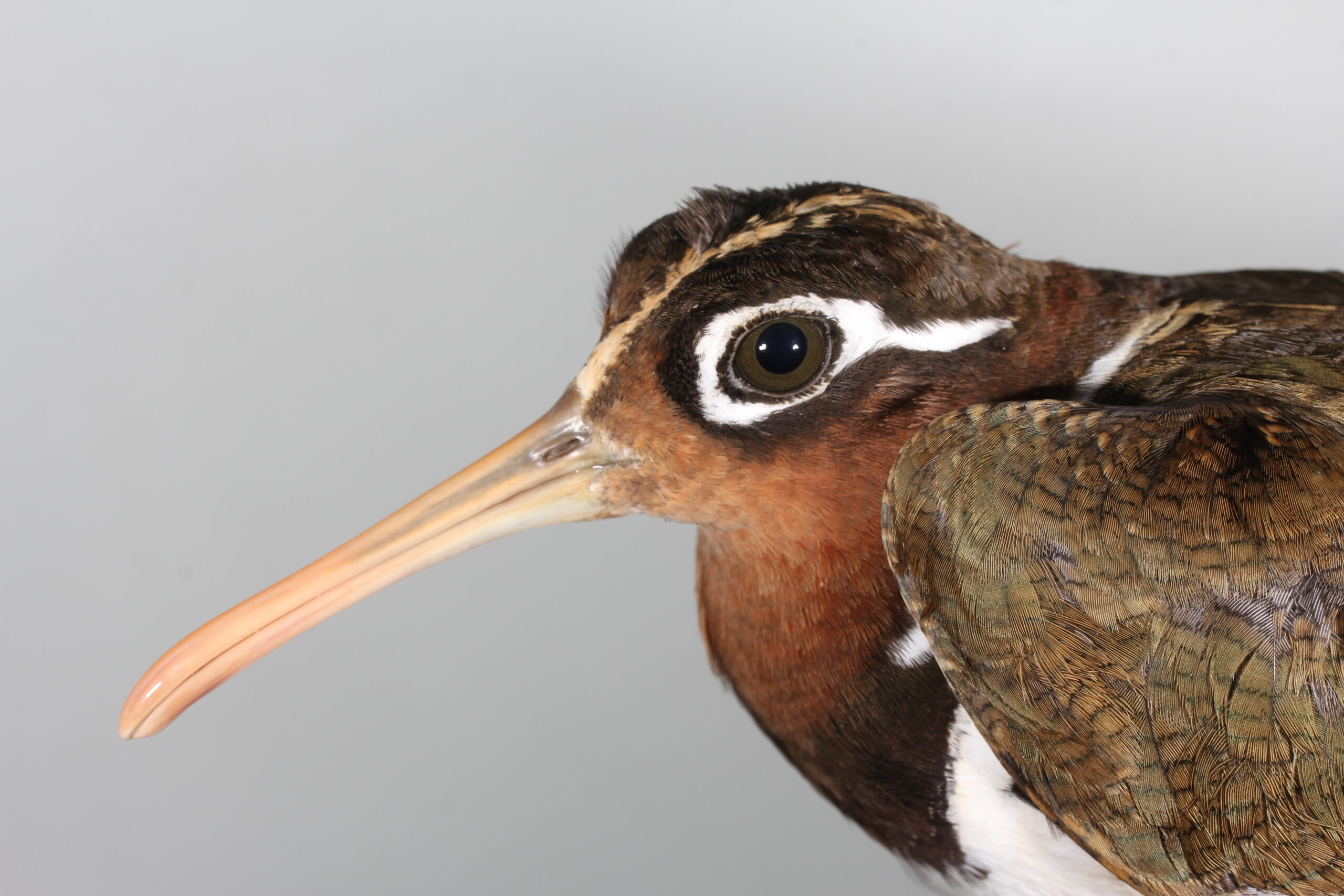



Its October, and that means we are back in the Paddyfields! The day dawned as warm as the late Summers usually are now, but thankfully the birds made our suffering worth it!
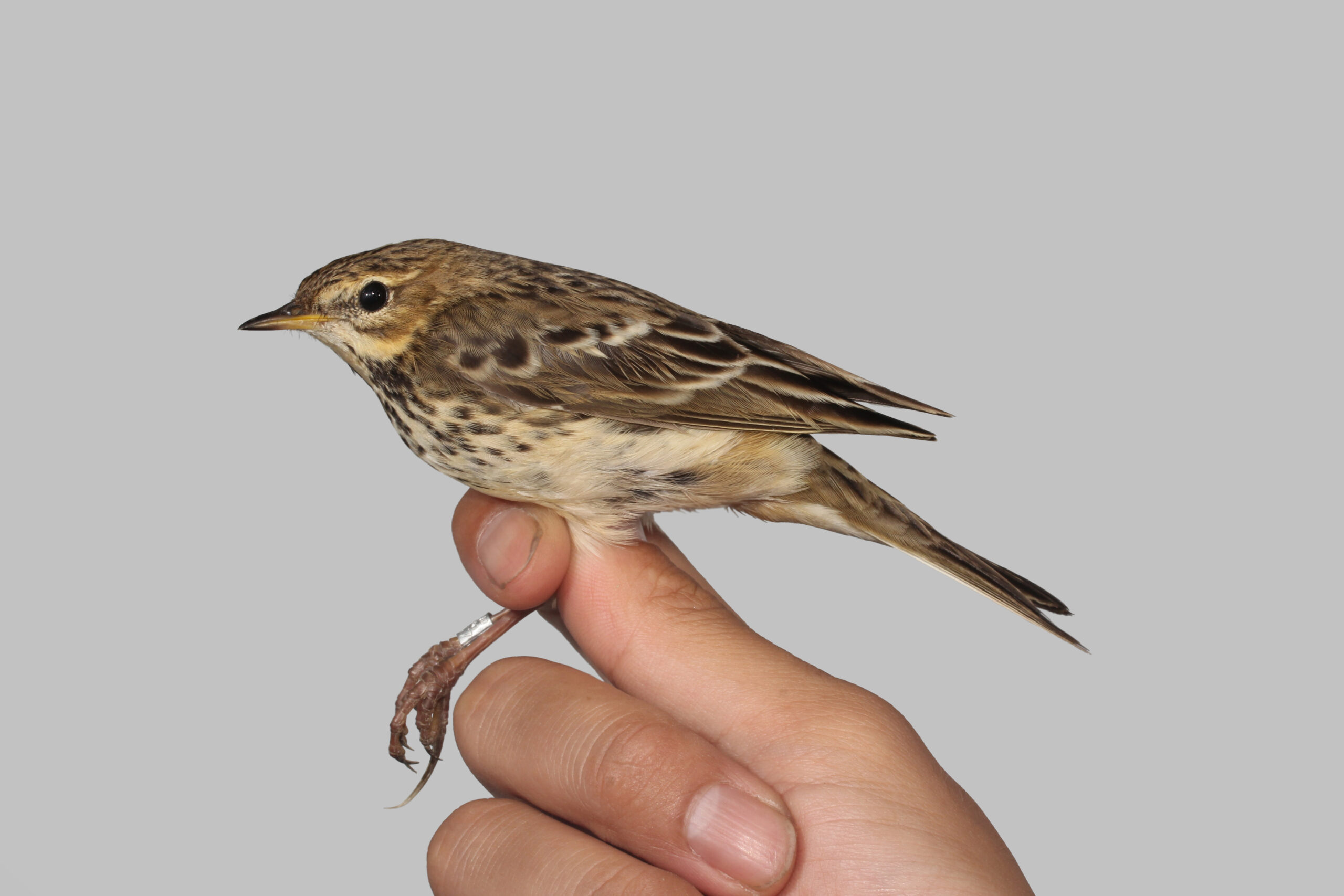
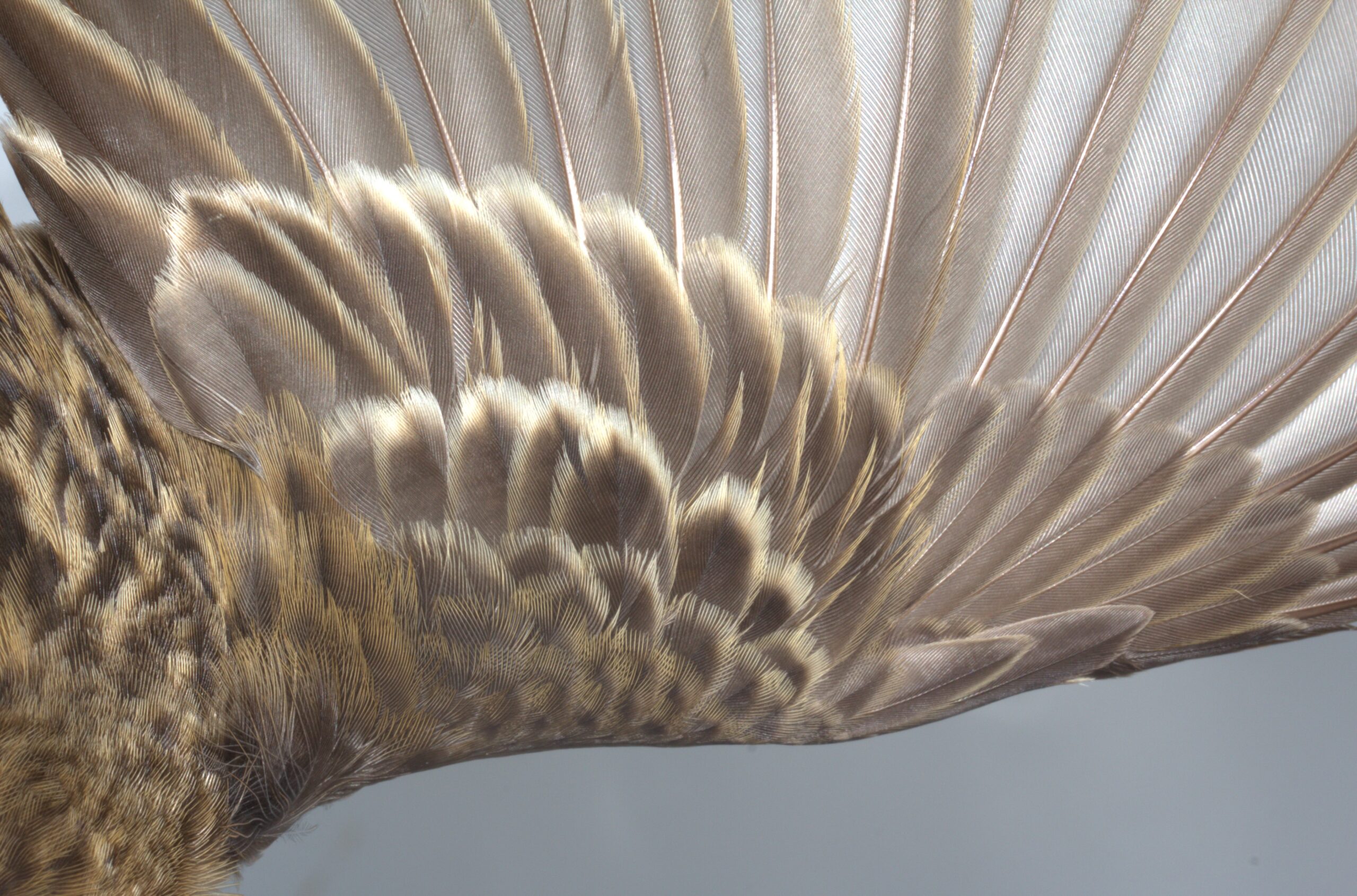
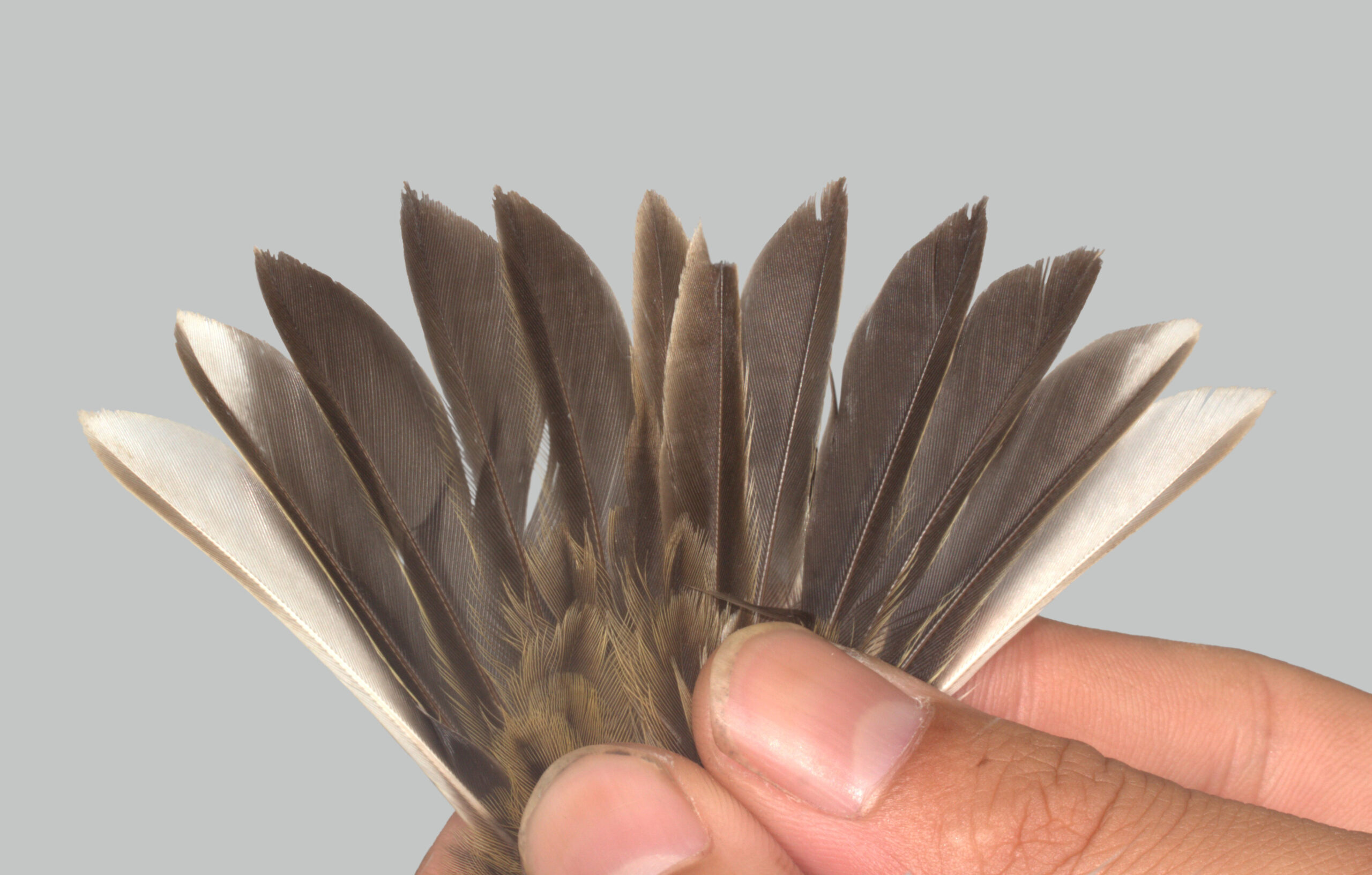
First up to mention- our Red-throated Pipits are back! And we are back to some tough ageing, however, thankfully, not due to lacking knowledge! Most pipits follow a similar moult pattern to Wagtails and Flycatchers. That is Adults Summer Complete, juveniles summer partial, with both undertaking a winter partial moult. So, you’d think that means now, in Autumn, the ages should be rather easier to distinguish. But of course, it’s not that simple! A lot of pipit species, Red-throated included, have quite a restricted postjuvenile moult, meaning that they moult very few feathers in the wing. Specifically, only some Lesser and maybe a couple of Median Coverts. This means we must look in these areas of the wing for moult limit, which is typically not easy to do.
In our individual above, we can see some variation in the colour and wear of the Lesser Coverts, while the Median and Greater Coverts seem of a lower quality and bleached. Therefore, we can conclude there are two generations in the Lesser Coverts, and the Median and Greater Coverts must be juvenile. Therefore, this must be a 1st calendar year bird.
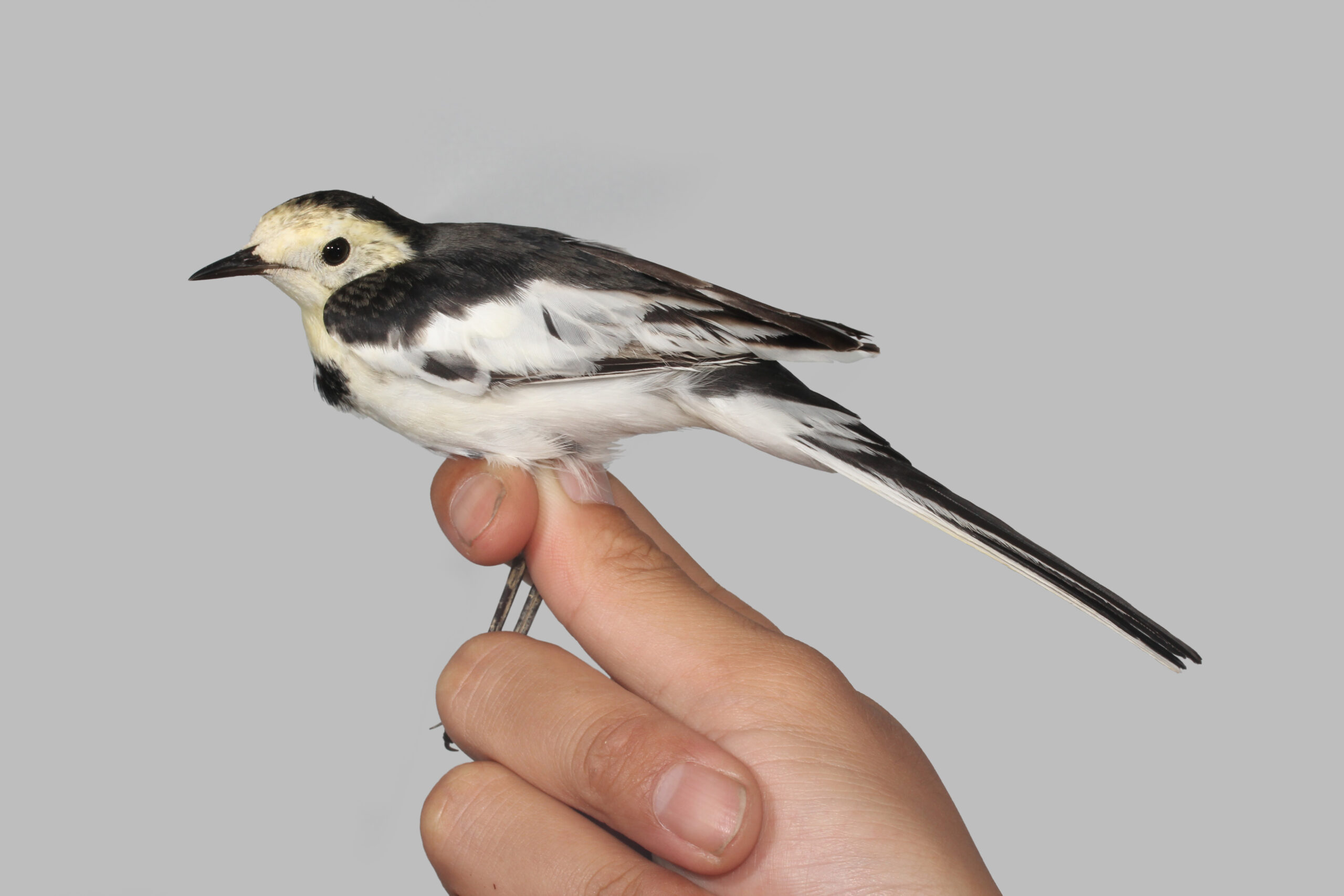
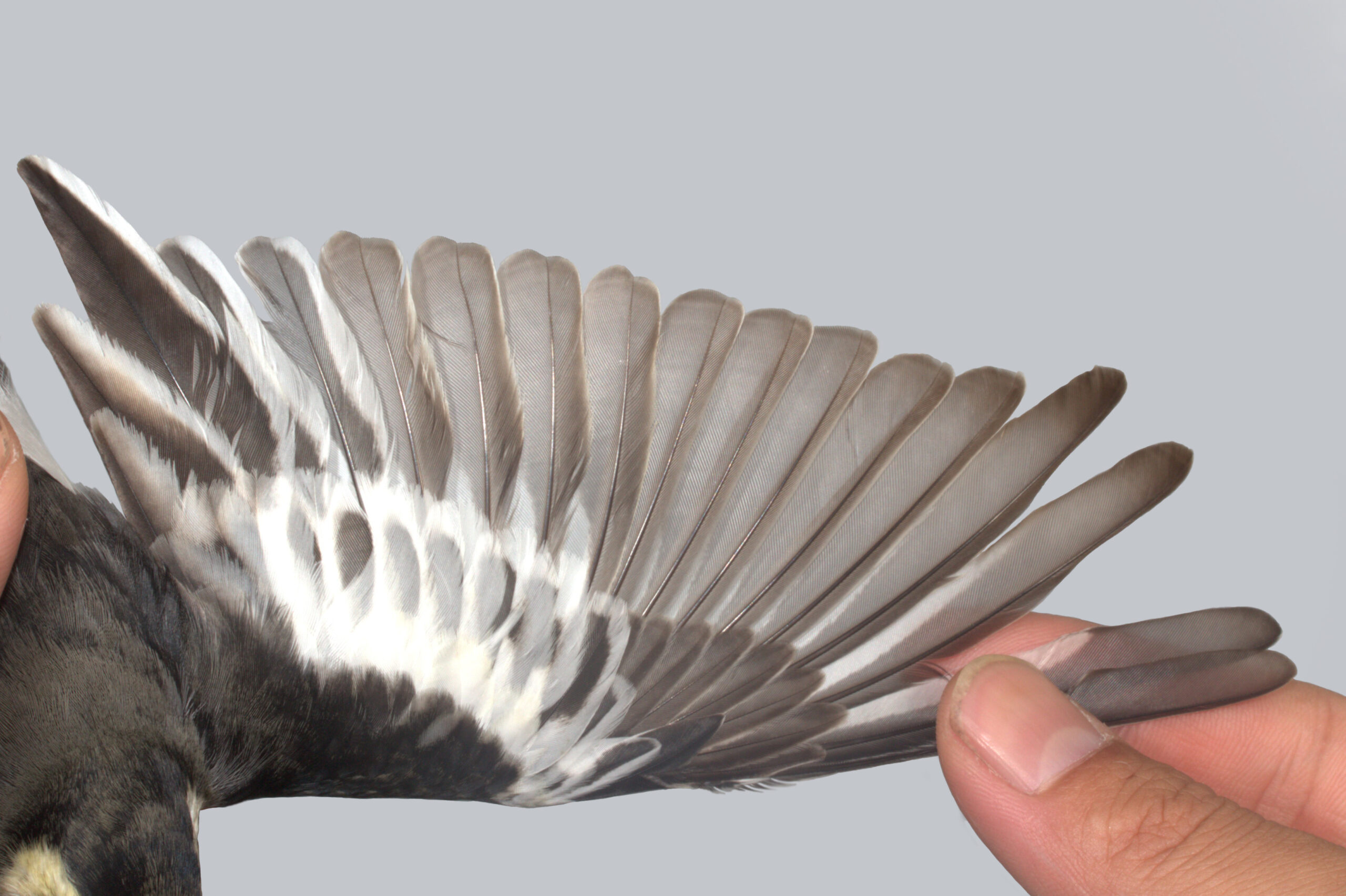
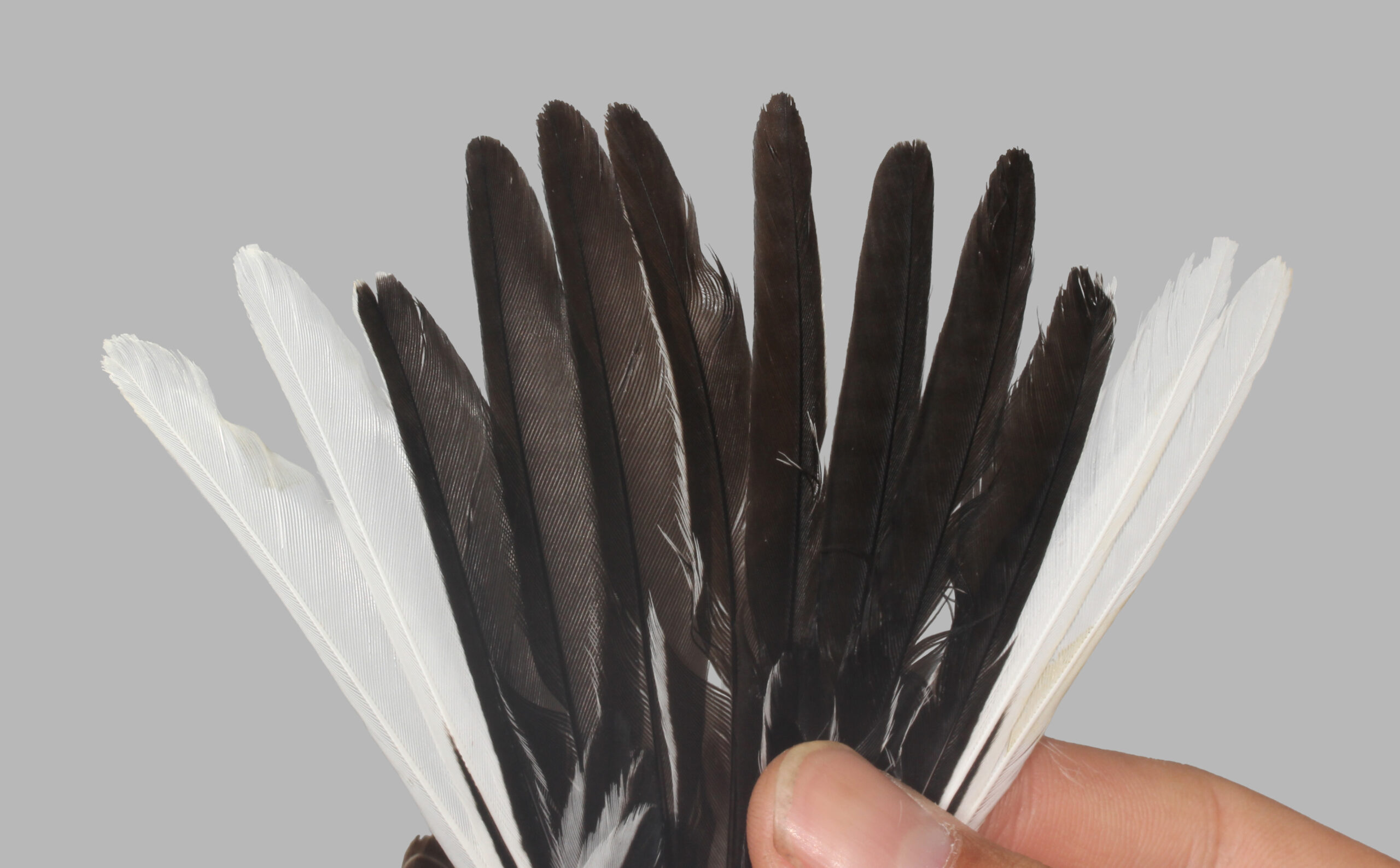
Next up was a species with the same moult strategy as the Pipits- a White Wagtail! Interestingly, though ageing is not too difficult, they exhibit the opposite extent of their postjuvenile moult. That is to say, it’s an incredibly extensive postjuvenile moult. This is probably due to the fact that our birds may not be migrating very far, and thus can spend more energy replacing feathers. As a rule of thumb, more southerly populations of birds also tend to have more extensive moults, even if they are of the same species.
In our bird, we can see it has moulted all of it’s GCs, Tertials and innermost 2 secondaries. These are quite obviously black in the centre, with a thick, white border, compared to the loose, brown of the unmoulted juvenile secondaries. Thus, this must be a 1st calendar year, and the extent of the black suggests this is a male.
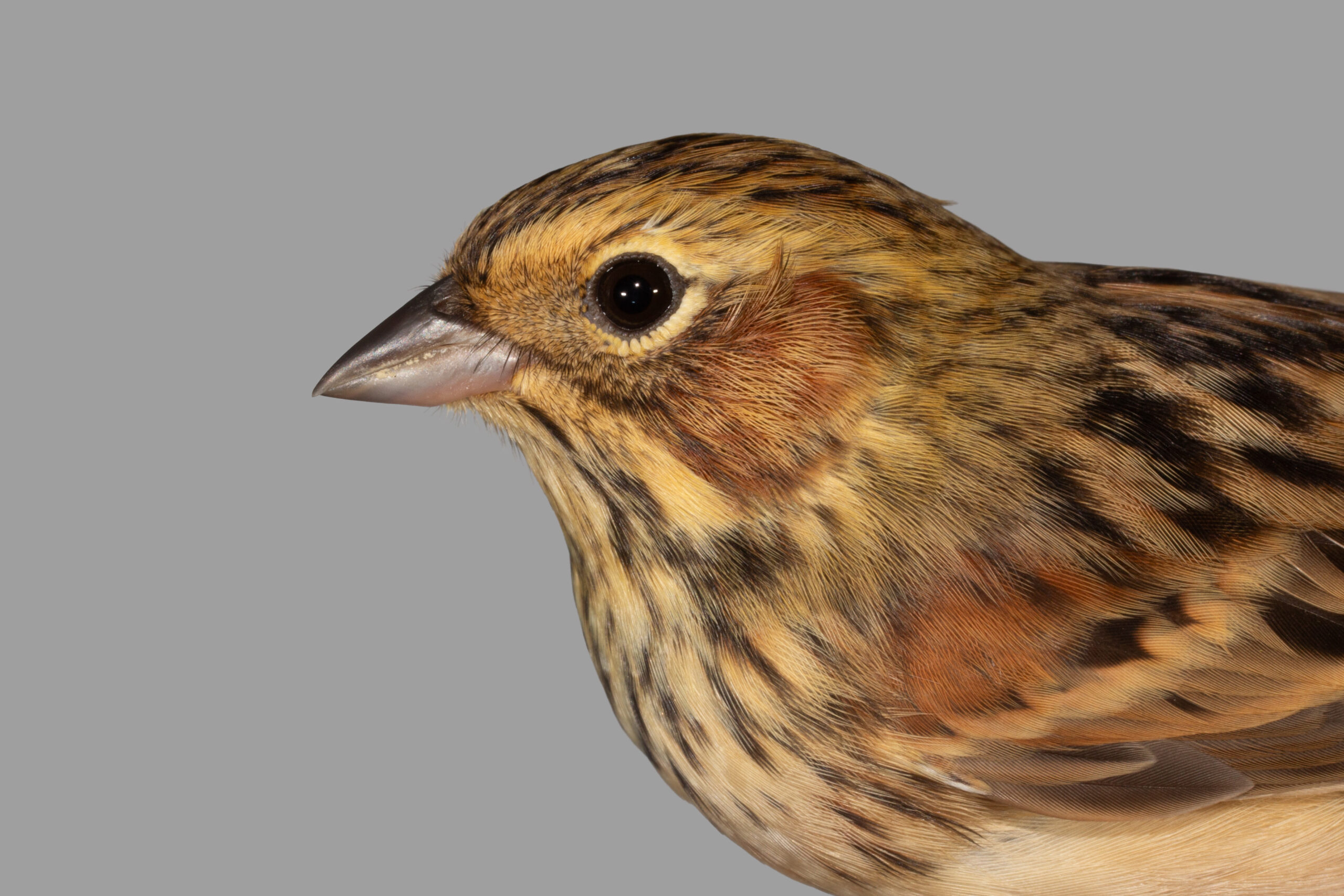
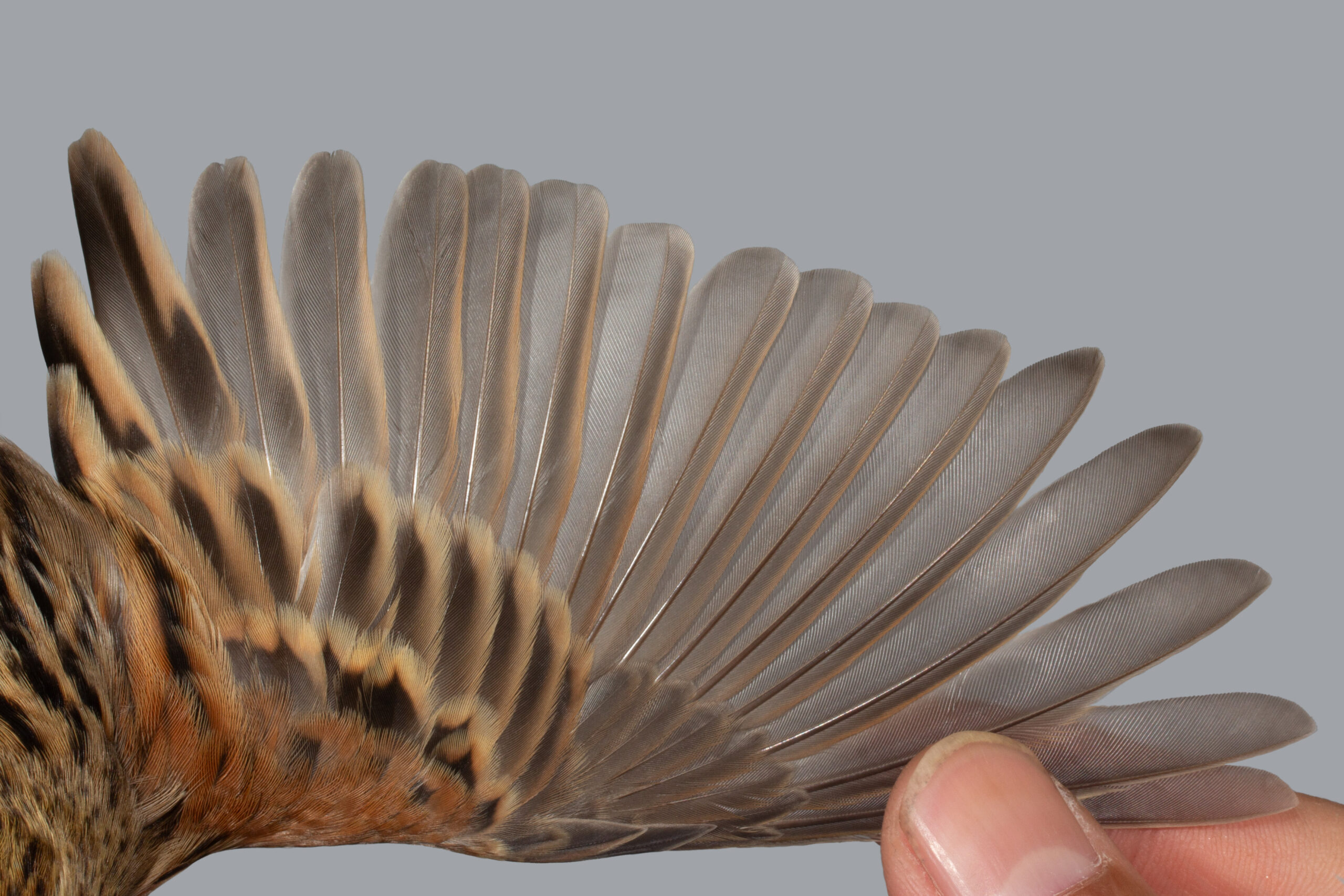
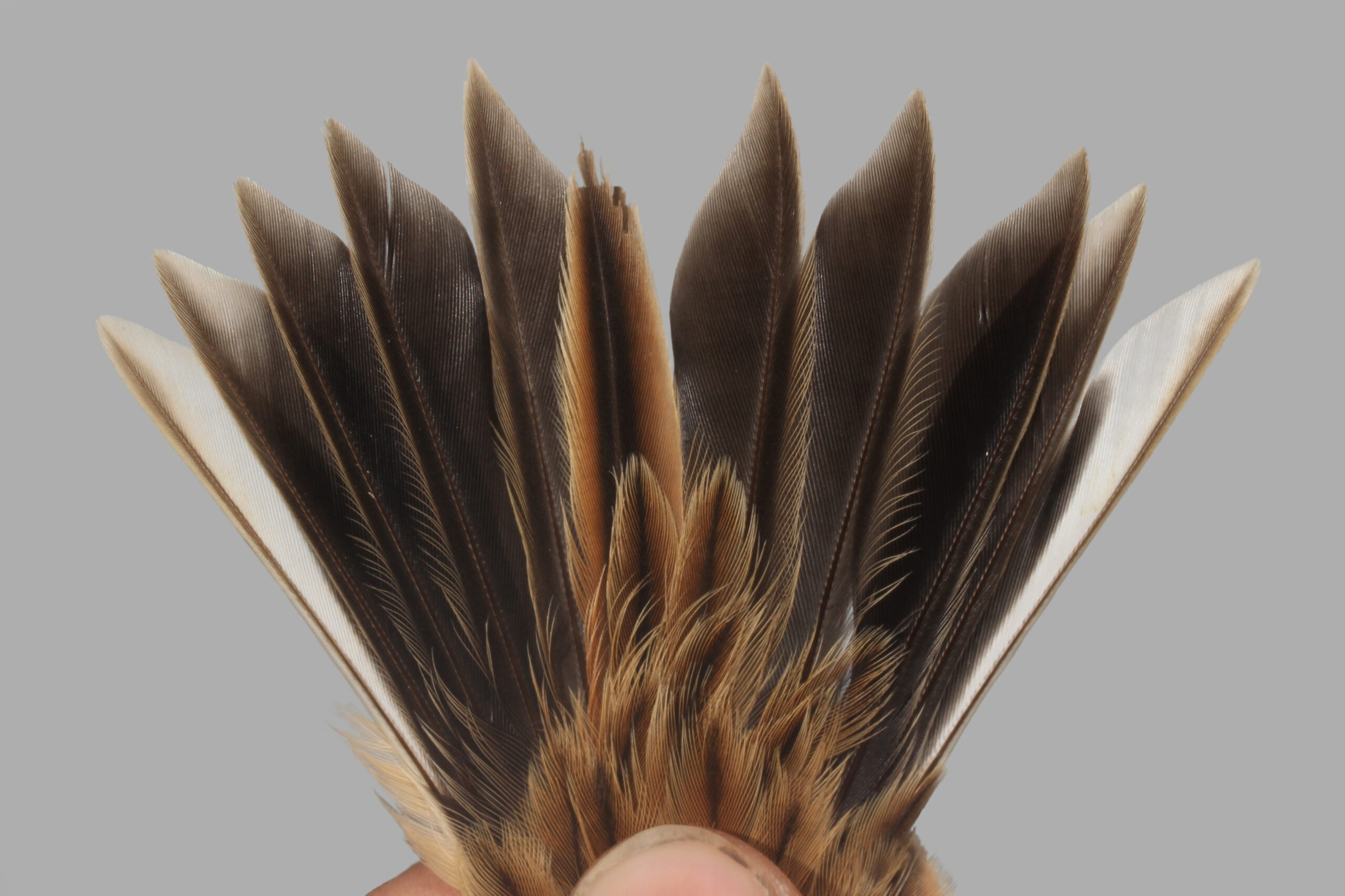
Finally, the Buntings are back! And our first capture was this beautiful adult female Chestnut-eared Bunting. So, it’s time to remember our Buntings moult strategies. Though they also carry out a Summer Complete (adults), summer partial (juveniles), Buntings specifically moult ALL of their GCs in their postjuvenile moult (again, not all Buntings, but most). This means we need to assess the quality of the PCs, primaries and secondaries, and see if we can see a limit between these feather groups, and the moulted GCs. Typically, it is harder to discern a moult limit between feather groups (as opposed to within a feather group). This is because any differences could be natural pattern variation as opposed to an actual limit- known as a ‘false moult limit’.
Thankfully, we can also use other criteria to support our suspicions, such as skull development (Buntings take a long time to fully develop their skulls), and tail shape (again, not in all species; Yellow-breasted Bunting juveniles are famous for moulting their entire tail in their postjuvenile moult, meaning their tails looks identical to adults so we cannot use this in ageing).
If we look at our bird above, we can see a uniform and great quality wing with all dark and dense feathers. There is no moult limit between the GCs and PCs. Though the tail in Chestnut-eared Buntings is always pointed, even in adults, the feathers are broad and the tips relatively rounded. So, it is an adult bird. And, since it is an adult, we would expect to see grey and white in the face and crown, and chestnut in the breast, if this were a male. Since all this is lacking, we can conclude this is an adult female!
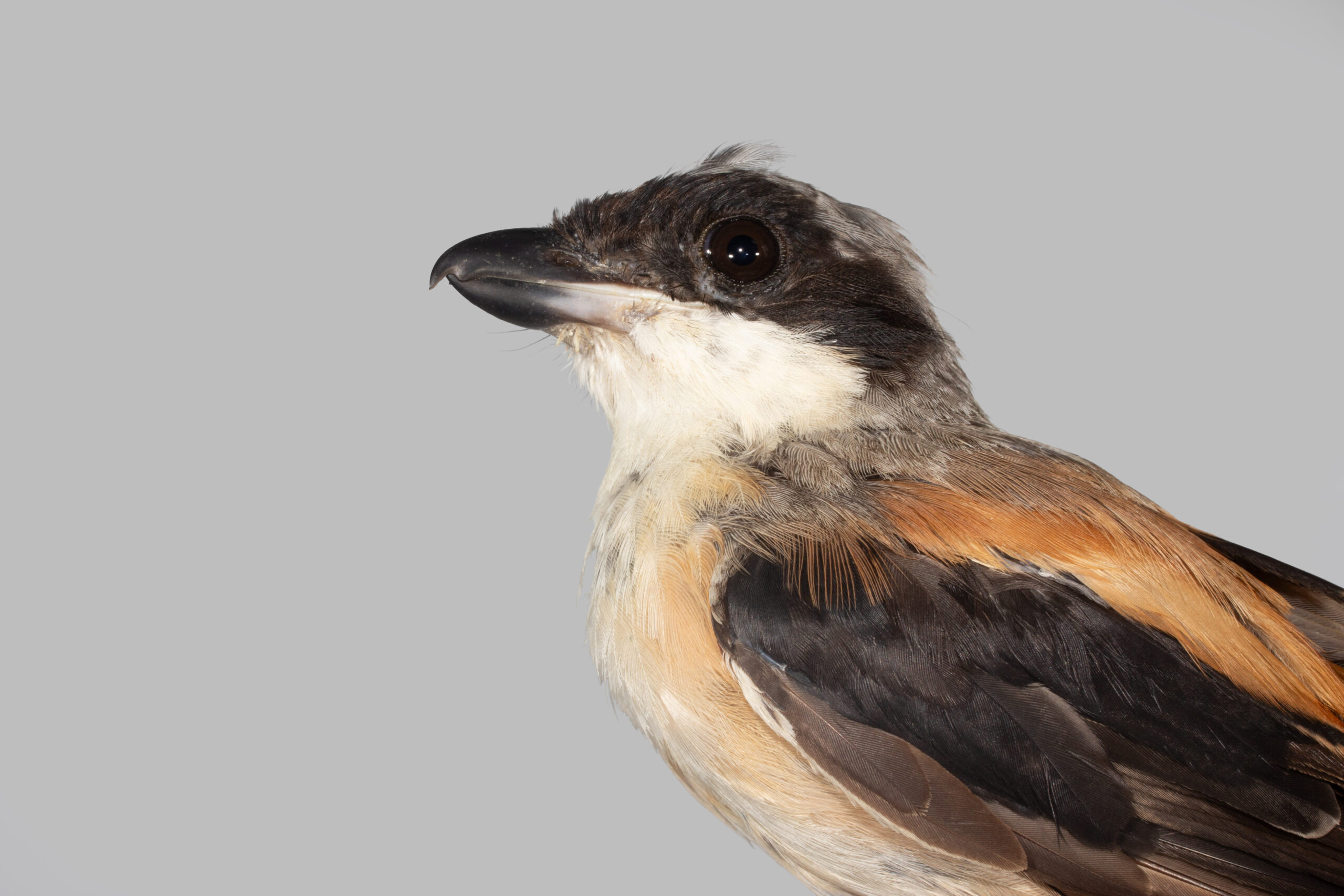
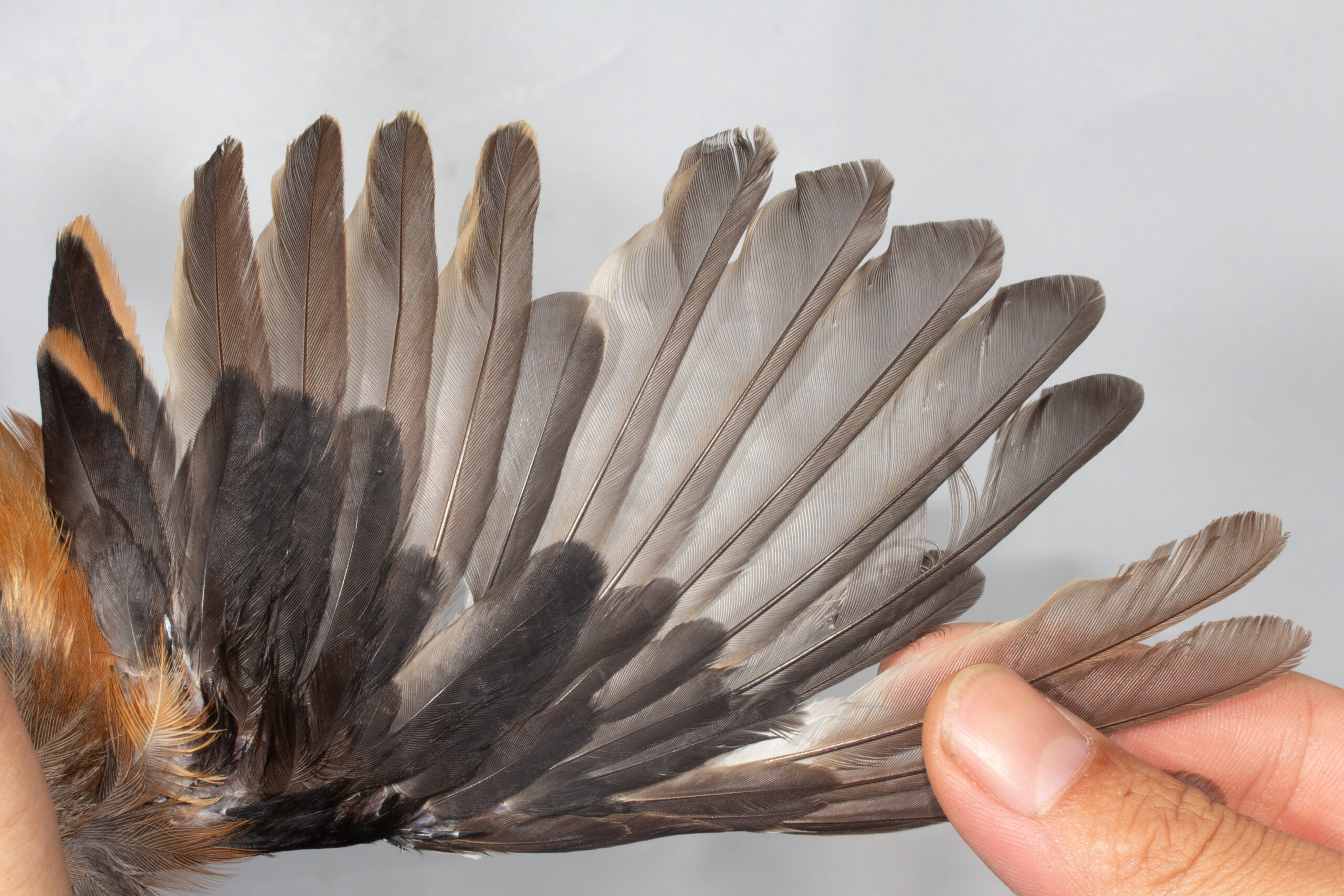
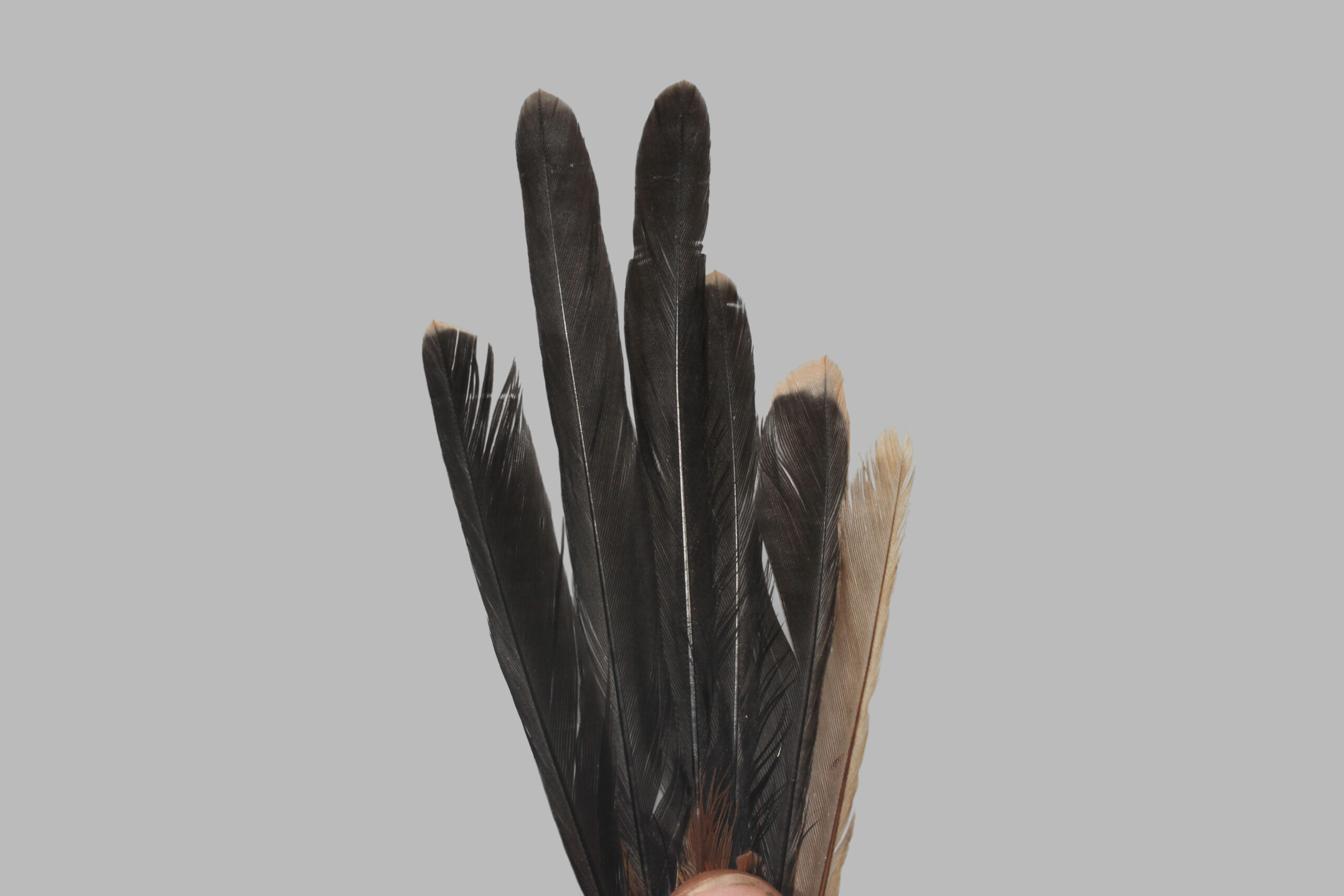
Back to another family an incredibly complicated moult strategy- the Shrikes! Pair this with the ability to have an extremely long breeding period, and the moult of the Long-tailed Shrike is quite hard to pin down. However, it is thought that adults and juveniles carry out a summer partial moult, meaning that by now we would probably see some juvenile feathers. Juvenile shrike feathers are usually fairly obvious as they have pale tips to them, which isn’t seen in our individual, just some worn adult feathers. This suggests that this is a 2nd year or older bird.
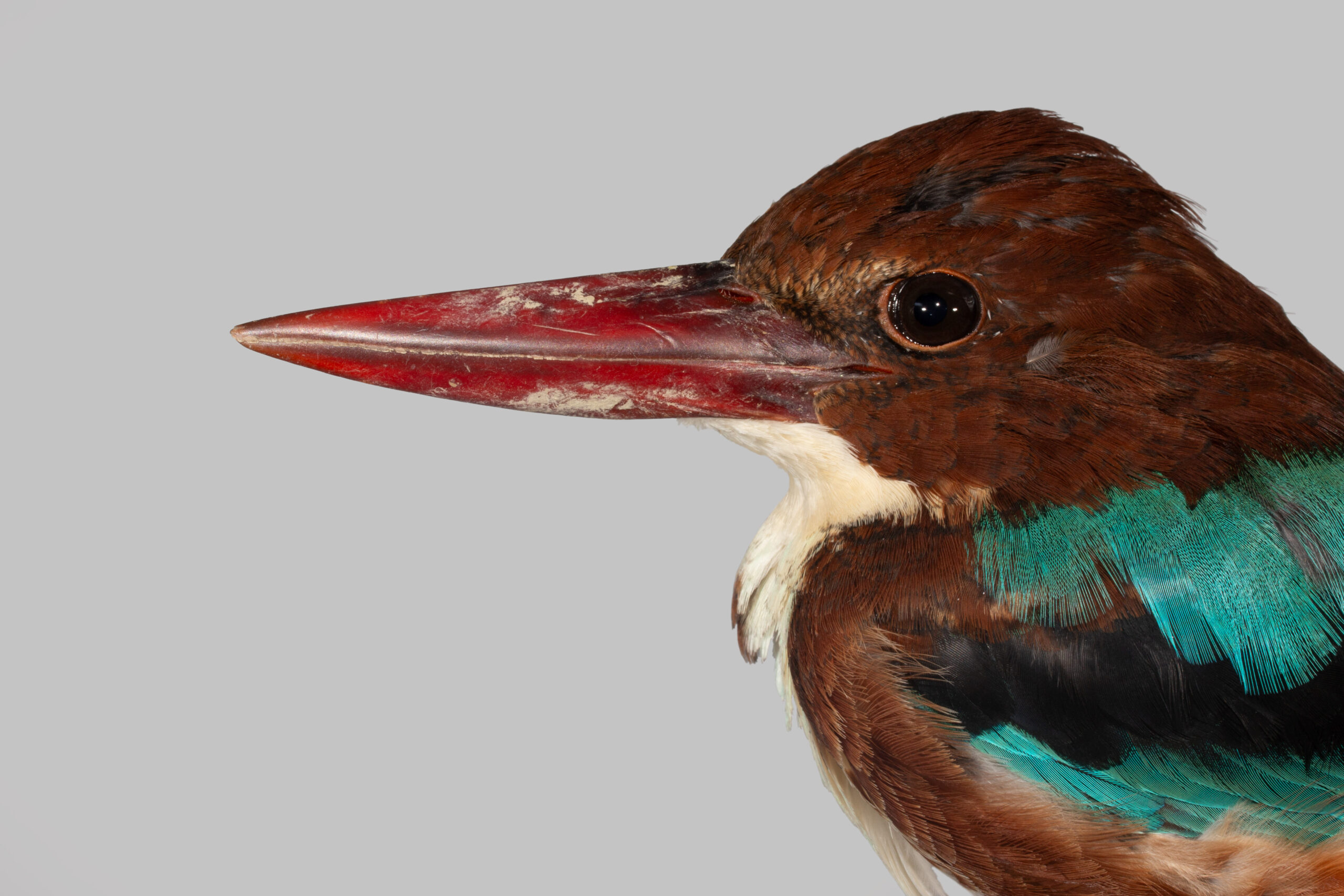
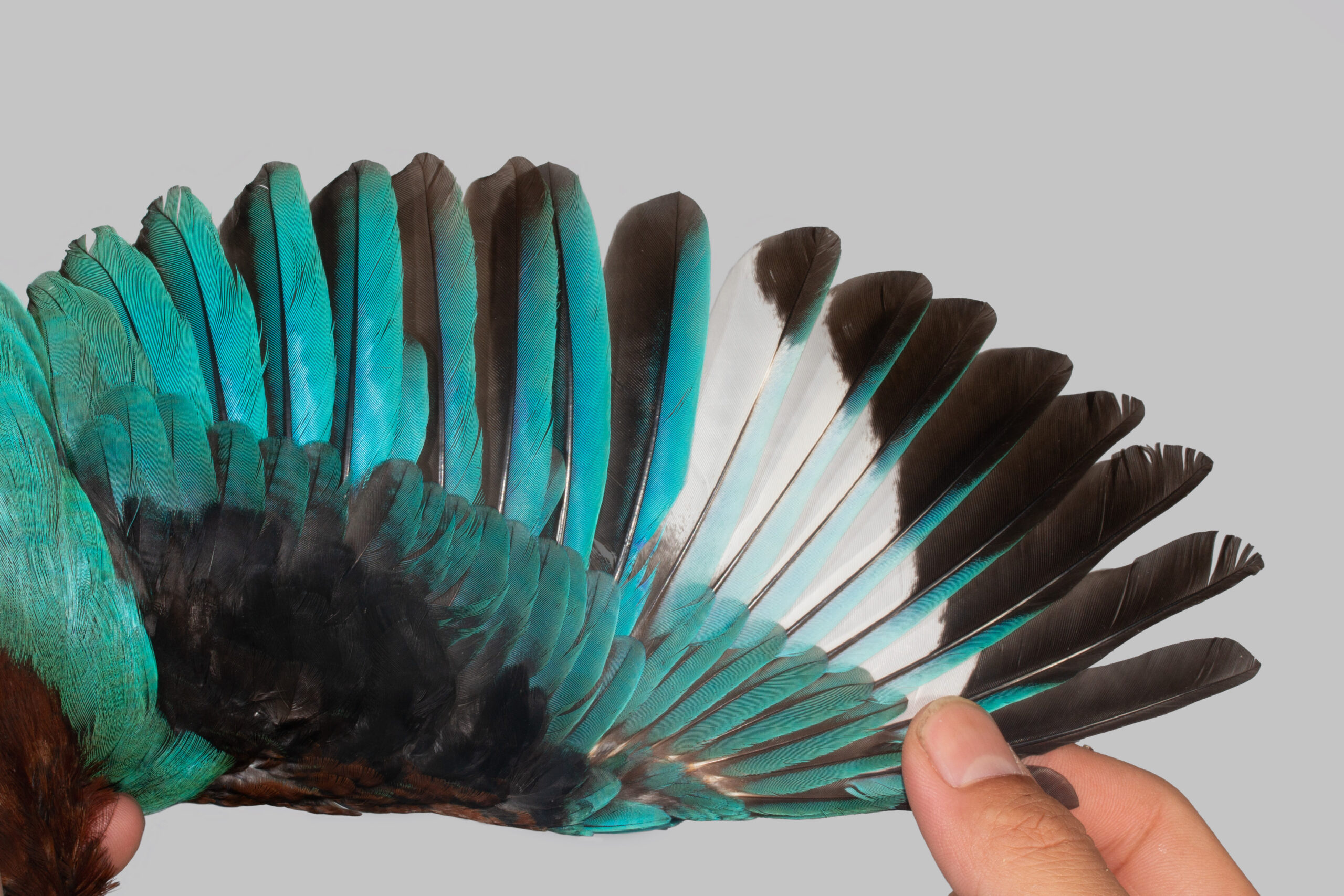
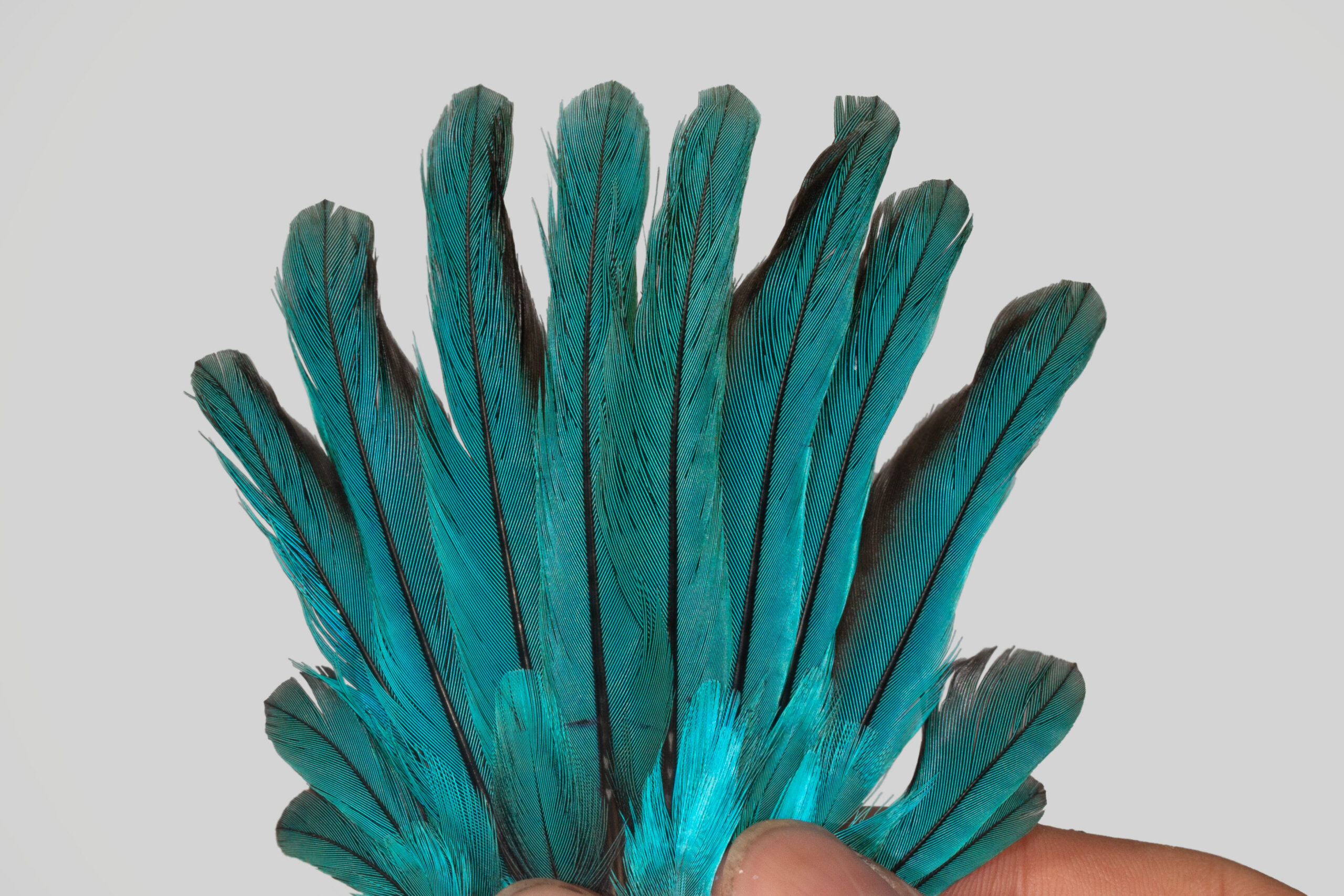
The wonderful birds continued as the morning wore on, with this gorgeous White-breasted Kingfisher! This is most likely an adult bird, as it was actively growing secondaries and primaries, with new feathers having the same shape, density and overall quality as the older, unmoulted feathers. However, again due to the lack of research into the moult of these guys, it is best left as a 1st calendar year or older.
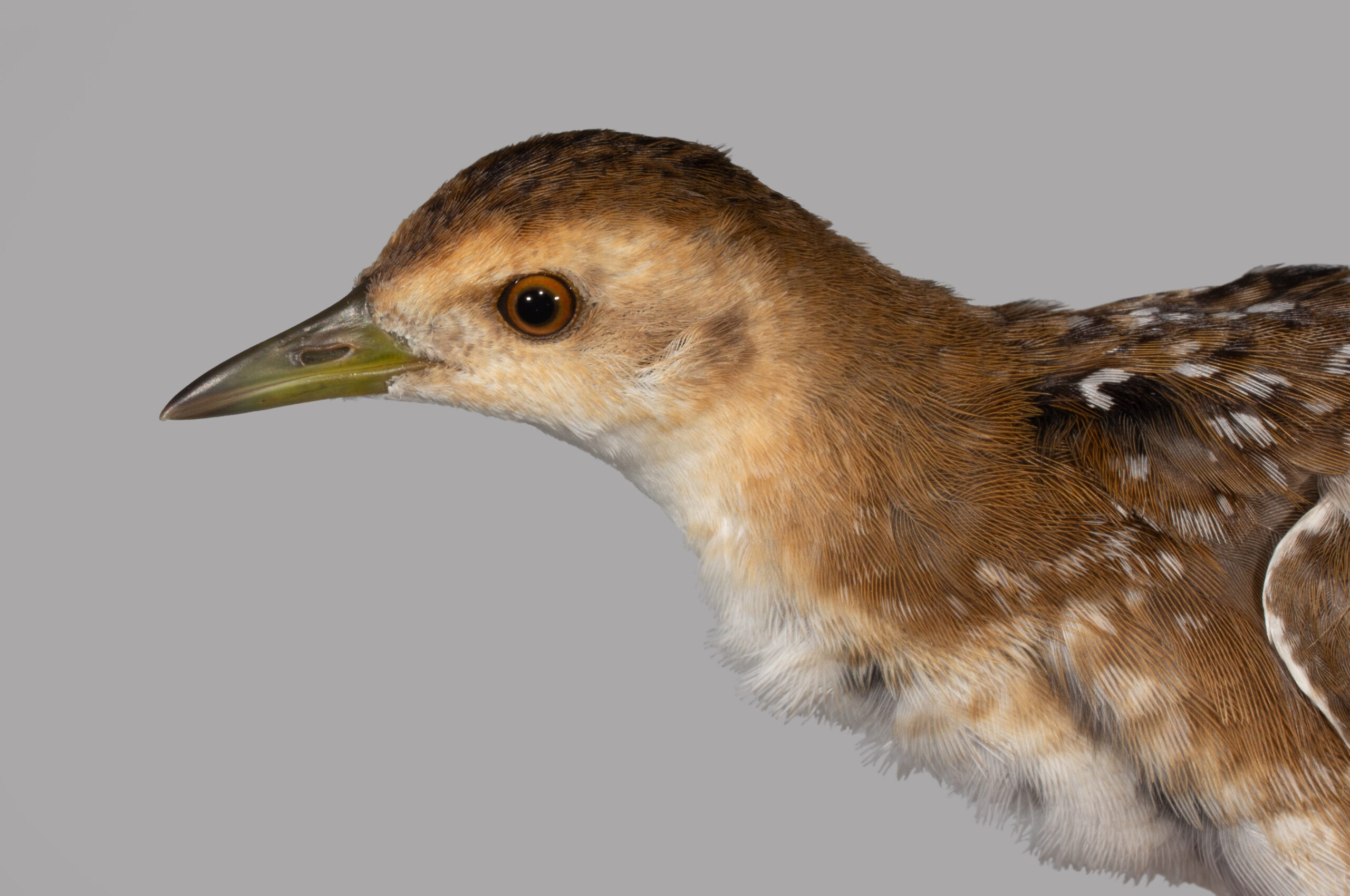
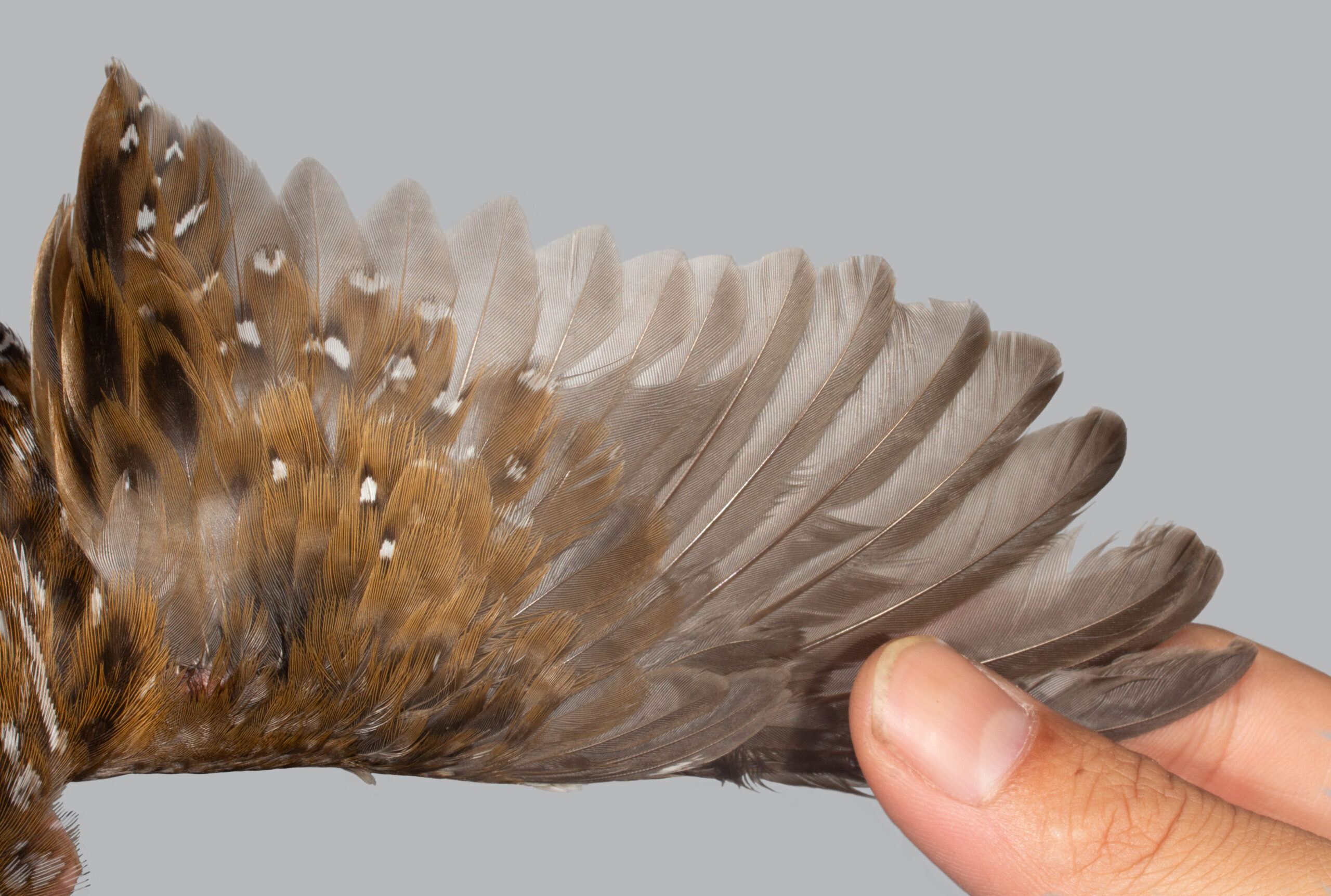
Finally, the morning ended with this beautiful little Baillon’s Crake! This is not a common catch for us, with just 3 being caught in the last 10 years! Baillon’s Crake may be small, but it has an incredibly wide distribution, with some subspecies stretching across to Western Europe, and others down to Oceania!
Given the research from Europe, it is thought that adults conduct a summer complete moult after breeding and juveniles conduct a summer partial moult, mainly some body feathers and wing coverts, and moult some primaries during the winter. This means that at the moment, we would expect to see some moult limits in the wing coverts, or at least some very worn outer primaries, if this were a juvenile bird. However, our bird shows quite a uniform wing with nice, dense and fresh flight feathers. Therefore, we can conclude this is an adult, 2nd calendar year or older, bird!
Daily Totals
| Species | Original | Recapture |
| Baillon’s Crake | 1 | 0 |
| Black-browed Reed Warbler | 3 | 0 |
| Chestnut-eared Bunting | 5 | 0 |
| Common Kingfisher | 2 | 0 |
| Common Snipe | 1 | 0 |
| Dusky Warbler | 11 | 0 |
| Greater Painted-snipe | 3 | 0 |
| Long-tailed Shrike | 1 | 0 |
| Oriental Reed Warbler | 7 | 0 |
| Plain Prinia | 2 | 2 |
| Red-throated Pipit | 2 | 0 |
| Scaly-breasted Munia | 11 | 0 |
| Spotted Dove | 1 | 0 |
| Stejneger’s Stonechat | 3 | 0 |
| White Wagtail | 4 | 0 |
| White-breasted Waterhen | 1 | 0 |
| White-rumped Munia | 5 | 0 |
| White-throated Kingfisher | 1 | 0 |
| Wood Sandpiper | 1 | 0 |
| Yellow-breasted Bunting | 3 | 0 |
| Zitting Cisticola | 3 | 0 |
| Grand Total | 71 | 2 |
*Please note that all wild birds, their nests, and eggs are highly protected (under Wild Animals Protection Ordinate, Cap. 170) in Hong Kong. It is an offence to wilfully disturb, take, remove, or injure wild birds or their nests/eggs. The actions described here were undertaken by trained professionals holding the necessary licenses and permits issued by the AFCD.*