


Back to the Paddyfields again, and, once again, the birds did not disappoint!
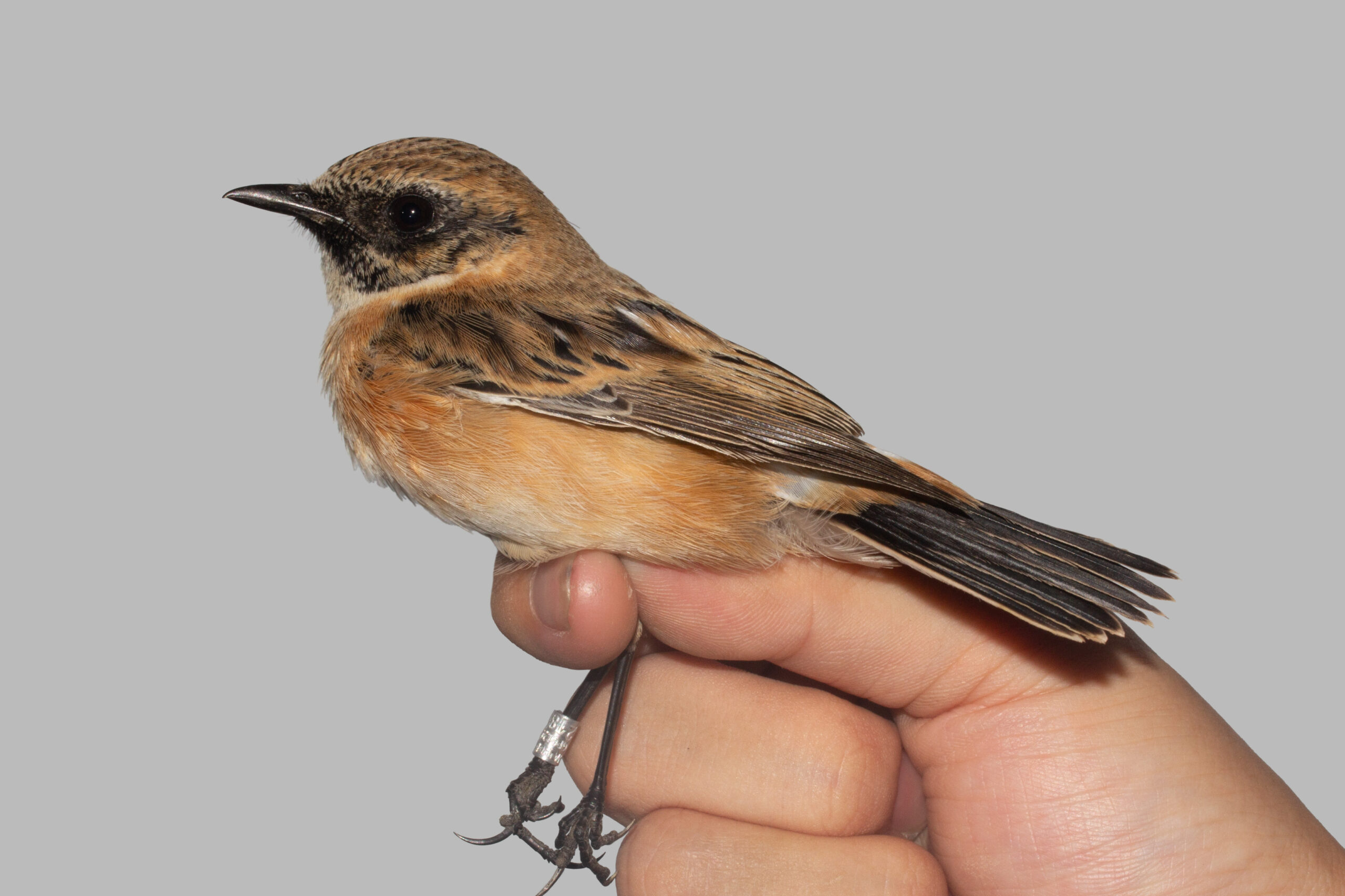
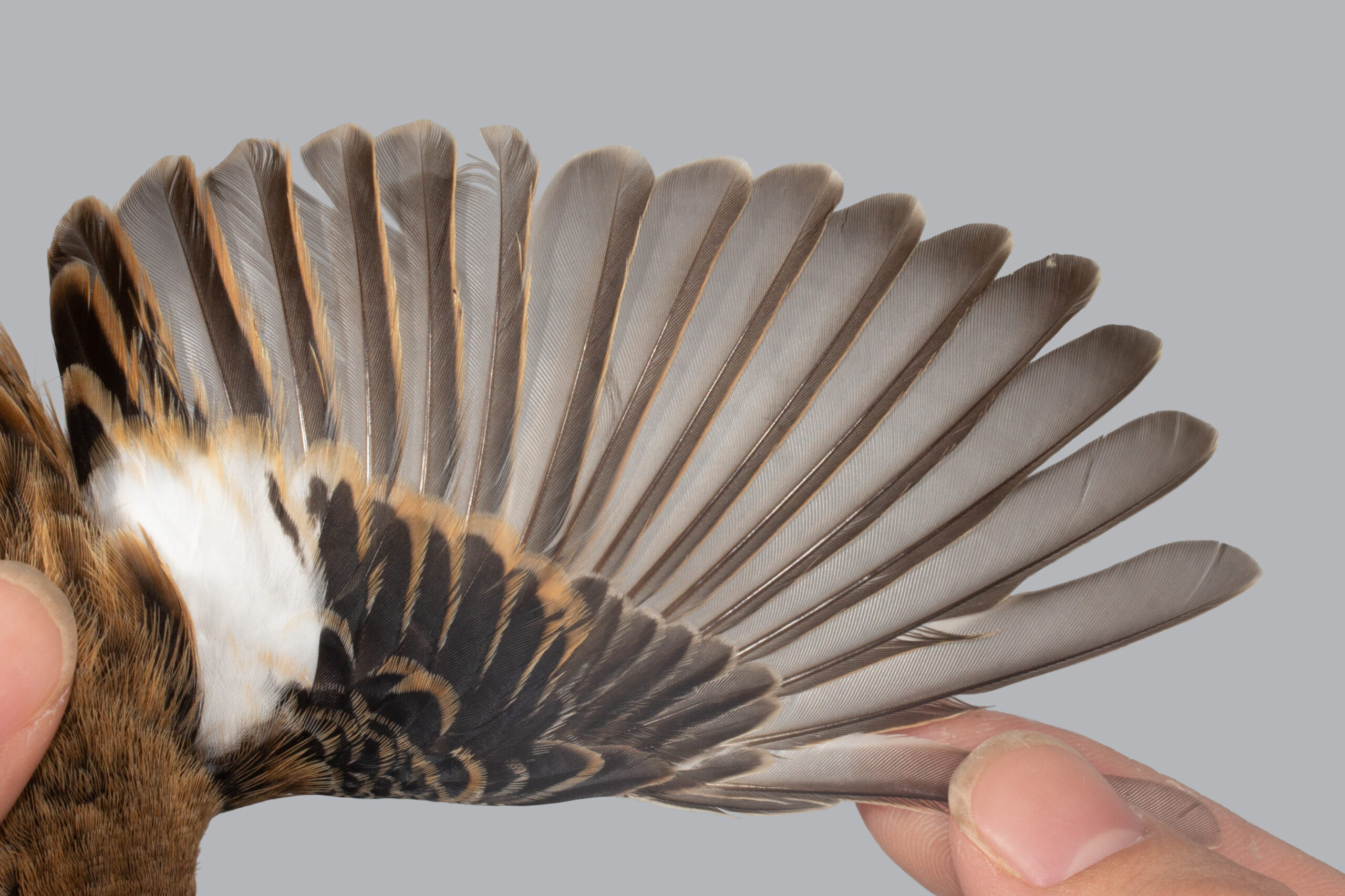
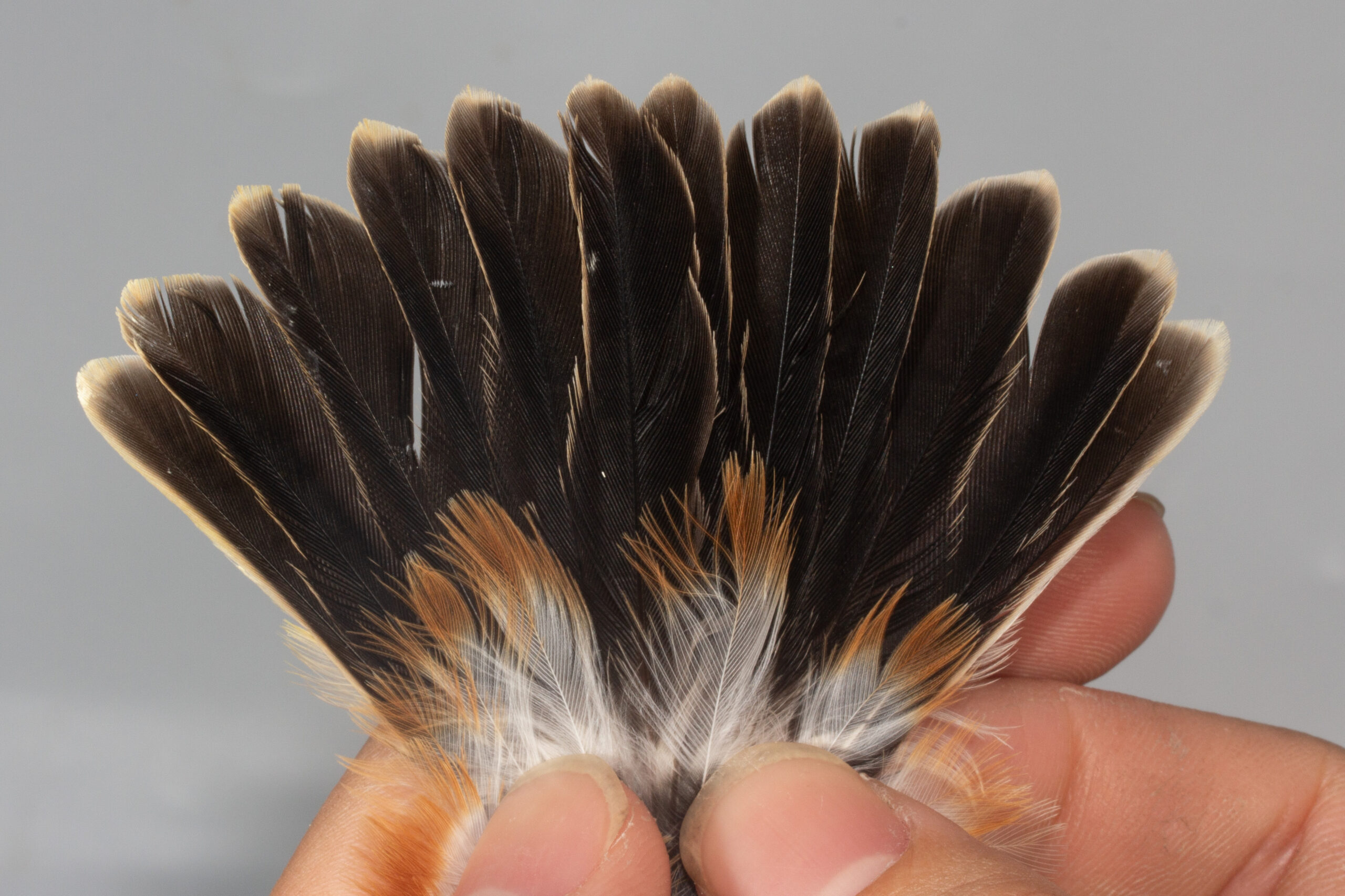
We started the morning with this lovely adult male (now) Amur (previously Stejneger’s) Stonechat. Like the other chats, robins, thrushes etc., these guys just carry out one moult a year, and that is a Summer Complete (adults), summer partial (juveniles). This means we are just looking for any moult limits, that would tell us that this is a young bird. However, our individual above shows nice, uniform adult feathers in the wing and tail, and thus, must be an adult bird. From the amount of black in the face and underwing, we can tell this must be an adult male!
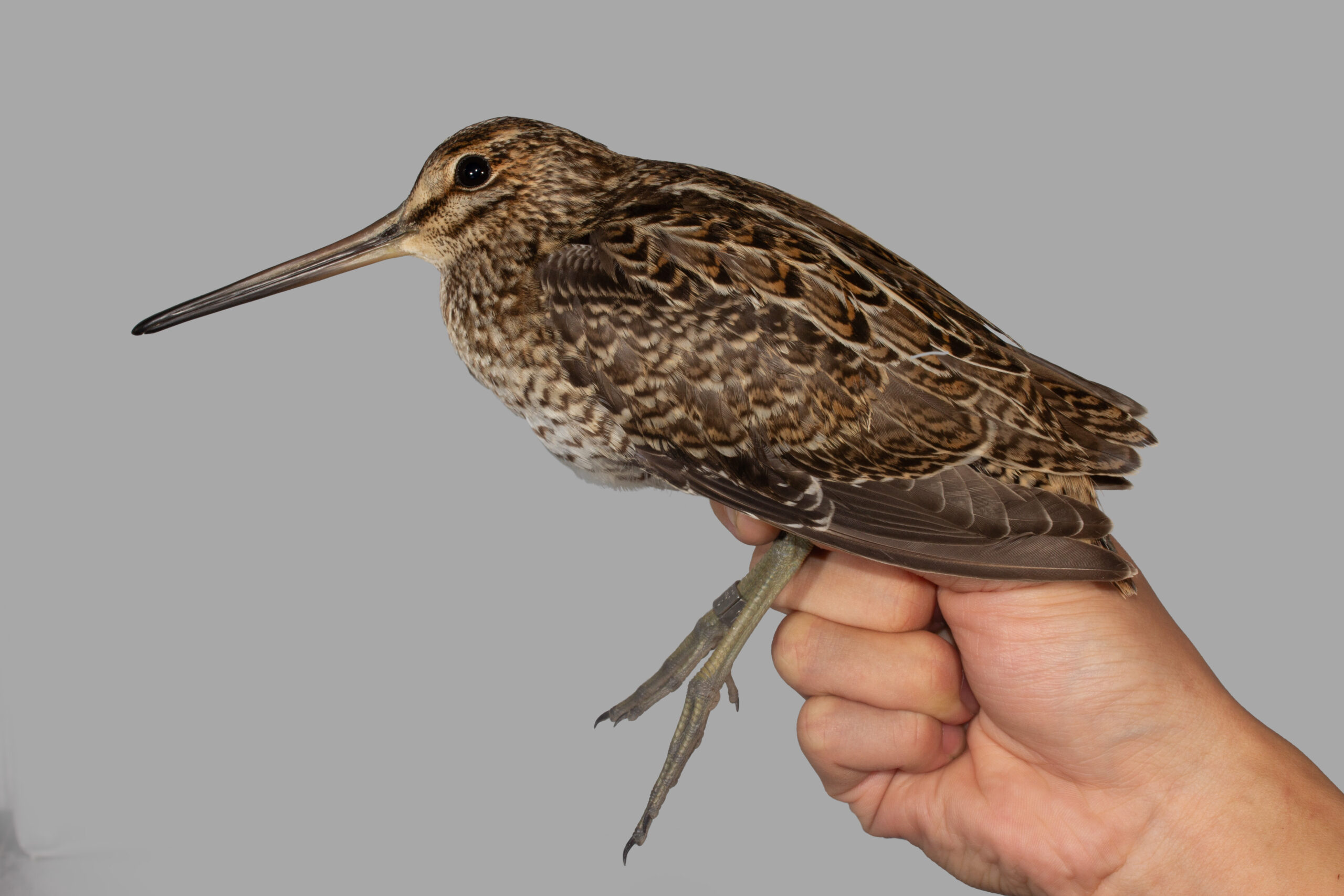
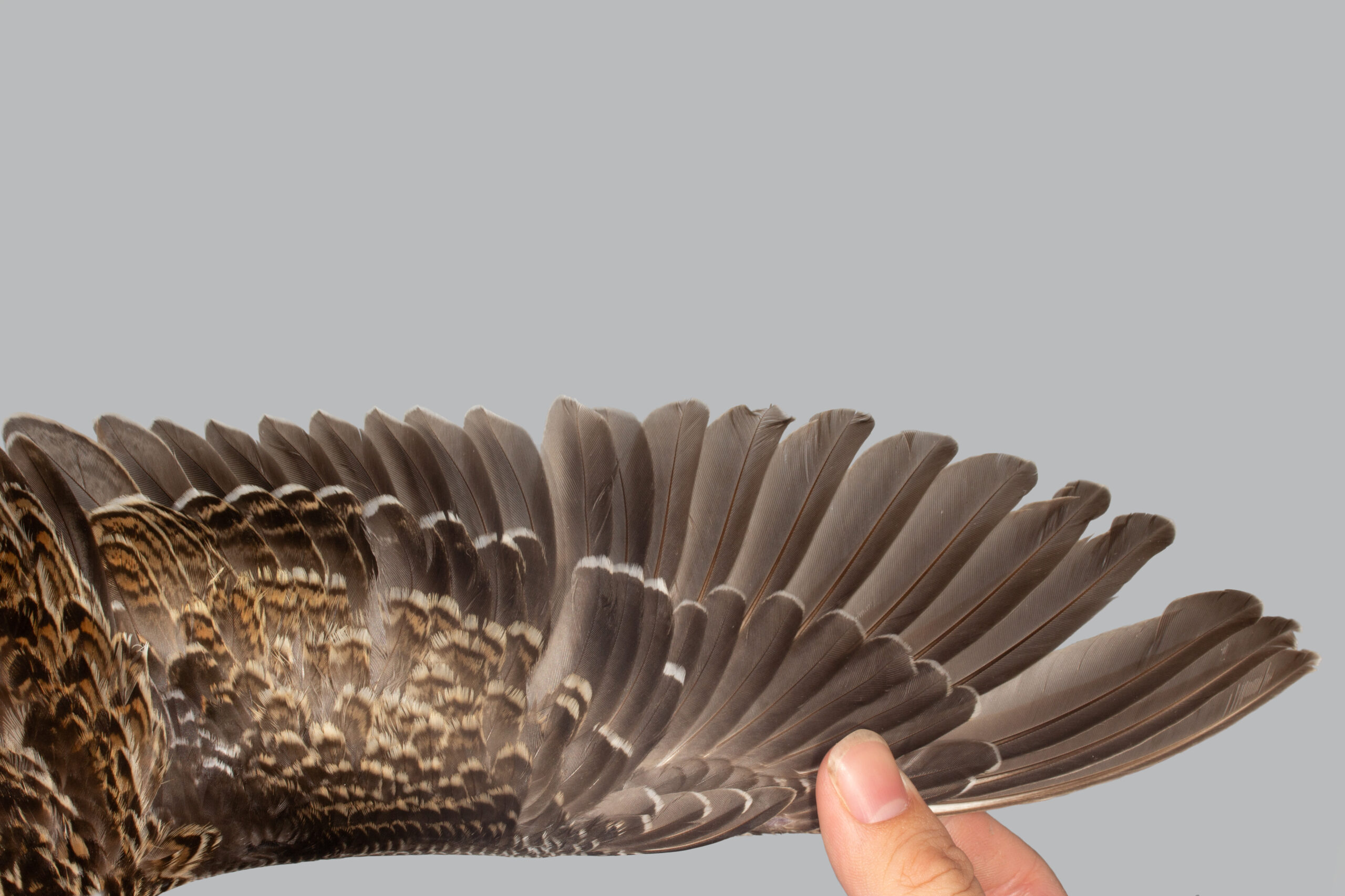
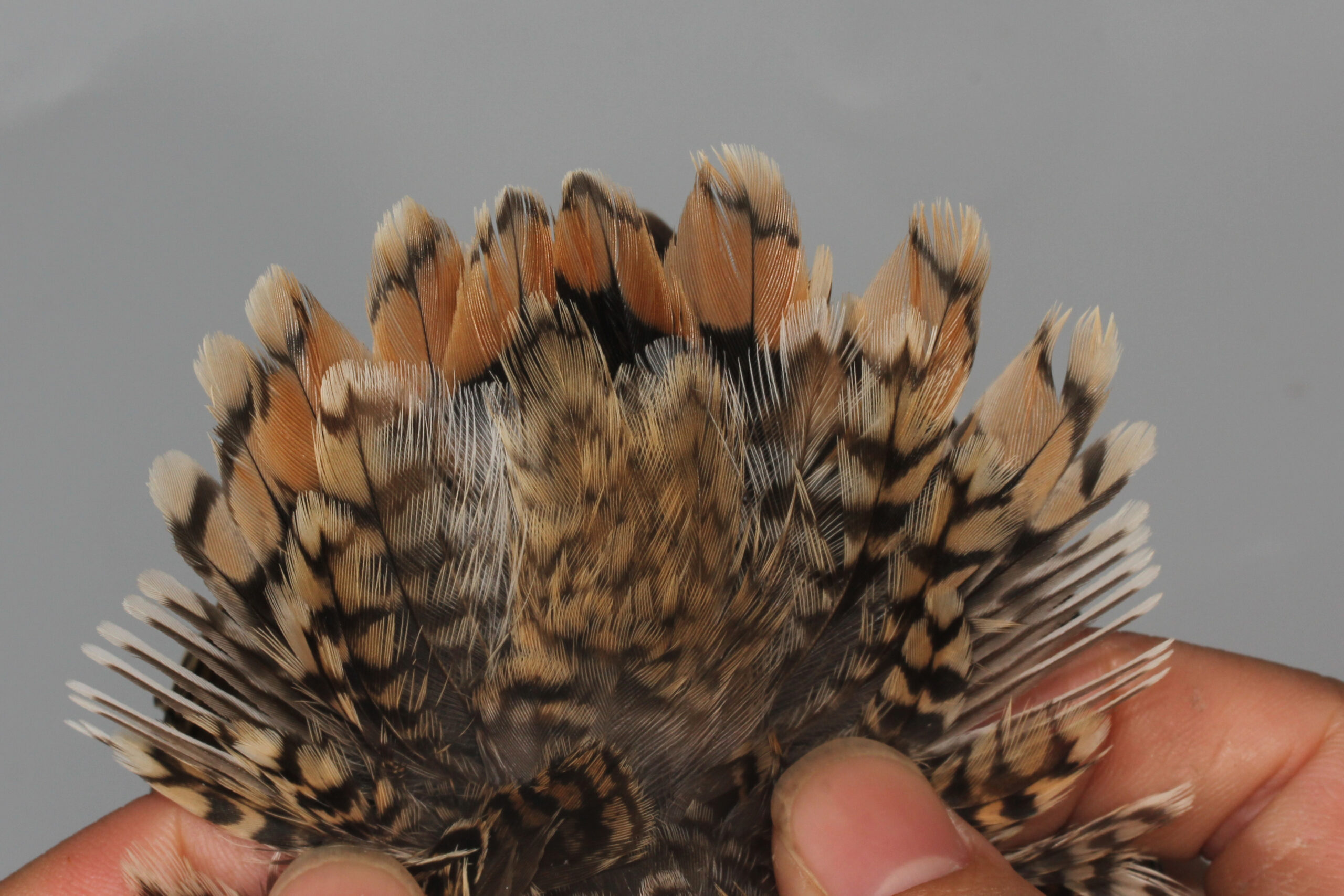
Next up was the start of our Snipe saga, with this individual. Though telling Common, Swinhoe’s and Pintail apart is not the simplest task, we have a beat of an advantage when ringing. We are able to study the tail of our birds, which, by the thickness of the outer tail feathers, and the overall number of feathers, we can easily differentiate the three species. As you can see in the bird above, the outer tail feathers are incredibly thin…almost like…pins. Hence the name- the Pintail Snipe!
Ageing all Snipes is a rather complicated process, especially in this part of the world, so, for now, we age it as a 1st calendar year or older!
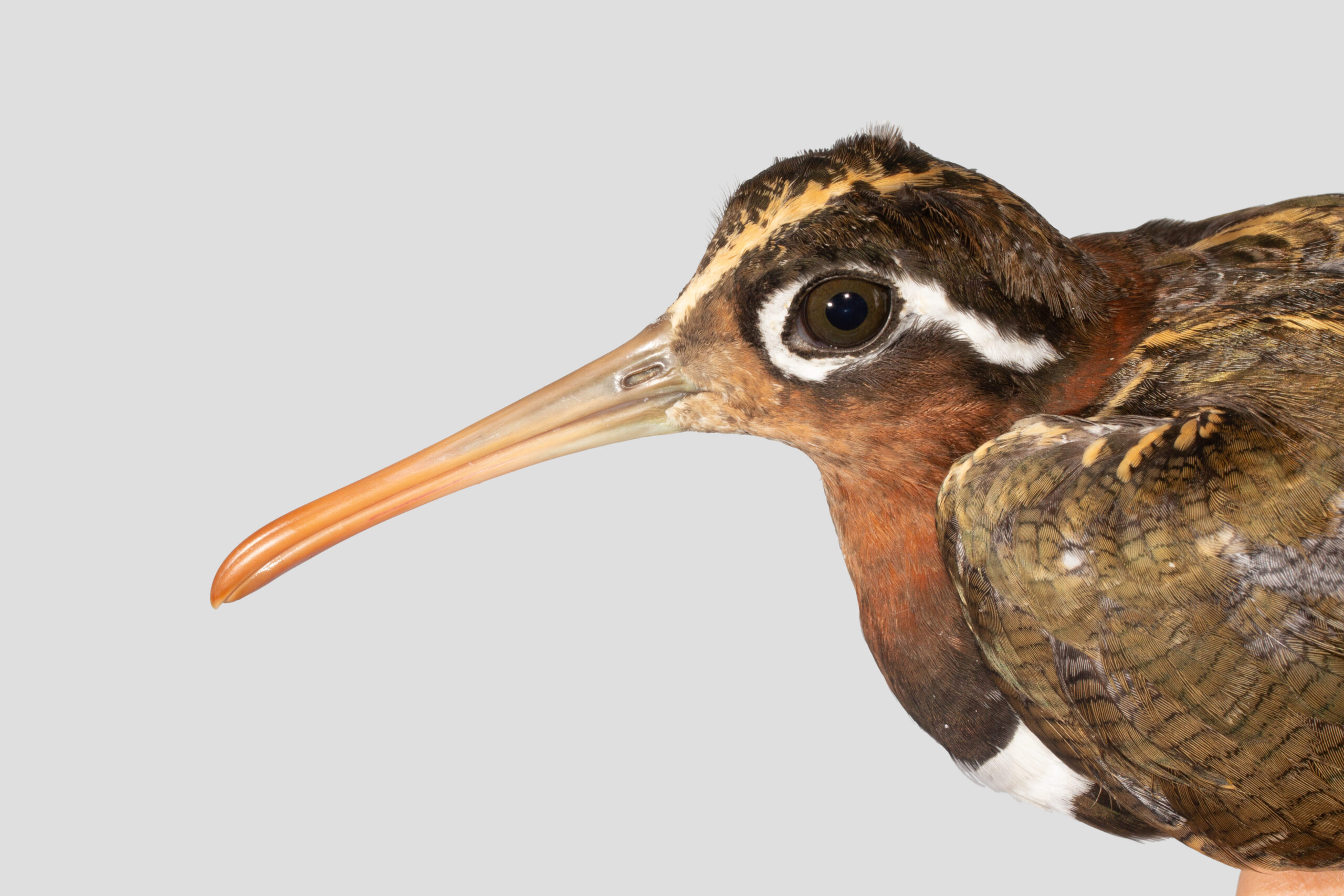
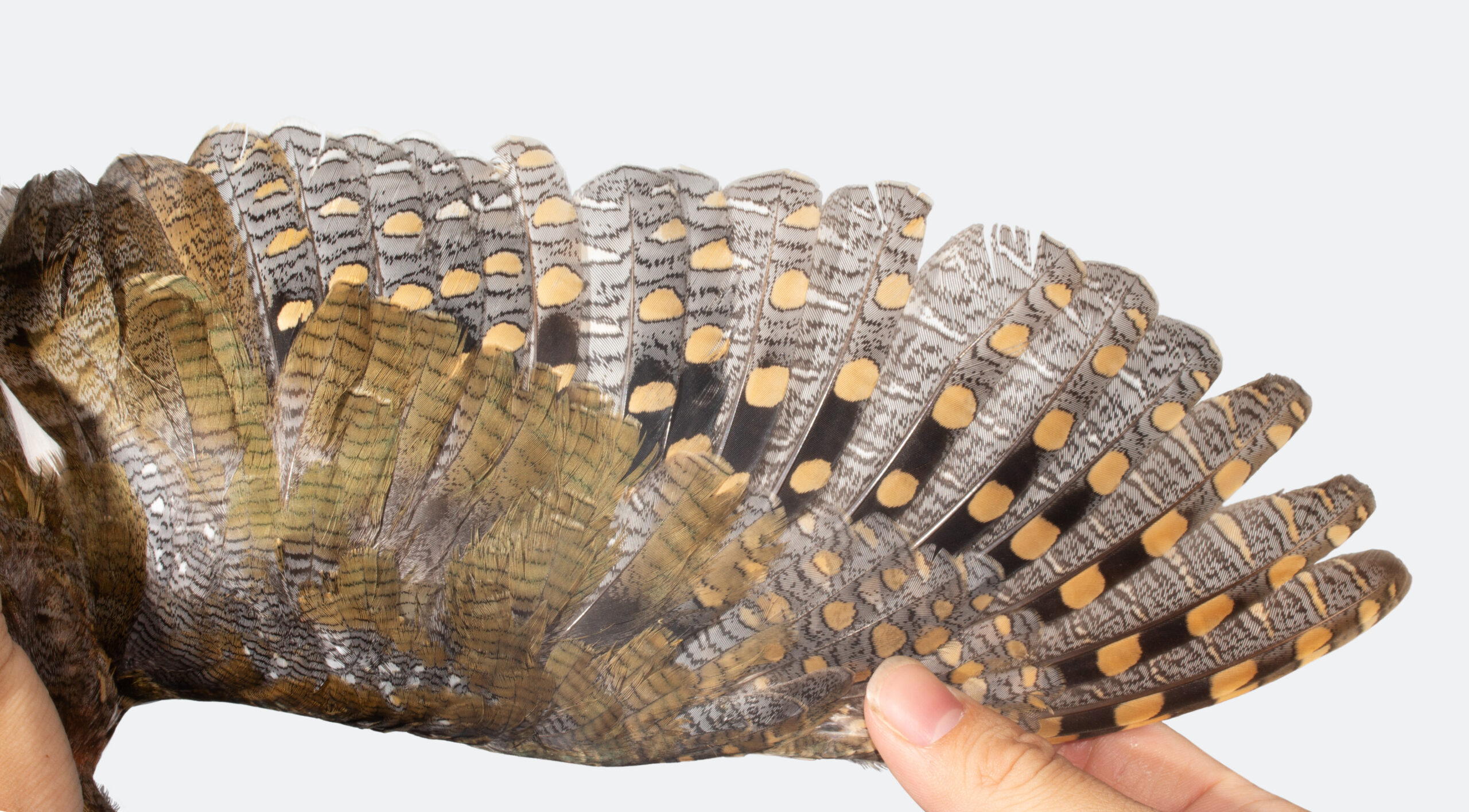
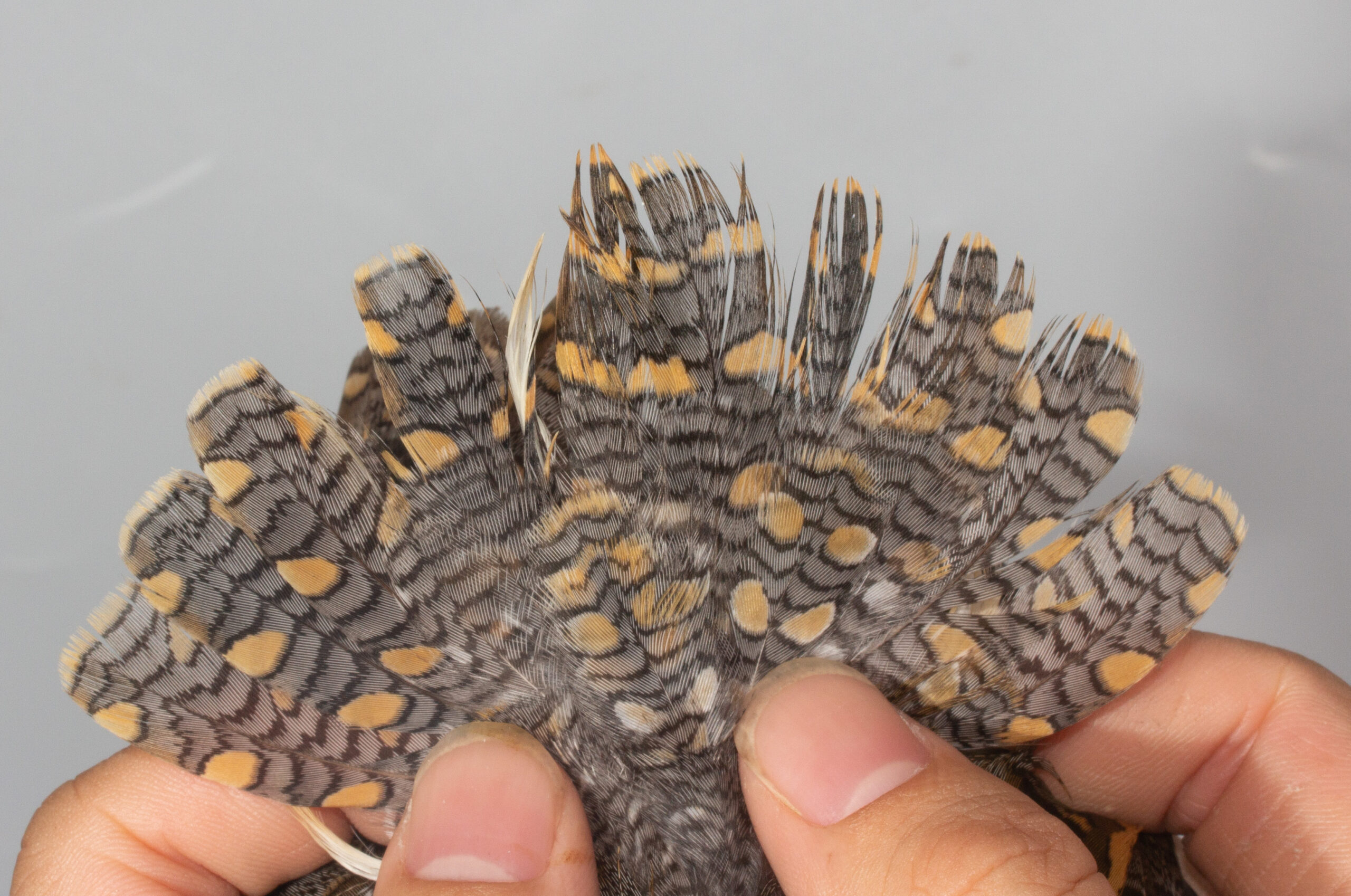
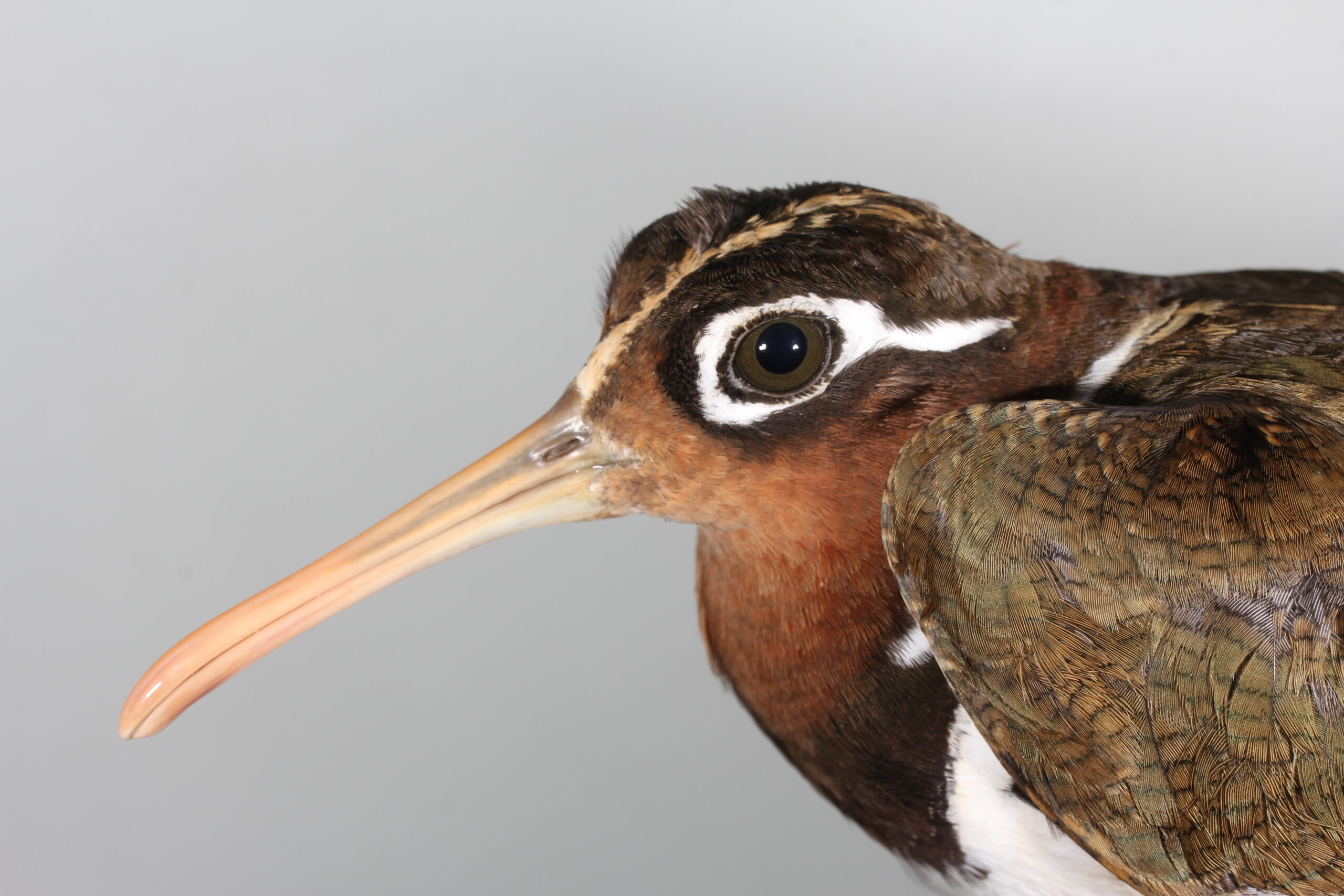
Our next Snipe was an arguably more ‘flashy’ species- the Greater Painted-Snipe! This species is a resident in Hong Kong, though we do have some migrants that come from the north to winter in Hong Kong.
Our bird above shows moult limits in the flight feathers. They can be tricky to spot, but the old feathers show orange spots all the way to the tip, while the new, postjuvenile feathers, show white lines until the edge of the feathers instead. Therefore, we know this is a 1st calendar year bird! This bird also has the gorgeous rufous throat, dark breast band and white eye ‘comma’ indicative of a female! As a reminder, the Greater Painted-Snipe is polyandrous, meaning the female has many mates, a breeding strategy that is consider fairly rare!
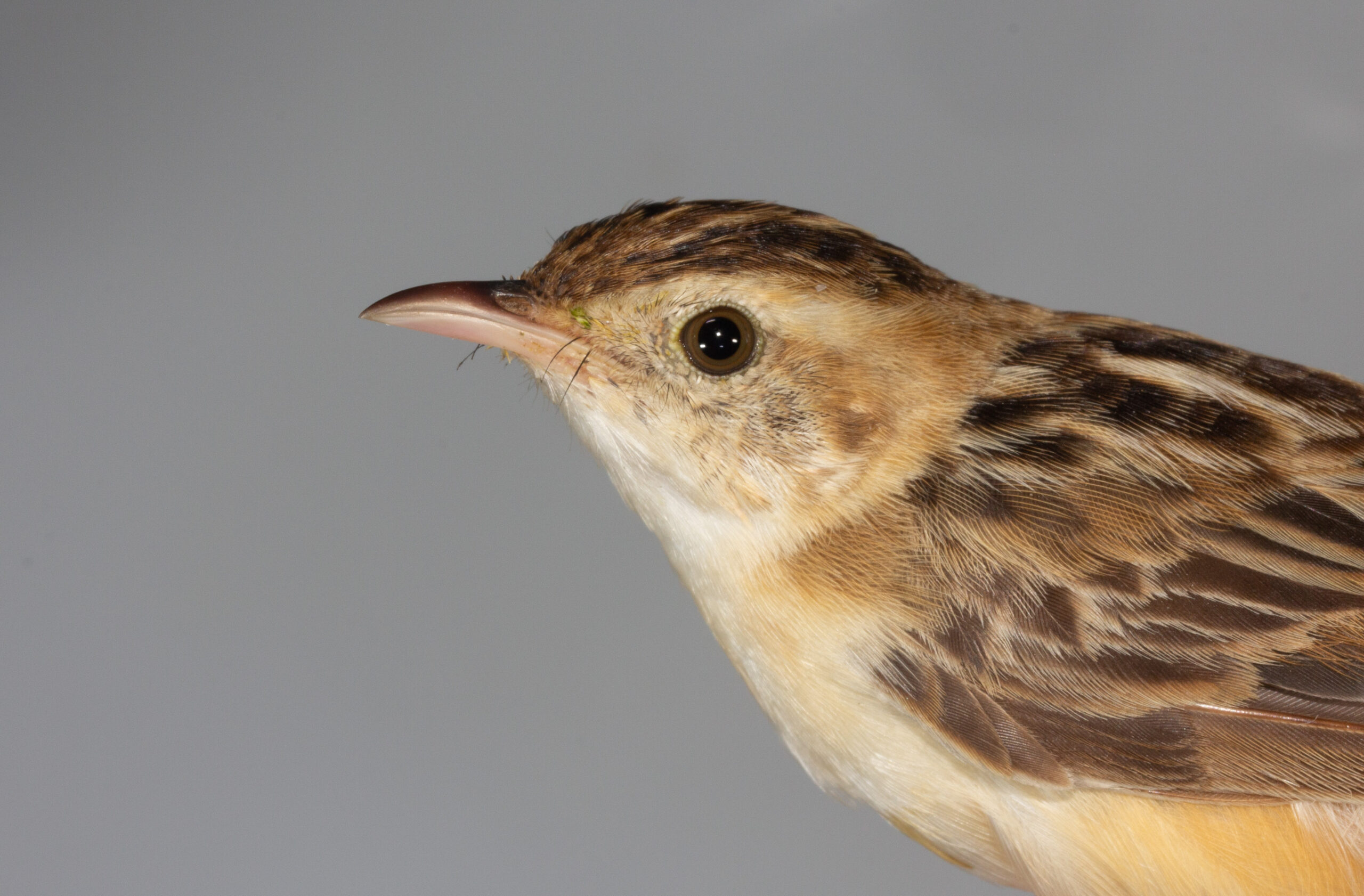
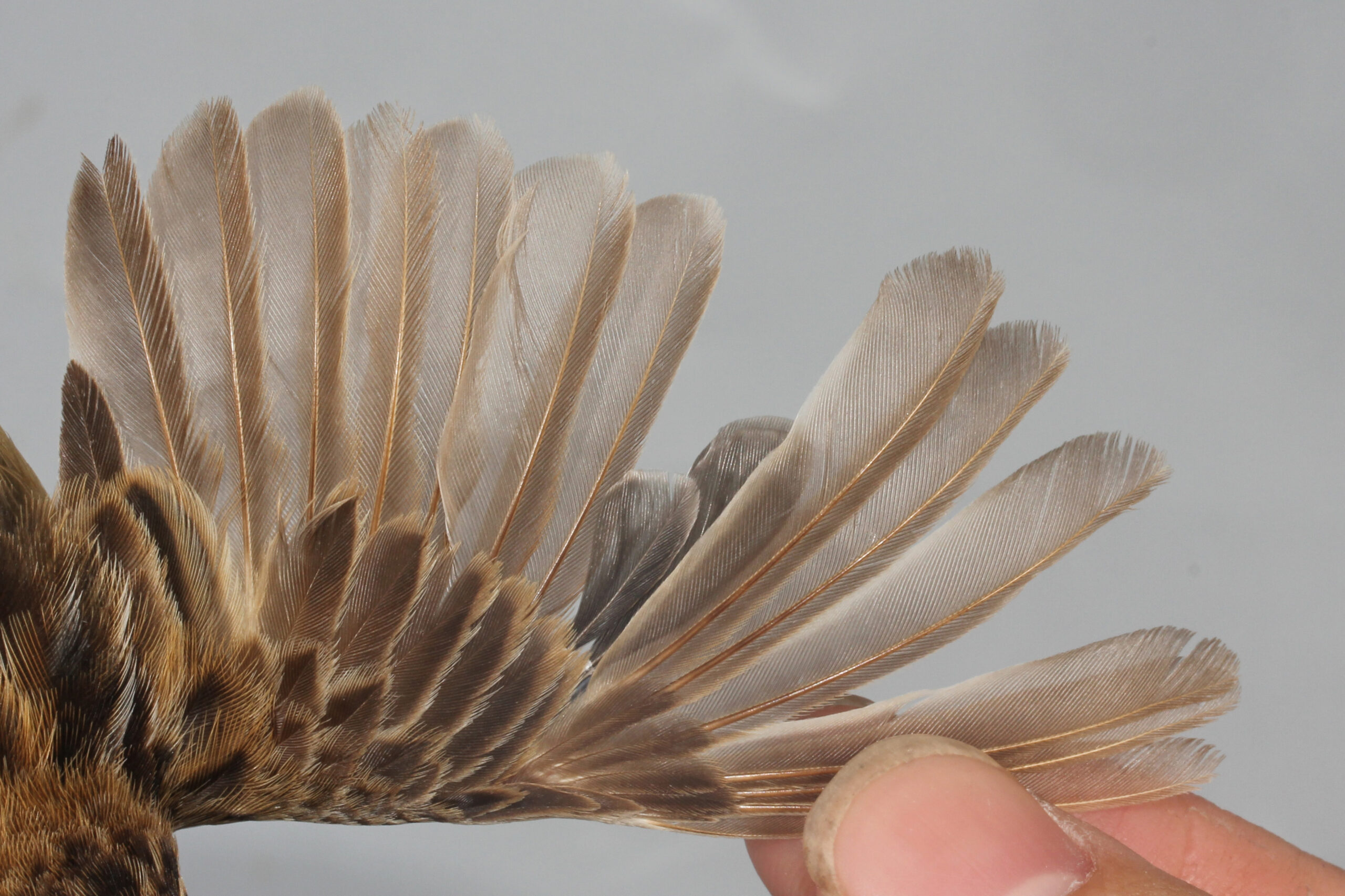
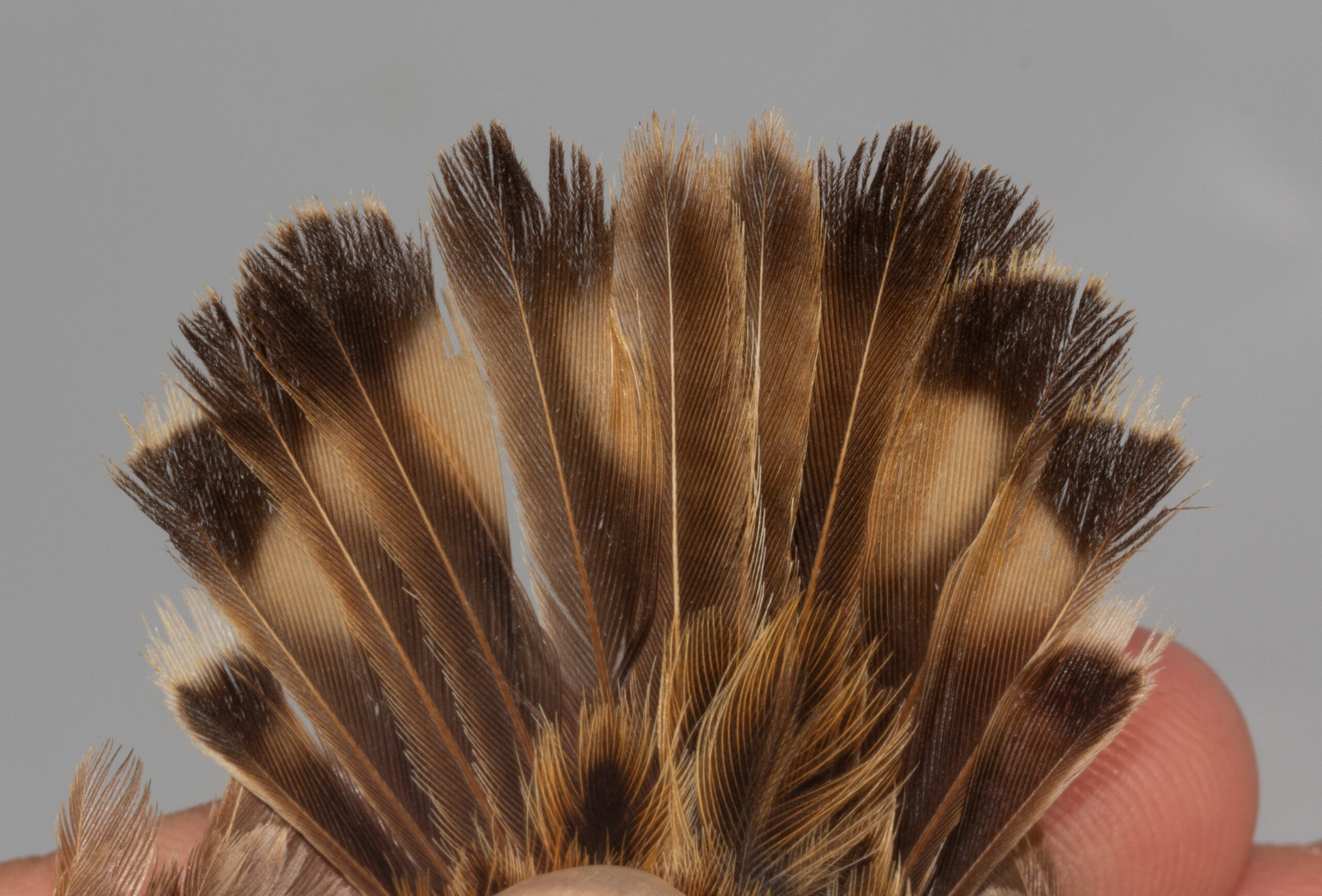
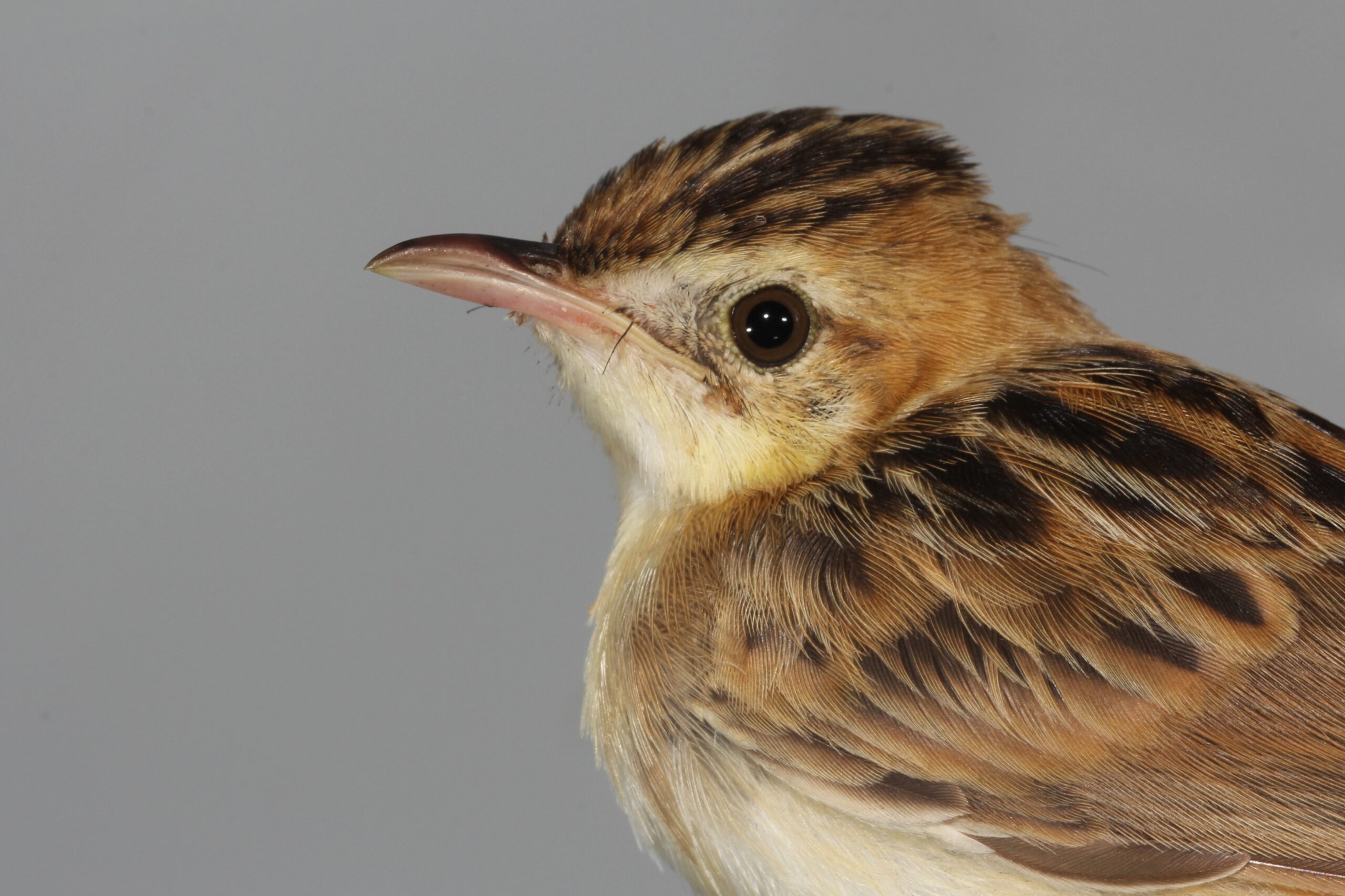
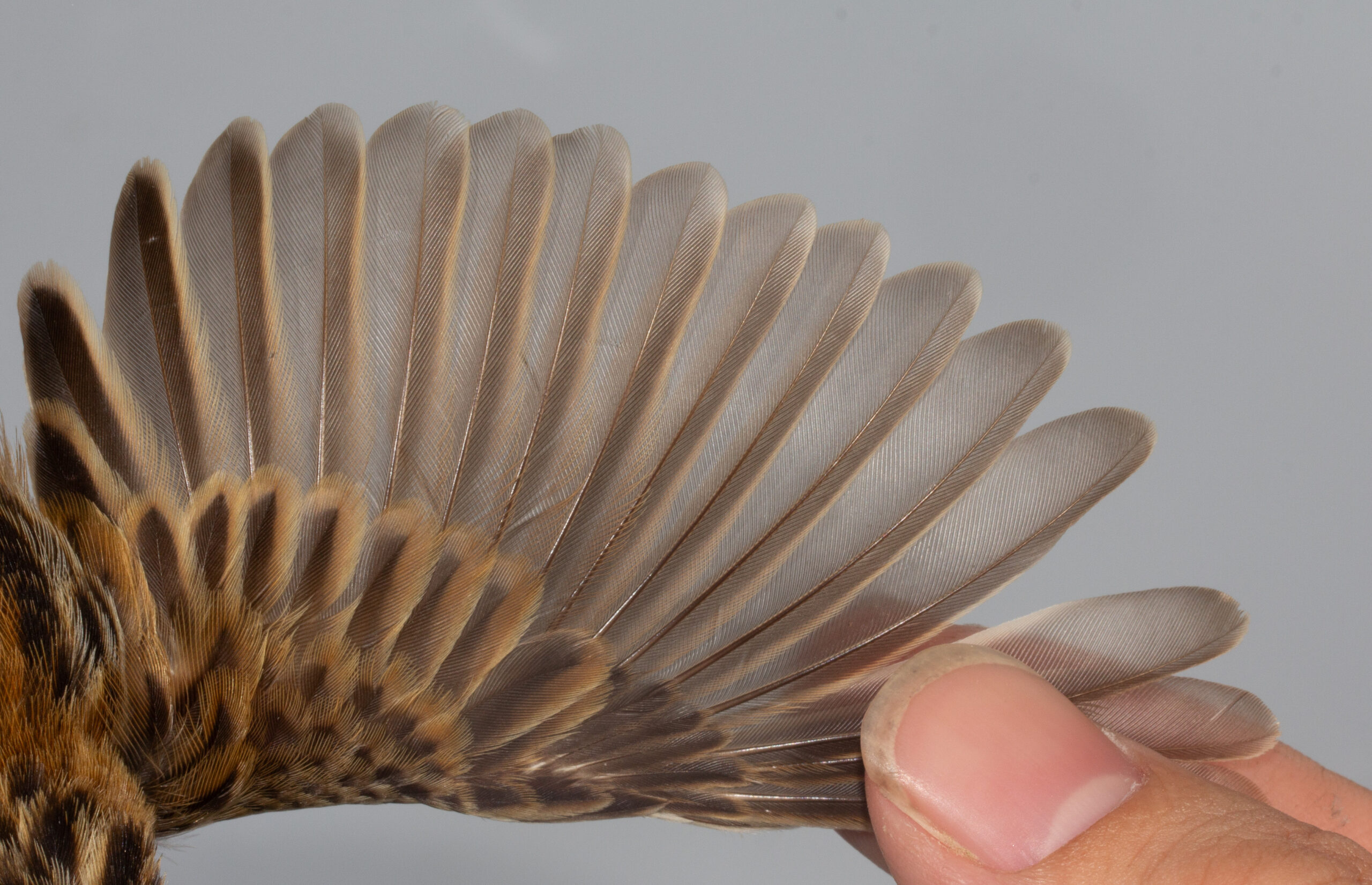
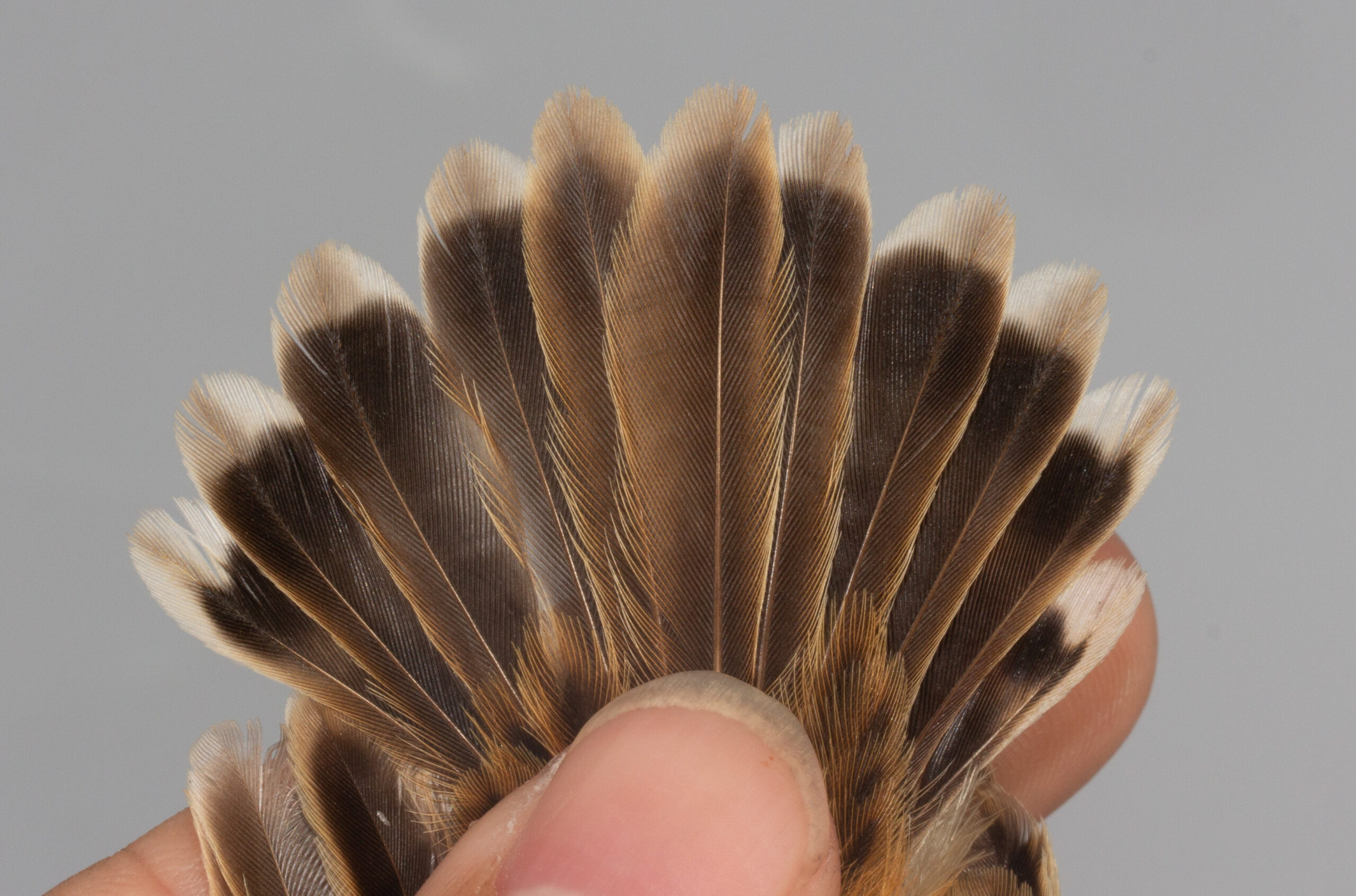
We ended the morning with more moult and ageing discussions, focusing on the adorable Zitting Cisticola! This species is incredibly widespread, with subspecies across all continents, except the Americas and Antarctica. It is thought that adults complete a Summer moult, but this can be late in the season (as most individuals are not migratory). Juveniles, on the other hand may do a complete summer moult, but it is suggested that some born later in the season may only do a partial moult.
What does this mean for our two birds shown above? Well, we can see the top individual is in active moult, with the old feathers being incredibly worn, including the tail which has all but lost the tips.
Conversely, the bottom individual looks incredibly fresh, with a nice tail with white tips- a characteristic that is typically seen as an adult feature. So, the questions are, for our first individual- can we age the old feathers? Are they too worn to be juvenile, which should only be a few months old? For our second individual- is this an adult, or a juvenile that has just completed its summer moult?
Right now, I don’t have the answers to these questions. And as we know, no data is better than bad data, so we will leave these individuals as 1st calendar year or older!
Daily Totals
| Species | Original | Recapture |
| Chestnut-eared Bunting | 3 | 1 |
| Chinese Pond Heron | 1 | 0 |
| Common Kingfisher | 1 | 0 |
| Dusky Warbler | 8 | 1 |
| Greater Painted-snipe | 5 | 0 |
| Oriental Reed Warbler | 1 | 1 |
| Pintail Snipe | 1 | 0 |
| Plain Prinia | 1 | 2 |
| Red-throated Pipit | 1 | 0 |
| Scaly-breasted Munia | 5 | 0 |
| Stejneger’s Stonechat | 2 | 0 |
| White Wagtail | 1 | 0 |
| White-breasted Waterhen | 1 | 0 |
| White-rumped Munia | 2 | 0 |
| Wood Sandpiper | 1 | 0 |
| Zitting Cisticola | 6 | 0 |
| Grand Total | 40 | 5 |
*Please note that all wild birds, their nests, and eggs are highly protected (under Wild Animals Protection Ordinate, Cap. 170) in Hong Kong. It is an offence to wilfully disturb, take, remove, or injure wild birds or their nests/eggs. The actions described here were undertaken by trained professionals holding the necessary licenses and permits issued by the AFCD.*