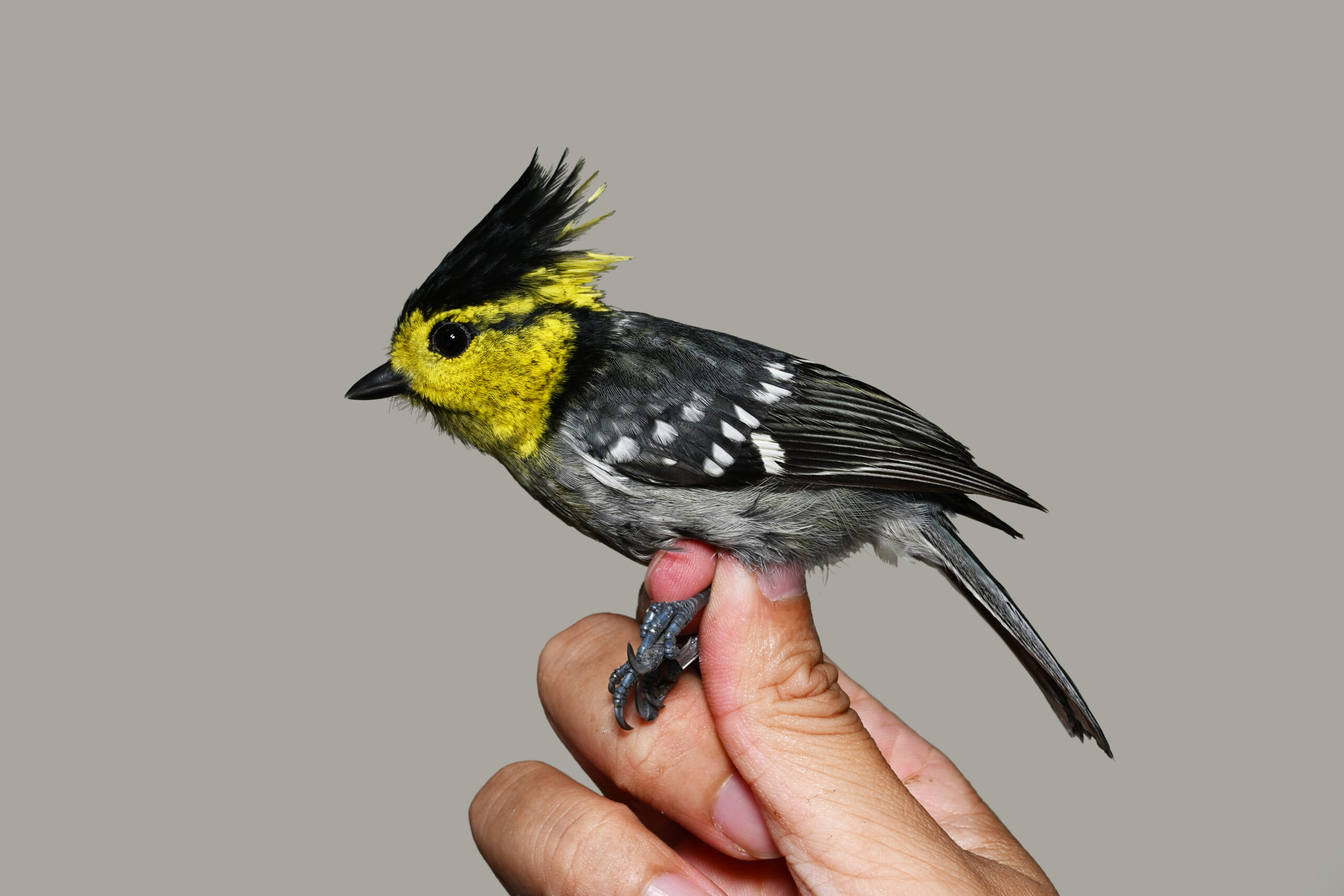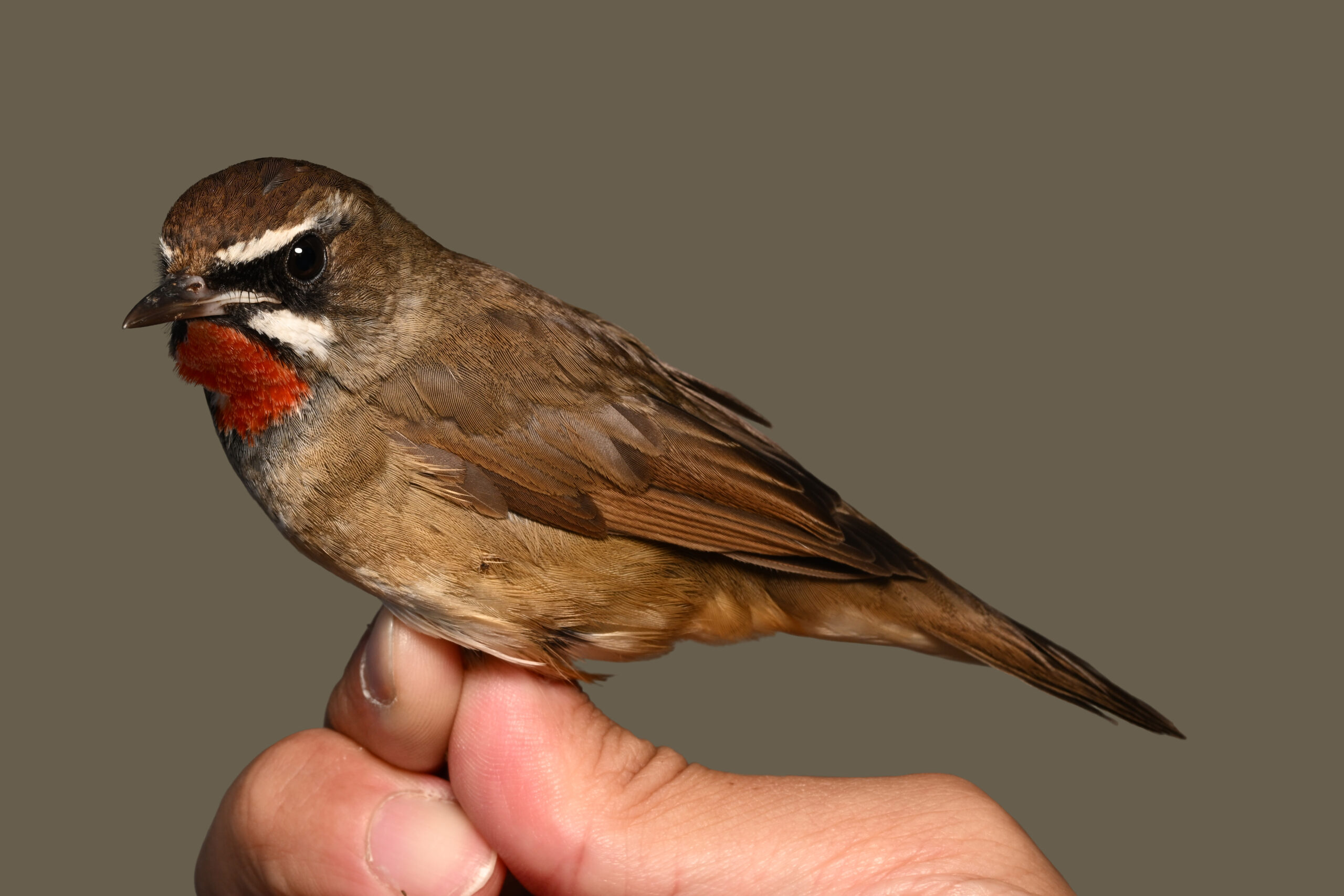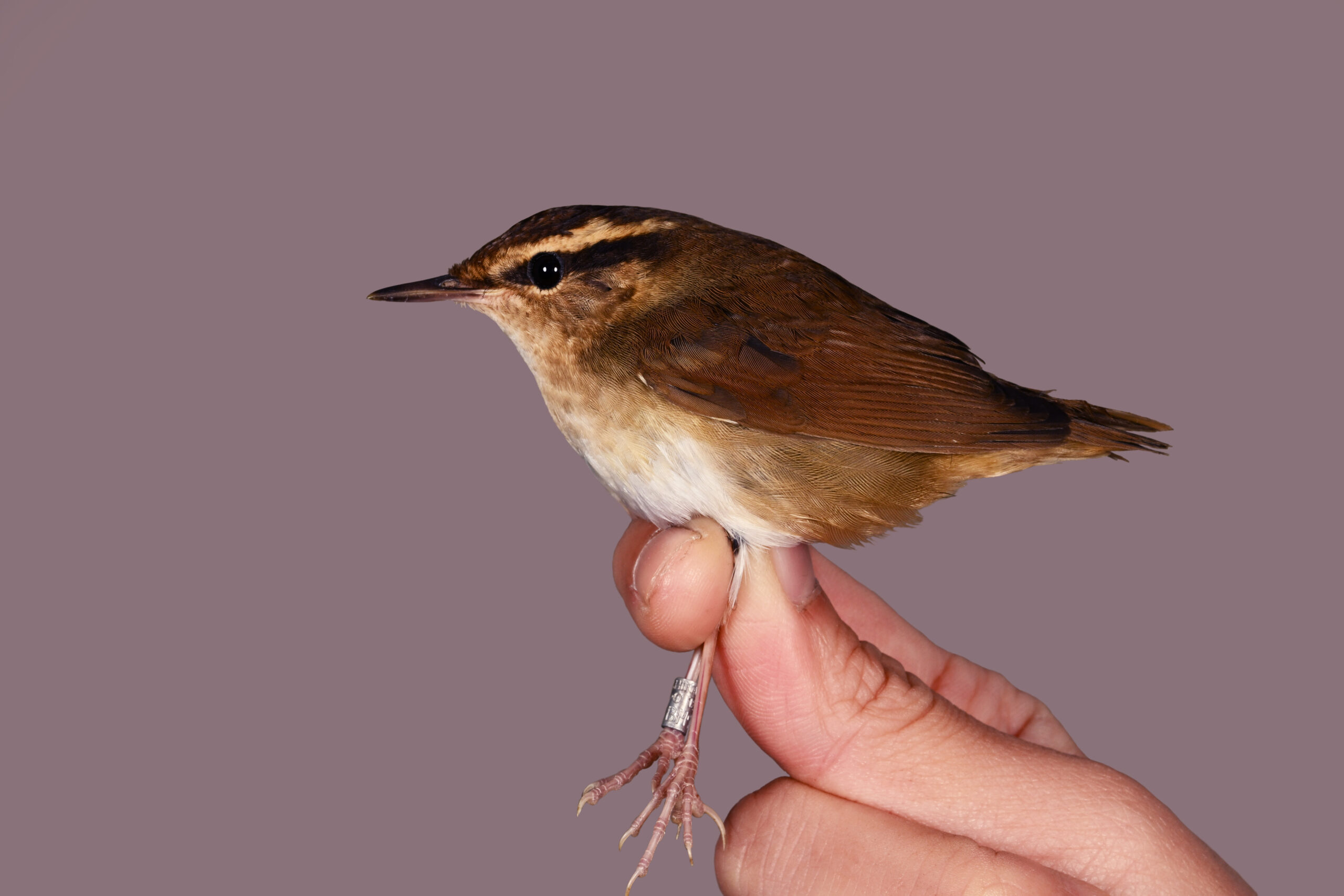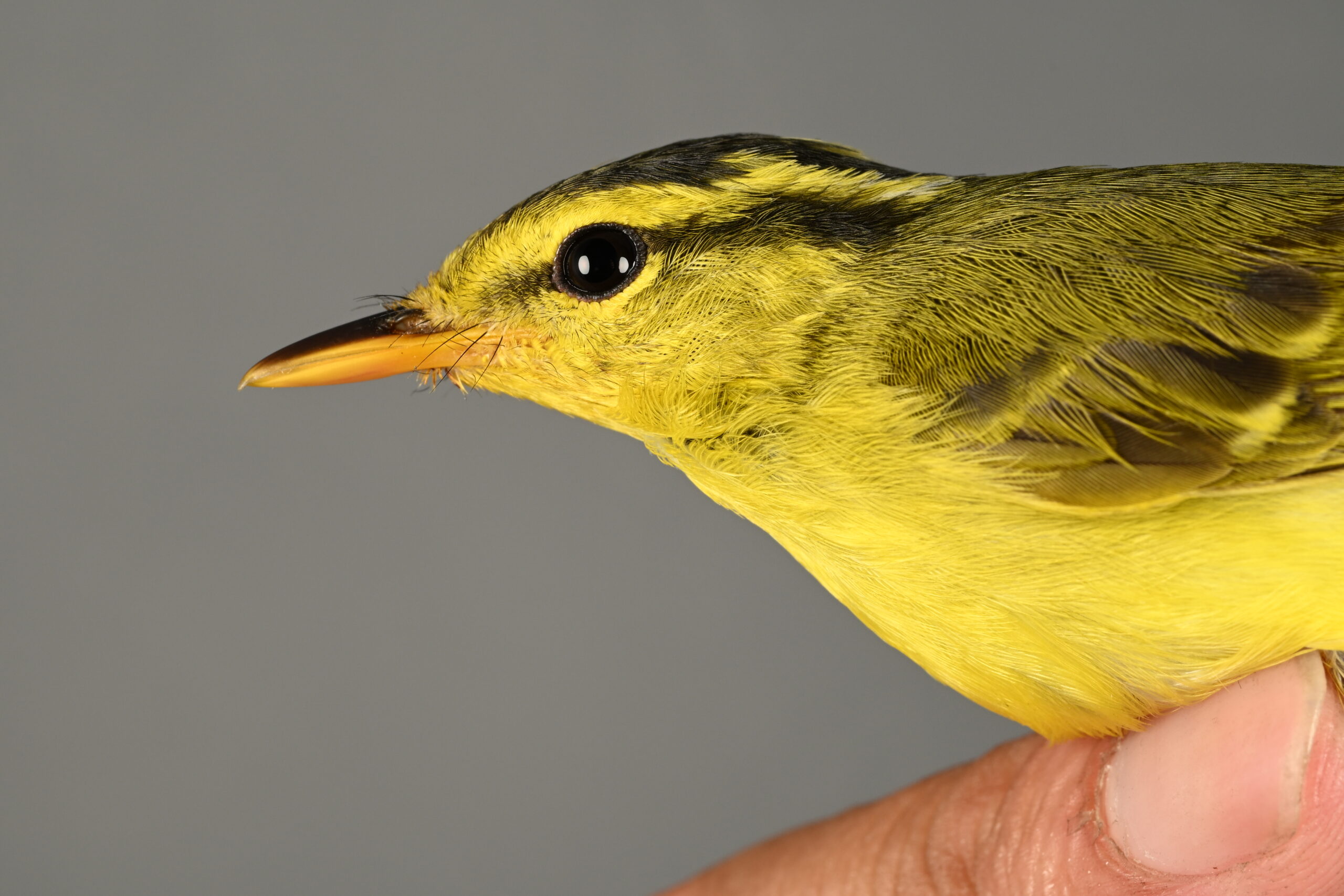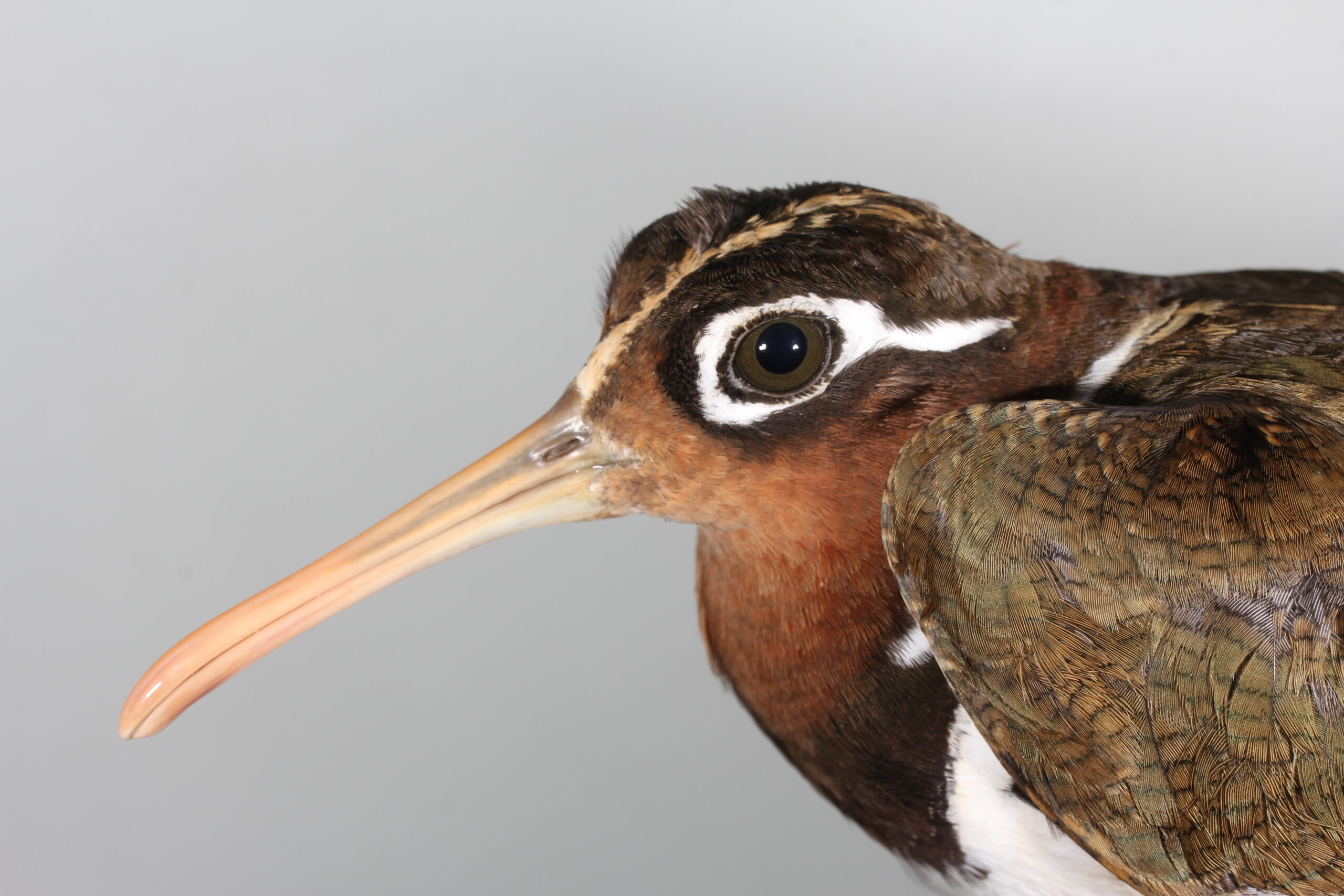



This morning was one of the first mornings where the temperatures finally seemed to ‘cool’ a little. Enough for some bird activity in the trees at least!
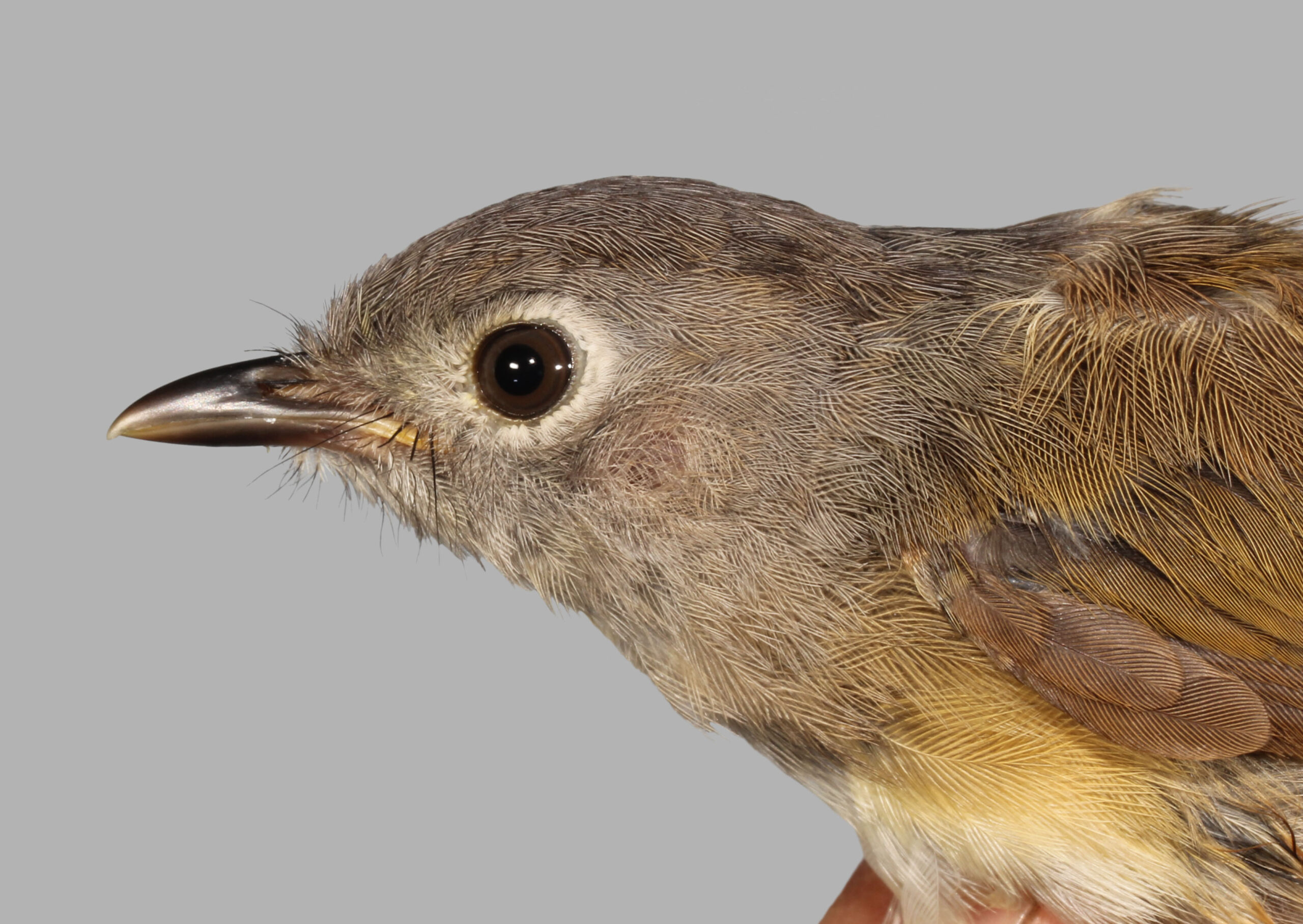
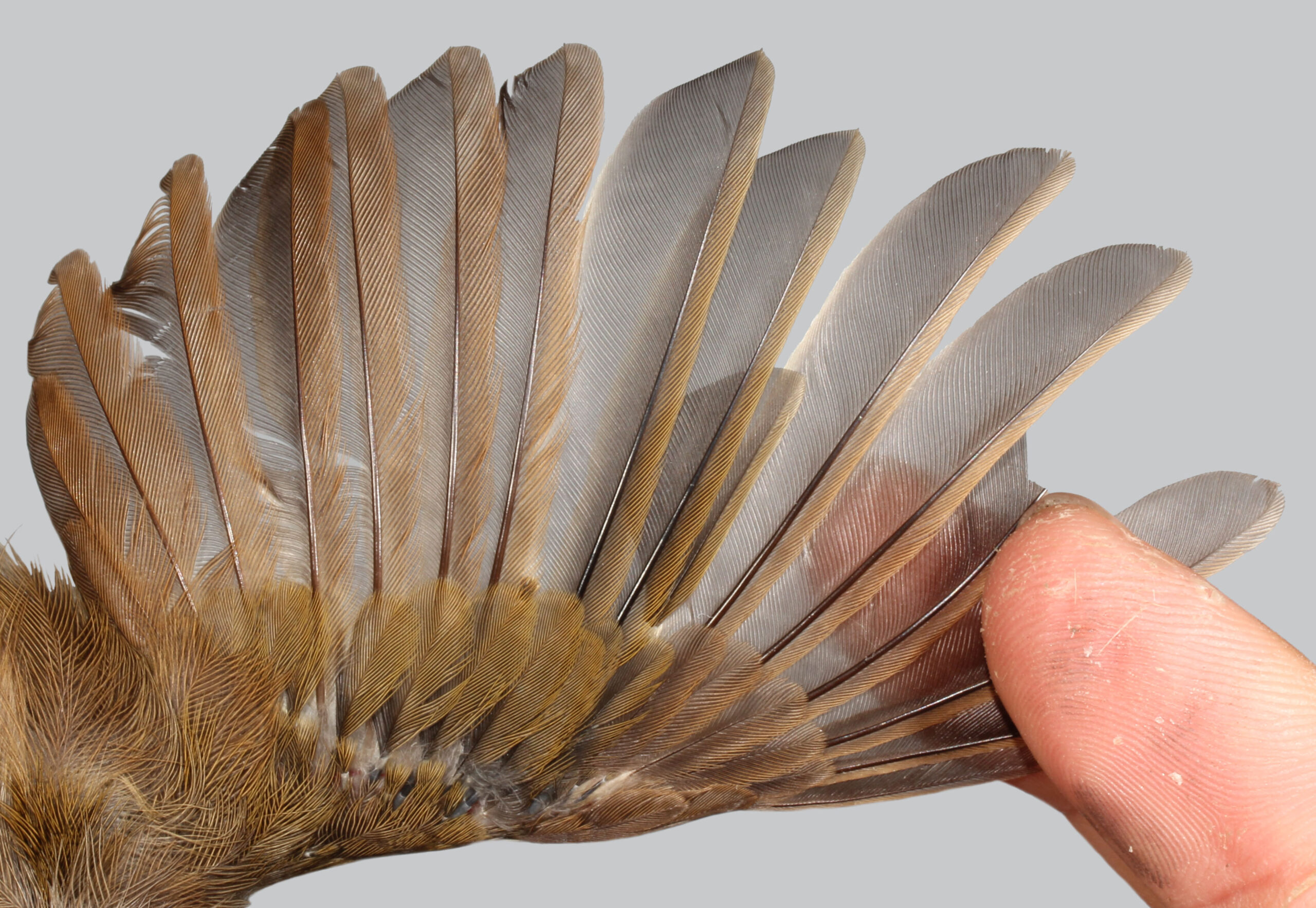
And indeed, this day proved one of the most fruitful of the summer! First up was a first calendar year Huet’s Fulvetta! The wing is already in clear Complete moult with the 2 innermost primaries new, the third moulting, and the rest old and of juvenile quality (loose and worn).
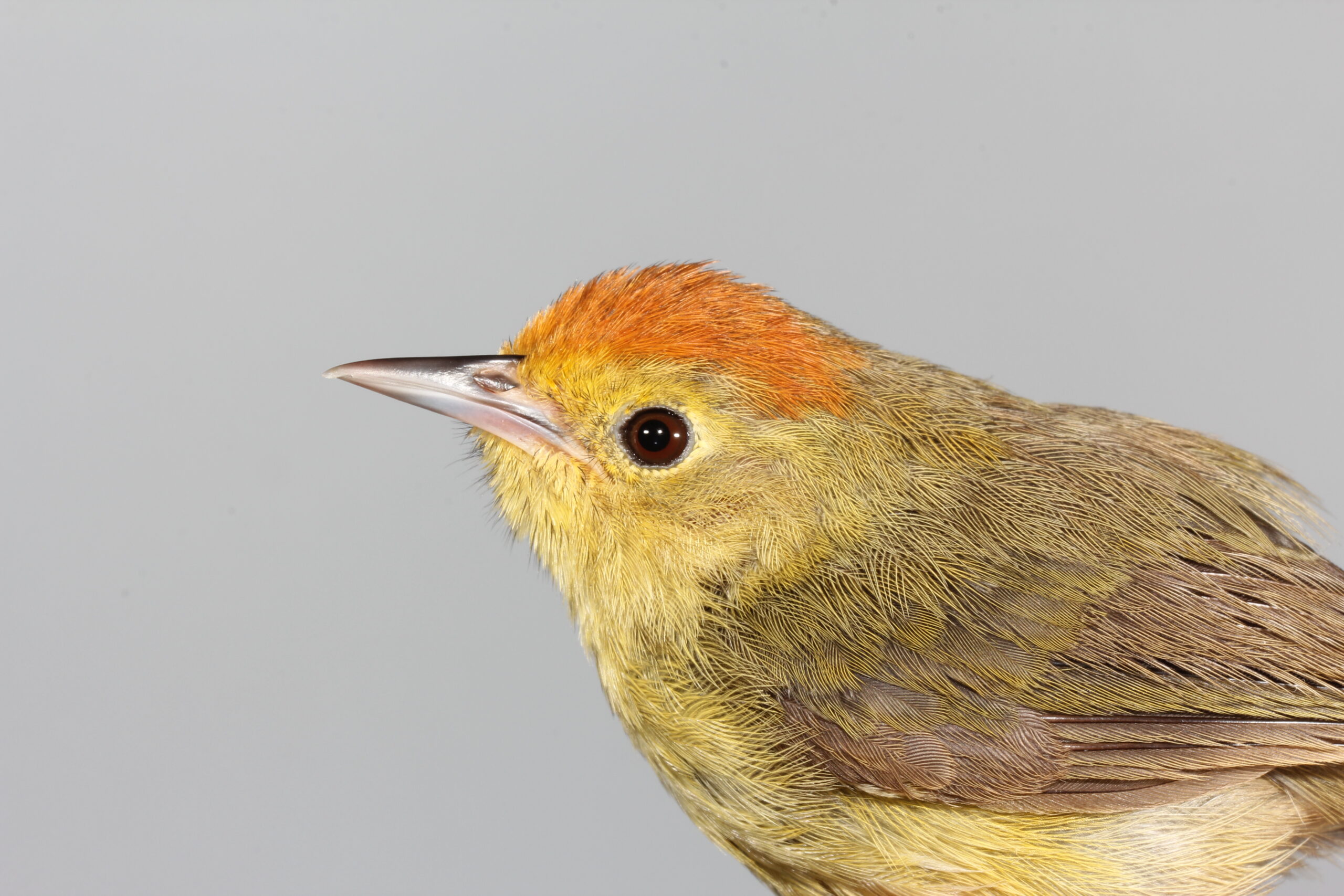
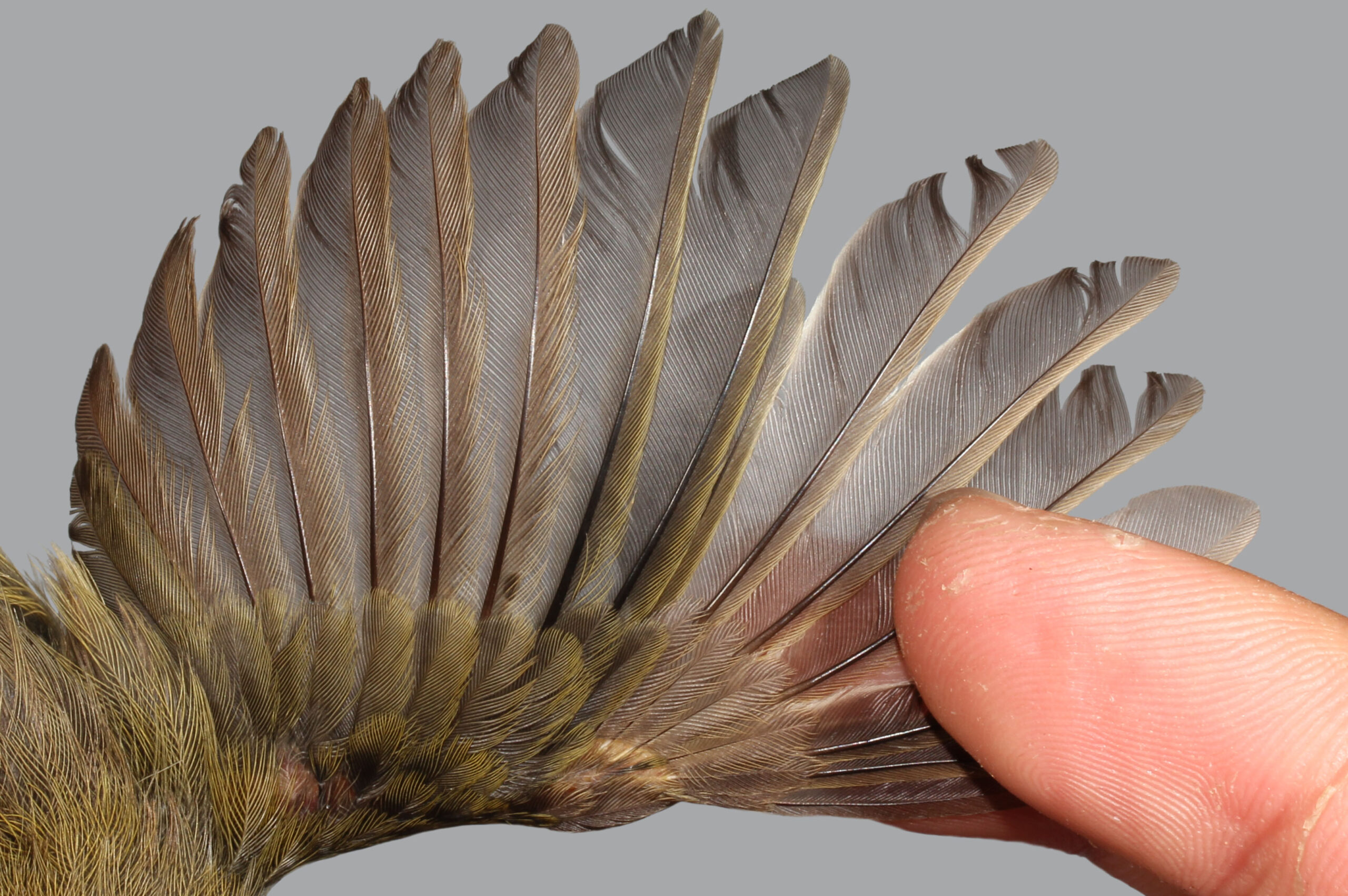
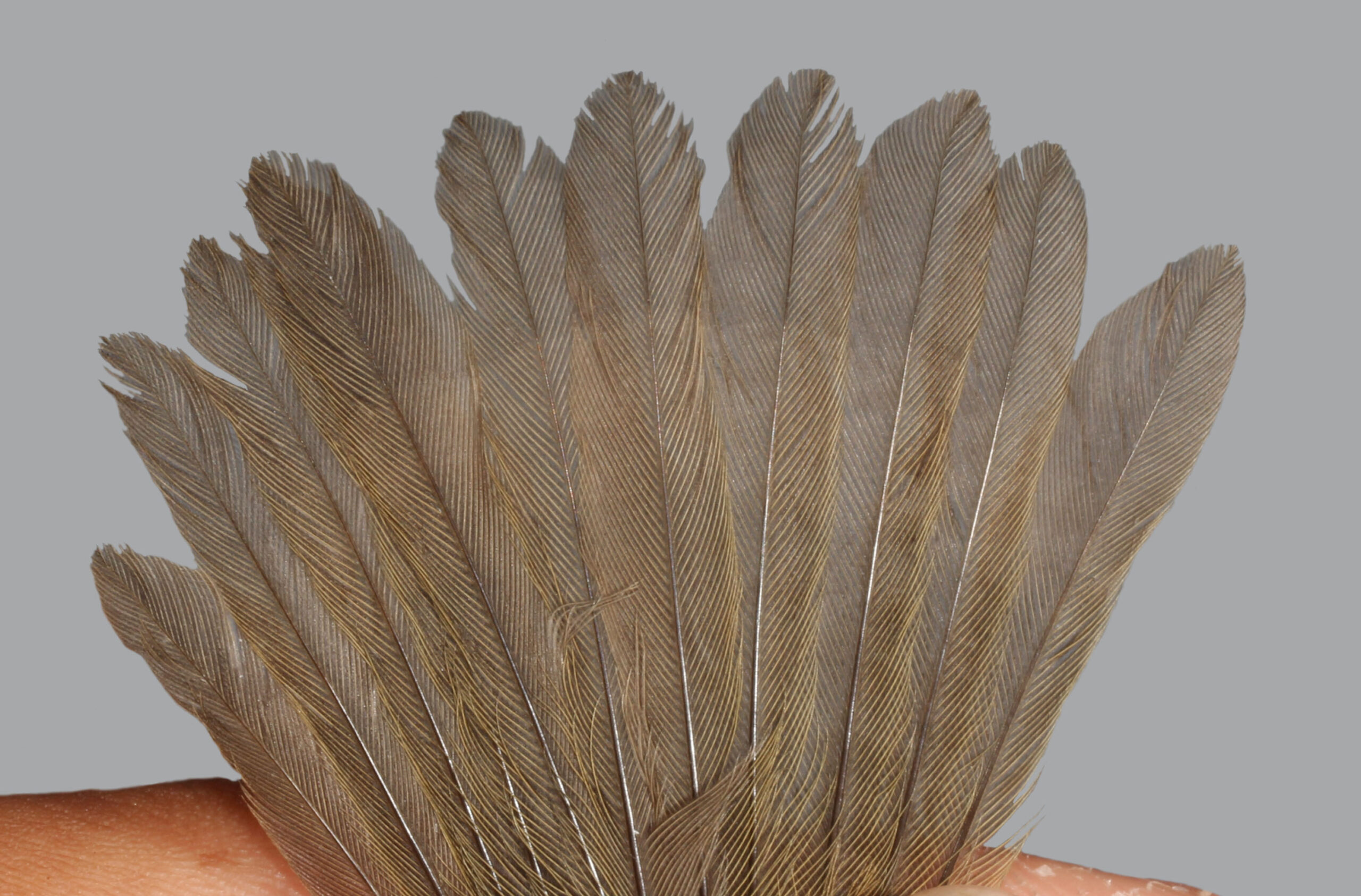
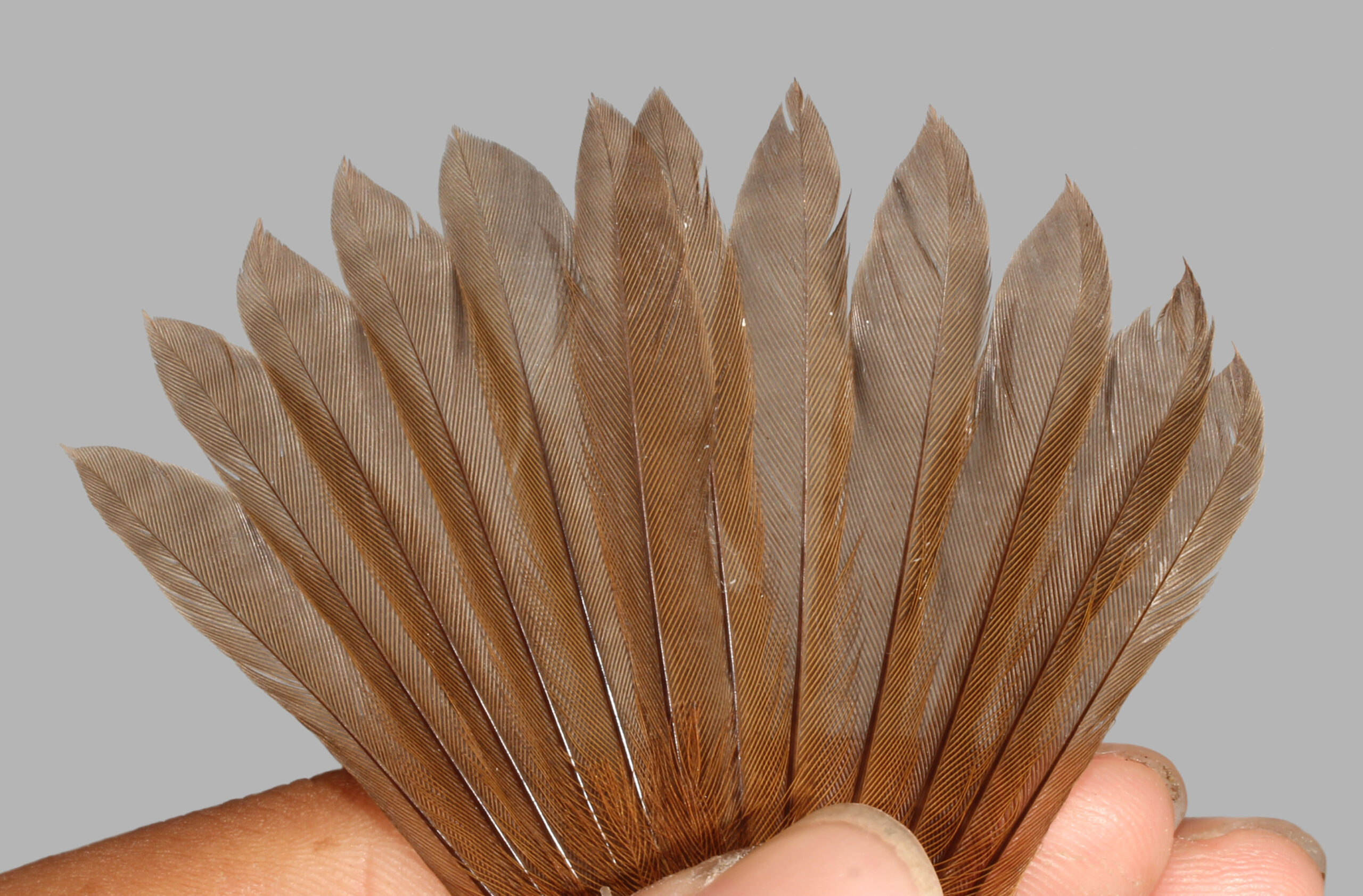
Next up was a young Rufous-capped Babblers. These also have complete summer moults, with this individual’s wing showing a similar moult pattern to the Fulvetta above. As with the Fulvetta, by looking at the old, unmoulted feathers in the wing (in this example, the primary coverts) and tail, we can age these feathers as juvenile. With this, among other characteristics, we can age this as 1st calendar year bird.
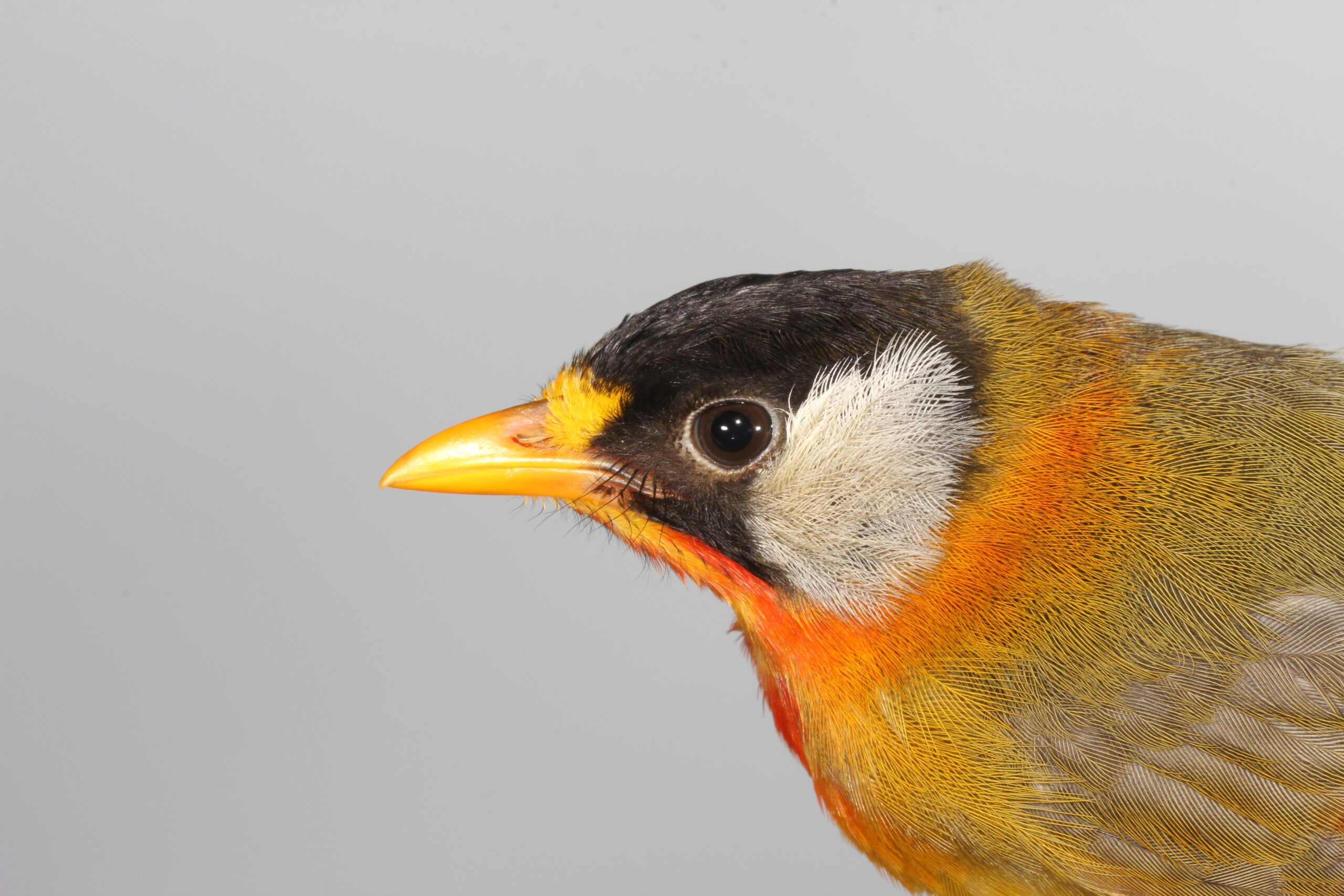
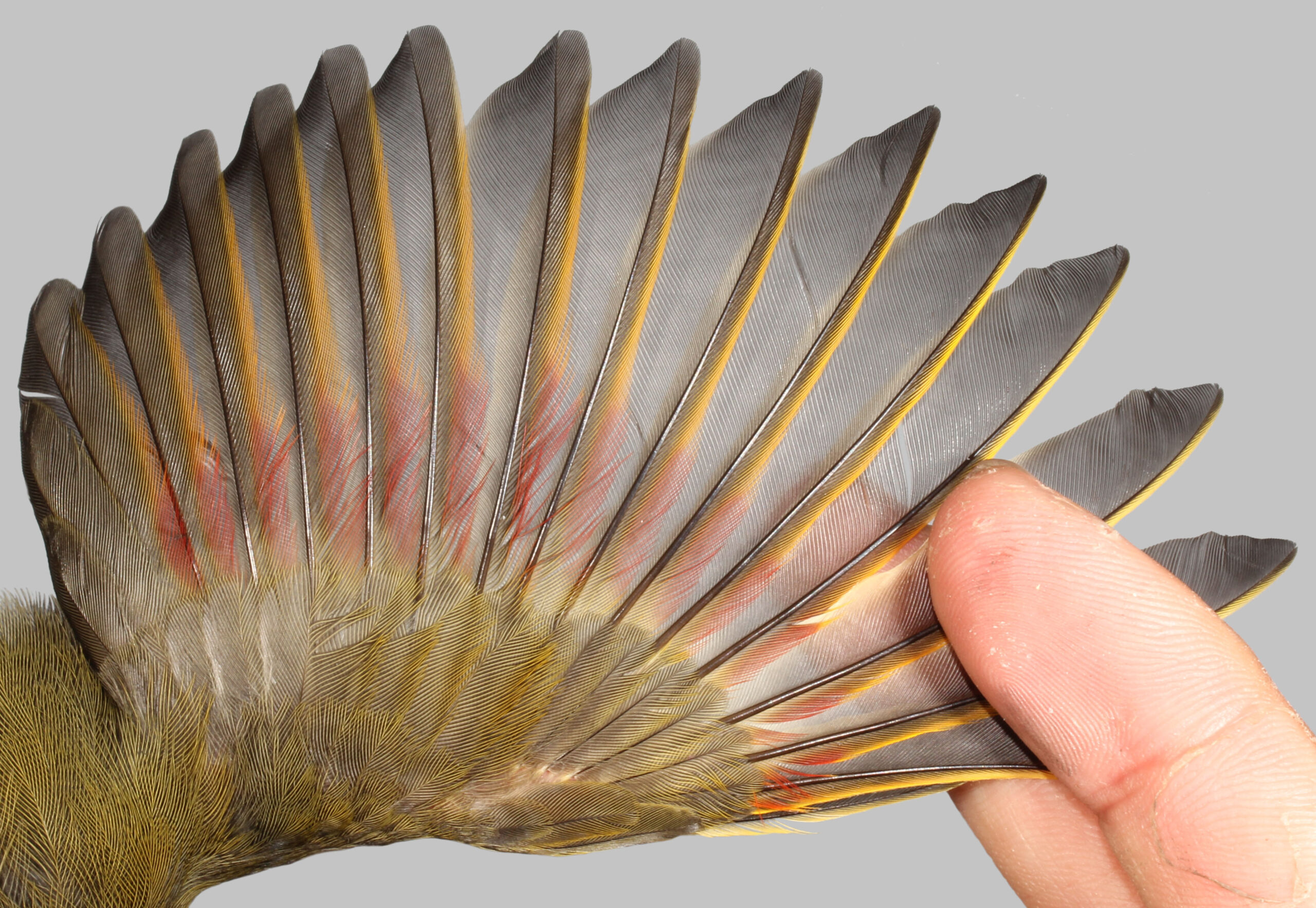
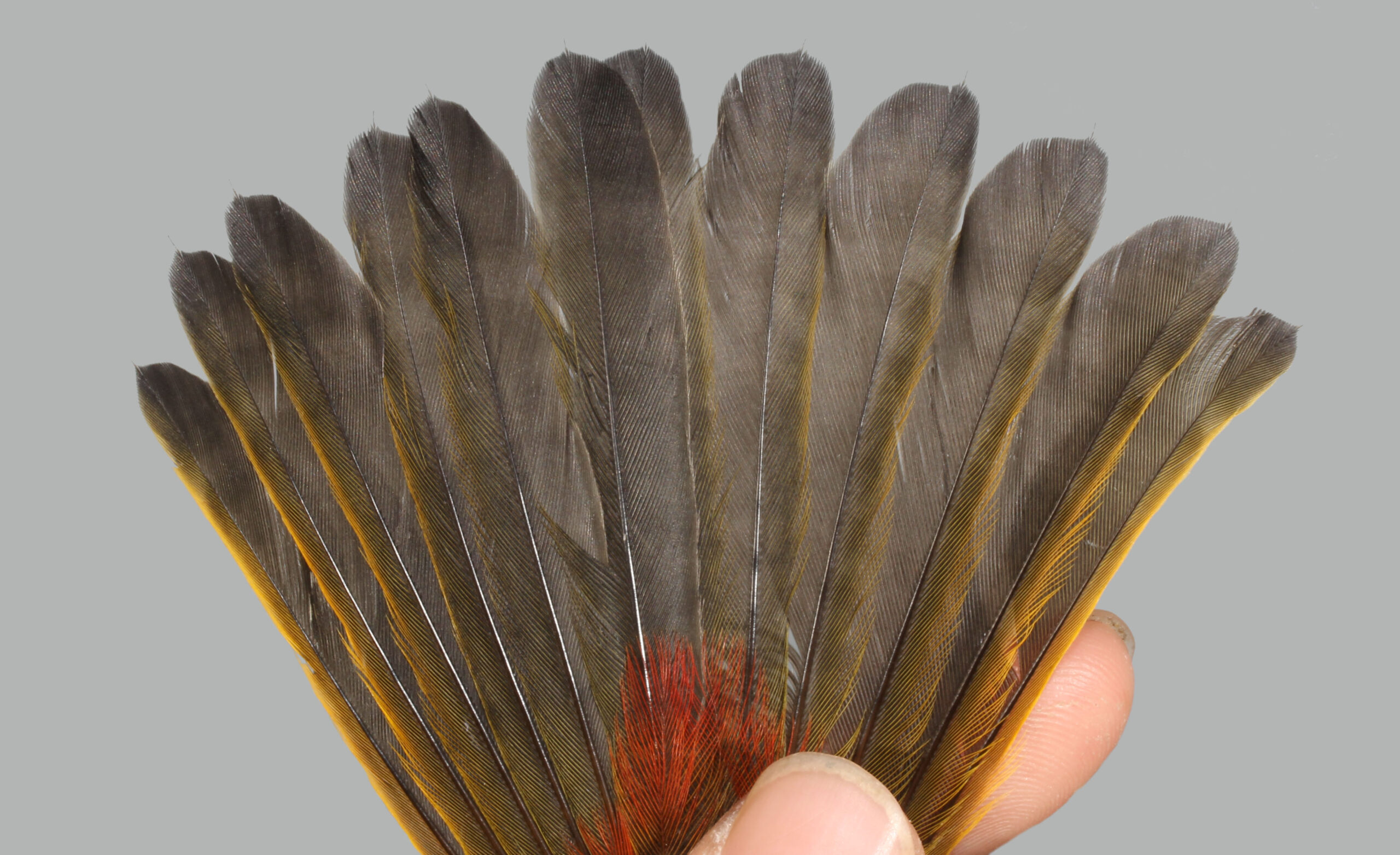
Another species that follows this pattern is the Silver-eared Mesia! The individual above seems to have either completed its Summer Complete moult, or not yet begun. However, the nice quality to the feathers, both in the wing and tail, we could conclude that this bird has already finished its moult. Therefore, we must use other characteristics to age the bird. By inspecting the skull and iris colour (dull brown), we can conclude this is also a 1st calendar year bird.
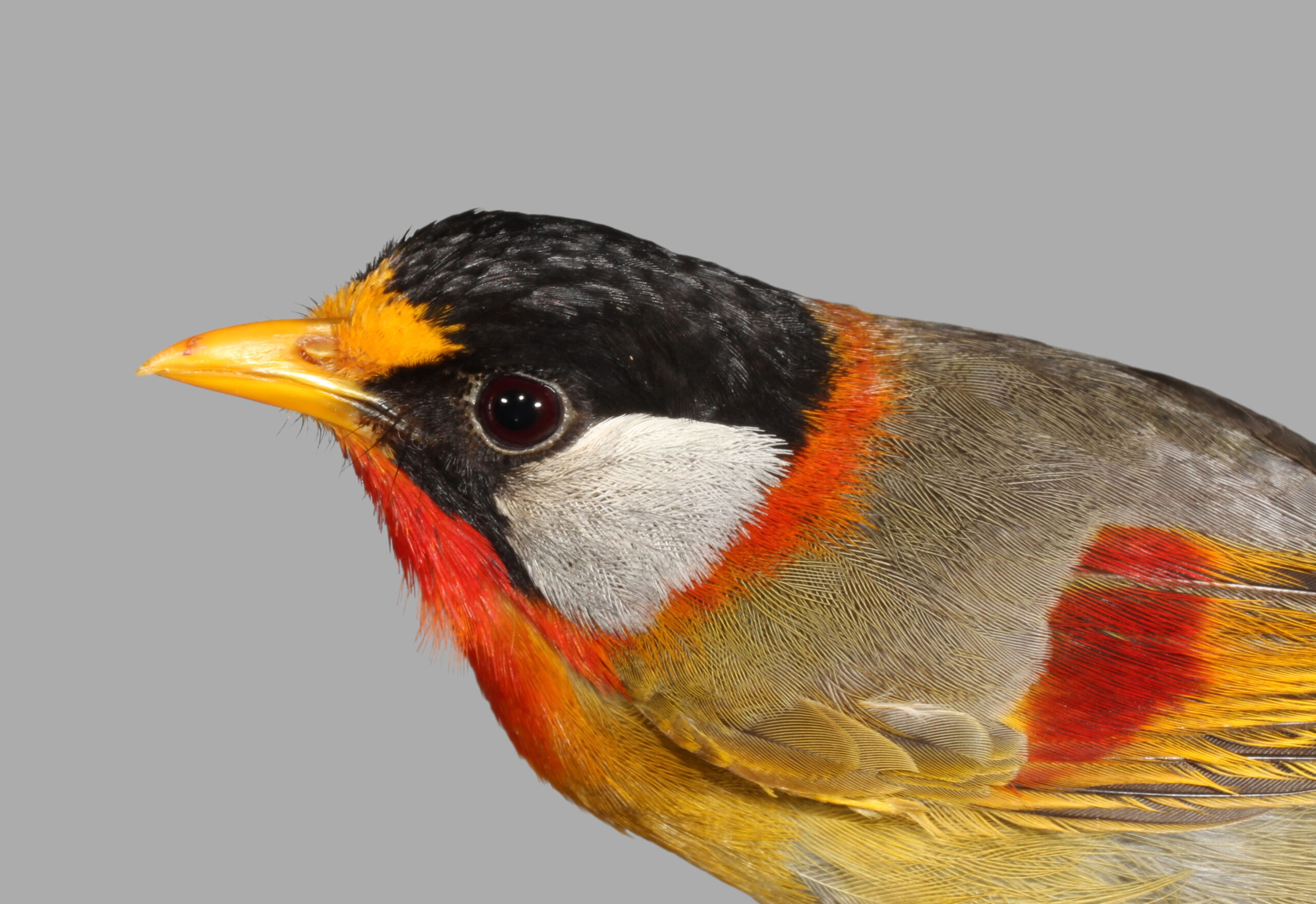
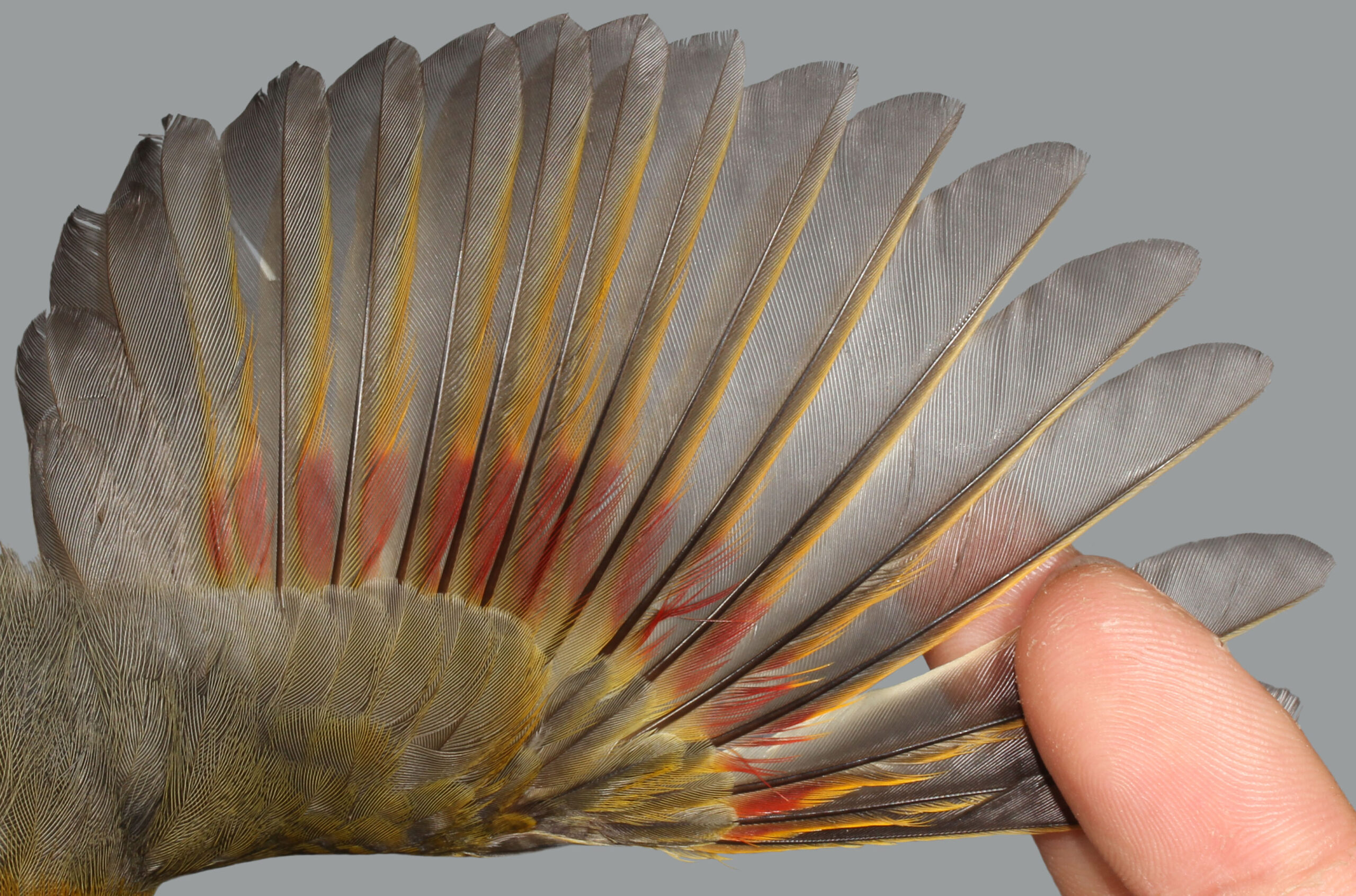
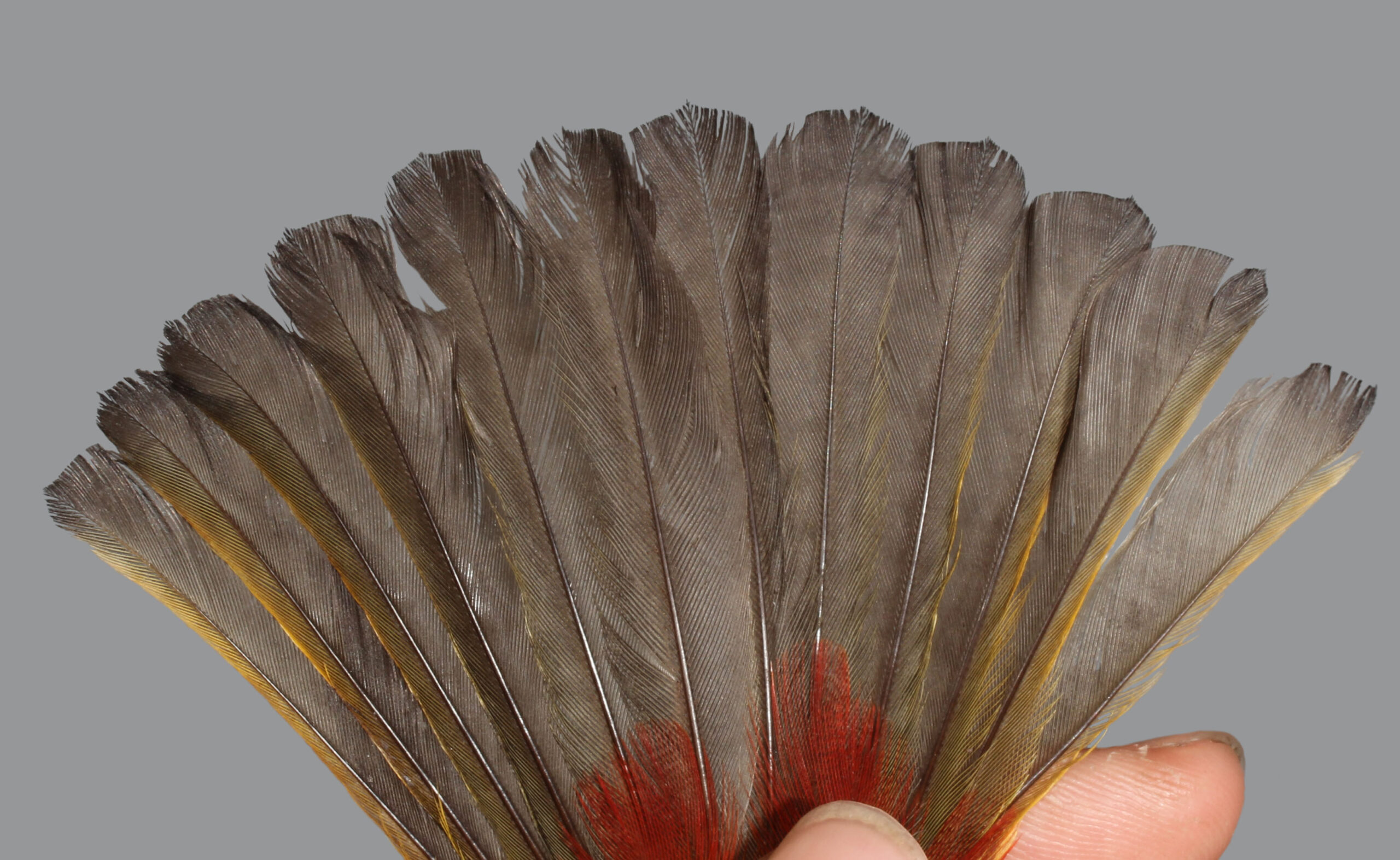
By comparison, our next individual was an adult Silver-eared Mesia, with a much more red-tone to the iris, and a nice, uniform, adult wing.
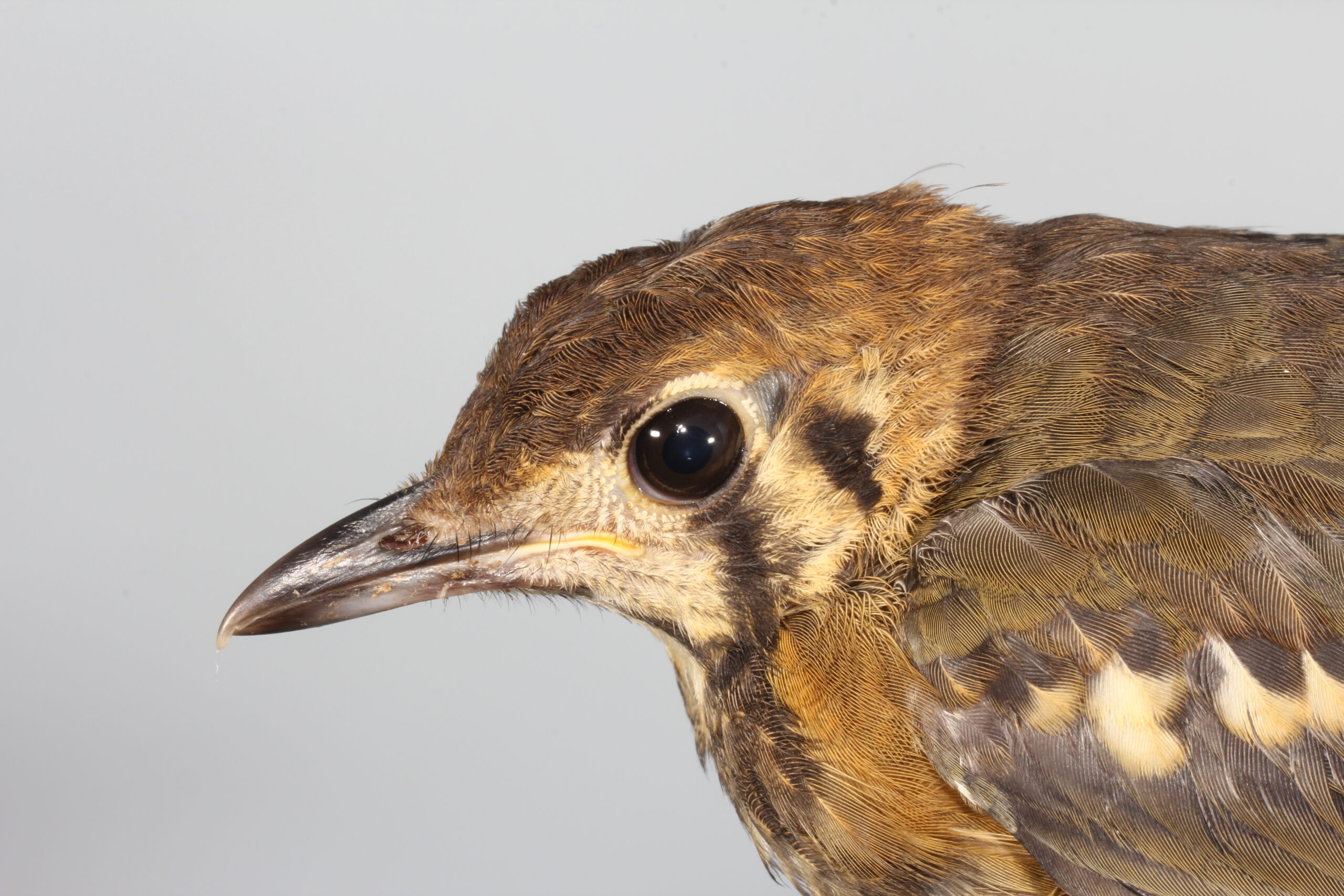
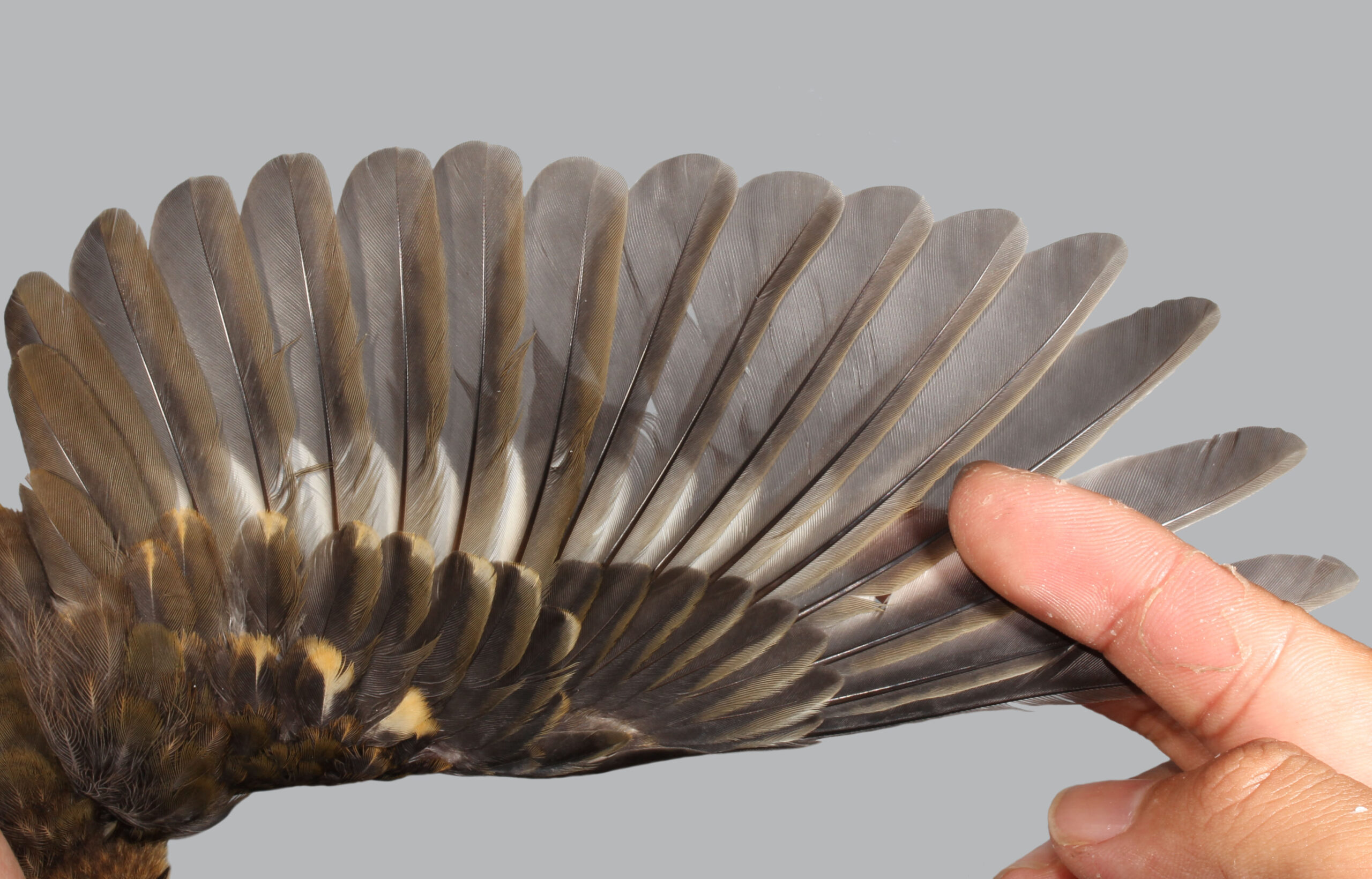
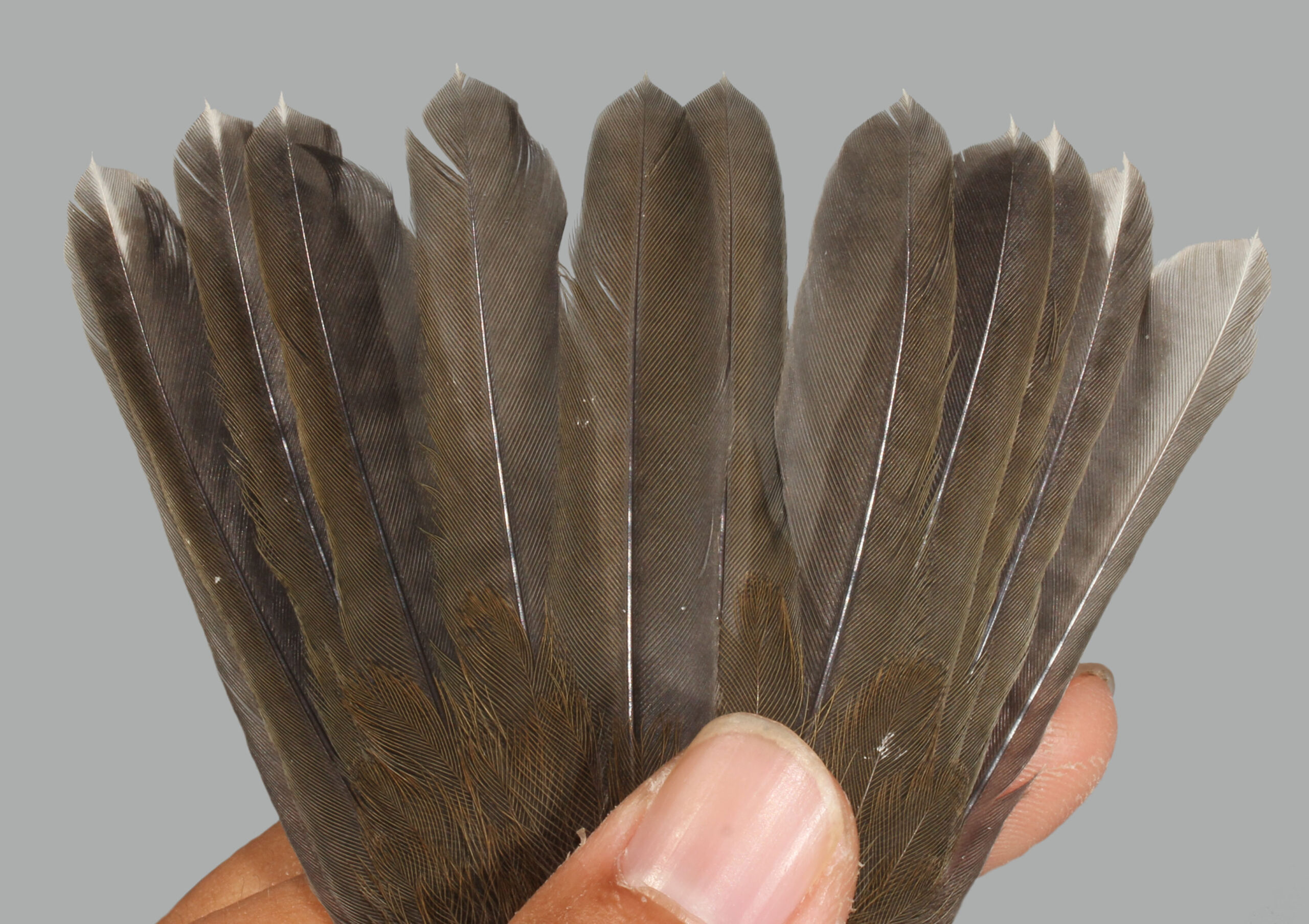
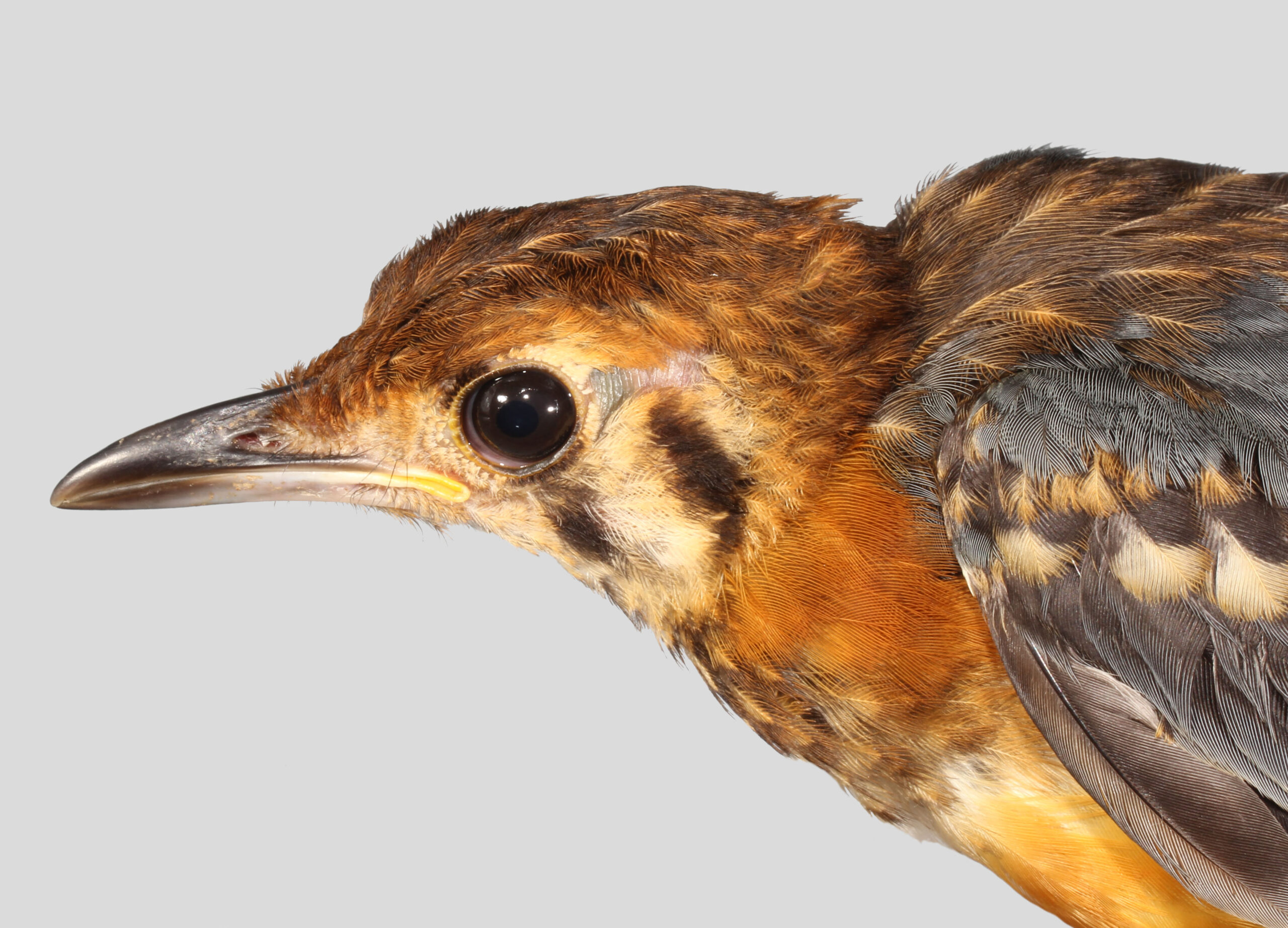
Our final catches of the day were made up of a family of Orange-headed Thrushes! These are much easier for us to age, with 1st calendar retaining some juvenile feathers after their postjuvenile moult.
That being said, our first two thrushes had only begun moulting a few body feathers, with the rest of the wings and tails juvenile. Above is an example of a young female, with all brown feathers on the back and in the wing (compare the wing coverts and primary coverts, brown in the female, to the blue fringes of the young male below).
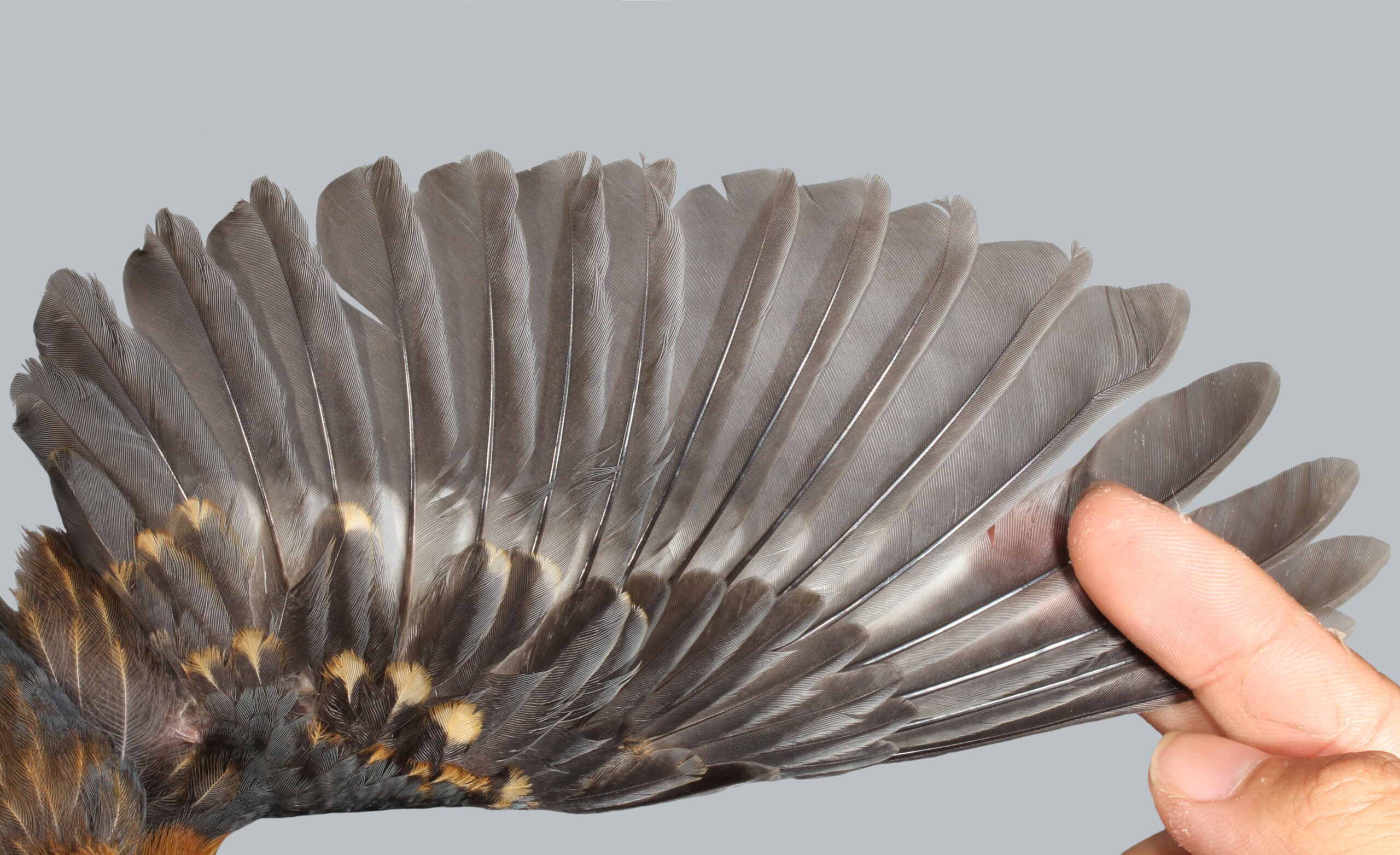
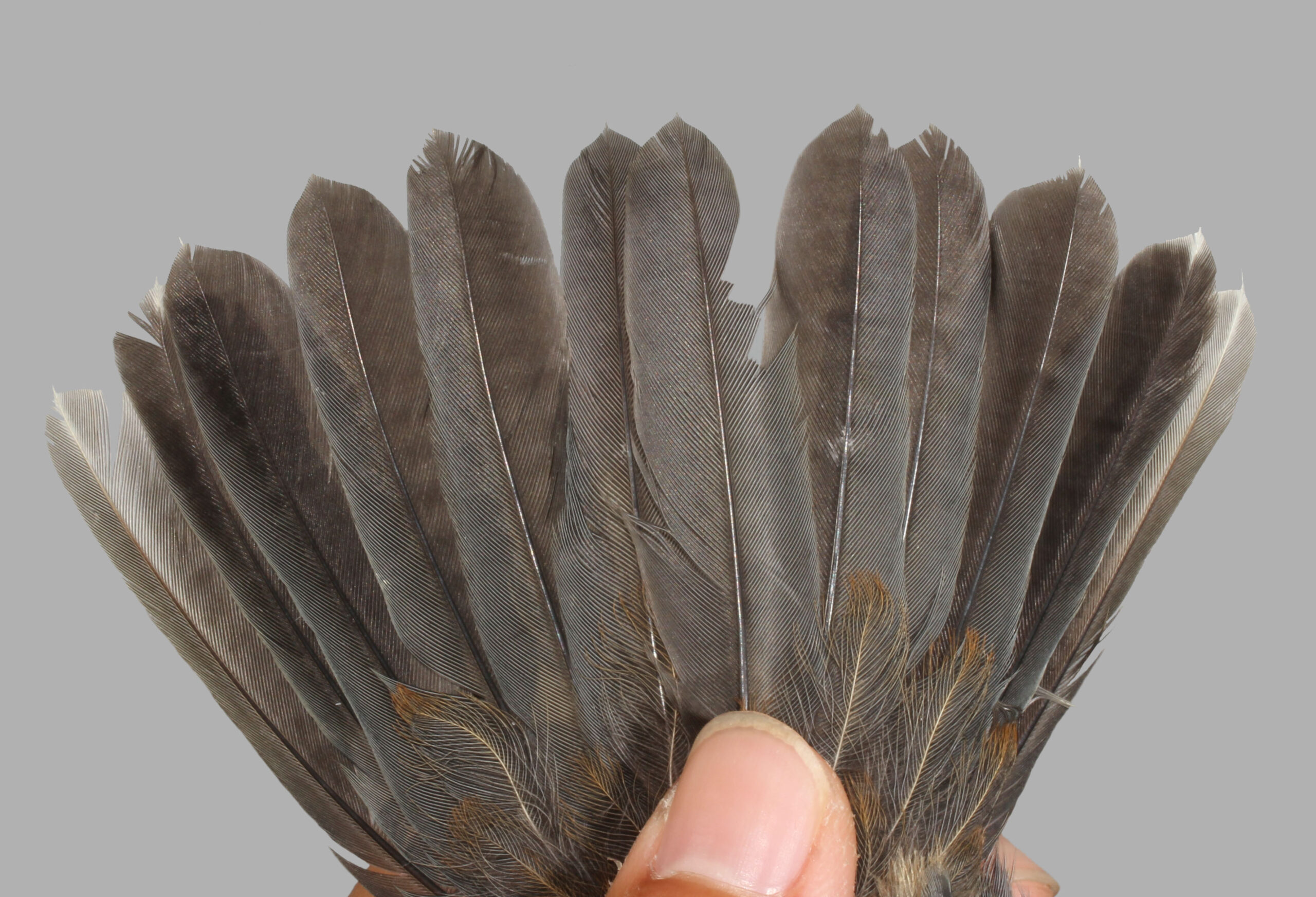
In the 2nd individual, the young male, we can see the grey-blue hue to the fringes of the flight feathers, and in the tail feathers and wing coverts.
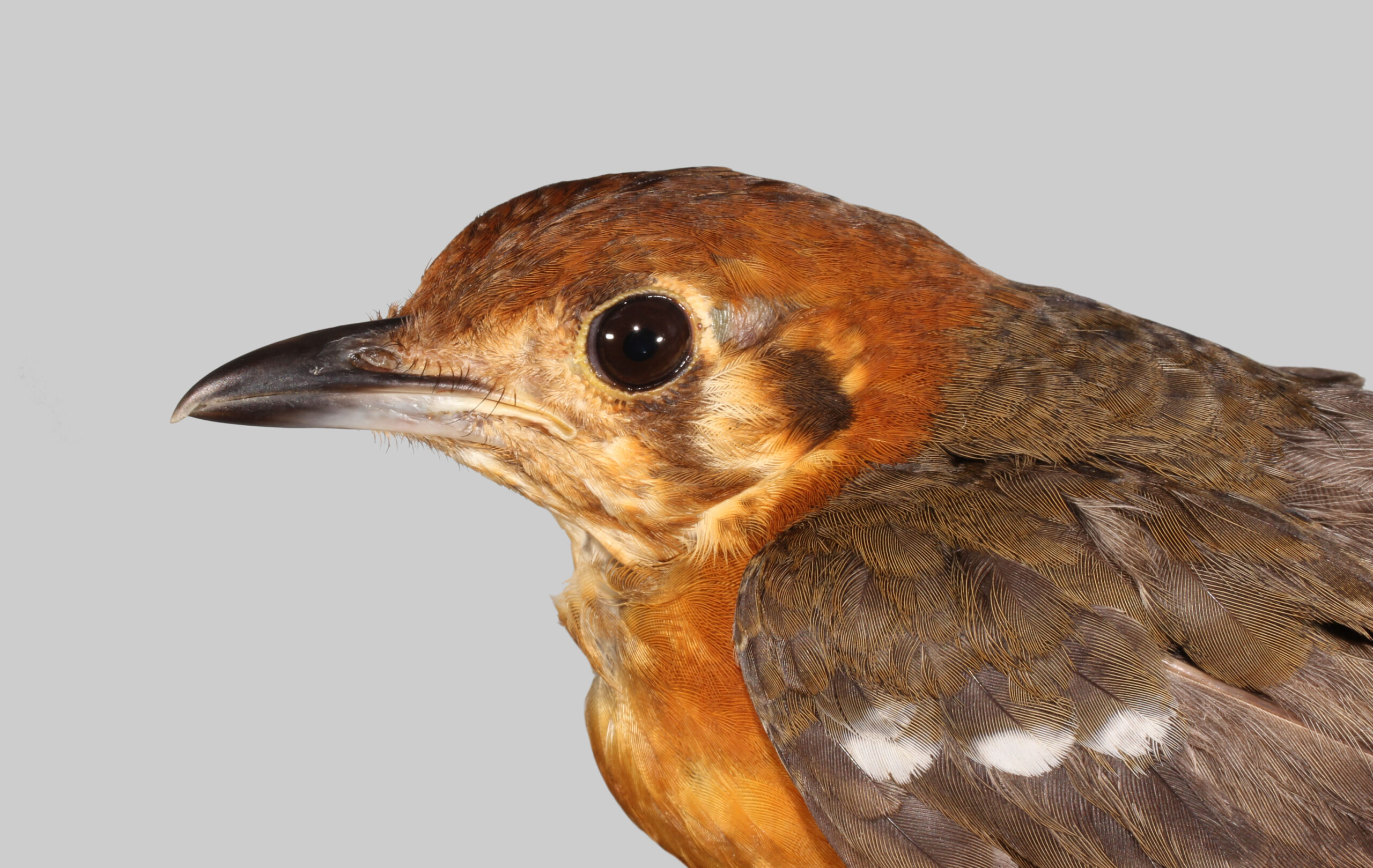
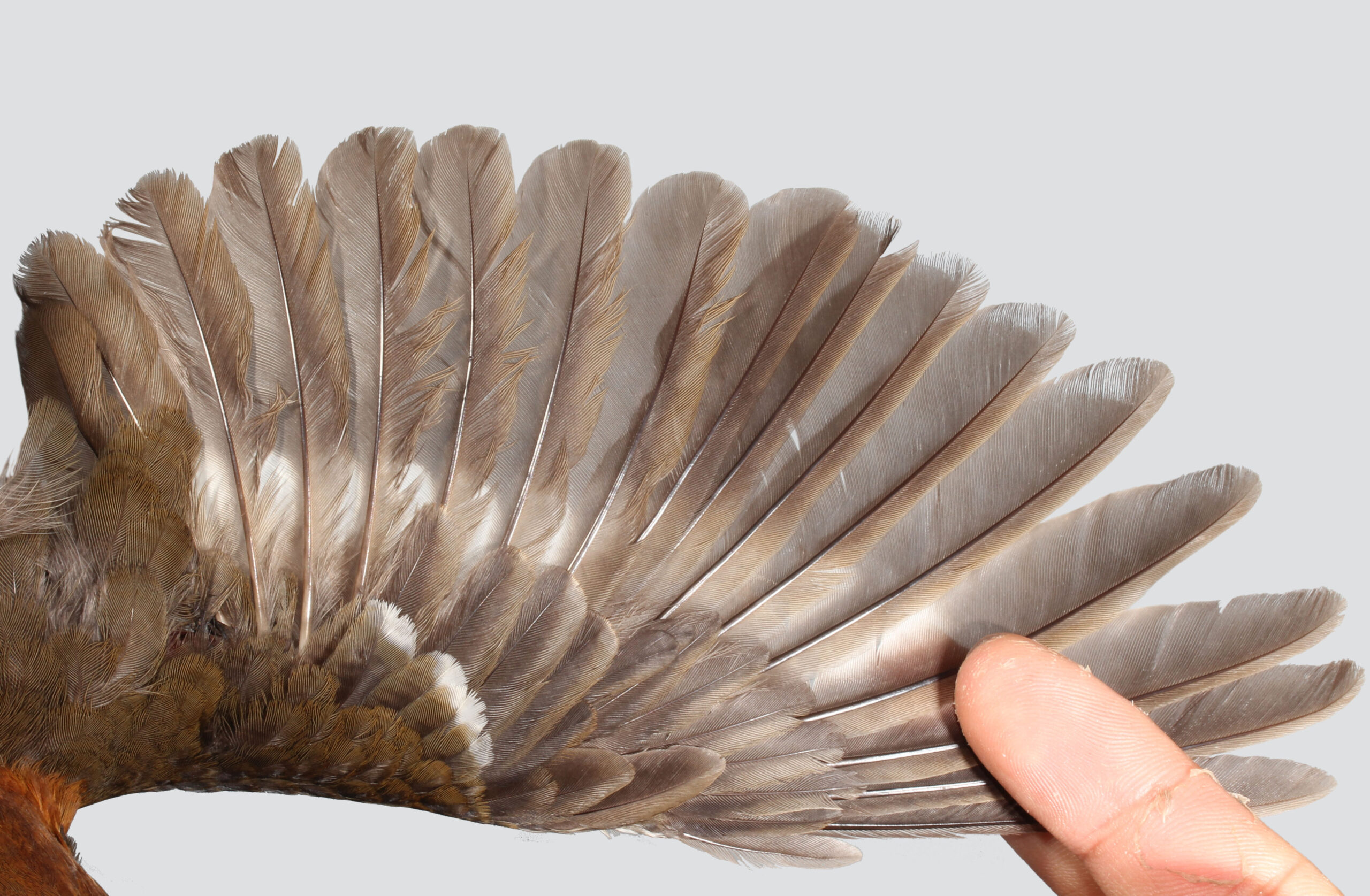
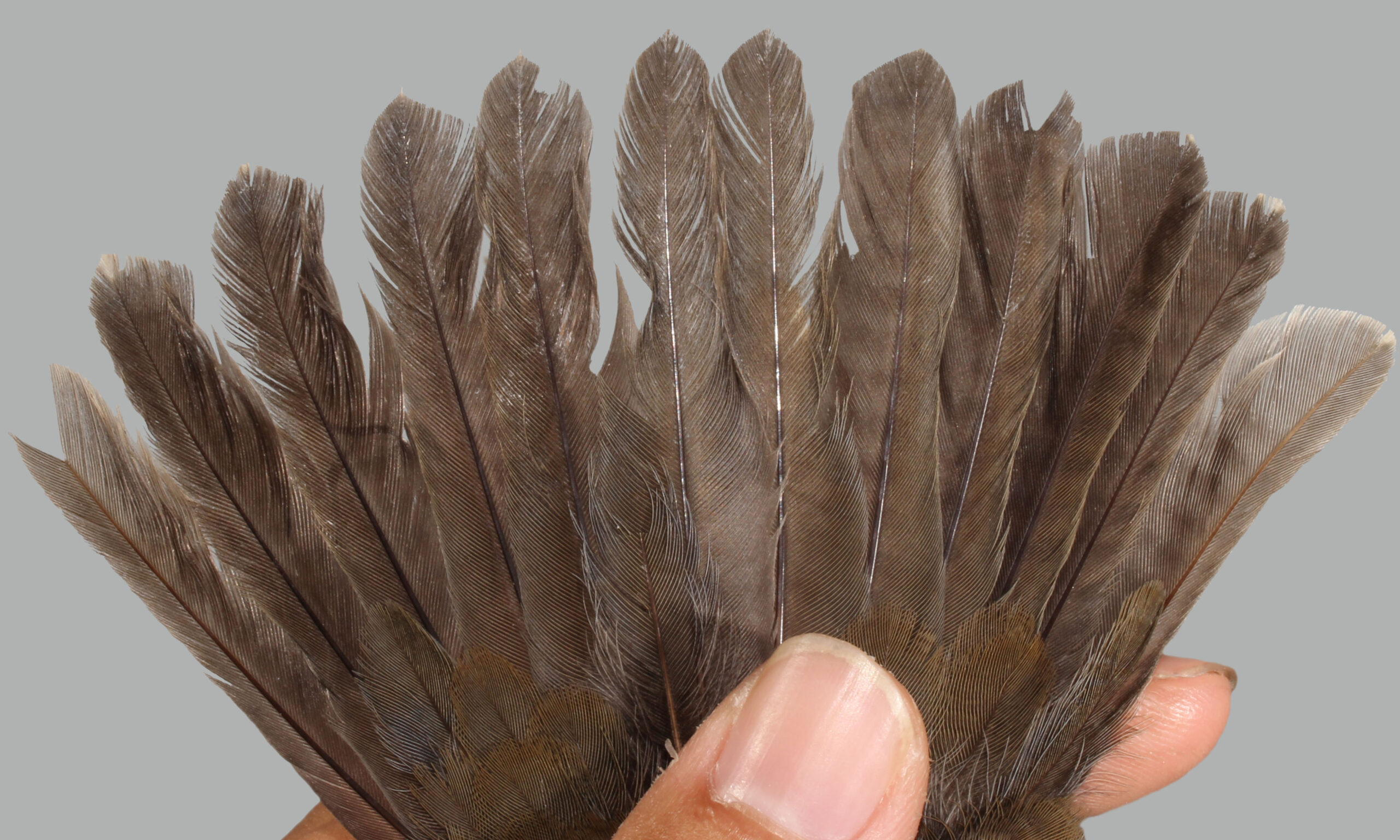
Our final individual was an adult female that seems to have begun moulting the inner coverts of the wing (hence why the inner GCs and MCs are missing). The flight feathers and tail feathers are all incredibly worn, as they are retained from last year. Soon this bird will begin replacing them with fresh new feathers!
A very exciting day!
Daily Totals
| Species | Original | Recapture |
| Chestnut Bulbul | 1 | 0 |
| Common Tailorbird | 1 | 0 |
| Huet’s Fulvetta | 4 | 1 |
| Mountain Bulbul | 2 | 0 |
| Orange-headed Thrush | 3 | 0 |
| Rufous-capped Babbler | 1 | 1 |
| Silver-eared Mesia | 4 | 1 |
| Streak-breasted Scimitar Babbler | 1 | 0 |
*Please note that all wild birds, their nests, and eggs are highly protected (under Wild Animals Protection Ordinate, Cap. 170) in Hong Kong. It is an offence to wilfully disturb, take, remove, or injure wild birds or their nests/eggs. The actions described here were undertaken by trained professionals holding the necessary licenses and permits issued by the AFCD.*