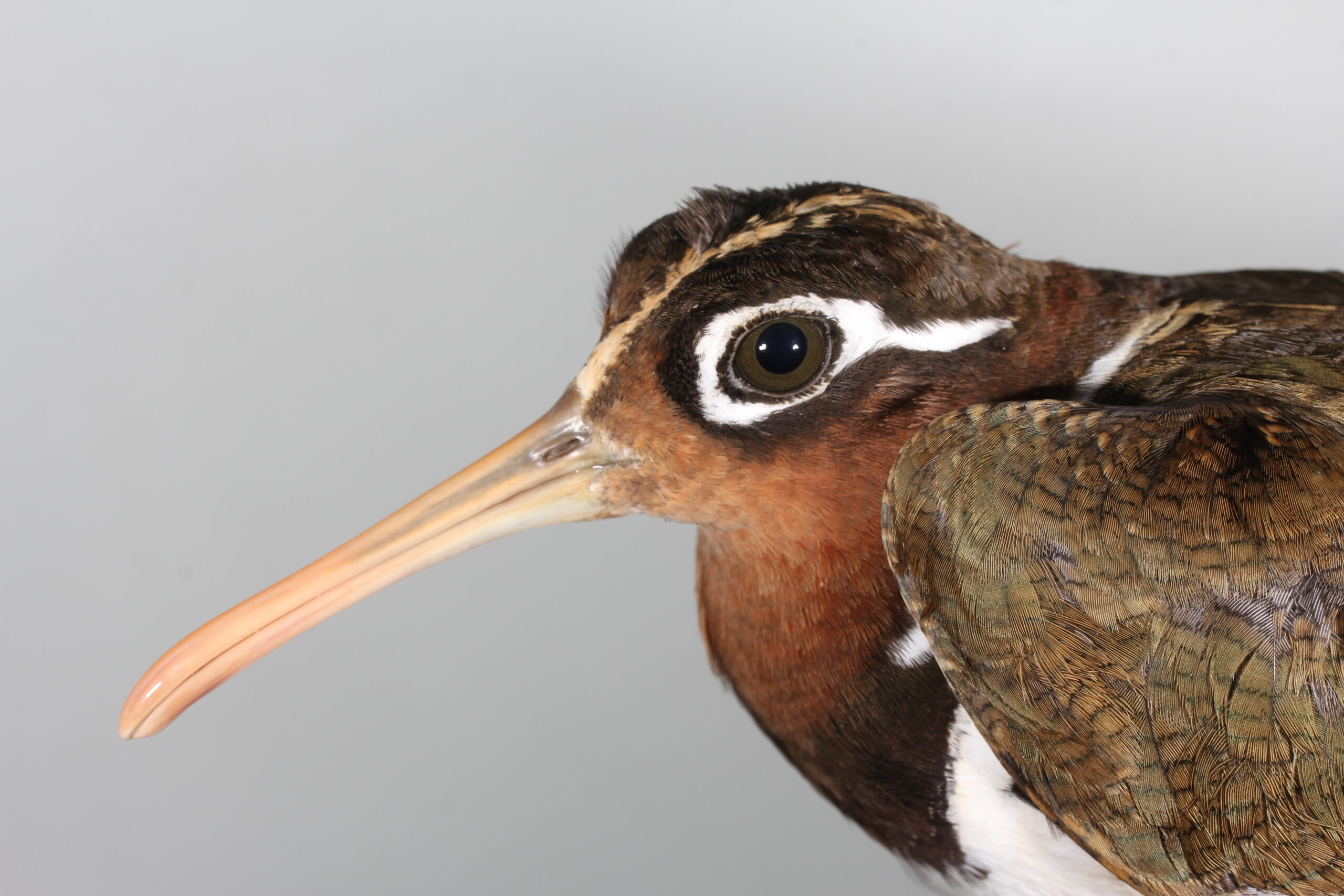



Autumn ringing starts up again in our Wetland site, (with the warm weather showing no sign of letting up anytime soon) with an influx of our wonderful migrants!
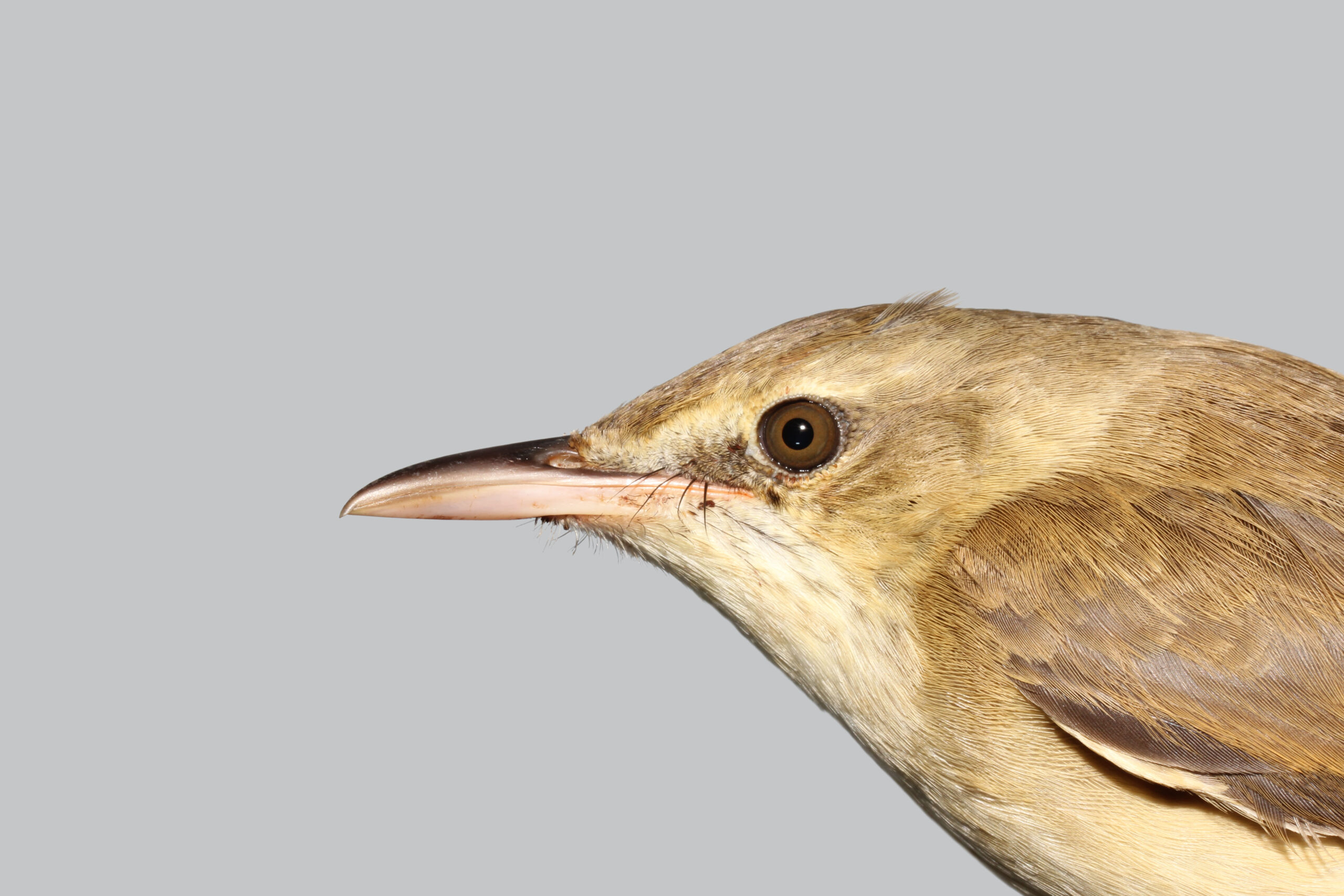
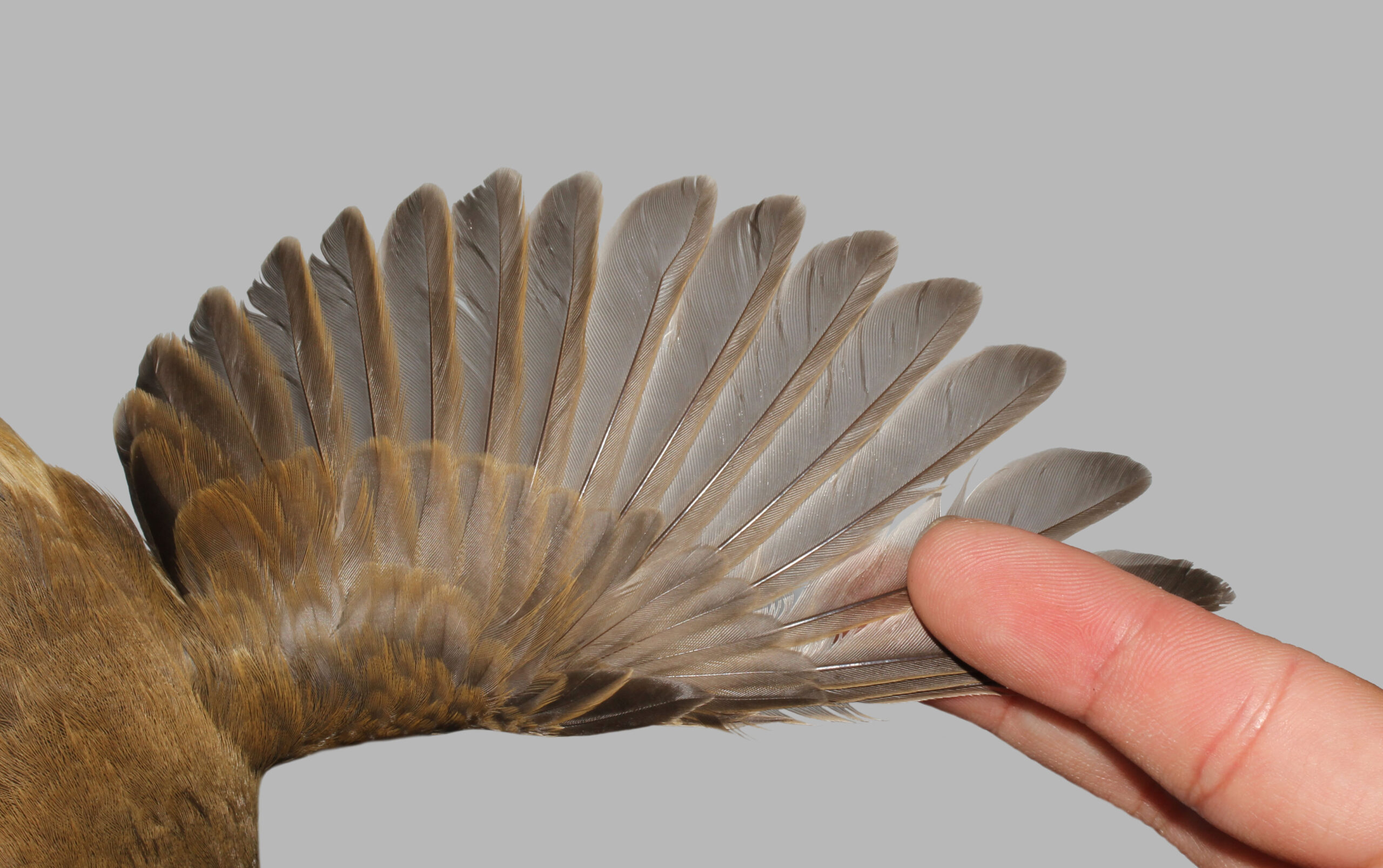
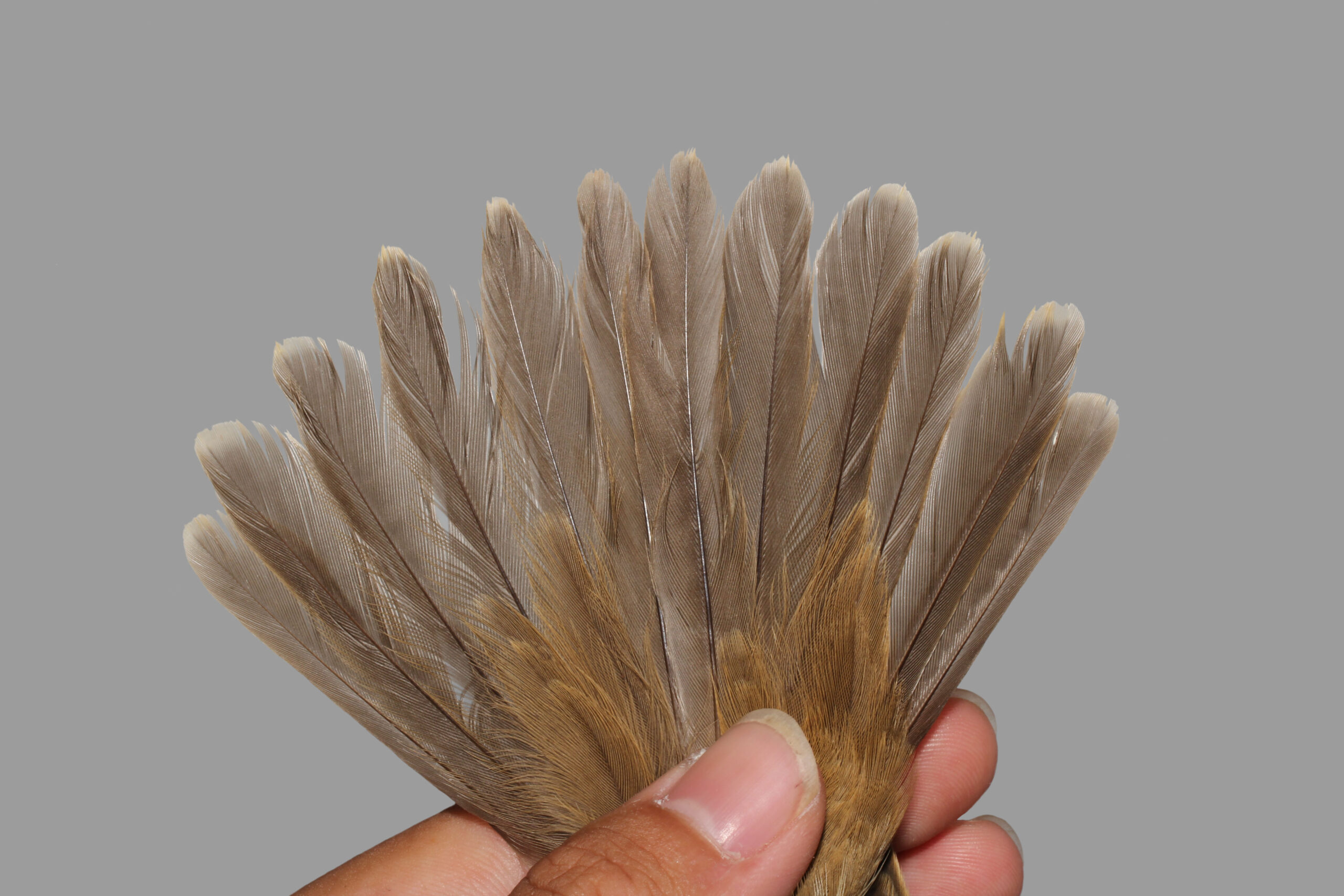
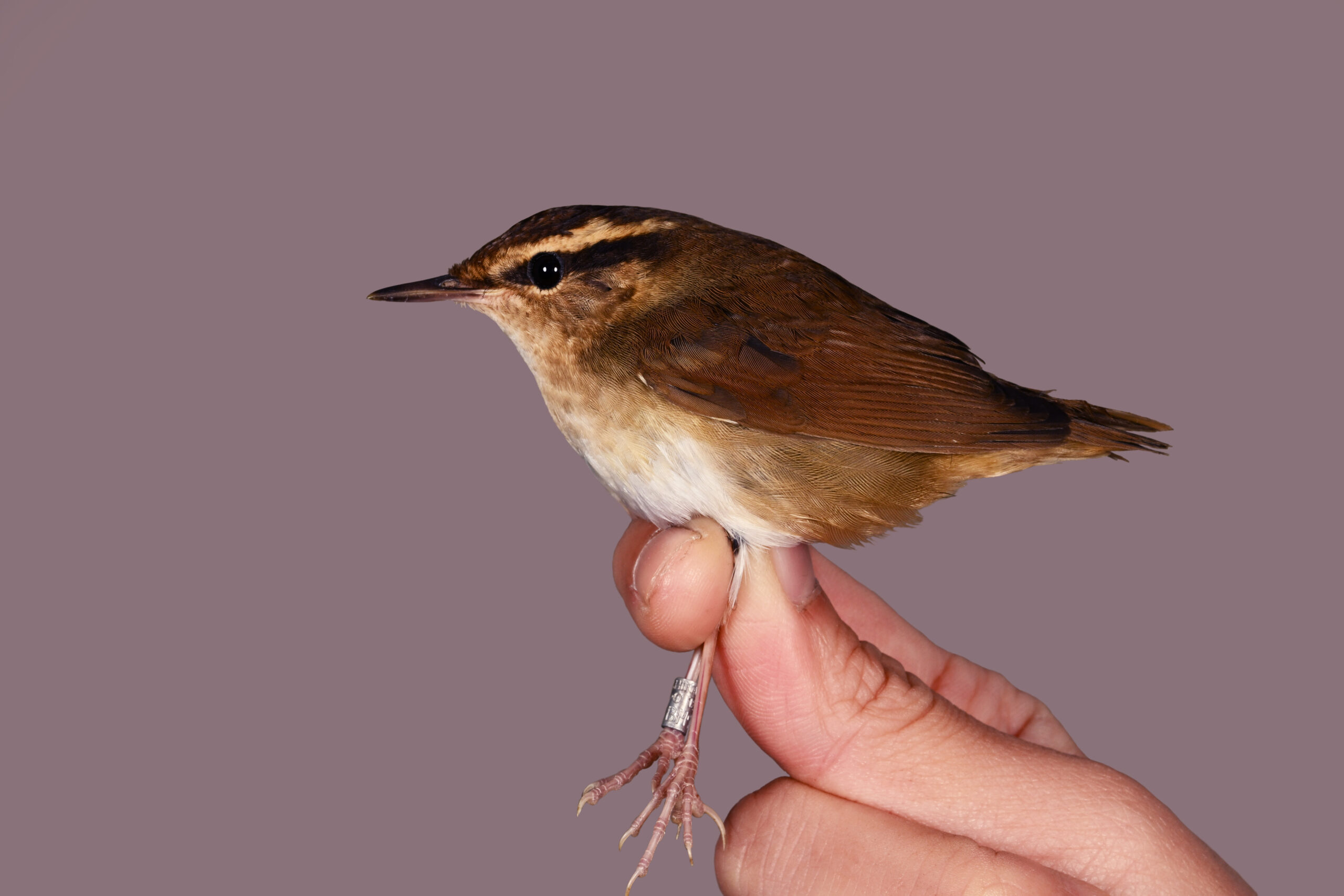
Our first Oriental Reed Warbler of the season started our day with ageing Acrocephalus. This varies between species, but is generally a tricky task due to the prevalence of adults and juveniles that both undertake Summer Complete moults, making them identical in plumage after completion. Iris colour and skull development can be useful characteristics, as seen in this young individual above.
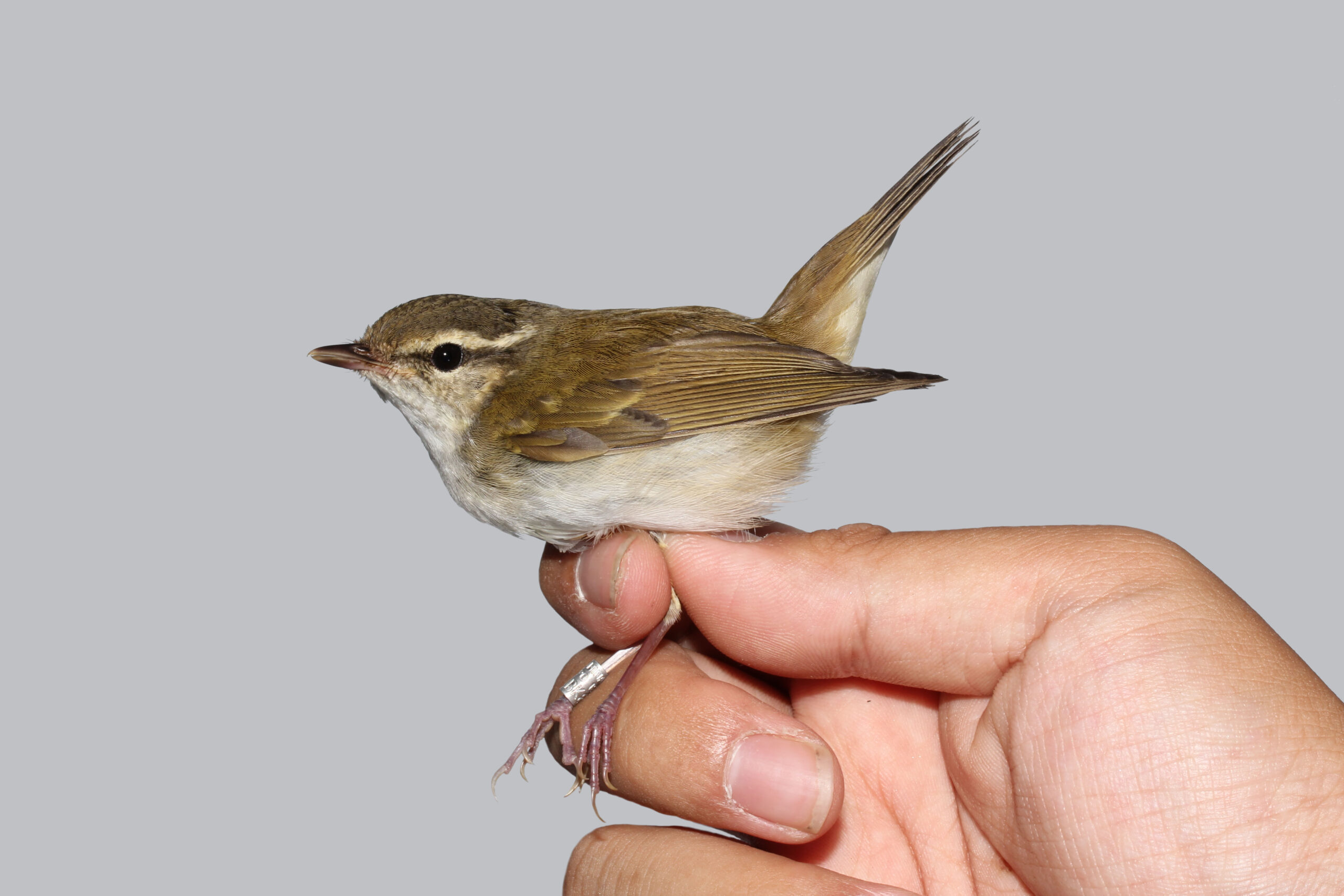
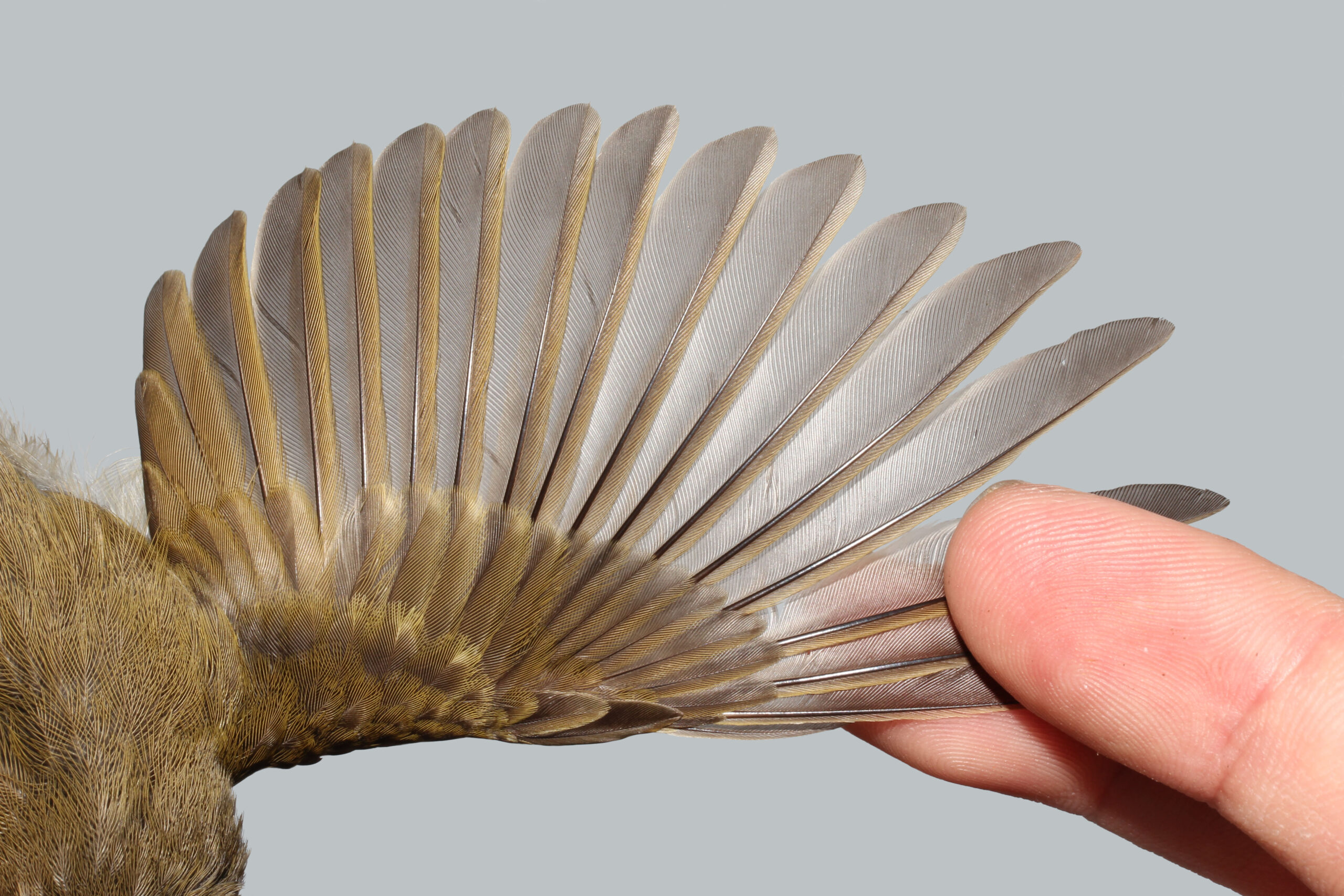
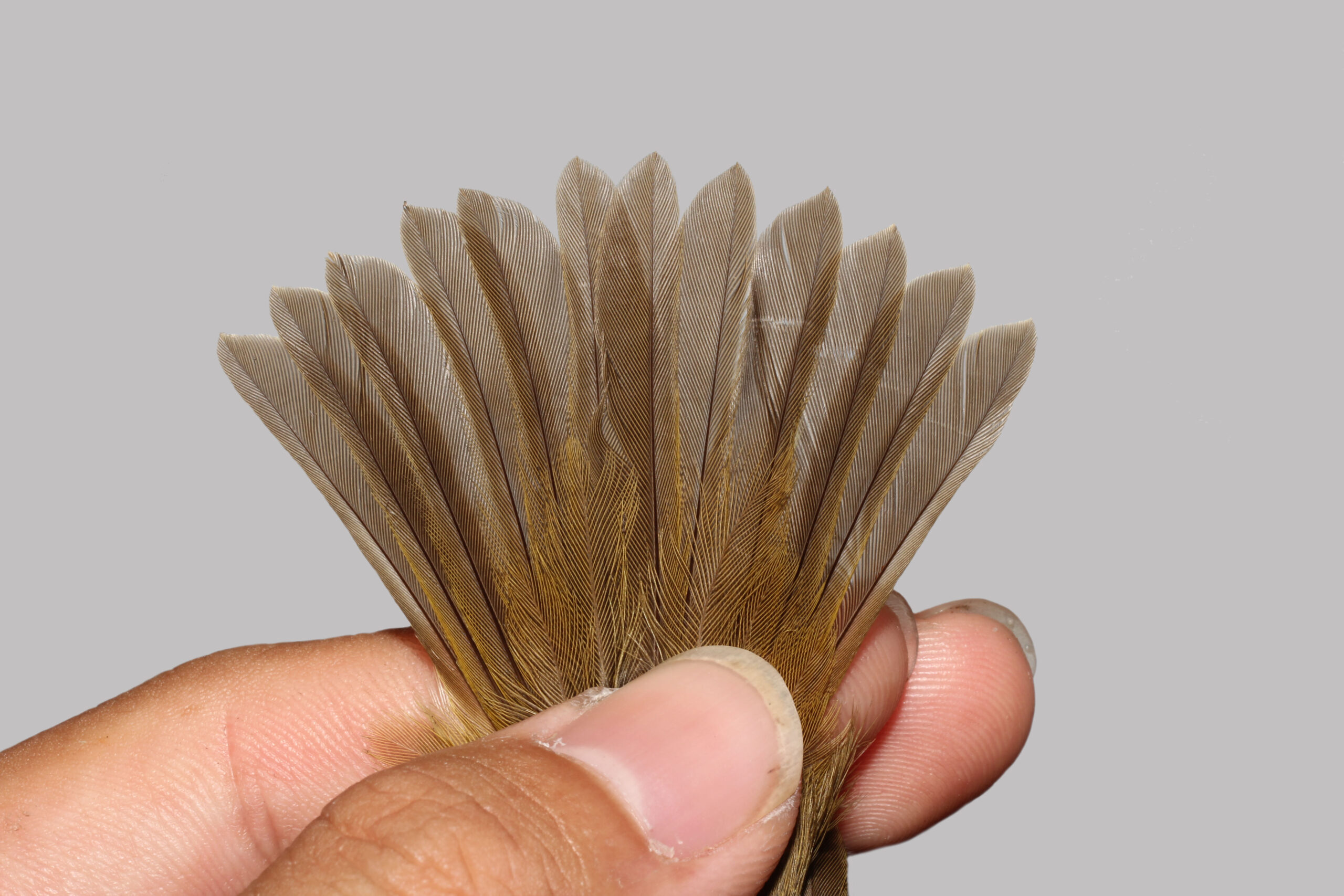
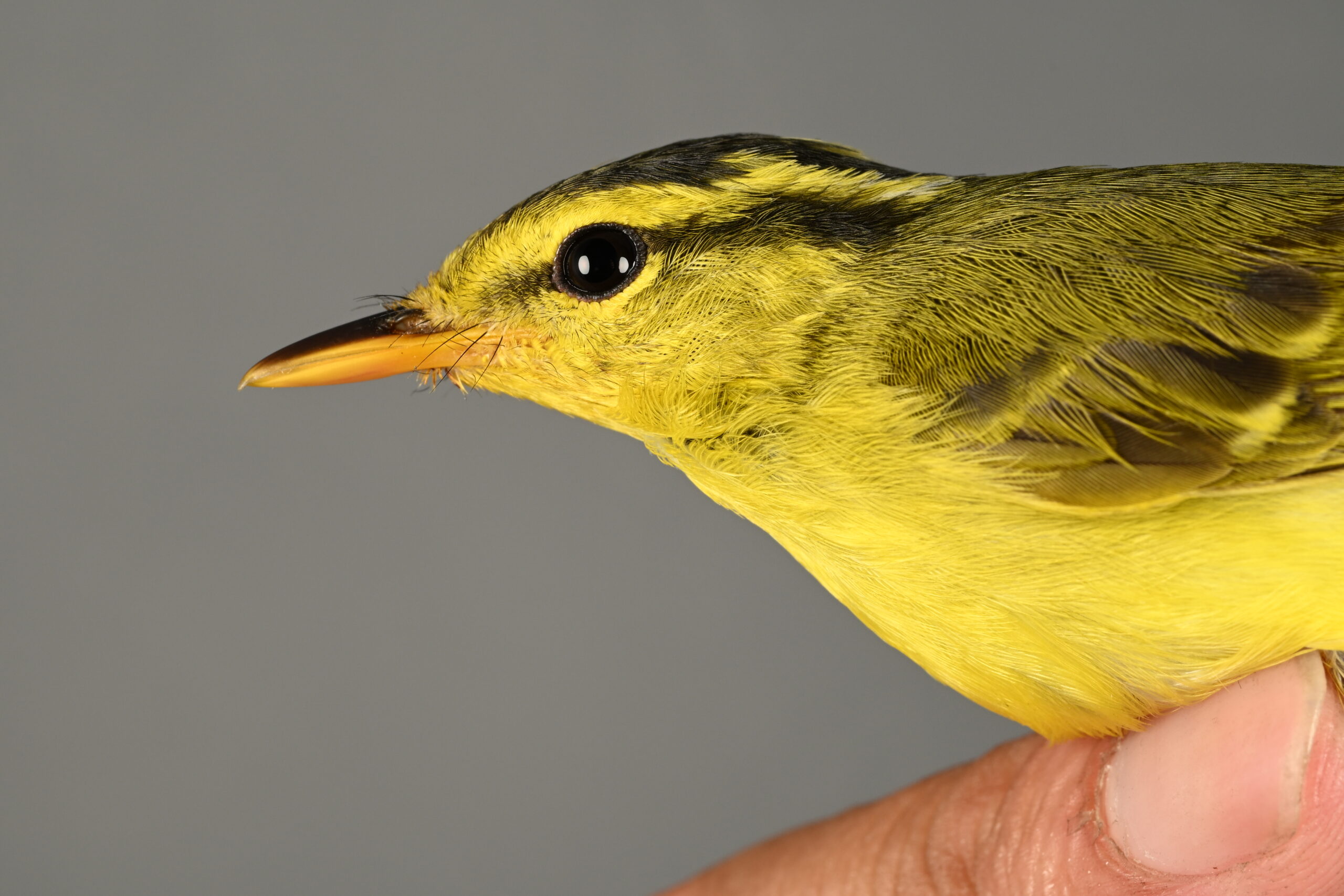
Next up was a young Pale-legged Leaf Warbler! The adults of this species undertake a Summer Compete moult, while the young carry out quite an extensive Summer partial moult, with just some retaining their undertail coverts and tail feathers.
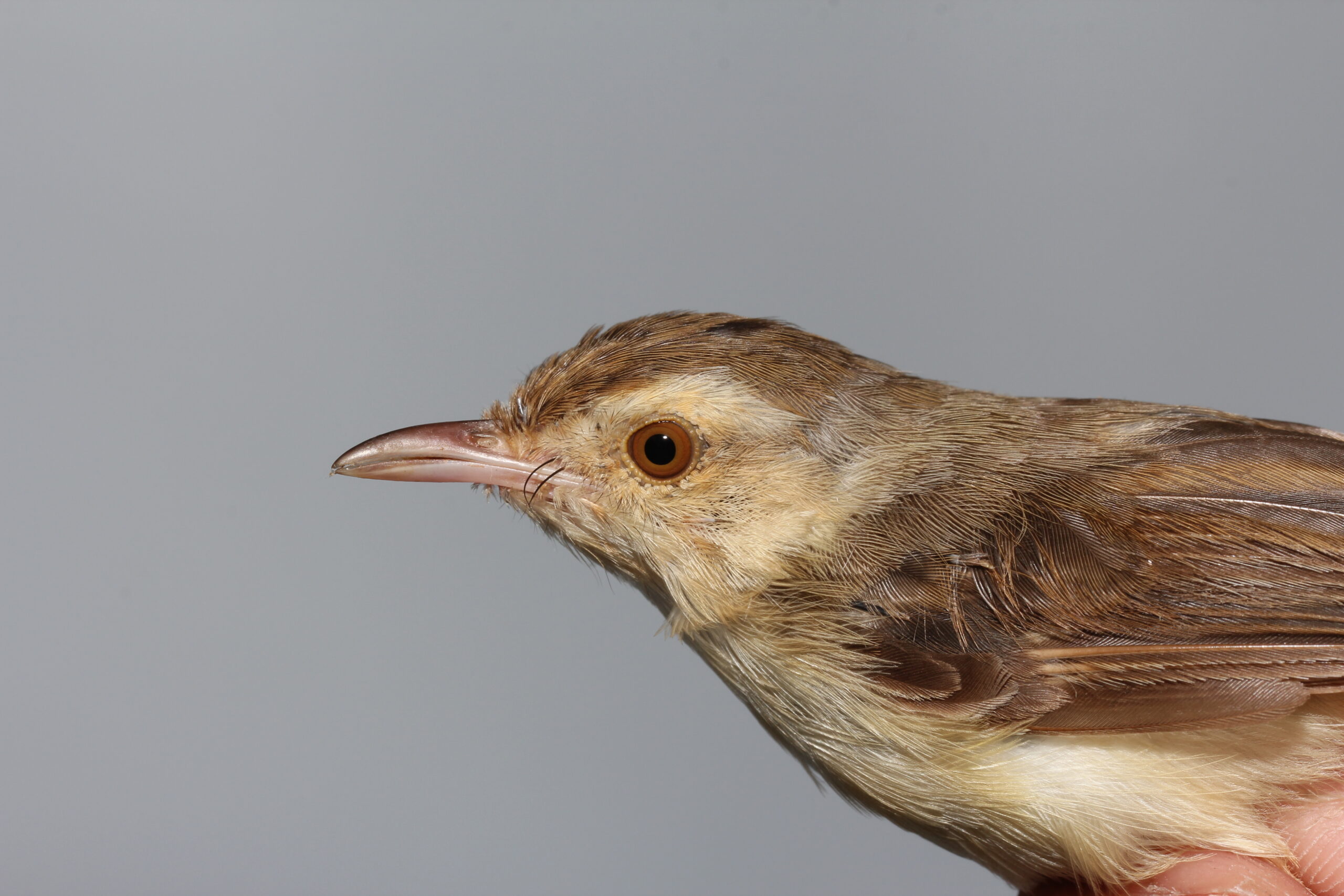
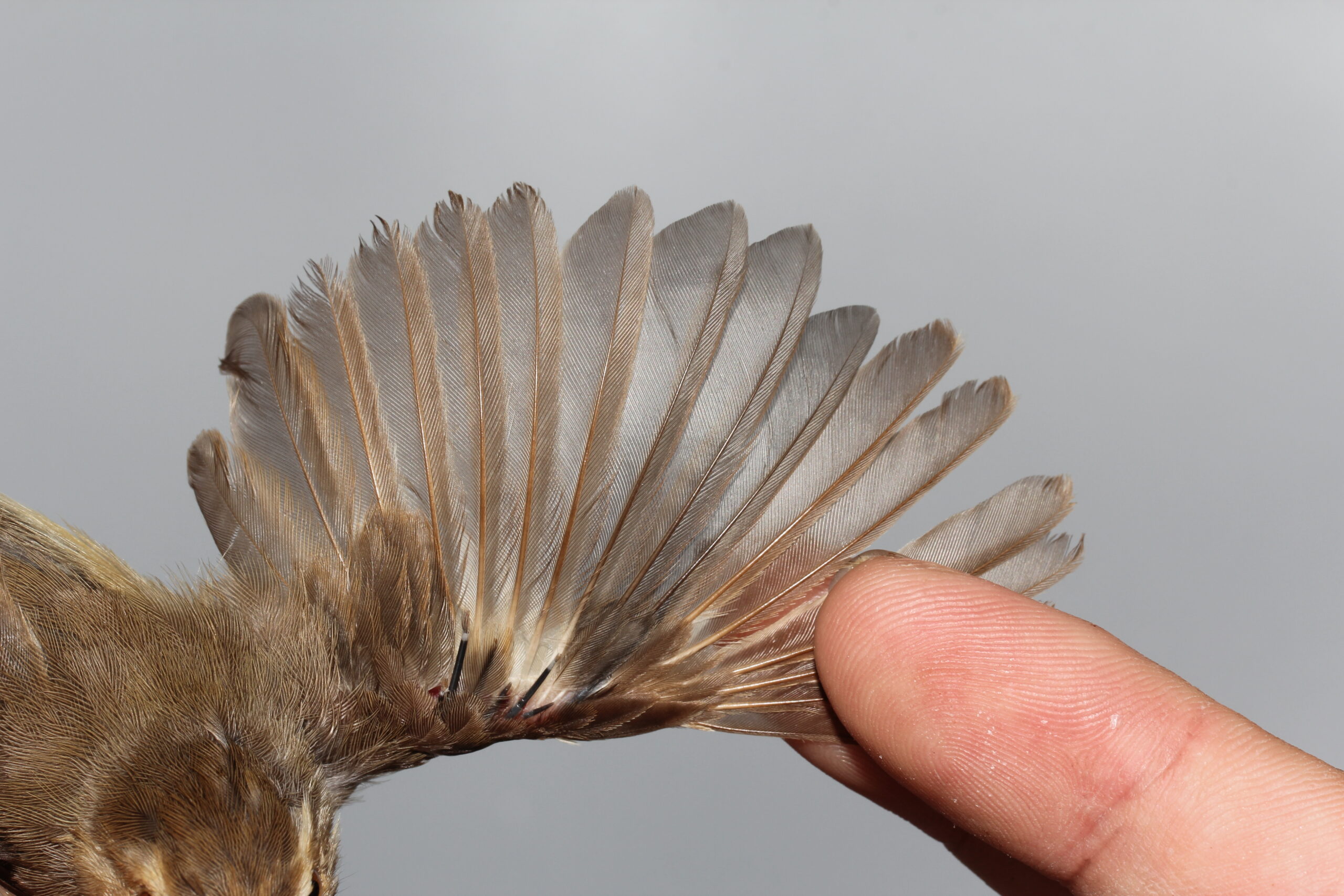
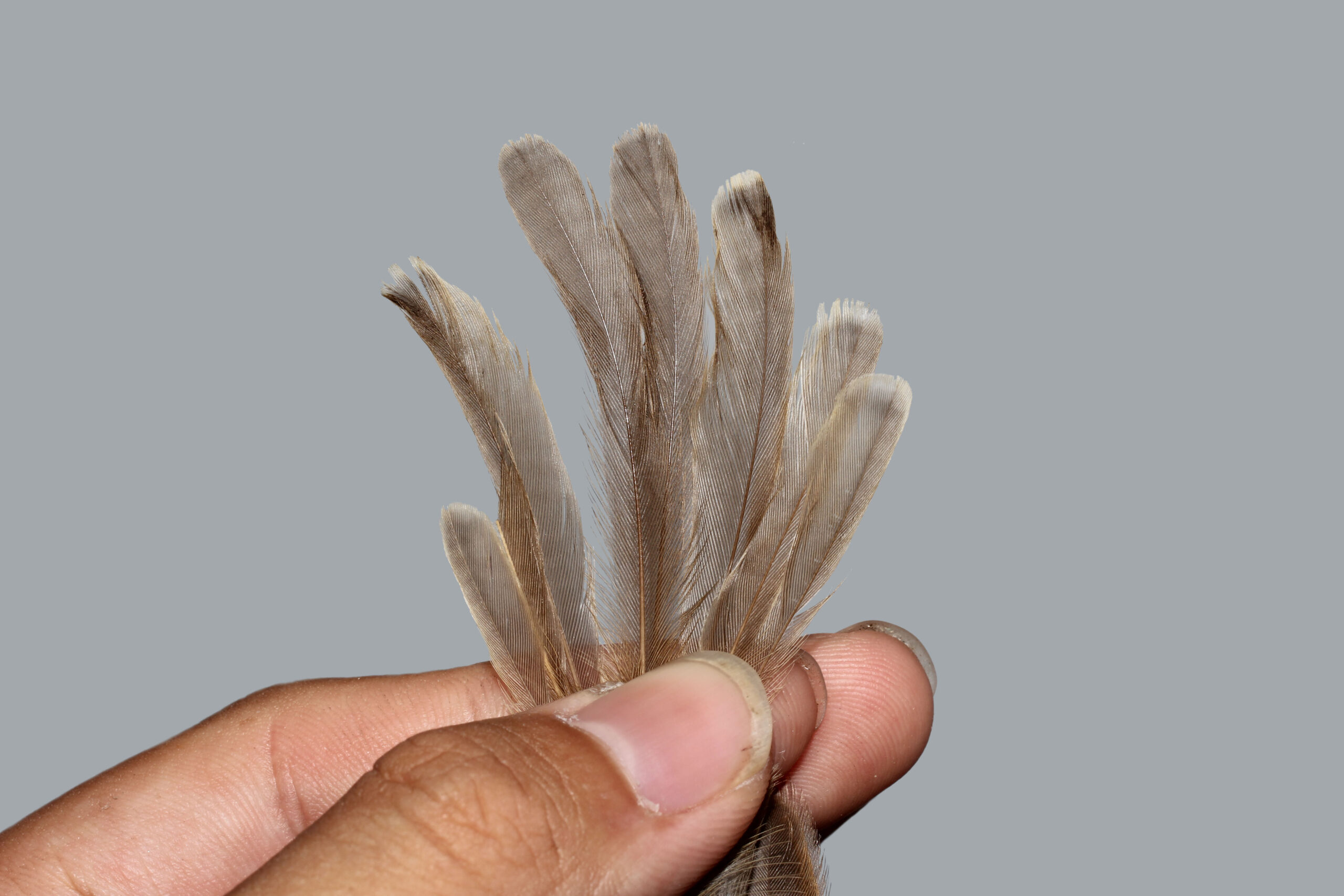
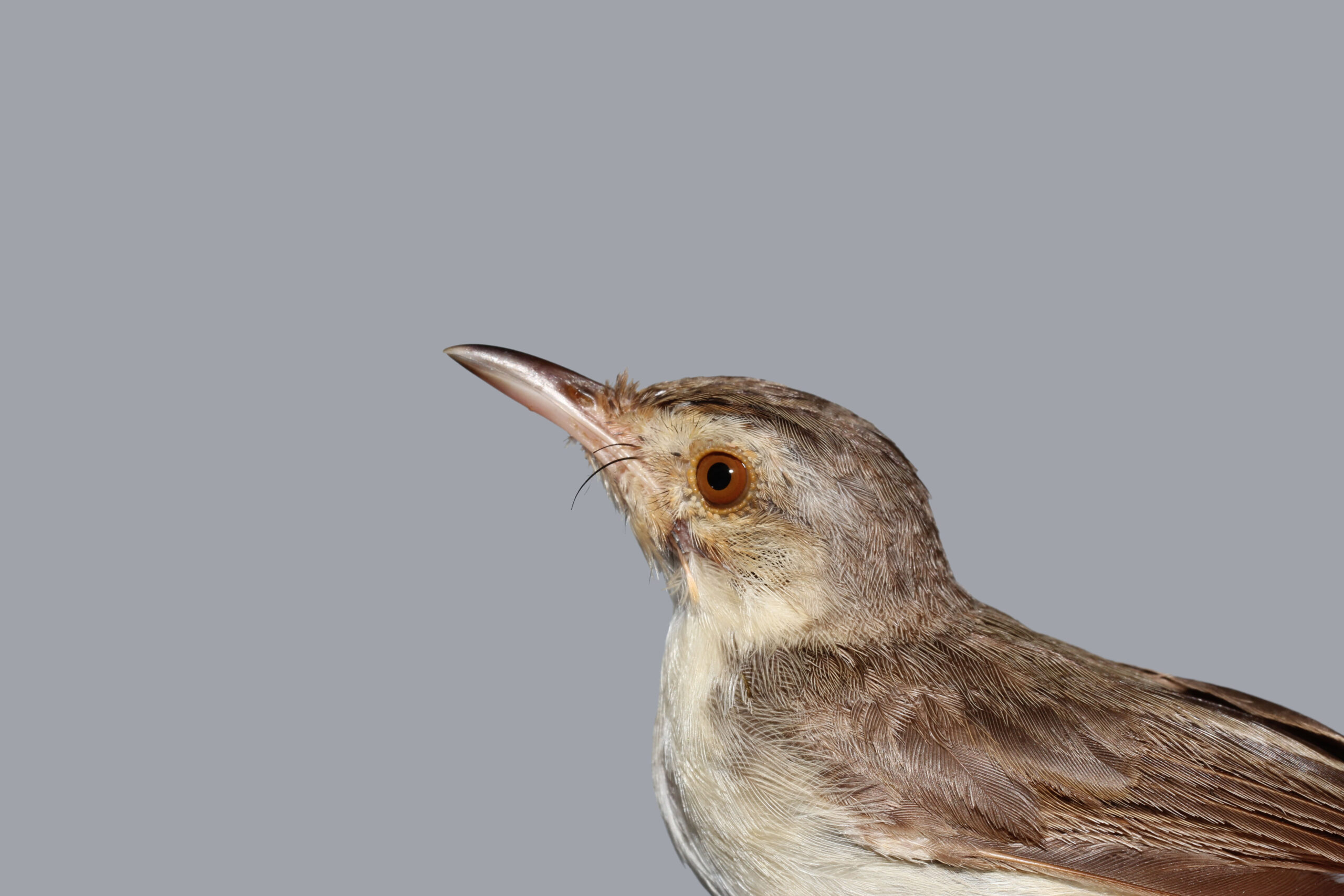
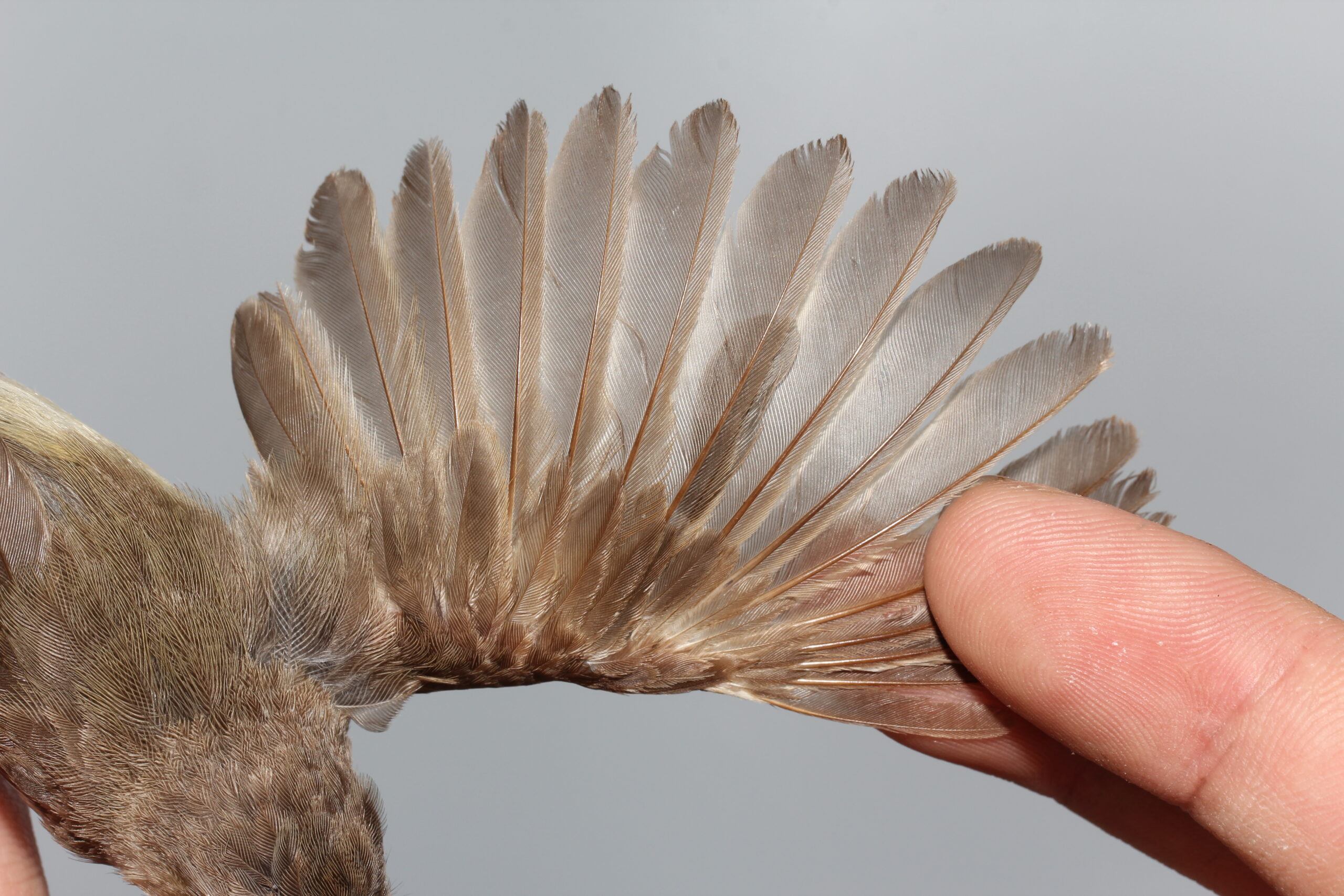
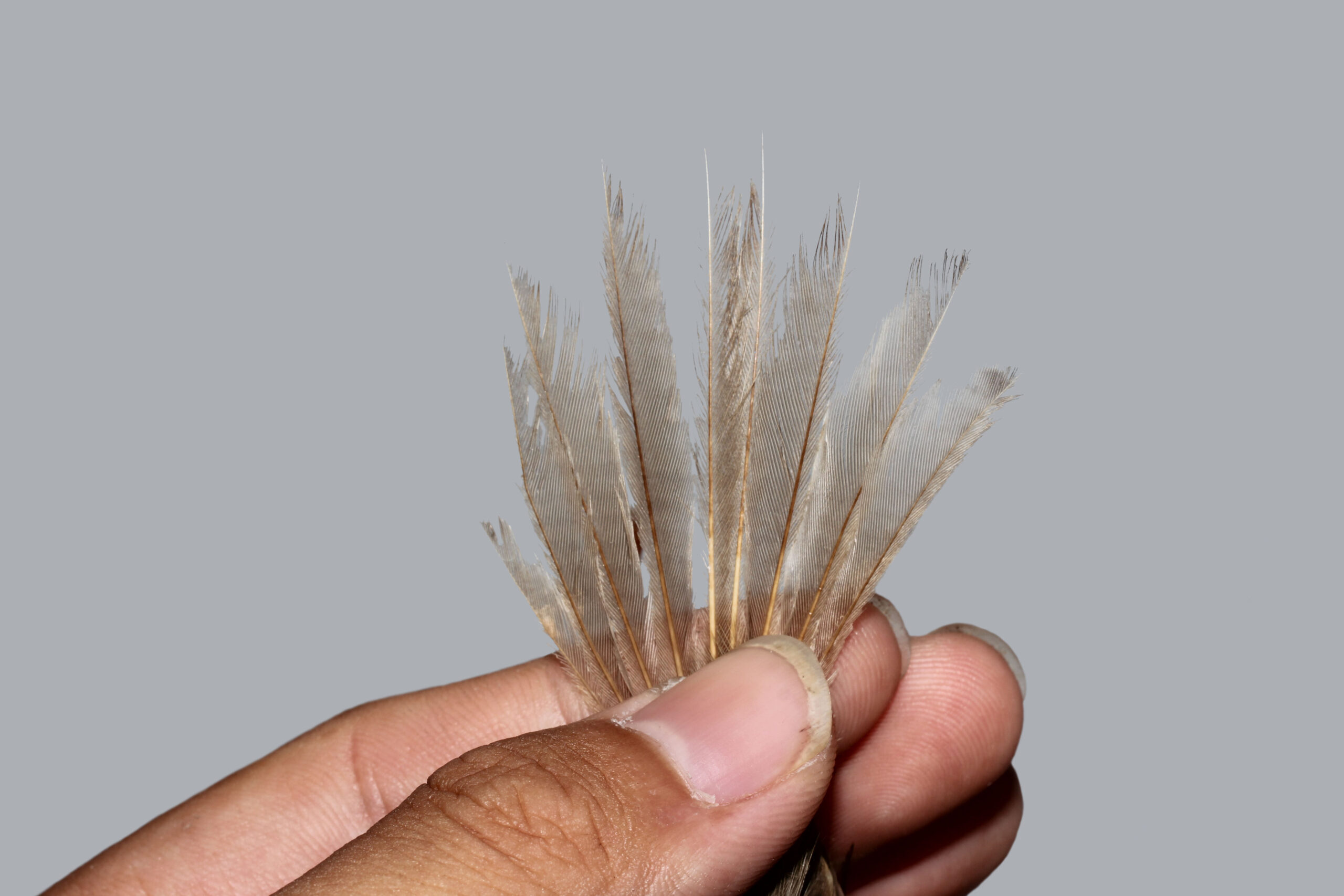
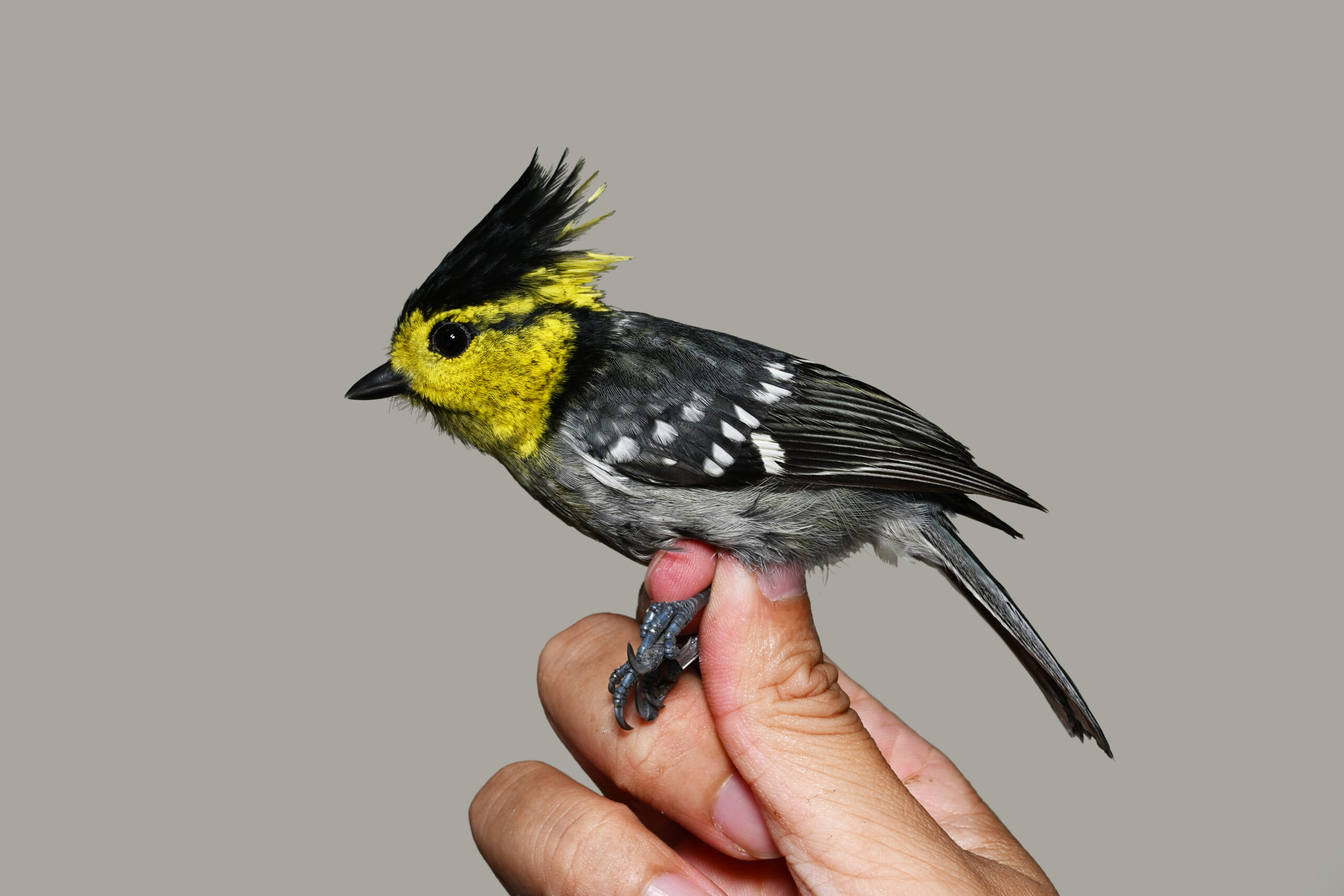
The morning wore on, warm as ever, and two of our most commonly caught residents in the nets! Both were recaptures, and so known adults. Although it has not been extensively researched, it is pretty clear to us that both adults and juveniles carry out Summer Complete moults, meaning that, once finished, we cannot use the plumage for ageing. This means that, like with the Oriental Reed Warbler, we must use other characteristics to help us age them. Thankfully, we can use the characteristics of the old feathers in the individuals above (density, shape etc.) to determine that these are both adult individuals (prior to checking the ring number for confirmation).
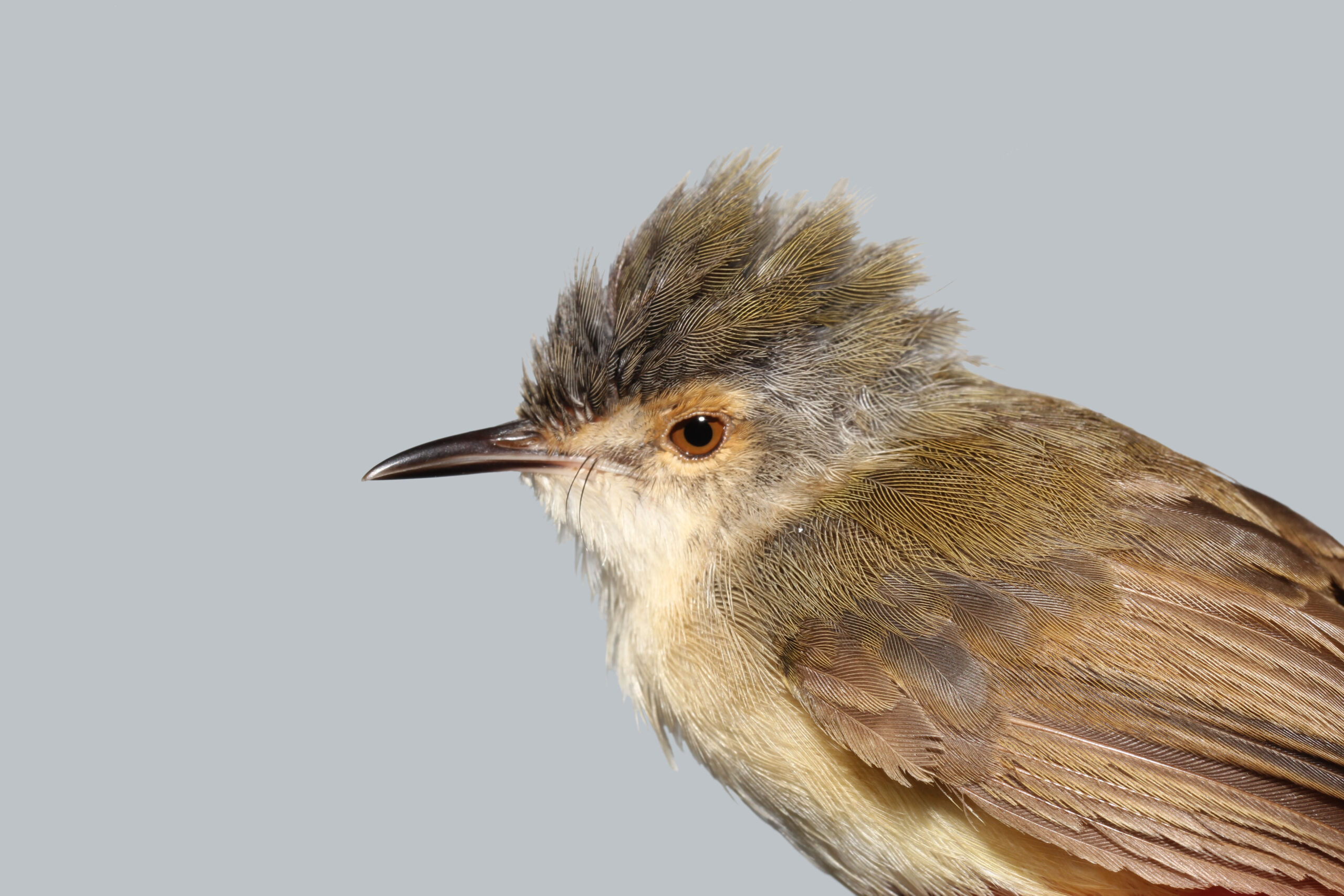
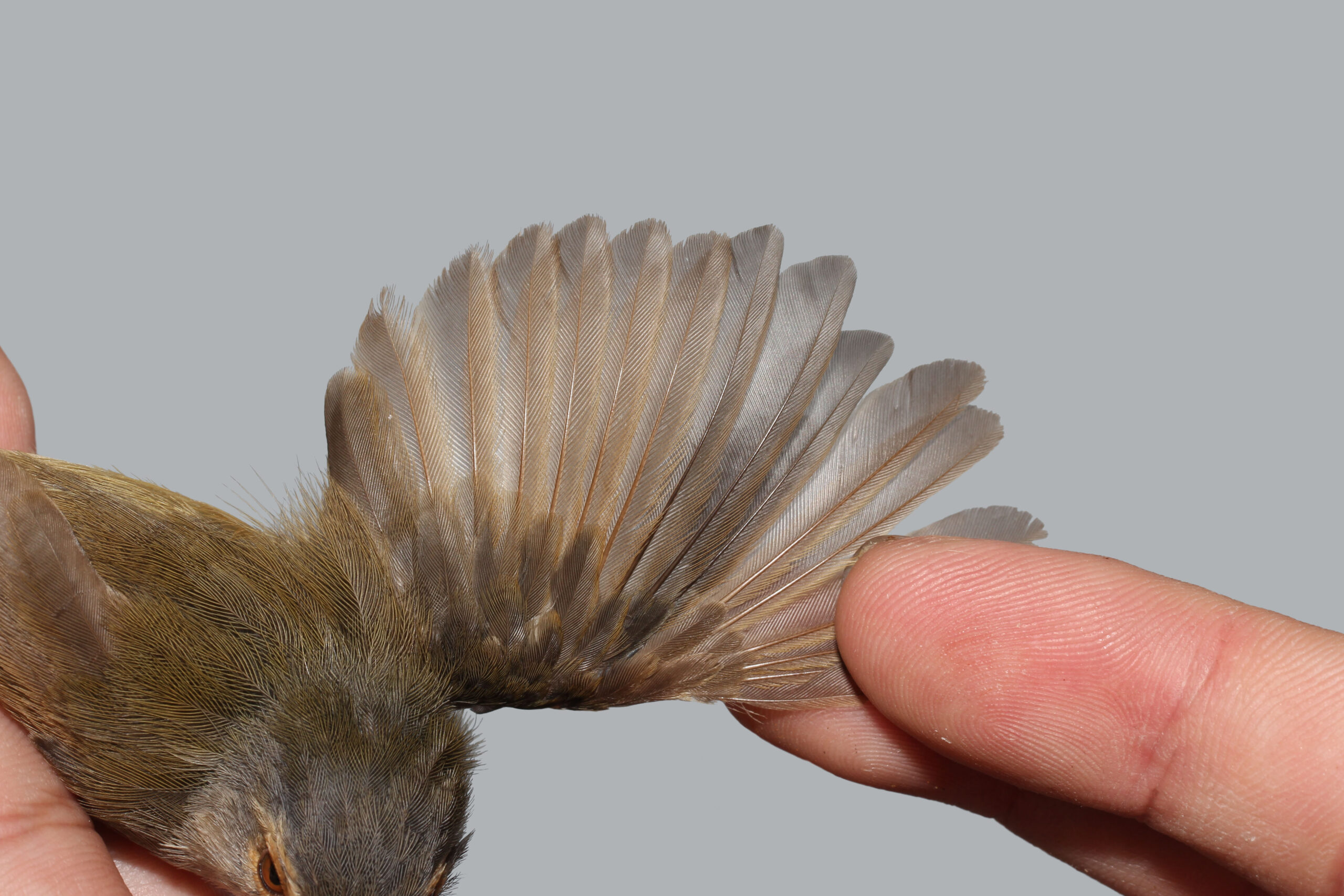
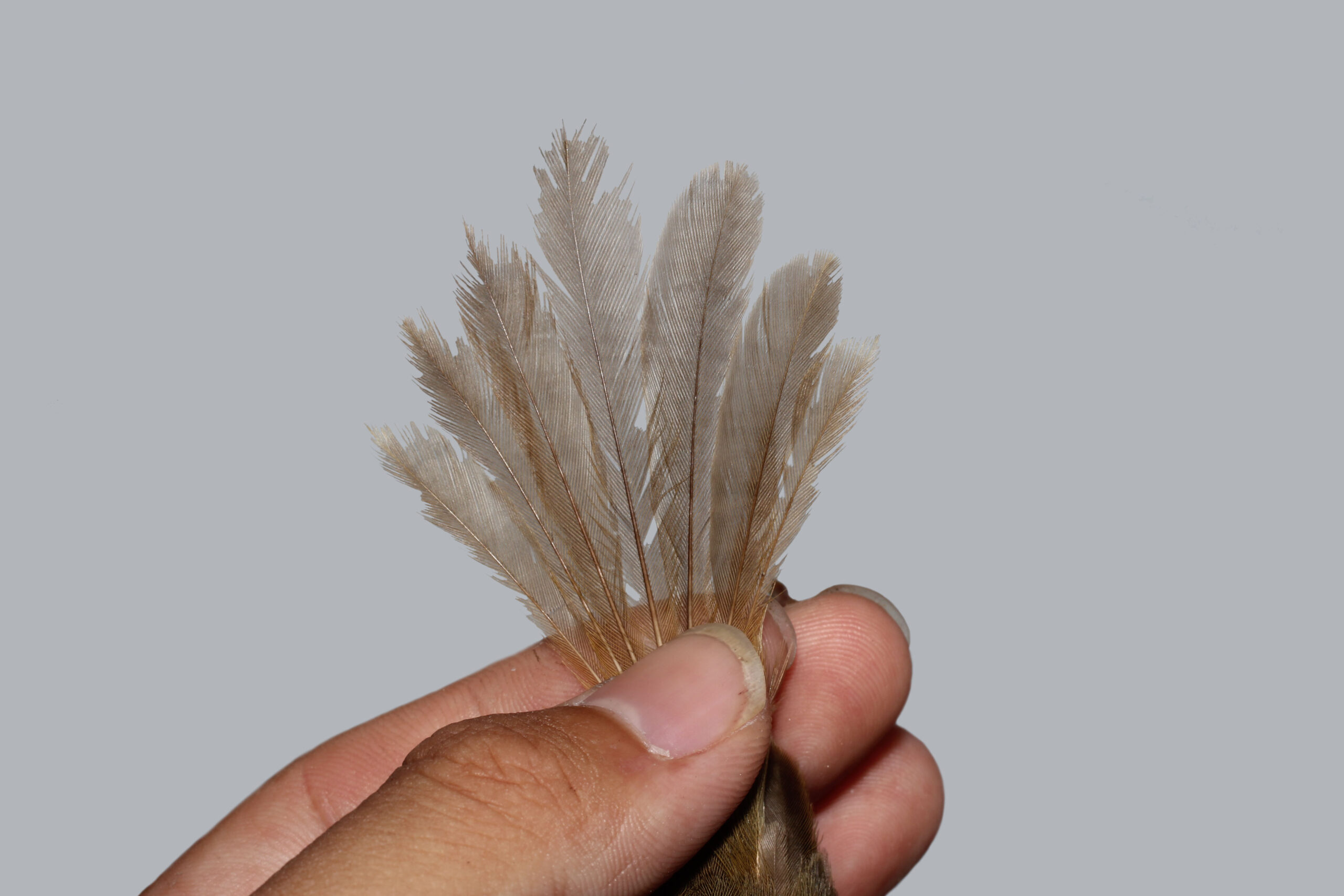
Our second resident Prinia species in the area is the Yellow-bellied Prinia, in which, similarly to the Plain Prinia, both adults and juveniles moult Summer Complete. This individual was currently undergoing its Summer Complete moult- but we could determine that due to the difference in density and shape of the old and new feathers, and the fact that is showed an incomplete skull, that this is a first calendar year bird.
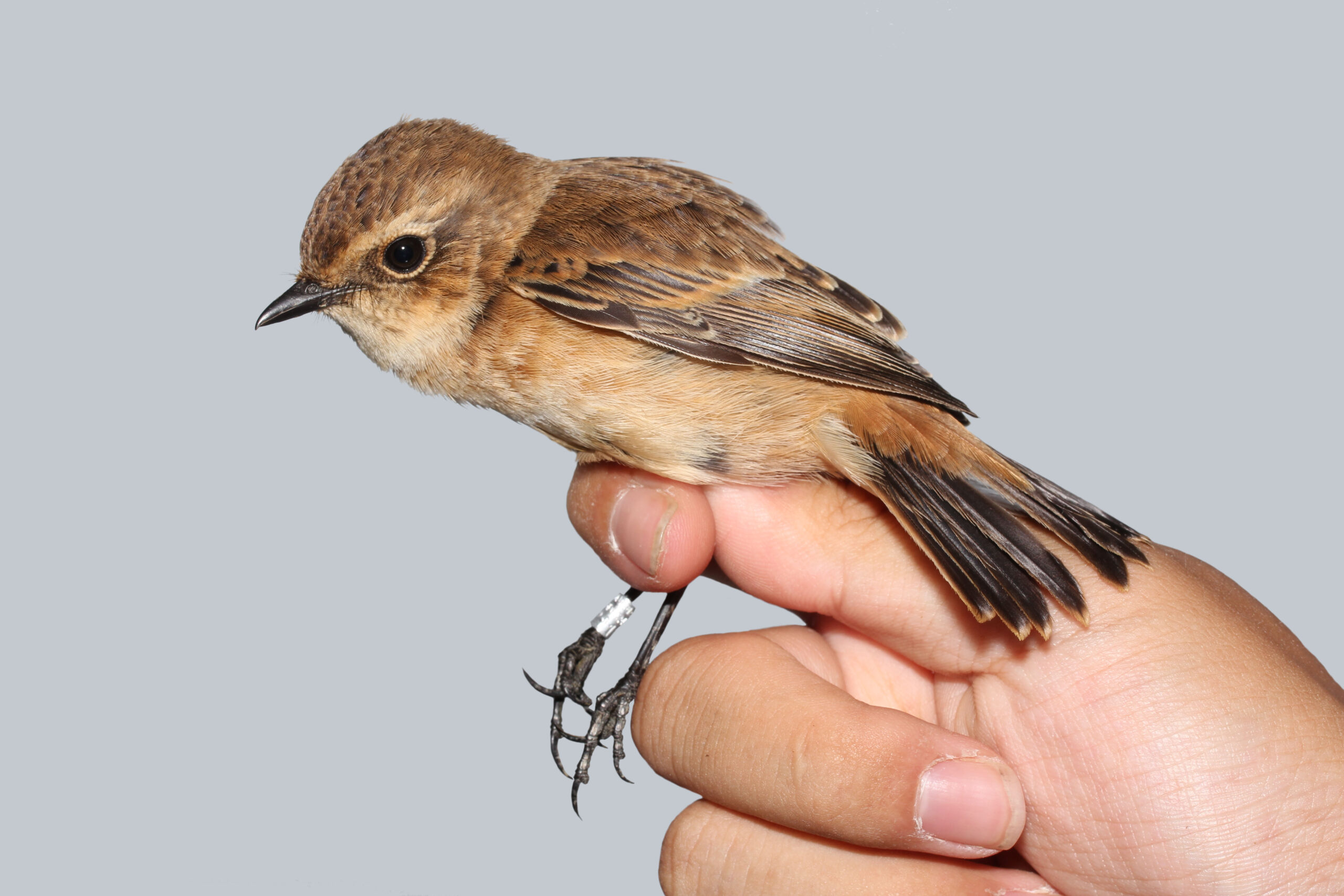
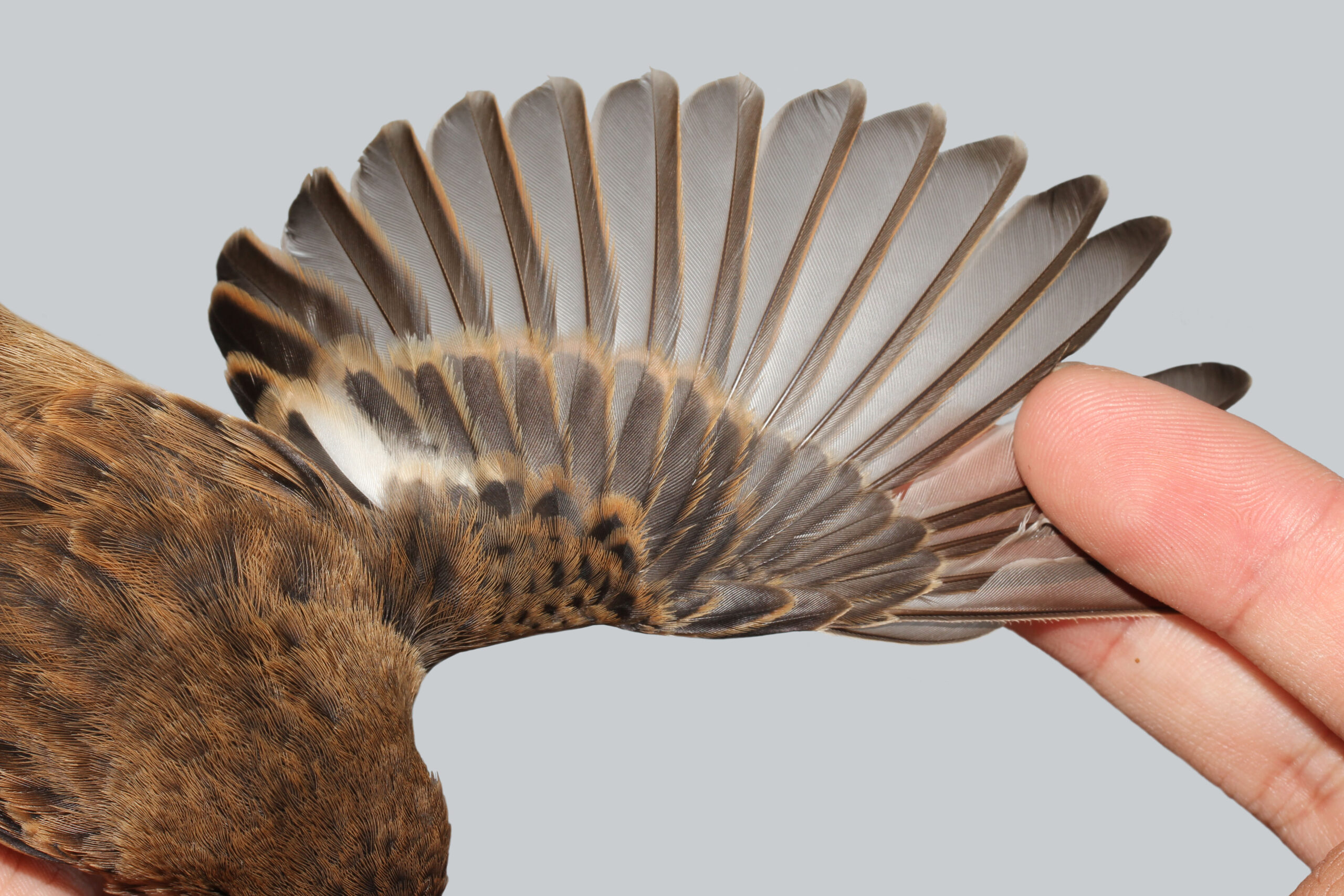
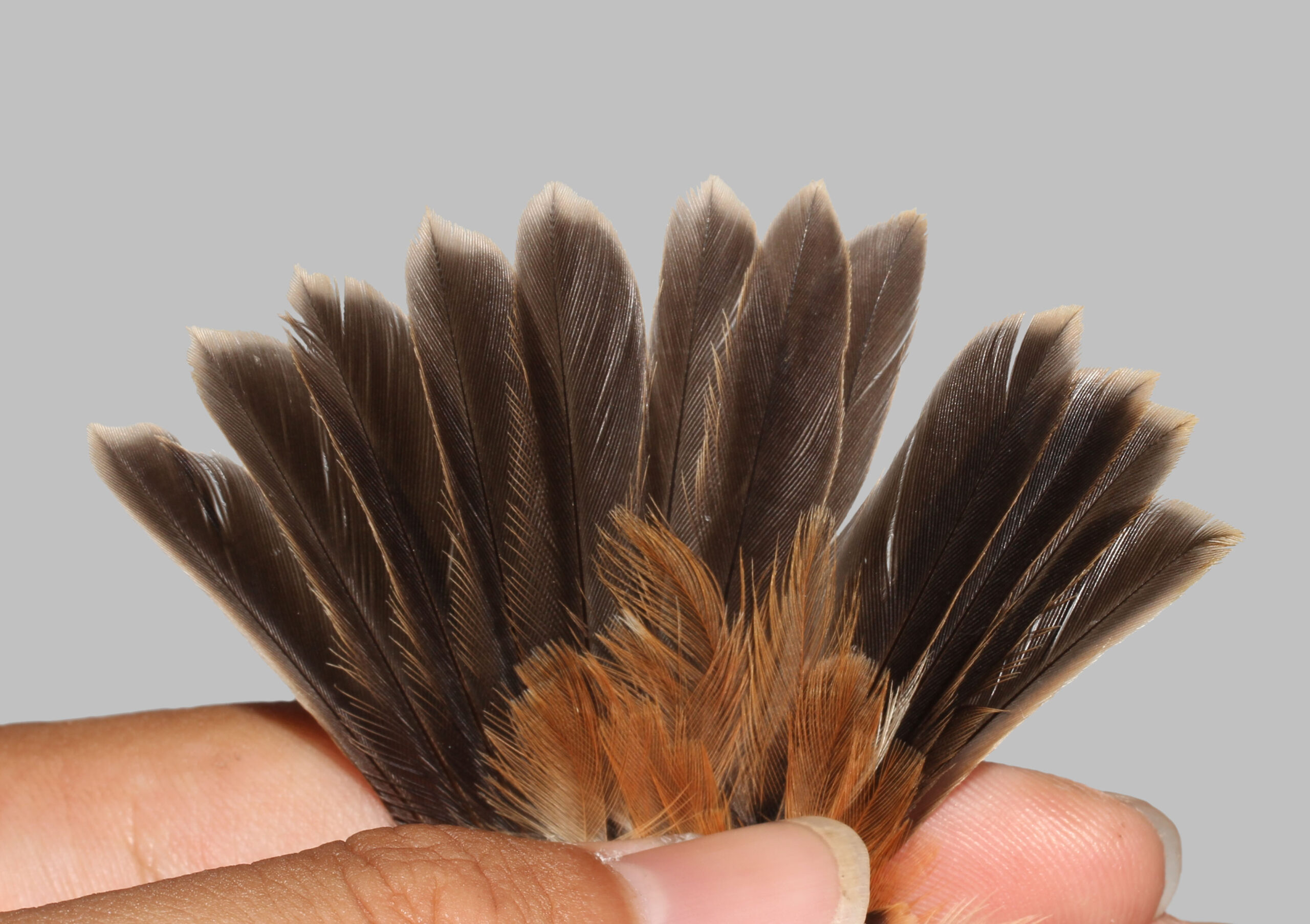
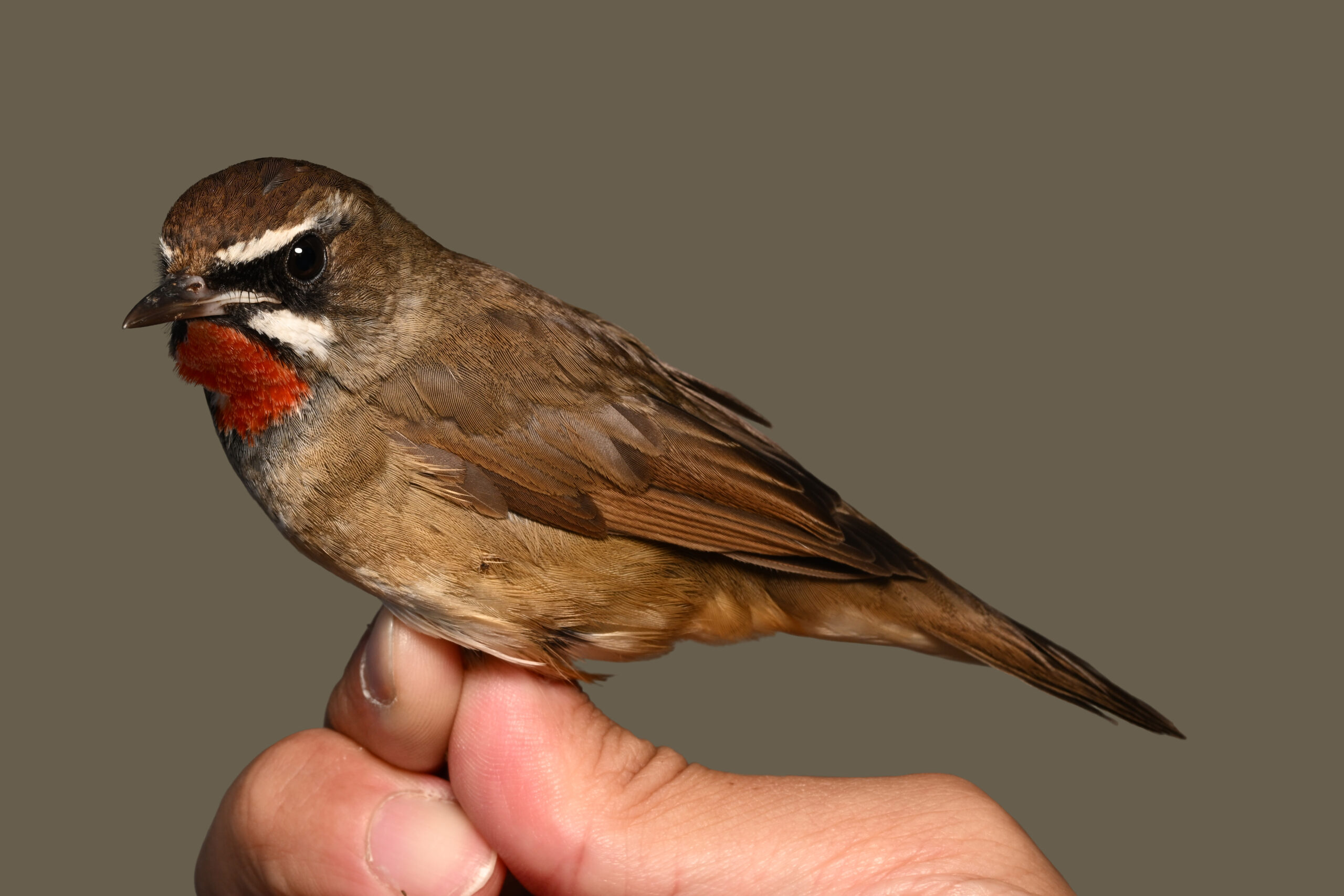
As the morning began to slow, another of our migrants turned up to give us a breather from the tough ageing! Stejneger’s Stonechats carry out the basic moult strategy; Adult Summer Complete, juvenile Summer partial. All juveniles will then show a moult limit in the wing, for example here the 7 outer Greater Coverts are juvenile, while the innermost 3 are post-juvenile.
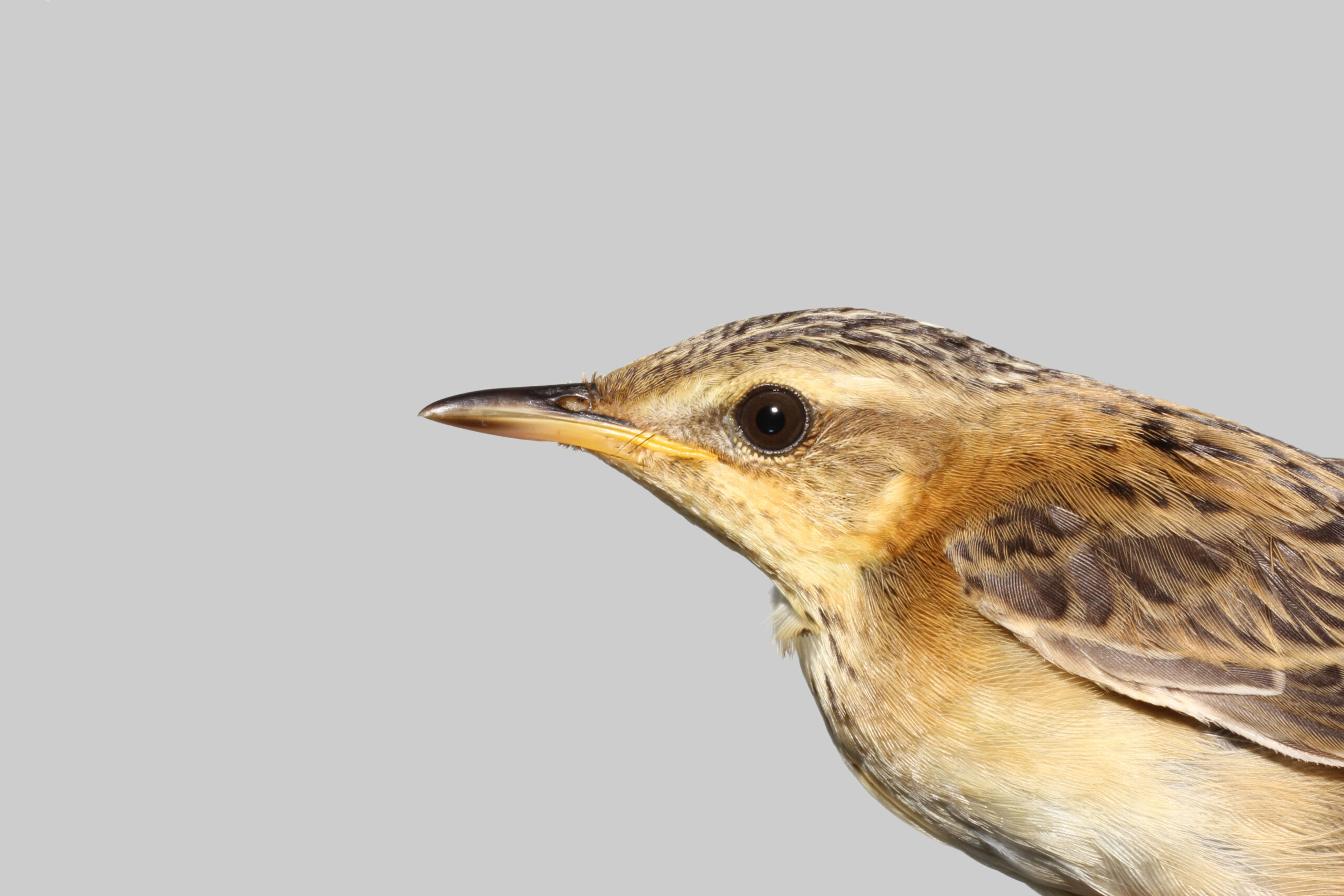
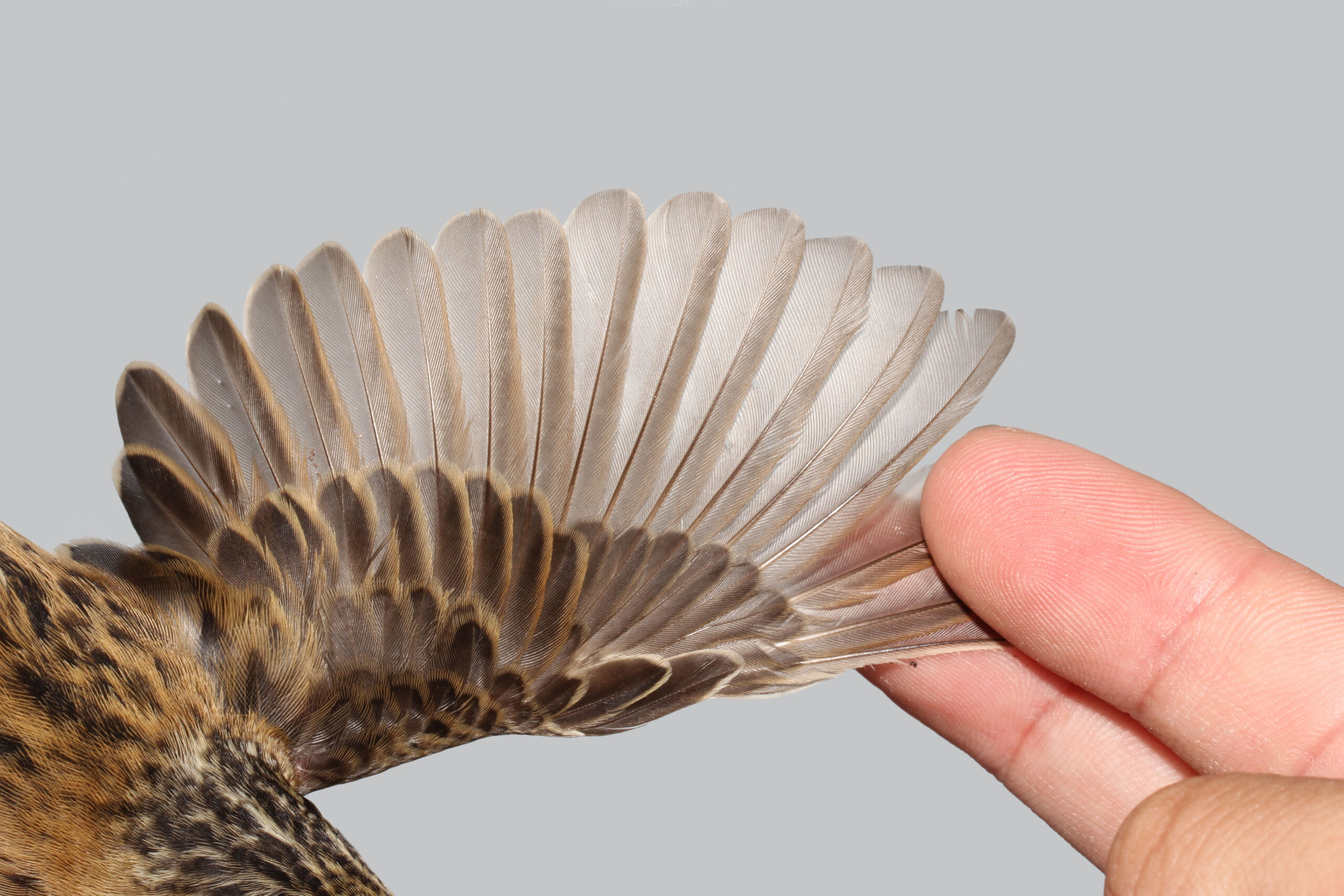
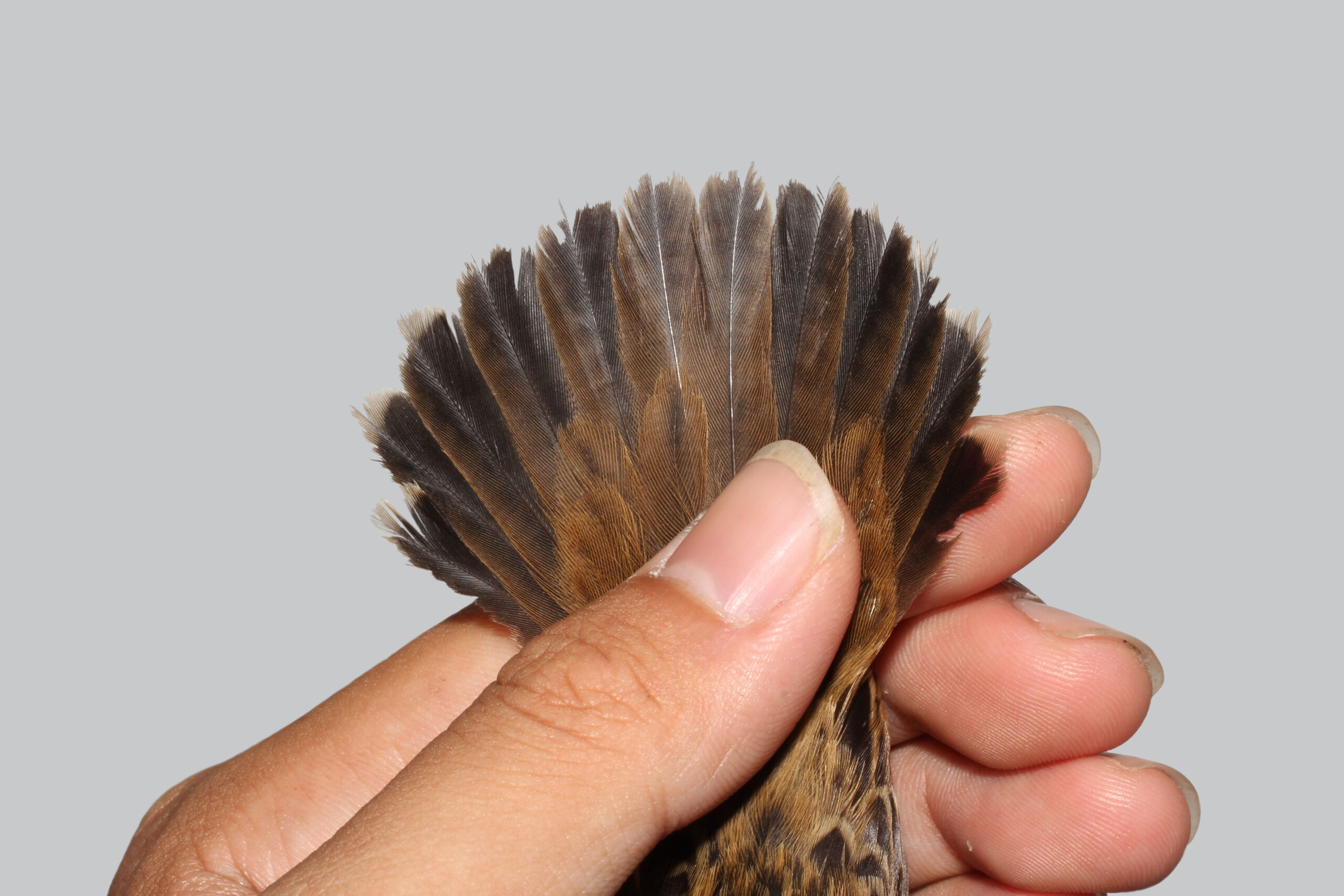
As we began to close the nets, we were lucky enough to catch our first Pallas’ Grasshopper Warbler of the season! These guys are a little different, in that the adults carry out a Summer Complete moult, but it is suspended. This means that moult limits will be found in the flight feathers of adult individuals, while juveniles, who only carry out an extremely restricted summer partial moult (probably just some of the body feathers), do not show moult limits in the wing (as seen in the individual above).
A very rewarding morning!
Daily Totals
| Species | Original | Recapture |
| Chinese Pond Heron | 1 | 0 |
| Oriental Reed Warbler | 1 | 0 |
| Pale-legged Leaf Warbler | 1 | 0 |
| Pallas’s Grasshopper Warbler | 4 | 0 |
| Plain Prinia | 1 | 2 |
| Stejneger’s Stonechat | 1 | 0 |
| Yellow-bellied Prinia | 2 | 0 |
| Grand Total | 11 | 2 |
*Please note that all wild birds, their nests, and eggs are highly protected (under Wild Animals Protection Ordinate, Cap. 170) in Hong Kong. It is an offence to wilfully disturb, take, remove, or injure wild birds or their nests/eggs. The actions described here were undertaken by trained professionals holding the necessary licenses and permits issued by the AFCD.*