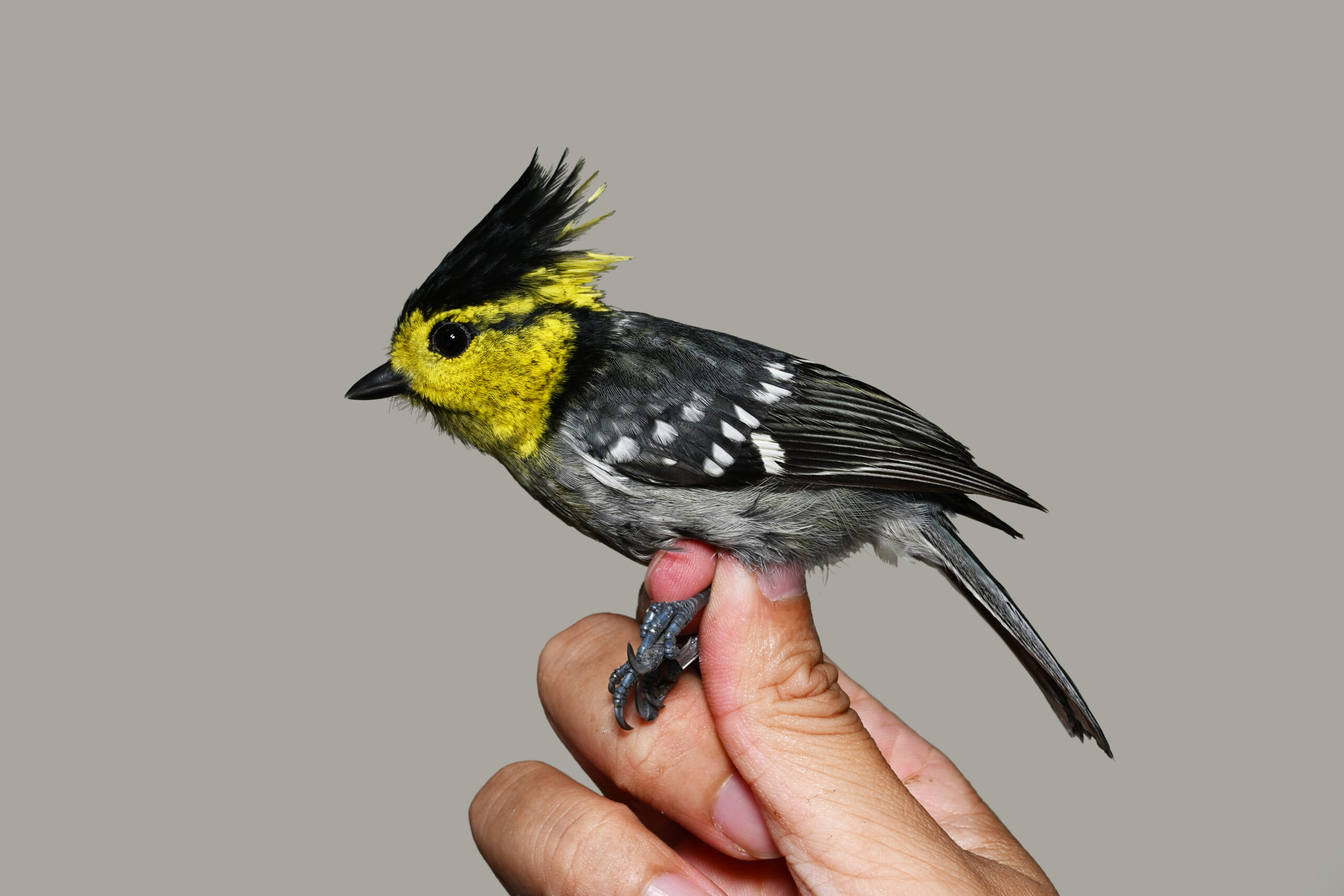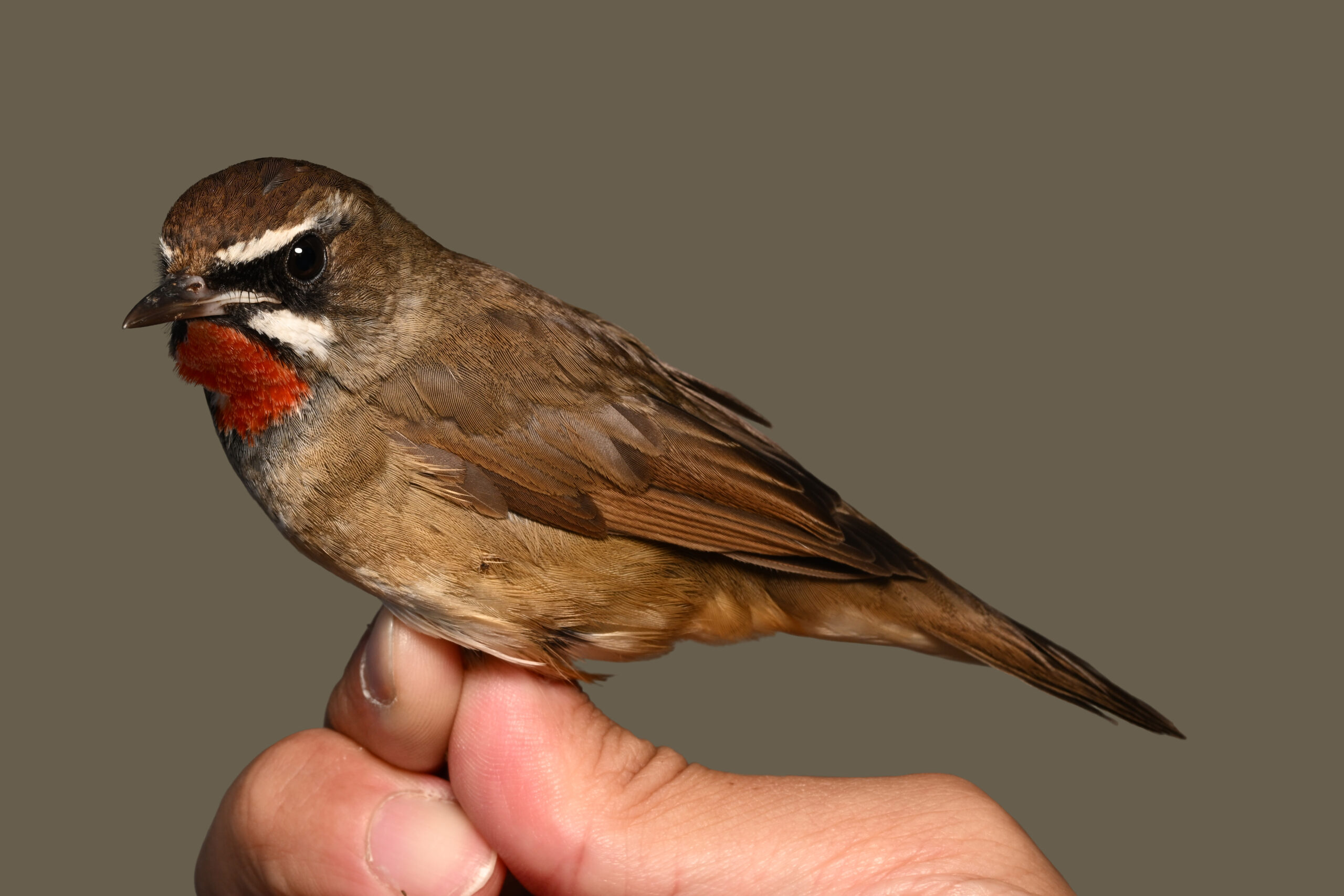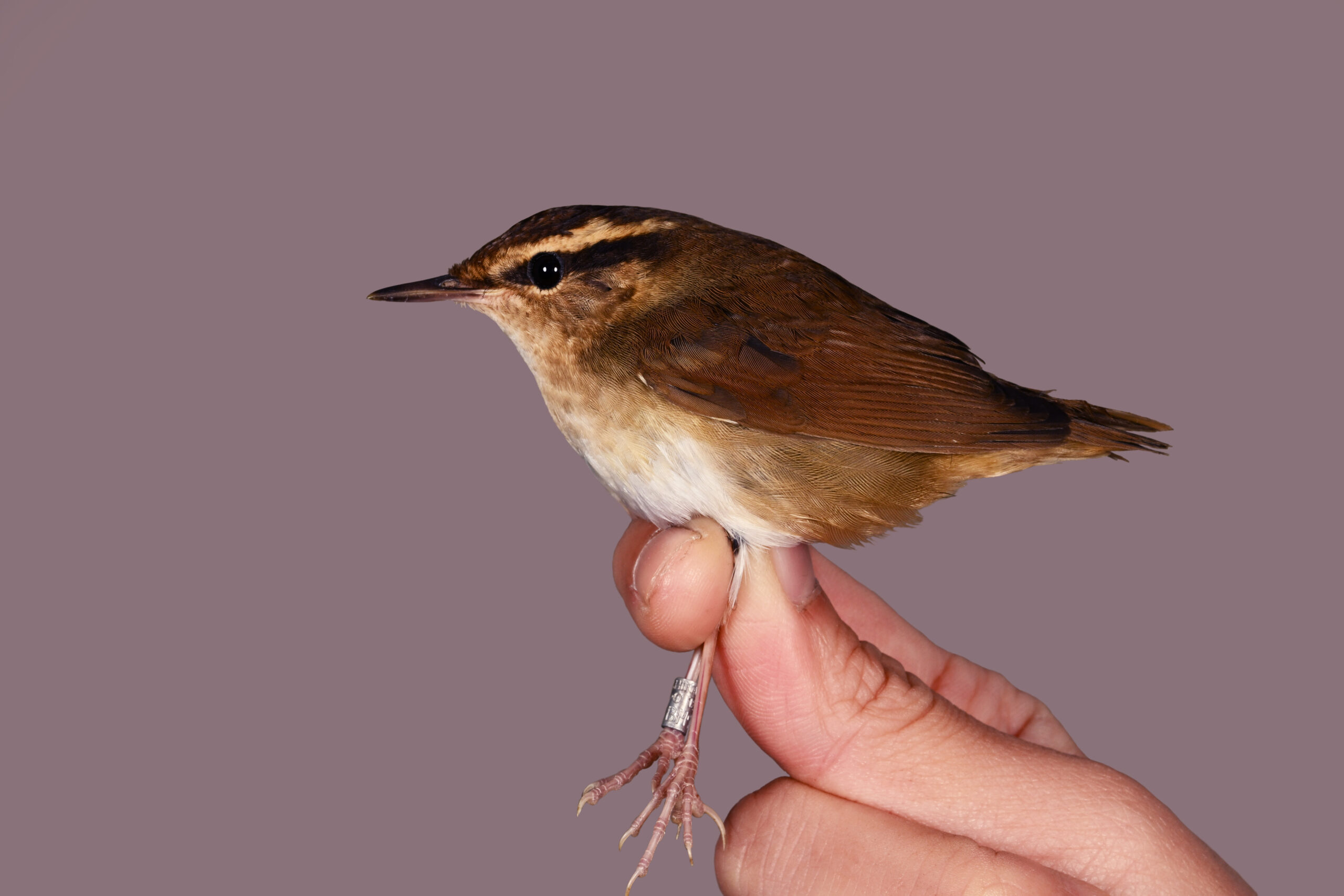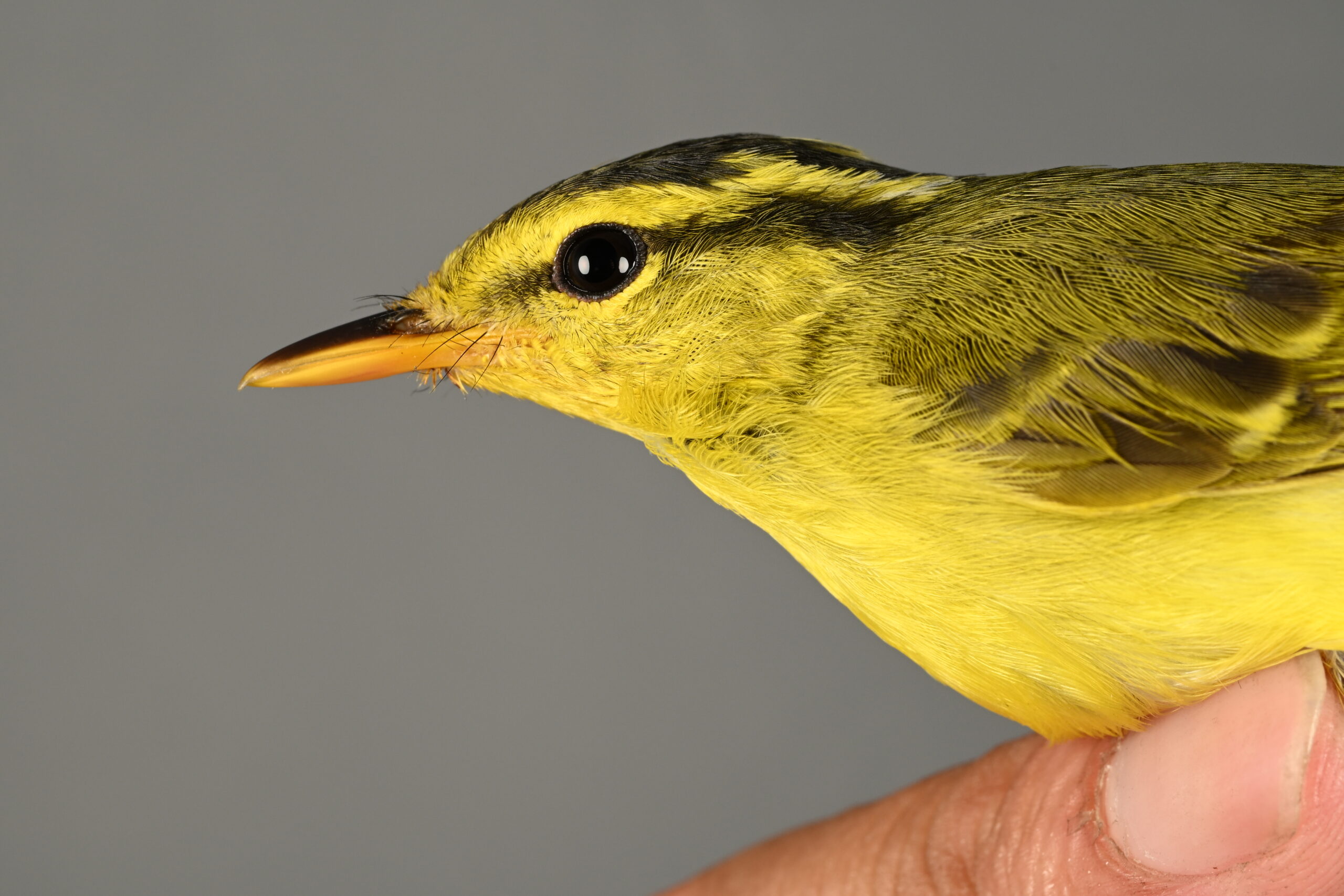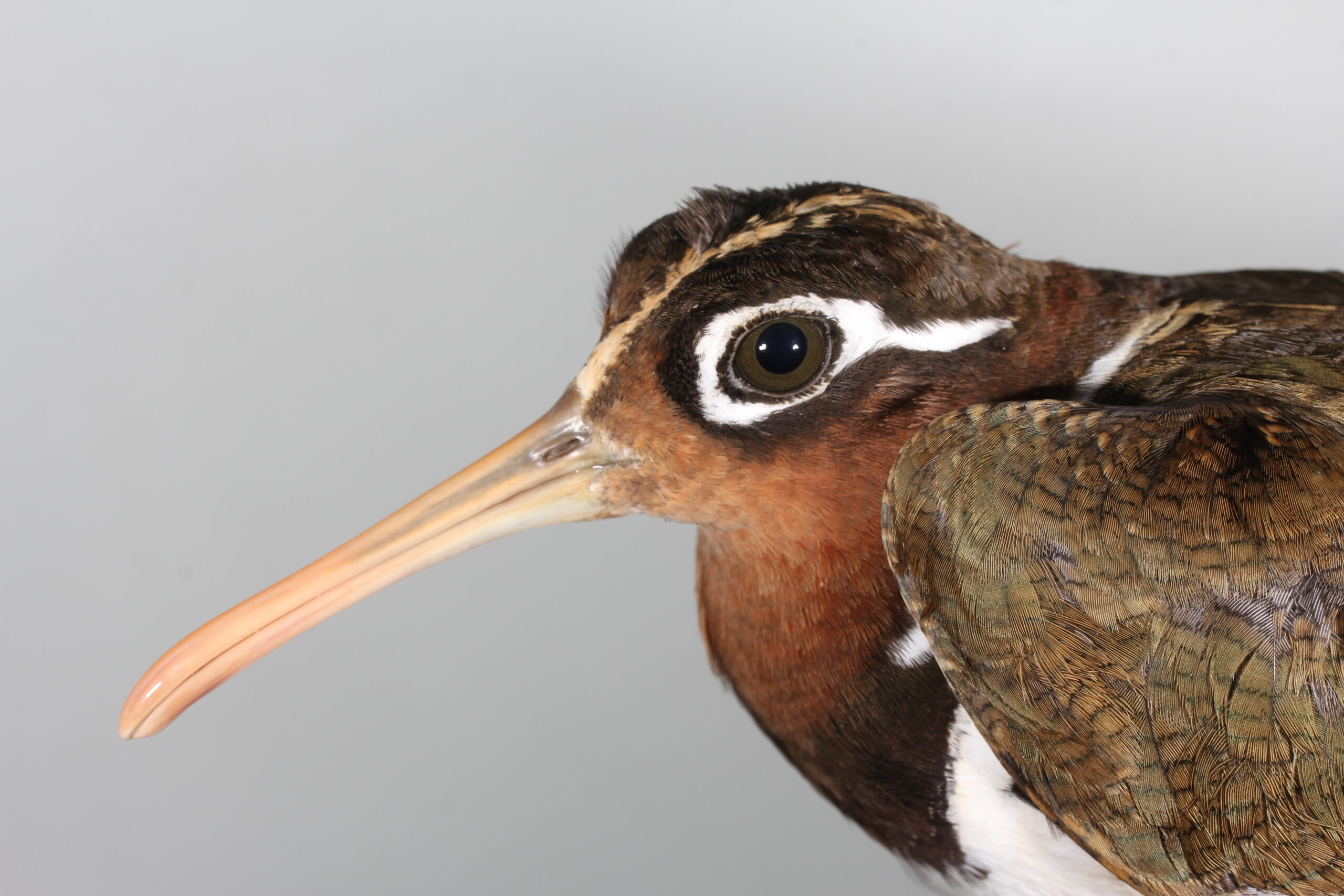



This morning dawned, warm as ever, without a hint of Autumn in the air. Though the air was still and quiet, today proved to be a little busier than expected!
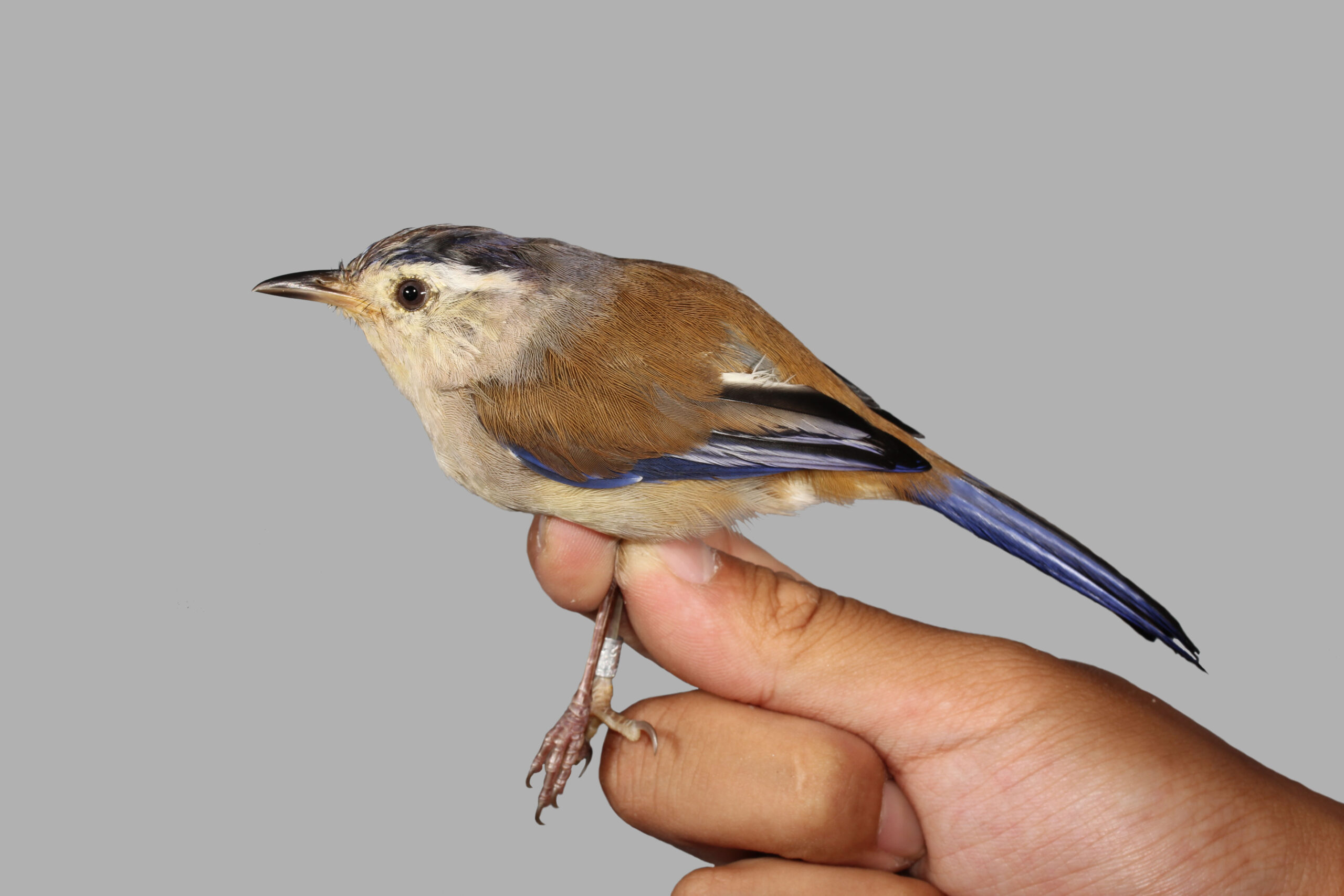
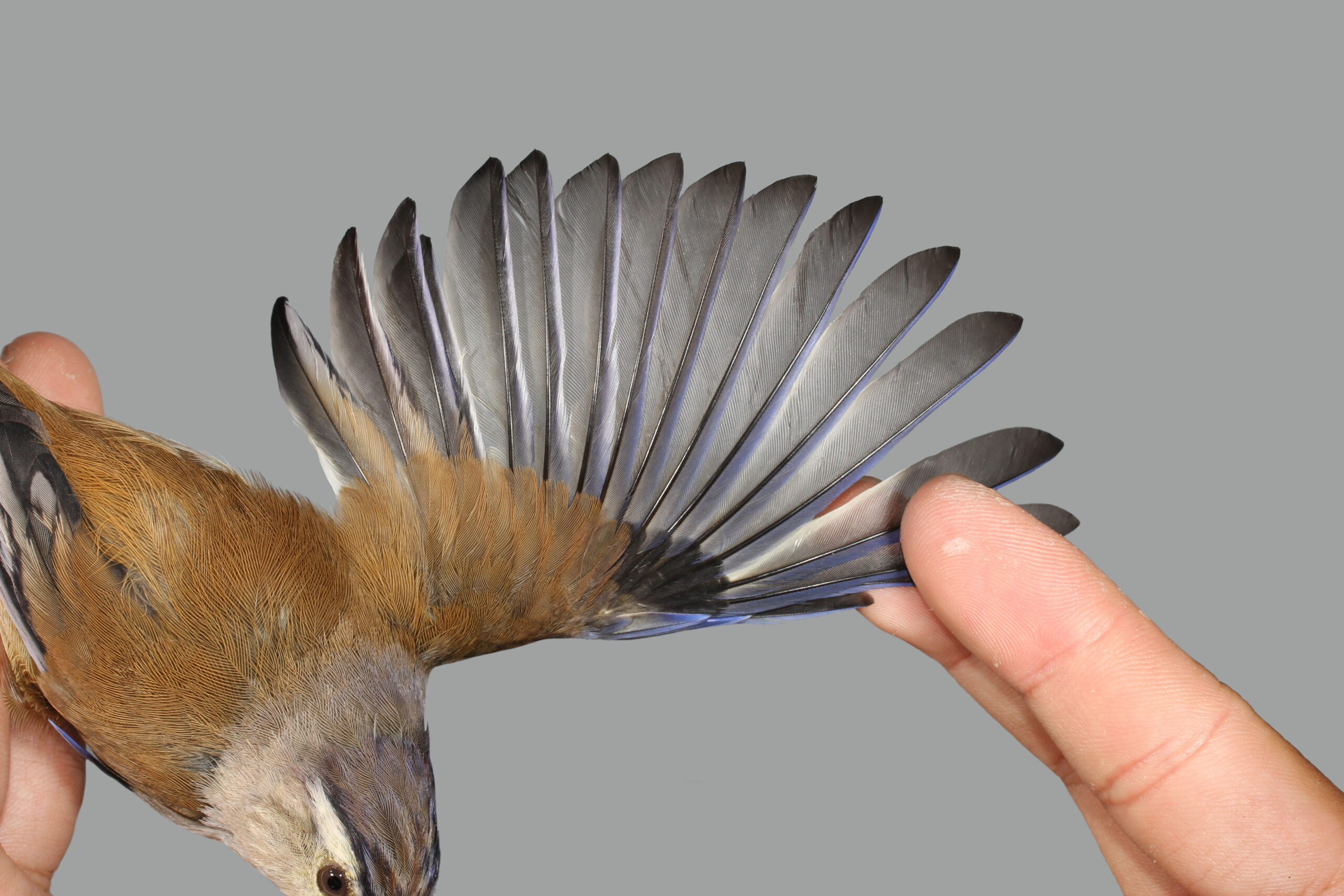
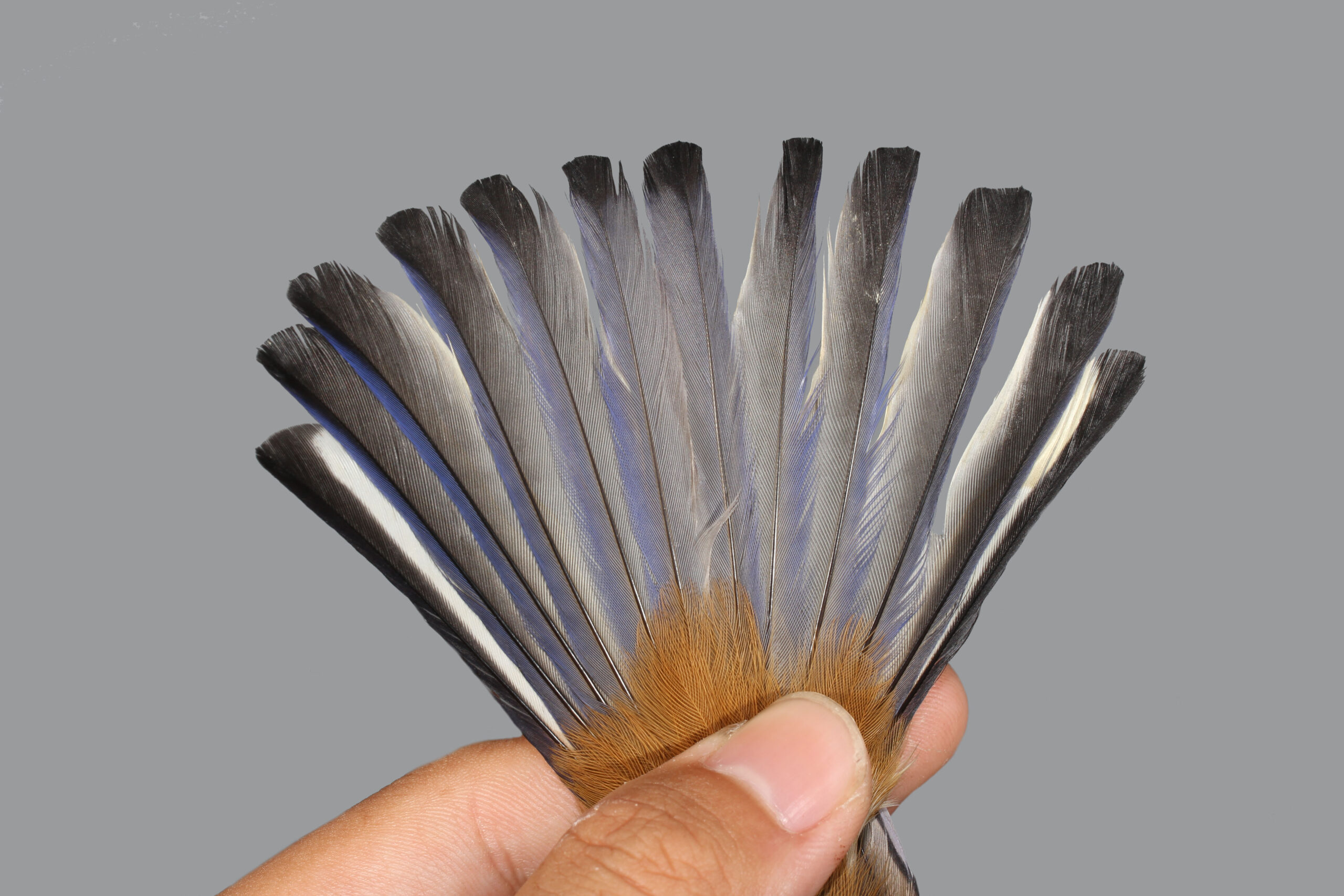
First up was one of our most beautiful residents- The Blue-winged Minla! This bird was a recapture, proving it to be a 2nd calendar year or older bird! Unfortunately, we cannot use the plumage of the bird for ageing, as both adults and juveniles undertake Summer Complete moults, making them identical by October. Inspection of the skull development may be useful, however it seems that juveniles develop very quickly down here in the subtropics. Instead, we focus on the iris colour. As seen in the individual above, adult type irises have more of a rich brown tone to them, in comparison to the paler iris seen in juveniles.
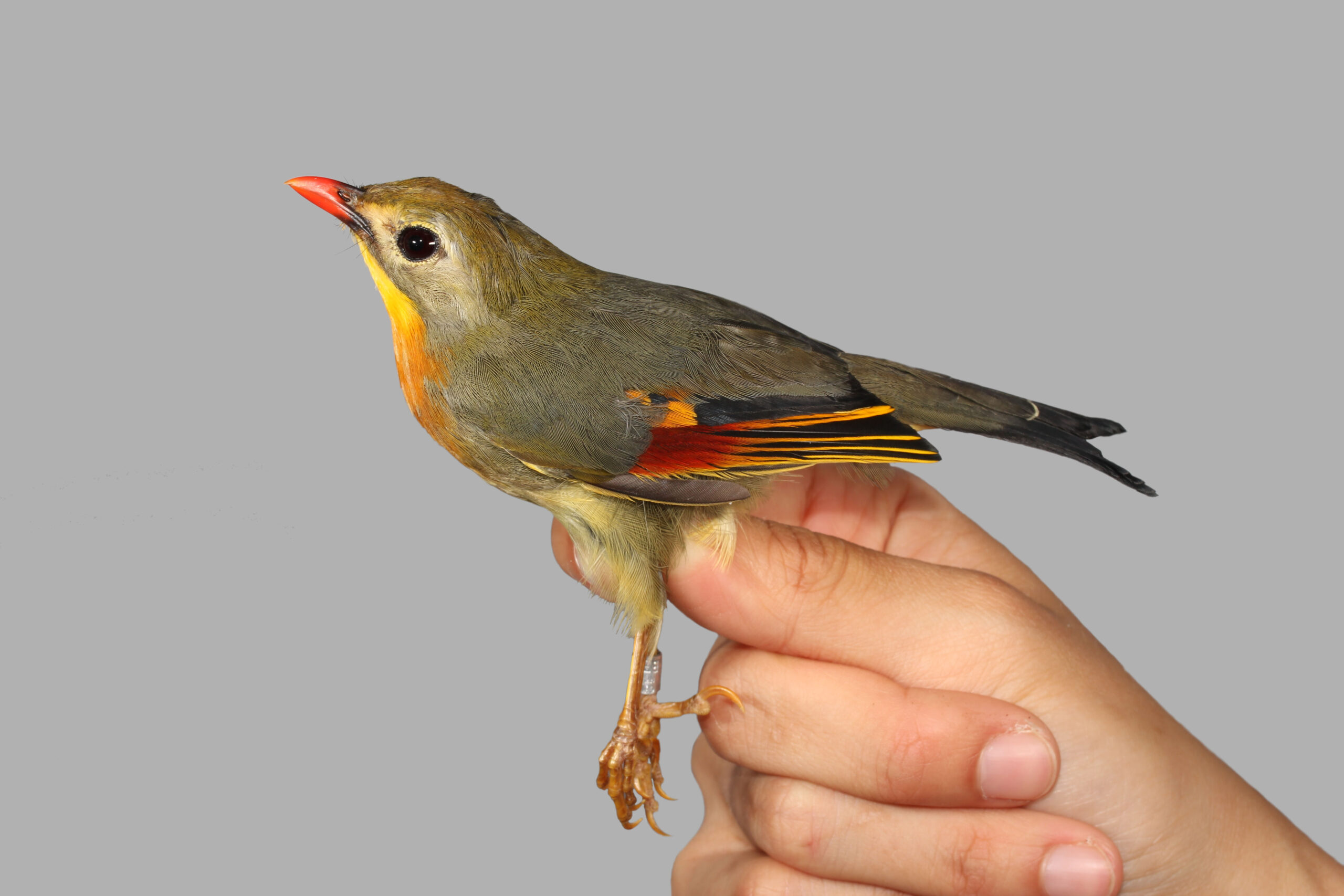
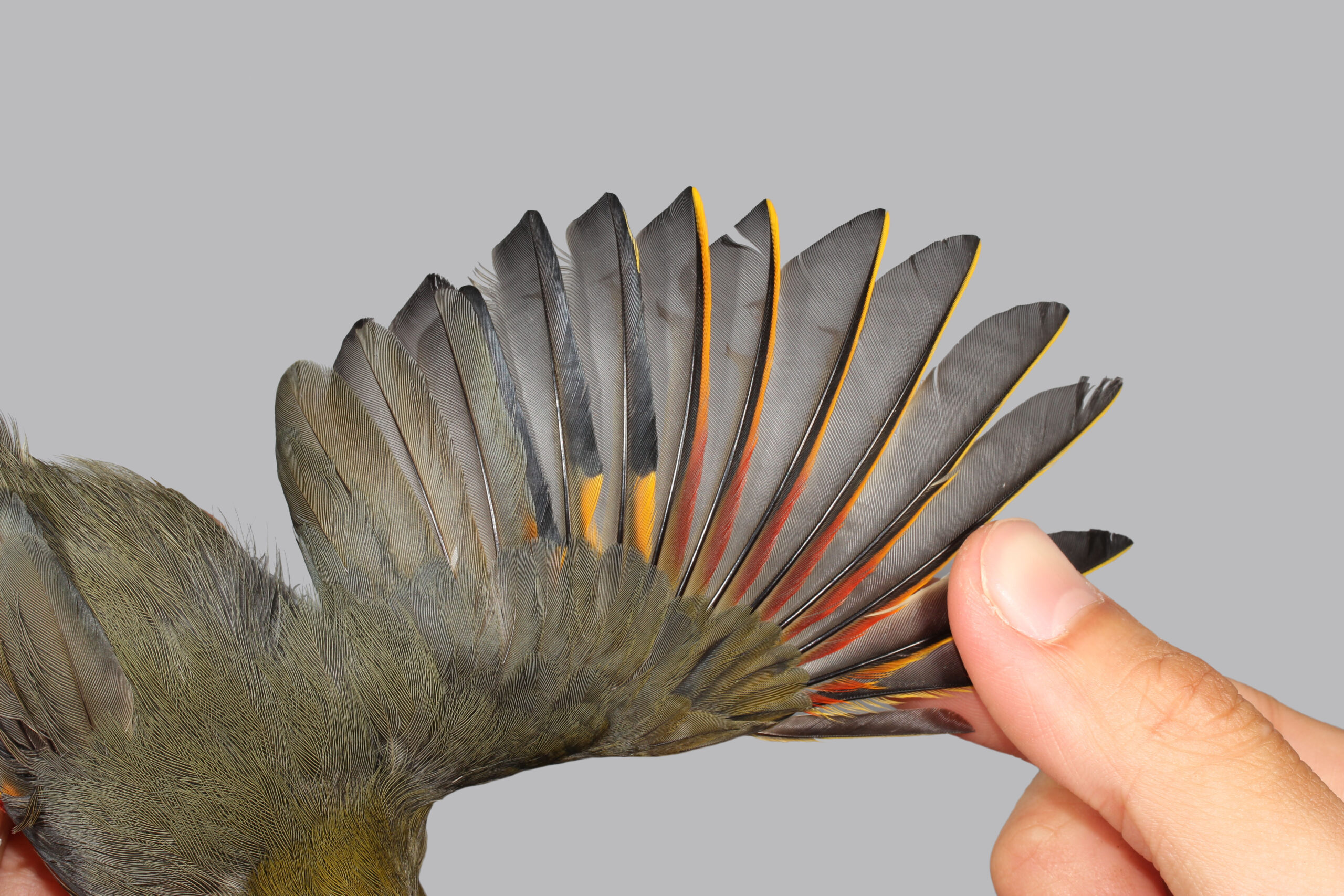
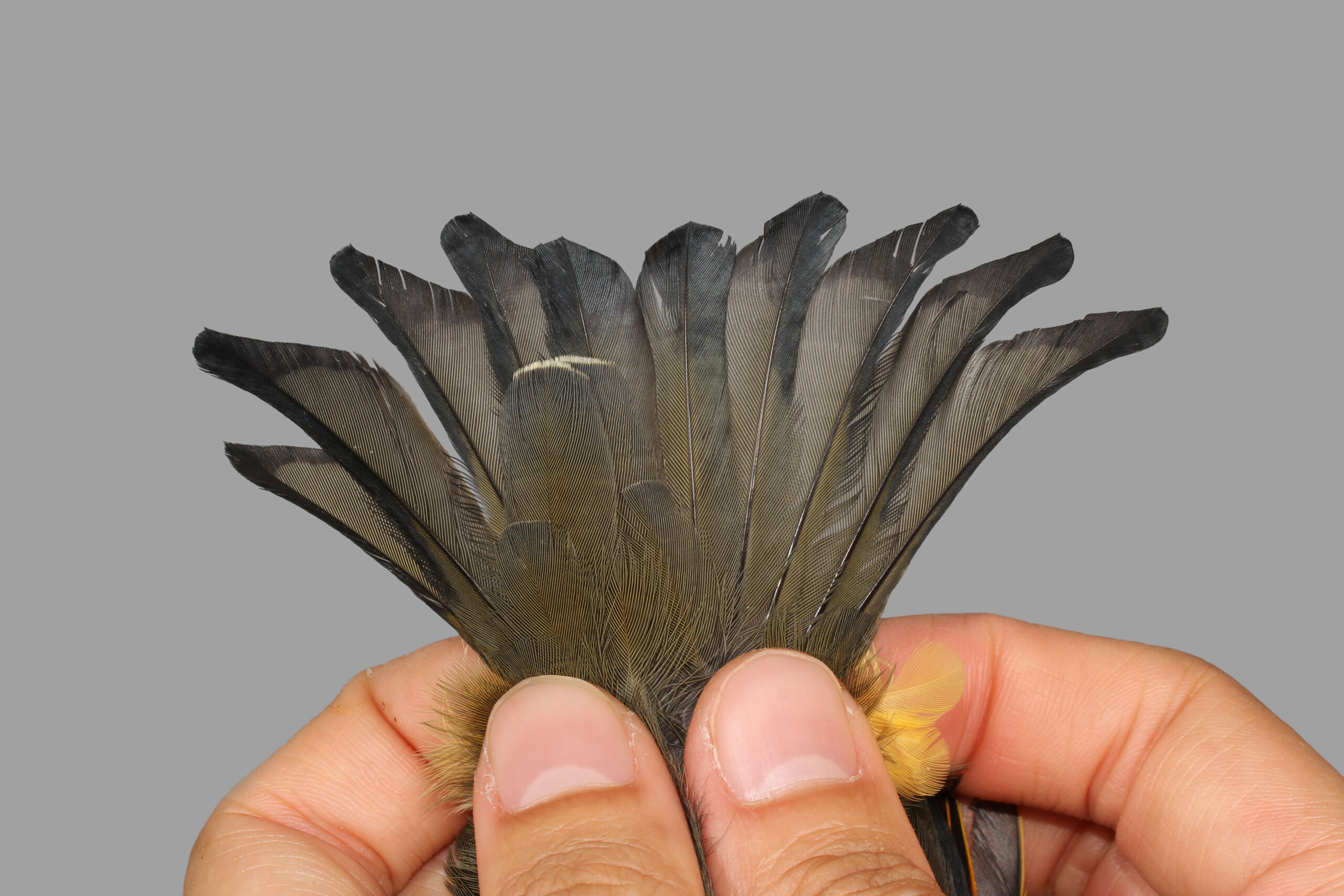
Next up was one of our most common non-native forest species- the Red-billed Leiothrix! These guys are another of our residents that most likely carry out a Summer Complete moult in both adults and juveniles, so, once again, we must rely on other characteristics. In Red-billed Leiothrixes, adult show a strikely red iris. Conversely, as seen in the individual above, juveniles show a much more dull reddish-brown iris.
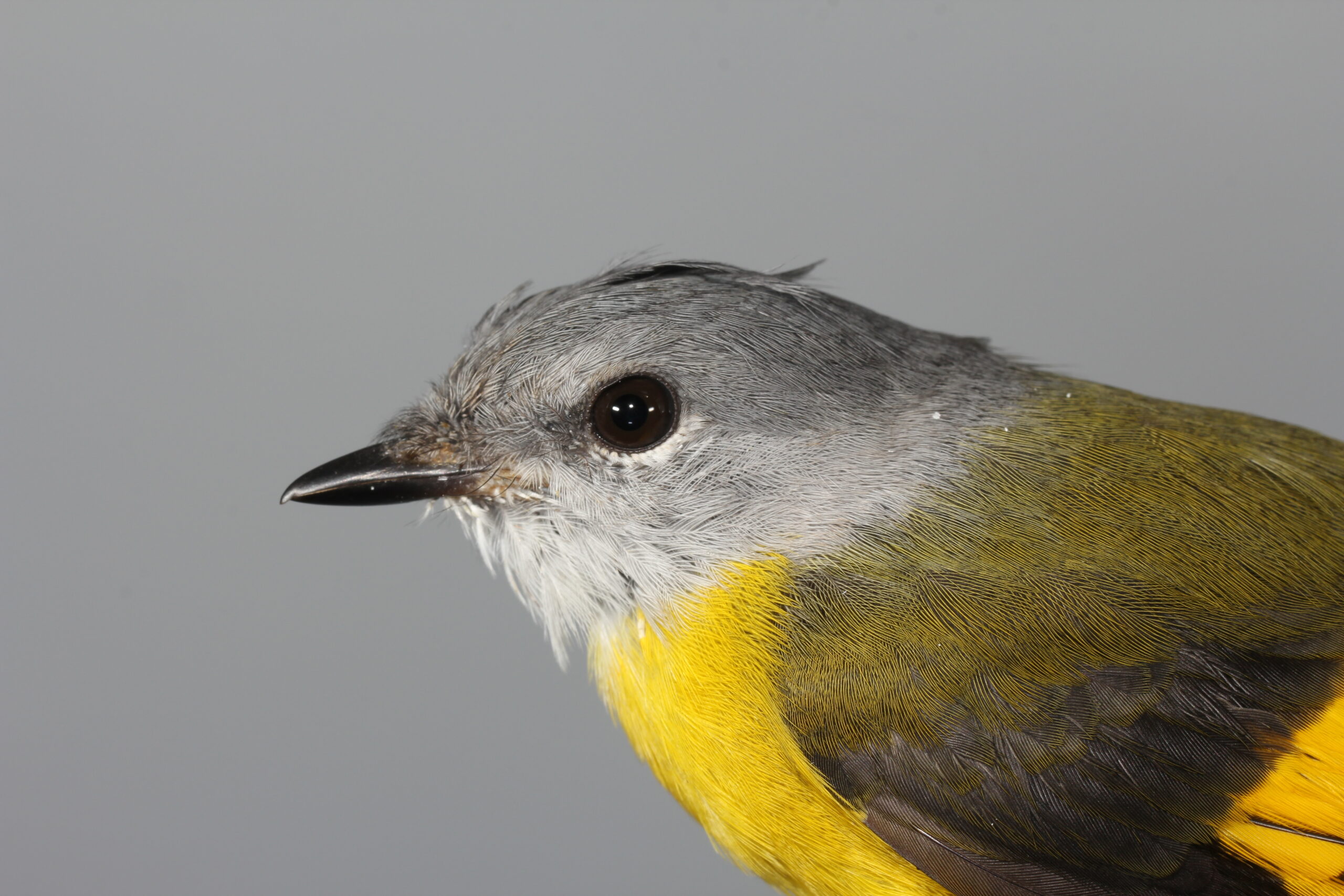
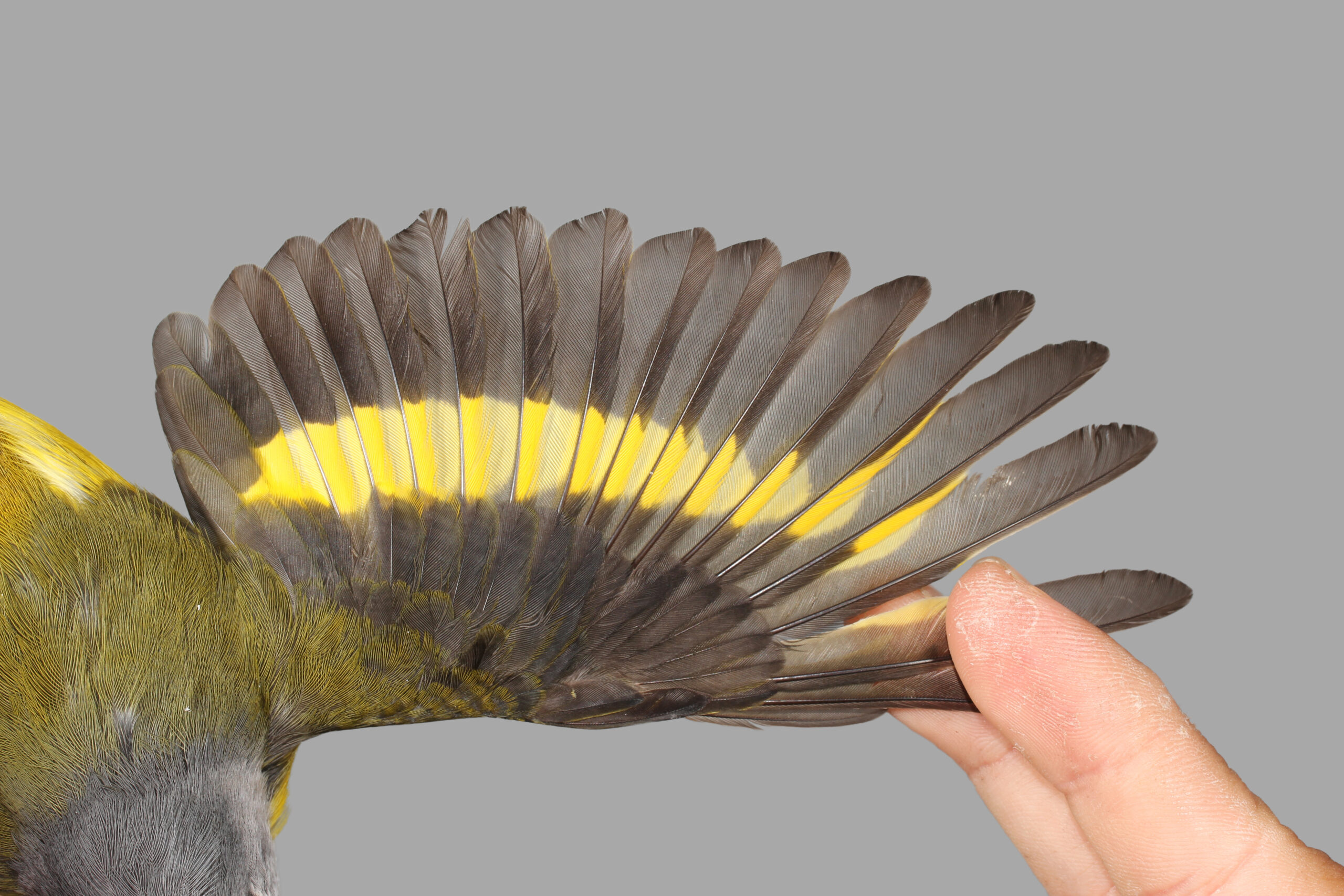
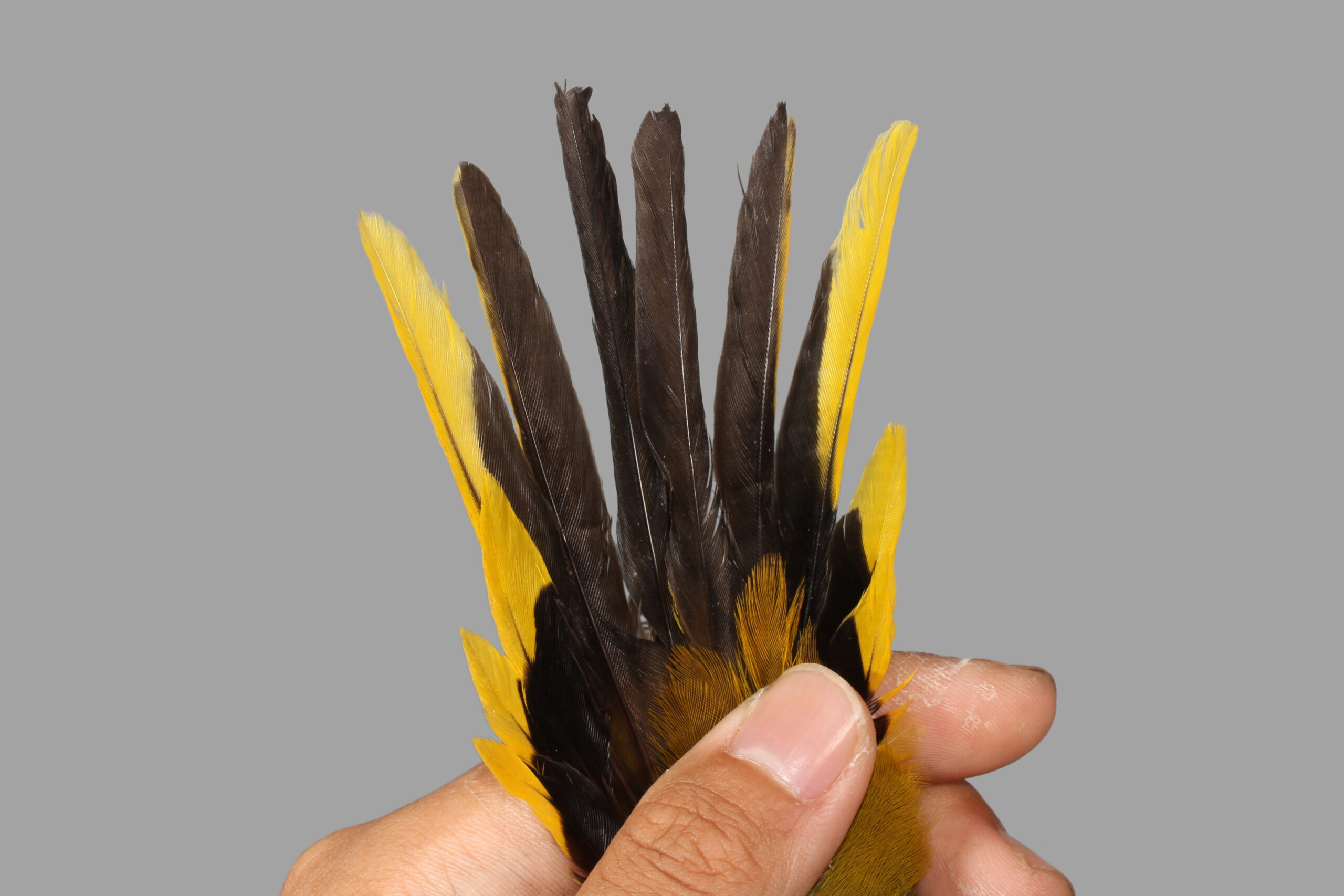
Our residents continued to come, with a gorgeous Grey-chinned Minivet! These guys are similar-looking to the rarer Scarlet Minivet, however all females and juveniles of the Grey-chinned Minivet show…well, a grey chin (or darker grey in adult males). Males and females display a striking example of sexual dimorphism (differences between sexes), in that the females show bright yellow underparts, outer tail feathers and band across the wing. In the males, these parts are bright red, making them easy to spot, glittering across the sky.
The individual above appears to show juvenile primaries and secondaries, which are bleached and worn (potentially tertial 3 moulted), alongside a cold brown iris (juvenile type). However, moulted feathers (see tail) show yellow spots, suggesting that this is a 1st calendar year female!
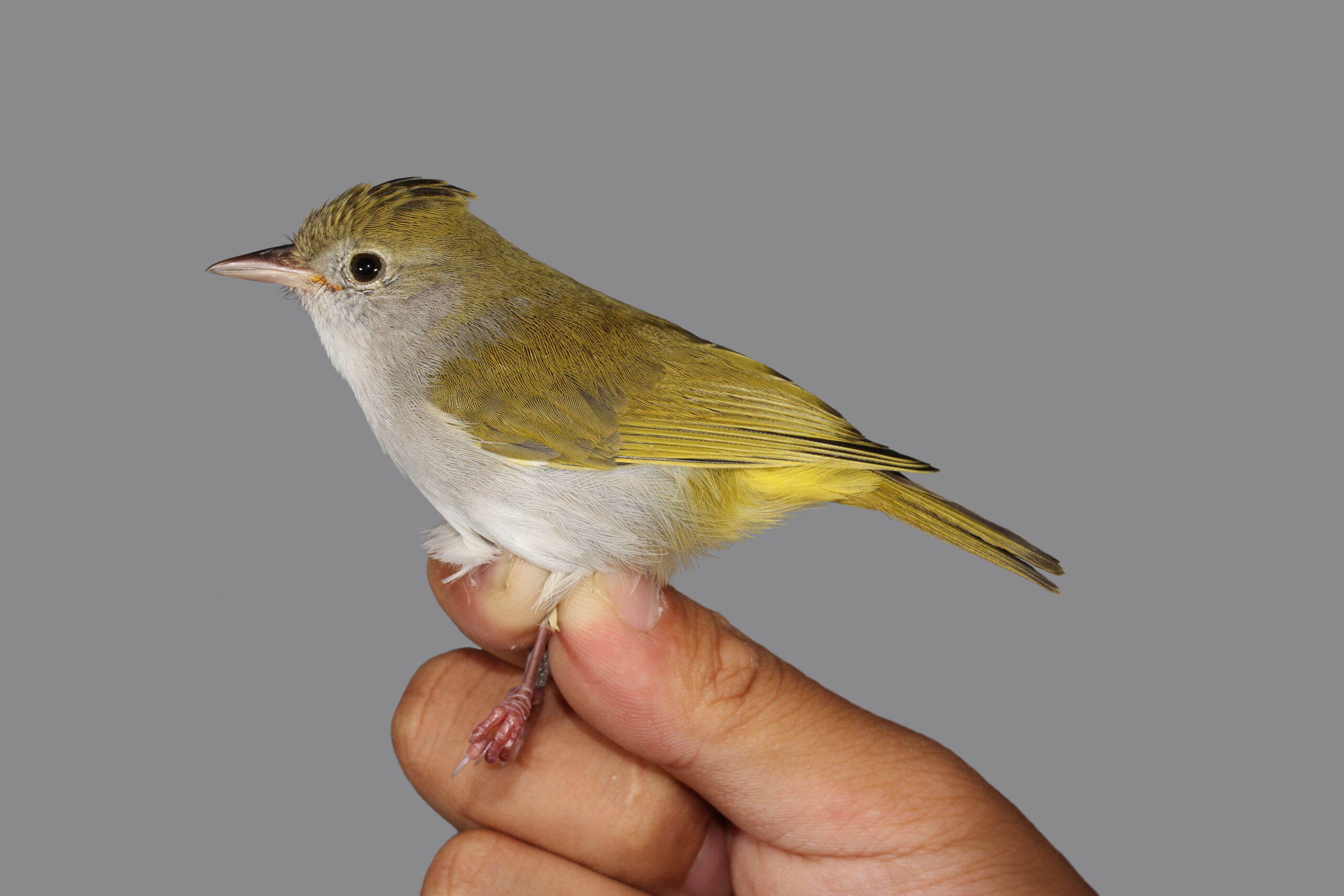
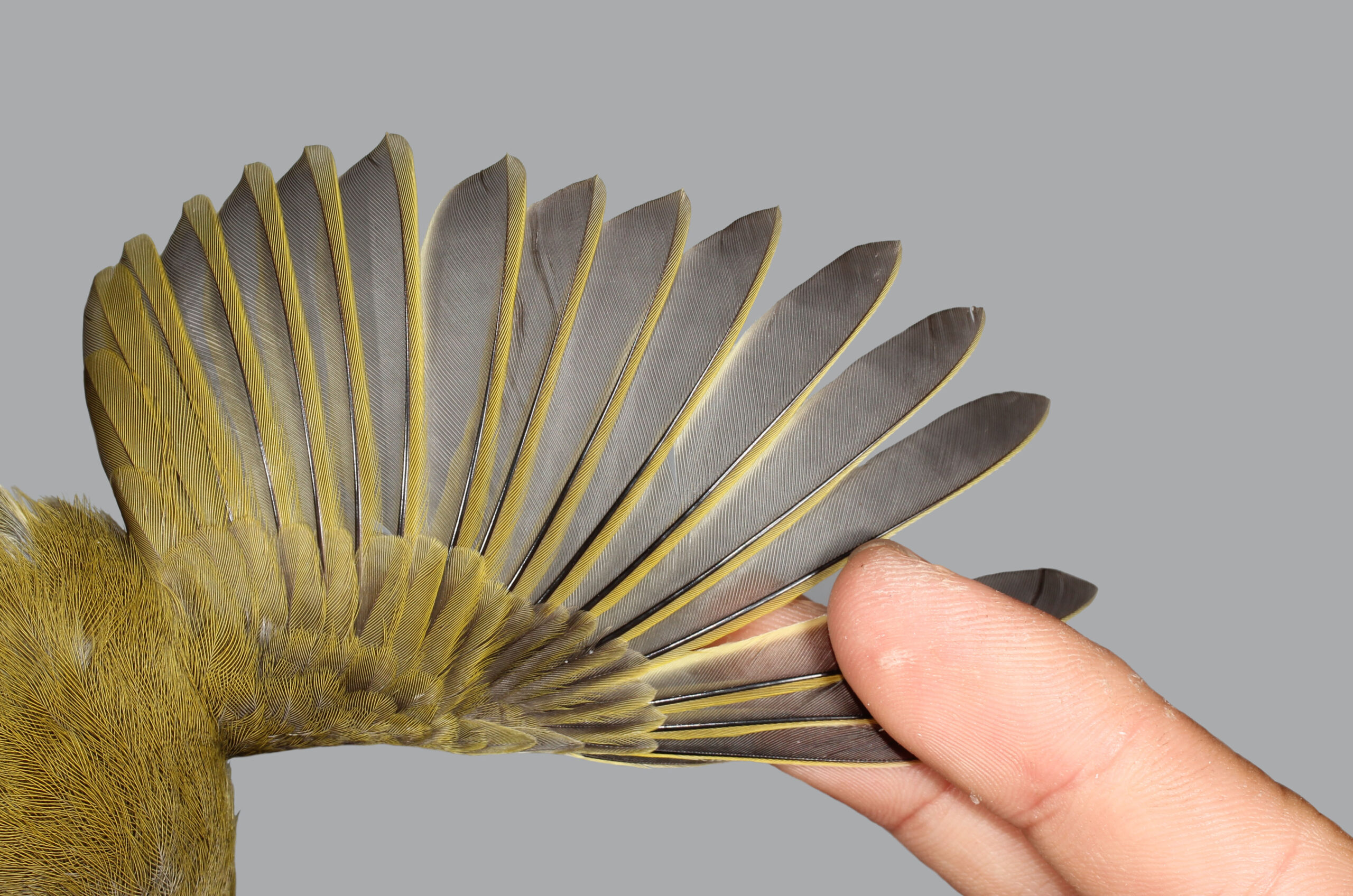
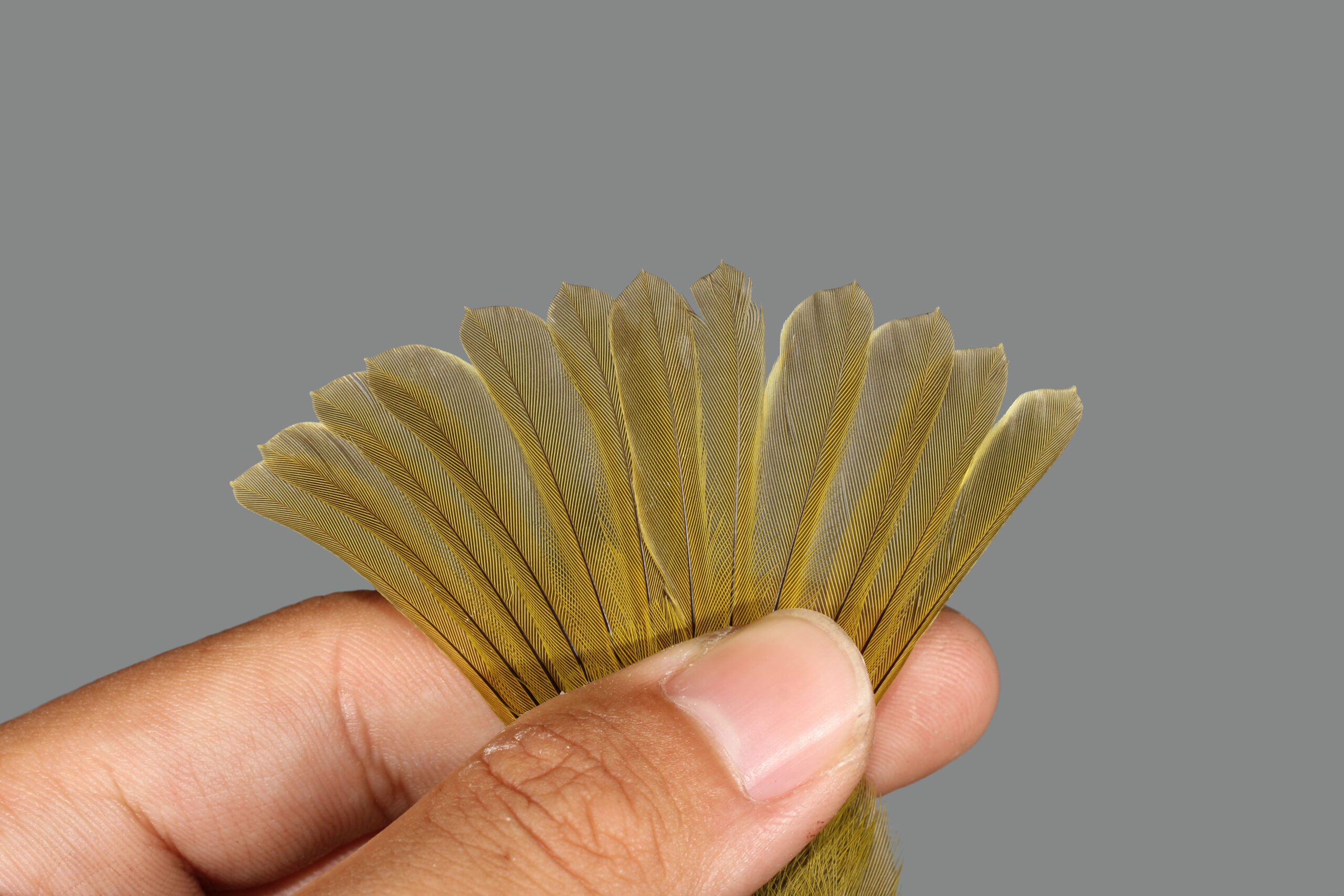
The afternoon wore on, but we were still lucky enough to get a White-bellied Epornis! As before stated, the moulting strategies of this species is not well known, but, lucky for us, the old ring on this bird allowed us to determine that this is an adult bird! Originally ringed in February 2021, this bird must AT LEAST be 4 years old! Welcome back as always!
It showed a very nice, uniform wing and tail with dense, broad feathers of typical adult-type. The photos taken will be incredibly useful in helping us to compare, and therefore age, future individuals! What a wonderful day!
Daily Totals
| Species | Original | Recapture |
| Blue-winged Minla | 1 | 0 |
| Grey-chinned Minivet | 1 | 0 |
| Huet’s Fulvetta | 6 | 1 |
| Pale-legged Leaf Warbler | 1 | 0 |
| Red-billed Leiothrix | 3 | 0 |
| Rufous-capped Babbler | 1 | 2 |
| Streak-breasted Scimitar Babbler | 0 | 1 |
| White-bellied Epornis | 0 | 1 |
| Grand Total | 13 | 5 |
*Please note that all wild birds, their nests, and eggs are highly protected (under Wild Animals Protection Ordinate, Cap. 170) in Hong Kong. It is an offence to wilfully disturb, take, remove, or injure wild birds or their nests/eggs. The actions described here were undertaken by trained professionals holding the necessary licenses and permits issued by the AFCD.*